





















Interstellar Comet 3I/ATLAS through Many Eyes: All Images So Far
Sep 26, 2025
Soumyadeep Mukherjee
Soumyadeep Mukherjee is an award-winning astrophotographer from India. He has a doctorate degree in Linguistics. His work extends to the sub-genres of nightscape, deep sky, solar, lunar and optical phenomenon photography. He is also a photography educator and has conducted numerous workshops. His works have appeared in over 40 books & magazines including Astronomy, BBC Sky at Night, Sky & Telescope among others, and in various websites including National Geographic, NASA, Forbes. He was the first Indian to win “Astronomy Photographer of the Year” award in a major category.
Share:

When astronomers discovered 3I/ATLAS in July 2025, it was immediately clear this was no ordinary comet. Its orbit carried the unmistakable signature of an interstellar traveler. Only twice before had such an object been found passing through our solar system. To capture its brief visit, observatories worldwide turned their cameras skyward. Each telescope brought unique strengths: wide-field surveys to catch its faint glow, large mirrors for sharp resolution, and space-based instruments to peer beyond the limits of Earth’s atmosphere.
Photography has been at the heart of this campaign. From simple discovery frames to intricate multi-band composites, the images reveal how telescopes record much more than points of light. They show structure, color, texture, and chemical fingerprints. Each picture of 3I is a visual narrative of an alien object caught mid-journey.
ATLAS Telescope
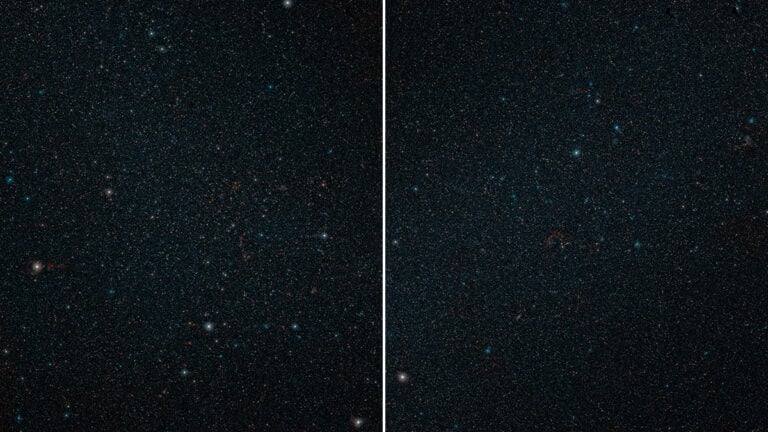
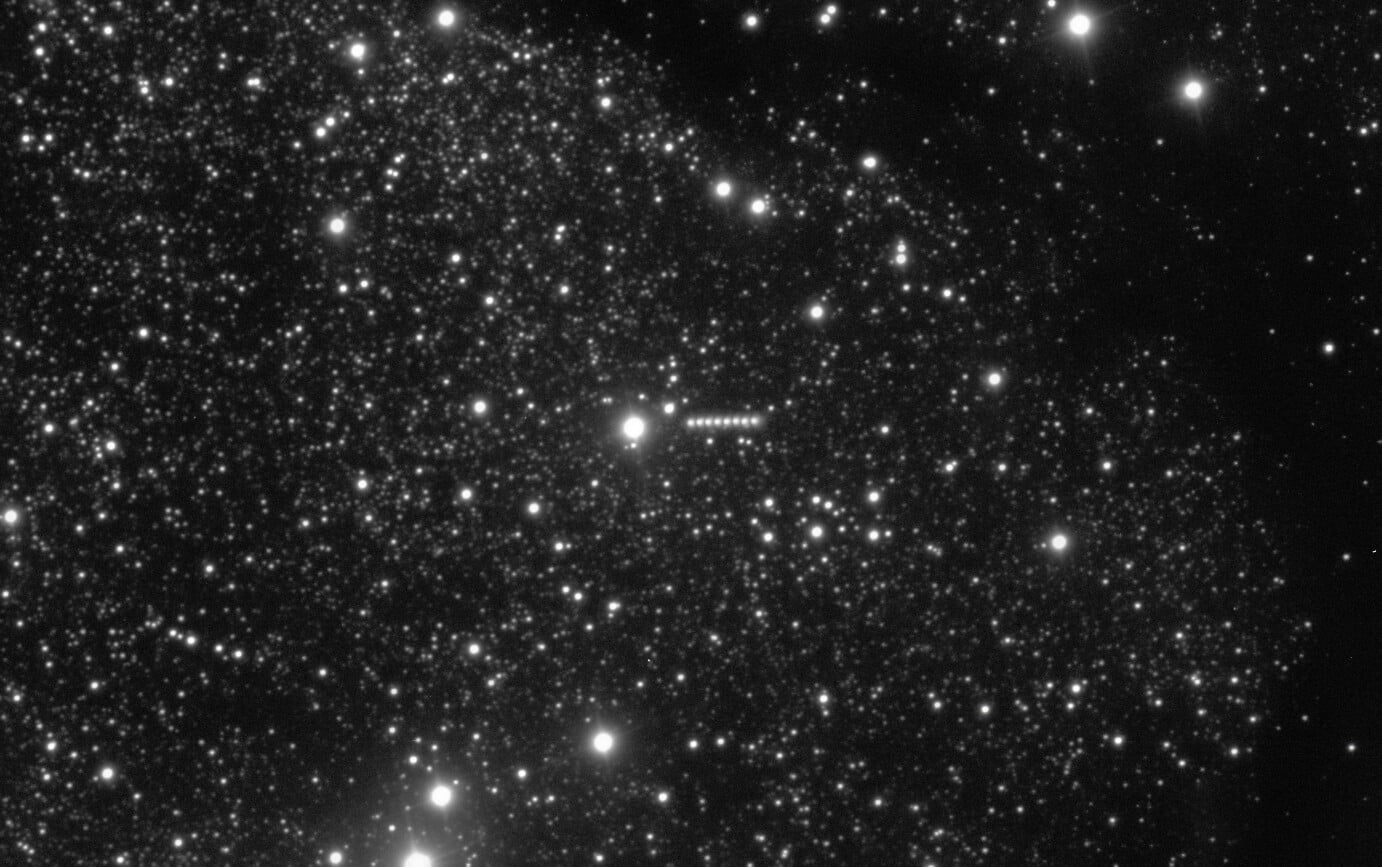
The Asteroid Terrestrial-impact Last Alert System (ATLAS) first spotted the faint smear of light that became known as 3I/ATLAS. Designed to scan the skies for potentially hazardous asteroids, ATLAS operates with wide-field optics rather than high resolution. Yet its discovery image, taken in 2025, carried historic weight. It revealed the unmistakable fuzziness of a comet, one that was clearly moving differently from Solar System objects.
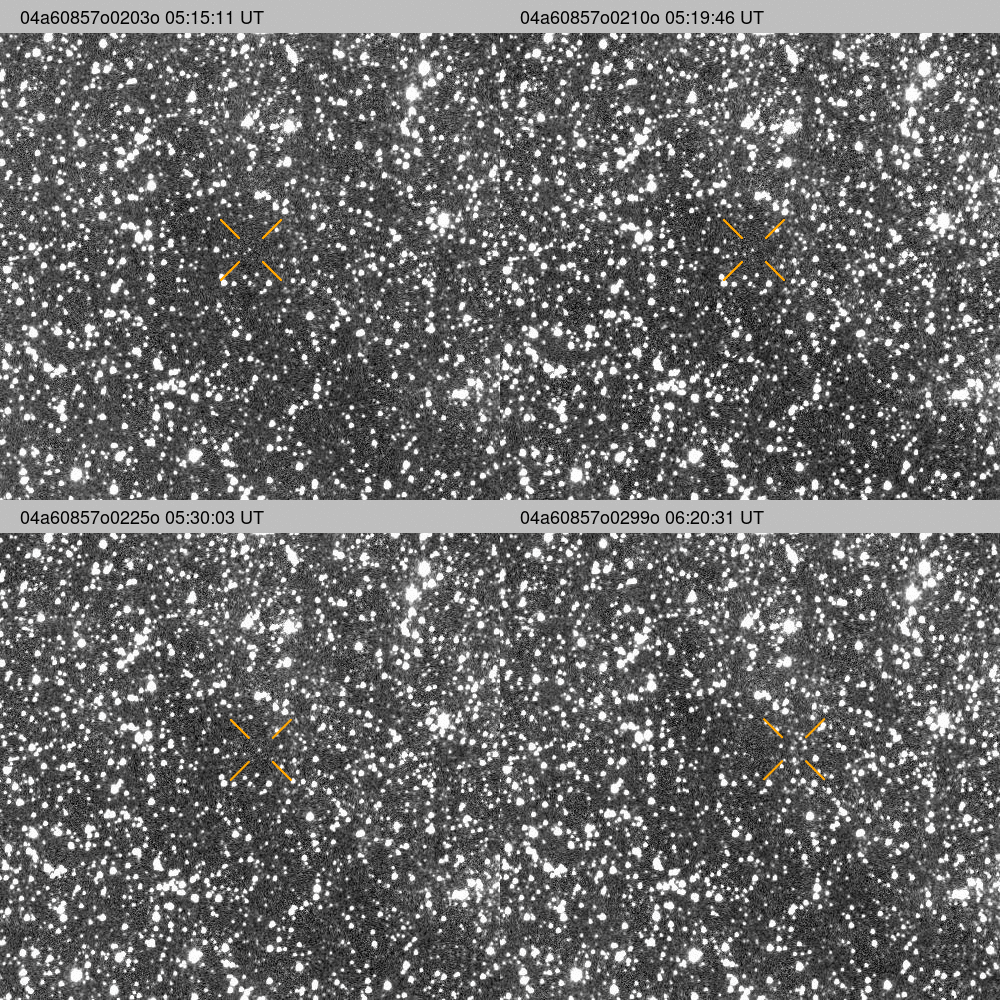
Photography from ATLAS is utilitarian: rapid exposures, broad sky coverage, and automated detection software. The frames were not meant for beauty but for vigilance. Still, the first images showed a diffuse glow against a backdrop of stars, the earliest documentation of an interstellar body carrying a visible coma. The importance of these photographs lay in what they announced: humanity had found another messenger from beyond the Sun’s influence.
Canada–France–Hawaii Telescope (CFHT)
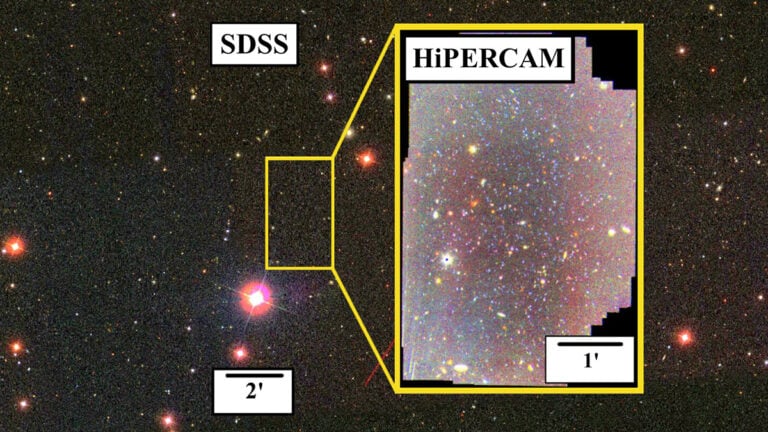
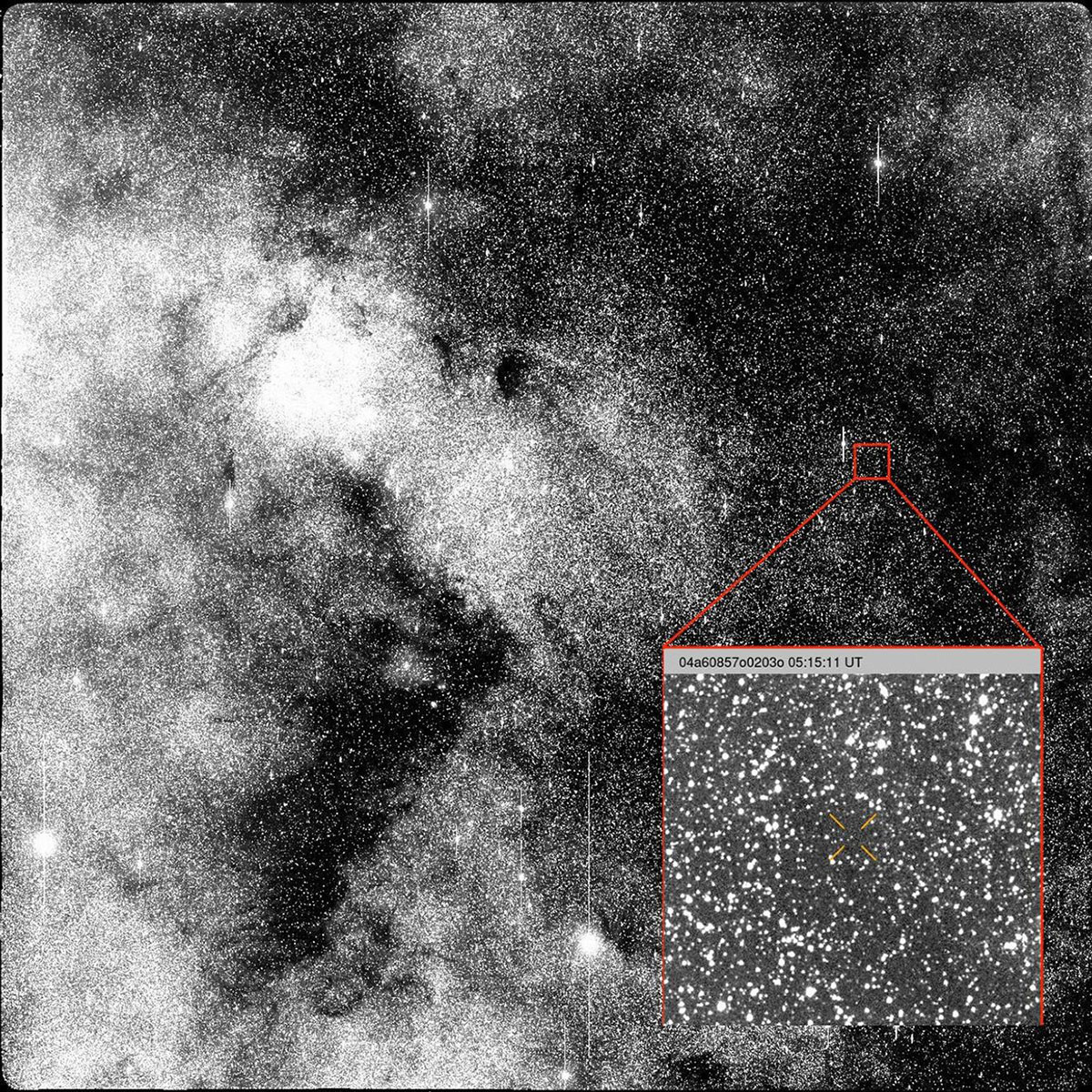
Soon after the announcement, the Canada–France–Hawaii Telescope (CFHT) on Maunakea turned its 3.6-meter mirror toward the comet. CFHT specializes in wide-field deep imaging, and its instruments gave one of the earliest detailed portraits of 3I/ATLAS. Using broadband filters, astronomers captured a sharper view of the coma and the first signs of a developing dust tail.
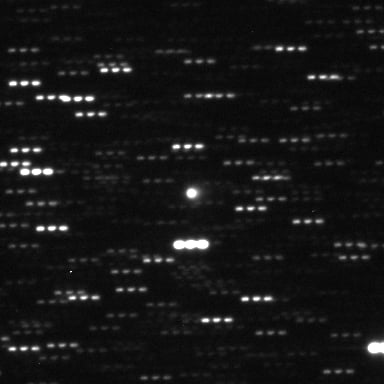
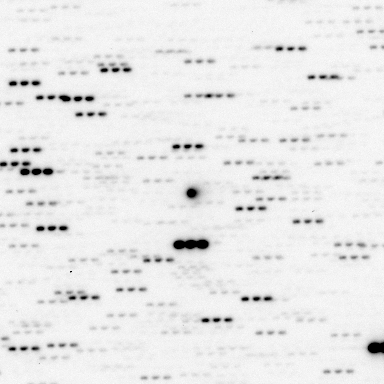
The CFHT photographs offered clarity beyond the discovery frames. Longer exposures traced the comet’s motion relative to background galaxies, producing streaks that underscored its speed through the Solar System. The sensitivity of CFHT revealed subtle asymmetries in the coma, hinting at uneven outgassing from the nucleus. These images confirmed that 3I/ATLAS was active, shedding material in a way familiar from homegrown comets yet rooted in a completely different star system.
Gemini North Telescope
The Gemini North telescope, also atop Maunakea, added precision with its 8.1-meter mirror. Equipped with sensitive optical and near-infrared cameras, Gemini captured strikingly detailed images of the comet’s core region. By combining multiple short exposures, astronomers froze the motion of the fast-moving body while preserving the faint structures in its tail.
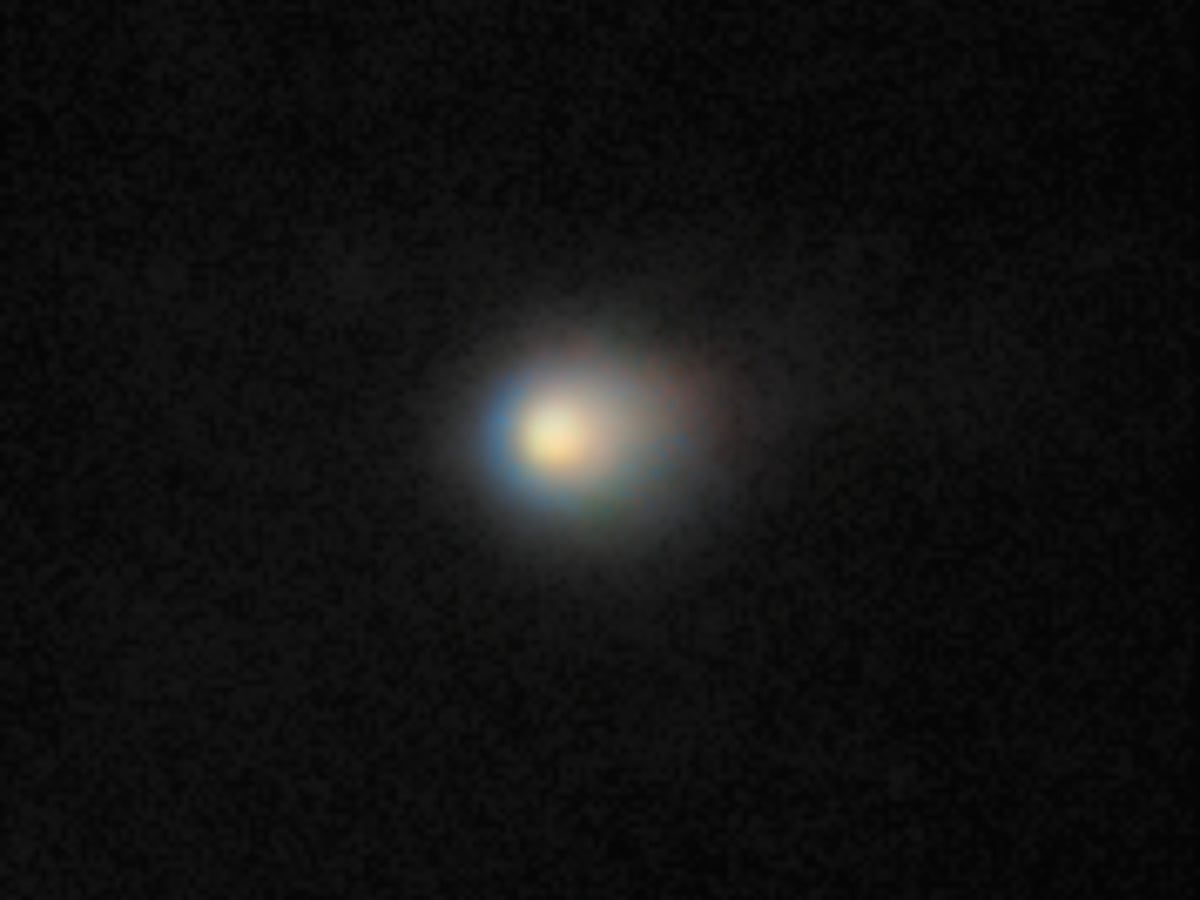
The resulting photographs carried both scientific and visual aspects. The nucleus appeared enveloped by a compact coma, with the tail stretching across the frame in delicate gradients of brightness. Gemini’s high sensitivity allowed astronomers to measure the dust grain sizes and estimate the rate of sublimation. The photography showed the comet’s activity in quantitative terms, transforming what looked like a ghostly smudge into measurable data about dust production and composition.

Very Large Telescope (VLT)
In Chile, ESO’s Very Large Telescope (VLT) used its advanced instruments to capture 3I/ATLAS under pristine skies. With its four 8.2-meter mirrors and adaptive optics, the VLT produced images that cut through atmospheric distortion. The photographs showed the comet’s coma with unusual sharpness, allowing astronomers to distinguish jets of material streaming from different regions of the nucleus.

The VLT images were both sharper and deeper, thanks to long exposure times on a stable platform. These frames revealed a fainter, secondary tail structure, evidence of multiple types of material escaping. Photographically, the VLT demonstrated the advantage of high-resolution ground-based imaging: the comet was no longer a blurred streak but a structured, dynamic object. Scientists used these photographs to model how the nucleus rotated and how sunlight triggered bursts of gas and dust.
Hubble Space Telescope
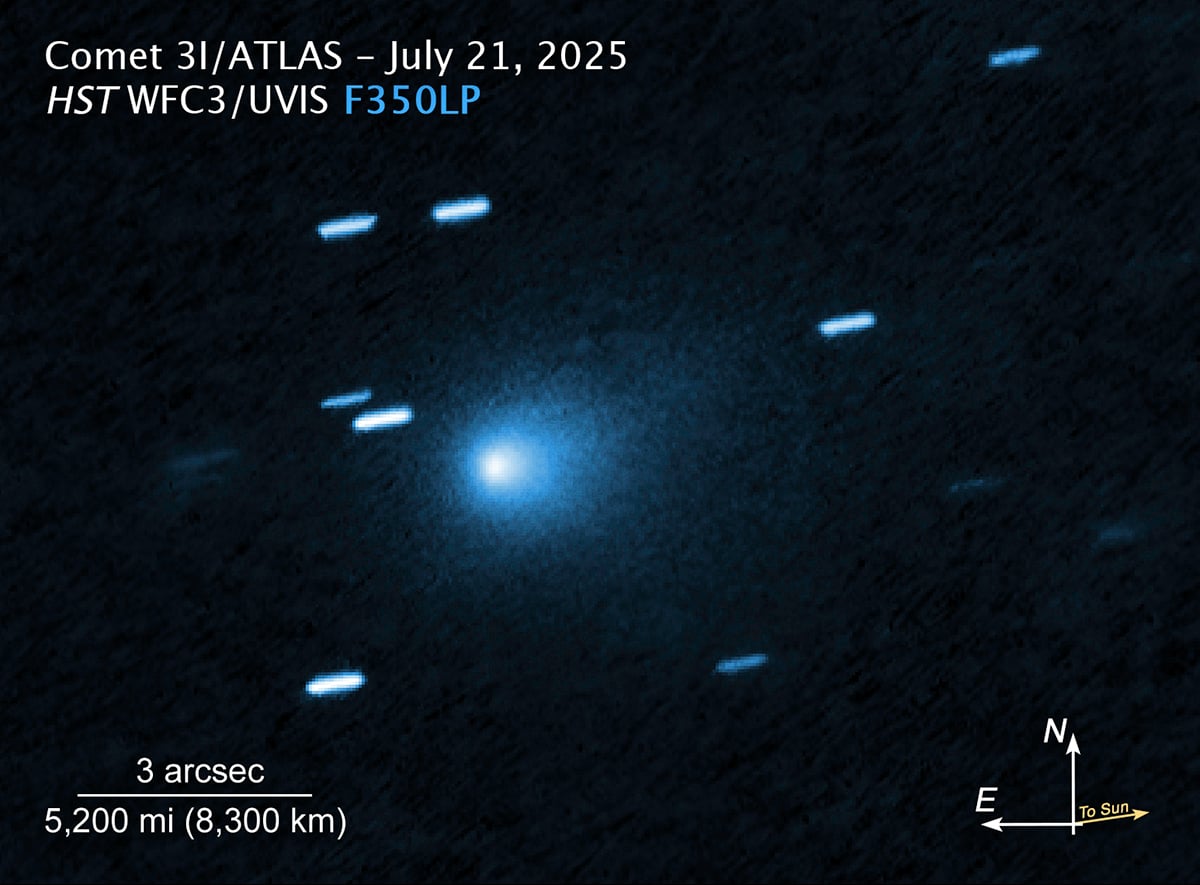
The Hubble Space Telescope provided the first space-based images of 3I/ATLAS. Free from atmospheric interference, Hubble’s Wide Field Camera 3 captured exquisite detail in the comet’s inner coma. The photographs showed the nucleus enshrouded by a compact halo of dust, with filaments stretching outward. Hubble’s ultraviolet and visible imaging modes allowed researchers to separate gas emissions from dust scattering, something difficult to achieve from the ground.
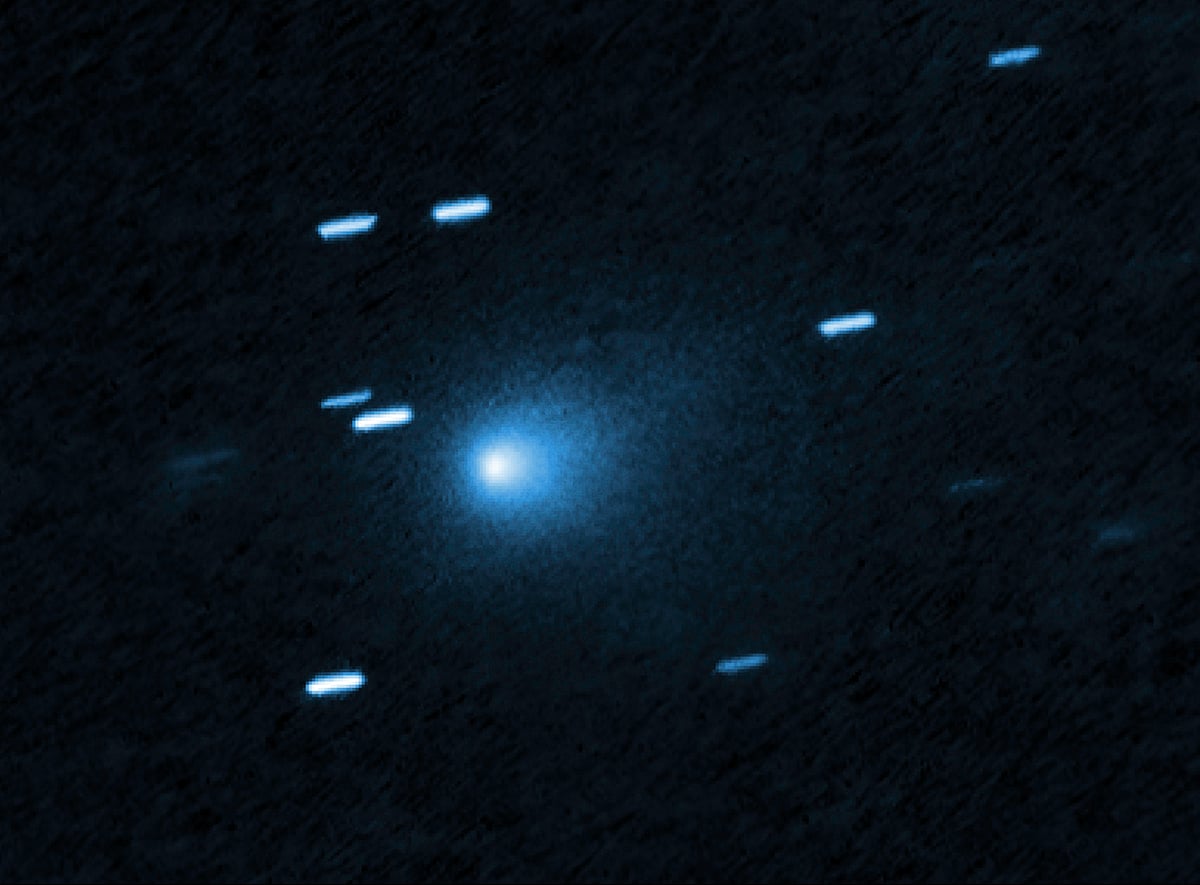
These photographs carried a special clarity. Background stars remained blurry, while the comet’s movement was carefully tracked to avoid smearing. The tail appeared as a luminous extension against the blackness of space. From these frames, astronomers inferred the comet’s size. It was smaller than initially expected. The images also helped scientists study its loss of material. For the public, Hubble’s images provided a visually arresting confirmation: an interstellar traveler photographed in space, suspended with an elegance that only Hubble could deliver.
James Webb Space Telescope (JWST)
The James Webb Space Telescope (JWST) turned its infrared eyes on 3I/ATLAS. Webb’s instruments, especially NIRSpec, captured wavelengths invisible to human sight, producing photographs that were both scientifically rich and artistically striking. Instead of a simple tail, the infrared images revealed thermal glow from dust grains, tracing their composition and temperature.

The photographs differed dramatically from optical views. The comet appeared as a warm source, its structure outlined by emission from ices and silicates. Spectroscopic imaging within the frames revealed chemical fingerprints: carbon-bearing molecules, water, and compounds possibly forged in another star system. These photographs carried immense value: they showed that 3I/ATLAS was not chemically alien but shared ingredients with Solar System comets.

SPHEREx
Although still in its commissioning phase, SPHEREx, NASA’s all-sky infrared surveyor, obtained test observations of 3I/ATLAS. Its wide-field imaging mode captured the comet in context with the surrounding sky, producing photographs less detailed than Webb’s but valuable for their spectral coverage. SPHEREx is designed to map the entire sky every six months, and catching 3I/ATLAS during its pass offered an early demonstration of the mission’s potential.
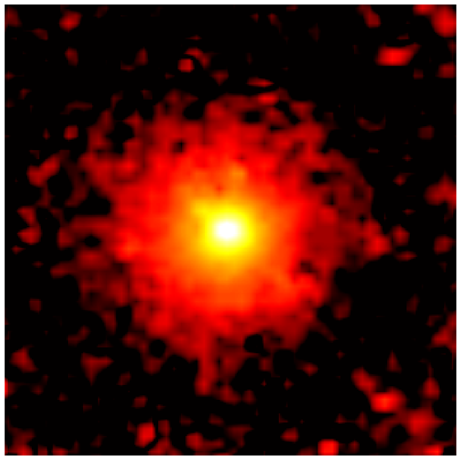
The photographs showed the comet as a brightened source with measurable infrared colors. While they lacked fine spatial resolution, they carried broad spectroscopic information, outlining the comet’s overall composition and energy output. In a sense, SPHEREx photographed not the fine details but the signature of the comet. These images expanded the portrait gallery by offering a global view, reinforcing how different instruments complement each other in documenting the same celestial visitor.

Gemini South
The Gemini South telescope in Chile also joined the campaign, using its twin capabilities to those of Gemini North. Its southern perspective provided follow-up images as the comet moved across the sky. Photographs from Gemini South emphasized temporal change: how the comet’s activity evolved over days and weeks.
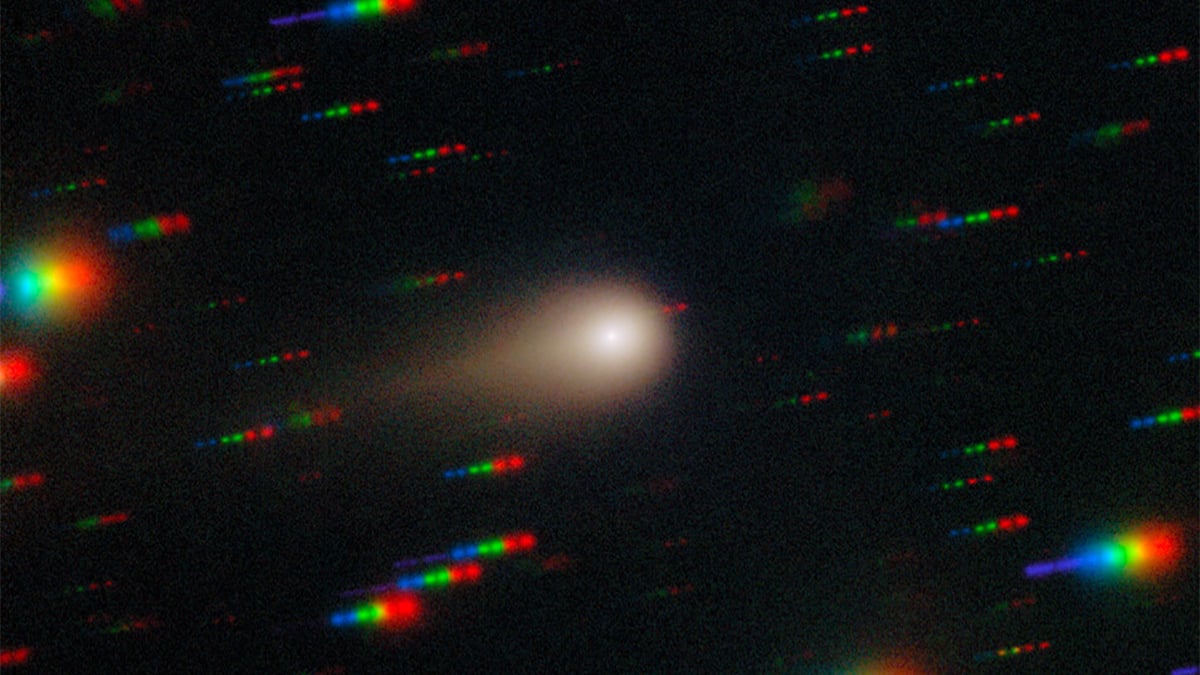
By carefully comparing sequences of images, astronomers traced how the tail lengthened, brightened, and shifted in orientation. The photography captured time as well as space, showing that 3I/ATLAS was not static but a body in constant transformation. For scientists, this provided a way to estimate rotation periods and outgassing cycles. For the photographic record, it meant a series of frames that together told a moving story, a visual diary of the comet’s brief sojourn near the Sun.

3I/ATLAS through many eyes
The record of 3I/ATLAS is now scattered across a fleet of observatories. ATLAS caught its faint beginning. CFHT provided the first refined portraits. Gemini, both North and South, supplied sharp ground-based imaging. The VLT uncovered fine jets and complex tails. Hubble and Webb extended the view into space, each with its own wavelength domain. SPHEREx added spectral coverage, tying the comet’s signature into a wider sky survey. Together, these photographs form a layered memory of an interstellar traveler that will never return.
Photography was central to every stage. Without it, there would be no confirmation, no analysis, no lasting trace. Each telescope applied its own methods, short exposures, adaptive optics, long integrations, infrared sensors, yet all pursued the same goal: to preserve the comet’s image before it vanished.
Further readings
Right from the discovery of the interstellar comet 3I/ATLAS, DIYP has published several articles on its photographs and features. Here is the list of articles:
- A New Visitor from the Stars: Comet 3I/ATLAS
- Gemini North Photographs the Interstellar Comet 3I/ATLAS
- Hubble’s Sharpest Portrait of a Visitor from the Stars: Comet 3I/ATLAS
- JWST Reveals the Secrets of Interstellar Comet 3I/ATLAS in New Images
- SPHEREx Maps the Carbon Dioxide Breath of Interstellar Comet 3I/ATLAS
- Gemini South Photographs Anti-Solar Tail of 3I/ATLAS
- Interstellar Comet 3I/ATLAS: Gemini South Images Reveal a Growing Tail
Clear skies!
See more from DIYPhotography.net on Google
Add DIYPhotography.net as a trusted source. This makes
our stories more likely to appear in your Google Search results.
 Add as a preferred source on Google

Soumyadeep Mukherjee
Soumyadeep Mukherjee is an award-winning astrophotographer from India. He has a doctorate degree in Linguistics. His work extends to the sub-genres of nightscape, deep sky, solar, lunar and optical phenomenon photography. He is also a photography educator and has conducted numerous workshops. His works have appeared in over 40 books & magazines including Astronomy, BBC Sky at Night, Sky & Telescope among others, and in various websites including National Geographic, NASA, Forbes. He was the first Indian to win “Astronomy Photographer of the Year” award in a major category.


Join the Discussion
DIYP Comment Policy
Be nice, be on-topic, no personal information or flames.
2 responses to “Interstellar Comet 3I/ATLAS through Many Eyes: All Images So Far”
There’s only a 1 in 500 chance of this comet entering a flight path around our Sun in which it’s most observable opportunity places it on a diametrically position opposite Earth on the other side making it un-observable. Further, as it draws closer it’s emitting a ‘tail’ from the front of the object which natural occurrence eludes explanation. It seems to novices like myself as a deliberate act to ‘brake’ and decelerate the closer it gets. Also, the lack of water outgassing and the high concentration of CO2 is .. interesting. I watch, look and listen with bated breath. ☄️
that’s quite a fast turnaround , is it a handbrake turn ? Quite fascinating if it slow’s down to park .