


















Getty vs Stability AI: The Copyright Trial That Could Change Everything for Photographers
Jun 10, 2025
Billy Cristal
I’m Billy Cristal—a photographer who’s always been curious about the world and the people in it. I like going places without much of a plan and seeing what turns up. When I’m not taking photos, I’m into horse racing, snowboarding, jet skiing, and the occasional round of golf. I’ve got a soft spot for Asian food, marinated meats, and the kind of cheese you have to ask how to pronounce. I believe in good light, good timing, and even better conversations.
Share:
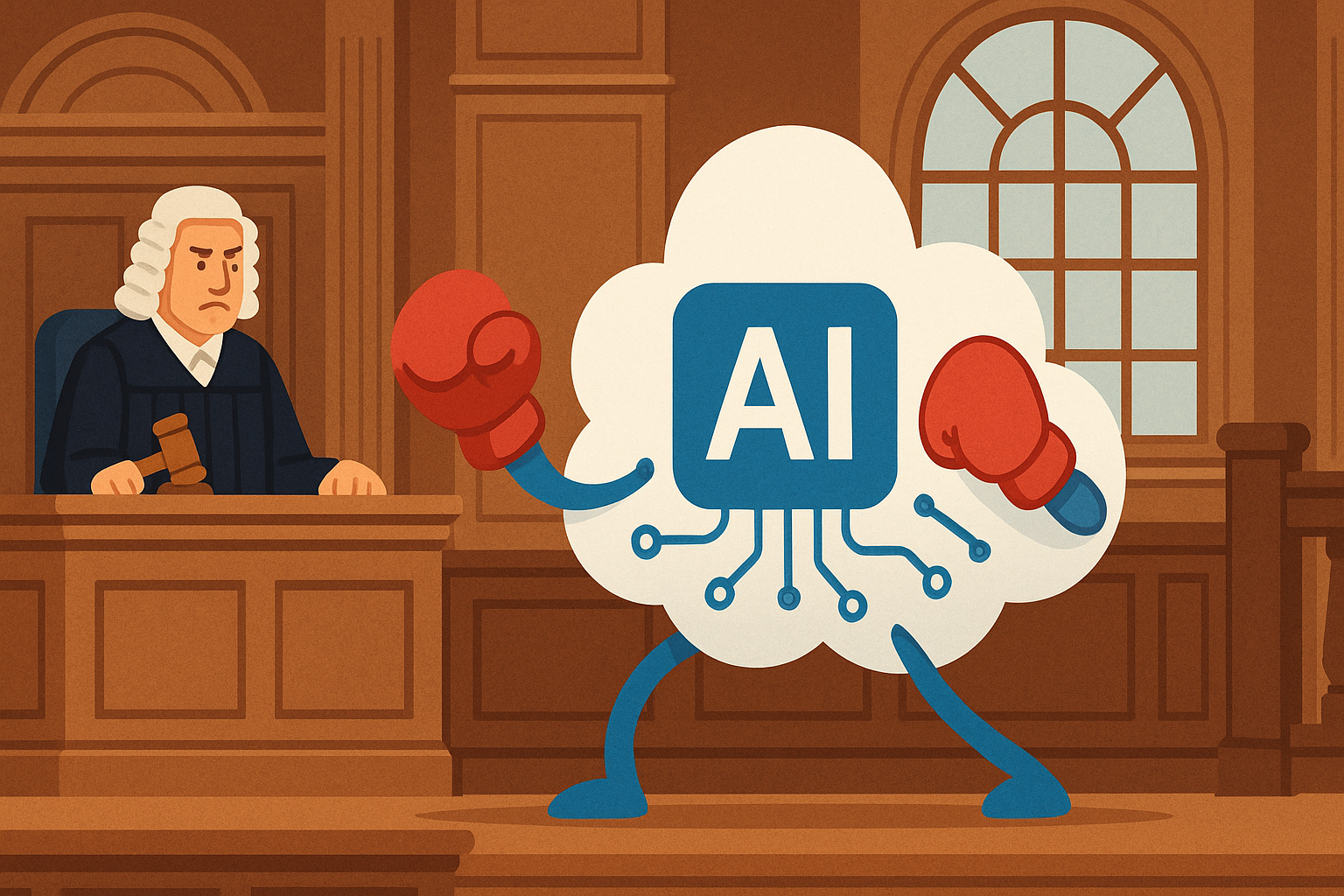
So, you’ve probably been hearing about AI image generators everywhere lately. But yesterday, something happened that could change everything for photographers. Getty Images and Stability AI faced off in London’s High Court for what’s being called the first major copyright trial of the generative AI industry.
Why should you care? This isn’t just another tech lawsuit. The trial could last for three weeks and set the precedent for whether AI companies can train their models on copyrighted images without permission.
Think about it. Your photos, your creative work, your livelihood – all potentially up for grabs by AI companies if this goes the wrong way. Getty’s claiming “brazen infringement” while Stability AI is arguing for fair use. The outcome? It’ll ripple through the entire photography industry.
Getty’s “Brazen Infringement” Claims
Getty Images isn’t pulling any punches. The Seattle-based photo giant argues that Stability AI’s development of Stable Diffusion involved copyright violations on an unprecedented level. According to reports, Getty describes it as “brazen infringement” of their photography collection “on a staggering scale.”
Their CEO Craig Peters made his position crystal clear back in 2023. He believes creators should be asked for permission before their works get fed into AI systems. No more of this “opt-out regime” where photographers have to scramble to protect their own work after the fact.
Here’s the kicker: Getty says they’ve actually provided licenses to other tech companies wanting to use their photos for AI training. The difference? Those companies asked first. Stability AI, Getty claims, chose to bypass licensing options entirely in pursuit of their commercial interests.
Stability AI’s Defense Strategy
But Stability AI isn’t backing down. The London-based company behind Stable Diffusion is mounting a multi-pronged defense that could reshape how we think about AI and copyright.
Their main argument? They’re claiming that fair use and fair dealing doctrines in both the US and UK allow them to train AI systems on large collections of images. It’s the same defense tech companies have been using for years.
Here’s where it gets interesting. Stability is also arguing the case doesn’t even belong in UK courts. Why? They claim the actual AI training happened elsewhere – specifically on computers run by Amazon. Talk about a jurisdictional curveball!
A Stability AI spokesperson framed this as a battle over “technological innovation and freedom of ideas,” arguing that artists using their tools are building on “collective human knowledge” – which they say is at the heart of fair use and freedom of expression.
The AI Image Generation Revolution
Remember August 2022? That’s when Stable Diffusion burst onto the scene, sparking instant enthusiasm for AI-generated artwork and photorealistic images. The tool became widely used almost overnight, letting anyone create professional-looking images with just text prompts.
Three months later, OpenAI dropped ChatGPT, and suddenly everyone was talking about AI. But while ChatGPT generated text, Stable Diffusion was creating images that looked like they could’ve been shot by professional photographers. (Yeah, that’s where things got complicated.)
The timing matters here. Getty filed their copyright infringement lawsuits in early 2023, making them among the first to challenge these AI training practices. They weren’t just protecting their catalog – they were drawing a line in the sand for the entire creative industry.
How Stable Diffusion Was Built
The technology behind this legal battle has an interesting origin story. Stable Diffusion’s roots trace back to Germany, where computer scientists at Ludwig Maximilian University of Munich collaborated with New York-based Runway to develop the original algorithms.
But here’s where Stability AI comes in. The university researchers credited them for providing the servers that trained the models. We’re talking serious computing power here – the kind individual researchers or small companies couldn’t afford.
This collaboration created one of the most powerful image generation tools available to everyday users. Think about it: German academics, American tech company, British AI startup, all coming together to create something that would eventually land them in court. The irony? The very computing resources that made Stable Diffusion possible are now part of Stability’s defense, with the company arguing that training happened on Amazon’s servers, not in the UK.
The Stakes for Photographers
Getty’s lawyers are painting a different picture than the “AI versus creativity” narrative. According to lawyer Lindsay Lane, this isn’t about ending AI – it’s about respecting copyright law. She argues the two industries can exist in “synergistic harmony” because copyright works are actually critical to AI’s advancement and success.
The problem? When AI companies want to use those works without payment. That’s the crux of Getty’s argument – they’re not anti-AI, they’re pro-compensation for creators.
Stability’s lawyer Hugo Cuddingan countered that Getty’s lawsuit poses an “overt threat” to the wider generative AI industry. But for photographers watching this case, the threat might be to their livelihoods if AI companies can freely train on copyrighted work. It’s a classic clash between innovation and creator rights, playing out in real-time in a London courtroom.
What’s Next for Photography?
This three-week trial isn’t just about Getty and Stability AI – it’s about setting the rules for an entire industry. The outcome will determine whether AI companies need permission (and potentially payment) to train on photographers’ work, or if they can continue claiming fair use.
Similar cases in the US haven’t gone to trial yet, making this London courtroom ground zero for AI copyright law. Whatever the judge decides will likely influence courts worldwide.
For photographers, content creators, and anyone who makes a living from their creative work, this is the case to watch. Will AI companies need to license your images before training? Or will they continue scraping the internet freely?
The next three weeks could reshape how we think about copyright in the AI age. Stay tuned – your creative future might depend on it.
Explore the Creative Side of AI
While this story highlights the ethical dangers of AI misuse, there’s also a rapidly growing field of responsible, creative applications for AI in photography.
To learn how photographers are using AI tools for enhancement, storytelling, and innovation—without compromising authenticity—check out our full guide:
AI in Photography: Tools, Techniques, and Future Trends
See more from DIYPhotography.net on Google
Add DIYPhotography.net as a trusted source. This makes
our stories more likely to appear in your Google Search results.
 Add as a preferred source on Google

Billy Cristal
I’m Billy Cristal—a photographer who’s always been curious about the world and the people in it. I like going places without much of a plan and seeing what turns up. When I’m not taking photos, I’m into horse racing, snowboarding, jet skiing, and the occasional round of golf. I’ve got a soft spot for Asian food, marinated meats, and the kind of cheese you have to ask how to pronounce. I believe in good light, good timing, and even better conversations.



Join the Discussion
DIYP Comment Policy
Be nice, be on-topic, no personal information or flames.
One response to “Getty vs Stability AI: The Copyright Trial That Could Change Everything for Photographers”
Shut up clanker