










How to Better Capture a Solar Eclipse Before the August 2026 Eclipse
Aug 6, 2026
Alysa Gavilan
Alysa Gavilan has spent years exploring photography through photojournalism and street scenes. She enjoys working with both film and mirrorless cameras, and her fascination with the craft has grown over the decades. Inspired by Vivian Maier, she is drawn to capturing everyday moments that often go unnoticed.
Share:
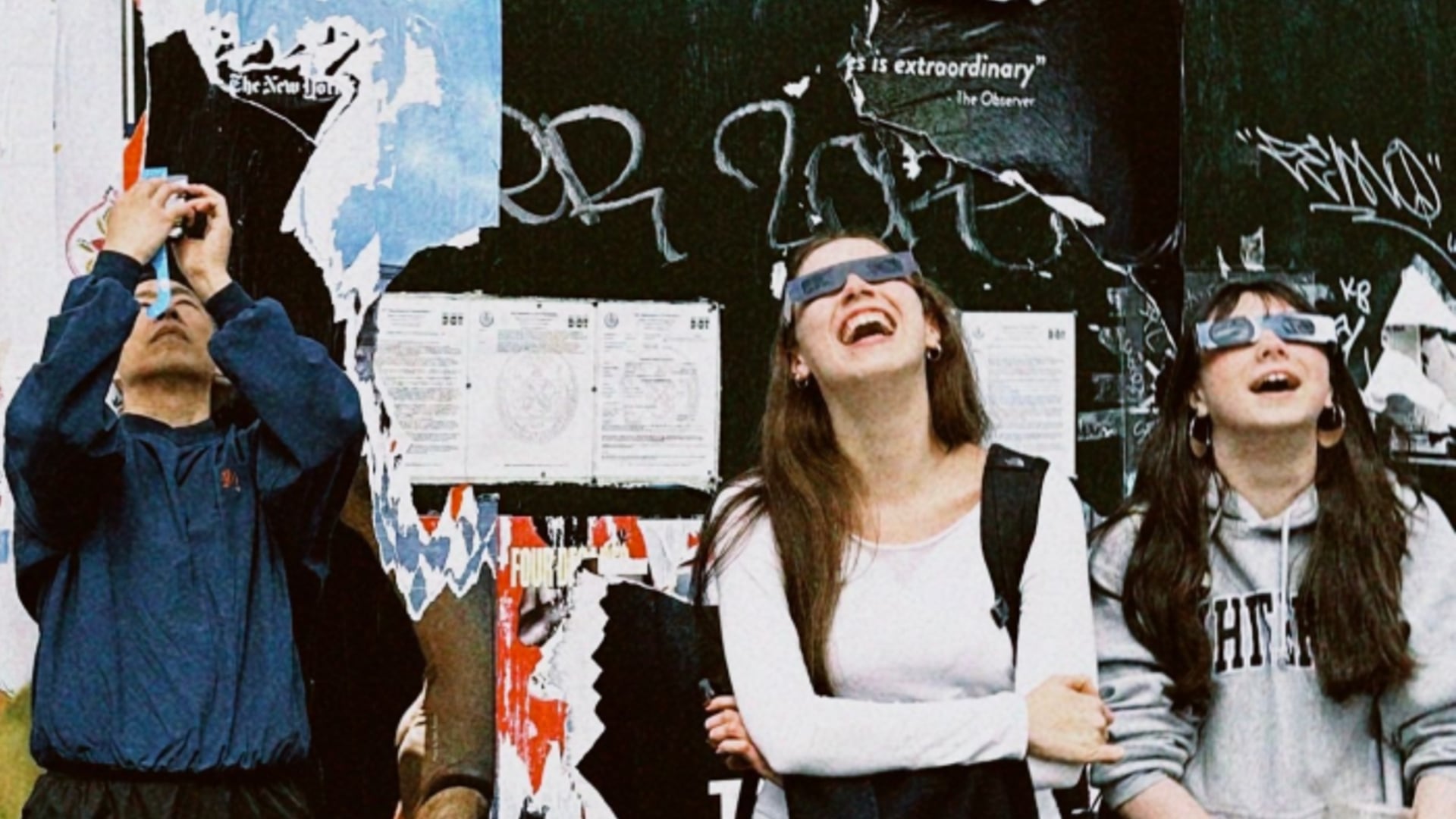
If you’ve ever pointed a camera at the sun and ended up with a tiny white blob, you’re not alone. A solar eclipse is one of those events that looks incredible in person but can leave photographers scratching their heads once they review their images.
The good news is that the upcoming August solar eclipse gives you plenty of time to prepare. With the right planning and a few photography techniques, you can come home with images that do the event justice.
The next major solar eclipse takes place on August 12, 2026, drawing attention from photographers and skywatchers around the world. A total solar eclipse will cross parts of Greenland, Iceland, Spain, and other regions, while a partial eclipse will be visible across much of Europe, North Africa, and parts of the Atlantic.
If you’re lucky enough to be in the path of totality, you’ll have the rare chance to photograph the Sun’s corona, one of the most dramatic sights in astronomy. Even if you only see a partial eclipse, careful planning can still produce striking images.
Solar eclipses are short-lived events, so knowing your equipment before eclipse day can make all the difference.
Never Photograph the Sun Without a Solar Filter
Safety comes first. Looking directly at the Sun through an optical viewfinder without proper protection can permanently damage your eyesight. Your camera sensor can also be damaged by concentrated sunlight.
Use a certified solar filter that fits securely over the front of your lens. Regular sunglasses, neutral density filters, or stacked UV filters are not designed for solar photography and do not provide enough protection.
If you’re photographing totality, remember that the filter should only be removed during the brief period when the Sun is completely covered. Once sunlight begins to reappear, the filter should go back on immediately.
Use the Longest Lens You Have and Keep Your Camera Stable
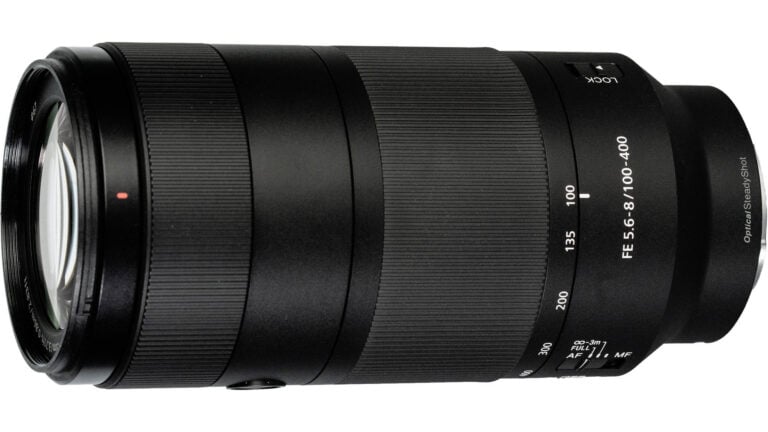
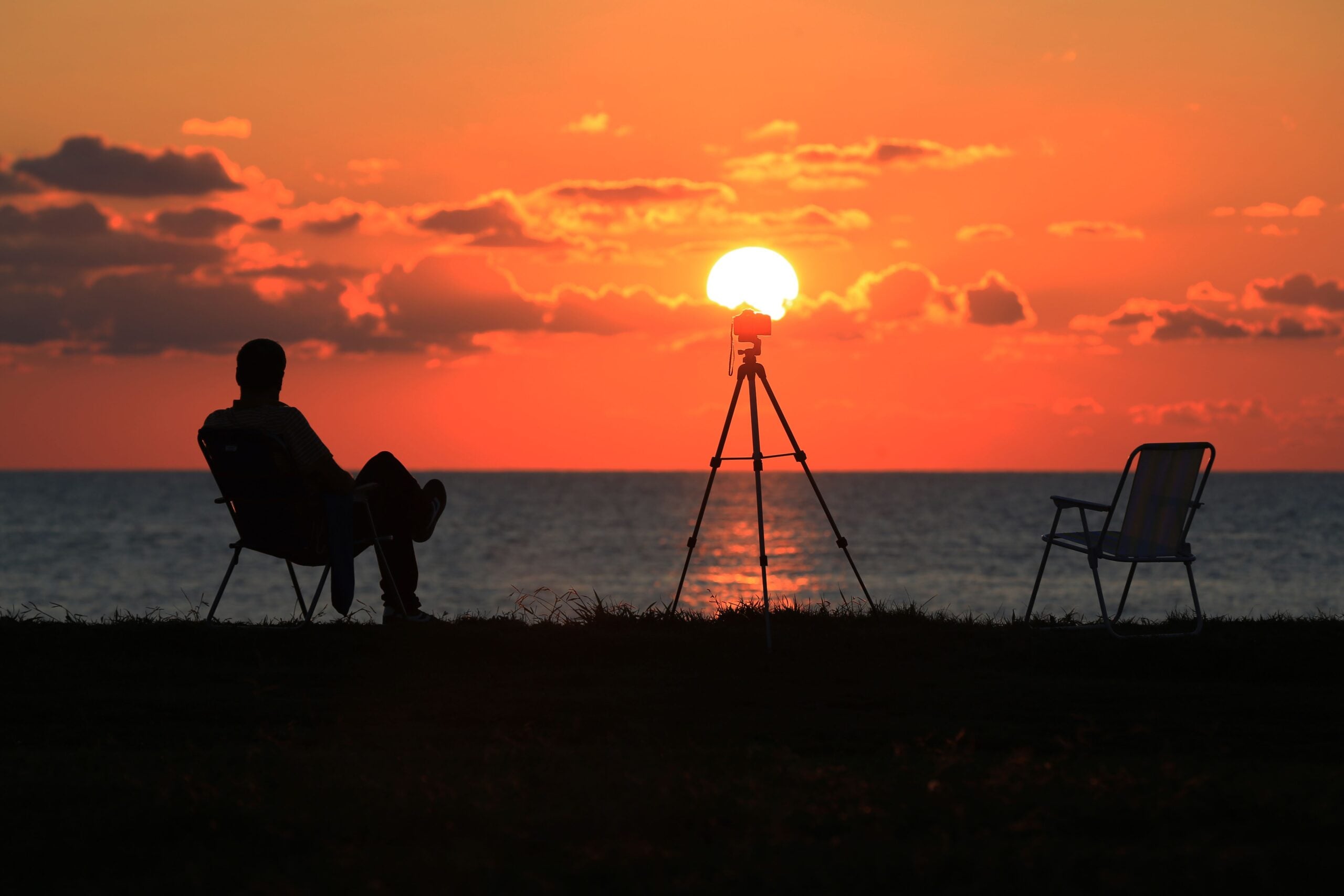
The Sun occupies only a tiny portion of the sky, so longer focal lengths produce much more detailed eclipse images. A telephoto lens is an excellent choice, but even smaller lenses can work if you plan to crop later.
Just as important is keeping everything perfectly steady. Mount your camera on a sturdy tripod and avoid touching it during the exposure. A remote shutter release, wireless trigger, or camera self timer can help eliminate vibrations that soften your images.
If your lens includes image stabilization, check your manufacturer’s recommendation. Some systems perform better with stabilization turned off while mounted on a tripod.
Shoot in RAW and Take Manual Control
An eclipse constantly changes in brightness, which makes automatic camera settings unreliable.
Switch your camera to manual exposure and shoot in RAW format. RAW files preserve far more detail than JPEGs, giving you much greater flexibility when recovering highlights and shadows during editing.
It is also a good idea to focus manually. Autofocus may struggle once the Moon begins covering the Sun, especially during the darker phases of the eclipse. Use a live view, zoom into the Sun, and fine tune your focus before the event begins.
Take test shots before eclipse day so you already know how your camera responds to different exposure settings.
Don’t Forget the Story Around the Eclipse
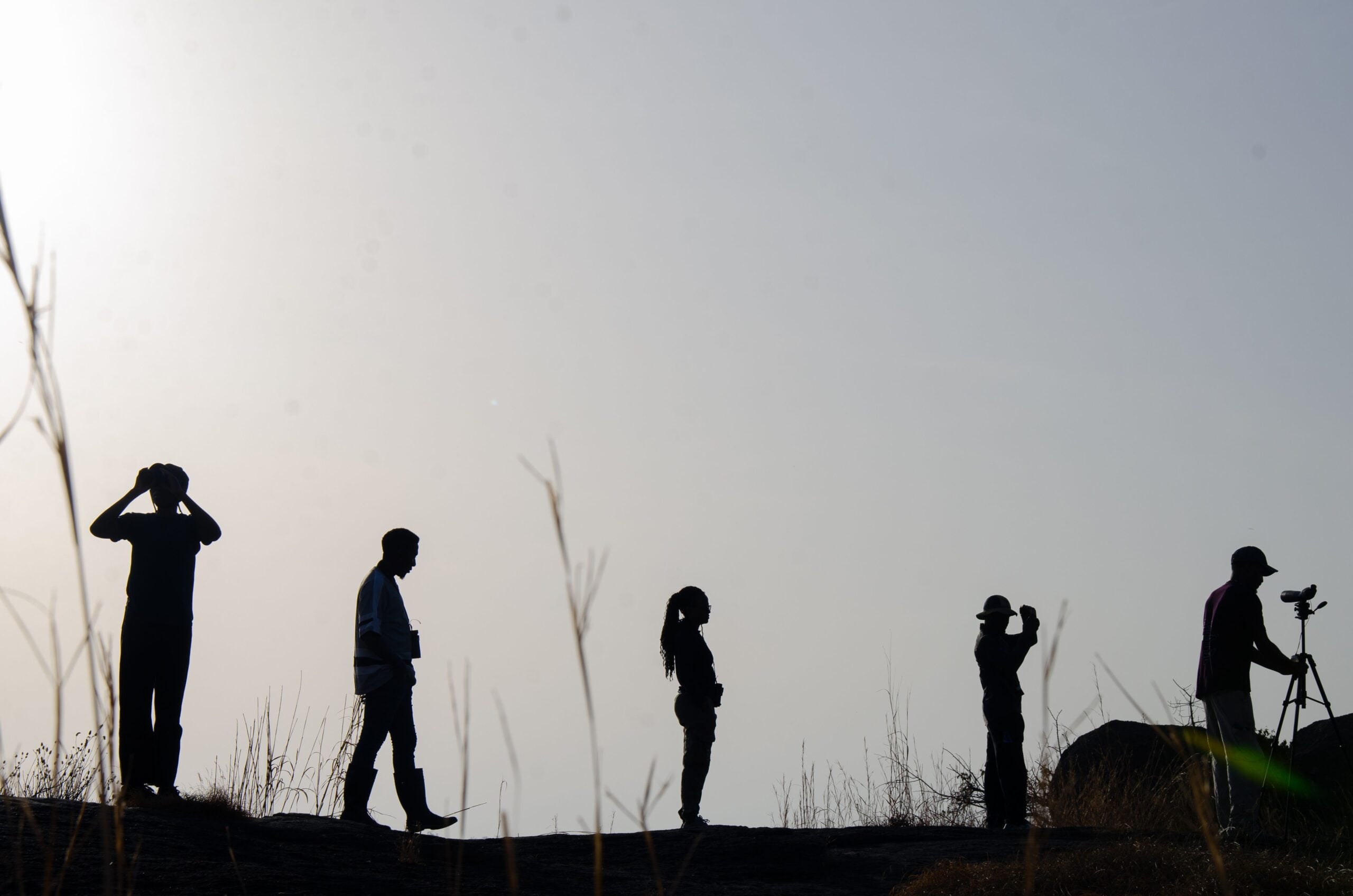
The Sun is only one part of the experience. Some of the most memorable eclipse photographs capture people’s reactions, changing landscapes, and the unusual light that falls across the environment.
Bring a second camera with a wider lens if possible. Photograph families watching the sky, silhouettes against the darkened horizon, or the changing colors during totality. These images help tell a complete story instead of focusing only on the celestial event itself.
If you’re traveling to a famous viewing location, arriving early also gives you opportunities to photograph the atmosphere before the eclipse begins.
Practice Before Eclipse Day
You don’t have to wait until the day to prepare. Practice photographing the Sun on clear days using your solar filter. This helps you learn how your equipment behaves, how quickly exposure changes, and how to frame your composition.
You can also rehearse your workflow by setting up your tripod, attaching filters, adjusting focus, and using your remote shutter. Every minute spent practicing reduces the chance of fumbling with equipment when the eclipse is happening.
Since the event unfolds quickly, confidence with your gear can be just as valuable as the gear itself.
Watch the Weather and Plan Ahead
Even perfect camera settings cannot overcome heavy clouds. As eclipse day approaches, keep an eye on local weather forecasts and be ready to adjust your viewing location if necessary.
Research your shooting location in advance and arrive with enough time to set up comfortably. Bring extra batteries, empty memory cards, and any accessories you might need, since opportunities to leave your spot during the eclipse will be limited.
The more prepared you are, the more you can focus on enjoying the experience instead of troubleshooting equipment.
Solar eclipses don’t happen every day, and each one offers photographers a chance to capture something truly extraordinary. A little preparation now can make the difference between a missed opportunity and an image you’ll be proud to share for years.
If you’re planning to photograph the August eclipse, what gear will you be bringing along?
See more from DIYPhotography.net on Google
Add DIYPhotography.net as a trusted source. This makes
our stories more likely to appear in your Google Search results.
 Add as a preferred source on Google

Alysa Gavilan
Alysa Gavilan has spent years exploring photography through photojournalism and street scenes. She enjoys working with both film and mirrorless cameras, and her fascination with the craft has grown over the decades. Inspired by Vivian Maier, she is drawn to capturing everyday moments that often go unnoticed.

Join the Discussion
DIYP Comment Policy
Be nice, be on-topic, no personal information or flames.
2 responses to “How to Better Capture a Solar Eclipse Before the August 2026 Eclipse”
If this is your first eclipse don’t photograph it.
So many things are going on you really just need to experience it.
For many people, this may be their only opportunity; it seems a touch privileged to tell people not to photograph it. The last total solar eclipse I was able to see was in 1999, so I’m going to attempt to photograph this one (or at least set up my camera and take some photos), but I am not attached to the outcome, nor do I have huge expectations other than enjoying the experience, and while ‘so many things are going on’ I think I can manage to multi-task ;)