
















Can You Take a Camera on a Plane? Here’s What Photographers Need to Know About Flying With Camera Equipment
Aug 11, 2026
Leonard Skapp

Alex Baker is a portrait and lifestyle driven photographer based in Valencia, Spain. She works on a range of projects from commercial to fine art and has had work featured in publications such as The Daily Mail, Conde Nast Traveller and El Mundo, and has exhibited work across Europe
Share:
Most airlines are used to photographers travelling with cameras, lenses and other photography equipment, and of course, it’s common to bring camera equipment on flights. The tricky part isn’t usually the camera itself, but how you pack it, particularly when batteries are involved.
If you’re travelling with expensive camera gear, there are also sensible precautions to take. Nobody wants their camera bag disappearing into the hold, and lithium-ion batteries have their own aviation safety rules.
Can I take my camera in my carry-on?
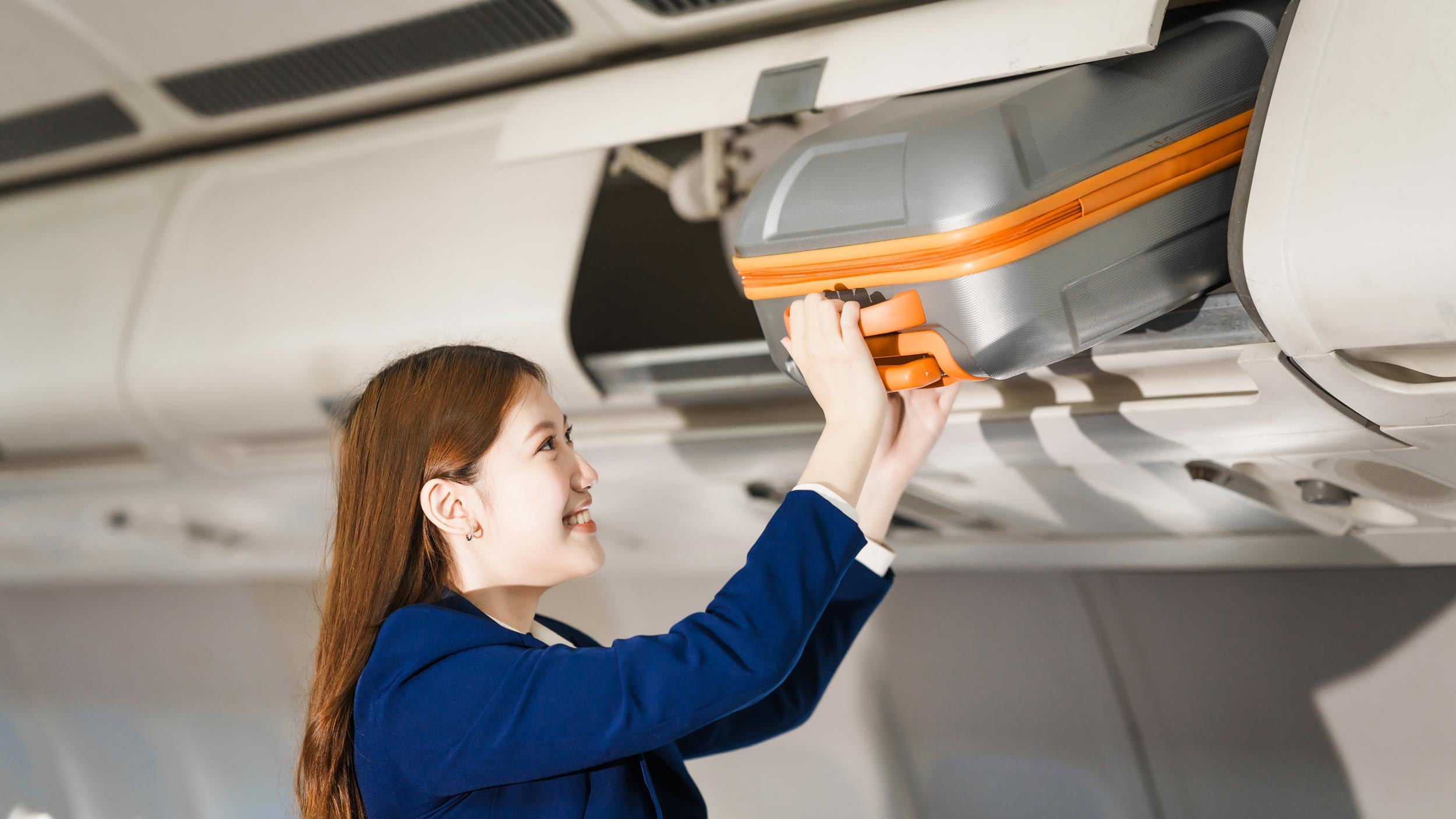
Your camera can usually travel with you in your cabin baggage, which is generally the best place for it. Cameras, lenses, memory cards and other non-dangerous photography equipment are normally permitted in carry-on luggage. Keeping expensive equipment with you also reduces the risk of it being damaged, stolen, or lost as checked baggage.
Airlines have different restrictions on the size and weight of cabin bags, though, so make sure your camera bag fits within your airline’s allowance.
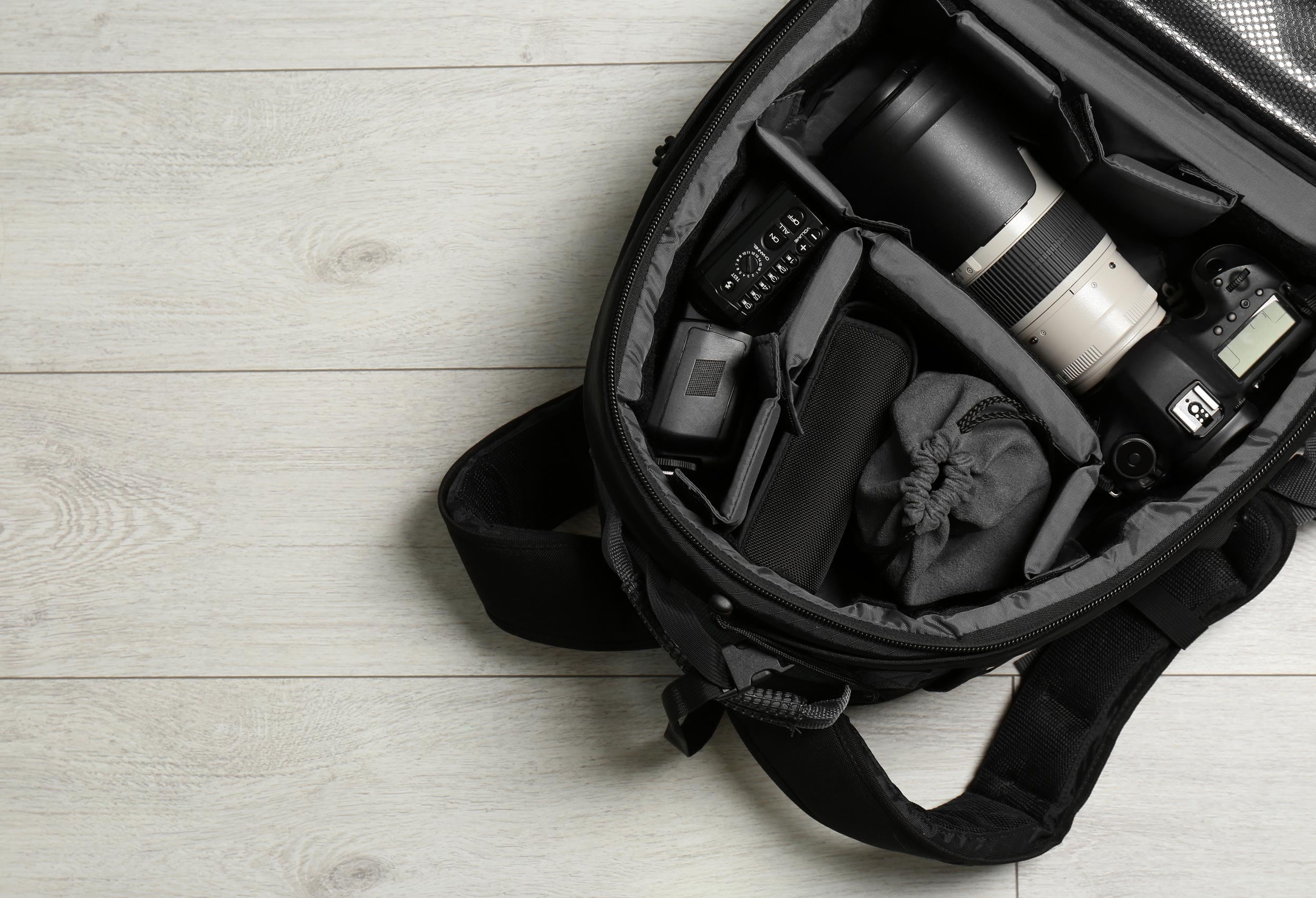
What about camera batteries?
This is where things get slightly more complicated. Most modern cameras use lithium-ion batteries, and aviation authorities restrict how spare lithium batteries can be transported because damaged or short-circuited batteries can cause fires.
As a general rule, spare lithium batteries should be carried in your cabin baggage rather than checked luggage. Keep them protected from damage and prevent the contacts from coming into contact with metal objects.
The rules can vary depending on the airline, the battery’s capacity, and the country you’re flying from or to. If you’re carrying a large number of batteries, particularly for professional video equipment, check your airline’s specific requirements before travelling.
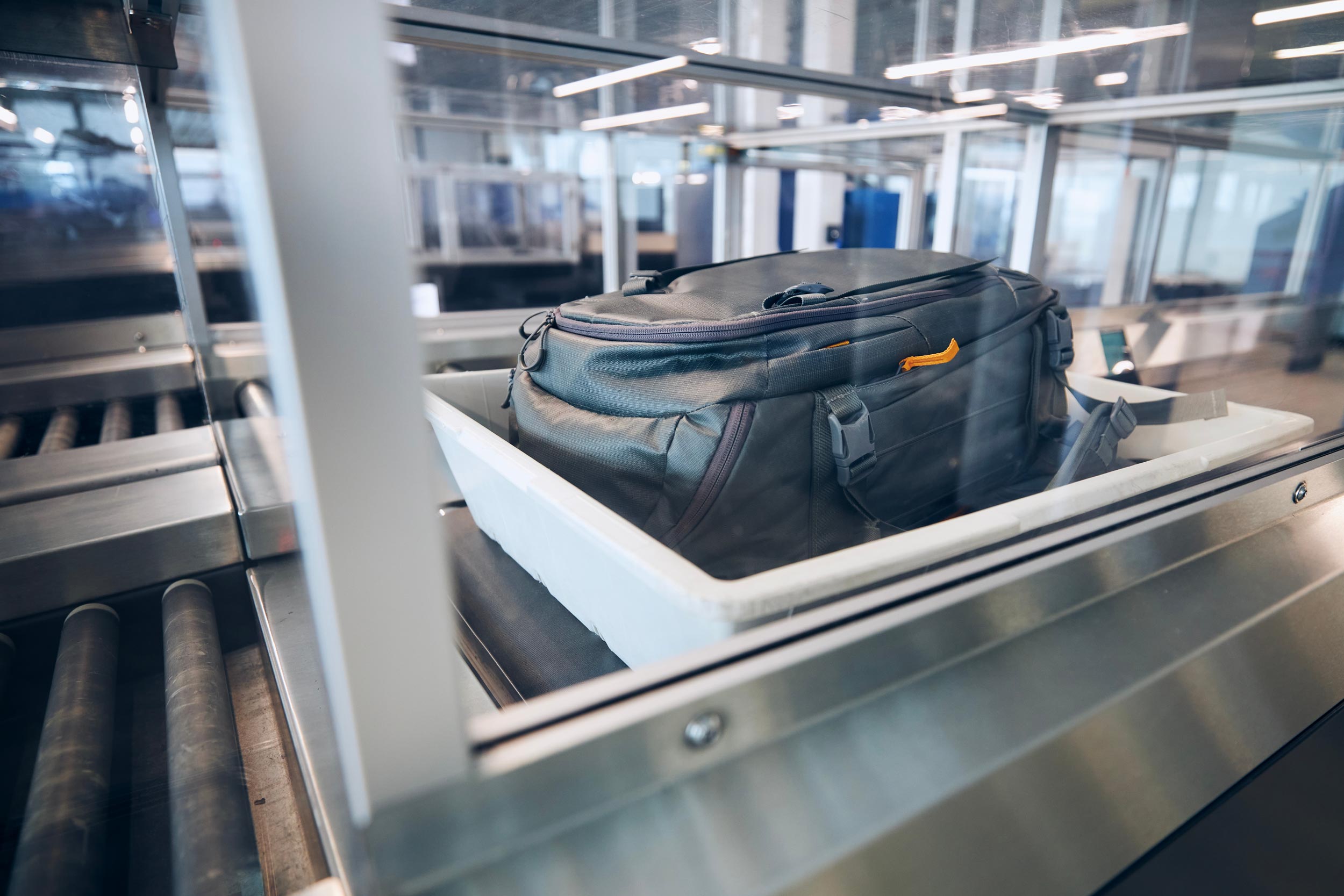
Check your carry-on dimensions
Don’t assume that your camera bag automatically qualifies as cabin baggage just because it fits in the overhead compartment on your usual airline.
Carry-on size and weight limits vary between airlines, and some budget European carriers have particularly strict limits. A camera backpack that was perfectly acceptable on your last flight could suddenly be too large or too heavy on another airline. Even a centimetre over the size limit could see your precious camera bag put in the hold.
This is worth checking before you leave home, particularly if you’re travelling with a dedicated camera backpack or roller case. Look up the airline’s current cabin baggage dimensions and measure your fully packed bag, including the camera, lenses and any accessories.
Also, check whether your ticket actually includes a full-size cabin bag. Some basic fares only include a small personal item that has to fit underneath the seat. The last thing you want is to arrive at the gate with several thousand euros of camera equipment in a bag that’s a couple of centimetres too large and discover that you’re expected to check it into the hold.
Always check the airline’s current baggage allowance before you fly. Rules can change, and the dimensions you remember from your last trip may no longer apply.
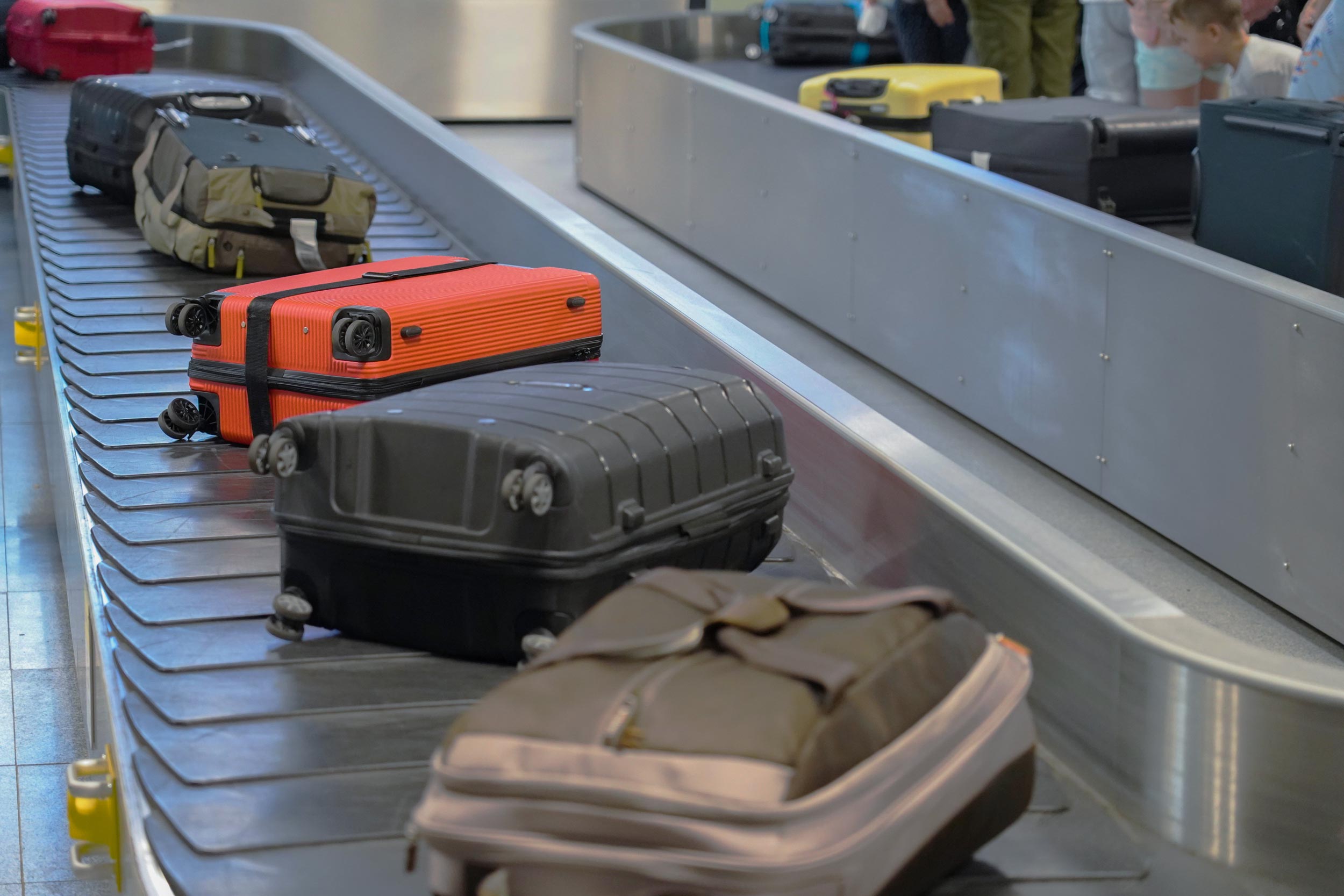
Can camera equipment go in checked luggage?
Technically, some camera equipment can be placed in checked baggage, but it’s usually a bad idea. Cameras and lenses are fragile and expensive, and checked bags can be thrown around, exposed to extreme temperatures, or simply disappear at the other end. I know professional musicians who have had to check their musical instruments, and the stories they could tell you would be enough to put you off placing anything valuable underneath the aircraft!
There’s also the issue of lithium batteries. Spare batteries generally shouldn’t be packed in checked luggage, and equipment containing batteries may be subject to additional rules. If you have several thousand euros’ worth of camera gear in your bag, keeping it with you makes a lot more sense.
What happens at airport security?
Your camera may need to be removed from your bag during security screening, although procedures vary between airports and the type of scanner being used.
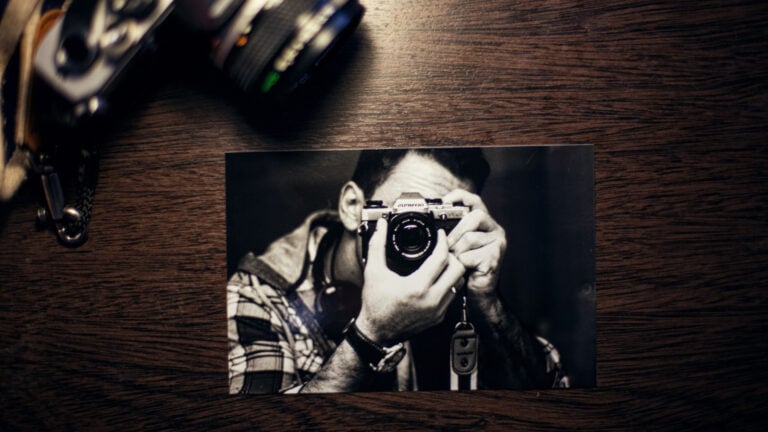
Don’t be surprised if security staff want to inspect your camera or lenses. It’s perfectly normal for unusual-looking electronics to receive a closer look. If you’re travelling with old film cameras, don’t be surprised if they attract some curiosity either.
A film camera can look surprisingly strange to someone who isn’t familiar with photography. There have even been occasional reports of passengers becoming suspicious of vintage cameras or other unusual-looking equipment, particularly when someone is handling or dismantling them during a flight.
So, while your old camera isn’t a bomb, perhaps don’t start taking it apart in the middle of a crowded aircraft. It could save you an awkward conversation with the cabin crew.
Can I take film on a plane?
Film requires a little more care than digital camera equipment. Traditional photographic film is sensitive to X-rays and other forms of radiation used in airport security scanners. Depending on the type of scanner used, this can potentially fog the film.
If you’re travelling with unprocessed film, keep it in your carry-on and consider asking security staff for a hand inspection rather than sending it through an X-ray or CT scanner. This is particularly important with higher-speed film, such as ISO 800 or 1600, which is more sensitive to radiation.
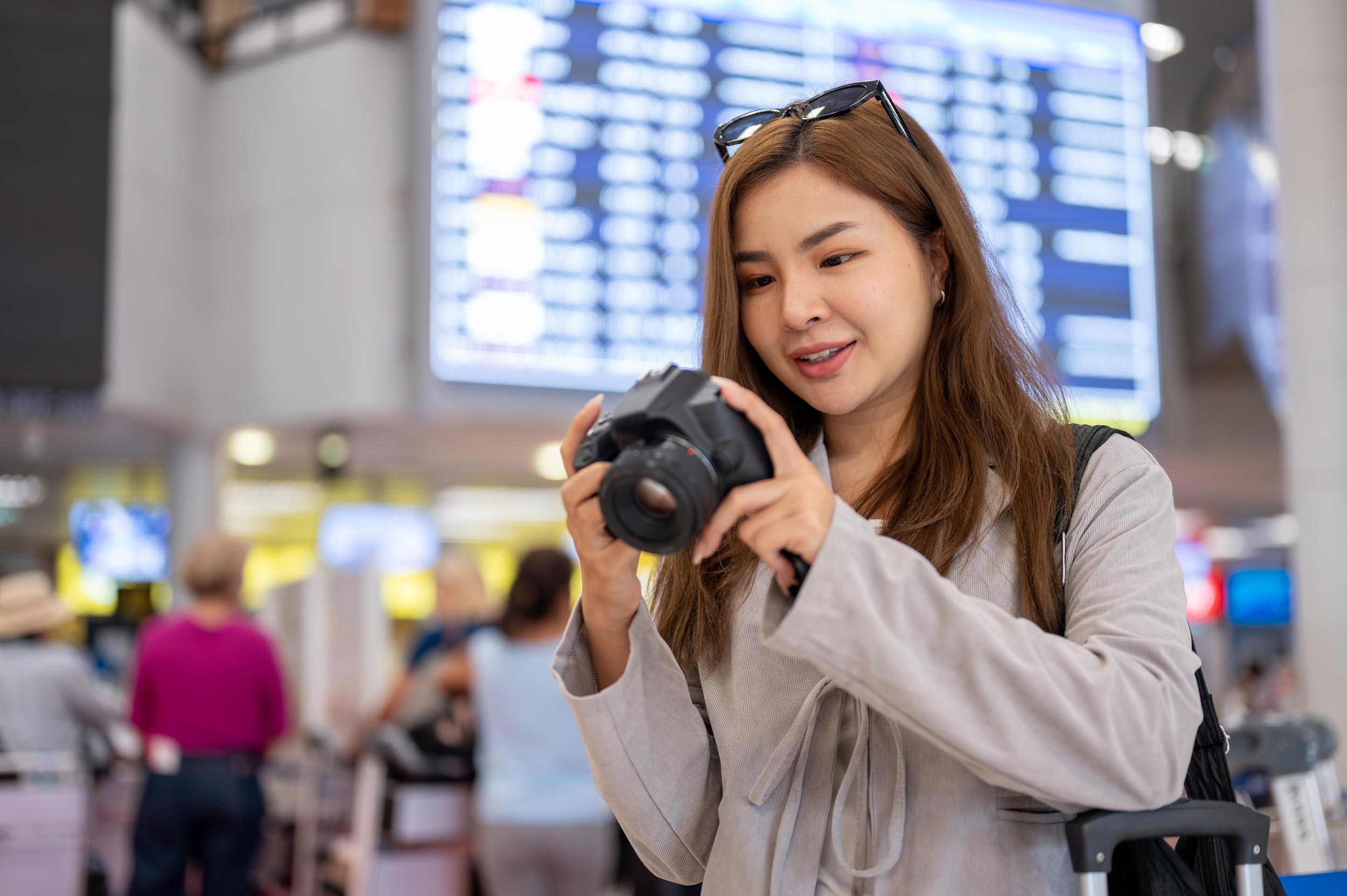
Can you take photos at the airport?
Just because you’re allowed to bring a camera into an airport doesn’t mean you can necessarily use it wherever you like.
Photography is often restricted around security checkpoints, immigration and customs areas, and other sensitive parts of an airport. The exact rules vary between airports and countries, so don’t assume that because you see other people taking photographs, it’s automatically permitted.
This is particularly important around security equipment and screening areas. Even if you’re simply photographing your camera bag or taking a quick holiday snap, security staff may not appreciate cameras being pointed towards screening equipment, staff, or passengers.
When in doubt, ask an airport employee or security officer before taking photographs. And remember that airport security isn’t the place to argue about your right to take a picture. If you’re asked to stop, put the camera away and find out what the local rules are.
You can usually photograph your own equipment, your travelling companions, aircraft from permitted public areas, and the general airport environment where photography is allowed. Just be aware that restrictions can change from one airport to another.
Should I insure my camera equipment?
If you’re travelling with expensive equipment, additional insurance is worth considering. Your normal travel insurance may not cover professional photography equipment, or may have relatively low limits for expensive electronics. Specialist camera insurance can provide more appropriate cover for theft, accidental damage and equipment used for work.
It’s also worth keeping a record of your equipment, including serial numbers and photographs of the gear itself.
Flying with lots of professional equipment
Professional photographers have another problem to consider: what happens when your camera bag isn’t really a camera bag anymore, but several kilos of expensive equipment?
If you’re travelling with a large amount of professional gear, don’t simply turn up at the airport and hope everything will fit. Check your airline’s baggage rules before you travel and contact the airline in advance if you need to book oversized or additional baggage. You may need to pay an extra fee, and some airlines require this to be arranged ahead of time.
Pro Tip: One friend has a handy trick to reduce overweight fees when he flies with his double bass : check the price of flying business class because often you will pay less to upgrade to a seat with a larger luggage allowance than you might flying economy and paying overweight fees.
For equipment that has to go into the hold, a proper hard case is a very good investment. Pelican flight cases, or similar rugged protective cases, are designed to protect cameras, lenses, lighting equipment and other fragile kit from the inevitable knocks and bumps that come with checked baggage.
Even then, putting expensive equipment in the hold carries more risk than keeping it with you. Make sure your insurance covers equipment while it’s being transported and check the airline’s rules about what can and cannot go into checked baggage.
Consider renting at your destination
There’s also another option that makes more sense for many professional shoots: don’t fly with everything in the first place.
Camera rental companies operate in many major cities, allowing photographers to hire bodies, lenses, lighting and other specialist equipment at their destination. For a large production, renting locally can sometimes be cheaper and considerably less stressful than paying for extra baggage and transporting thousands of euros’ worth of equipment around the world.
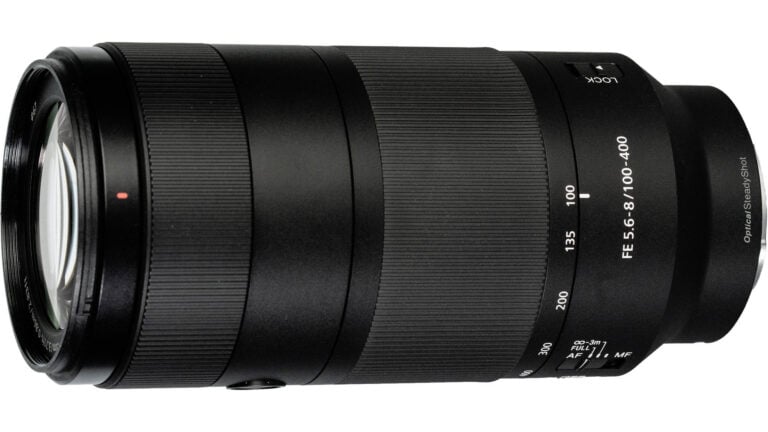
This is particularly useful for specialist equipment that you only need for one shoot. Instead of buying or transporting a huge telephoto lens, cinema camera, lighting kit or other bulky item, check whether you can rent the same equipment when you arrive.
It won’t always be practical, but before packing your entire studio into a flight case, it’s worth checking what’s available at the other end.
Check your airline before you fly
The safest approach is to check the rules for your specific journey before leaving home. Airlines can have their own restrictions regarding cabin baggage, lithium batteries and the number of spare batteries you can carry. International journeys can also involve different rules at different airports.
For most photographers, though, flying with a camera is completely routine. Pack the camera securely, keep your spare lithium batteries in your carry-on, protect your film from airport scanners, and don’t start disassembling suspicious-looking vintage equipment halfway across the Atlantic.
Your camera should arrive safely at the other end. And, unlike your checked suitcase, you can keep an eye on it the entire time.
See more from DIYPhotography.net on Google
Add DIYPhotography.net as a trusted source. This makes
our stories more likely to appear in your Google Search results.
 Add as a preferred source on Google

About Leonard Skapp
Leonard “Len” Skapp is a photographer with a particular interest in cameras, lenses, accessories, camera bags, lens filters, tripods, camera straps, and, on rare occasions, photography itself. Equal parts reviewer and enthusiast, he enjoys digging into the technical details behind the latest gear and translating them into plain English for fellow photographers. He maintains that every purchase is a carefully considered investment, although his bank account and overflowing camera cupboard continue to dispute this claim.
We love it when our readers get in touch with us to share their stories. This article was contributed to DIYP by a member of our community. If you would like to contribute an article, please contact us here.



Join the Discussion
DIYP Comment Policy
Be nice, be on-topic, no personal information or flames.