





How Professional Photographers Really Choose Their Lenses
Nov 6, 2026
Alysa Gavilan
Alysa Gavilan has spent years exploring photography through photojournalism and street scenes. She enjoys working with both film and mirrorless cameras, and her fascination with the craft has grown over the decades. Inspired by Vivian Maier, she is drawn to capturing everyday moments that often go unnoticed.
Share:
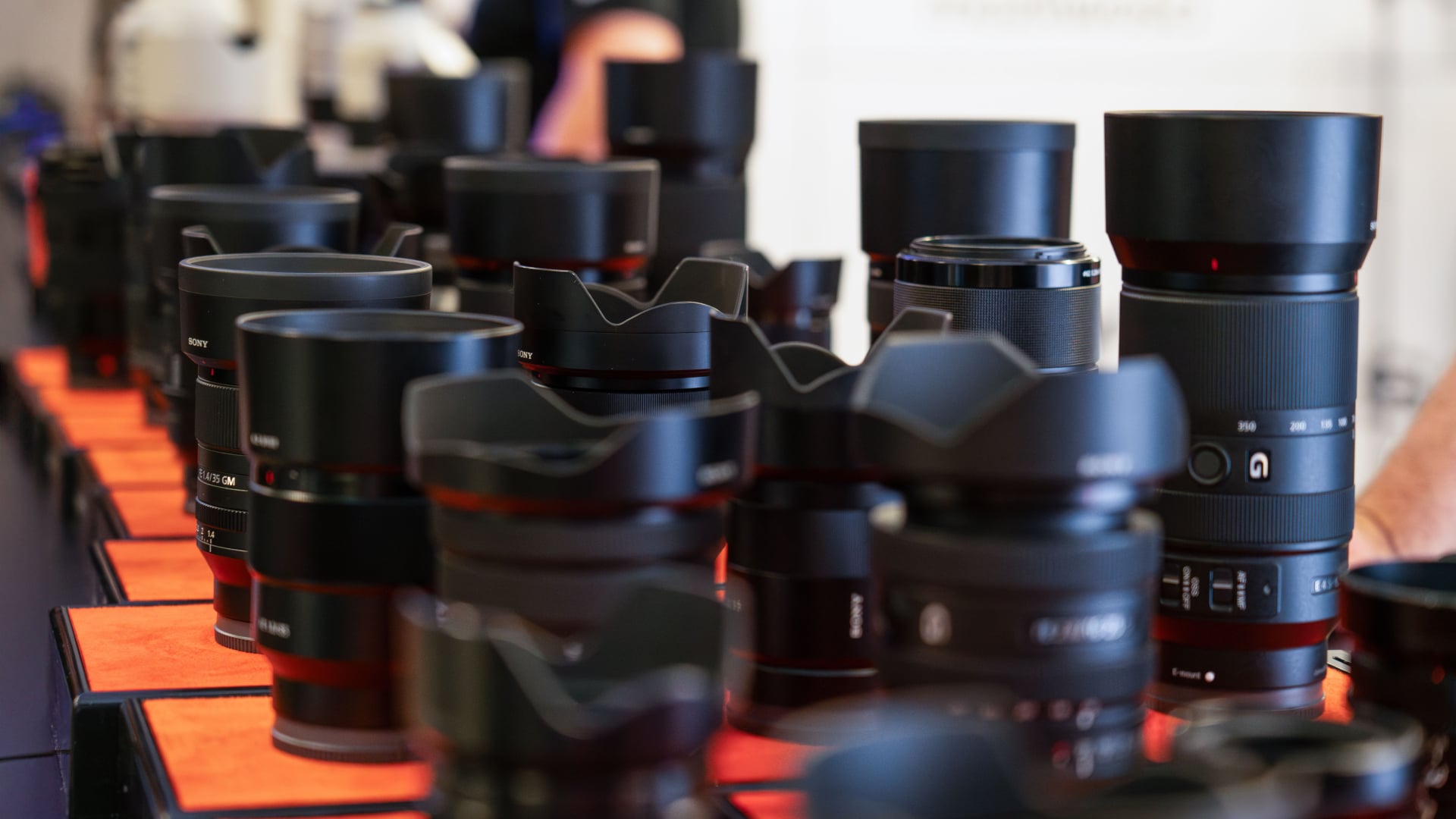
Choosing a lens can feel like a technical decision. Wide angles for landscapes, telephotos for wildlife, and something in between for everything else. But photographer Brenda Bergreen argues that this way of thinking misses the point. In a recent video, she explains how professional photographers choose lenses based on the story they want to tell, rather than assigning each focal length a specific job.
After 15 years as a professional photographer, Bergreen says lens selection has become less about numbers and more about visual intent. The same scene can produce several different photographs, depending on the photographer’s position, framing, and choice of focal length.
Start with the story, not the lens
Bergreen begins with a simple question: What do you want the photograph to say?
A portrait of a mountain biker, for example, can focus on the rider, the surrounding landscape, or the relationship between the two. Each approach calls for different choices.
An 85mm lens can bring attention to the rider by tightening the composition and simplifying the background. A 24mm or 35mm lens, used from closer range, can include the trail, trees, and rocks to establish the setting. Moving farther away and making the rider smaller in the frame shifts the emphasis toward the landscape.
The subject stays the same, but the photograph tells a different story.
Think about the visual effect
Once the story is clear, the next decision is how to make the image look and feel.
Photographers can use wider lenses to include more of the environment, creating an environmental portrait that gives viewers a sense of place. Longer focal lengths, meanwhile, can help isolate a subject and reduce distractions in the background.
Camera position also matters. Getting physically close with a wide-angle lens exaggerates the relationship between foreground and background. A nearby rock can appear especially prominent, while the trail and rider take on a more dramatic perspective.
For compressed compositions, photographers can move farther away and use a longer lens to frame the scene from that position. Background blur is another consideration, shaped by focal length, subject distance, background distance, and aperture.
These effects are not rigid rules. Bergreen points out that photographers can combine them, such as isolating a person while retaining enough background to show where they are.
Decide where the viewer belongs
Lens choice also influences how viewers experience a photograph.
Getting close with a wide-angle lens can make an image feel immersive, as if the viewer is standing inside the scene. This is one reason photojournalists and wedding photographers often work with wider lenses.
Shooting from farther away creates a different relationship. The viewer becomes an observer, watching the action from a distance rather than feeling part of it.
Neither approach is inherently better. The choice depends on the intended experience.
Let the photograph guide your lens choice
Bergreen’s framework comes down to four questions: What’s the story? What visual effect do you want? How close should the viewer feel? And how close can you actually get?
With practice, these decisions can become instinctive. But understanding the thinking behind them can help photographers make more deliberate choices.
The best lens isn’t necessarily the one with the longest reach or the sharpest optics. It’s the one that helps you make the photograph you had in mind.
See more from DIYPhotography.net on Google
Add DIYPhotography.net as a trusted source. This makes
our stories more likely to appear in your Google Search results.
 Add as a preferred source on Google

Alysa Gavilan
Alysa Gavilan has spent years exploring photography through photojournalism and street scenes. She enjoys working with both film and mirrorless cameras, and her fascination with the craft has grown over the decades. Inspired by Vivian Maier, she is drawn to capturing everyday moments that often go unnoticed.



Join the Discussion
DIYP Comment Policy
Be nice, be on-topic, no personal information or flames.