





















The Different Types of Portrait Photography Explained
Oct 7, 2025
Alysa Gavilan
Alysa Gavilan has spent years exploring photography through photojournalism and street scenes. She enjoys working with both film and mirrorless cameras, and her fascination with the craft has grown over the decades. Inspired by Vivian Maier, she is drawn to capturing everyday moments that often go unnoticed.
Share:
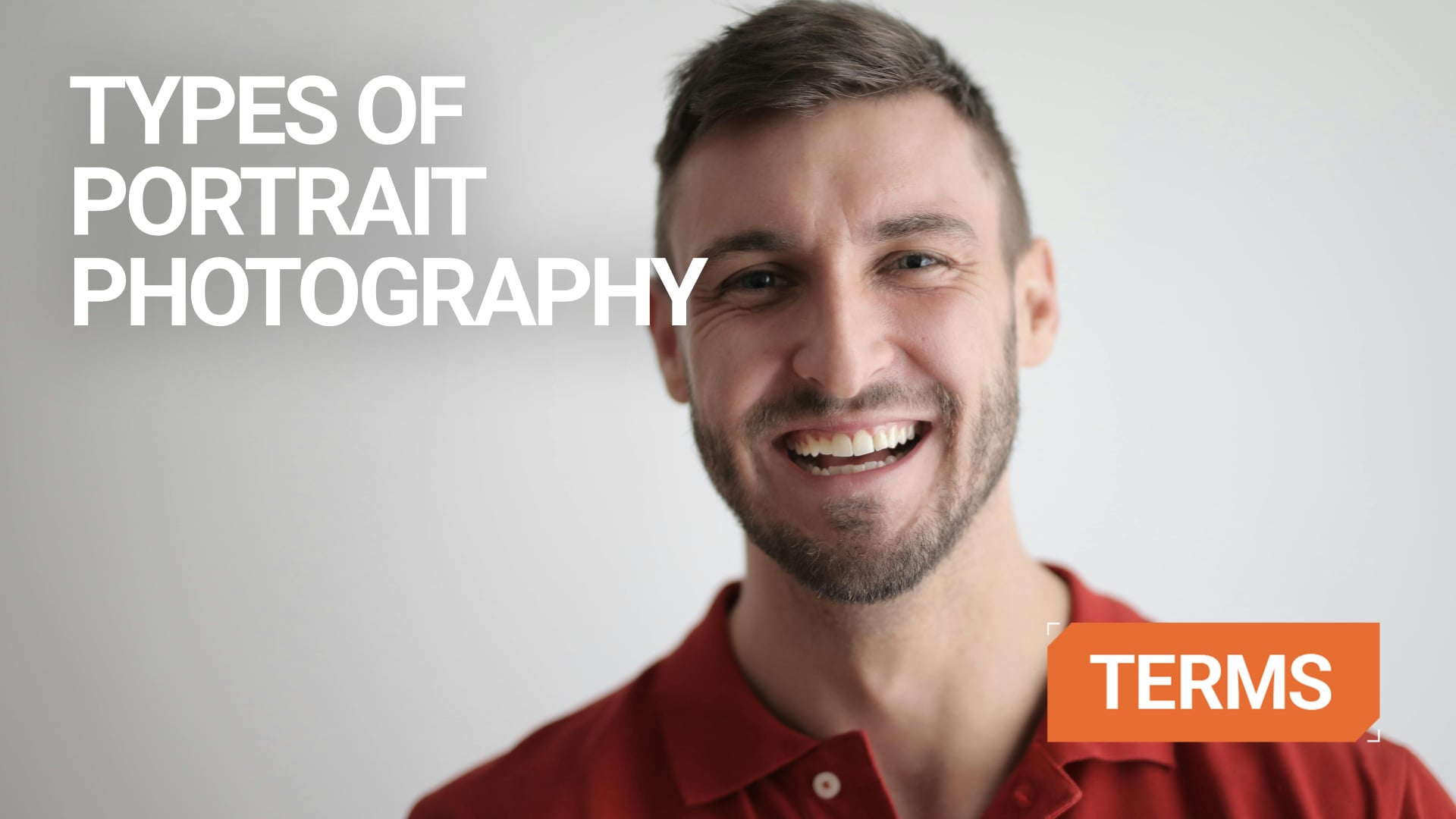
Portrait photography is one of the most versatile and expressive forms of photography. At its core, it is about capturing a person’s personality, mood, and character through a single image. But not all types of portrait photography are the same.
Photographers, over time, have developed a variety of styles. And each has its own purpose, techniques, and aesthetic qualities. Understanding these types can help you decide which style fits your subject, setting, and creative vision.
This guide will break down the main types of portrait photography to help both beginners who want to venture into the craft or an aspiring professional looking to expand their portfolio. We will also explore what makes each unique and tips for creating compelling images in each style.
The History of Portrait Photography
Portraiture began long before the invention of the camera. For centuries, painted portraits were commissioned to capture a person’s likeness, status, and character, often serving as symbols of power or remembrance.
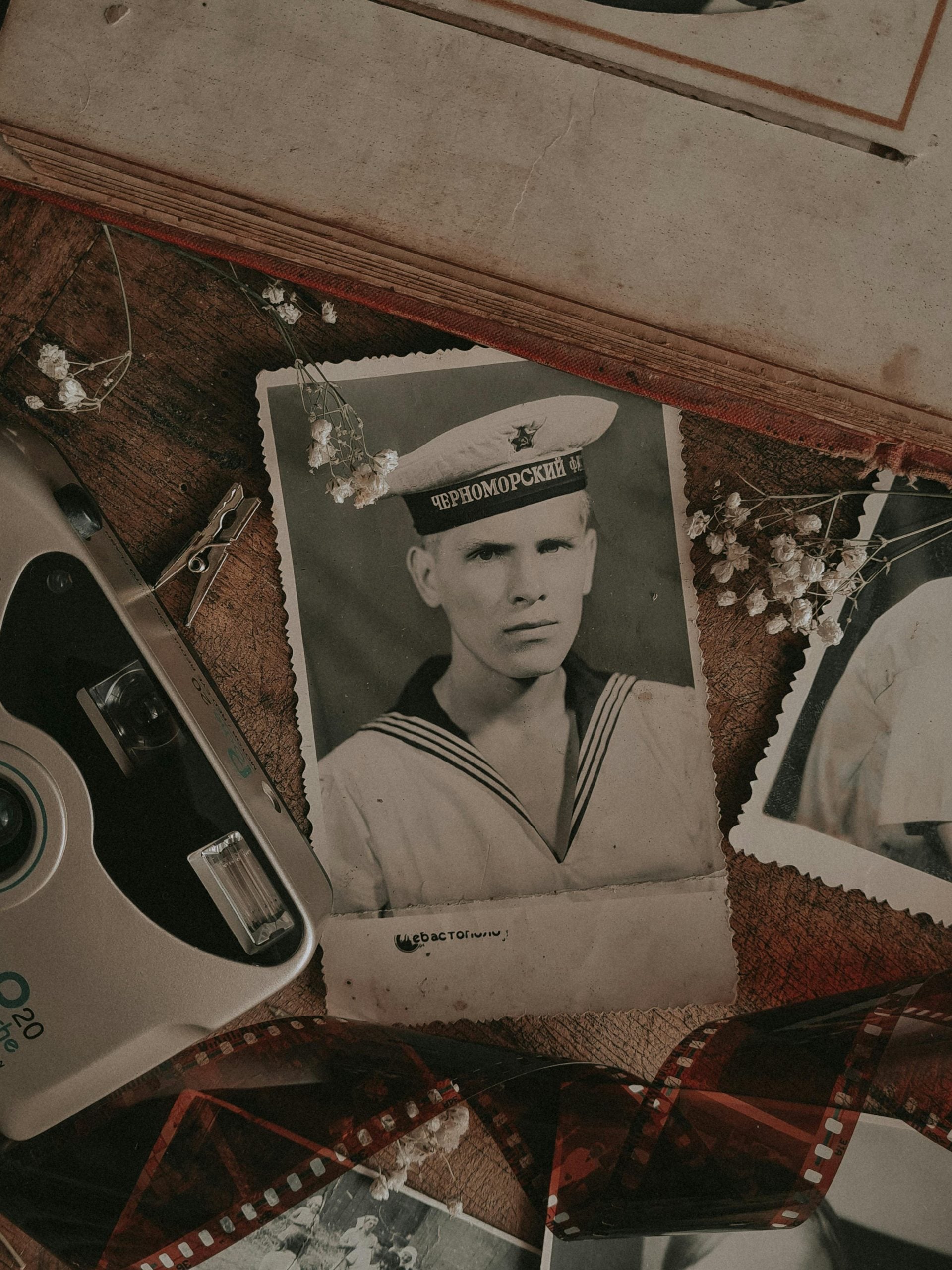
Photography inherited much of this tradition when it first arrived in the 19th century. Early portraits were made with large-format cameras and processes like the daguerreotype and wet plate collodion, which required long exposure times. Subjects had to sit perfectly still, which is why so many of these images appear stiff and unsmiling.
Formality also reflected the cultural norms of the time. A serious expression was associated with dignity and respectability, while smiling was seen as casual or even inappropriate. As photographic technology advanced and exposure times shortened, portraits slowly became less rigid.
By the late 19th and early 20th centuries, portable cameras made photography accessible to a wider audience outside of studios. A major turning point came with Kodak’s marketing campaigns, which encouraged people to use cameras to capture everyday moments and family life. Ads often showed smiling subjects enjoying themselves, shaping a new cultural expectation around portraiture.
Over time, this helped shift the portrait from something reserved for formal documentation into a more expressive, spontaneous, and personal art form—one that continues to evolve today.
Traditional Portraits Focus on Timeless Representation
Traditional portraiture is perhaps one of the most well-known types of portrait photography. Its primary goal is to present the subject in a flattering, timeless manner, often with a neutral background and careful lighting.
Studio Lighting Creates Controlled, Professional Images
There are different approaches to studio photography. Headshots lean toward the formal, with subjects posed in simple setups using softboxes, reflectors, and controlled lighting that evenly highlight facial features. These portraits are common in yearbooks, corporate profiles, and official documents. The focus is on clarity, simplicity, and professionalism, which allows the subject’s personality to come through without distractions.
Studio portraits, on the other hand, are not limited to this formal style. Photographers such as Annie Leibovitz and Dan Winters use the studio as a creative space, experimenting with dramatic lighting, expressive poses, or conceptual staging. These portraits aim to tell a story or evoke a mood while still maintaining technical precision.
Clothing and Posture Contribute to Timeless Results
Wardrobe choices, grooming, and posture play a critical role in traditional portraits.
Solid colors and classic clothing tend to age well and keep the attention on the subject’s face. Attention to small details like hair, makeup, and even hand placement ensures that the portrait looks professional and enduring.
Traditional portraits, meanwhile, are less about artistic experimentation and more about creating a polished, reliable representation that stands the test of time.
Environmental Portraits Capture Context and Personality
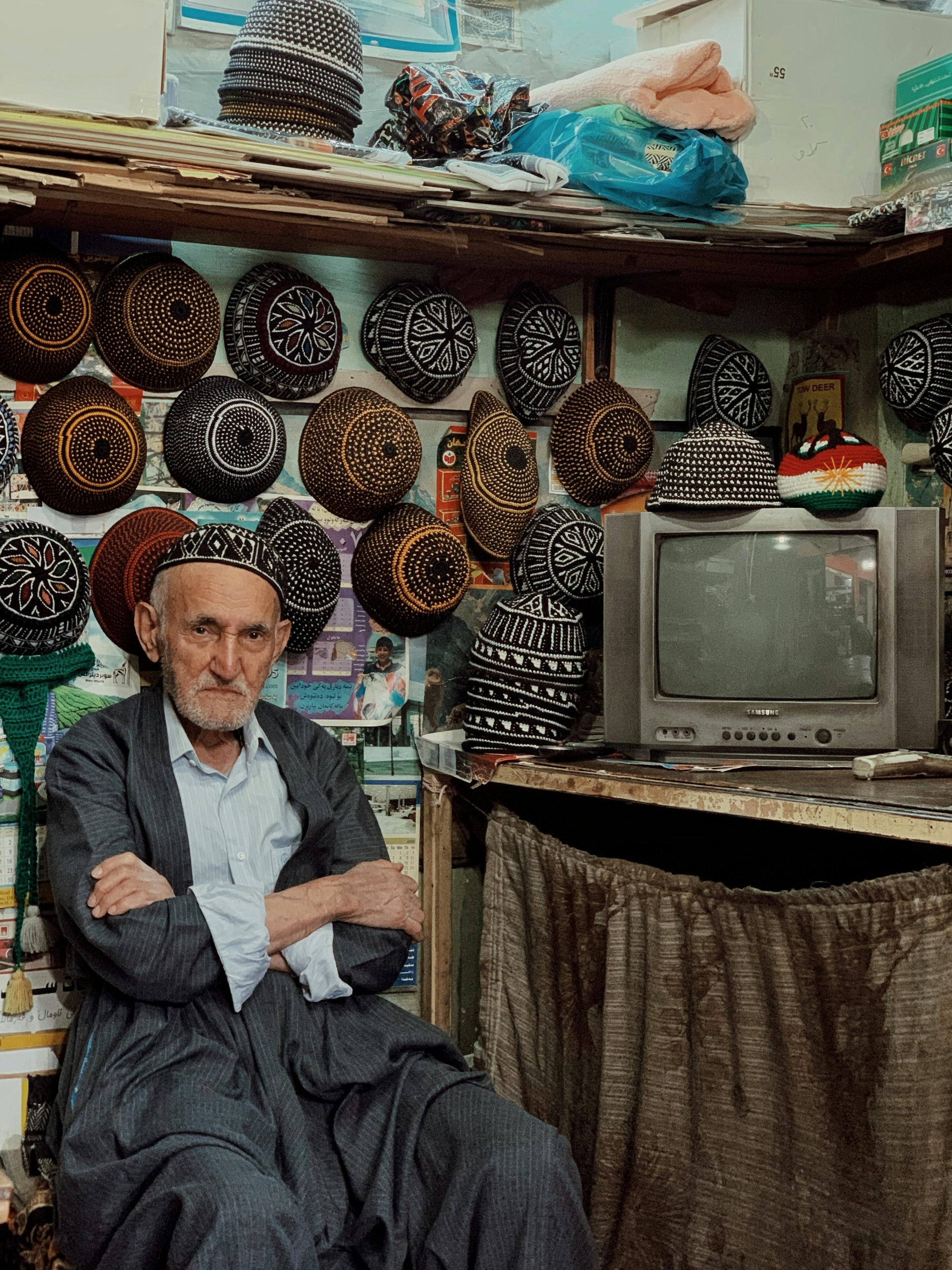
Unlike traditional studio portraits, environmental portraits show subjects within their natural surroundings. This type of portrait aims to tell a story about the person by including elements of their life, profession, or interests.
Location provides narrative and depth
Environmental portraits often take place in settings that are meaningful to the subject. These can be an artist in their studio, a chef in their kitchen, or a gardener among their plants. The environment becomes part of the story and gives viewers insight into the subject’s identity.
Photographers must consider composition carefully, including ensuring that the background enhances rather than overwhelms the subject. The lighting may be natural, artificial, or a combination of both, depending on the location.
Unlike studio portraits, environmental portraits embrace imperfection and contextual richness to create a narrative quality.
Interaction Between Subject and Surroundings Matters
Successful environmental portraits show the subject interacting naturally with their surroundings. This could be as simple as leaning against a workbench, holding a tool, or sitting in a meaningful location.
The photographer’s role is to capture these moments in a way that feels authentic and dynamic. Environmental portraits often require patience, observation, and the ability to direct the subject subtly, so they appear relaxed while still engaging with the scene.
Candid Portraits Emphasize Spontaneity and Emotion
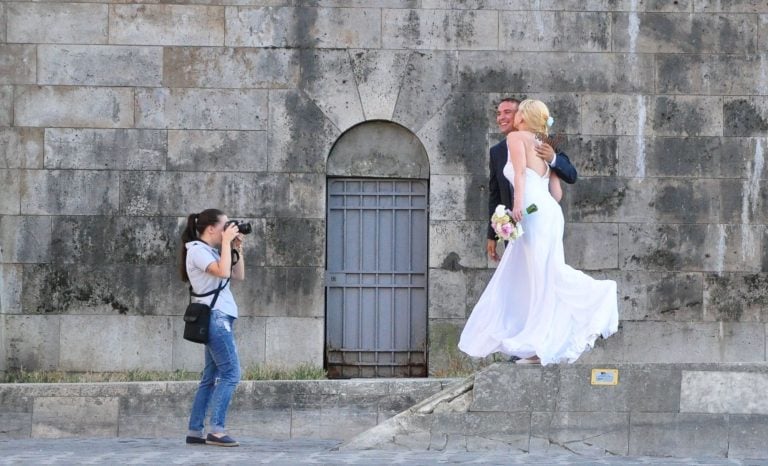
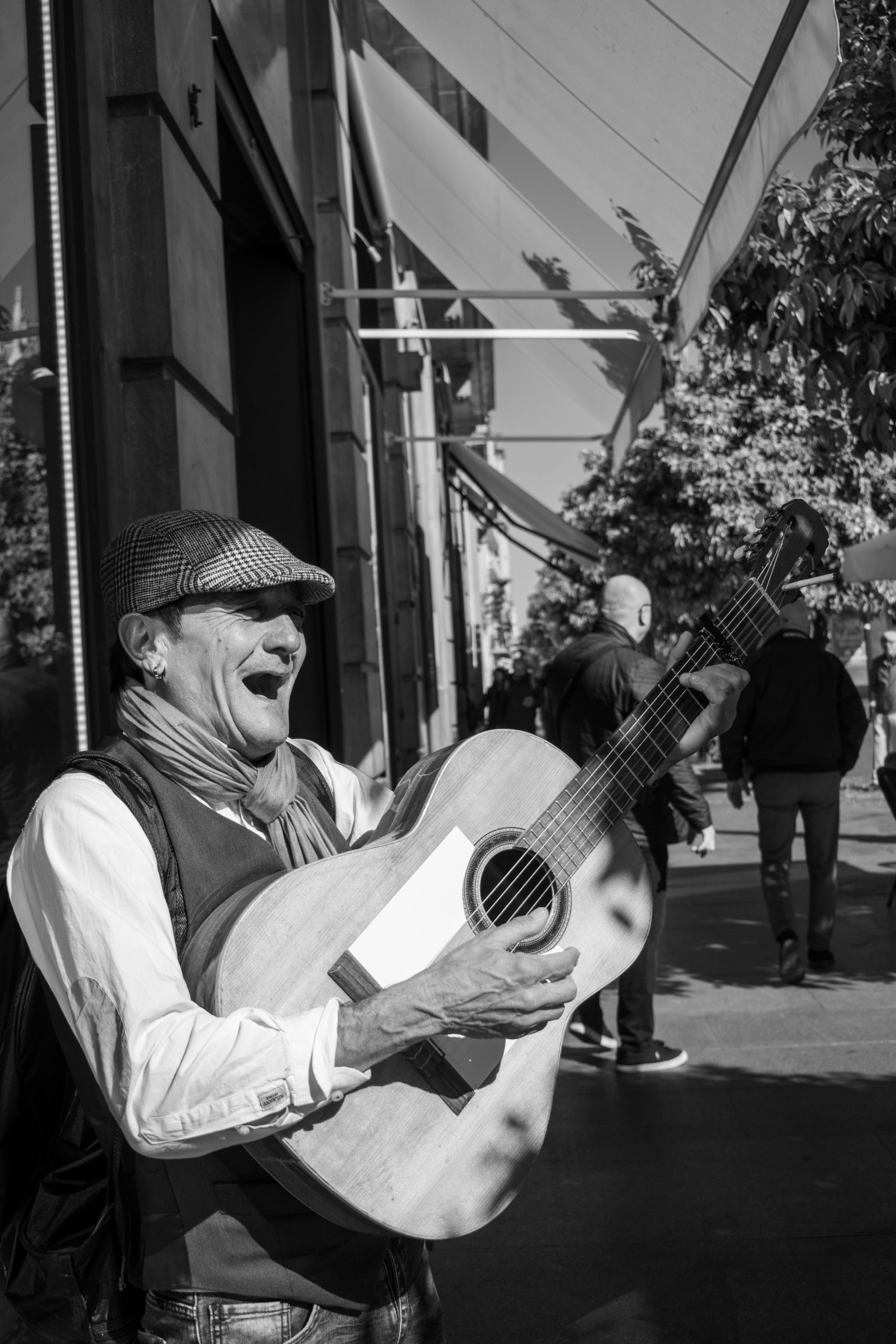
Candid portraits capture subjects in natural, unposed moments, often revealing genuine emotion or reaction. This is one of those types of portrait photography that prioritizes authenticity over perfection.
Capturing Genuine Moments Requires Observation
Unlike traditional or posed portraits, candid photography relies on the photographer’s ability to anticipate and respond to the subject’s behavior. These portraits may capture laughter, surprise, thoughtfulness, or other spontaneous expressions.
Photographers often use longer lenses or unobtrusive positions to avoid influencing the subject’s natural behavior. The result is a more intimate and emotional portrayal that can feel more relatable to viewers.
Light and Timing Are Critical for Candid Images
Because candid portraits are often taken in uncontrolled settings, lighting and timing are crucial. Photographers must adapt quickly to changing conditions, using available light creatively or adjusting settings on the fly.
Shooting in burst mode or taking multiple shots in quick succession can increase the chances of capturing the perfect moment. Candid portraits are popular in street photography, lifestyle sessions, and event coverage, where the goal is to tell a story through the subject’s natural actions and emotions.
Glamour and Fashion Portraits Highlight Beauty and Style
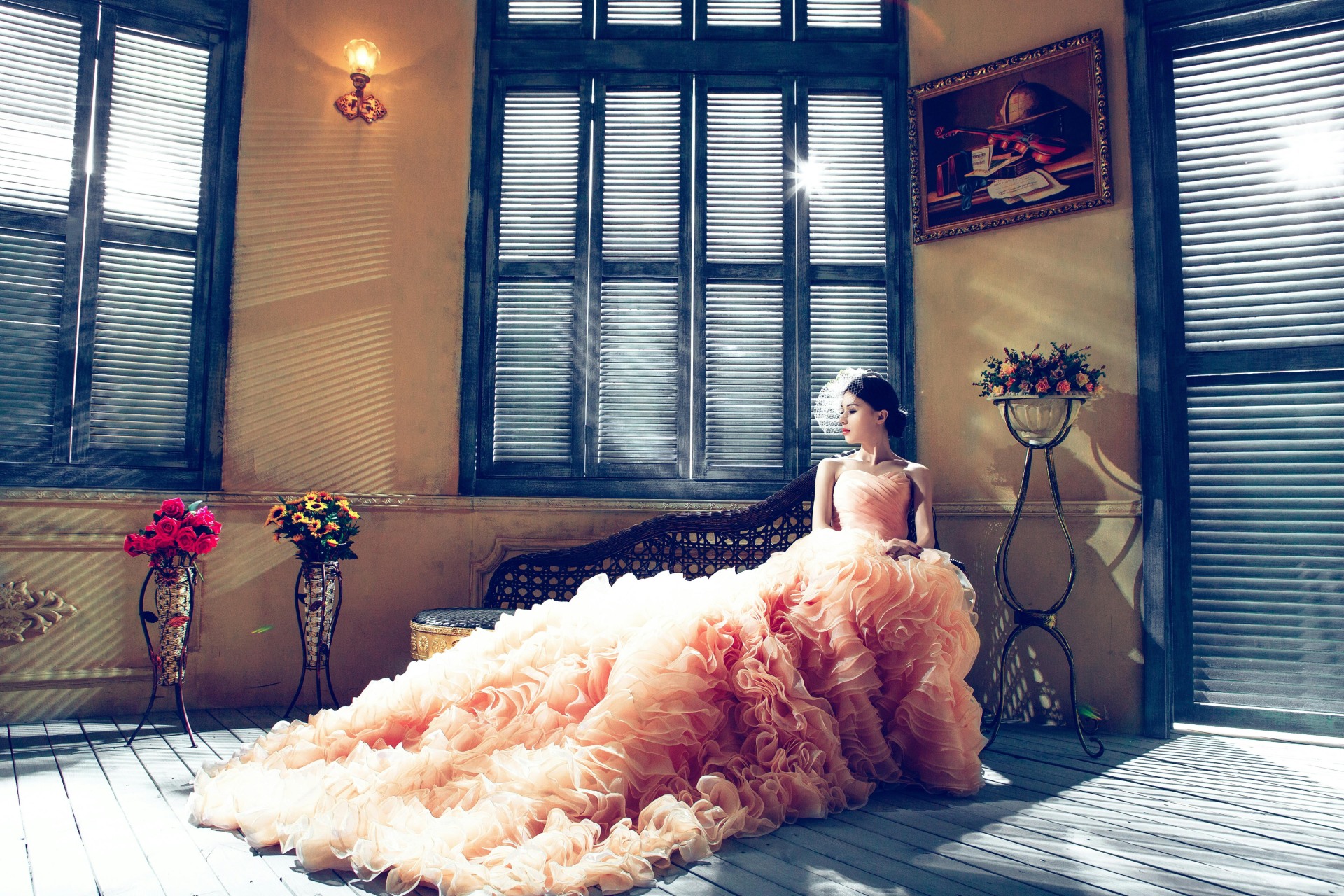
Glamour and fashion photography focus on creating visually striking images that highlight the subject’s appearance, style, and personality. While often associated with models, these techniques are also used in personal portraits, promotional work, and professional portfolios.
Styling and Makeup Play A Central Role
In glamour and fashion portraits, wardrobe, hair, and makeup are just as important as lighting and composition. Photographers work closely with stylists to create a cohesive look that enhances the subject’s features and aligns with the intended mood or theme.
Lighting setups are often dramatic, emphasizing contours, shadows, and highlights to accentuate physical traits. The goal is to create images that are aesthetically pleasing and attention-grabbing, often for commercial or promotional purposes.
Poses and Expressions Are Carefully Directed
Unlike candid portraits, glamour and fashion photography involve deliberate posing. Photographers guide subjects to positions that highlight their best angles, elongate their bodies, and convey confidence or attitude.
These types of portrait photography require collaboration, communication, and sometimes multiple takes to achieve the desired result. Fashion and glamour portraits often push creative boundaries with lighting, backdrops, and composition, offering photographers an opportunity to experiment while still prioritizing visual appeal.
Conceptual and Fine Art Portraits Explore Creativity
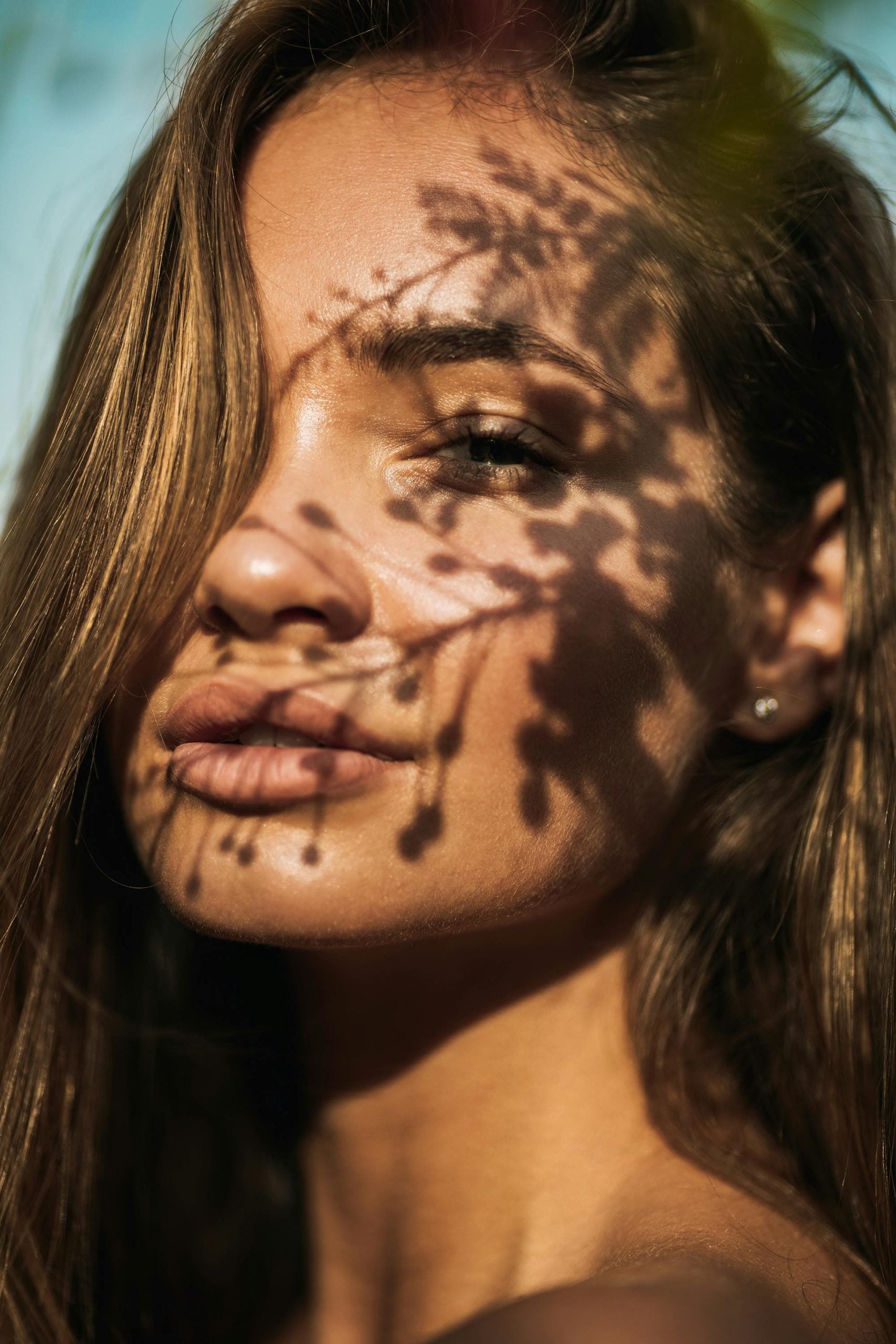
Conceptual and fine art portraits prioritize artistic expression over realism or documentation. Photographers use imaginative setups, props, digital manipulation, and dramatic lighting to convey ideas, emotions, or narratives.
Storytelling Drives Conceptual Portraits
The subject may be placed in unusual settings or styled to represent abstract ideas when doing conceptual portraiture. Props, costumes, and visual metaphors help communicate the photographer’s vision.
For example, a portrait might use shadows, mirrors, or surreal backdrops to explore identity, dreams, or emotion. These portraits often require extensive planning, including pre-visualization, storyboarding, and creative collaboration with the subject.
The focus is not just on capturing likeness, but on producing a visually compelling image that resonates on an emotional or intellectual level.
Fine Art Portraits Allow Experimentation
Fine art portraiture encourages photographers to experiment with unconventional techniques, such as double exposures, unusual angles, or alternative lighting setups. This style blurs the line between photography and visual art, allowing for personal interpretation and exploration.
Subjects may be heavily styled or presented in abstract ways, challenging traditional notions of portraiture. Fine art portraits often find their place in galleries, exhibitions, or portfolios, highlighting the photographer’s artistic identity as much as the subject’s presence.
Lifestyle Portraits Capture Everyday Life
Lifestyle portrait photography is about telling a story through the subject’s day-to-day activities, emphasizing natural behavior and real-life moments.
Authenticity is the Foundation of Lifestyle Portraits
In lifestyle sessions, photographers aim to capture the subject in situations that feel genuine, whether reading at home, playing with children, or enjoying a hobby.
Unlike environmental portraits, which focus on location, lifestyle is one of the types of portrait photography focus on action and interaction. Photographers direct subtly, encouraging natural movement rather than rigid poses, so the resulting images feel spontaneous yet purposeful.
Lighting and Composition Remain Essential
Even in casual or relaxed settings, attention to light, composition, and focus is crucial. Photographers often rely on natural light from windows or outdoor settings, using reflectors or small flashes to enhance shadows and highlights.
By combining technical skill with observation, lifestyle portraits become a bridge between candid spontaneity and polished portraiture, creating images that are relatable, emotive, and visually compelling.
Headshots Focus on Professional Representation
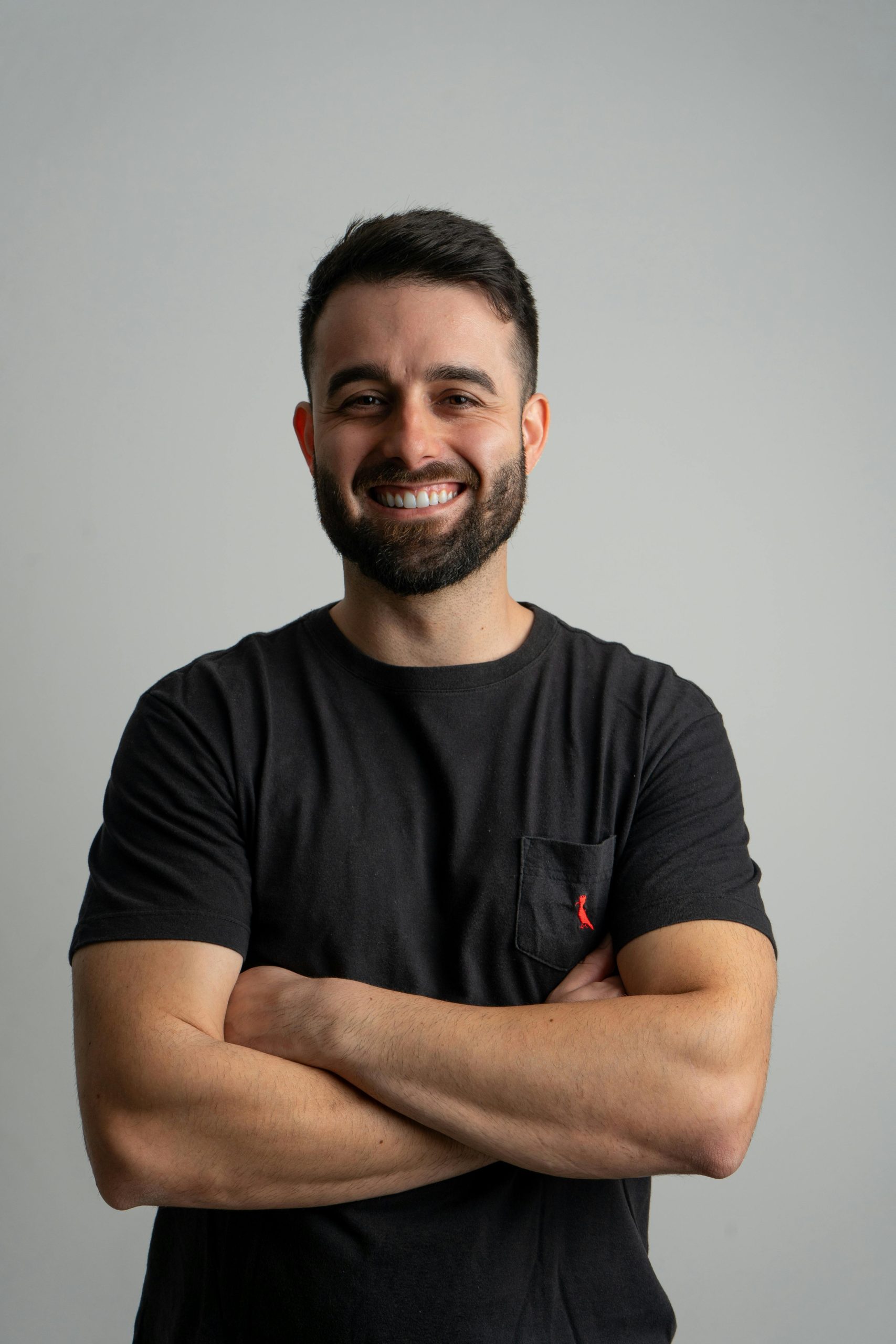
Headshots are a specialized type of portrait used primarily for professional purposes, including corporate profiles, acting portfolios, or social media branding.
The Goal is Clarity and Professionalism
Headshots prioritize clarity, neutral lighting, and minimal distractions. The subject’s face and expression are the main focus, and backgrounds are often simple or blurred to ensure attention remains on the individual.
Lighting is typically soft and flattering, designed to reduce shadows and highlight the eyes. Because these images often represent personal branding, consistency in style and quality is essential.
Expression Communicates Personality
The subject’s expression plays a crucial role in portrait photography, even though headshots are formal. Photographers should guide subjects to convey approachability, confidence, or authority depending on the intended use. The right combination of pose, expression, and technical execution produces headshots that are professional yet engaging.

Tips for Taking Better Portraits
Regardless of the type of portrait you are shooting, several practical tips can help beginners elevate their work and create more engaging images.
First is to engage with your subject. People often feel nervous in front of the camera, so communicating clearly, making them laugh, or giving gentle direction can help them relax and appear natural. Even subtle changes in posture, head tilt, or expression can significantly impact the mood of the portrait.
Second is to always pay attention to light. Natural light is often the simplest for beginners to learn since you can see what you are doing.When using artificial light, experiment with direction and intensity to sculpt your subject’s features without creating harsh shadows.
Third is to focus on the eyes. The eyes are the most expressive part of a portrait, and ensuring they are sharp and well-lit immediately draws viewers into the image. Use single-point autofocus or eye-tracking features if your camera has them. You should also avoid wide apertures that risk putting the eyes out of focus unless you are confident in your technique.
The fourth tip is to consider the background. A clean, uncluttered background keeps the focus on your subject, while an environmental background can add context and storytelling, as long as it doesn’t distract from the main focus. Use depth of field to separate the subject from the background when necessary, and pay attention to any distracting elements that may appear near the edges of the frame.
Lastly, practice patience and observation. Take multiple shots, experiment with angles, and observe how small adjustments in composition, focus, or lighting affect the final image. Reviewing your images critically and noting what works will help you improve faster and develop a personal style.
Bringing Your Portraits to Life
Portrait photography is an art form that combines technical skill, creativity, and empathy. By understanding the different types of portrait photography, you can choose the style that best suits your subject and purpose.
Implementing thoughtful techniques such as controlling light, sharpening focus on the eyes, and engaging with your subject will make every portrait more compelling and meaningful.
No matter your skill level, the most important thing is to practice and experiment. Every portrait is an opportunity to tell a story, capture emotion, and reveal character. As you explore different types, techniques, and settings, you will not only improve your technical ability but also develop an eye for portraits that resonate and connect with viewers on a deeper level.
By combining knowledge, creativity, and observation, you can bring your portraits to life and create images that are memorable, expressive, and uniquely your own.
See more from DIYPhotography.net on Google
Add DIYPhotography.net as a trusted source. This makes
our stories more likely to appear in your Google Search results.
 Add as a preferred source on Google

Alysa Gavilan
Alysa Gavilan has spent years exploring photography through photojournalism and street scenes. She enjoys working with both film and mirrorless cameras, and her fascination with the craft has grown over the decades. Inspired by Vivian Maier, she is drawn to capturing everyday moments that often go unnoticed.




Join the Discussion
DIYP Comment Policy
Be nice, be on-topic, no personal information or flames.