

























Hubble Discovers a Black Hole Hidden Inside Omega Centauri
Jul 13, 2026
Soumyadeep Mukherjee
Soumyadeep Mukherjee is an award-winning astrophotographer from India. He has a doctorate degree in Linguistics. His work extends to the sub-genres of nightscape, deep sky, solar, lunar and optical phenomenon photography. He is also a photography educator and has conducted numerous workshops. His works have appeared in over 40 books & magazines including Astronomy, BBC Sky at Night, Sky & Telescope among others, and in various websites including National Geographic, NASA, Forbes. He was the first Indian to win “Astronomy Photographer of the Year” award in a major category.
Share:
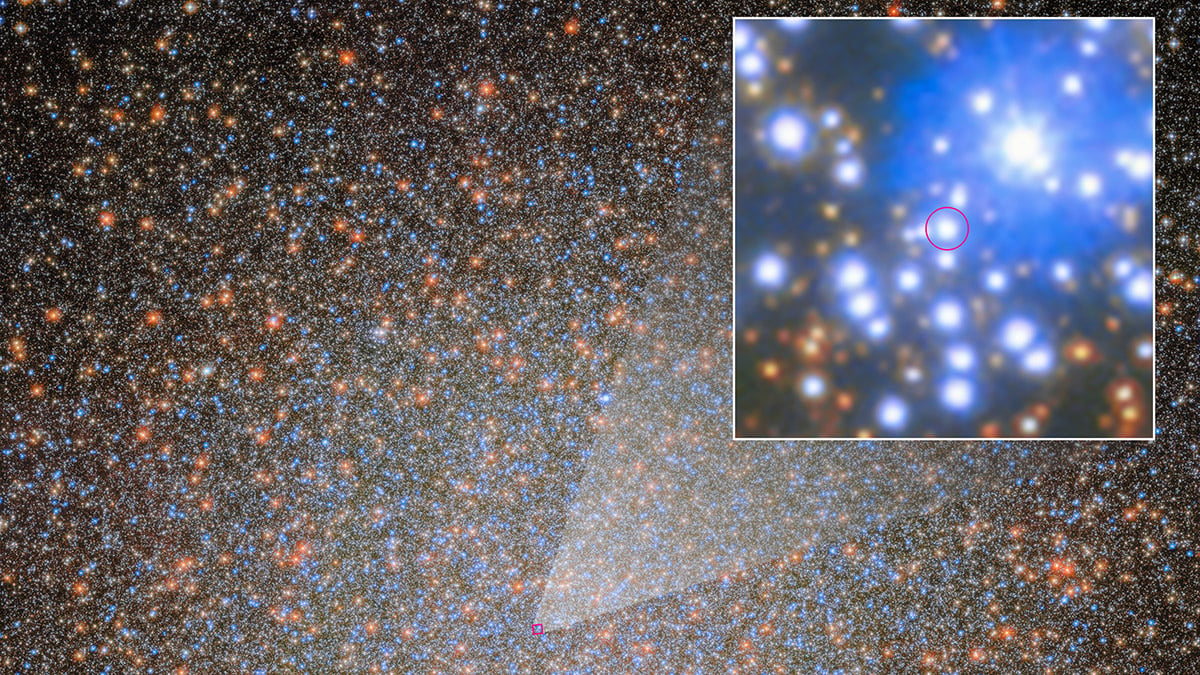
Globular clusters are among the oldest surviving structures in the Milky Way. These densely packed systems contain hundreds of thousands to millions of stars that formed nearly simultaneously, more than 12 billion years ago. Because many of their original stars were far more massive than the Sun, astronomers have long expected globular clusters to host a substantial population of stellar-mass black holes.
NASA‘s Hubble Space Telescope has now captured the strongest evidence yet that black holes are indeed hiding within these dense stellar environments. After combining more than two decades of Hubble observations with recent measurements from the James Webb Space Telescope, an international team of astronomers has identified the first confirmed dormant stellar-mass black hole in Omega Centauri.
Omega Centauri and hidden black holes
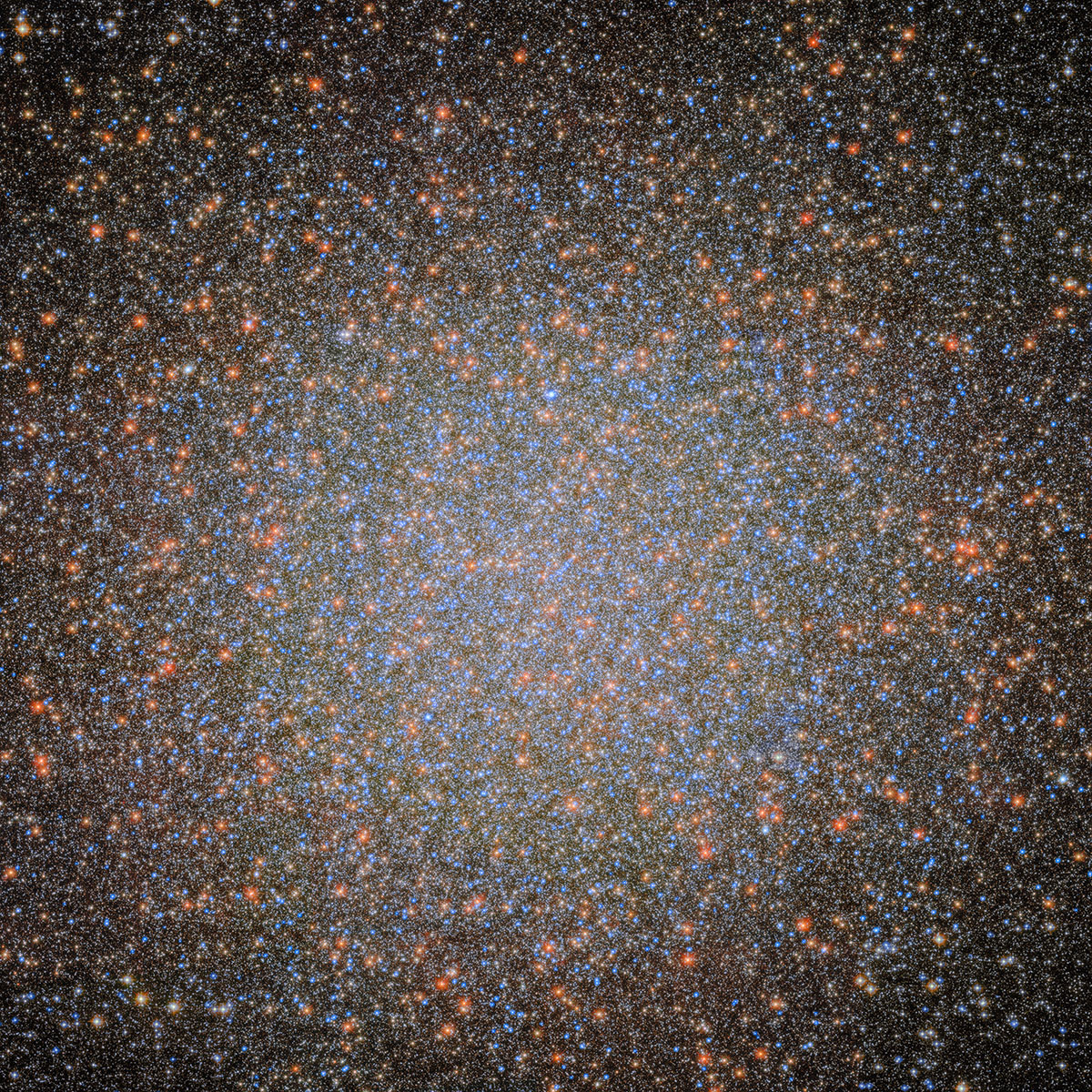
Omega Centauri has fascinated astronomers for generations. Although it is classified as a globular cluster, it differs from almost every other member of its class. Located about 17,000 light-years from Earth in the constellation Centaurus, it contains nearly 10 million stars and outweighs every other known globular cluster in the Milky Way.
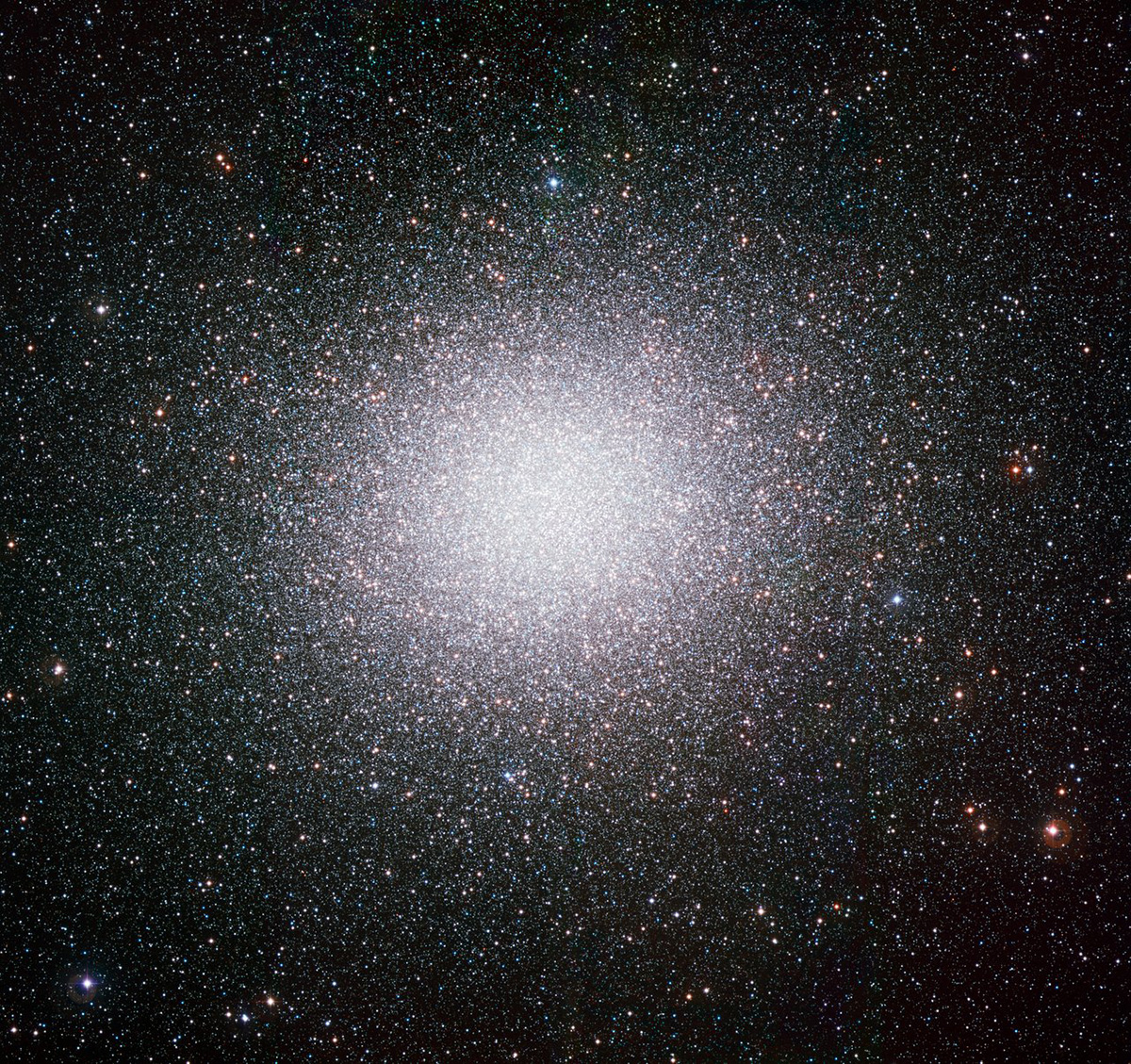
Most of the stars in the cluster formed more than 12 billion years ago. During that early period, many were several times more massive than the Sun. Massive stars consume their nuclear fuel at an extraordinary rate. Consequently, they survive for only a few million years before collapsing under their own gravity. Many explode as supernovae and leave behind compact remnants such as neutron stars or stellar-mass black holes.
Computer simulations have shown that gravitational encounters within a crowded cluster can certainly eject some black holes into interstellar space. However, the simulations also indicated that many should remain trapped within the cluster for billions of years. Those surviving black holes would continue orbiting alongside millions of ordinary stars.
A search more difficult than expected
Black holes do not emit light of their own. Consequently, astronomers usually discover them through their interaction with nearby objects. In many binary systems, a black hole slowly pulls gas away from a companion star. As that gas spirals inward, friction heats it to millions of degrees before it finally disappears beyond the event horizon. During this process, the hot gas emits powerful X-rays that space observatories can detect from enormous distances.
Omega Centauri is an ancient stellar system where most stars exhausted or lost their surrounding gas billions of years ago. The cluster contains very little material that black holes can accrete. As a result, many of them remain completely dormant. They produce almost no radiation and blend into the crowded stellar background without leaving any obvious observational signature. And this is why astronomers struggled for so long to locate them.
Two decades of Hubble observations
The breakthrough came from one of Hubble‘s greatest strengths: its ability to observe the same object repeatedly over many years. While many space missions focus on capturing spectacular images, Hubble has built an archive of measurements that spans more than three decades.
For this study, researchers examined more than 20 years of Hubble observations of Omega Centauri. They measured the positions of thousands of stars with extraordinary precision, looking for tiny changes that might reveal the presence of an unseen companion. Instead of searching for radiation from a black hole, they concentrated on the motion of the stars themselves.
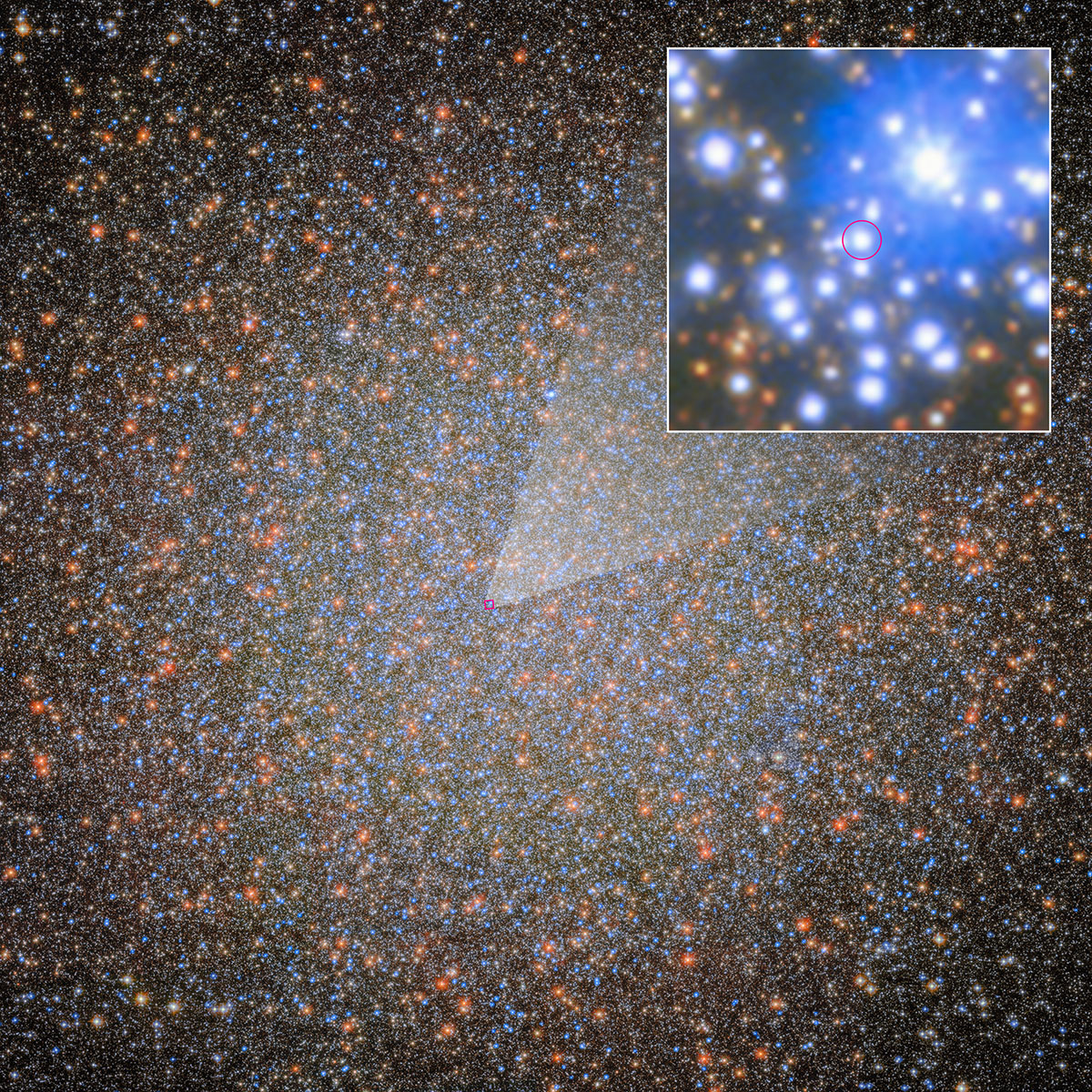
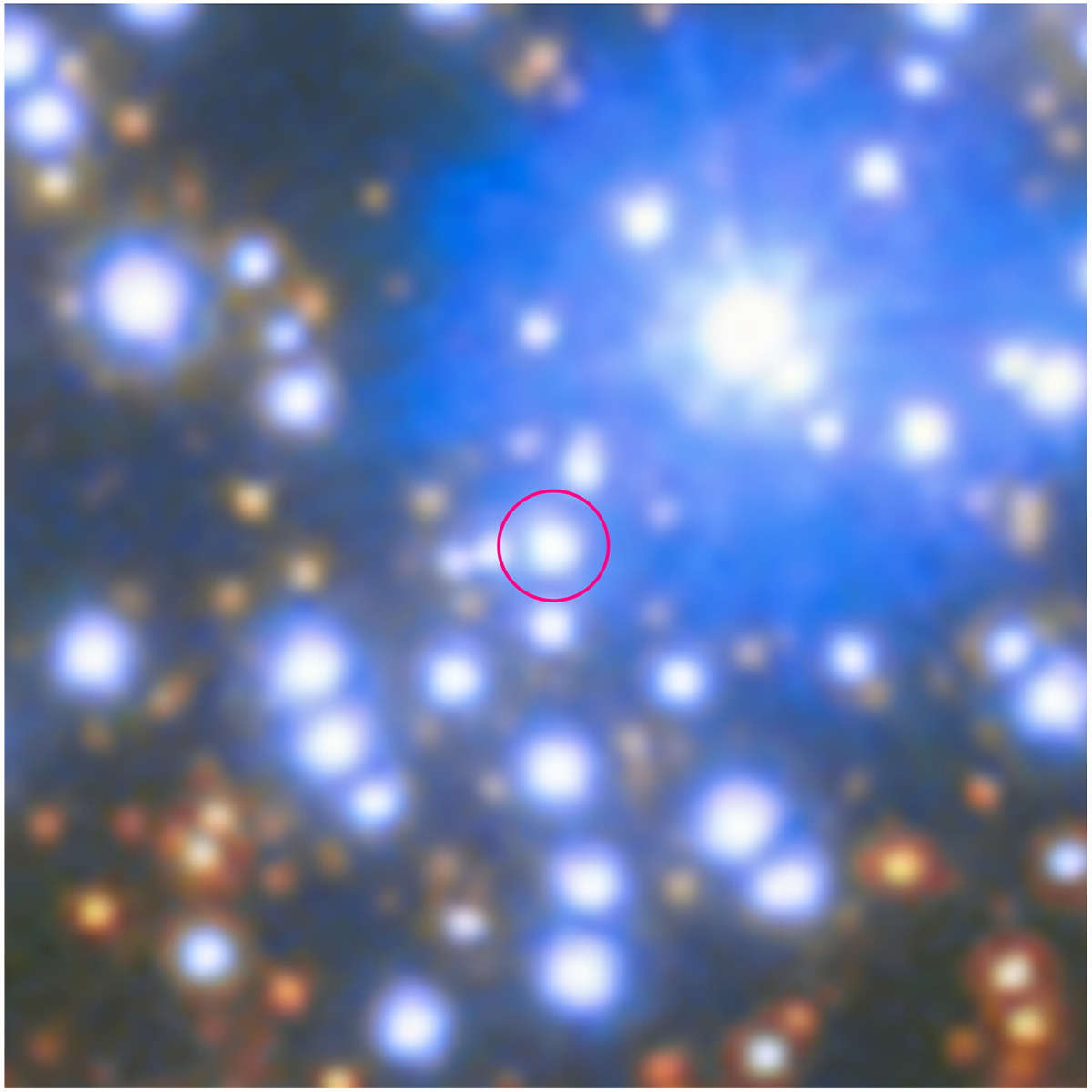
Among the thousands of stars analyzed, one stood out. The research team found that the star completes an orbit every 184 days around an object that cannot be seen. To strengthen the result, they combined Hubble‘s long-term measurements with newer observations from the James Webb Space Telescope.
The invisible object has a mass of about 7.9 Suns, but it produces no detectable light. It is too massive to be a white dwarf or a neutron star, and there is no evidence of a faint star hiding in the system. The only object that matches both the measured mass and the absence of light is a stellar-mass black hole. The newly identified object has been named oMEGACat BH-2.
Clear skies!
See more from DIYPhotography.net on Google
Add DIYPhotography.net as a trusted source. This makes
our stories more likely to appear in your Google Search results.
 Add as a preferred source on Google

Soumyadeep Mukherjee
Soumyadeep Mukherjee is an award-winning astrophotographer from India. He has a doctorate degree in Linguistics. His work extends to the sub-genres of nightscape, deep sky, solar, lunar and optical phenomenon photography. He is also a photography educator and has conducted numerous workshops. His works have appeared in over 40 books & magazines including Astronomy, BBC Sky at Night, Sky & Telescope among others, and in various websites including National Geographic, NASA, Forbes. He was the first Indian to win “Astronomy Photographer of the Year” award in a major category.


Join the Discussion
DIYP Comment Policy
Be nice, be on-topic, no personal information or flames.