






















MLAstro Announces Trinity: One Mount, Three Uses and More
Sep 22, 2026
Soumyadeep Mukherjee
Soumyadeep Mukherjee is an award-winning astrophotographer from India. He has a doctorate degree in Linguistics. His work extends to the sub-genres of nightscape, deep sky, solar, lunar and optical phenomenon photography. He is also a photography educator and has conducted numerous workshops. His works have appeared in over 40 books & magazines including Astronomy, BBC Sky at Night, Sky & Telescope among others, and in various websites including National Geographic, NASA, Forbes. He was the first Indian to win “Astronomy Photographer of the Year” award in a major category.
Share:
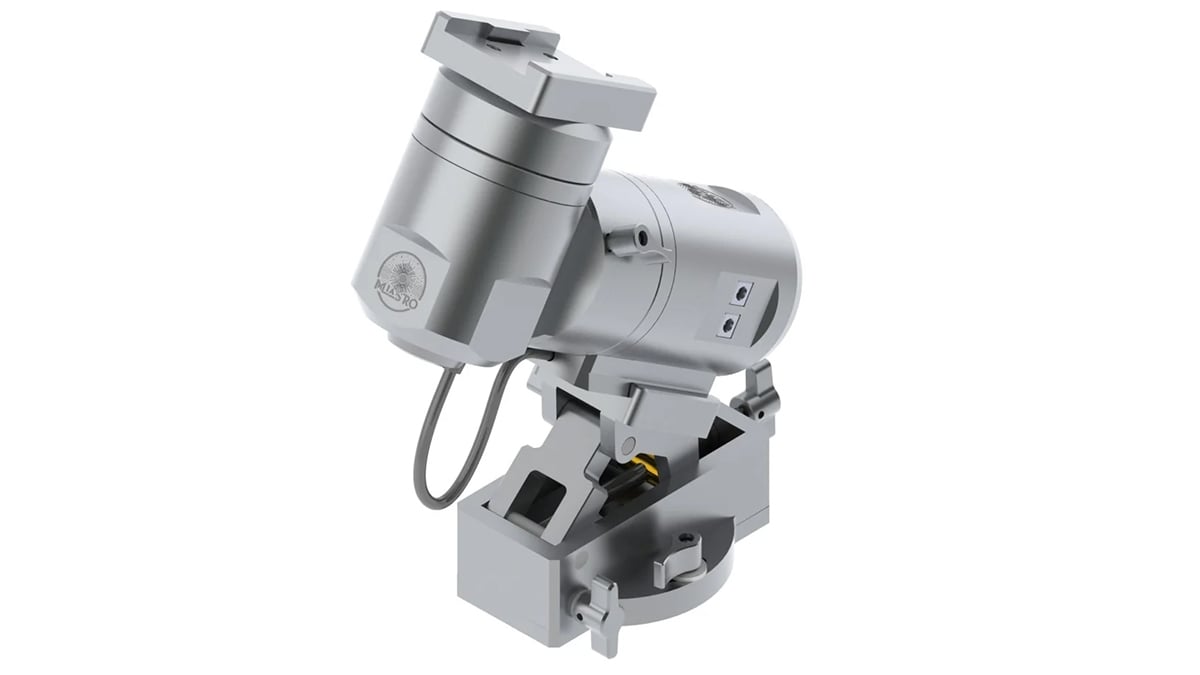
Packing an equatorial mount for a trip usually means making room for more than the mount itself. There are the counterweight, tripod, wedge, and other hardware, all competing for space with cameras, telescopes, and the rest of the imaging kit. MLAstro may just change the scenario with its new Trinity mount.
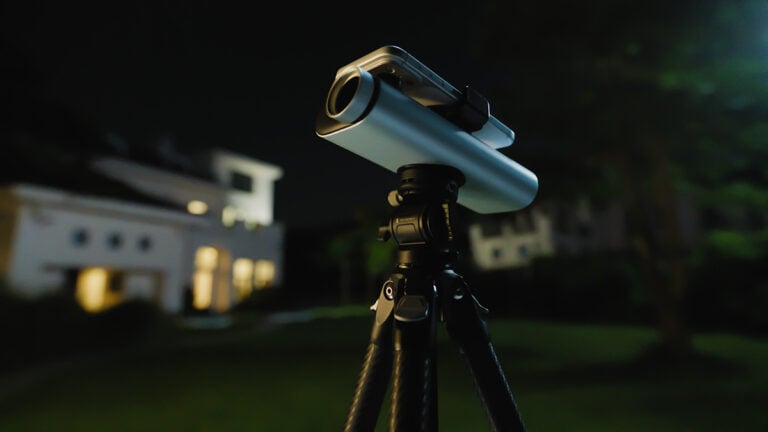
MLAstro has announced a new modular mount that can change its configuration depending on the type of photography you want to do. The new MLAstro Trinity can work as a 1.3kg star tracker, a 2.7kg Alt-Az mount, or a full equatorial mount weighing less than 3.5kg. In its EQ configuration, MLAstro is targeting a 7.5kg payload without a counterweight and 10kg with one.
One mount, three ways to use it
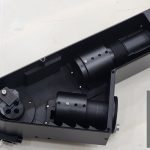
MLAstro has separated the mount into an RA drive, a DEC drive, and an equatorial wedge. The smallest version uses the RA module on its own. At about 1.3kg, the Trinity Tracker is aimed at wide-field astrophotography and time-lapse photography. It uses the same RA drive as the larger EQ version, so the lightweight configuration does not rely on a completely different tracking mechanism.
Adding the DEC module creates the 2.7kg Alt-Az version. This setup suits visual observing, planetary imaging, and solar work. The equatorial wedge stays behind, reducing the amount of hardware that needs to travel with the telescope.
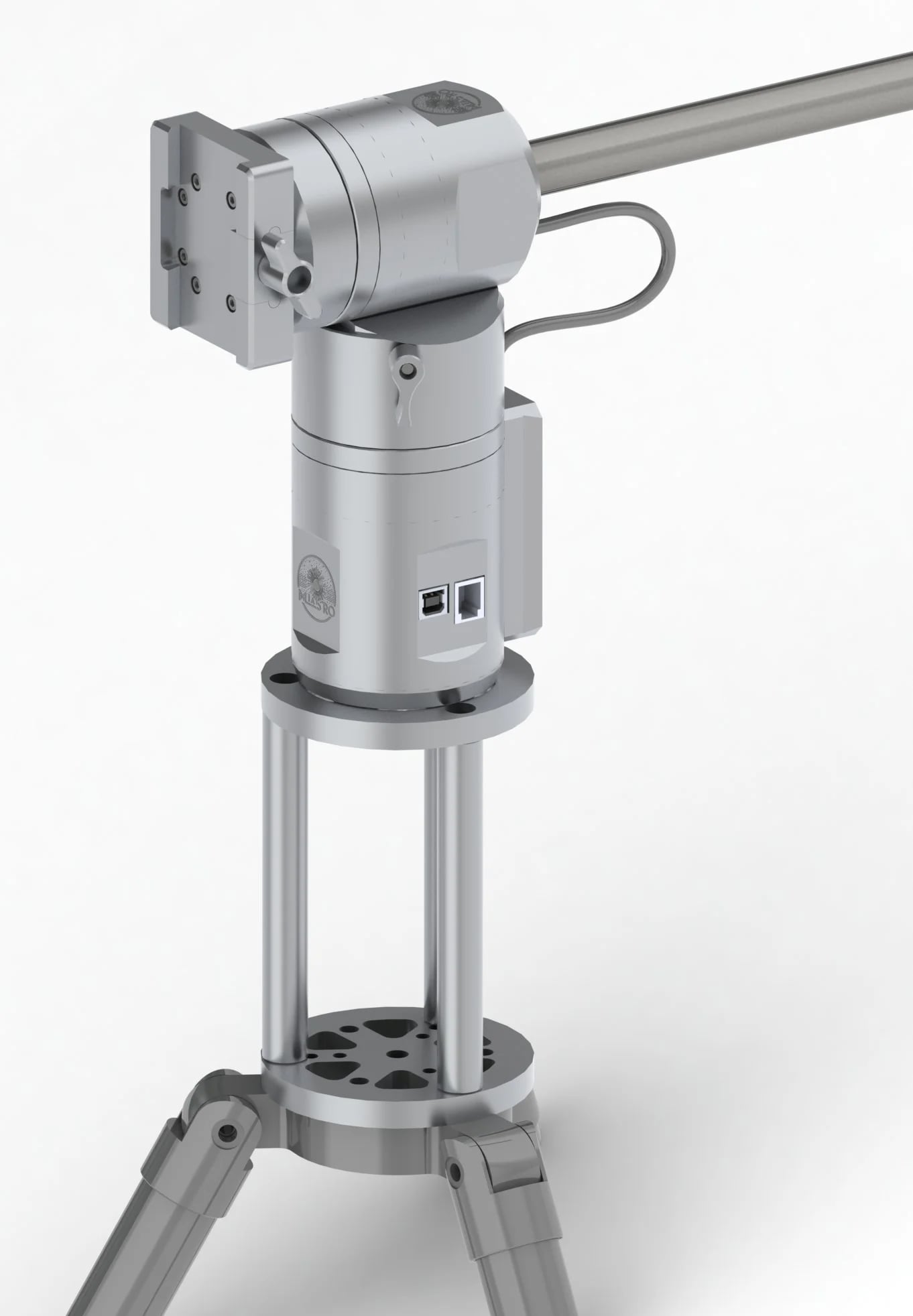
Deep-sky photographers can add the wedge when they need an equatorial setup. MLAstro calls this the full Trinity EQ configuration, and its current weight target sits below 3.5kg. The company says the individual modules weigh roughly 0.8 to 1.3kg and can be assembled without tools in less than a minute.
That modular approach could prove useful for photographers who travel with several types of equipment. Someone heading out with a camera and a wide-angle lens may have little reason to carry the DEC axis and EQ wedge. A photographer planning a night of deep-sky imaging can take the complete system. The same hardware can serve both roles.

Strain-wave drives target a 10kg payload
MLAstro has fitted both the RA and DEC axes with Size 14 strain-wave gearboxes. The RA gearbox also forms the heart of the 1.3kg tracker. The DEC drive joins it for the Alt-Az and EQ configurations. In the full EQ version, both axes use the same class of strain-wave drive.
MLAstro currently quotes a target payload of 7.5kg without a counterweight. Adding a counterweight raises the target to 10kg. This gives Trinity a considerable amount of capacity for a mount that weighs less than 3.5kg.
Astrophotographers will still want to see the numbers that have not arrived yet. MLAstro has not published a final periodic-error figure, tracking-accuracy measurement, or encoder specification for Trinity. The company has also not announced the maximum slew speed.
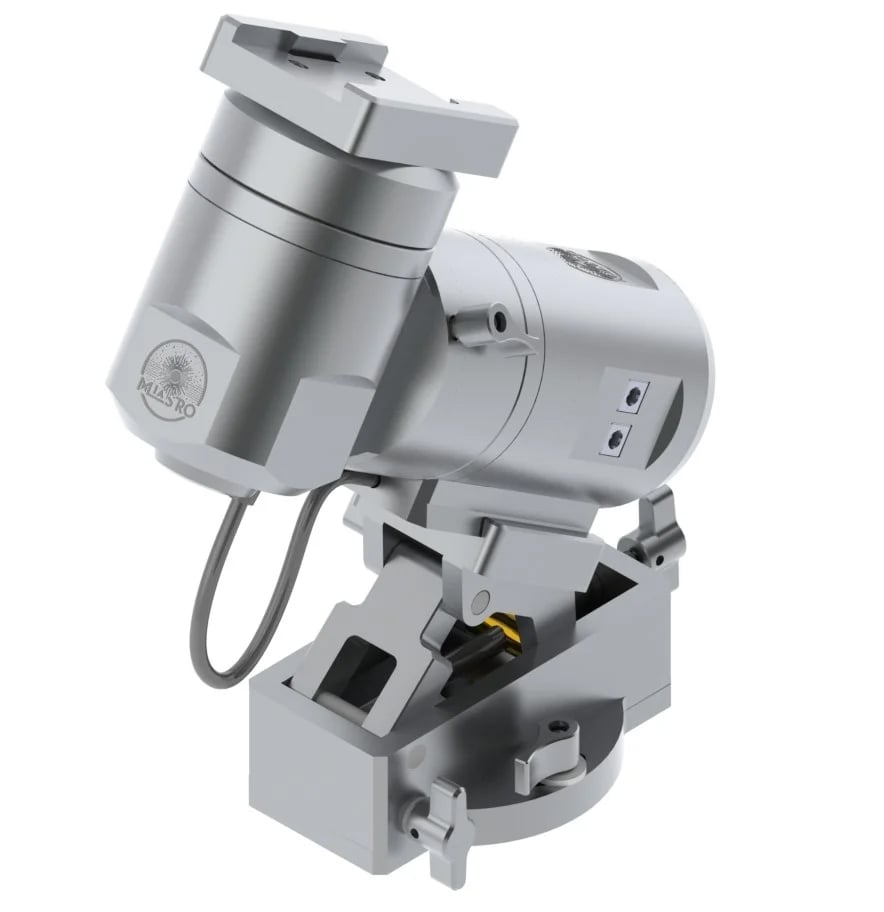
ZeroShift EQ wedge tackles movement during polar alignment
MLAstro has also redesigned the part of the setup that sits between the mount and the tripod. Trinity uses the company’s ZeroShift polar-alignment system, which aims to prevent movement when photographers finish their alignment.
With a conventional adjustment mechanism, tightening a locking screw can sometimes shift the mount by a small amount. A photographer may end up loosening the adjustment, correcting the position, and locking everything again, especially for deep sky work.
MLAstro says the mechanism allows users to make the polar adjustment without needing a separate locking step that can move the mount after alignment. This feature should fit the way Trinity is designed to travel.
The company will also offer compatibility with its Robotic Polar Alignment system, or RPA. This optional system adds motorised polar-alignment control. Compatible software can then adjust the mount without requiring the photographer to make the corrections manually.
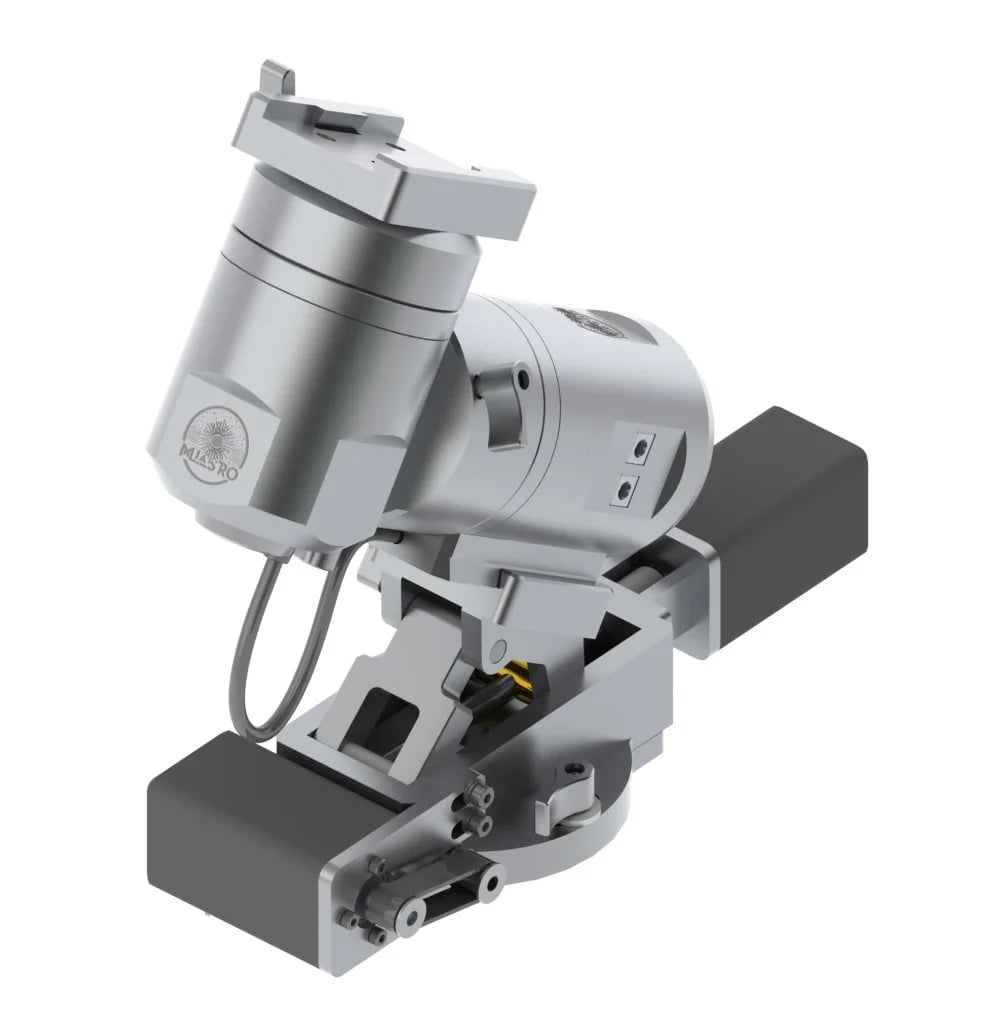
MLAstro Sunflower: A solar connection
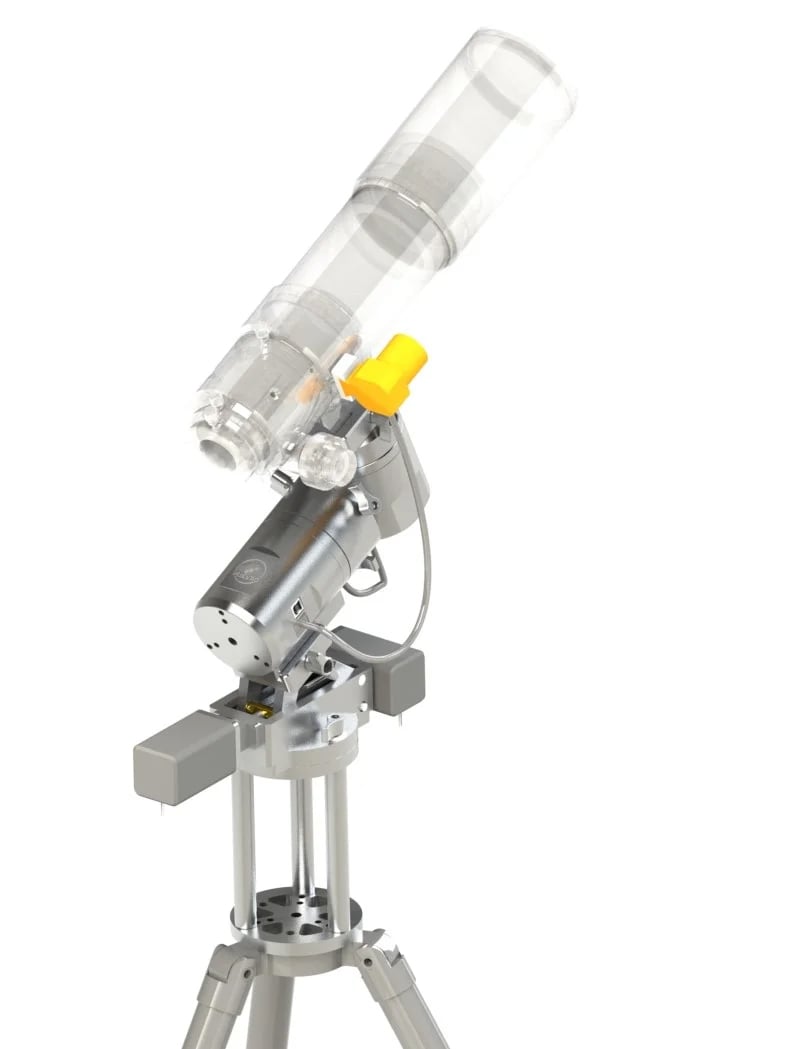
Trinity’s story does not end with night-time astrophotography. MLAstro is developing the mount alongside Sunflower, an electronic solar finder and tracker designed to keep a telescope pointed at the Sun.
Sunflower connects through the HC/ST4 interface. It can search for the Sun, center it, and continue guiding the mount as the Sun moves across the sky. MLAstro says Trinity can use the system in both EQ and Alt-Az configurations.
That gives the smaller Alt-Az version a useful daytime role. A photographer could use the mount for solar observing or imaging without turning it into a dedicated solar platform.
Sunflower will also support the SAL-33 and MLAstro One. MLAstro says it may add compatibility with other ST4-equipped mounts later. The accessory will come separately from Trinity. The company expects Sunflower around mid-to-late spring 2027. MLAstro has also said it wants the accessory available before the 2027 total solar eclipse in Egypt.
Price and availability
MLAstro currently wants to sell Trinity for less than US$1,000. The company, however, has not announced a final retail price.
The current schedule calls for preorders around mid-December 2026. MLAstro expects the first production batch to ship in early 2027.
Clear skies!
See more from DIYPhotography.net on Google
Add DIYPhotography.net as a trusted source. This makes
our stories more likely to appear in your Google Search results.
 Add as a preferred source on Google

Soumyadeep Mukherjee
Soumyadeep Mukherjee is an award-winning astrophotographer from India. He has a doctorate degree in Linguistics. His work extends to the sub-genres of nightscape, deep sky, solar, lunar and optical phenomenon photography. He is also a photography educator and has conducted numerous workshops. His works have appeared in over 40 books & magazines including Astronomy, BBC Sky at Night, Sky & Telescope among others, and in various websites including National Geographic, NASA, Forbes. He was the first Indian to win “Astronomy Photographer of the Year” award in a major category.



Join the Discussion
DIYP Comment Policy
Be nice, be on-topic, no personal information or flames.