








NASA Combines 217 Images to Reveal a 360-Degree View of Mars
Nov 7, 2026
Soumyadeep Mukherjee
Soumyadeep Mukherjee is an award-winning astrophotographer from India. He has a doctorate degree in Linguistics. His work extends to the sub-genres of nightscape, deep sky, solar, lunar and optical phenomenon photography. He is also a photography educator and has conducted numerous workshops. His works have appeared in over 40 books & magazines including Astronomy, BBC Sky at Night, Sky & Telescope among others, and in various websites including National Geographic, NASA, Forbes. He was the first Indian to win “Astronomy Photographer of the Year” award in a major category.
Share:
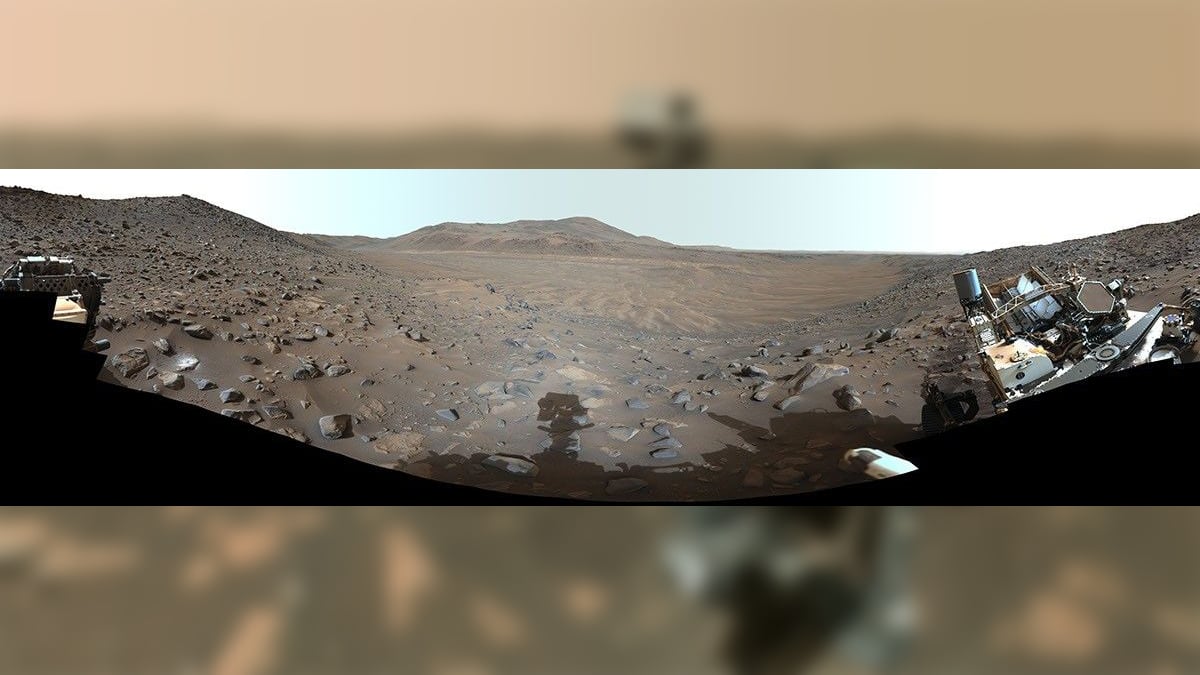
The landscape around NASA’s Perseverance rover looks dry and dusty today. Rocks cover the ground, and distant hills mark the Martian horizon. But this part of Jezero Crater once had a very different environment. A river flowed through the area, carrying fresh water towards an ancient lake. NASA has released a 360-degree panorama showing this former river channel from the rover’s position.
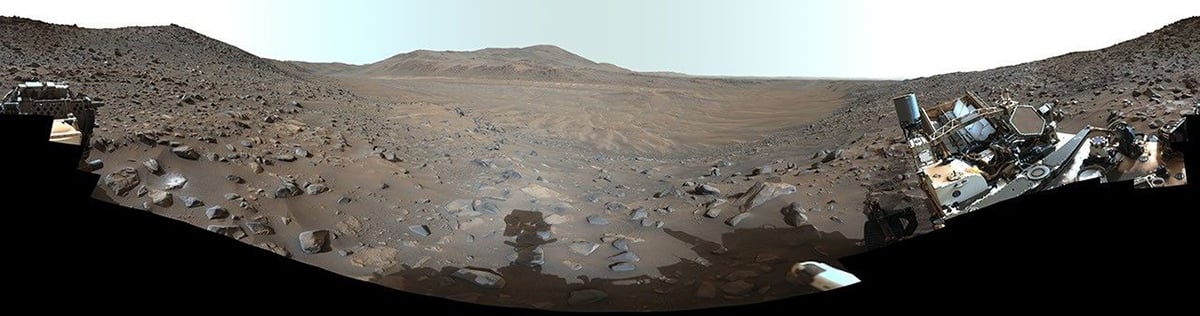
The new image shows Neretva Vallis, an ancient river channel on the western side of Jezero Crater. Perseverance’s Mastcam-Z cameras captured 217 photographs of the surrounding terrain in 2024. NASA combined the individual frames to create the panoramic view.
An ancient river channel on Mars
Neretva Vallis forms part of the ancient drainage system that fed water into Jezero Crater. Billions of years ago, a river flowed through this channel and carried freshwater towards the crater. The surrounding terrain has since undergone considerable change, leaving behind a dry landscape that Perseverance now explores.
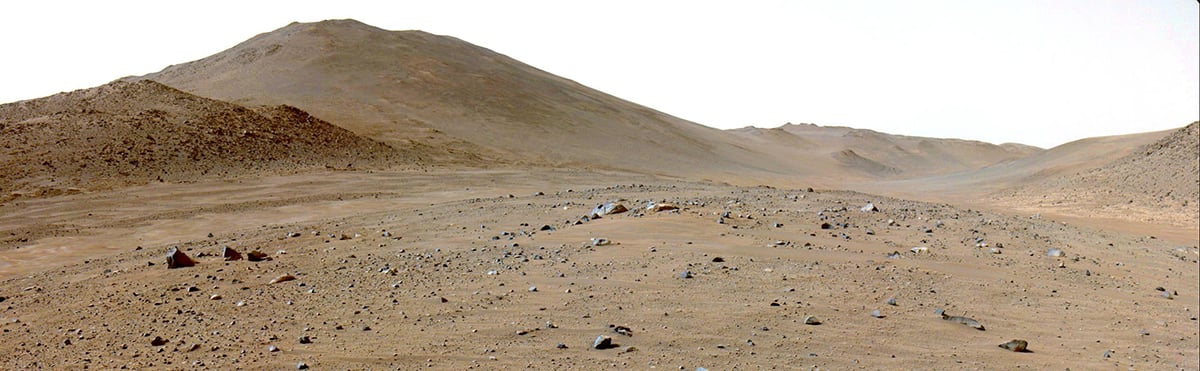
Jezero Crater is interesting because scientists have found evidence of an ancient lake and river delta there. Water entering the crater would have carried sediment from the surrounding highlands. Over time, these materials accumulated and formed deposits that could preserve information about ancient Martian environments.
Perseverance has been examining Jezero Crater since its landing in February 2021. The rover’s cameras help scientists identify geological features, while its other instruments investigate the composition of rocks and soil. The new panorama shows the terrain around Neretva Vallis from ground level.
Turning 217 images into one panorama
On May 20, 2024, the rover’s Mastcam-Z cameras recorded 217 individual images of Neretva Vallis. Each photograph covered a different portion of the surrounding landscape. NASA then brought the frames together to create the 360-degree composition.

The process resembles panoramic photography on Earth. A photographer can take several overlapping photographs while rotating the camera across a scene. Mastcam-Z performs a similar task on Mars. Its cameras can change their viewing direction and capture separate sections of the terrain. The mission team can use these images to construct panoramas covering the horizon around the rover.
The Neretva Vallis panorama is an enhanced-colour image. NASA processed its color bands to improve visual contrast and accentuate differences across the Martian landscape. This treatment helps viewers distinguish variations in the terrain that might otherwise be difficult to notice.

Mastcam-Z: The camera system behind the image
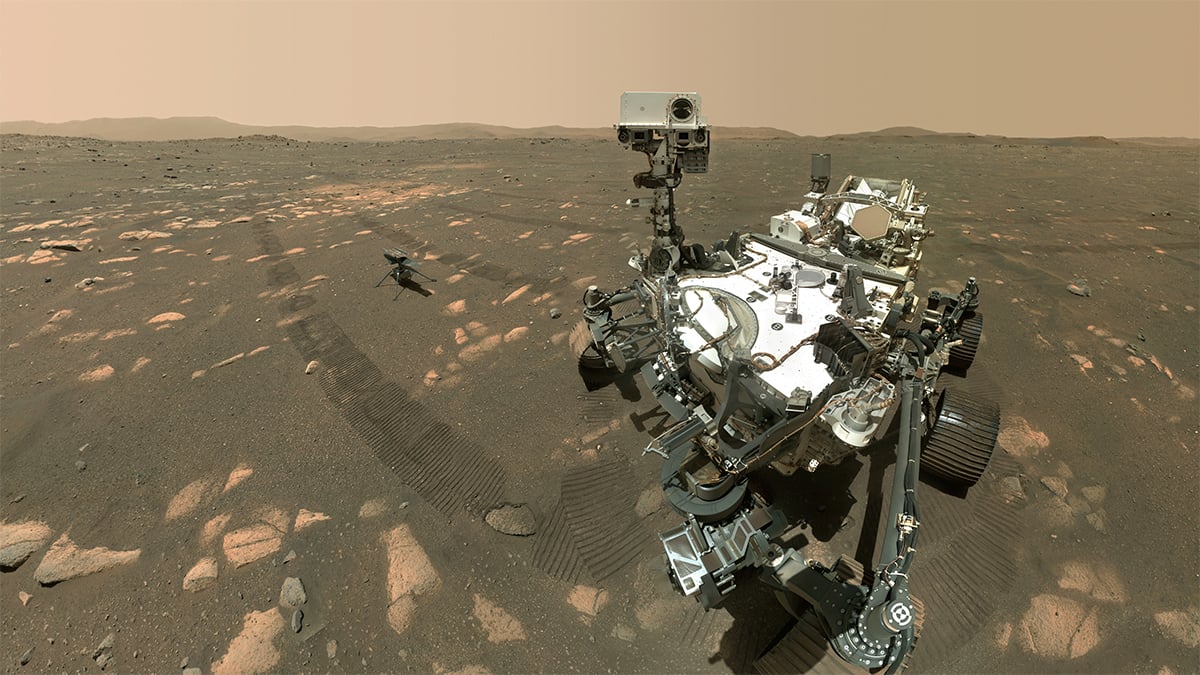
Mastcam-Z sits on Perseverance‘s remote sensing mast and consists of two zoomable cameras. Their position gives the rover a clear view of the surrounding landscape. The cameras can photograph distant geological features, record high-definition video, and produce colour panoramas.
The two cameras sit approximately 24.2 centimetres apart. This separation allows them to photograph the same subject from slightly different positions. Scientists can compare the images to create stereoscopic views, which help them examine the depth and shape of surface features.
Mastcam-Z also records information across multiple wavelengths. Its filters allow the cameras to observe selected parts of the visible and near-infrared spectrum. Scientists can use these observations to investigate differences between surface materials and identify areas that deserve closer examination.
Clear skies!
See more from DIYPhotography.net on Google
Add DIYPhotography.net as a trusted source. This makes
our stories more likely to appear in your Google Search results.
 Add as a preferred source on Google

Soumyadeep Mukherjee
Soumyadeep Mukherjee is an award-winning astrophotographer from India. He has a doctorate degree in Linguistics. His work extends to the sub-genres of nightscape, deep sky, solar, lunar and optical phenomenon photography. He is also a photography educator and has conducted numerous workshops. His works have appeared in over 40 books & magazines including Astronomy, BBC Sky at Night, Sky & Telescope among others, and in various websites including National Geographic, NASA, Forbes. He was the first Indian to win “Astronomy Photographer of the Year” award in a major category.
Related Posts
 Samsung Enters the 360 Degree Camera Market With the Samsung Gear 360. Mark Zuckerberg Supports
 TimeSlice Combines 360° Bullet Time With Light Painting Photography
 360-Degree 26-Gigapixel Image from Stanley Cup Finals Includes Social Media Interaction
 You can now shoot Panoramas and 360 degree photos with the Syrp Genie Mini
Join the Discussion
DIYP Comment Policy
Be nice, be on-topic, no personal information or flames.