






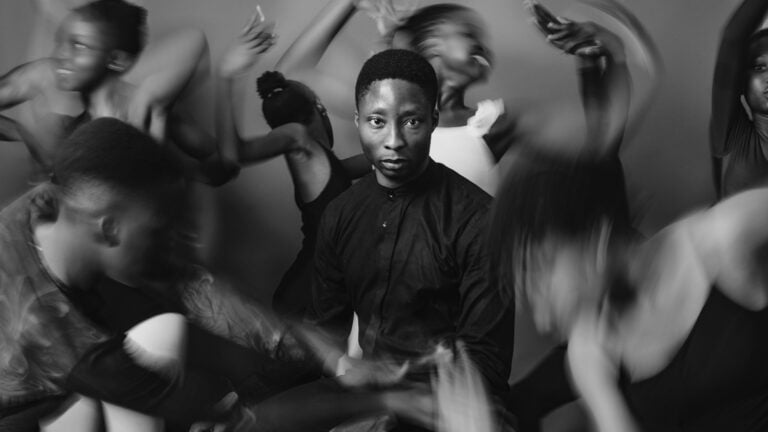











What Are the Elements of Photography?
Aug 22, 2026
Lydia Marlowe

Dunja Djudjic is a multi-talented artist based in Novi Sad, Serbia. With 15 years of experience as a photographer, she specializes in capturing the beauty of nature, travel, concerts, and fine art. In addition to her photography, Dunja also expresses her creativity through writing, embroidery, and jewelry making.
Share:
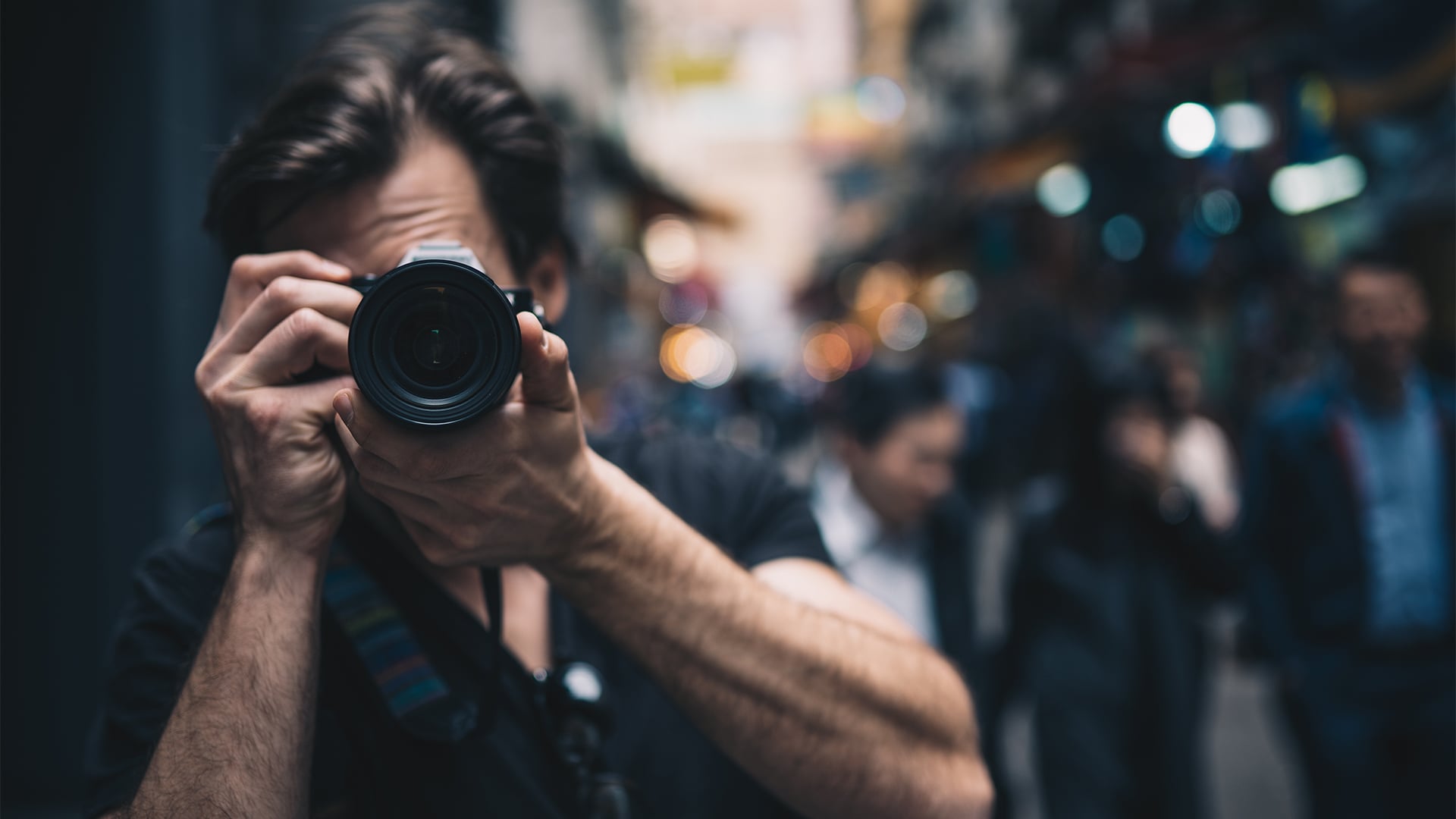
The elements of photography are the building blocks that make up every image, and they fall into three groups: the technical elements that control exposure (light, aperture, shutter speed, and ISO), the visual elements that make up what’s in the frame (line, shape, form, texture, color, and space), and the compositional elements that determine how it’s all arranged (framing, background, and vantage point). Master how these work together and you stop taking pictures of things and start making photographs.
Understanding these elements changes how you see. Here’s each group, and what each element does for your images.
Exposure and Technical Elements
These are the mechanics of capturing light. Three of them, aperture, shutter speed, and ISO, form the exposure triangle, the trio of settings you balance to control how bright your photo is and how it looks.
Light
Light is the fundamental source of photography. The word itself means “drawing with light,” and without it, there’s no photograph. Beyond simply making an image possible, light’s direction, hardness, and color define the entire mood of a shot. Learning to see light is the single most valuable skill in photography.
Aperture
An aperture is an opening in the lens that controls how much light enters the camera. It also governs the depth of field, how much of the scene is in sharp focus. A wide aperture blurs the background for that soft, subject-isolating look, while a narrow one keeps everything sharp from front to back.
Shutter Speed
Shutter speed is the length of time the camera’s sensor is exposed to light. A fast shutter freezes motion crisply, while a slow one blurs it, whether that’s silky water, light trails, or an intentional sense of movement.
ISO
The ISO value determines how sensitive your camera’s sensor is to incoming light. A low ISO gives clean, noise-free images in good light; a high ISO lets you keep shooting as the light drops, at the cost of more grain.
Formal Visual Elements
These are the elements that make up what’s in the frame, the raw visual ingredients your eye responds to.
Line
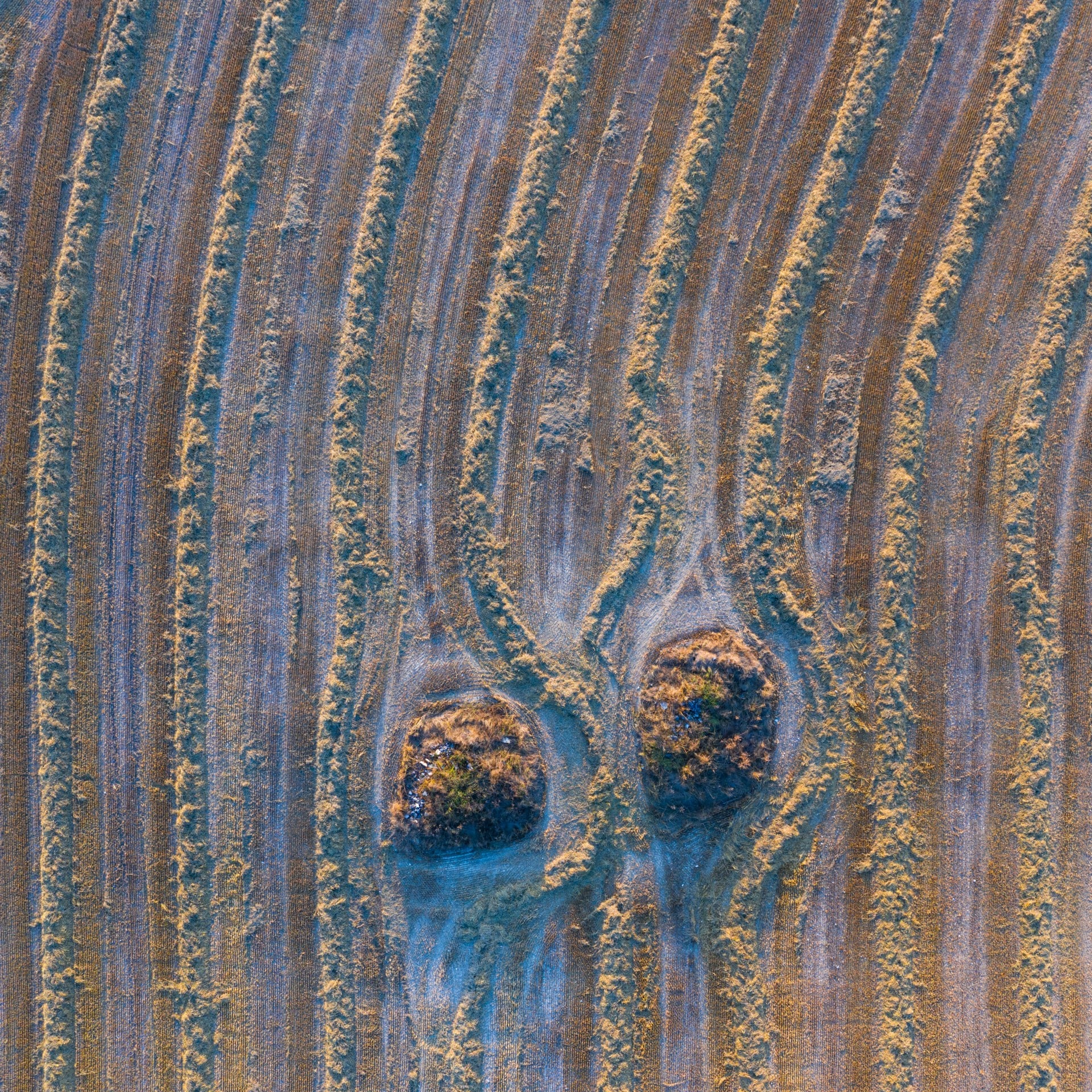
Lines guide the viewer’s eye through the frame or toward a focal point. They’re an important part of your composition, whether they’re literal or implied. Literal lines can be things like a road or a horizon in your image. Implied lines are less obvious: they can be the direction a person is looking, the imaginary line between the two objects, etc.
Shape
Shape refers to the two-dimensional outline of an object or subject, the flat silhouette you’d recognize even without any detail. Shapes are at their strongest when clearly separated from the background, which is why silhouettes are often so striking.
Form
When we talk about form, it’s the three-dimensionality and visual weight of an object. Where shape is the flat outline, form is the sense of volume that makes a subject feel solid, and it’s created almost entirely by the play of light and shadow across a surface.
Texture
Texture is a visual feel or surface quality of a subject, whether rough, smooth, or soft. can make an image feel almost tangible, and it comes alive under raking side light that throws every detail into relief.
Color
Color sets the emotional tone and creates visual contrast or harmony. Warm colors feel energetic and advance toward the viewer; cool colors feel calm and recede. Complementary colors create punch, while supplementary ones create more of a harmonic feel.
Space
When we talk about space, we usually mean positive and negative areas around and within your subjects. Negative space, the empty area around a subject, gives an image room to breathe and can create calm, scale, or a sense of solitude. How much space you give your subject shapes the whole feel of the shot.

Compositional Elements
Compositional elements of photography are about arrangement, the decisions that turn the visual ingredients above into a deliberate photo. This is where the individual formal elements meet composition, and we go deep on the techniques in our guide to composition in photography.
Framing and placement
Framing refers to how your subjects are arranged within the frame, using guidelines like the rule of thirds or leading lines. It can also almost literally refer to a “frame” around your subject that you create with other elements of the shot.

Background
Background is pretty clear: it’s the environment behind your subject, which can add valuable context or become a distraction that pulls attention away. Learning to check and control your background is a fast way either clean up your images or make them more interesting by incorporating some background elements – depending on what you want to achieve.
Foreground
Foreground is the part of the scene closest to the camera, in front of your main subject. A strong foreground element, (rocks in a landscape, flowers at the edge of a frame, an object to shoot through, etc.) adds depth and draws the viewer into the image. This can give your photo a real sense of three-dimensional space. Used well, the foreground becomes the doorway into the rest of the shot.


Vantage point
The physical angle or height you shoot from. The same subject looks completely different shot from above, at eye level, or from down low. Changing your vantage point is often the quickest way to turn an ordinary shot into an interesting one.
Putting the Elements Together
No photo relies on a single element. A strong image is what happens when the technical, the visual, and the compositional work together: the right light, captured with the right settings, using shape, color, and space, all arranged from the right vantage point. That’s a lot to think about at once, so don’t. Train your eye on one element at a time, spend a day noticing only light, or only vantage point, and they’ll gradually become second nature until you’re reading a scene for all of them without thinking.
See more from DIYPhotography.net on Google
Add DIYPhotography.net as a trusted source. This makes
our stories more likely to appear in your Google Search results.
 Add as a preferred source on Google

About Lydia Marlowe
Lydia Marlowe is an architect and a hobbyist photographer who has never quite managed to keep the two apart. She travels at every excuse, usually returning with more photos of buildings and details than of the people she went with. She pays more attention to light and structure than to gear, and she firmly believes the best camera is the one you didn’t leave at home.
We love it when our readers get in touch with us to share their stories. This article was contributed to DIYP by a member of our community. If you would like to contribute an article, please contact us here.
Related Posts
 Adobe Photoshop Elements and Premiere Elements unveil new AI features and much more
 No Skills? No Problem. Adobe Photoshop Elements 2026 and Premiere Elements 2026 Do the Editing for You
 Blender for photographers – Compositing photography with CG elements
 Self Challenge: Shooting The 4 Elements In A Single Exposure
Join the Discussion
DIYP Comment Policy
Be nice, be on-topic, no personal information or flames.