
















ESA’s Sentinel-3C Reveals Earth’s Heat in Its First Thermal Images
Nov 20, 2026
Soumyadeep Mukherjee
Soumyadeep Mukherjee is an award-winning astrophotographer from India. He has a doctorate degree in Linguistics. His work extends to the sub-genres of nightscape, deep sky, solar, lunar and optical phenomenon photography. He is also a photography educator and has conducted numerous workshops. His works have appeared in over 40 books & magazines including Astronomy, BBC Sky at Night, Sky & Telescope among others, and in various websites including National Geographic, NASA, Forbes. He was the first Indian to win “Astronomy Photographer of the Year” award in a major category.
Share:
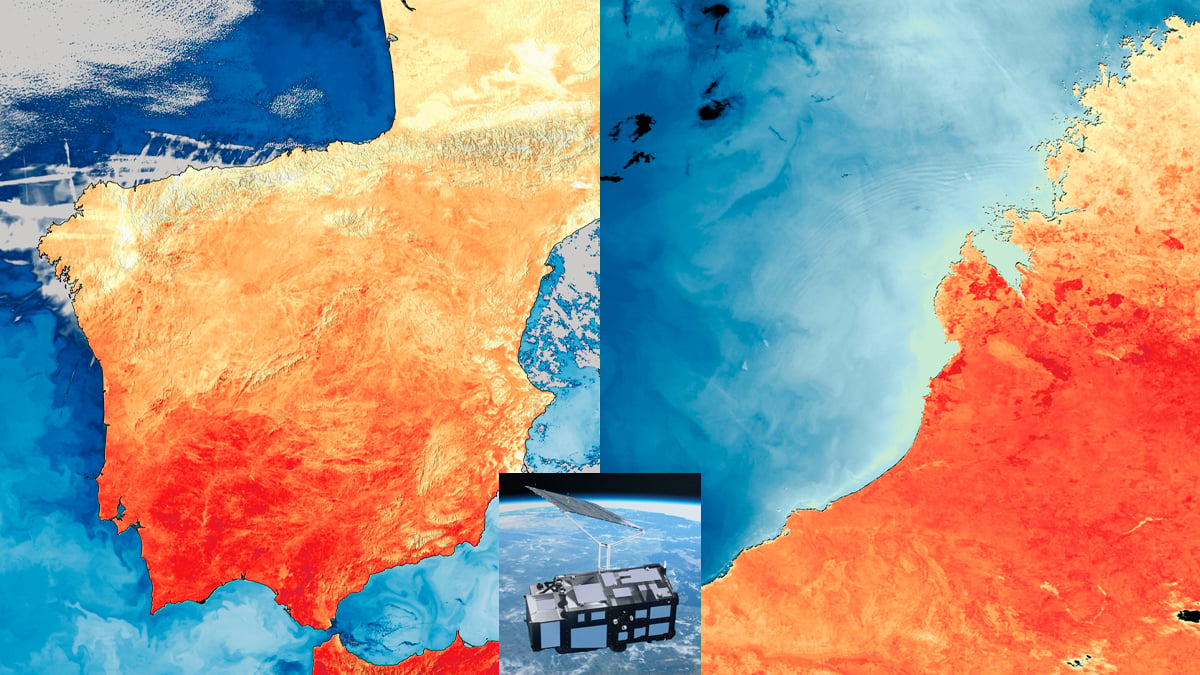
A satellite image of Earth can look very different depending on the instrument that captures it. A conventional camera records reflected sunlight, while a thermal infrared sensor detects radiation the surface emits. The two images can show the same landscape but reveal very different details.
The European Space Agency (ESA) has shared the first thermal infrared images from its Sentinel-3C satellite. The images were captured in November 2026 and cover Western Australia, southwestern Europe, and parts of North Africa. They show considerable temperature differences across land and water, along with vegetation patterns and wildfire scars.
Sentinel-3C starts its thermal imaging mission
Sentinel-3C joined the European Union’s Copernicus Earth observation programme after its launch on September 15, 2026. A Vega-C rocket launched the satellite from Europe’s Spaceport in French Guiana. It is the third spacecraft in the Sentinel-3 mission, following Sentinel-3A and Sentinel-3B.
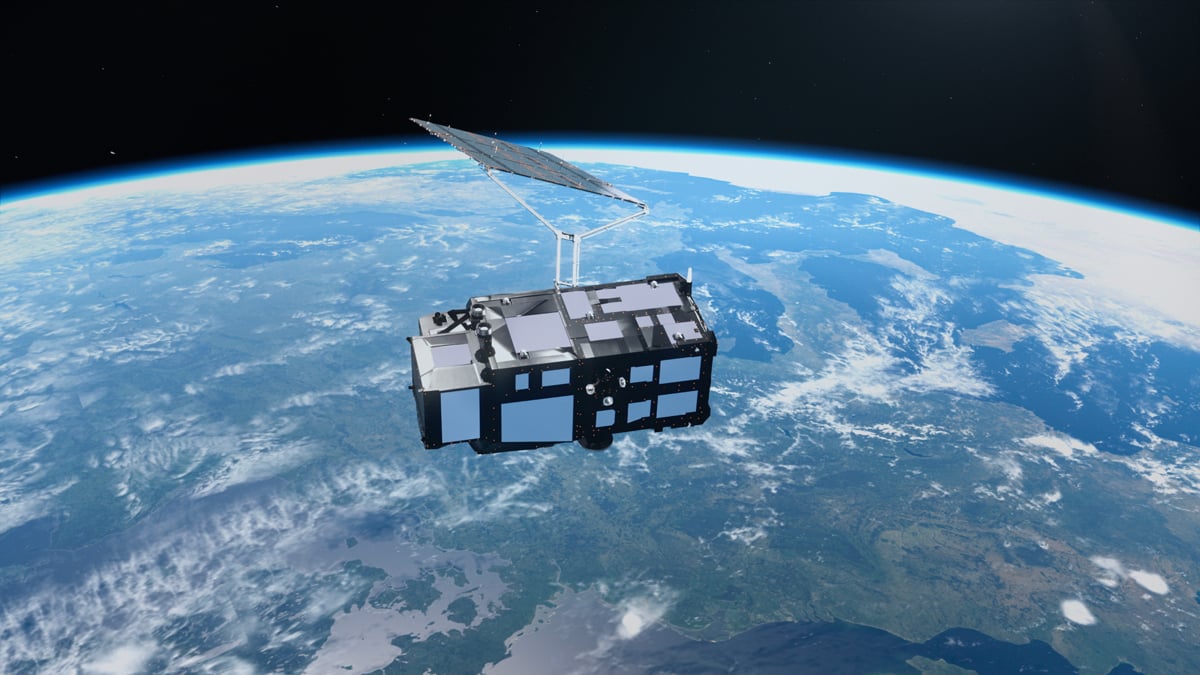
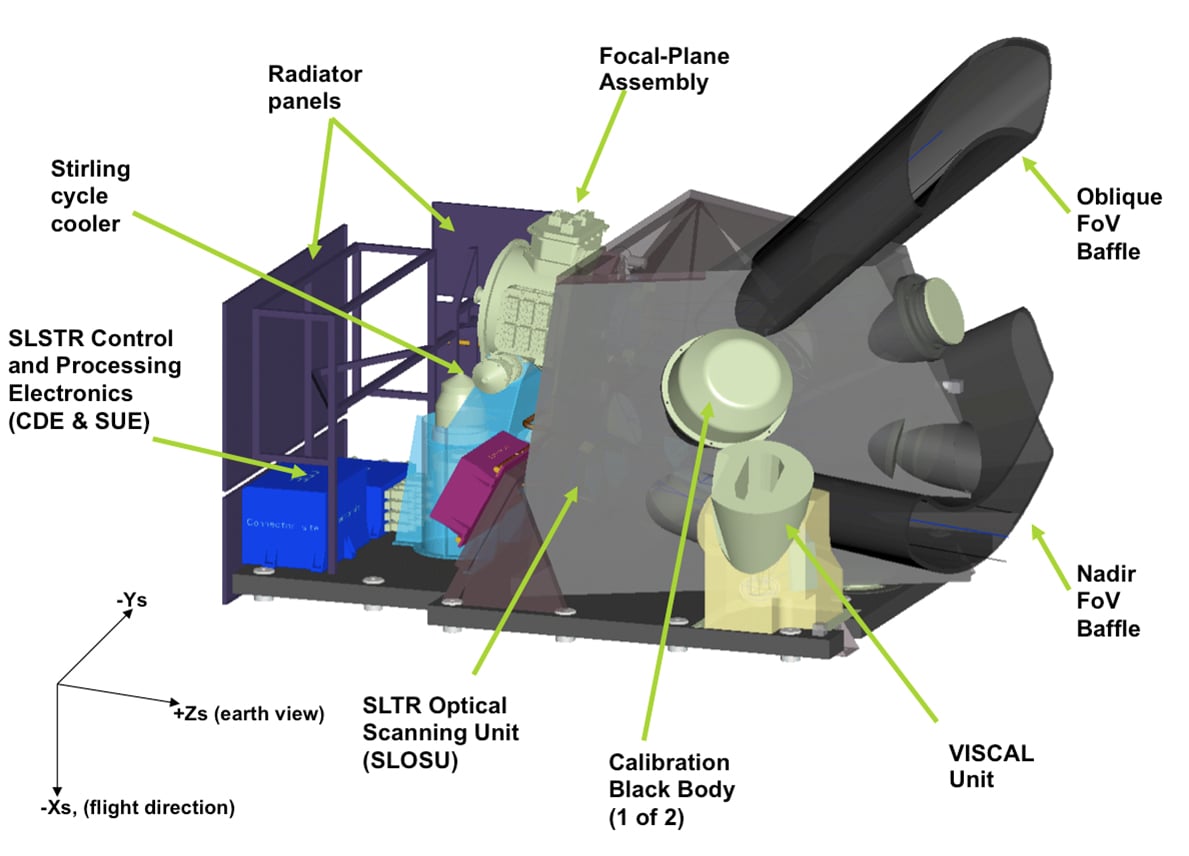
The satellite carries four scientific instruments that monitor different aspects of Earth. Its Ocean and Land Color Instrument (OLCI) observes reflected sunlight to study vegetation and water quality. SLSTR measures temperatures across land and oceans. The Synthetic Aperture Radar Altimeter (SRAL) measures surface height, while a Microwave Radiometer supports its measurements.
SLSTR has nine spectral bands covering wavelengths between 550 and 12,000 nanometers. These bands span visible light, shortwave infrared, and thermal infrared radiation. The instrument also has two dedicated channels for detecting wildfires and measuring their intensity.
Western Australia shows a stark temperature contrast
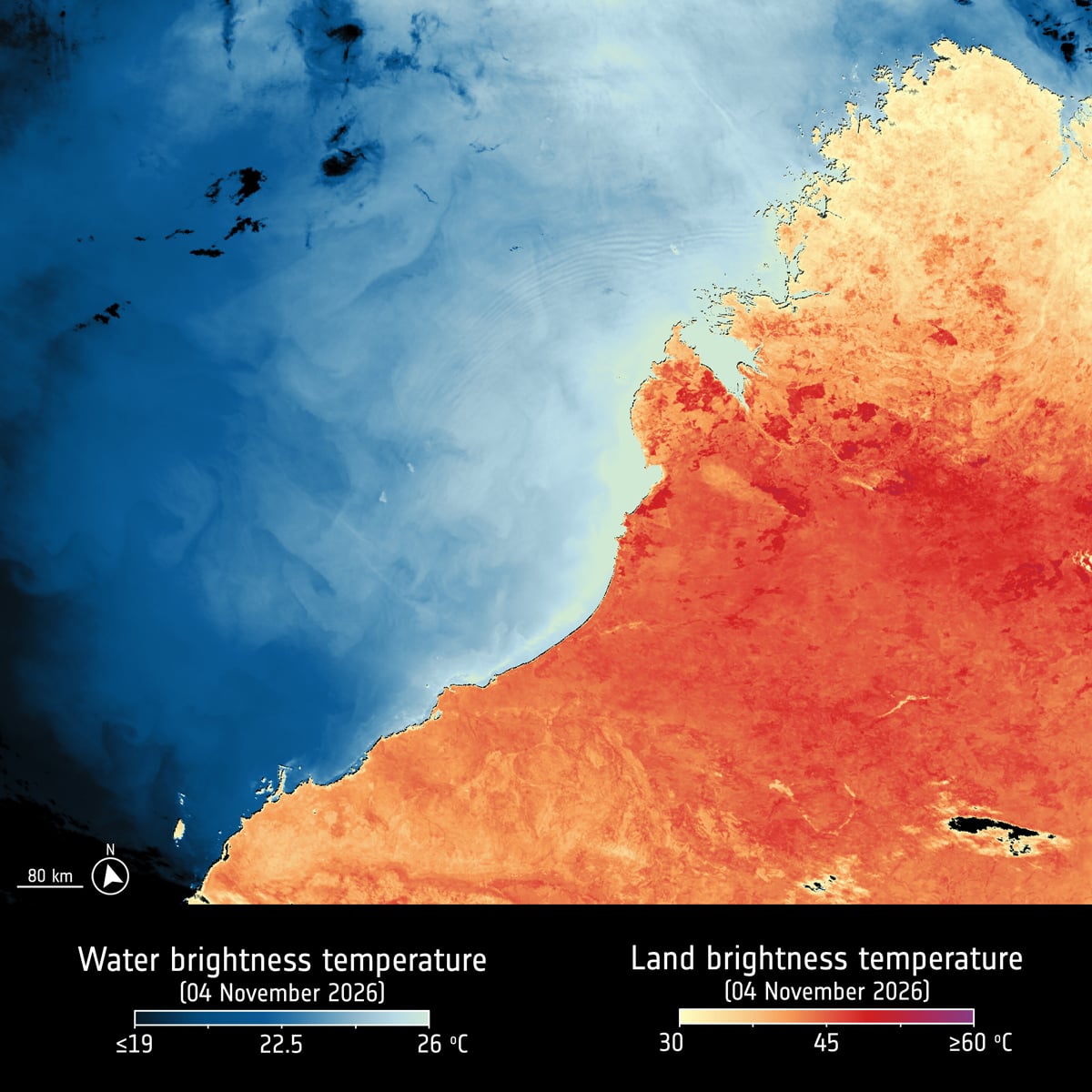
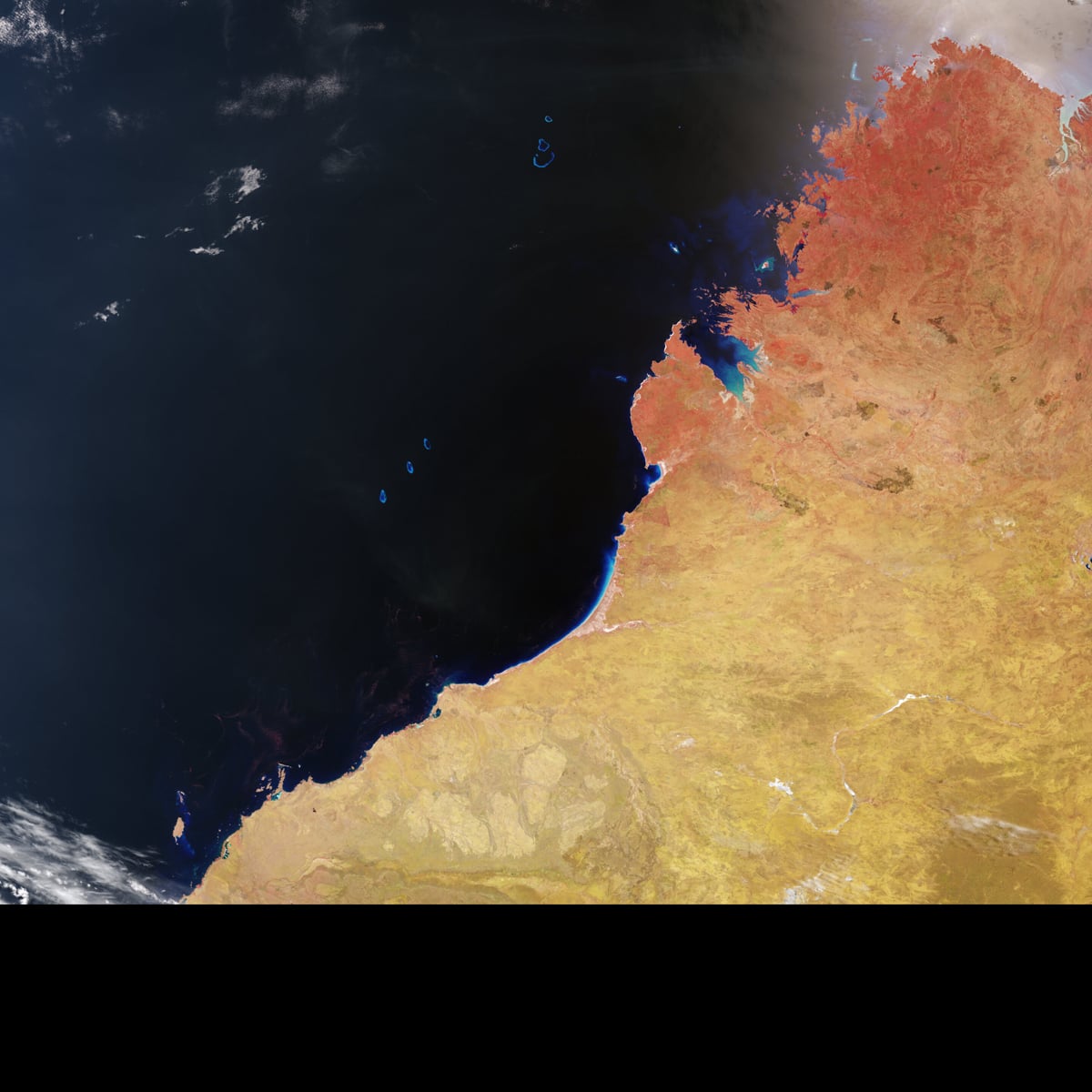
One of the new images covers the Kimberley region of Western Australia. Sentinel-3C captured it on November 4, 2026. Broome and the Dampier Peninsula appear near the center, while the Indian Ocean occupies much of the surrounding area.
The thermal infrared image shows a substantial difference between the temperatures over land and water. Much of the southern land area records brightness temperatures above 40°C. Parts of the northern coast register 35°C or less. Over the eastern Indian Ocean, the readings fall to around 20°C.
ESA has also released a second image of Kimberley using visible and near-infrared data. This false-colour view highlights vegetation along the northern coast in red. Dark brown patches further inland reveal scars left by recent wildfires. The image also makes the Rowley Shoals more noticeable.
Thermal images reveal wildfire damage across Europe
Sentinel-3C collected its second set of observations on November 2, 2026. These images cover southwestern Europe and parts of North Africa, including Portugal, Spain, France, Morocco, and Algeria.
The thermal infrared image shows warmer conditions across southern Europe and North Africa. Southern Portugal and Spain’s Andalusia region record brightness temperatures in the mid-to-high 20s Celsius. Parts of Morocco and the northern Algerian coast exceed 30°C.
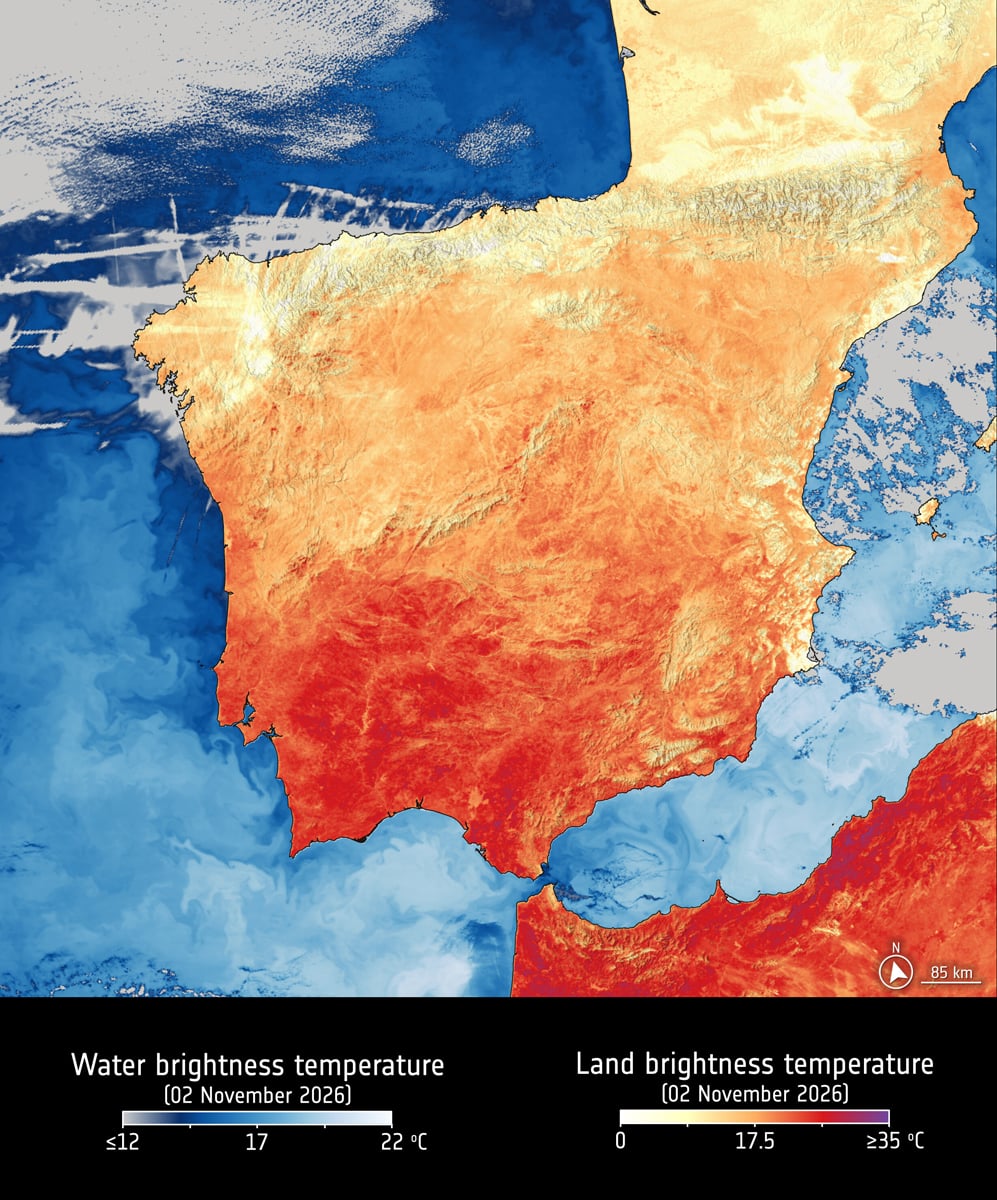
The northern parts of Spain and France appear cooler. The Atlantic Ocean also shows relatively low temperatures. Around the coasts of North Africa, Portugal, and southern Spain, the difference between land and sea stands out. Further north, the contrast becomes less pronounced.
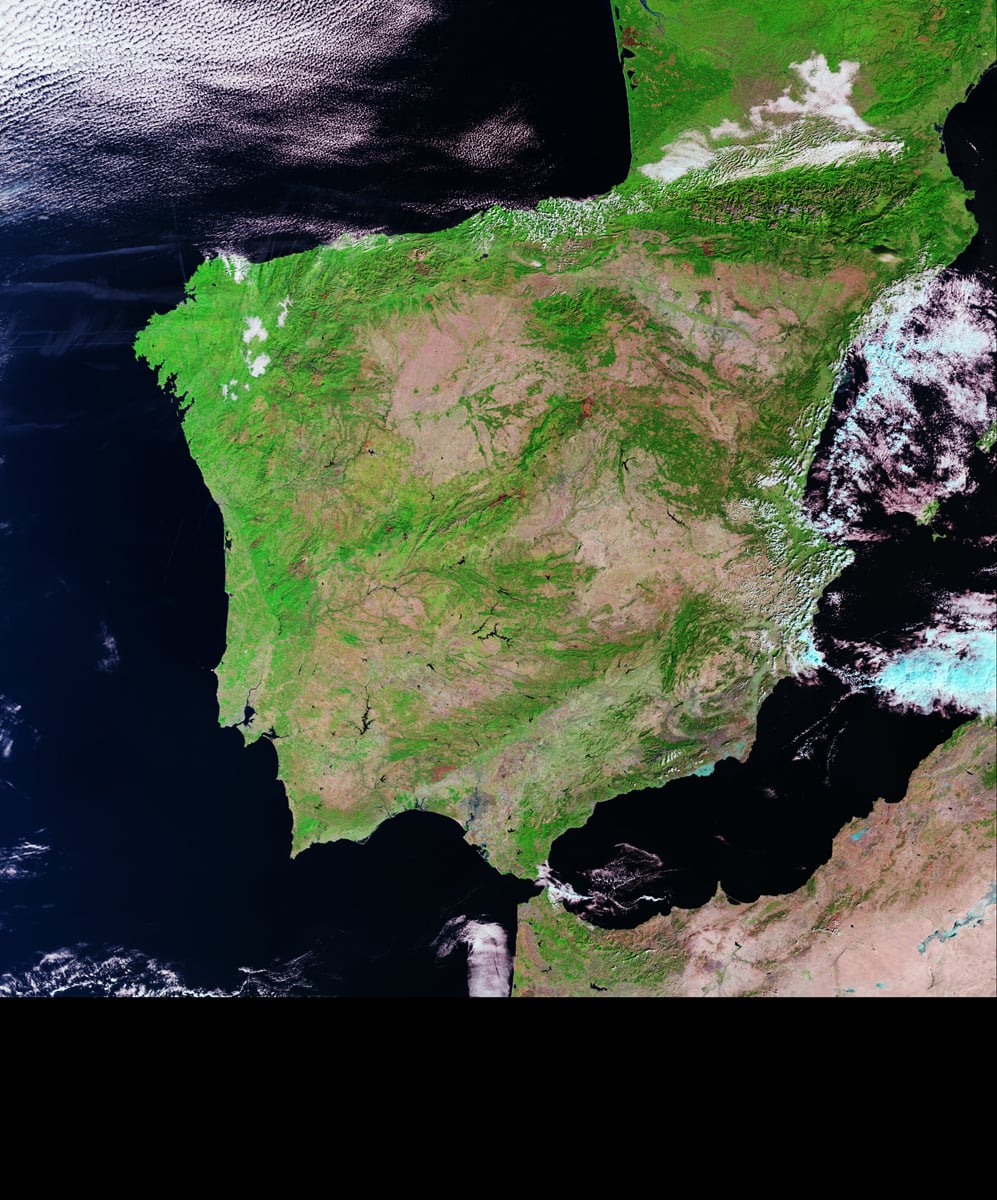
The accompanying false-color image reveals another set of details. This time, ESA combines visible-light observations with shortwave infrared data. Areas with denser vegetation appear bright green. These same areas generally correspond to cooler readings in the thermal image.
Clear skies!
See more from DIYPhotography.net on Google
Add DIYPhotography.net as a trusted source. This makes
our stories more likely to appear in your Google Search results.
 Add as a preferred source on Google

Soumyadeep Mukherjee
Soumyadeep Mukherjee is an award-winning astrophotographer from India. He has a doctorate degree in Linguistics. His work extends to the sub-genres of nightscape, deep sky, solar, lunar and optical phenomenon photography. He is also a photography educator and has conducted numerous workshops. His works have appeared in over 40 books & magazines including Astronomy, BBC Sky at Night, Sky & Telescope among others, and in various websites including National Geographic, NASA, Forbes. He was the first Indian to win “Astronomy Photographer of the Year” award in a major category.

Join the Discussion
DIYP Comment Policy
Be nice, be on-topic, no personal information or flames.