




















Color Psychology in Photography: How Color Affects Viewer Emotion
Jan 11, 2026
Darlene Lleno
Darlene Lleno brings a unique perspective to DIY Photography as someone who grew up surrounded by camera gear but chose words over lenses. With five years of writing experience, she specializes in photography content that’s both technically informed and genuinely passionate. Growing up with a photographer twin brother meant camera talk was everyday conversation in her household. While he mastered capturing moments, Darlene discovered she preferred being the subject and the storyteller behind the scenes. As a travel enthusiast and mother of two, she understands the importance of preserving life’s precious moments. When not exploring new destinations or writing for DIY Photography, you’ll find her reading or tending to her garden. Her approach to photography writing is refreshingly authentic, she may not be behind the camera, but she knows exactly what it takes to help others capture the shots that matter most.
Share:

Color psychology in photography shapes how people feel about your images instantly. Every color triggers specific emotions in viewers before they process what they’re seeing. Red makes hearts beat faster. Blue calms people down. Yellow lifts moods.
Professional photographers use these color responses to guide viewer reactions. The colors you pick tell stories without words. They create feelings that stick with viewers long after they scroll past.
Understanding Color Psychology vs Color Theory
Many photographers confuse color theory with color psychology. They’re different things entirely. Color theory teaches you which colors look good together. Color psychology explains why colors make people feel certain ways.
Think about the last photo that stopped your scroll. Color probably grabbed your attention first. Photographers who understand color psychology create images that connect emotionally with viewers.
The practical difference matters more than you think. Beautiful color combinations mean nothing if they trigger wrong emotions. A technically perfect photo with poor color choices falls flat. Images with strong color psychology resonate even when composition isn’t perfect.
How Warm Colors Work in Photography
Red, orange, and yellow jump forward in photos. Your brain processes these warm tones before anything else in the frame. Photographers call them advancing colors for good reason.
Red Creates Urgency and Passion
Red carries the most psychological weight of any color. It increases viewer heart rates physically. That’s why danger signs use red everywhere.
Fashion photographers love red backgrounds for dramatic editorials. The color demands attention without trying. But too much red overwhelms people quickly. Use it strategically as an accent color.
A single red element in a muted scene creates instant focus. Street photographers watch for red coats, umbrellas, or signs. That pop of red dominates the entire composition.
Orange Brings Warmth and Friendliness
Orange softens red’s intensity while keeping the energy. Food photographers rely on orange tones constantly. The color stimulates appetite without feeling aggressive.
Fall landscape photography thrives on orange leaves and golden light. These tones create comfort and warmth instantly. People feel good looking at orange without knowing why.

Yellow Lifts Mood and Energy
Yellow is pure optimism in color form. It triggers joy and mental stimulation in viewers. Golden hour light works so well partly because of yellow tones.
But yellow goes wrong fast. Too much causes anxiety and visual strain. Keep yellow as an accent rather than filling your frame with it.
These warm colors appear closer than they actually are. Place subjects in warm tones against cool backgrounds. This creates natural depth without complex lighting setups.
Cool Colors Create Depth and Calm
Blue, green, and purple recede visually. They create breathing room in compositions. These colors work best for backgrounds and mood building.
Blue Builds Trust and Calm
Blue dominates photography more than any other color. Sky, water, and twilight all lean blue. People find it familiar and comforting.
Corporate photographers use blue constantly because it signals reliability. The color builds trust instantly. But blue swings negative too. Sadness connects directly to blue across all cultures.
Green Feels Natural and Balanced
Humans see more shades of green than any other color. This evolutionary trait makes green feel restful and healing. Nature photographers build entire portfolios around green tones.
The color represents growth and renewal perfectly. It works great for environmental portraits and lifestyle shoots. Green rarely overwhelms viewers no matter how much you use.
Purple Signals Luxury and Mystery
Purple blends red’s energy with blue’s calm. Luxury brands claim purple because it historically cost more than other dyes. The associations include sophistication and creativity.
Purple works beautifully in moody photography. Too much feels heavy though. Use it as an accent in color grading for best results.
Cool colors create natural depth in images. Warm foregrounds with cool distant elements exploit this psychological response. Mountains look miles away when atmospheric haze paints them blue.
Neutral Colors Set Emotional Context
Black, white, and gray might seem boring. They actually carry huge psychological weight. These neutrals set the stage for every other color in your frame.
Black Adds Drama and Sophistication
Black commands attention through pure contrast. It signals elegance, power, and mystery. Fashion photography relies heavily on black backgrounds.
The color makes subjects appear refined and expensive instantly. It also creates mystery in moody work. Balance matters though. Too much black feels oppressive.

White Creates Clean Simplicity
White psychology centers on purity and cleanliness. Product photographers shoot on white backgrounds constantly. The color makes items look fresh and new.
White gives other colors room to breathe in compositions. Medical and tech photography lean white heavily. But too much white feels sterile and cold.
Gray Provides Professional Neutrality
Gray splits the difference without making commitments. Corporate photography uses gray because it doesn’t distract from subjects. The color signals professionalism and balance.
Gray can feel depressing in large quantities. Rainy day photos feel melancholy partly because of all that gray. Photographers exploit this when creating serious work.
You can adjust these neutrals through exposure to completely change mood. Bright whites feel optimistic. Deep blacks appear mysterious. Same subject, different feelings.
Saturation Controls Emotional Power
Color intensity matters as much as the colors themselves. High saturation creates immediate reactions. Muted tones offer subtle, nuanced feelings.
Vibrant colors convey energy and confidence. Sports photographers boost saturation to match athletic intensity. Fashion editorials max out color for magazine impact. But too much saturation exhausts viewers quickly.
Desaturated colors tell completely different stories. Low saturation creates nostalgia and timelessness. Portrait photographers reduce saturation to focus attention on faces. Film photographers love muted analog tones.
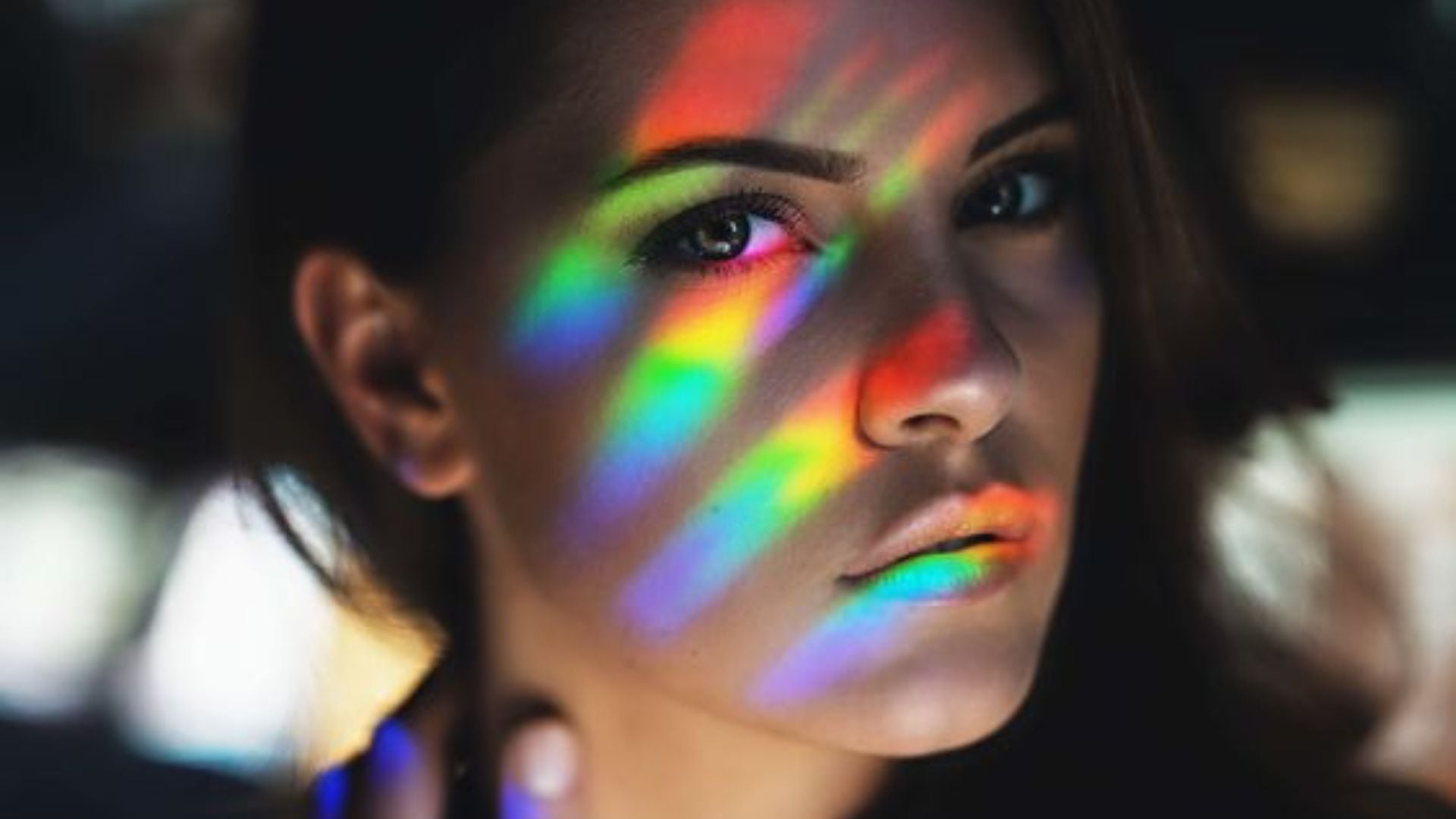
Black and white removes color psychology entirely. This forces viewers to focus purely on composition and lighting. Many photographers convert to black and white specifically to remove emotional color shortcuts.
Professional photographers adjust saturation strategically. Saturated focal points in muted scenes create natural emphasis. A bright red jacket in a desaturated street grabs every eye. You guide attention through saturation alone.
Color Temperature Changes Mood Instantly
Light warmth or coolness drastically affects emotional responses. Color temperature ranges from warm amber to cool blue. Photographers manipulate this constantly.
Warm temperatures create intimacy and comfort. Golden hour produces amber light that feels inviting. Interior shots with warm bulbs feel cozy. Portrait photographers prefer warm light because it flatters skin tones.
Cool temperatures produce opposite effects. Blue light feels clinical or distant. Hospital and tech photographers embrace cool light intentionally. Moonlight registers as blue, perfect for mysterious nighttime scenes.
Mixing temperatures within frames creates complexity. Warm interior light against cool twilight sky produces emotional tension. The contrast adds depth that flat lighting never achieves.
Post-processing allows complete temperature control. Shifting white balance reshapes emotional responses entirely. Winter landscapes feel harsh with cool grading. Add warmth and they become welcoming.
Cultural Context Changes Color Meanings
Colors carry different meanings around the world. What works for Western audiences might fail elsewhere. Photographers need cultural awareness to avoid mistakes.
Here are key cultural variations to know:
- White: Western cultures link it to weddings and purity. Many Asian cultures use white for funerals and mourning.
- Red: Western associations include passion and danger. Chinese culture views red as lucky and celebratory.
- Green: Signals environmental consciousness in the West. Represents Islam’s sacred color in Middle Eastern contexts.
- Purple: European luxury associations from historical dye costs. Less meaningful in cultures without that background.
Smart photographers research target audiences before picking color palettes. Stock photographers creating international content stick to universal combinations. Brand photographers can go deeper into cultural color psychology.
Never assume your personal color associations apply universally. Cambridge in Colour offers deeper cultural context for different societies.
Practical Techniques You Can Use Today
Understanding color psychology means nothing without application. These techniques work whether you’re shooting or editing.
The Red Key Method
Place one red element in an otherwise muted scene. That red coat in a gray cityscape becomes the instant focal point. Your eye can’t help landing on it.
This works with any warm color. Red creates the strongest effect though. Street photographers use this constantly.
Create Color Contrast for Impact
Place complementary colors near each other. Yellow raincoats against blue storm clouds. Orange leaves on green water. Purple flowers in yellow sunlight.
These combinations activate different eye receptors simultaneously. The result creates pleasing neural responses. Learn more through color theory basics.
Build Depth with Temperature
Position warm elements in foregrounds. Keep cool tones in backgrounds. This technique exploits advancing and receding color qualities naturally.
Landscape photographers use warm rocks or flowers up front. Cool mountains and sky stay in the distance. Depth feels exaggerated automatically.

Limit Your Color Palette
Stick to three or fewer dominant colors. Photos with limited palettes feel more intentional. They create stronger unified moods.
Monochromatic images using one color feel cohesive. Analogous schemes using adjacent colors feel harmonious. Each palette choice triggers different psychological responses.
Grade Colors in Post-Processing
Add warm casts to make subjects feel approachable. Cool the same image for sophistication and distance. The color correction process lets you reshape emotions completely.
Crush certain colors while boosting others. This guides viewer attention without changing composition. Color grading provides endless psychological control.
Common Mistakes to Avoid
Even experienced photographers make color psychology errors. Recognizing these problems improves your work immediately.
Using Too Much Red
Red overwhelms quickly because of its psychological intensity. New photographers fill frames with it. A little red goes far. Use it as accent, not foundation.
Ignoring Skin Tones
Aggressive color grading turns people orange, green, or purple. This looks unnatural and disturbing. Viewers instinctively reject photos where skin feels wrong.
Protect skin tones through selective adjustments. Change backgrounds and clothing while keeping faces natural. Cambridge in Colour explains technical approaches for this.
Mixing Too Many Colors
Every color fighting for attention creates chaos. The psychological effect resembles being shouted at by multiple people. Limit your palette to three colors maximum.
Forcing Wrong Moods
Happy, saturated colors in serious subjects feel dishonest. Somber colors in celebration photos feel depressing. Color psychology must match content authentically.
Neglecting Cultural Context
Creating content for Chinese New Year needs red everywhere. That same approach fails for Western minimalist brands. Know your audience’s color associations first.
Testing Your Color Choices
Most photographers develop blind spots about their own work. Several approaches help measure psychological impact objectively.
Show images to unfamiliar people and ask what emotions they feel. Don’t explain or lead them. Just listen. If responses match your goals, color psychology works. If responses vary wildly, you need adjustments.
Compare your work against professional images targeting similar emotions. Study how established photographers achieve psychological effects you want. Notice their saturation levels and temperature choices. Successful professionals provide free education through published work.
Review images in black and white to isolate color’s contribution. If an image still works without color, your composition carries the weight. If it falls flat, color was doing heavy lifting.
Track engagement metrics if you publish online. Photos with strong color psychology get more saves and shares. This data proves psychological impact objectively. Audience response matters more than personal preferences.
Study color psychology in advertising and film. These industries spend millions researching emotional color responses. Notice how luxury brands use certain colors consistently. Digital Photography School offers tutorials connecting film theory to photography.
Master Color in Your Photography
Start small rather than overwhelming yourself. Pick one technique and master it first.
Evaluate your current work’s color palette. Do images use limited, intentional schemes? Or do they include every color present? Simplifying color immediately strengthens psychological impact.
Choose three dominant colors for your next shoot. Stick to them strictly. This limitation forces creative solutions while creating emotional coherence.
Experiment with single temperature choices for entire sessions. Shoot portraits using only warm light. Then repeat with cool light only. The emotional differences will be striking.
Practice the red key technique until it becomes second nature. Spend a week watching for single red elements in muted scenes. Take hundreds of photos using this approach. Pattern recognition will stick with you forever.
Study and recreate color palettes from photographers you admire. Don’t copy images but analyze color choices. What saturation levels do they prefer? How do they balance warm and cool tones? Recreating successful palettes teaches why certain combinations work.
Color psychology gives you control over viewer emotions instantly. Every color choice either supports or undermines your photographic goals. Photographers who understand this create work that resonates deeply. Master color’s emotional language and your photography transforms completely.
See more from DIYPhotography.net on Google
Add DIYPhotography.net as a trusted source. This makes
our stories more likely to appear in your Google Search results.
 Add as a preferred source on Google

Darlene Lleno
Darlene Lleno brings a unique perspective to DIY Photography as someone who grew up surrounded by camera gear but chose words over lenses. With five years of writing experience, she specializes in photography content that’s both technically informed and genuinely passionate. Growing up with a photographer twin brother meant camera talk was everyday conversation in her household. While he mastered capturing moments, Darlene discovered she preferred being the subject and the storyteller behind the scenes. As a travel enthusiast and mother of two, she understands the importance of preserving life’s precious moments. When not exploring new destinations or writing for DIY Photography, you’ll find her reading or tending to her garden. Her approach to photography writing is refreshingly authentic, she may not be behind the camera, but she knows exactly what it takes to help others capture the shots that matter most.



Join the Discussion
DIYP Comment Policy
Be nice, be on-topic, no personal information or flames.