


















Why Some Real Estate Photographers Earn More While Shooting Less
Apr 17, 2026
Alysa Gavilan
Alysa Gavilan has spent years exploring photography through photojournalism and street scenes. She enjoys working with both film and mirrorless cameras, and her fascination with the craft has grown over the decades. Inspired by Vivian Maier, she is drawn to capturing everyday moments that often go unnoticed.
Share:
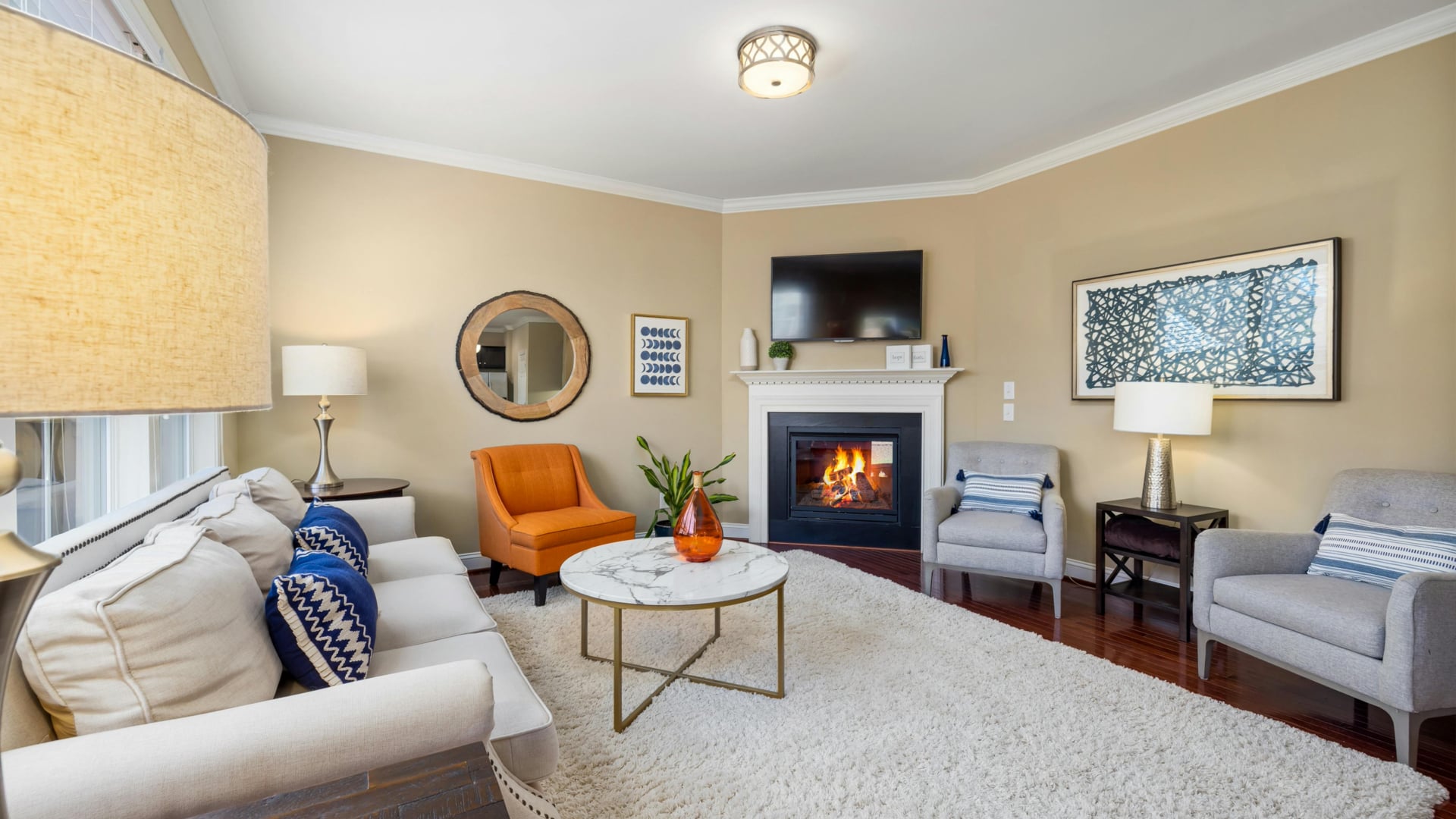
Two real estate photographers can walk into the same property, use similar gear, deliver usable images, and still end up on completely different career trajectories. One may be overworked and underpaid, while the other works fewer jobs but earns more per shoot with less stress.
The difference often has little to do with talent or pricing strategy and more to do with the path they quietly commit to over time.
In his video, YouTube photographer Nathan Cool Photo breaks this down into something more structural than most expect. He argues that real estate photography is not a single ladder to climb but a set of distinct routes, each shaping how you work, earn, and grow.
He identifies four main approaches that dominate the field today: low volume HDR, high volume HDR, flambient shooting, and high end architectural and design photography.
Low Volume HDR: A Starting Point With Limits
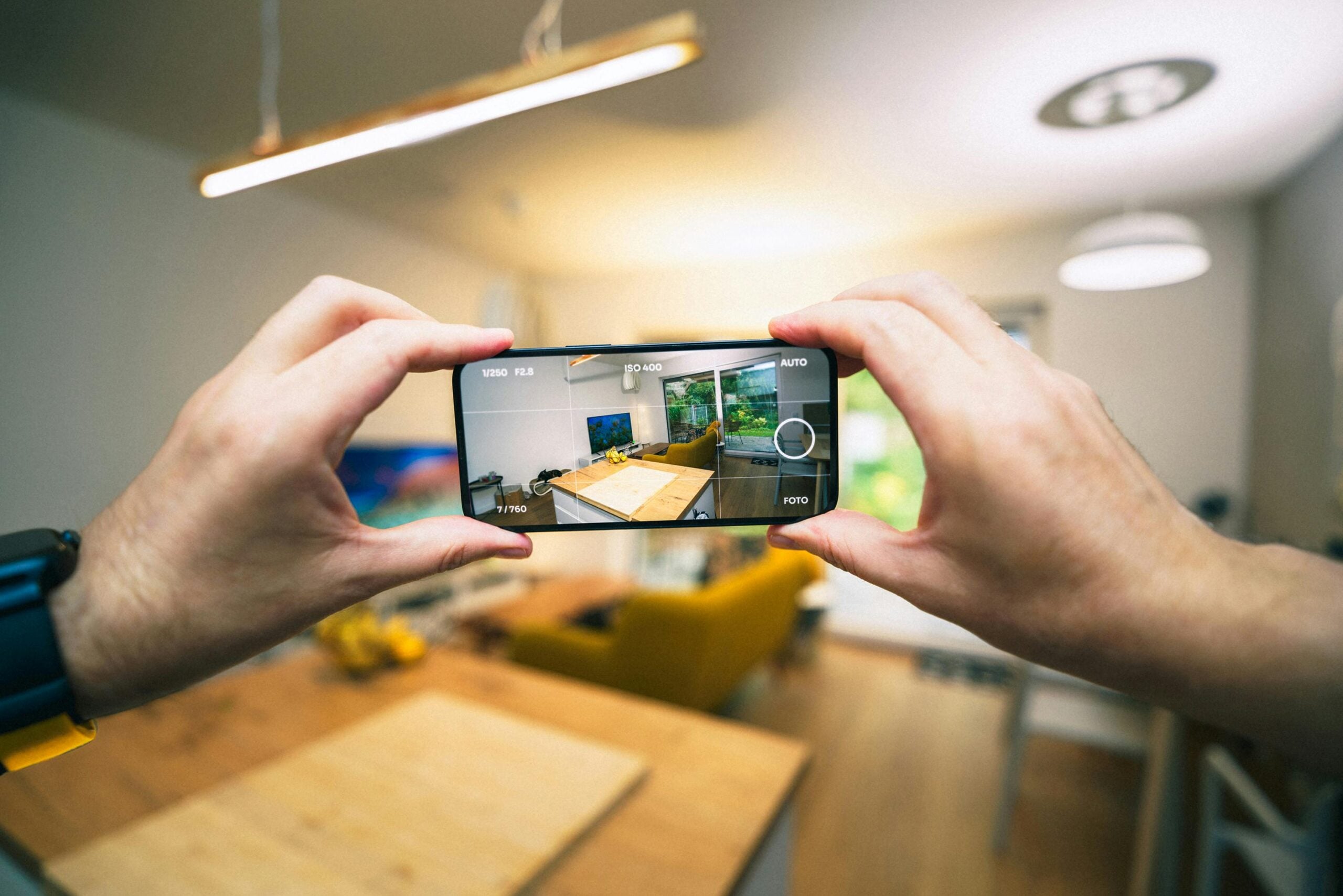
Low volume HDR is often where photographers begin, especially those working part time or handling occasional listings. Nathan Cool Photo explains that this approach keeps operational demands relatively light, with lower effort required both on site and in post production.
Profitability in this category remains modest, and while the technical barrier is low, so is the ceiling for growth. Image quality is generally acceptable for standard listings, but it does not typically stand out in more competitive markets. Because the workload is limited, most photographers do not outsource editing, and marketing demands remain minimal.
Stress levels tend to be low, but so is scalability. The main constraint is not technical ability but the limited number of jobs this approach tends to generate.
High Volume HDR: Scale at a Cost
High volume HDR shifts the focus toward throughput. Nathan Cool Photo describes this as a workflow where photographers handle a large number of listings, often under tighter deadlines and higher client expectations.
This approach increases overall effort significantly, not only in shooting but in scheduling, communication, and editing coordination. Outsourcing becomes more common, which introduces additional costs and dependencies. While gig volume is high, profitability per job does not necessarily rise at the same rate because of those added expenses.
Skill requirements on site may not be much higher than low volume HDR, but operational complexity increases. Stress levels are also higher, largely due to workload pressure and the need to maintain consistent turnaround times across multiple clients.
Flambient: A Quality Driven Transition
Flambient photography sits between efficiency and high end output. Nathan Cool Photo identifies this as a method that blends flash and ambient exposures to achieve more controlled and consistent results.
He notes that while on site work may require more attention and technical precision, the overall business outcome improves for many photographers. Clients who understand the difference in quality are often willing to pay more, which improves profitability without requiring extreme volume.
This workflow also tends to attract more stable clients, which reduces marketing pressure over time. Instead of constantly seeking new work, photographers often rely more on referrals. Outsourcing is minimal since the technique depends heavily on personal shooting style and lighting decisions that are difficult to delegate.
Stress levels tend to be lower compared to high volume HDR, even though the technical demands are higher, because the client base is more selective and less price driven.
Architectural and Design Photography: The Top Tier
At the highest end is architectural and design photography. Nathan Cool Photo describes this as a natural extension of flambient work, not a separate discipline entirely, but one that requires a higher level of refinement and consistency.
This path involves fewer but significantly higher value assignments. Photographers often work with architects, interior designers, and commercial clients rather than residential agents. Profitability per project is the highest in the industry, but gig volume is low by design.
Marketing effort becomes more targeted rather than broad, since clients are more specific and less numerous. Outsourcing is rarely used because quality control is critical and often collaborative with clients. Stress levels remain relatively low due to structured workflows and fewer time sensitive residential demands.
Understanding the Quality Threshold
A key point in Nathan Cool Photo’s breakdown is the idea of a quality ceiling. As photographers improve, they eventually reach a point where basic residential HDR work no longer matches their skill level or income expectations.
Moving beyond that ceiling requires not just better technique but a shift in approach. Residential listing work sits at the base of the market, while commercial and luxury segments sit progressively higher. Architectural photography represents the upper tier where both technical skill and client expectations are significantly higher.
Each step upward reduces volume but increases value per job.
Choosing a Direction Instead of a Price
The central message in Nathan Cool Photo’s analysis is that growth in real estate photography is not defined by pricing alone. It is defined by the path you commit to.
Each direction comes with trade-offs, and the right choice depends on how you want to structure your work over time rather than just how much you want to charge.
See more from DIYPhotography.net on Google
Add DIYPhotography.net as a trusted source. This makes
our stories more likely to appear in your Google Search results.
 Add as a preferred source on Google

Alysa Gavilan
Alysa Gavilan has spent years exploring photography through photojournalism and street scenes. She enjoys working with both film and mirrorless cameras, and her fascination with the craft has grown over the decades. Inspired by Vivian Maier, she is drawn to capturing everyday moments that often go unnoticed.



Join the Discussion
DIYP Comment Policy
Be nice, be on-topic, no personal information or flames.