





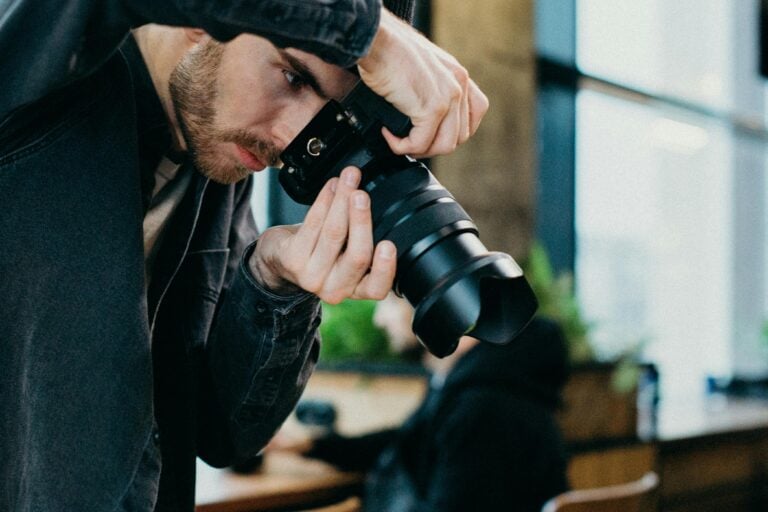





15 Popular Types of Photography to Explore in 2025
Aug 7, 2025
Darlene Lleno
Darlene Lleno brings a unique perspective to DIY Photography as someone who grew up surrounded by camera gear but chose words over lenses. With five years of writing experience, she specializes in photography content that’s both technically informed and genuinely passionate. Growing up with a photographer twin brother meant camera talk was everyday conversation in her household. While he mastered capturing moments, Darlene discovered she preferred being the subject and the storyteller behind the scenes. As a travel enthusiast and mother of two, she understands the importance of preserving life’s precious moments. When not exploring new destinations or writing for DIY Photography, you’ll find her reading or tending to her garden. Her approach to photography writing is refreshingly authentic, she may not be behind the camera, but she knows exactly what it takes to help others capture the shots that matter most.
Share:
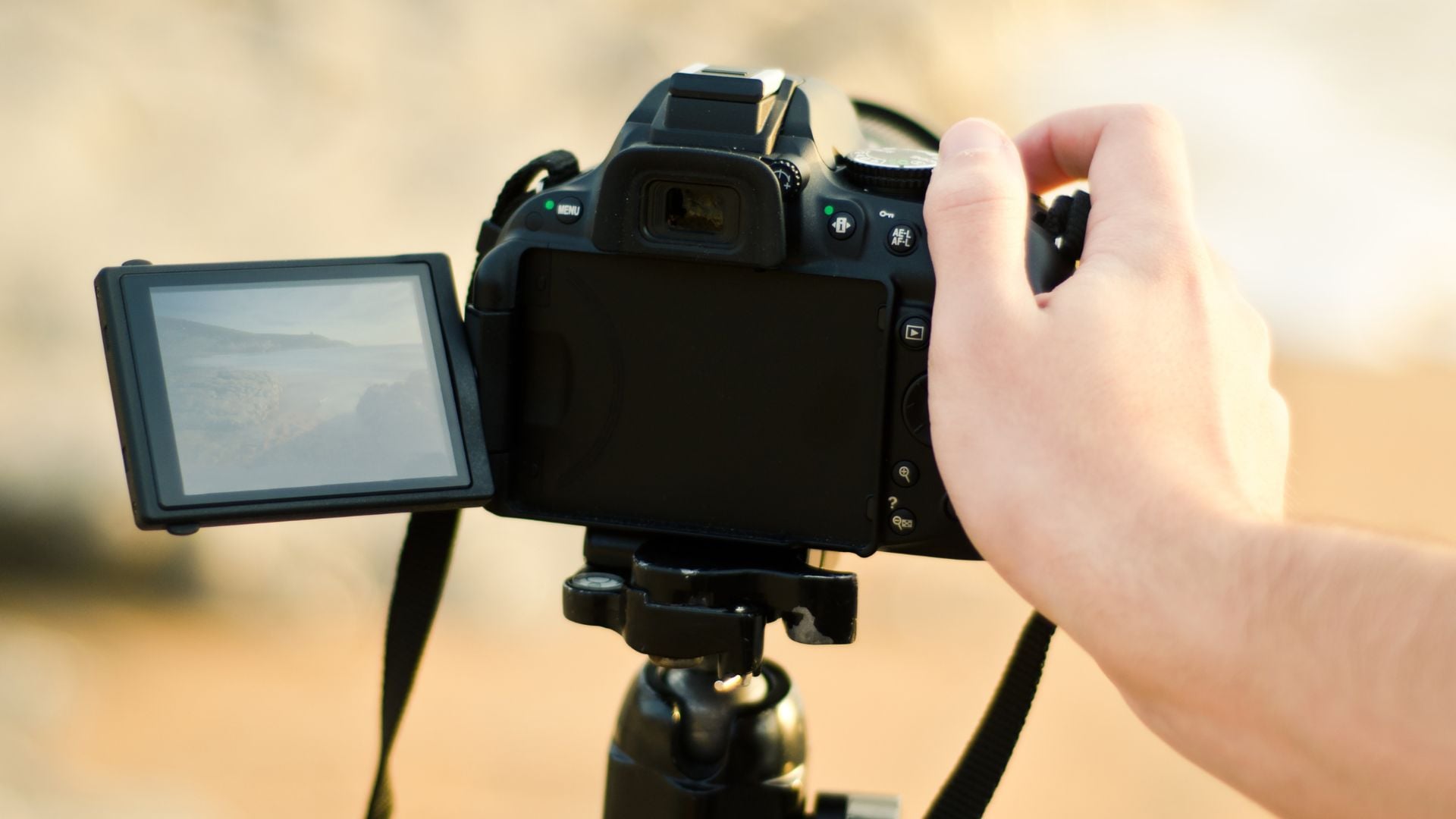
The types of photography available today have expanded dramatically in recent years. Honestly, there’s never been a better time to pick up a camera.
Whether you just got your first DSLR or you’ve been shooting for years, the options out there right now are pretty incredible. Plus, photography isn’t just about taking pictures anymore.
Sure, we all started with basic snapshots, but now you can do so much more. New cameras, editing apps, and techniques keep popping up all the time. It’s actually kind of overwhelming when you think about it.
Every single genre tells a different story. Some focus on catching those raw, emotional moments.
Others are all about getting the technical stuff perfect. And some are just pure art. The cool part is finding what clicks for you.
If you’re trying to figure out which different types of photography to try, you’re in the right place. Each style needs different gear, skills, and ways of thinking. But they all share that same goal of freezing time.
And once you find your thing, you’ll probably get hooked pretty fast. Let’s walk through some of the most popular and interesting photography styles you can dive into this year!
Classic Photography Styles That Always Work
Some photography genres have been around forever, and for good reason. They work. People connect with them. And honestly, they’re often the best place to start if you’re new to photography.
These traditional styles have stood the test of time because they capture something universal. No matter if it’s the human experience, natural beauty, or everyday life, these genres speak to people across cultures and generations.
Mastering these basics gives you a solid foundation for trying more experimental stuff later. And the best part about these classic types of photos? You can learn them with basic equipment and still create amazing work.
1. Portrait Photography
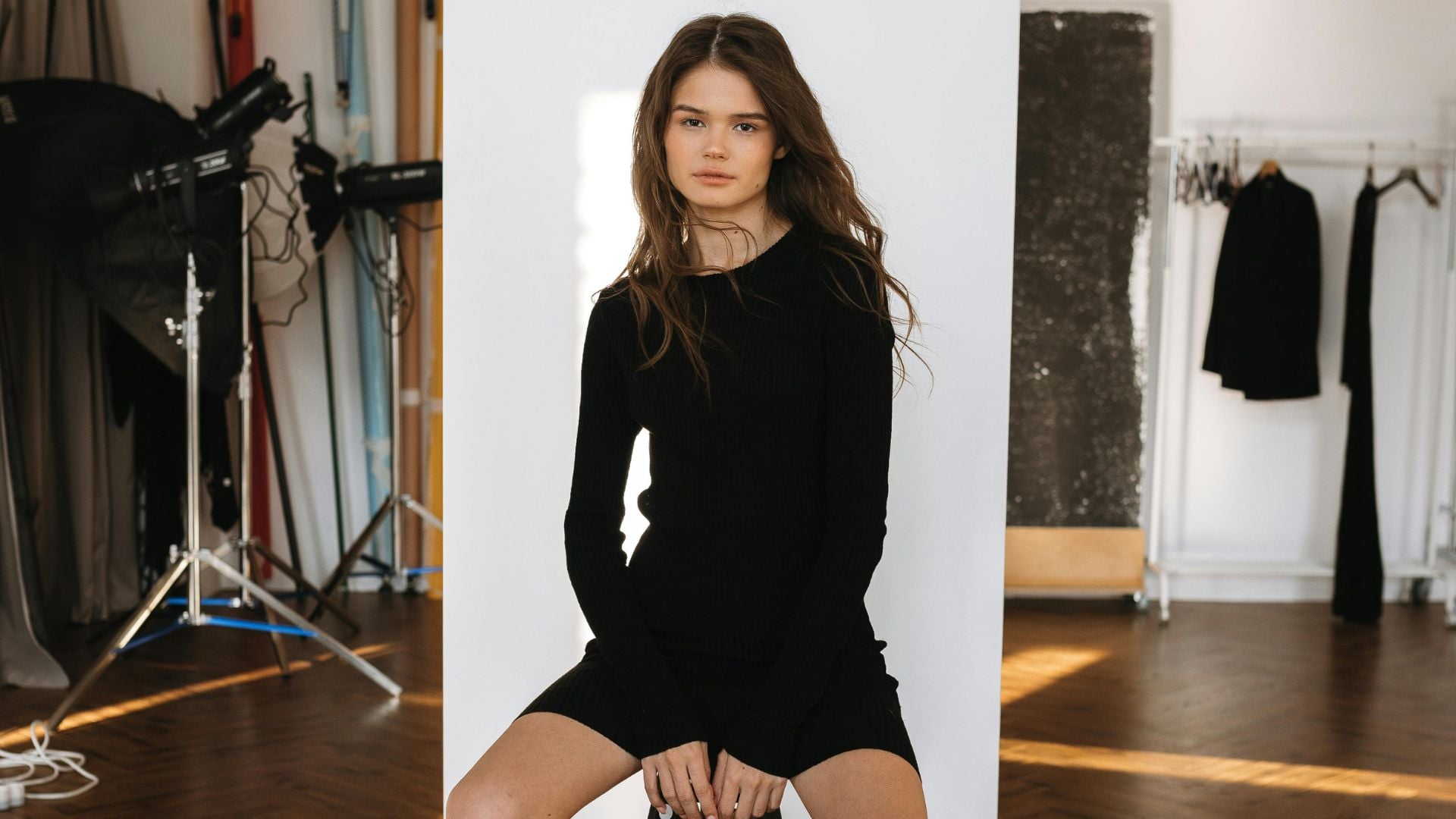
Portrait photography is probably one of the most popular types of photos out there, and I get why. There’s something special about capturing a person’s personality in a single frame. But good portrait work goes way beyond just pointing a camera at someone’s face.
The best portrait photographers I know understand that it’s really about connecting with people. You need to:
- Make your subject comfortable and relaxed.
- Understand how light hits their face.
- Know a bit about psychology and body language.
- Choose the right background and setting.
It sounds complicated, but once you get the hang of it, it becomes second nature.
These days, portrait photography has gotten way more creative. Here are the main styles of photography you’ll see:
- Environmental portraits – Put people in places that mean something to them
- Lifestyle portraits – Catch folks just doing their everyday things
- Street portraits – Capture strangers in those perfect candid moments in streets
- Studio portraits – Classic controlled lighting setups
On the technical side, you’ll want to learn about focal lengths. An 85mm lens makes faces look great and natural. Wide-angle lenses can make people look weird, so be careful with those.
For lighting? Well, that’s a whole thing. Natural light is forgiving when you’re starting out, but learning studio lighting opens up tons of possibilities.
2. Landscape Photography
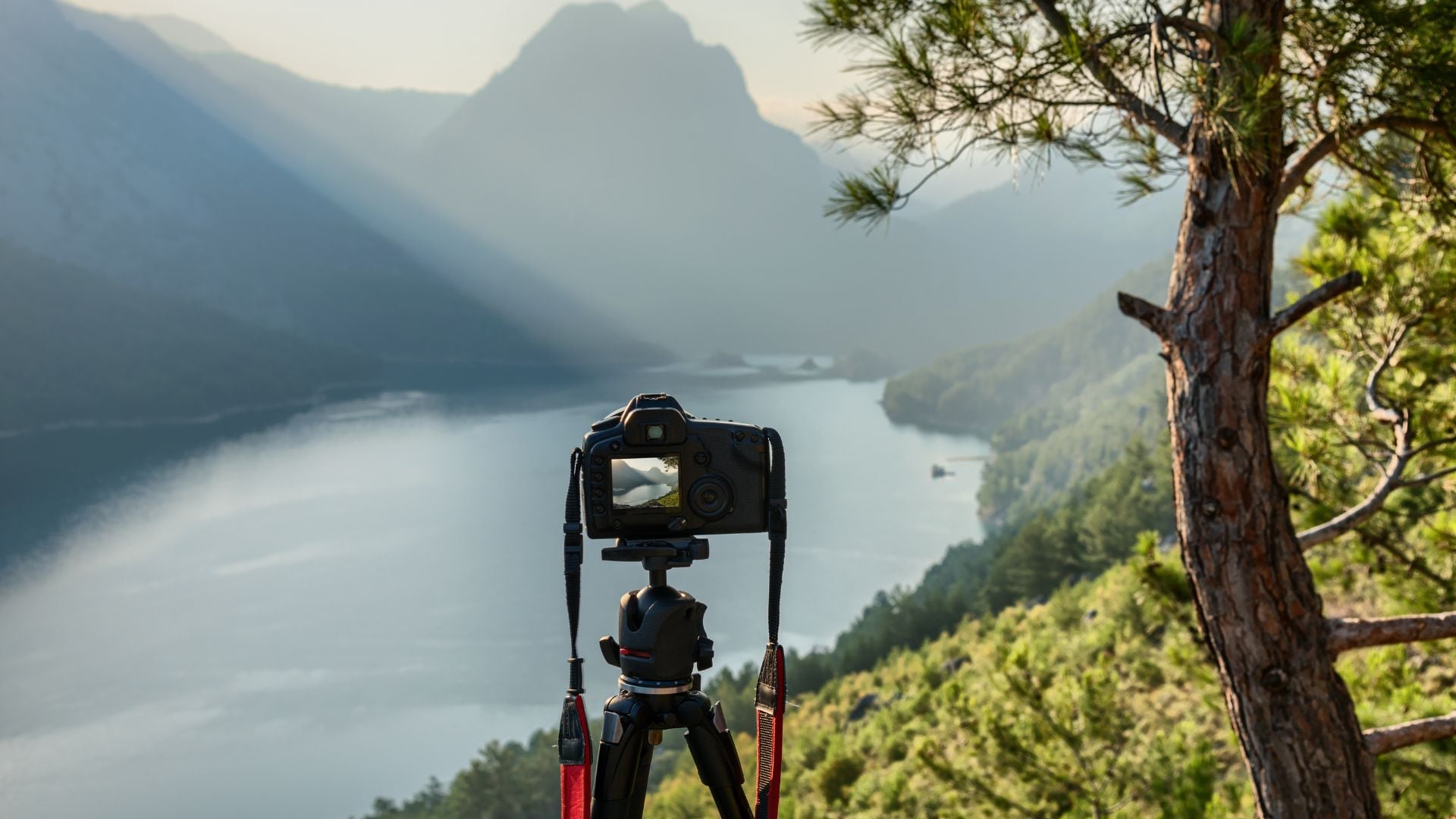
Landscape photography is all about showing off how amazing the natural world is. This genre will test your patience though. Good landscape photographers get up way before sunrise and stay out way past sunset just to catch that perfect light.
Different types of photos in landscape work include everything from ocean shots to mountain ranges to desert scenes to forest photography. Each type has its own challenges.
For instance, seascapes mean you’re dealing with salt spray that can damage your gear and changing tides that constantly affect your compositions. On the other hand, mountain photography involves hauling heavy equipment up steep trails while dealing with unpredictable weather that can change in minutes.
Meanwhile, desert scenes challenge you with extreme temperatures and harsh lighting that can be brutal on both you and your camera. Forest photography presents completely different problems with low light filtering through the canopy and complex compositions where it’s hard to find clear focal points among all the trees and undergrowth.
What’s really cool about landscape photography now is that it’s becoming more meaningful. Photographers are documenting climate change by showing glaciers disappearing and ecosystems changing.
Conservation photography highlights wild places that need protecting. This gives landscape work a deeper purpose beyond just making pretty pictures.
The gear can get expensive, but you don’t need everything at once. Here’s what you actually need to start:
- A good wide-angle lens (14-24mm is popular)
- A sturdy tripod that won’t blow over
- Neutral density filters for long exposures
- Polarizing filter to cut reflections
Honestly, some of the best landscape photos come from being in the right place at the right time, not from having the most expensive camera.
3. Street Photography

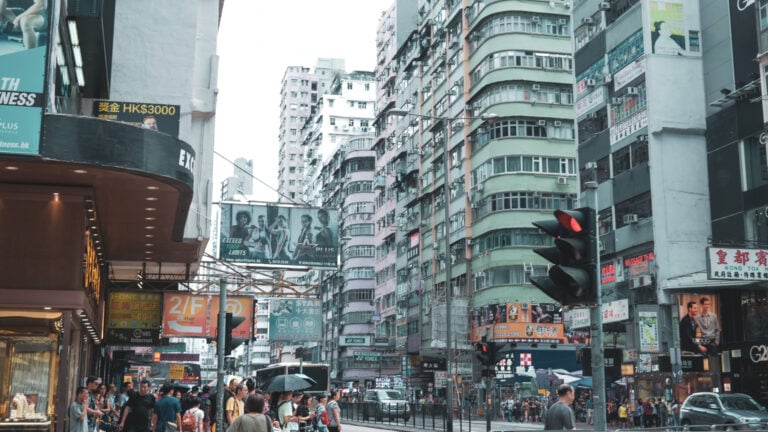
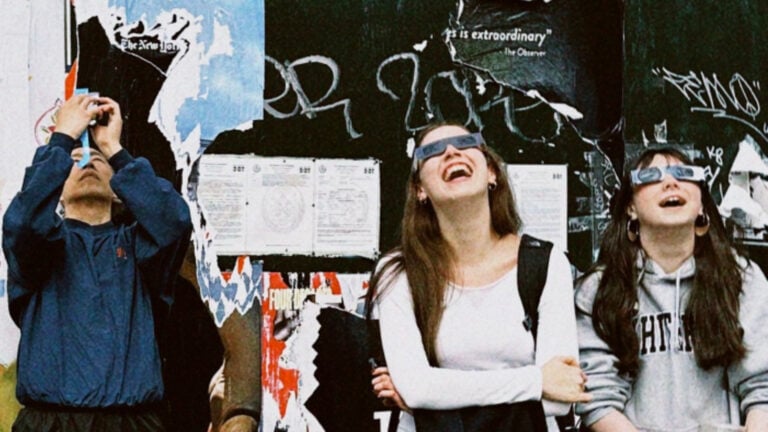
Street photography captures real-life moments as they unfold in public spaces. This photography genre requires quick reflexes, good timing, and an eye for those decisive moments that tell a story. Street photographers become like invisible observers, capturing real human behavior without getting in the way.
The ethics of street photography can get tricky. Some photographers ask permission first, while others think that asking ruins the authenticity of the moment. Legal stuff varies depending on where you are, so it’s worth researching before you start shooting in new places.
What makes great street photography comes down to several key skills that you’ll develop over time. First, you need quick reaction times for those fleeting moments that happen and disappear in seconds.
Beyond that, you need a solid understanding of light and composition because you can’t control the environment like you can in a studio. Additionally, the ability to blend into crowds becomes crucial since you want to capture authentic moments without people noticing you’re there.
Technically speaking, you’ll need to get comfortable with available light, understand depth of field for zone focusing, and pick the right focal length for each situation. Wide-angle lenses show the whole scene and give context.
Longer lenses let you shoot from far away without people noticing. Fast autofocus and good high ISO performance become super important when the light gets challenging.
New Types of Photography Born from Technology
Digital technology has created completely new photography categories that our parents’ generation couldn’t even imagine. These emerging genres mix traditional photography principles with cutting-edge tech and creative techniques that keep pushing boundaries.
The cool thing about these newer styles is that they’re still evolving. Rules haven’t been set in stone yet, which means there’s room for experimentation and innovation. If you like being on the cutting edge and trying new things, these genres might be perfect for you.
These different types of photography often require learning new skills beyond traditional camera work, but that’s part of what makes them exciting.
4. Drone Photography

Aerial photography used to mean renting expensive helicopters or small planes. Consumer drones changed all that by making aerial views accessible to regular people. Drone shots show patterns, textures, and compositions that you just can’t see from ground level.
Different types of photography within drone work include:
- Landscape aerials – Show the big picture of natural areas
- Architectural shots – Reveal building designs and urban planning
- Real estate marketing – Give property context and boundaries
- Abstract pattern photography – Turn everyday scenes into art
The creative possibilities go way beyond just shooting straight down. Flying low creates dramatic perspective changes that make ordinary subjects look completely different. Meanwhile, following moving subjects like cars or boats adds serious energy to your shots.
Top-down compositions can turn everyday scenes into geometric art that looks nothing like what you’d expect from ground level. Combining ground and aerial shots in the same project tells much more complete stories than either approach could on its own.
Just remember that drone photography comes with responsibilities. You need to follow local flight regulations, respect people’s privacy, and be mindful of wildlife and sensitive areas. But when done right, it opens up a whole new world of creative possibilities.
5. Astrophotography

Astrophotography connects us with the universe beyond our little planet. This photography style requires specialized equipment, technical knowledge, and a lot of patience. Finding places dark enough to shoot stars is getting harder with all the light pollution around cities.
Types of photography within astrophotography include:
- Deep space objects – Galaxies, nebulae, and star clusters
- Planetary shots – Moon, Mars, Jupiter with surface details
- Meteor showers – Streaks of light across the sky
- Milky Way landscapes – Our galaxy combined with earthly foregrounds
Each category needs different equipment and techniques:
- Planetary photography uses telescopes and high-speed cameras.
- Deep space photography requires tracking mounts and really long exposures.
- Meteor photography needs wide-angle lenses and lots of patience.
- Milky Way shots work with regular cameras if you know the tricks.
The learning curve is pretty steep. Understanding star tracking, stacking multiple exposures, and specialized post-processing takes time to master. Weather becomes super important because clear skies are precious opportunities that you can’t waste.
But when everything comes together, astrophotography produces some of the most jaw-dropping images you’ll ever see. There’s something humbling about capturing light that traveled millions of years to reach your camera sensor. Capturing the night sky doesn’t have to be daunting if you’re new to it. Here’s how to do DIY astrophotography.
6. Computational Photography

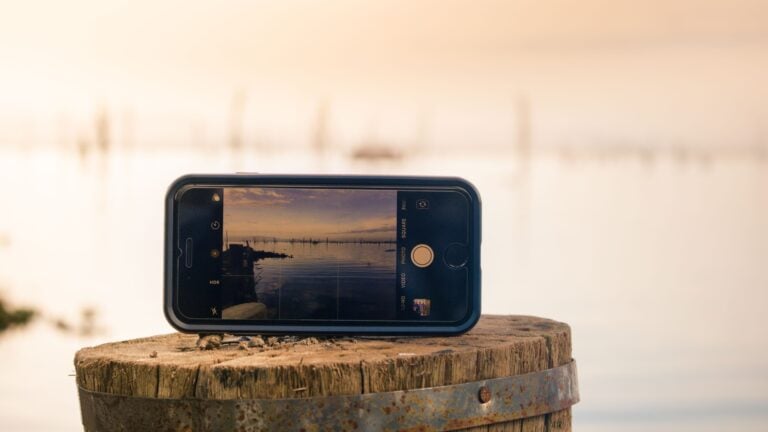
Smartphone cameras now use artificial intelligence to make images better in real-time. Computational photography combines multiple exposures, depth mapping, and machine learning to create images that traditional cameras couldn’t make.
Here’s what your phone is probably already doing:
- Portrait mode – Uses depth sensing to blur backgrounds artificially
- Night mode – Combines several short exposures to reduce noise
- HDR – Automatically balances extreme lighting conditions
- Focus stacking – Keeps everything sharp from front to back
Professional computational photography goes even further with more sophisticated tools and techniques. Focus stacking combines multiple focus points for images that are sharp throughout the entire frame.
Meanwhile, exposure blending merges different exposures for perfect lighting that balances highlights and shadows. Panoramic stitching creates wide views from multiple shots that seamlessly blend together.
AI-powered noise reduction removes grain while keeping important details intact, something that was impossible just a few years ago. Software like Photoshop and specialized programs automate complex processes while still giving you creative control.
Commercial Photography That Pays the Bills
Commercial photography provides steady income while letting you exercise your creative skills. These photography genres serve specific business needs while still offering artistic satisfaction. Plus, businesses always need good photos, so there’s consistent work available.
Commercial work teaches you to be professional, meet deadlines, and work within client requirements while still producing creative work. These skills are valuable whether you want to be a full-time photographer or just make some extra money with your camera.
The great thing about commercial types of photography is that local businesses need this work done, so you don’t have to compete with photographers from around the world.
7. Product Photography

Product photography drives online sales and marketing campaigns. This type of photography requires technical precision and creative problem-solving. Good product photos eliminate distractions while highlighting the key features that make people want to buy.
Lighting becomes super important for product work. Here’s what you need to know:
- Soft, even lighting – Minimizes harsh shadows
- Color accuracy – Shows products as they really look
- Background choices – Support the product without competing
- Highlight textures – Show material quality and details
Different products need specialized approaches:
- Jewelry photography – Deals with reflective surfaces and tiny details
- Food photography – Works with ingredients that don’t stay fresh long
- Clothing photography – Shows fit, texture, and styling options
- Electronics – Manages reflections and shows functionality
The good news is that you can start product photography with basic equipment and build up your gear as you get more clients. Many successful product photographers started by shooting items for local businesses or online sellers.
8. Real Estate Photography
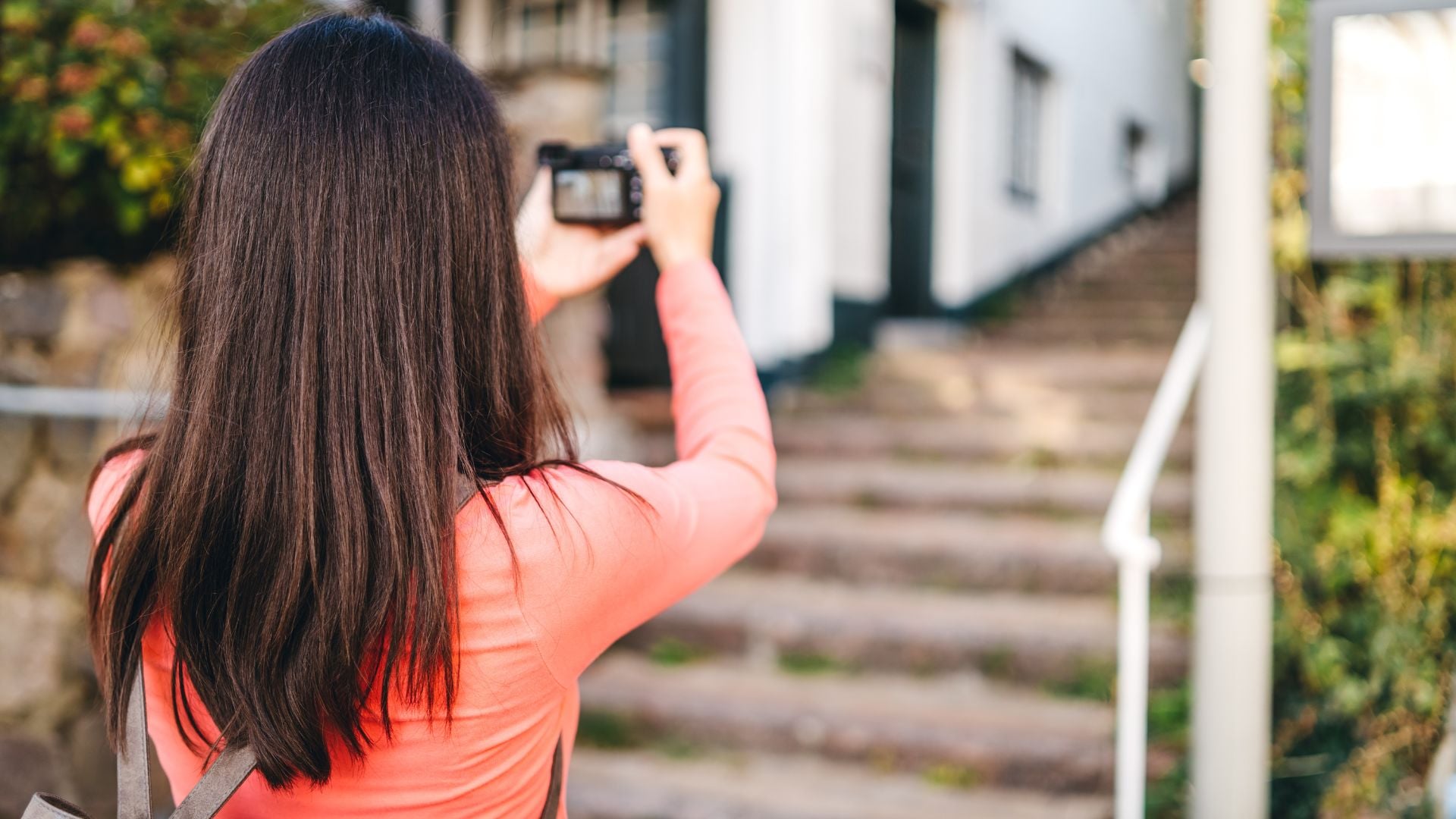
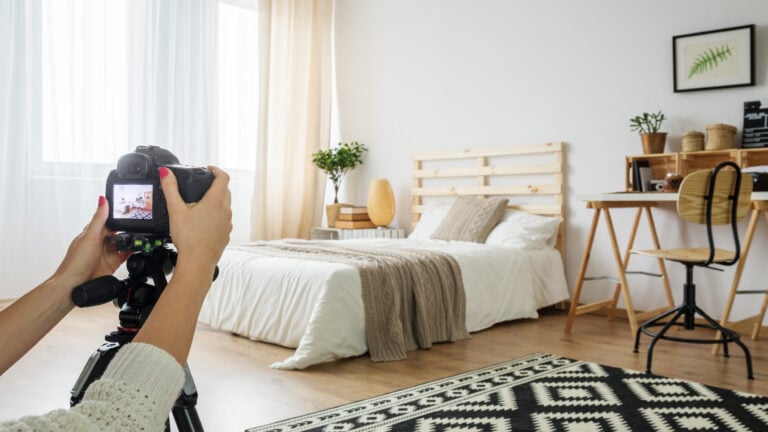
Real estate photography helps properties sell faster and for better prices. This commercial genre combines architectural photography with marketing psychology. Wide-angle lenses show room sizes, while proper staging creates emotional connections with potential buyers.
Different kinds of photography within real estate include:
- Interior shots – Show how people could live in the space
- Exterior photos – Create that important first impression
- Aerial views – Provide context about neighborhood and property
- Virtual tour creation – Let buyers explore online
While real estate photography might seem straightforward, you’ll quickly discover that it comes with its own set of tricky situations that require specific solutions. Mixed lighting conditions where windows are bright but interiors are dark can make exposure really difficult.
Tight spaces force you to use wide-angle lenses without creating distortion that makes rooms look weird. Also, keeping lines straight becomes crucial because nobody wants to see wonky walls that make a house look like it’s falling over.
Finally, HDR techniques help you balance those bright and dark areas so everything looks natural and appealing to potential buyers. Drone photography adds serious value by showing property boundaries and surrounding areas. Just make sure you’re certified and insured before offering aerial services.
9. Food Photography
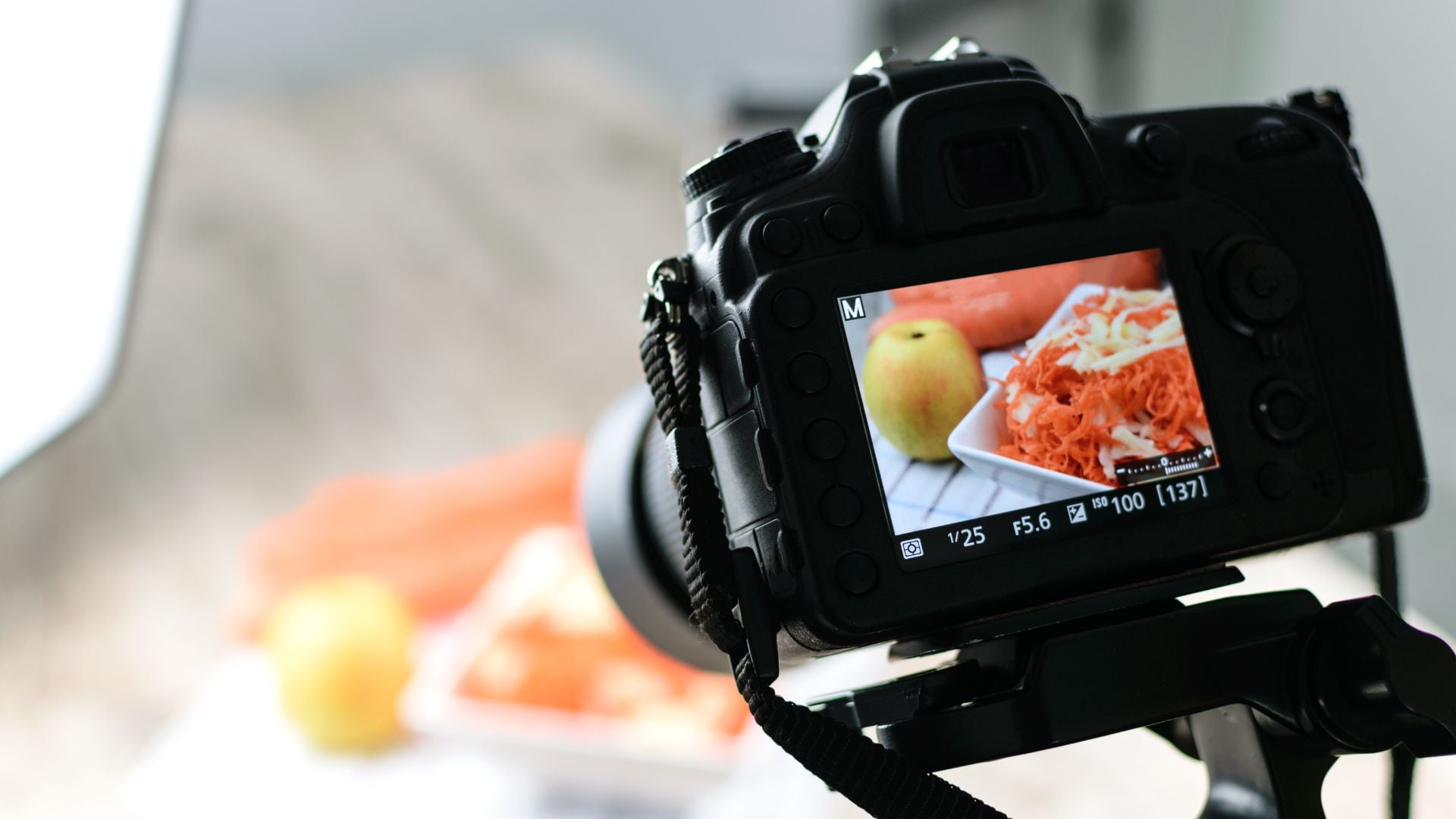
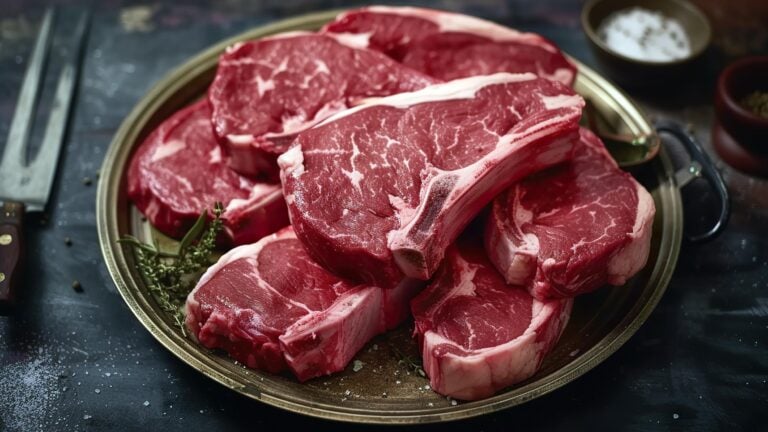
Food photography appears everywhere from restaurant menus to Instagram feeds. This photography category combines technical skills with styling expertise. Fresh ingredients, proper lighting, and appetizing presentation create images that make people’s mouths water.
Natural light often works best for food photography. North-facing windows provide soft, even lighting that’s perfect for food shots.
You’ll want to avoid direct sunlight since it creates harsh shadows that make food look unappetizing. Using reflectors helps fill in those shadow areas and creates more even lighting. Most importantly, watch your color temperature to keep food colors looking natural and appealing.
Food styling becomes just as important as camera technique when you’re shooting food. Props and backgrounds should support the dish without overwhelming it or competing for attention.
Adding steam and condensation suggests temperature and freshness, which makes food look more appealing. Using fresh ingredients shows quality and makes everything look more appetizing. Finally, timing becomes critical because hot foods cool down quickly under bright lights, so you need to work fast.
The trick is making food look delicious and fresh, even if you’ve been shooting for hours. Professional food stylists use all kinds of tricks, but learning basic styling will make your food photos way better.
Artistic Photography for Creative Expression
Artistic photography puts creative expression above commercial considerations. These styles of photography push boundaries and explore new visual territories. If you’re someone who loves experimenting and doesn’t mind if not everyone “gets” your work, artistic photography might be your calling.
The freedom in artistic photography is both exciting and challenging. Without client requirements or commercial constraints, you’re free to explore your vision.
But that also means you need to develop your own artistic voice and find ways to share your work with people who appreciate it. These photography types often blur the line between photography and other art forms like painting or sculpture.
10. Abstract Photography

Abstract photography reduces subjects to basic elements like color, shape, texture, and form. This artistic approach in abstract photography focuses on visual impact rather than showing things as they literally are. Common subjects include architectural details, natural patterns, and everyday objects photographed in unconventional ways.
What makes great abstract photography comes down to several key elements. Strong composition matters more than your actual subject since lines, shapes, and balance become the main focus.
Interesting textures turn surface details into the primary attraction rather than what the object actually is. Understanding color relationships and how colors work together or create contrast becomes crucial for visual impact. Additionally, pattern recognition helps you find repetition and rhythm that creates compelling abstract images.
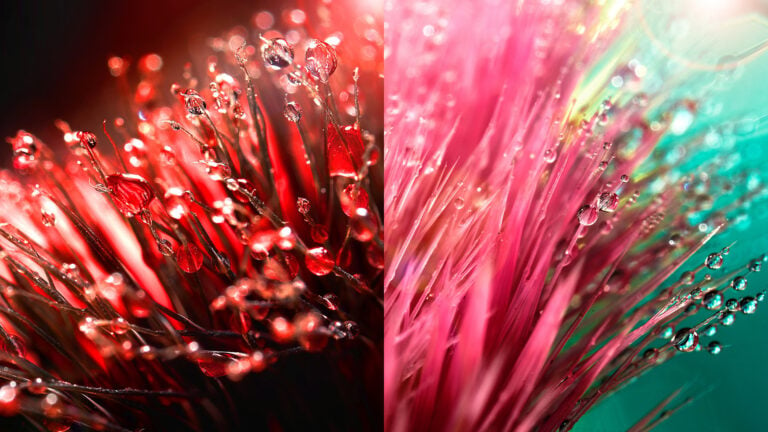
Macro lenses reveal amazing abstract patterns that we normally miss. Flower petals and plant structures show incredible detail and geometry up close. Insect details and wing patterns create natural abstract art.
Water drops and soap films form fascinating shapes and reflections. Even crystal formations and ice create beautiful abstract subjects when photographed properly.
Motion blur transforms moving subjects into streaks of color and energy. You can create this effect with slow shutter speeds or intentional camera movement during exposure.
Post-processing plays a bigger role in abstract work. Color adjustments, multiple exposures, and digital manipulation push images beyond reality. The goal is creating visual impact and emotional response rather than documenting what something actually looks like.
11. Fine Art Photography

Fine art photography treats the camera as an artistic tool comparable to paintbrushes or sculpture tools. These photographers develop personal vision and create consistent bodies of work suitable for gallery exhibitions and art collections.
Photography styles within fine art include:
- Conceptual photography – Ideas communicated through images
- Surreal imagery – Dream-like or impossible scenes
- Experimental techniques – New ways of making photographs
- Personal projects – Long-term bodies of work with consistent themes
Success requires developing a unique voice that stands apart from commercial and documentary work. This often means years of experimentation and refinement.
Print quality becomes essential for fine art photography. Different paper types like matte, glossy, and metallic surfaces each create different moods and feelings. Archival quality ink systems ensure longevity so your prints last for decades.
Color management keeps colors consistent from your screen to the final print. Limited editions with numbered prints add value for collectors who want exclusive work. Artist statements and proper presentation help collectors understand and appreciate the work.
12. Conceptual Photography
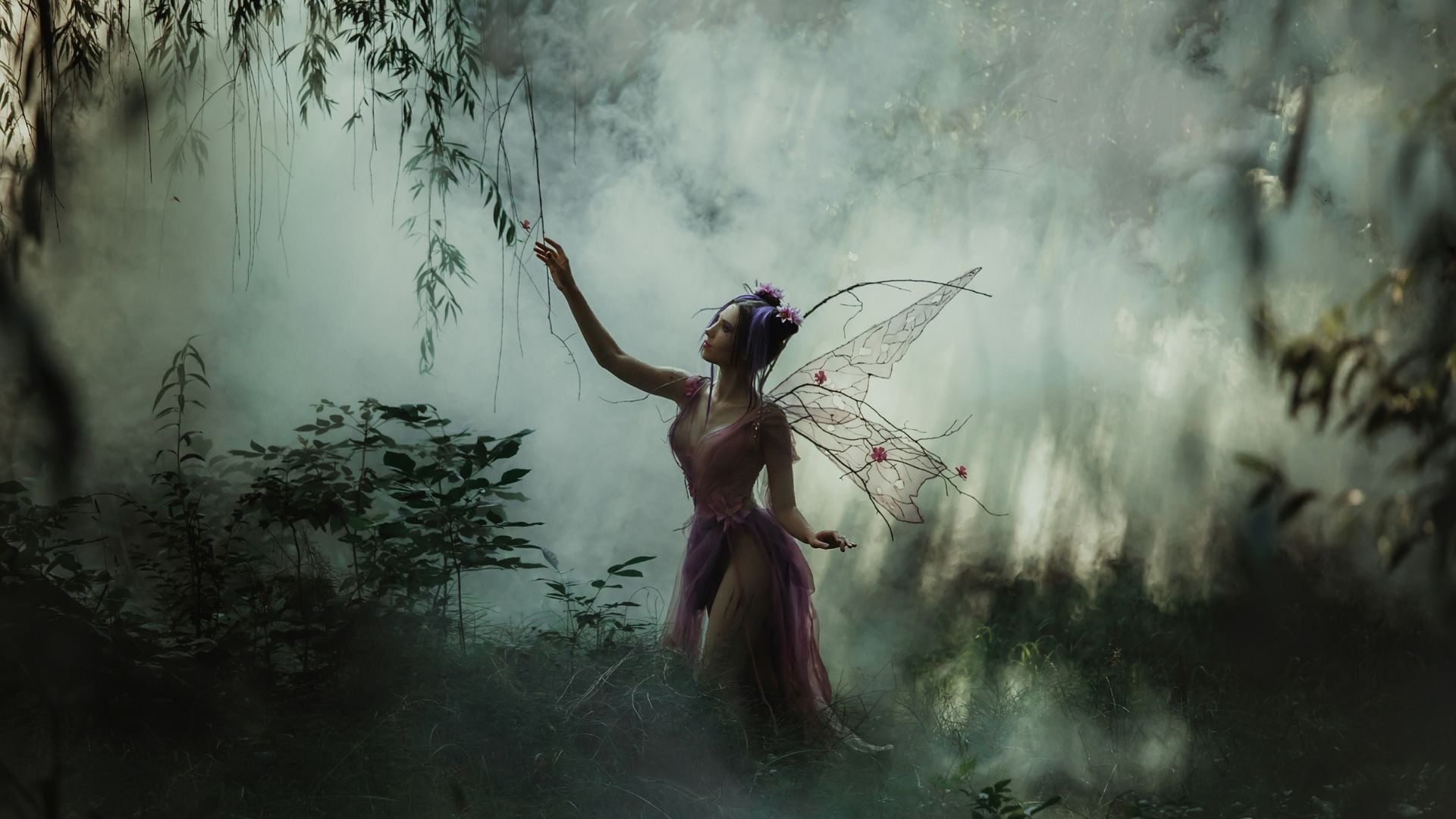
Conceptual photography uses images to communicate ideas, emotions, or stories. This approach puts the concept first and technical perfection second. Planning, props, and post-processing all serve the underlying message you’re trying to communicate.
Successful conceptual work requires several key skills that take time to develop:
- Strong storytelling abilities help you know exactly what you want to say with your images.
- Pre-visualization skills let you see the final image in your mind before you even start shooting.
- Problem-solving creativity helps you figure out how to make abstract ideas become real, tangible photographs.
- Patience with experimentation becomes essential since concepts often need multiple attempts to get right.
The process in conceptual photography usually involves several steps that build on each other. Sketching ideas and creating mood boards helps you visualize your concept.
Location scouting finds the right environment that supports your message. Gathering props and planning logistics ensures everything comes together smoothly. Multiple test shots and refinements help you perfect the final image.
Digital manipulation often plays a role in conceptual photography. Compositing multiple images, adding or removing elements, and color grading all support the artistic vision. The goal is communicating ideas effectively rather than maintaining documentary accuracy.
Specialized Photography Niches
Specialized photography categories require specific knowledge, equipment, and dedication. These niches often develop devoted communities of practitioners who share techniques, locations, and a passion for their particular subject matter.
Getting into specialized photography usually means making a commitment. The gear can be expensive, the learning curve steep, and the best opportunities might require travel or uncomfortable conditions. But the rewards include joining tight-knit communities and potentially becoming an expert in something you’re passionate about.
These different types of photography often become lifelong pursuits rather than casual hobbies.
13. Wildlife Photography

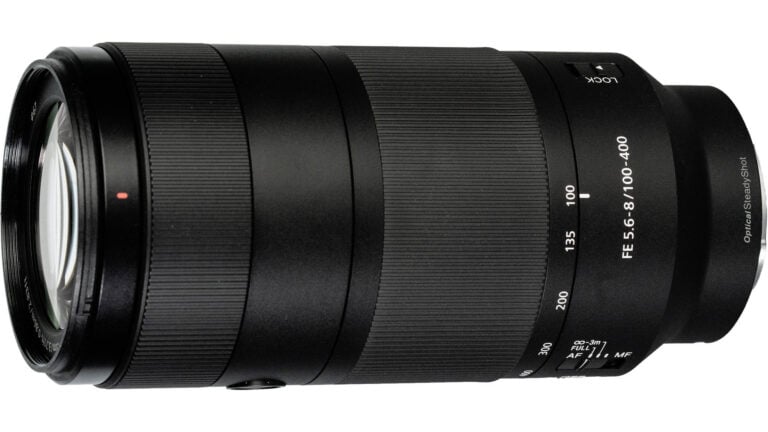
Wildlife photography documents animals in their natural habitats. This challenging genre requires patience, knowledge about animal behavior, and expensive telephoto lenses. Ethical considerations include minimizing disturbance to animals and respecting protected areas.
Different types of photography within wildlife work include:
- Bird photography – Needs fast autofocus and long lenses
- Large mammal documentation – Requires safety awareness and distance
- Marine life – Expensive underwater housings and specialized techniques
- Insect macro photography – Close-up work with tiny, moving subjects
Field techniques that make a real difference start with understanding animal behavior so you know when and where animals are most active. Using camouflage or blinds helps you avoid scaring away your subjects before you get the shot.
Finding productive locations through research pays off with much better opportunities than just wandering around hoping to find something. Weather awareness becomes crucial since conditions affect both animal activity and photo quality.
Early morning and late evening often provide the best lighting and most active animals. Plus, many animals are more comfortable when it’s cooler and there are fewer people around. The gear investment can be significant, but you can start with shorter telephoto lenses and work your way up as your skills and budget allow.
14. Macro Photography

Macro photography reveals details that are invisible to our naked eyes. This technical genre requires specialized lenses, precise focusing, and understanding of magnification ratios. True macro photography reproduces subjects at life-size or larger on your camera sensor.
Common macro subjects include flowers with their petals, stamens, and pollen details that create amazing close-up compositions. Insects offer incredible subjects with their compound eyes, intricate wing patterns, and detailed body structures. Textures in fabric, wood grain, and metal surfaces become abstract art when photographed up close. Small objects like jewelry, coins, and miniature items reveal details you never noticed before.
Each type of macro subject presents unique challenges that require different approaches. Insect photography requires lots of patience since they scare easily and move constantly. Flower photography benefits from still conditions and controlled lighting that won’t blow petals around.
Texture work needs careful lighting to show surface details without creating harsh shadows. Water drop photography makes timing and setup absolutely everything since drops form and fall so quickly.
Technical considerations become more complex with macro work:
- Managing depth of field becomes crucial since only tiny areas stay in focus at high magnifications.
- Focus stacking combines multiple images for extended sharpness throughout the frame.
- Flash techniques using specialized macro flashes provide even lighting at close distances.
- Understanding magnification ratios helps you know exactly how big things will appear in your final image.
15. Documentary Photography

Documentary photography tells real stories about people, places, and social issues. This genre puts authenticity above artistic manipulation. Documentary photographers often spend extended time with their subjects to build trust and deeper understanding.
Types of photoshoots within documentary work include:
- Photojournalism – Breaking news and current events
- Social documentary – Long-term projects about communities or issues
- Personal projects – Individual stories that matter to the photographer
- Historical documentation – Preserving moments and places
Each serves different purposes but shares a commitment to truthful representation. Ethics become really important when photographing vulnerable populations or sensitive situations.
Long-term projects develop much deeper understanding than quick photo sessions. Building relationships with your subjects leads to more authentic images that go beyond surface-level documentation.
Understanding context through background research improves your storytelling and helps you ask better questions. Multiple perspectives ensure that complex issues get comprehensive coverage rather than one-sided representation.
Finally, combining written narratives with photographs creates more powerful storytelling than either medium could achieve alone. Documentary photographers often combine still images with written stories for more comprehensive communication of complex issues.
Explore Photography and Get Inspired
Remember that great photography comes from understanding your subjects, mastering your tools, and developing your unique vision. The different types of photography provide frameworks for exploration, but your personal photography style emerges through consistent practice and creative experimentation.
The future of photography keeps evolving with new technologies, social changes, and artistic movements. Staying curious, adapting to changes, and maintaining your passion for the craft ensures continued growth no matter which photography types end up capturing your imagination. The best part? You can always try something new whenever you feel like mixing things up.
Start with one or two types of photography that really interest you, get good at those, then branch out from there. There’s no rush, and the journey of discovering your photographic voice is half the fun.
If you want to get started with DIY photography, start here.
See more from DIYPhotography.net on Google
Add DIYPhotography.net as a trusted source. This makes
our stories more likely to appear in your Google Search results.
 Add as a preferred source on Google

Darlene Lleno
Darlene Lleno brings a unique perspective to DIY Photography as someone who grew up surrounded by camera gear but chose words over lenses. With five years of writing experience, she specializes in photography content that’s both technically informed and genuinely passionate. Growing up with a photographer twin brother meant camera talk was everyday conversation in her household. While he mastered capturing moments, Darlene discovered she preferred being the subject and the storyteller behind the scenes. As a travel enthusiast and mother of two, she understands the importance of preserving life’s precious moments. When not exploring new destinations or writing for DIY Photography, you’ll find her reading or tending to her garden. Her approach to photography writing is refreshingly authentic, she may not be behind the camera, but she knows exactly what it takes to help others capture the shots that matter most.

Join the Discussion
DIYP Comment Policy
Be nice, be on-topic, no personal information or flames.