





















Rode’s NAB 2026 Lineup Introduces Sonaura MEMS Mic and New Wireless System
Apr 21, 2026
Alysa Gavilan
Alysa Gavilan has spent years exploring photography through photojournalism and street scenes. She enjoys working with both film and mirrorless cameras, and her fascination with the craft has grown over the decades. Inspired by Vivian Maier, she is drawn to capturing everyday moments that often go unnoticed.
Share:
Rode is making a strong play for the future of audio production with a sweeping set of announcements in line with NAB 2026, introducing new microphone technology, a redesigned wireless system, and software built around faster, more flexible editing.
The updates point to a clear direction for the company. Audio tools are no longer just about capturing sound. They are becoming part of a wider workflow that connects recording, editing, and publishing in a more seamless way.
Sonaura Signals A Shift In Microphone Technology
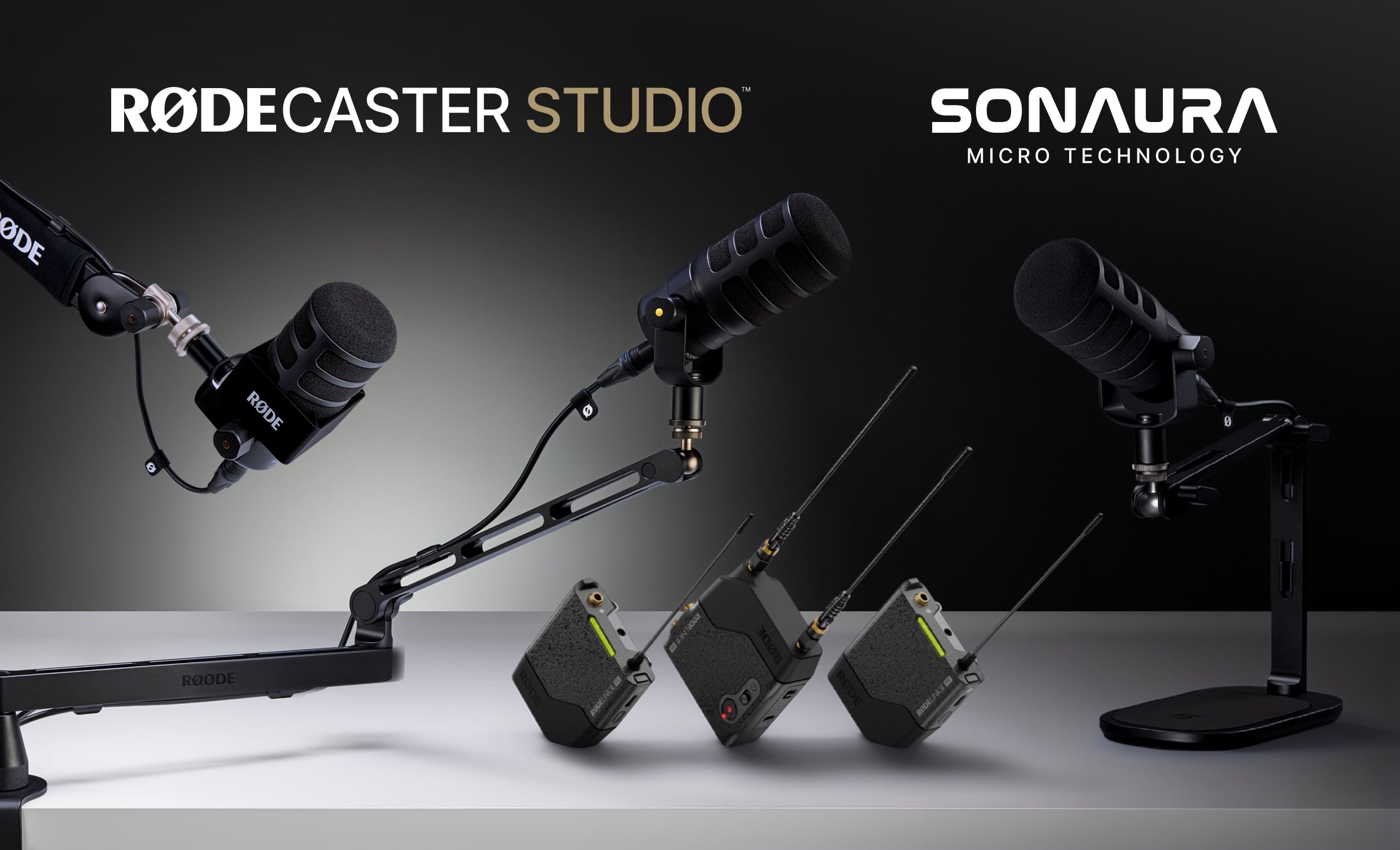
At the core of the announcement is Sonaura, a studio grade MEMS microphone technology developed in collaboration with Infineon Technologies.
MEMS stands for micro electro mechanical systems, a type of semiconductor based sensor commonly used in compact electronics. Rode is positioning Sonaura as a step forward in how professional audio is captured, combining small form factor design with high fidelity performance.
The technology measures just 4mm by 5mm, yet delivers an 83dB signal to noise ratio and 11dBA self noise. These figures place it within the range expected of professional studio microphones, while offering durability advantages due to its sealed dual membrane design.
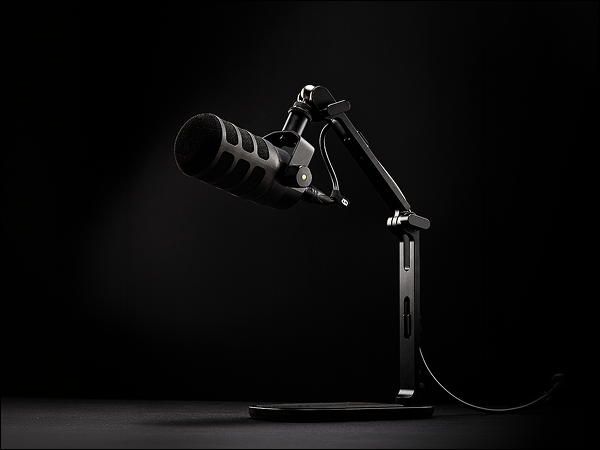
According to the company, Sonaura is built to handle extreme environments and resist interference, making it suitable for both studio and field use.
The platform is expected to roll out across future Rode and Freedman Group products, starting with a sub miniature lavalier microphone from Lectrosonics.
The long term implication is clear. Smaller, more resilient microphones could become standard across filmmaking, broadcasting, and content creation workflows.
RodeLink II Focuses On Reliability And Control
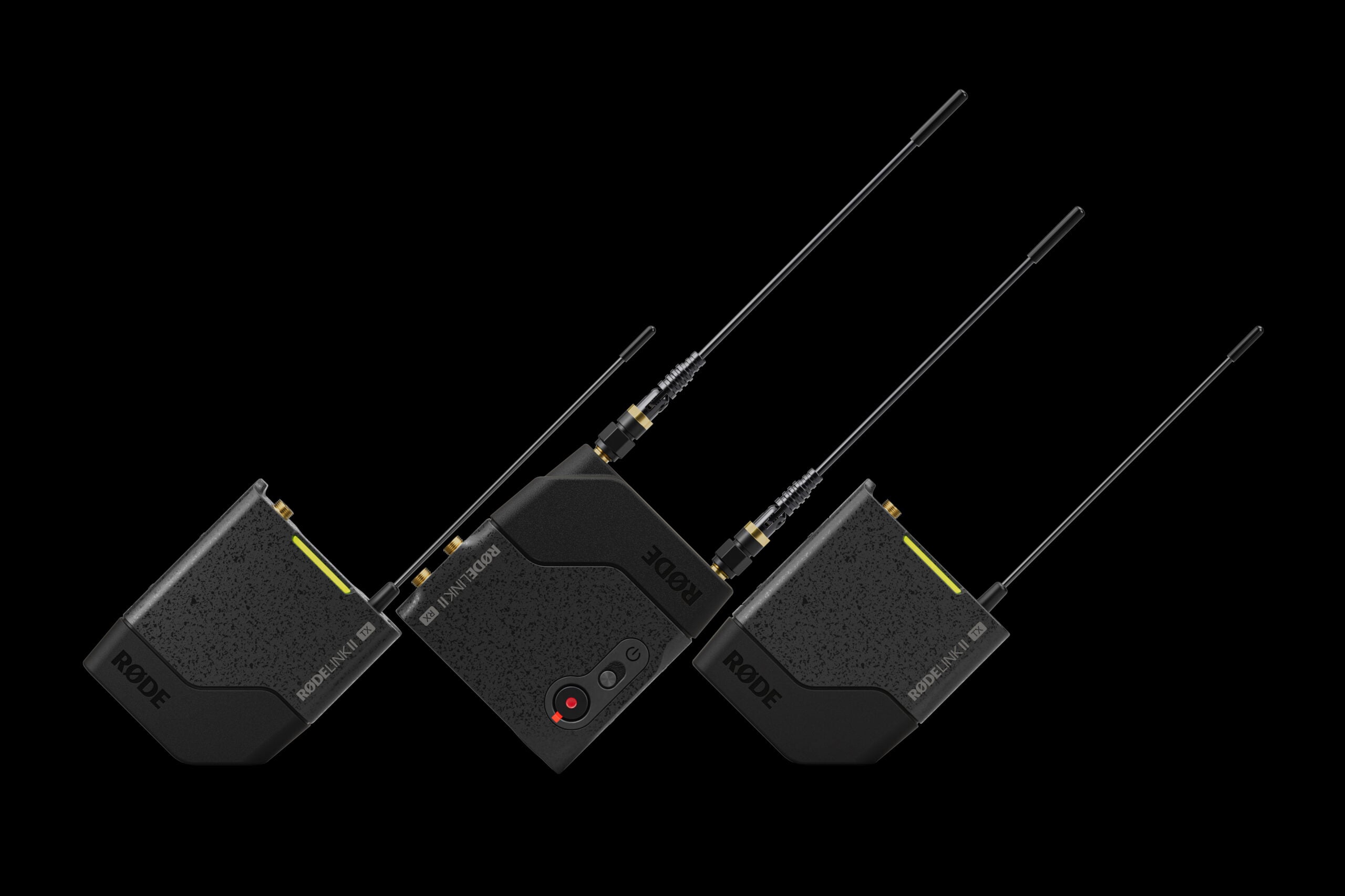
Alongside Sonaura, Rode introduced the RODELink II wireless microphone system. It uses UHF transmission, a technology known for stability and range in professional audio environments. The system includes dual transmitters and a single receiver, allowing simultaneous recording of multiple sources.
One notable feature is onboard 32 bit float recording. This format allows audio to be captured across a wide dynamic range, reducing the risk of clipping or unusable recordings. For creators working in unpredictable environments, this adds a layer of reliability that reduces the need for retakes.
The system also includes timecode support, which simplifies syncing audio and video during post production. Combined with a rugged metal body and removable batteries, the RODELink II appears designed for sustained professional use rather than casual recording.
Expanding The Studio Ecosystem
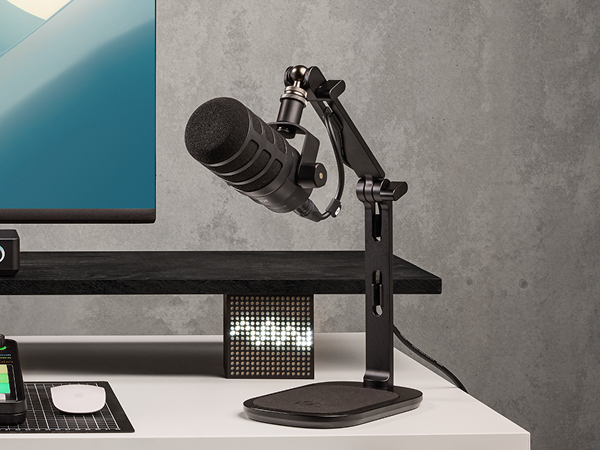
Rode also introduced new accessories aimed at refining studio setups. The LPA1 is a low profile studio arm designed to stay out of frame while maintaining precise microphone placement. The DS3 offers a desktop alternative with a weighted base for stability without mounting hardware.
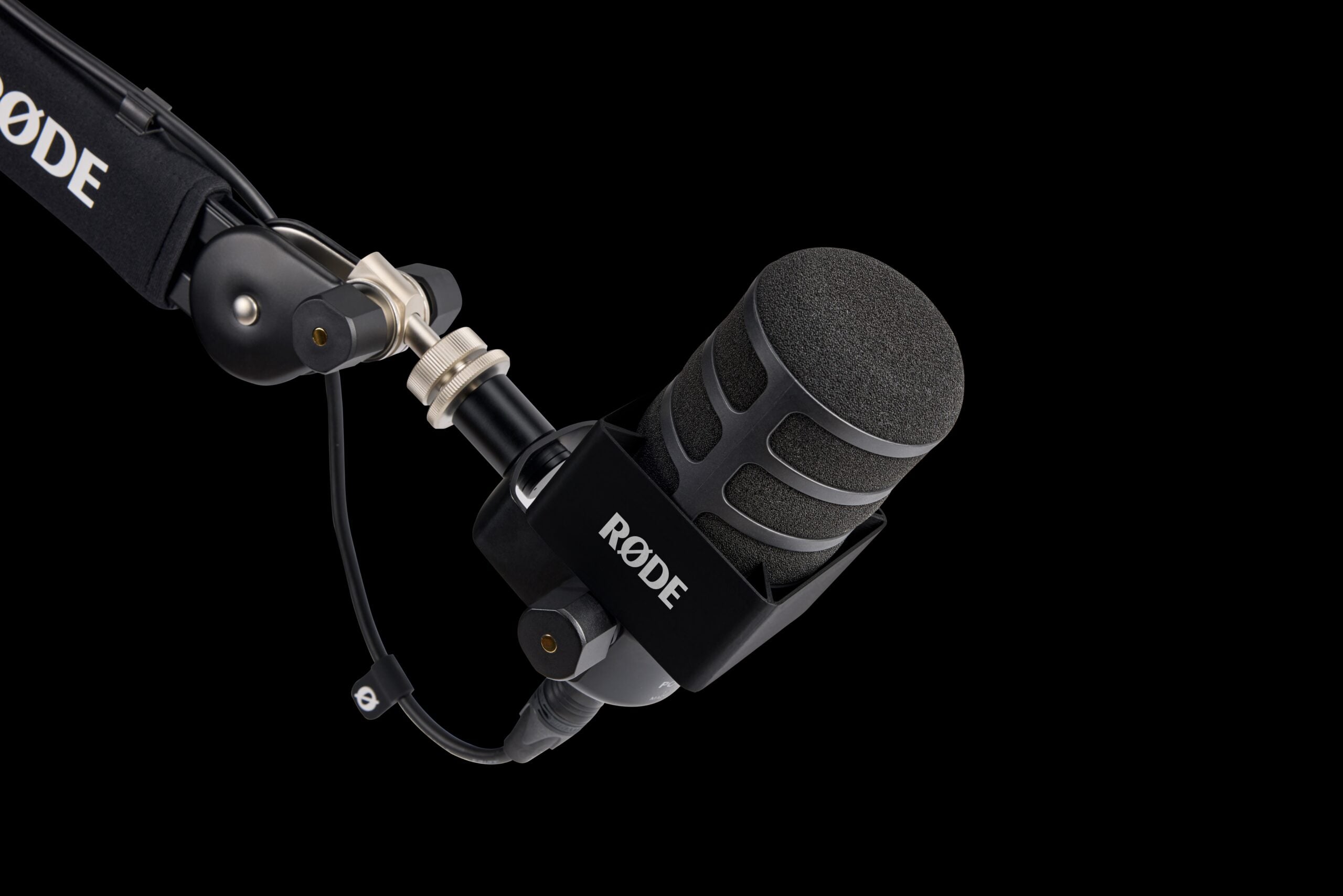
The PodMic Flag takes a different approach by focusing on visual identity. It allows creators to add logos or branding directly onto their microphones, reflecting a broader trend where on-camera presentation is part of the overall production value.
These additions suggest a continued focus on building a cohesive ecosystem rather than standalone products. Each component is designed to integrate into a larger workflow that balances function and presentation.
Software Moves Into The Spotlight
Rode Studio represents the company’s push into software driven production. The application uses AI tools for transcription, speaker identification, and text based editing. This allows users to edit audio by modifying text, a workflow that reduces the time required for traditional waveform editing.
The software also includes automated features such as title generation and platform specific export settings. These tools are designed to simplify the process from recording to publication, particularly for podcast creators managing long form content.
While AI assisted editing is becoming more common, its effectiveness often depends on accuracy and reliability. Rode’s approach places these tools within a single environment, which may appeal to users looking for a more integrated workflow.
Taken together, the announcements point to a broader shift in how audio tools are designed and used. Hardware innovation through Sonaura and RODELink II is paired with software that reduces friction in editing and distribution. The result is a more connected workflow that reflects how modern creators work across multiple platforms and formats.
You can read more stories from NAB 2026 here.
See more from DIYPhotography.net on Google
Add DIYPhotography.net as a trusted source. This makes
our stories more likely to appear in your Google Search results.
 Add as a preferred source on Google
Filed Under:
Tagged With:

Alysa Gavilan
Alysa Gavilan has spent years exploring photography through photojournalism and street scenes. She enjoys working with both film and mirrorless cameras, and her fascination with the craft has grown over the decades. Inspired by Vivian Maier, she is drawn to capturing everyday moments that often go unnoticed.
Related Posts
 Rode Wireless ME FCC filing shows up online – Is Rode working on a new low budget wireless mic?
 Rode introduces its newest entry-level on-camera Rode VideoMicro II microphone
 Rode’s new Wireless GO II adds dual mic support, improved range and internal recording
 Rode goes tiny with the Rode Wireless Micro for smartphones
Join the Discussion
DIYP Comment Policy
Be nice, be on-topic, no personal information or flames.