


















Five Ways to Modify Your Speedlight for Better Event Photos
May 15, 2026
Dunja Đuđić Kalinin
Dunja Djudjic is a multi-talented artist based in Novi Sad, Serbia. With 15 years of experience as a photographer, she specializes in capturing the beauty of nature, travel, concerts, and fine art. In addition to her photography, Dunja also expresses her creativity through writing, embroidery, and jewelry making.
Share:
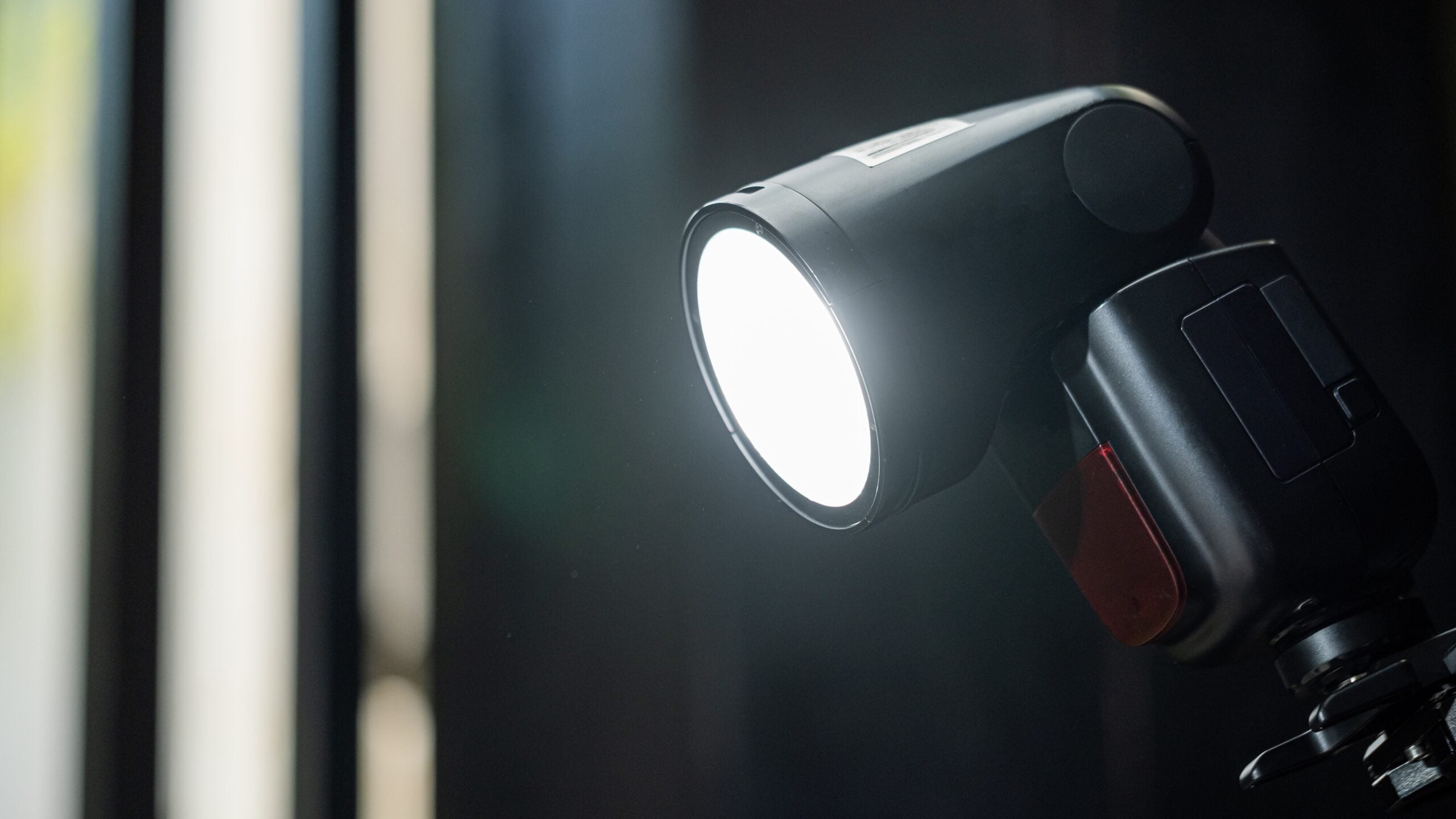
If you shoot weddings, portraits, or events, you already know that straight-on flash can make even the most flattering subject look a little rough. In a recent video from Jay P Morgan of The Slanted Lens, he walks through five practical ways to modify a speedlight with different pieces of gear. This way, you get softer, more beautiful light in any environment. He also shares his favorite method for event photography, which is worth sticking around for.
Before diving into the modifiers themselves, Jay sets up a key point about the problem with unmodified flash. When you’re shooting in large rooms with high ceilings and distant walls, you can’t rely on bouncing your light off a surface. You need the modifier to be right on the flash, traveling with you. His camera settings for the demo are 1/60th of a second at f/2.8, which gives enough ambient light to show the room. The flash on TTL then handles the subject exposure. Without that room exposure dialed in, he notes, you end up with a lit figure against a dark background and lose all context.
Now, let’s dive into the speedlight modifiers Jay suggests to help you out in various event photography situations.
The Westcott Diffusion Dome
The first modifier Jay reaches for is the Westcott diffusion dome. It’s small, compact, and attaches directly to the flash head via a Bowens mount or a magnet ring. When aimed straight at the subject, it softens the light compared to bare flash, though it’s still fairly directional.
The more flattering move, Jay finds, is to tilt the dome upward. That slight angle lifts the light source above the lens, softens the shadow under the chin, and gives a much prettier result overall. The trade-off is that it eats up about two stops of light, so Jay dials in plus two stops of TTL compensation to compensate. The big advantage here is the size. It’s small enough to stay out of the way and easy to use if you take the flash off-camera.

The MagMod MagBounce
Next up is the MagMod MagBounce, which attaches via a neoprene ring and a magnet system that makes it fast to snap on and off. Jay notes it produces light that looks very similar to the diffusion dome, especially when the dome is pointed upward. He also experiments with turning the MagBounce around backward, shooting through the rear of the modifier rather than the intended front. It’s not the designed use, but the result is a slightly softer, less directional light. Whether you use it as intended or reversed, Jay puts the MagBounce and the diffusion dome in the same tier. They’re close enough in output that workflow and portability become the deciding factors.

The Westcott FJ80 Pocket Box
The third modifier is the Westcott FJ80 Pocket Box, a small circular softbox that also uses a Bowens mount. Unlike the dome and the MagMod, Jay aims this one directly at the subject rather than angling it upward. The result is a beauty-dish style of light – soft, round, and flattering.
The downside, however, is the size. It’s noticeably larger than the first two options, which makes it less ideal for event photography where you need to pull your gear quickly and keep things streamlined. I got a similar gadget as a gift, but to be honest, I rarely use it as it’s a bit cumbersome to carry around at events.

The Platypod Bracket and Bounce
The fourth modifier is a Platypod Bracket and Bounce, which is a Kickstarter product we tested at NAB 2026. The idea is simple: the bracket holds a reflective surface, like a piece of foam core, giving you a larger bounce area even when you’re standing in the middle of a room with no walls nearby. The light wraps more and fills in the shadow under the chin in a way that the smaller modifiers don’t quite match. Jay is clearly fond of the quality of light here. The bracket is also flexible enough to hold translucent materials and shoot through them. The trade-off, again, is portability.
[Related Reading: Platypod Bracket & Bounce is the Most Versatile Flash Bracket I’ve Ever Used]
Getting the Flash Off-Camera
Jay’s fifth method is his favorite for event photography, and you don’t even need modifiers. In fact, on rare occasions when I use flash, this is how I do it. This method involves removing the flash from the hot shoe entirely, putting it into client mode, and using a trigger on the camera.
This lets you hold the flash in your hand and position it wherever you want – overhead, to the side, or anywhere in between. You can even place it somewhere in the room if you want. The light becomes dramatically more versatile this way and gives you way more control.
Jay pairs this with a small Spider Monkey Clip on his belt, which lets him holster and retrieve the flash quickly without digging through a bag. The smaller modifiers, the diffusion dome or the MagMod, work best in this setup because they don’t add too much bulk to the hip.
Which Modifier Should You Use?
As you can probably guess, there’s no “one size fits all” solution here. It all depends on what your preferences and priorities are. For portability, opt for the diffusion dome or the MagMod. If super-flattering and soft light is more important, perhaps go for the Platypod Bracket and Bounce. And if you’re really all over the place and timing is everything, maybe mastering the client mode is your safest bet.
If you want to see each modifier in action and compare the results side by side, make sure to watch the full video below. The visual comparisons make it easy to see exactly how each option affects the light on your subject’s face, and it will make it easier for you to pick your own ideal option(s).
[5 Easy Ways to Customize Your Speedlight | The Slanted Lens]
See more from DIYPhotography.net on Google
Add DIYPhotography.net as a trusted source. This makes
our stories more likely to appear in your Google Search results.
 Add as a preferred source on Google

Dunja Đuđić Kalinin
Dunja Djudjic is a multi-talented artist based in Novi Sad, Serbia. With 15 years of experience as a photographer, she specializes in capturing the beauty of nature, travel, concerts, and fine art. In addition to her photography, Dunja also expresses her creativity through writing, embroidery, and jewelry making.




Join the Discussion
DIYP Comment Policy
Be nice, be on-topic, no personal information or flames.
One response to “Five Ways to Modify Your Speedlight for Better Event Photos”
You forgot the Flash Bender light modifier. Works great.