



















Vivo X300 Ultra Pushes Mobile Photography Into Pro Camera Territory
Apr 20, 2026
Alysa Gavilan
Alysa Gavilan has spent years exploring photography through photojournalism and street scenes. She enjoys working with both film and mirrorless cameras, and her fascination with the craft has grown over the decades. Inspired by Vivian Maier, she is drawn to capturing everyday moments that often go unnoticed.
Share:
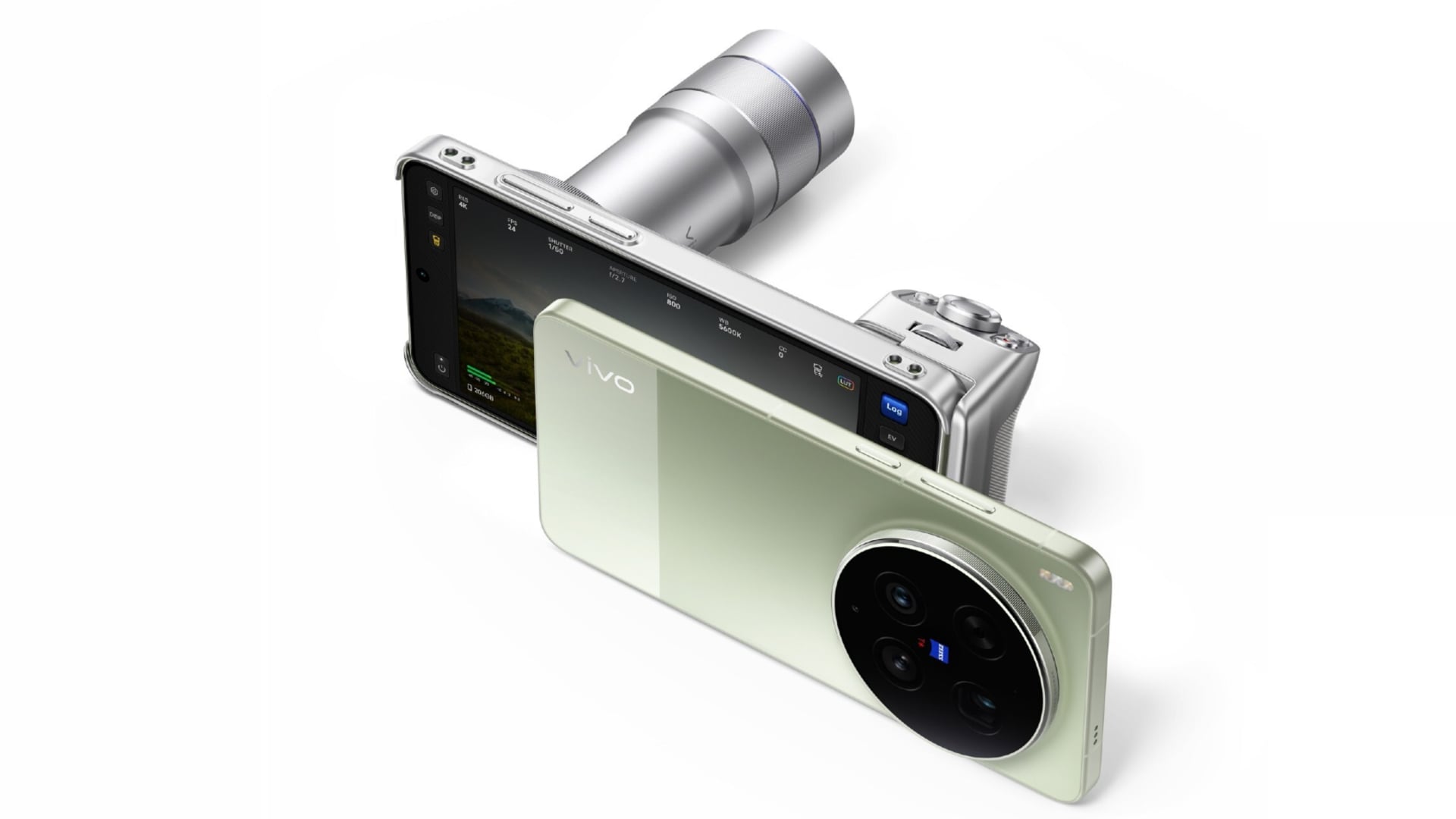
Mobile photography keeps getting more complex, and the new Vivo X300 Ultra arrives with a clear message. This is a phone built for serious image work, packed with ZEISS Master Lenses, long-range telephoto accessories, and video tools that push it closer to dedicated camera systems.
It seems like Vivo is no longer just selling a smartphone with a good camera, but an actual modular shooting setup that tries to cover almost every focal length you might want in the field.
At first glance, the X300 Ultra follows the familiar flagship formula. The real story here though sits behind the glass and the accessories that extend it.
In its global launch, Vivo leans heavily on ZEISS co-engineering, especially the ZEISS Master Lenses Collection that includes 14mm, 35mm, and 85mm prime focal lengths. Each lens is tied to a dedicated sensor, which is not the usual approach in smartphones that rely on a single sensor with digital cropping.
The idea here is straightforward: Give each focal length its own imaging pipeline.
ZEISS Master Lenses And Telephoto Extenders
The 85mm ZEISS Gimbal-Grade APO Telephoto Camera leads the system with a 200 MP sensor and strong stabilization designed for handheld long-focus work.
Vivo claims up to 60 fps AF tracking, which suggests a focus on action photography like sports or wildlife. The lens also uses ZEISS T coating and Super Blue Glass to control flare and ghosting in bright or mixed lighting.
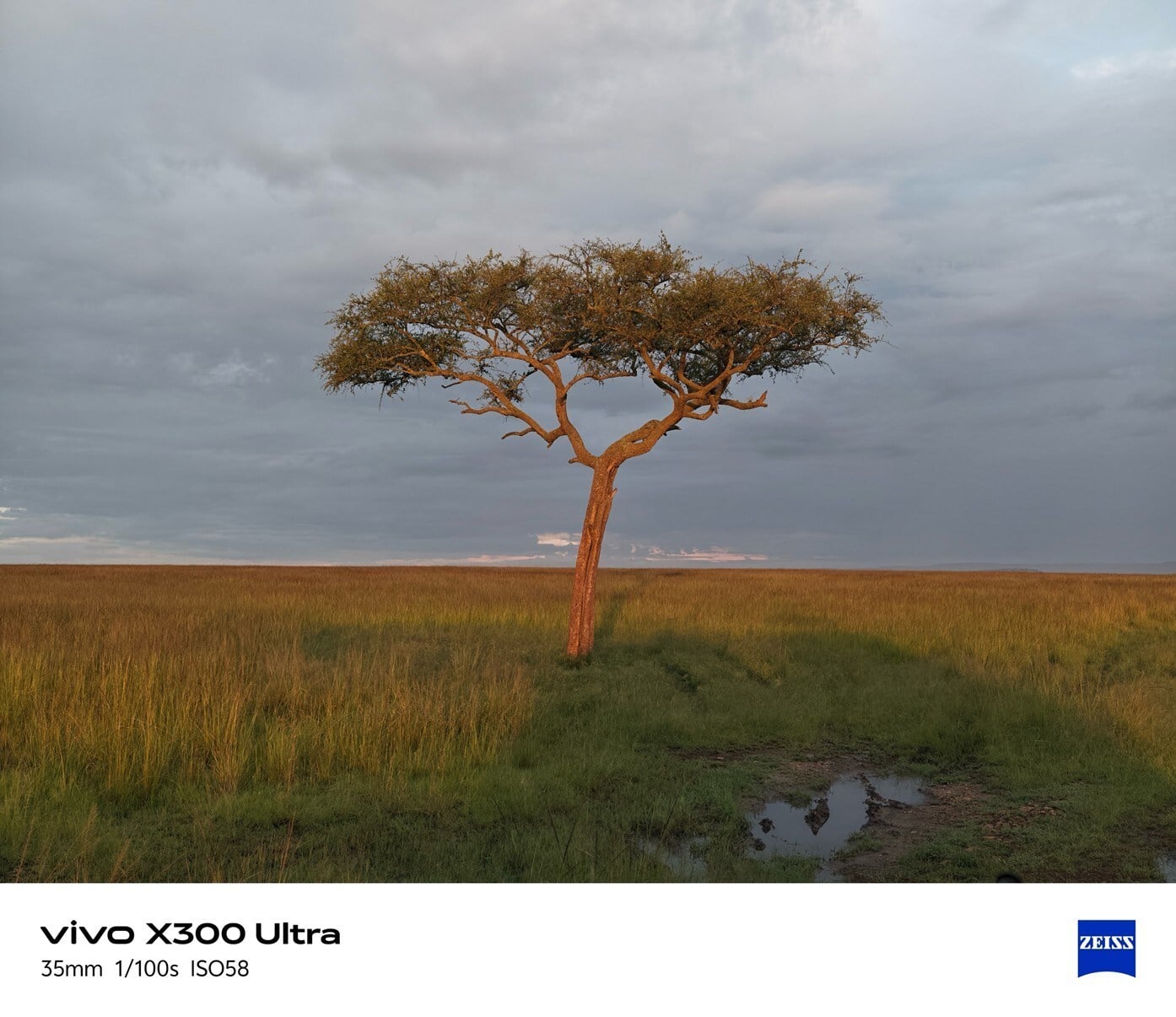
At the wider end, the 35mm ZEISS Documentary Camera uses a large Sony LYTIA 901 sensor and aims for a more natural field of view. This focal length is often favored by street photographers because it sits close to human vision.
The 14mm ultra wide camera completes the trio with a larger sensor and brighter aperture than typical ultrawides, targeting more controlled distortion for landscape and environmental work.
The more unusual part of the system comes from the telephoto extenders. Vivo offers a 400mm equivalent ZEISS Telephoto Extender Gen 2 Ultra and a 200mm version. These attachable optics extend reach far beyond typical smartphone zoom ranges. The 400mm extender uses a Kepler-inspired design with 15 glass elements and is aimed at long-distance shooting scenarios like stage photography or distant wildlife.
Pricing for the X300 Ultra starts at around 2,353 USD or approximately 1,999 EUR depending on configuration and region availability. The telephoto extenders are expected to be sold separately, though exact global pricing has not been fully confirmed at launch.
Color Science And Video Tools
Vivo also pushes its imaging identity through a new color pipeline called Vivo Color Science. It uses a multispectral sensor system with 12 color channels to analyze ambient light. The goal is more controlled tonal rendering instead of oversaturated smartphone processing.
Video capture is equally ambitious. The X300 Ultra supports 4K 120 fps recording across focal lengths, including 10-bit Log and Dolby Vision modes. This puts it in direct competition with hybrid cameras used by content creators. It also includes a pro video mode with LUT preview support and ACES workflow compatibility, which is rare in mobile devices.
Audio is handled through a quad microphone system with directional presets designed for different environments. For creators working in unpredictable conditions, this adds another layer of control beyond standard phone audio capture.
A Smaller Alternative In The Same Ecosystem
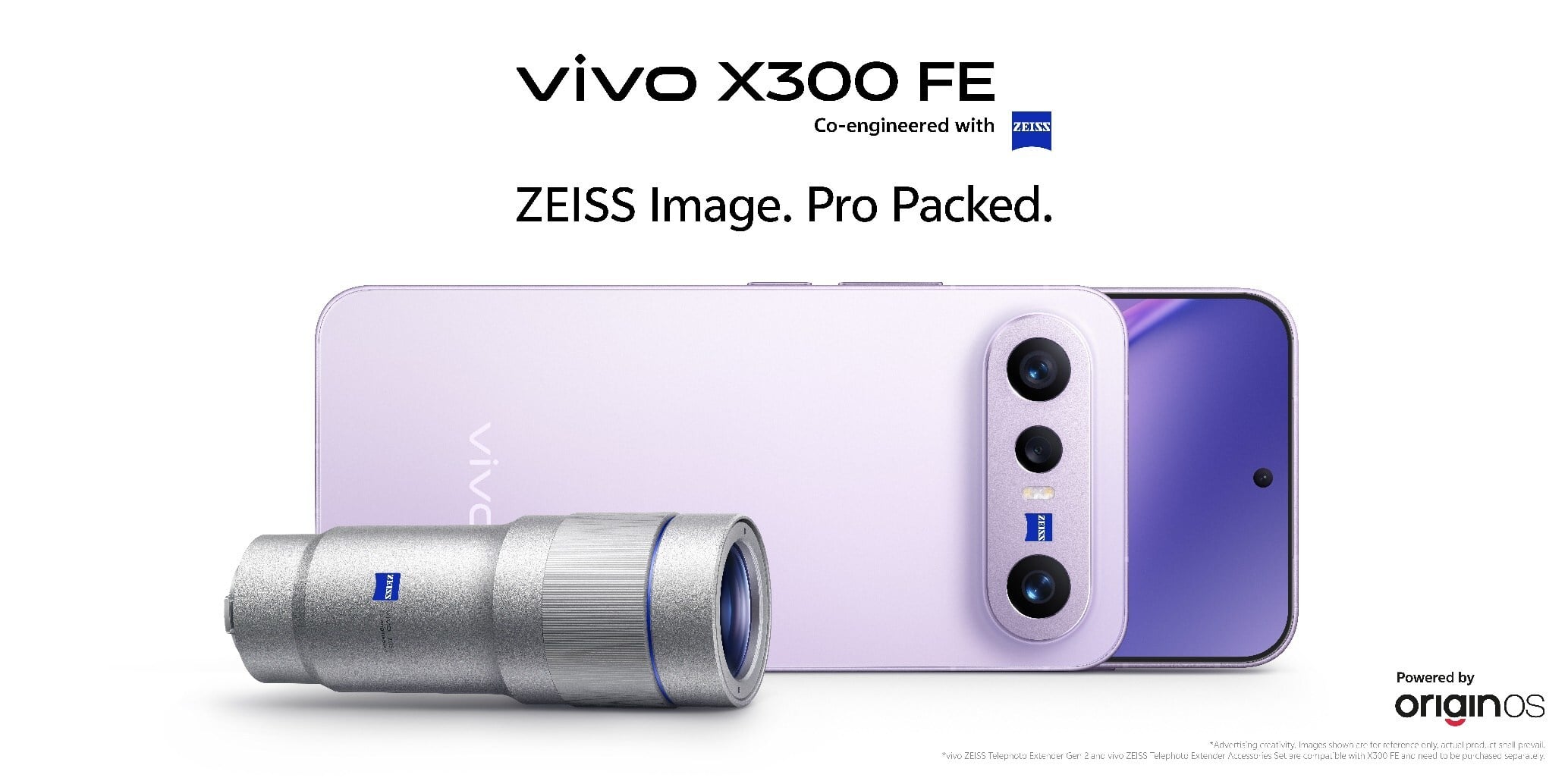
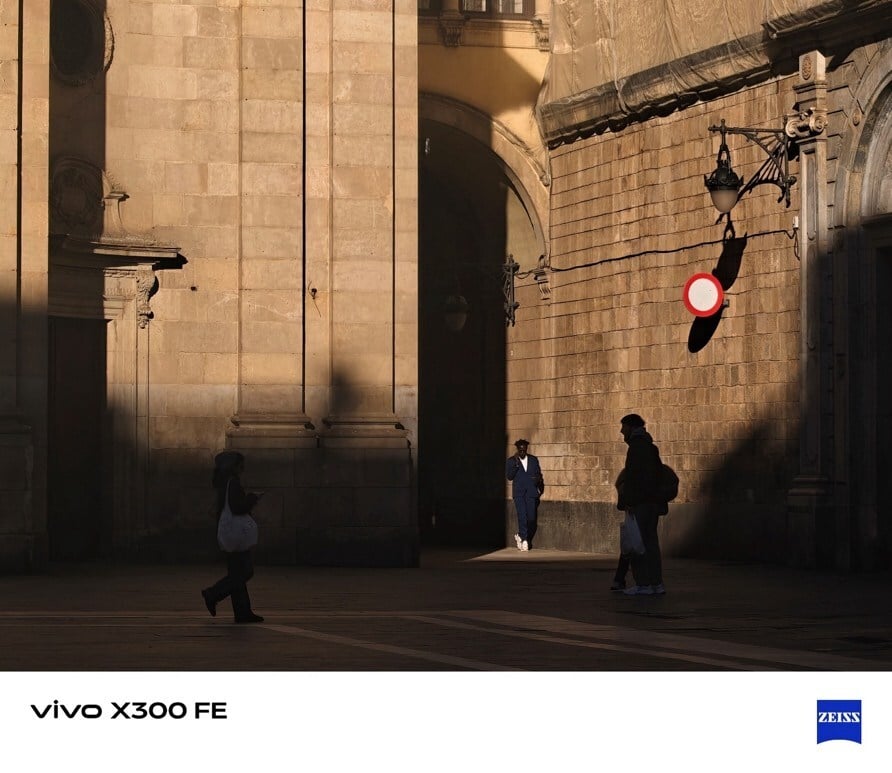
Alongside the Ultra model, Vivo introduced the X300 FE that is expected to be priced cheaper than the Ultra. It carries a lighter setup with a 50 MP ZEISS Super Telephoto camera and support for the same 200mm extender system.
The FE model focuses more on portability while still offering Stage Mode for concert and live event shooting, Dual View video, and AI-assisted image processing tools. It is clearly aimed at users who want long-range photography features without the bulk or cost of the Ultra system.
Traditional No More
The X300 Ultra does not try to behave like a traditional phone camera anymore. It now behaves more like a platform.
Between detachable optics, high-end video codecs, and computational color control, it sits in an unusual space between smartphone and dedicated imaging kit.
The bigger question is how far mobile systems can go before they fully replace compact cameras in creator workflows. For now, Vivo is clearly betting that flexibility and modular optics matter more than simplicity.
[Images via Vivo]
See more from DIYPhotography.net on Google
Add DIYPhotography.net as a trusted source. This makes
our stories more likely to appear in your Google Search results.
 Add as a preferred source on Google

Alysa Gavilan
Alysa Gavilan has spent years exploring photography through photojournalism and street scenes. She enjoys working with both film and mirrorless cameras, and her fascination with the craft has grown over the decades. Inspired by Vivian Maier, she is drawn to capturing everyday moments that often go unnoticed.



Join the Discussion
DIYP Comment Policy
Be nice, be on-topic, no personal information or flames.