

























Sony’s 200-Megapixel Sensor Aims to Set a New Standard for Mobile Photography
Dec 1, 2025
Alysa Gavilan
Alysa Gavilan has spent years exploring photography through photojournalism and street scenes. She enjoys working with both film and mirrorless cameras, and her fascination with the craft has grown over the decades. Inspired by Vivian Maier, she is drawn to capturing everyday moments that often go unnoticed.
Share:
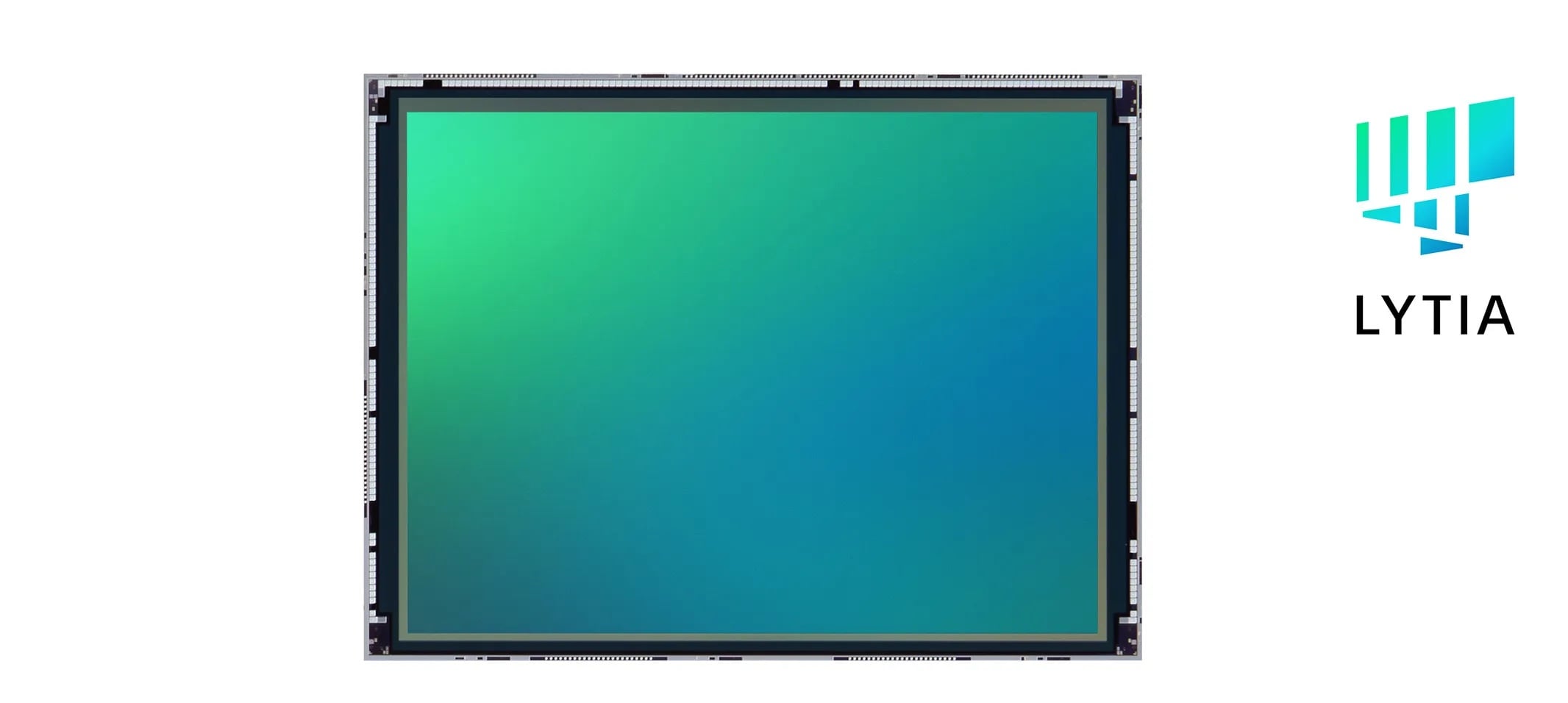
Sony is pushing the boundaries of mobile photography with its upcoming 200-effective megapixel image sensor, designed to bring high-resolution imaging and advanced zoom capabilities to smartphones.
Known for its semiconductor innovations, Sony continues to set industry standards, and this new sensor promises to deliver unprecedented image quality for mobile devices.
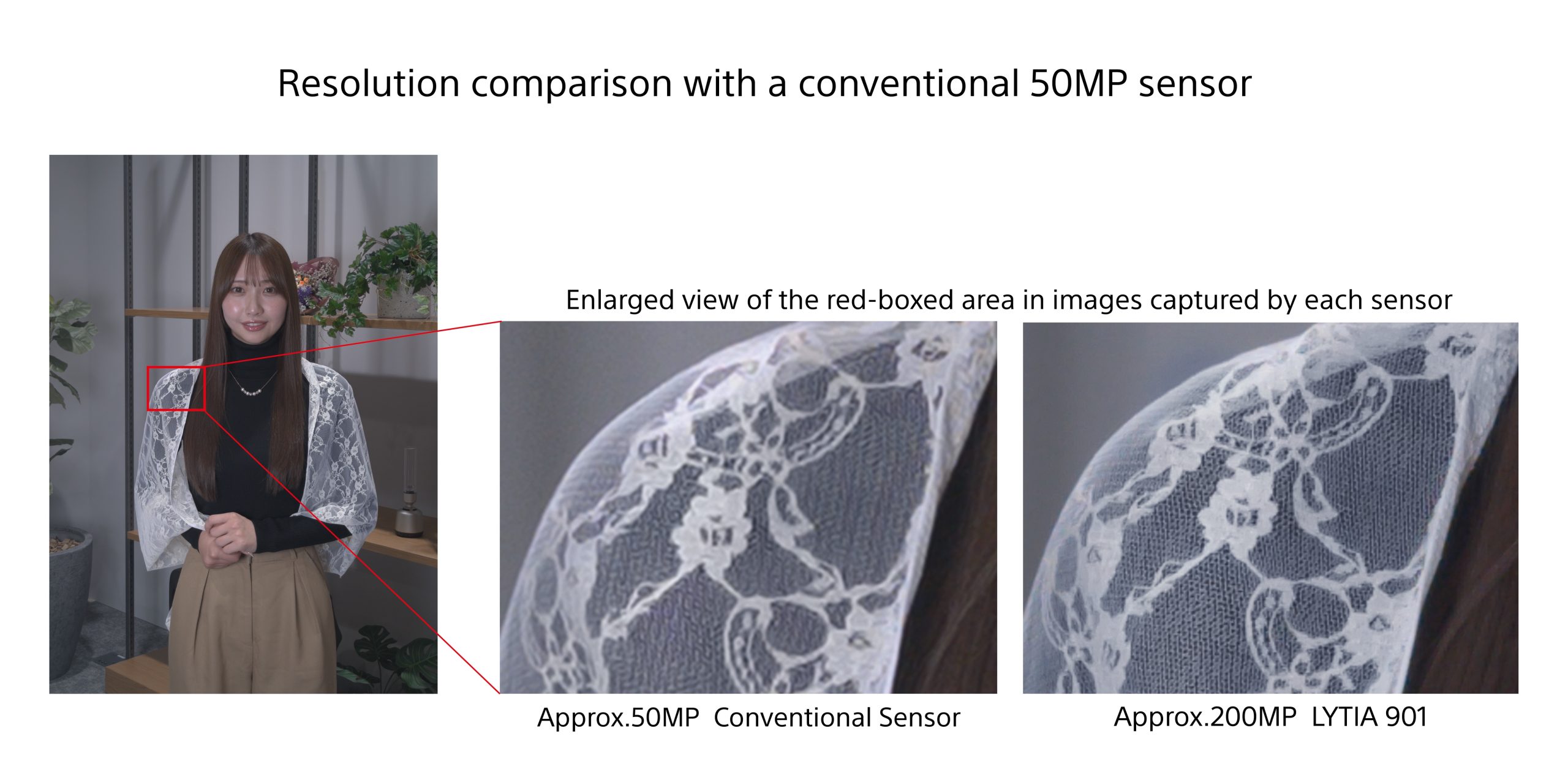
The sensor, named LYTIA 901, represents a significant leap in both resolution and processing power for compact imaging systems. With a 1/1.12-type large-format sensor and a pixel pitch of 0.7 micrometers, the LYTIA 901 can capture roughly 200 million effective pixels. Its design combines high sensitivity and high resolution, allowing users to achieve detailed images even in low-light environments.
How the LYTIA 901 Works
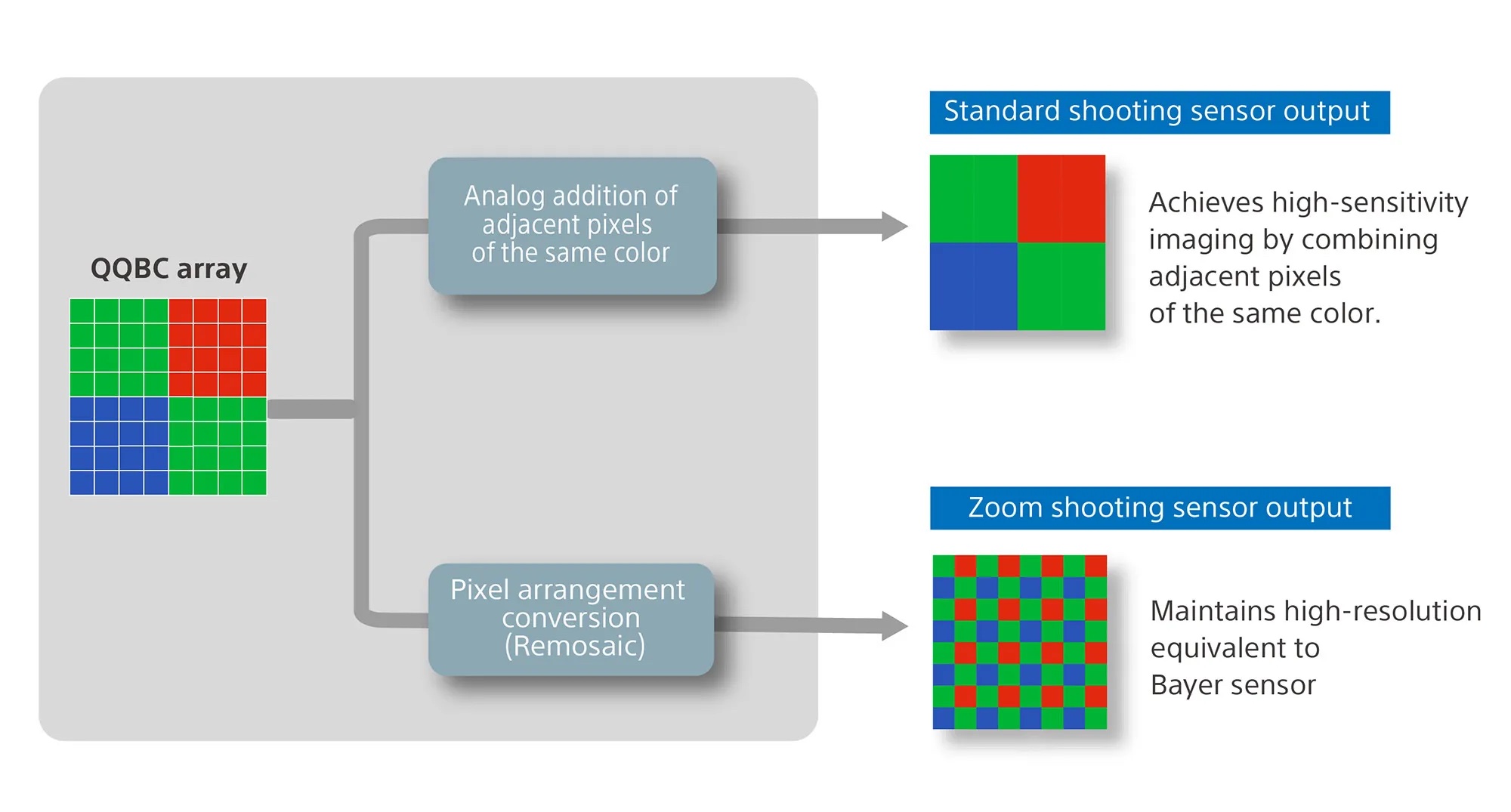
At the heart of the LYTIA 901 is a Quad-Quad Bayer Coding (QQBC) array, a technology that clusters 16 adjacent pixels with the same color filter. Under normal shooting conditions, the sensor processes these clusters as a single pixel, enhancing sensitivity and dynamic range in dimly lit scenes.
When zooming, the QQBC array can be reverted to a standard pixel arrangement through a process called remosaicing, which preserves high-resolution detail even at up to 4x optical zoom.
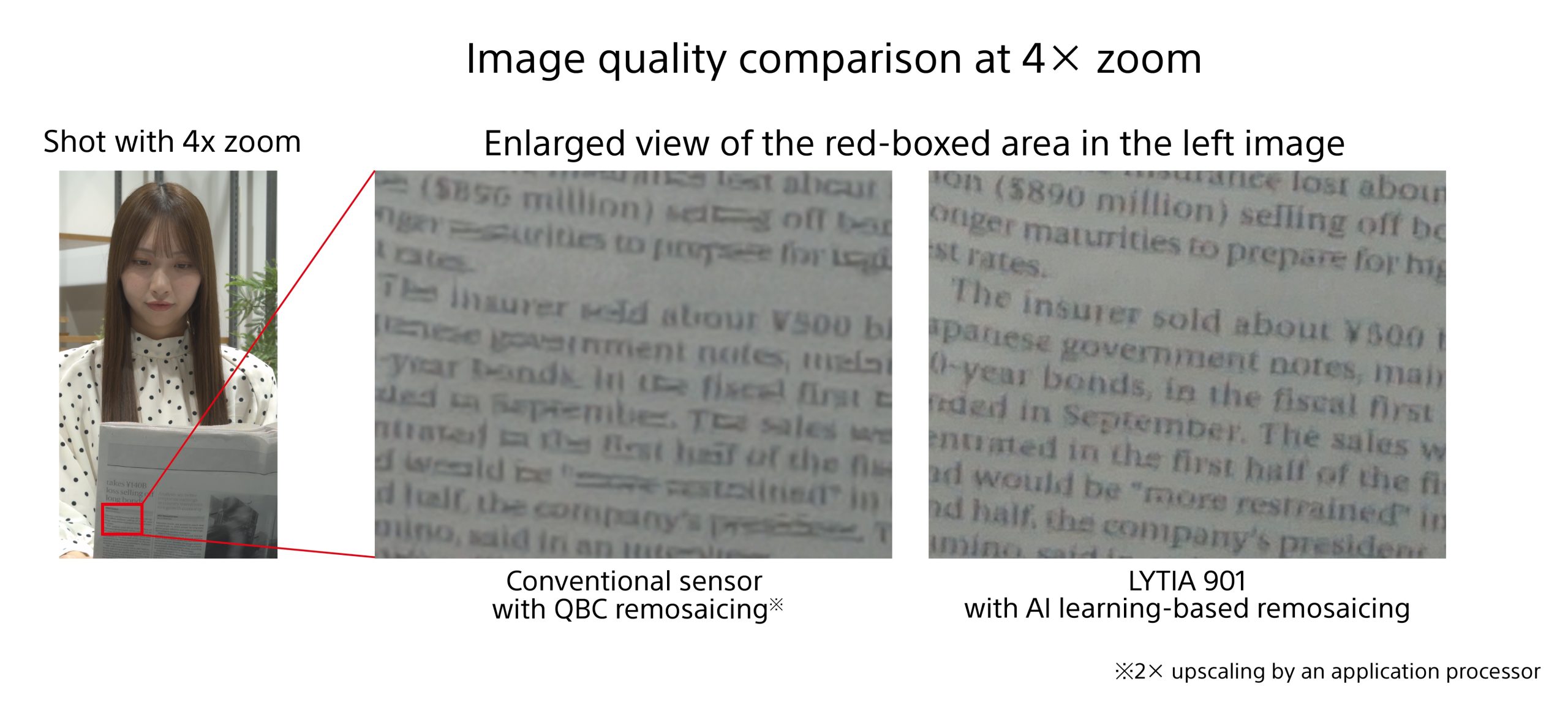
Sony has integrated AI-assisted remosaicing directly within the sensor. This allows for high-speed processing of complex image data, ensuring that fine details like textures, patterns, and letters are reproduced accurately. The AI processing also enables up to 30 frames per second of high-quality 4K video while using 4x zoom, making the LYTIA 901 suitable for both still photography and mobile videography.
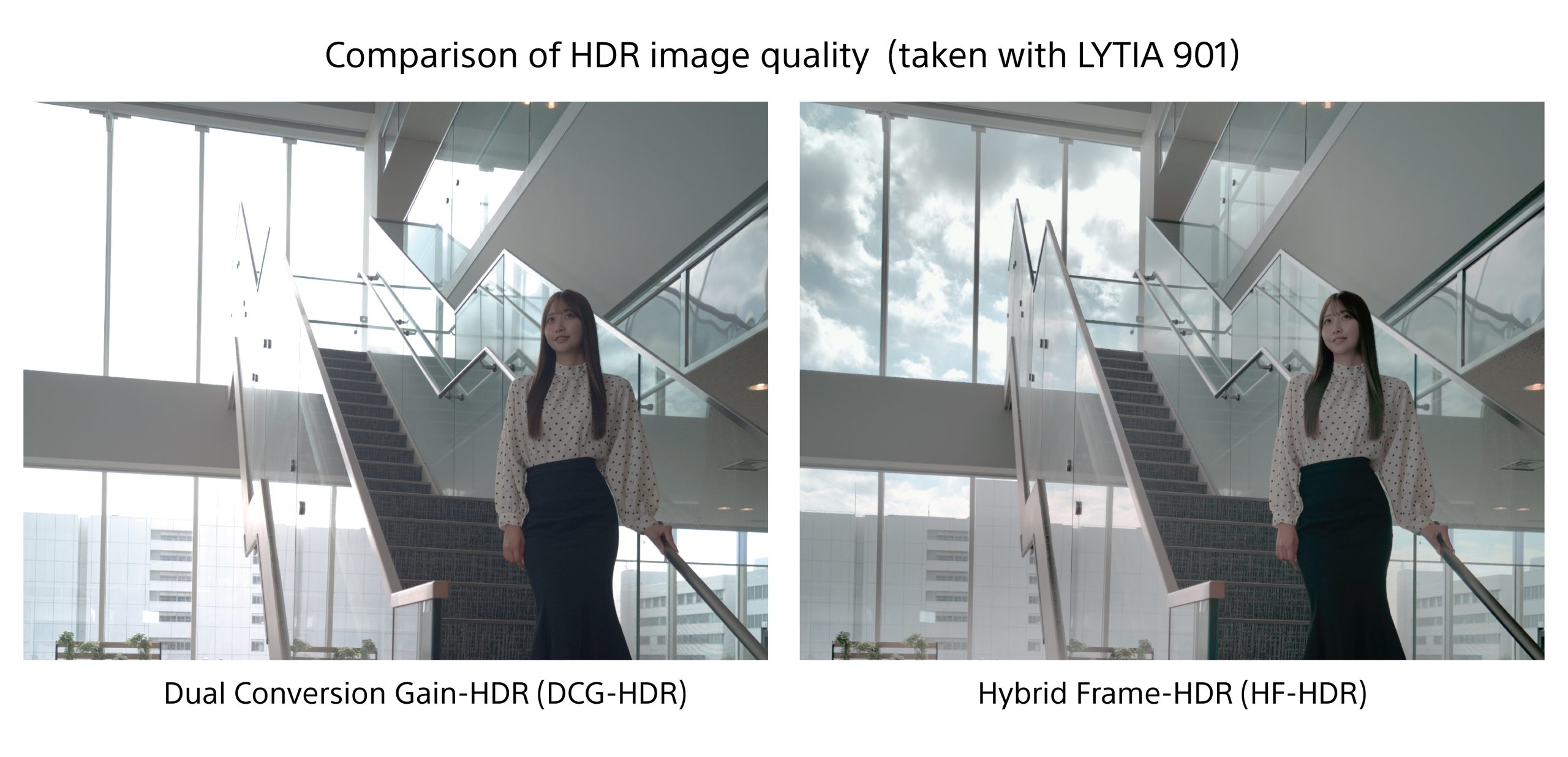
Dynamic range and tonal reproduction are also areas where the sensor excels. Technologies like Dual Conversion Gain HDR (DCG-HDR) and Fine 12-bit ADC extend tonal depth, while Hybrid Frame HDR (HF-HDR) provides over 100 decibels of dynamic range. This means highlights are preserved in bright areas, shadows retain detail, and images appear closer to what the human eye naturally perceives.
In practical terms, the LYTIA 901’s combination of high-resolution imaging, AI-assisted processing, and HDR capabilities allows for mobile photos that maintain clarity and color fidelity even under challenging conditions. You could shoot a night cityscape or a fast-paced sports scene and still expect crisp, vibrant results.
Advanced Video and Frame Rates
Sony has also focused on supporting multiple video and frame rate modes with the new sensor.
Full-resolution shooting at 200 megapixels is possible at 10 frames per second, while 50-megapixel binned shooting can reach 30 frames per second. Lower-resolution 12.5-megapixel and 8K4K shooting modes allow frame rates up to 60 and 30 fps, respectively, and 4K2K video can be captured at 120 fps.
This makes the LYTIA 901 versatile for a range of applications, from high-resolution photography to slow-motion video.
Connectivity and power efficiency were also considered in the design. The sensor supports MIPI C-PHY 2/3 trio interfaces and MIPI D-PHY 2/4 lane interfaces, allowing for high-speed data transfer while consuming minimal power. Both analog and digital circuits operate on optimized voltages to further enhance energy efficiency, a crucial factor for mobile devices.
Why It Matters
The LYTIA 901 positions Sony at the forefront of the mobile imaging market, catering to both smartphone manufacturers and high-end compact camera developers.
The combination of nearly 200 megapixels, AI-assisted processing, and advanced HDR technologies sets a new benchmark for image quality in portable devices.
For mobile photography enthusiasts, this sensor could redefine what is possible in terms of detail, low-light performance, and zoom capabilities. You may soon find mobile images rivaling those captured by professional cameras, all in a device that fits in your pocket!
[Images via Sony]
See more from DIYPhotography.net on Google
Add DIYPhotography.net as a trusted source. This makes
our stories more likely to appear in your Google Search results.
 Add as a preferred source on Google

Alysa Gavilan
Alysa Gavilan has spent years exploring photography through photojournalism and street scenes. She enjoys working with both film and mirrorless cameras, and her fascination with the craft has grown over the decades. Inspired by Vivian Maier, she is drawn to capturing everyday moments that often go unnoticed.
Related Posts
 Sensor leak shows the Sony A7S III will see 10-Bit 4K 60FPS with a 15-megapixel Quad Bayer sensor
 Smartphones with a new 200-megapixel Samsung ISOCELL sensor reported to be coming soon
 Sony unleashes world’s largest and highest resolution 128-megapixel global shutter CMOS sensor
 Zeiss May Have Revealed the Upcoming Sony A7r Mark II and a 56+ Megapixel Sensor
Join the Discussion
DIYP Comment Policy
Be nice, be on-topic, no personal information or flames.