



















The Ultimate Guide to High-Speed Photography
Nov 14, 2025
Alysa Gavilan
Alysa Gavilan has spent years exploring photography through photojournalism and street scenes. She enjoys working with both film and mirrorless cameras, and her fascination with the craft has grown over the decades. Inspired by Vivian Maier, she is drawn to capturing everyday moments that often go unnoticed.
Share:

Have you ever tried to watch a balloon pop or a water droplet hit a surface and realized your eyes just can’t keep up? The moment is there, then gone, leaving only the memory of a splash or a blur. High-speed photography steps in to catch those fleeting instants, freezing them into sharp, detailed images that reveal hidden beauty and motion we would otherwise miss. It feels almost like magic at first, but really it’s the result of careful timing, clever use of light, and the right gear.
The good news is that you don’t need to be a scientist in a lab or an engineer testing rockets to give it a try. With the right approach, even a beginner with a decent camera can experiment with water splashes in the kitchen sink, playful shots of pets in mid-air, or sports moments that look like they belong on the front page.
This guide walks you through the essentials, including the history of high-speed photography, the best equipment and settings, and the creative and practical challenges that come with it. This way, you can start exploring a world that exists in the blink of an eye!
What You Need To Know About High-Speed Photography
What is High-Speed Photography?
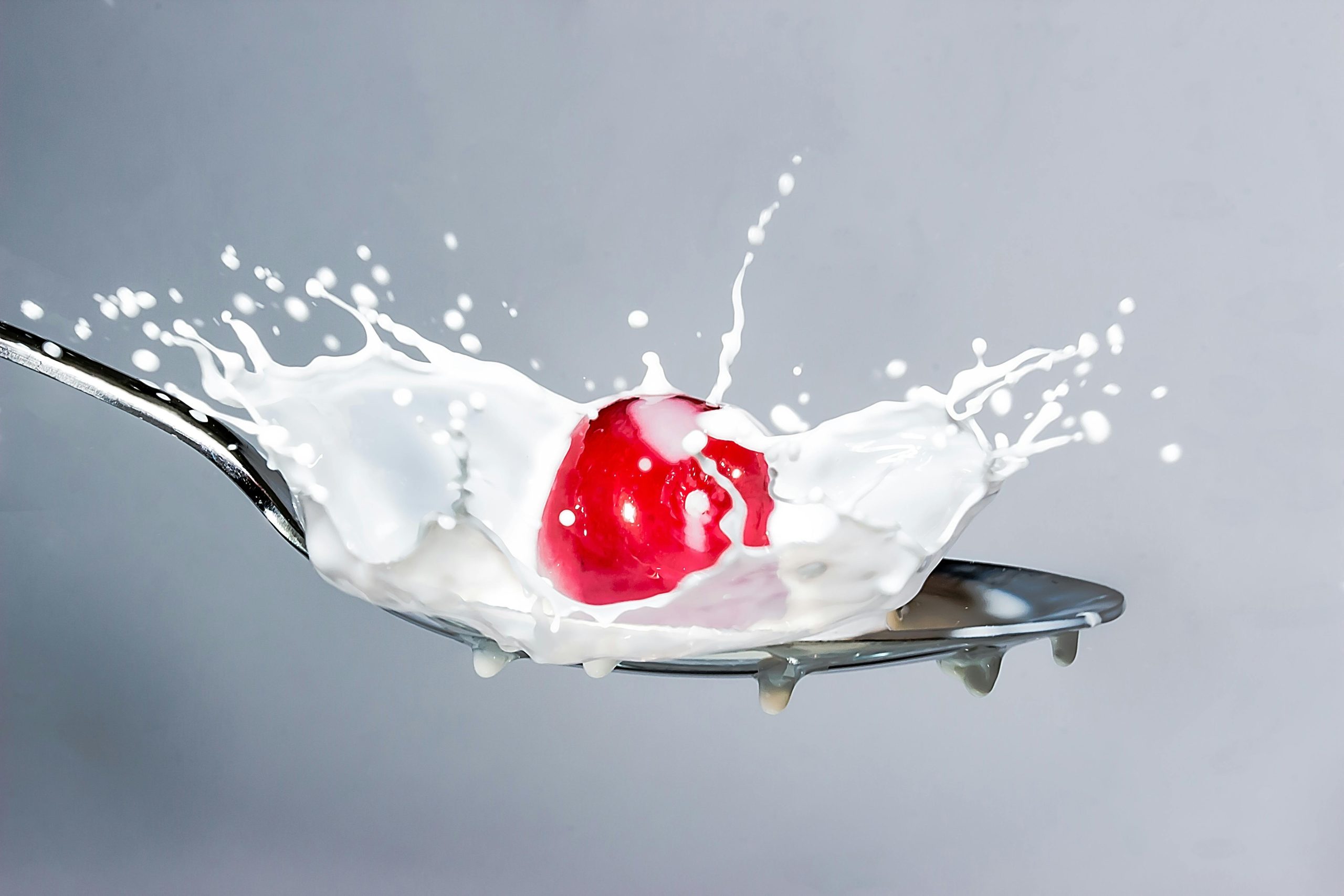
High-speed photography is the practice of capturing events that unfold so quickly they escape the naked eye. Examples of this include a water droplet splashing against a surface, the exact instant a balloon tears open, and the microsecond a bat strikes a baseball. A camera, however, can freeze these moments with incredible clarity.
High-speed photography is both a creative challenge and a scientific tool. The concept might sound technical, but the idea is really just simple. You are bending time to your will. You stop motion by shortening the exposure to a fraction of a second. By recording multiple frames in rapid succession, you reveal patterns hidden in continuous movement.
It also teaches us patience. Unlike casual snapshots, these images require anticipation, preparation, and often a little bit of luck. Every attempt sharpens your instincts. Every success feels like a glimpse into a secret world.
How Did High-Speed Photography Begin?
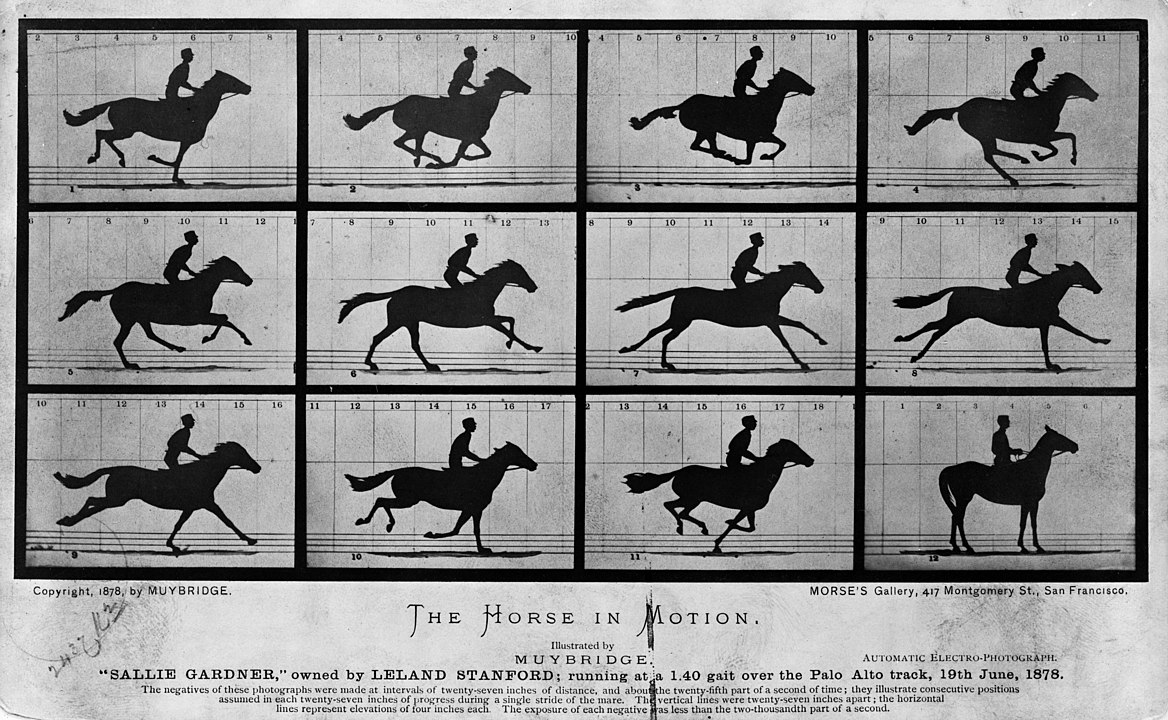
Photography itself began in the 19th century, and Eadweard Muybridge became one of the most famous early pioneers. Commissioned in the 1870s to settle a debate about horse locomotion, he set up a line of cameras triggered by tripwires. The resulting images proved that at full gallop, all four hooves leave the ground. Those still frames stitched together became the foundation of motion-picture science.
Later, Harold Edgerton of the Massachusetts Institute of Technology revolutionized the field with stroboscopic flash in the 1930s. His iconic photographs include bullets piercing apples, milk droplets forming coronets, and hummingbird wings frozen in mid-flap. These transformed how people saw the world. His inventions not only made high-speed imagery possible but also democratized it for other photographers and scientists.
Technology has advanced dramatically since then. Film gave way to digital sensors. Mechanical shutters grew faster, and electronic shutters made even shorter exposures possible. High-speed cameras now capture thousands, sometimes millions, of frames per second. While these are often reserved for laboratories and industrial testing, even consumer-level cameras today can achieve feats unimaginable to Muybridge or Edgerton.
Where Can You Use High-Speed Photography?
High-speed photography appears across disciplines. Scientists use it to break down the mysteries of flight, fluid dynamics, or the behavior of projectiles. Engineers, meanwhile, depend on it for crash testing, materials research, and quality control.
Sports and wildlife photographers use it to freeze decisive moments. These can include a soccer ball bent into the net, a falcon diving on prey, or a gymnast in mid-twist. These moments can all become clearer when captured at impossible speed.
Artists, meanwhile, use high-speed work to craft surreal images. Paint splatters turn into sculptures in the air. Water balloons explode into elegant fragments. Everyday items become extraordinary when photographed at the right instant.
High-speed photography techniques can also influence entertainment. For example, movies rely on slow-motion scenes created with high-speed cameras. Advertisements use splash imagery and product shots enhanced with precise timing. The range of applications is vast, which proves that high-speed photography in itself is a language of visual storytelling.
The Best Camera Gear for High-Speed Photography
What is the Best Camera Body for High-Speed Photography?
Speed and responsiveness matter more than megapixels when you’re choosing a camera for high-speed work.
A good camera body for high-speed photography should have:
- High burst rate: The more frames per second your camera can shoot, the better your chance of catching the perfect moment.
- Large buffer: Shooting fast bursts fills the camera’s memory quickly. A large buffer prevents lag or missed shots.
- Minimal shutter lag: Even a fraction of a second delay between pressing the button and capturing the image can ruin timing.
- Strong autofocus system: Tracking fast-moving subjects requires intelligent focusing.
Professional DSLRs and modern mirrorless cameras excel here. Mirrorless models in particular often have silent electronic shutters capable of faster speeds than mechanical systems.
For specialized projects, researchers use dedicated high-speed cameras capable of thousands of frames per second. These can capture a balloon bursting not just in one image but in a sequence that shows every stage of the tear. While out of reach for most enthusiasts, they demonstrate the full potential of the field.
What Lens Should I Use for High-Speed Photography?
The lens you pick shapes the perspective and controls how much light reaches the sensor.
- Fast prime lenses (like 50mm f/1.8 or 85mm f/1.4) allow wide apertures that let in more light. This is helpful when you need short exposures without raising ISO.
- Macro lenses excel in close-up work, such as water drops or insects. They magnify details that otherwise go unnoticed.
- Telephoto lenses are essential for sports or wildlife, letting you capture fast motion from a safe distance.
Autofocus performance also matters. For studio work, you can pre-focus on a set point. For dynamic subjects, like birds in flight, a lens with fast focusing motors is essential.
Ultimately, there is no single “best” lens. The right choice depends on your subject and environment.
Is Flash Important When Doing High-Speed Photography?
Flash often makes or breaks high-speed photography. A flash can emit light lasting only a few microseconds. That burst is what freezes the action, not just the shutter speed.
In a controlled studio, you can darken the room and use the flash as the only light source. The exposure becomes dependent on flash duration rather than the shutter. This method allows for crystal-clear shots of shattering glass, splashing liquids, or bursting balloons.
Outdoors, flashes are less practical, especially with distant subjects. In those cases, natural light and fast shutter speeds carry the load. Still, powerful strobes and portable flashes give creative options for action shots, product photography, or artistic experiments.

The Best Camera Settings To Use for High-Speed Photography
Is Shutter Important for High-Speed Photography?
Shutter speed plays a critical role in high-speed photography because it directly determines how effectively a moving subject can be frozen within the frame. It is, however, not the only factor that defines clarity or sharpness.
In situations where natural light is abundant, including outdoor sports events or wildlife photography, you often rely on extremely fast shutter speeds, sometimes reaching 1/2000th of a second or higher, to capture a subject in motion with enough precision that the details remain sharp and undistorted.
In studio environments, however, the equation changes because the shutter speed itself does not always need to be at the extreme limit. The actual freezing of motion instead comes from the flash burst, which can last only a fraction of a millisecond.
In these controlled scenarios, the shutter acts less like a barrier against motion blur and more like a timing mechanism that ensures the camera’s sensor is open to record the event at the exact instant the flash fires.
Understanding this balance between shutter speed and flash duration allows photographers to adapt their approach depending on whether they are working outdoors in bright daylight or indoors under carefully managed lighting conditions. It also highlights why mastering both tools is essential for consistently successful high-speed imagery.
What Is The Right Exposure for High-Speed Photography?
Achieving the correct exposure in high-speed photography often feels like solving a complex puzzle. This is mainly because the very settings you use to freeze motion — fast shutter speeds, narrower apertures for sharpness, or lower flash durations — are the same ones that reduce the amount of light hitting the sensor.
To compensate for this reduction, photographers must think carefully about the overall balance of the exposure triangle, raising ISO when necessary while being mindful of digital noise, widening the aperture for greater light intake while managing depth of field, and adjusting lighting output in order to create a workable compromise between clarity and brightness.
In natural-light conditions, such as outdoor sports, bright sunlight often makes the process easier, giving you the freedom to select very fast shutter speeds without having to sacrifice image quality by pushing ISO too high.
In darker environments or studio experiments, however, the challenge intensifies, and supplemental lighting becomes almost mandatory because even the most sensitive sensors cannot always handle the combination of rapid shutter speeds and limited ambient light.
What defines “the right” exposure, then, is not a universal number but rather the point at which highlights remain controlled, shadows retain some detail, and the subject is presented with enough crispness to reveal its motion without compromise.

Should I Tinker with Depth of Field for High-Speed Photography?
Depth of field is another layer of creative control in high-speed photography. While it might not seem as critical as shutter speed or exposure, it shapes the final image in subtle yet important ways.
Using a shallow depth of field can help isolate a subject such as a falling droplet, an insect in flight, or a small object mid-explosion, turning the background into a soft blur that emphasizes the drama of the frozen moment.
On the other hand, when you are working in environments where context matters, you may prefer a deeper depth of field to ensure that more of the frame remains sharp and legible. The decision really comes down to intent. Are you aiming for an artistic rendering that highlights the elegance of one subject alone, or are you telling a broader story that requires environmental detail to remain visible?
Because aperture adjustments also affect exposure, tinkering with depth of field inevitably feeds back into the larger balancing act of light, speed, and clarity, reminding photographers that every choice in high-speed photography is interconnected and that achieving the desired effect often requires compromise, careful testing, and patience.
Starting High-Speed Photography
A. What Are The Things to Keep In Mind When Planning to Do High-Speed Photography?
When planning to attempt high-speed photography, one of the most important considerations is the predictability of the subject’s movement and the ability to anticipate exactly where and when the critical action will occur.
Studying the subject beforehand helps you recognize patterns and intervals that allow you to time your shots more effectively. It is also essential to control the environment as much as possible, since stray reflections, distracting backgrounds, or uncontrolled light sources can introduce chaos into a process that already demands precision.
Another factor that should never be overlooked is safety, because many high-speed experiments involve breaking objects, pressurized materials, or fast-moving items that could cause harm if precautions are ignored. Wearing protective glasses, keeping delicate equipment at a safe distance, and maintaining a clean, controlled workspace are all part of responsible preparation.
Finally, simplicity in setup often produces the best results, because it reduces the number of unpredictable elements and lets you focus your attention on the subject itself rather than wrestling with unnecessary complications.
Where Can I Practice High-Speed Photography?
You don’t need access to a professional studio or expensive laboratory equipment to begin exploring high-speed photography. Some of the most rewarding practice sessions can take place in your own home using simple subjects and improvised setups.
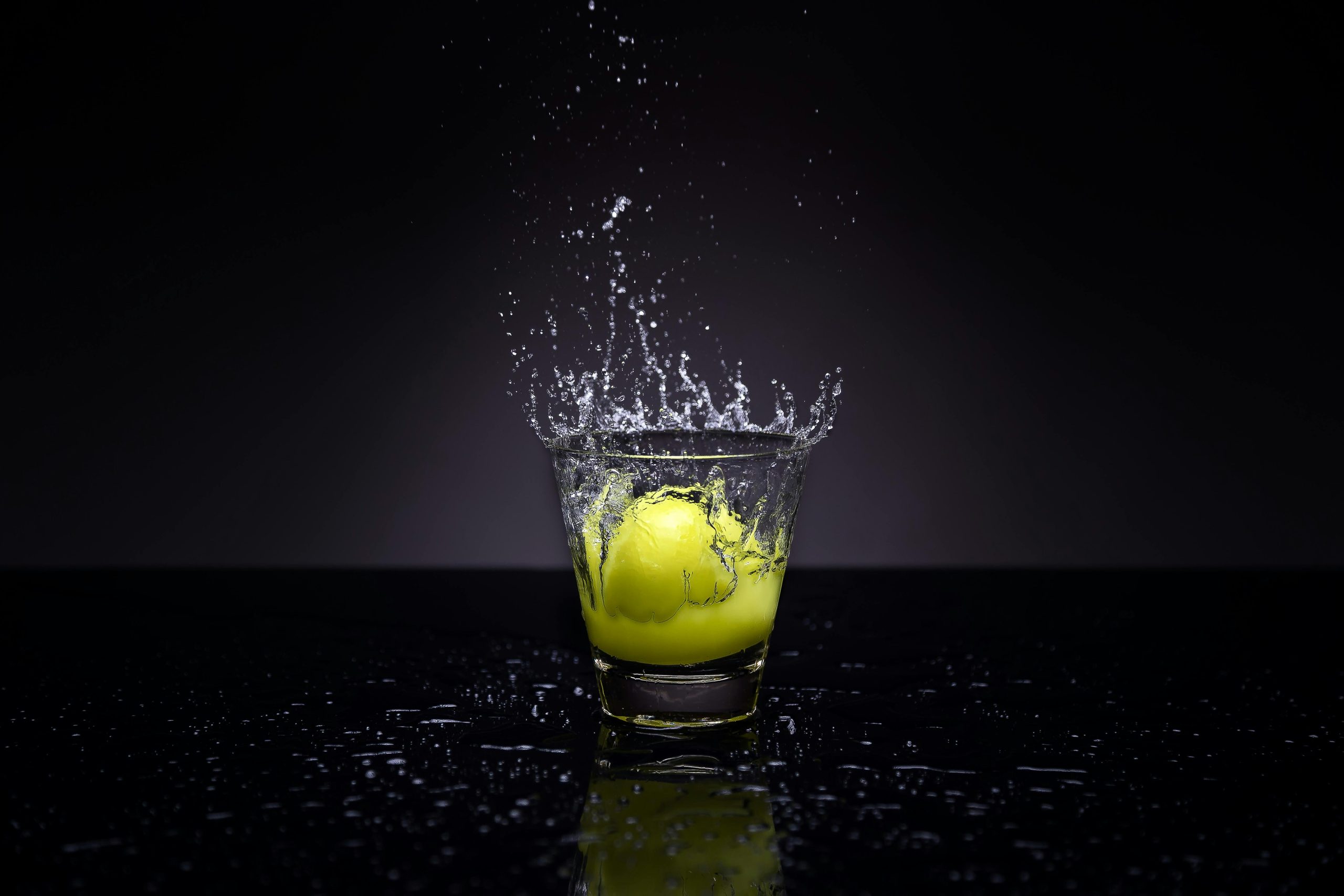
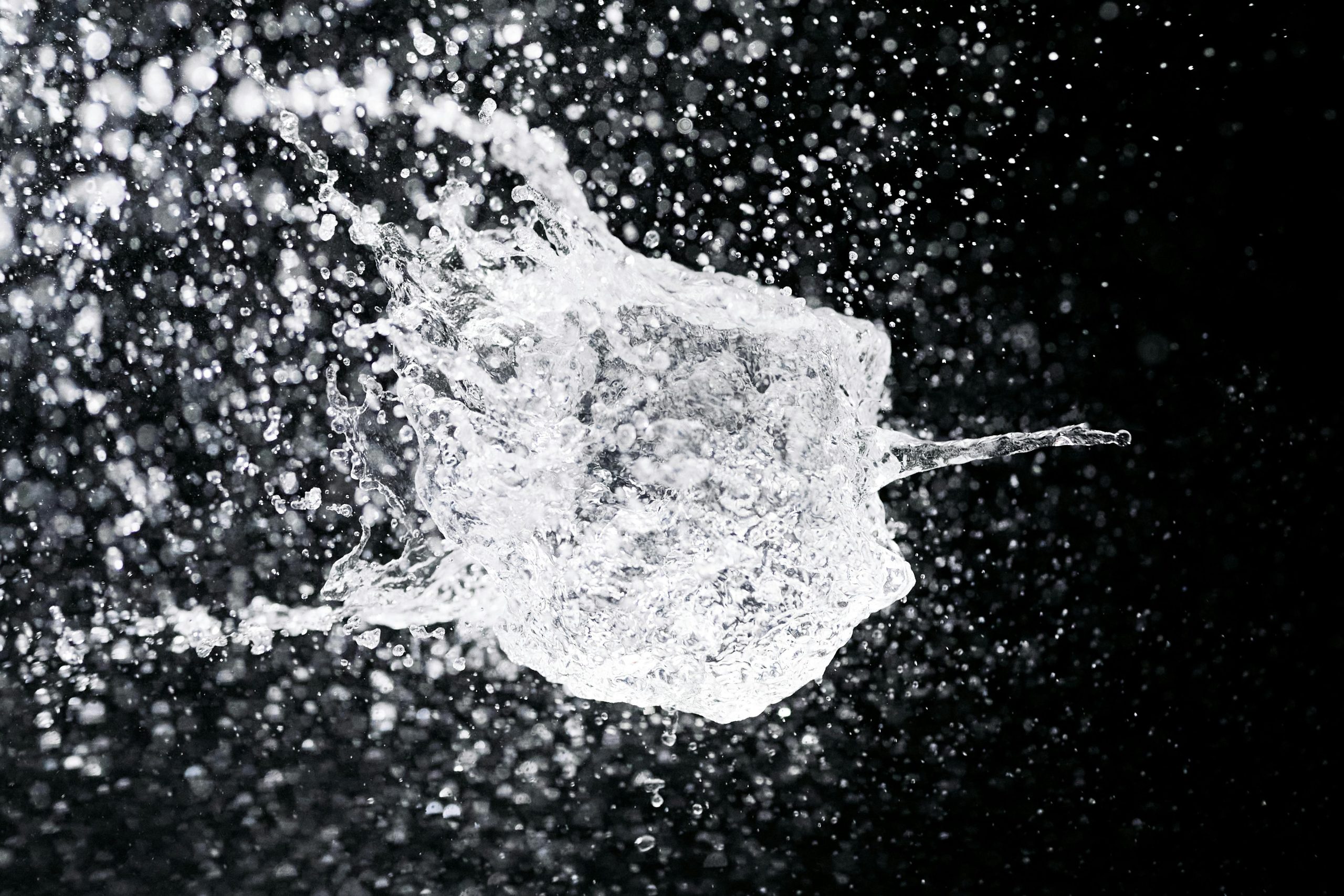
For example, a kitchen sink can serve as a stage for water droplet photography, where you experiment with timing, lighting, and focus until you achieve the classic image of a crown splash. A living room or backyard, meanwhile, can become a testing ground for balloon bursts, falling objects, or even the sudden movement of pets, all of which provide opportunities to refine your reflexes and improve your control over camera settings.
As you grow more confident, outdoor environments offer broader practice opportunities. You can maybe venture into photographing local athletes at community events to capturing the sudden flight of birds or insects in natural settings.
Each of these exercises trains you to anticipate motion, recognize patterns, and adapt to lighting challenges, all of which build the skills needed for more advanced high-speed work. By treating every attempt as both practice and discovery, you gradually build the instincts that make capturing fleeting moments feel more natural and less like a game of chance.
How To Best Capture High-Speed Photography?
Capturing high-speed photographs successfully requires more than simply setting your camera to burst mode and hoping for the best. This is because the speed of the events you are recording often outpaces even the fastest reflexes.
Many photographers rely on external tools such as sound triggers, laser sensors, or motion detectors, which can be connected to cameras or flashes so that the equipment fires at the precise moment an event begins. This ensures consistency and accuracy that would be impossible to achieve by hand.
But even without such tools, practice and repetition remain powerful allies, because through repeated attempts you learn the rhythm of a subject’s behavior and can narrow down the likely instant when the decisive moment will occur.
Shooting in bursts can improve your odds of success, but bursts alone rarely guarantee the perfect frame, which is why preparation, patience, and the willingness to repeat an experiment dozens of times are all part of the process.
Over time, the frustration of missed shots diminishes as you recognize that every failure provides information, and each new attempt brings you closer to the image you envisioned when you began.
Can I Post-Process Photos?
Post-processing in high-speed photography is not only useful but often necessary, because even the most carefully planned shoots produce images that benefit from refinement. Adjustments to contrast, exposure, and color balance can enhance clarity and bring out the details hidden in shadows or highlights, while sharpening tools can emphasize the crispness of edges, making the frozen moment appear even more striking.
Editing software also allows you to remove distractions such as dust particles, stray reflections, or splashes that detract from the subject, ensuring that the viewer’s attention remains fixed on the main event.
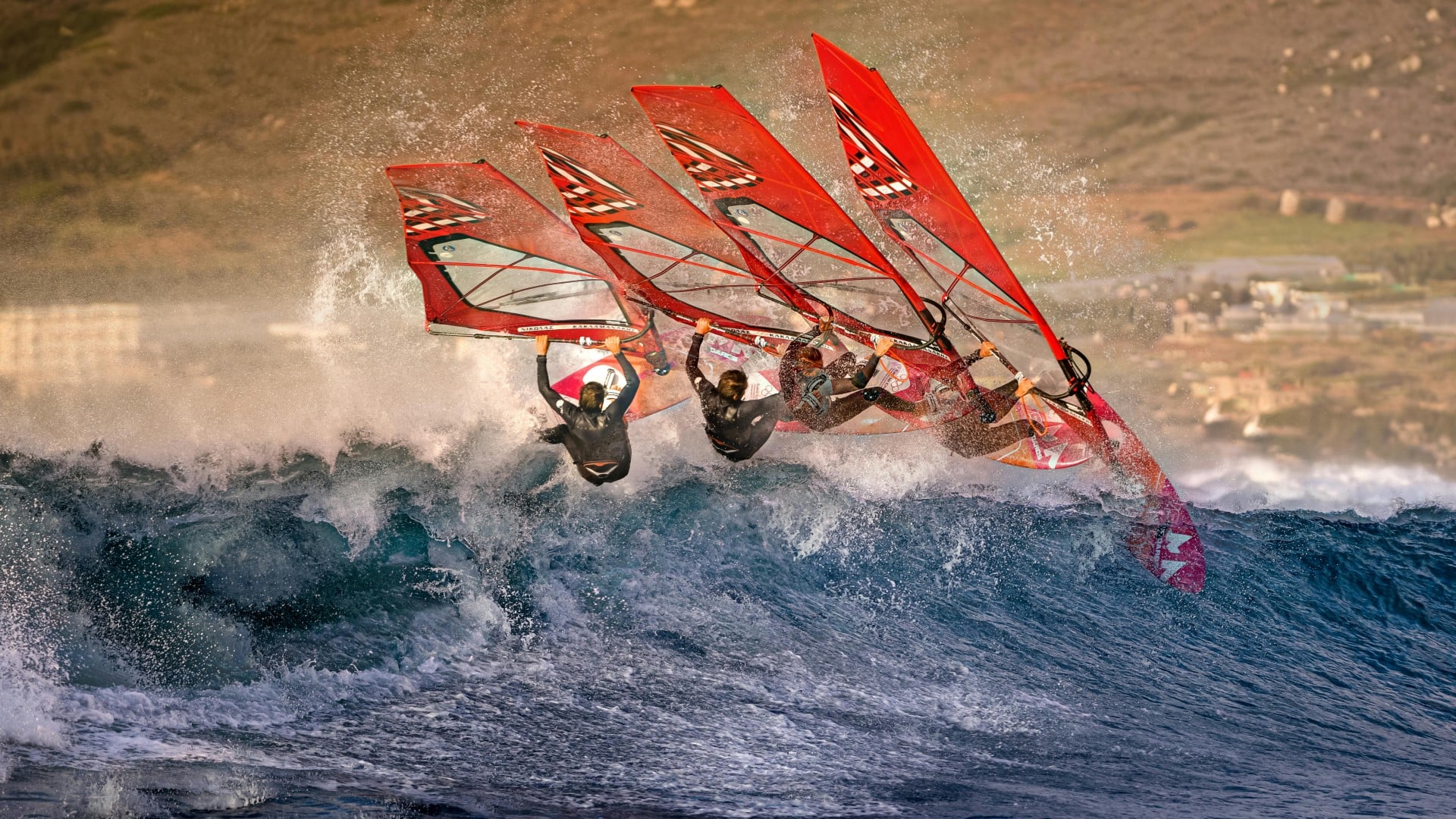
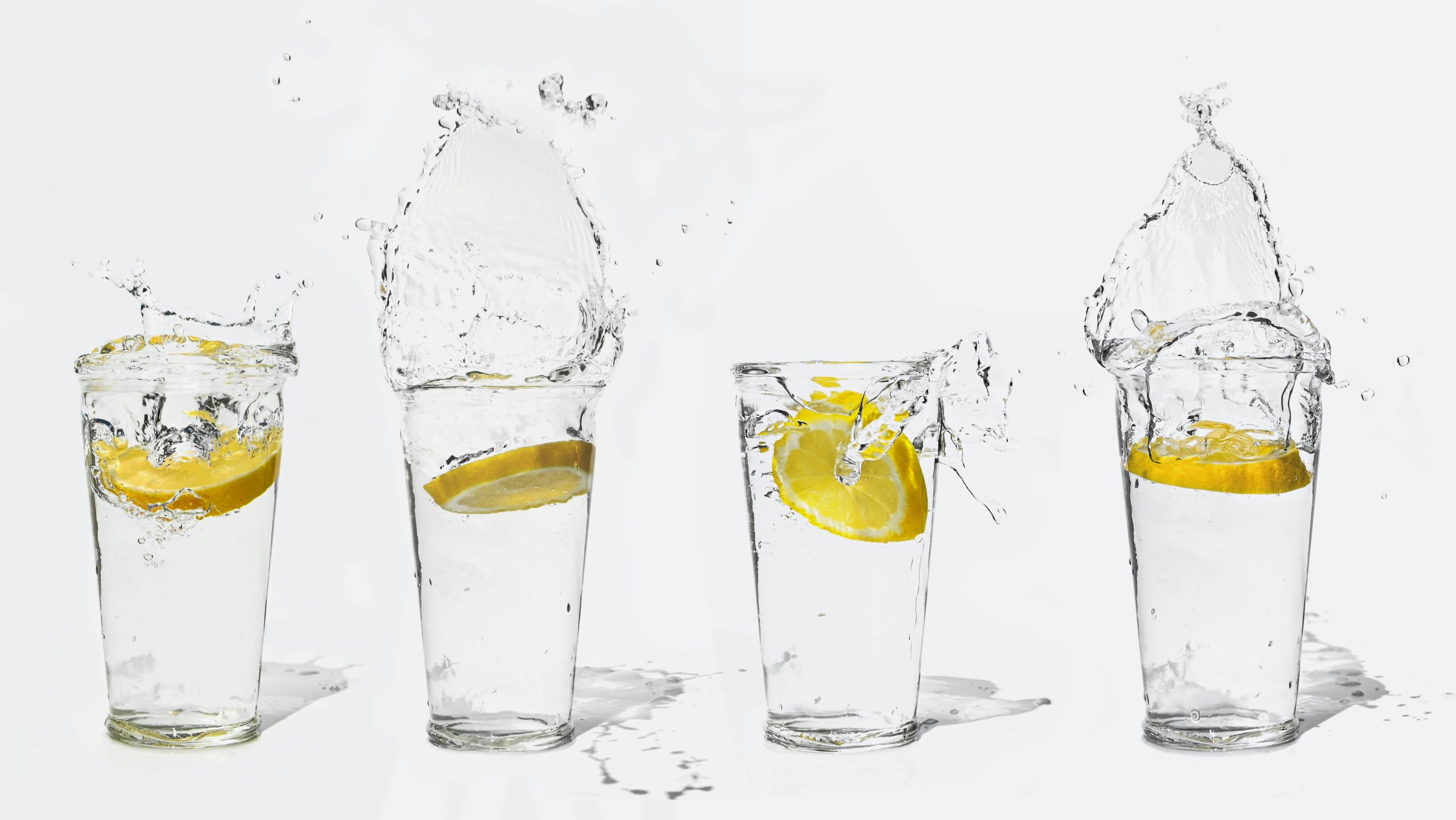
Some photographers also use compositing techniques to combine multiple frames, especially when they want to present the stages of a single event in one dramatic image.
While purists may argue that the essence of high-speed photography lies in capturing everything in-camera, post-processing should be seen as a continuation of the creative process.
Limitations of High-Speed Photography
What Are the Pros?
One of the strongest advantages of high-speed photography is its ability to reveal the unseen, because it allows us to pause and examine slices of reality that would otherwise vanish before we could appreciate them.
By freezing a moment as short as a fraction of a millisecond, it offers a new perspective on motion, one that transforms ordinary events into extraordinary displays of beauty and complexity.
Beyond its visual appeal, high-speed photography also serves as an educational tool, deepening our understanding of physics, biology, and engineering by providing visual evidence of forces and behaviors that we could only theorize about before the invention of such techniques.
For photographers themselves, it offers the challenge of mastering timing, precision, and lighting, all of which sharpen creative instincts and technical skills that translate into other areas of photography.
Above all, the thrill of capturing an image that literally no one else could see with the naked eye gives high-speed photography a sense of wonder that keeps practitioners motivated despite its challenges.
What Are the Cons?
Despite its rewards, high-speed photography also presents a series of limitations that can discourage beginners and test the patience of even seasoned professionals.
The equipment required for consistent success often comes at a high cost, since fast cameras, powerful flashes, and specialized triggers are not inexpensive, and even basic setups can demand more investment than other forms of photography.
Lighting is another significant hurdle, because the very techniques that freeze motion reduce the amount of light available, making it necessary to work with either very bright environments or supplemental lighting equipment.
The process itself is also demanding in terms of time and energy, because setting up experiments, testing angles, repeating shots, and cleaning up afterward can take hours for only a handful of usable images.
Moreover, the unpredictability of fast-moving subjects means that many attempts result in failure, and for photographers who prefer instant results, this can feel discouraging.
Taken together, these challenges illustrate why high-speed photography, while captivating, is not the most accessible field for every photographer, and why those who pursue it must cultivate patience, resilience, and a genuine passion for discovery.
See more from DIYPhotography.net on Google
Add DIYPhotography.net as a trusted source. This makes
our stories more likely to appear in your Google Search results.
 Add as a preferred source on Google

Alysa Gavilan
Alysa Gavilan has spent years exploring photography through photojournalism and street scenes. She enjoys working with both film and mirrorless cameras, and her fascination with the craft has grown over the decades. Inspired by Vivian Maier, she is drawn to capturing everyday moments that often go unnoticed.
Related Posts
 Profoto releases the D30 500Ws Monolight, a high-precision, high-speed studio light
 The “Ultimate Lens Hood” is… the ultimate lens hood?
 Depth of Field: the ultimate beginner’s guide to controlling depth of field using lens aperture in nature photography
 The Ultimate Guide to Concert Photography: Gear, Settings, Techniques & More
Join the Discussion
DIYP Comment Policy
Be nice, be on-topic, no personal information or flames.