


















Mini Drone Photography: Best Compact Drones for Travel
Nov 14, 2025
Darlene Lleno
Darlene Lleno brings a unique perspective to DIY Photography as someone who grew up surrounded by camera gear but chose words over lenses. With five years of writing experience, she specializes in photography content that’s both technically informed and genuinely passionate. Growing up with a photographer twin brother meant camera talk was everyday conversation in her household. While he mastered capturing moments, Darlene discovered she preferred being the subject and the storyteller behind the scenes. As a travel enthusiast and mother of two, she understands the importance of preserving life’s precious moments. When not exploring new destinations or writing for DIY Photography, you’ll find her reading or tending to her garden. Her approach to photography writing is refreshingly authentic, she may not be behind the camera, but she knows exactly what it takes to help others capture the shots that matter most.
Share:
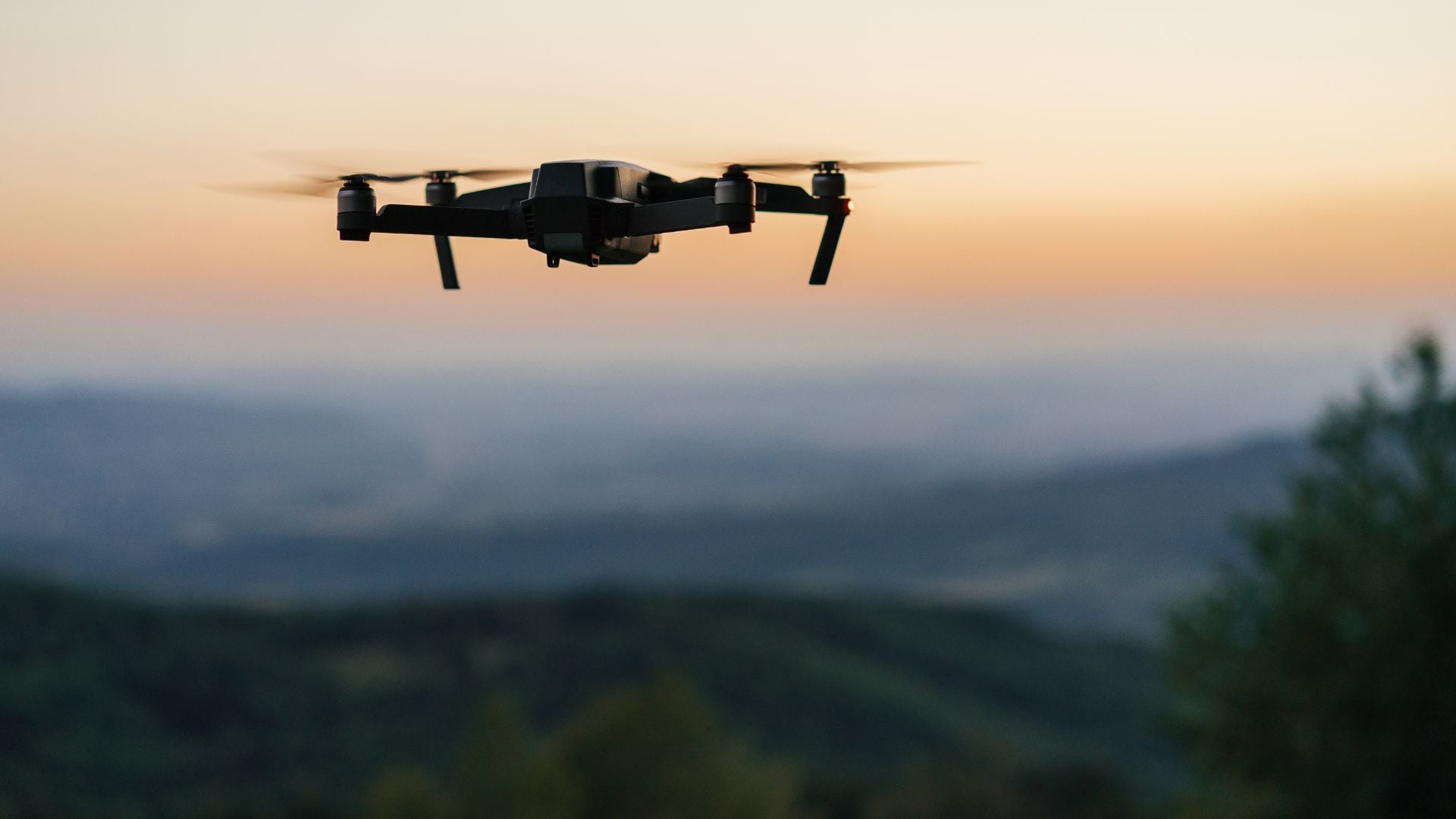
Mini drone photography has changed how travelers capture their adventures from above. These tiny devices pack serious camera power into frames that fit in your jacket pocket. You can document your trips with gorgeous aerial shots without hauling heavy gear around the world.
The compact drone market keeps growing every year. Companies keep pushing what’s possible in a small body. Today’s mini drones shoot 4K video and handle wind better than you’d expect. Travel photographers who used to shoot only from ground level now explore creative angles they never imagined before.
Why Mini Drones Work Best for Travel Photography
Travel photographers deal with real problems that regular drone users don’t face. Airlines limit luggage weight. Backpacks have limited space. You move between locations constantly and need gear that keeps up.
Standard camera drones weigh between 800 grams and 2 kilograms. That’s a lot of weight when you’re already carrying camera bodies and lenses. Mini drones stay under 250 grams. This weight matters because most countries skip registration requirements below this limit. You avoid paperwork and start flying right away.
Size matters just as much as weight here. A folding mini drone slips into any bag compartment easily. You carry it everywhere without thinking twice about the bulk. When perfect light hits that mountain view, you’re ready to fly immediately.
Battery strategy works better with mini drones too. Three or four mini drone batteries take less space than one standard drone battery. You get more flight time while keeping your pack light. Smart photographers bring extras and swap them between shooting sessions.
Top Mini Drones for Aerial Photography
Several excellent options exist right now for mini drone photography. Each model brings different strengths depending on what you shoot.
DJI Mini 4 Pro
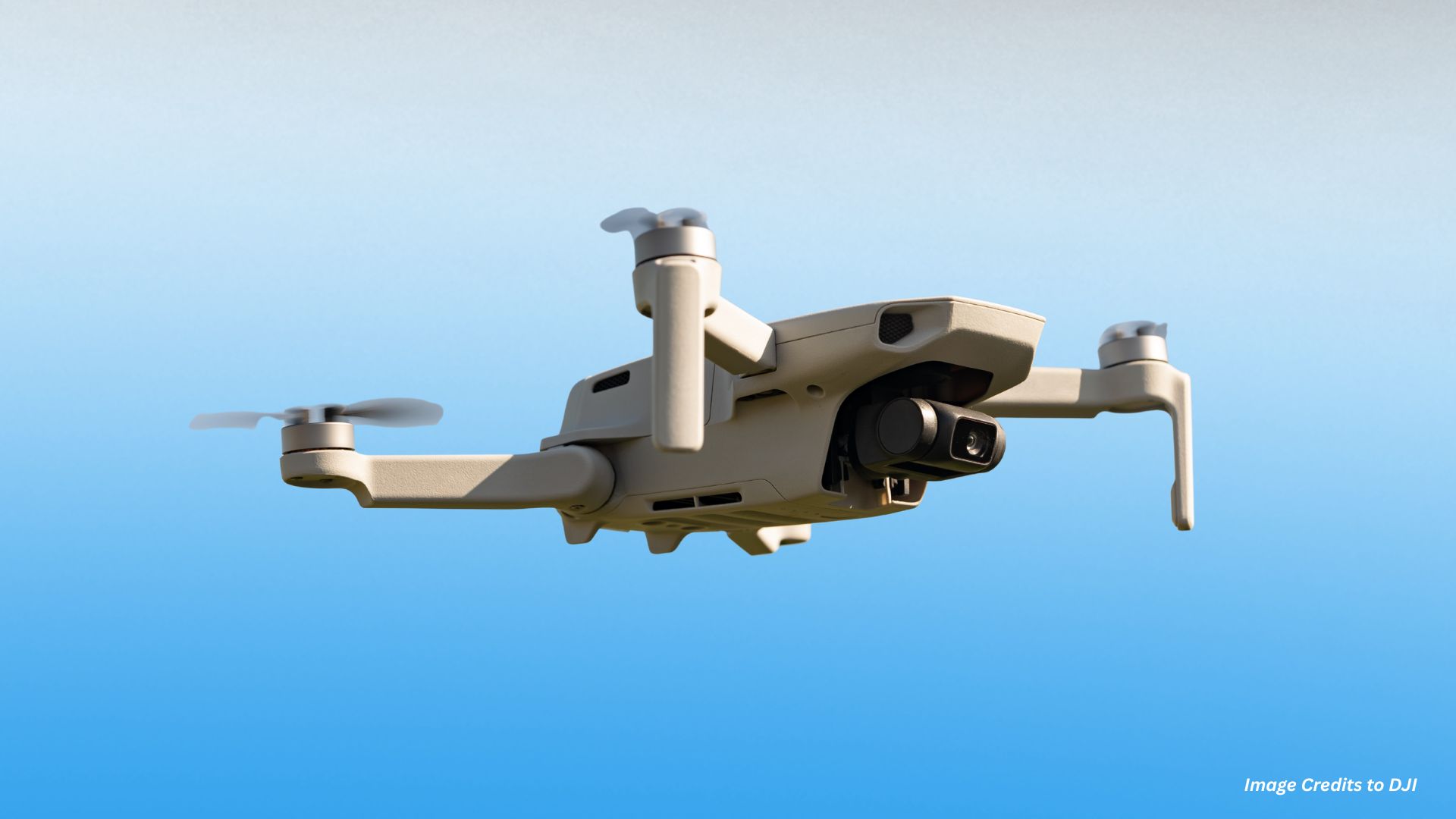
The DJI Mini 4 Pro tops the mini drone photography category right now. This 249-gram machine shoots 4K video at 60fps with HDR. The camera uses a 1/1.3-inch CMOS sensor that captures sharp 48-megapixel photos.
You get 34 minutes of flight time per battery in good conditions. Obstacle sensors cover all directions and keep your drone safe. The tracking system follows subjects smoothly while you handle composition. Auto return brings your drone back if the signal drops.
Cool features include a vertical shooting mode for social media posts. The camera tilts 90 degrees for portrait shots. You also get 10-bit color profiles for serious editing flexibility. Video pros appreciate this when matching footage across different projects.
Price starts at $759 for the basic kit. The Fly More Combo costs $1,099 and adds extra batteries plus accessories. That package makes sense if you shoot regularly while traveling.
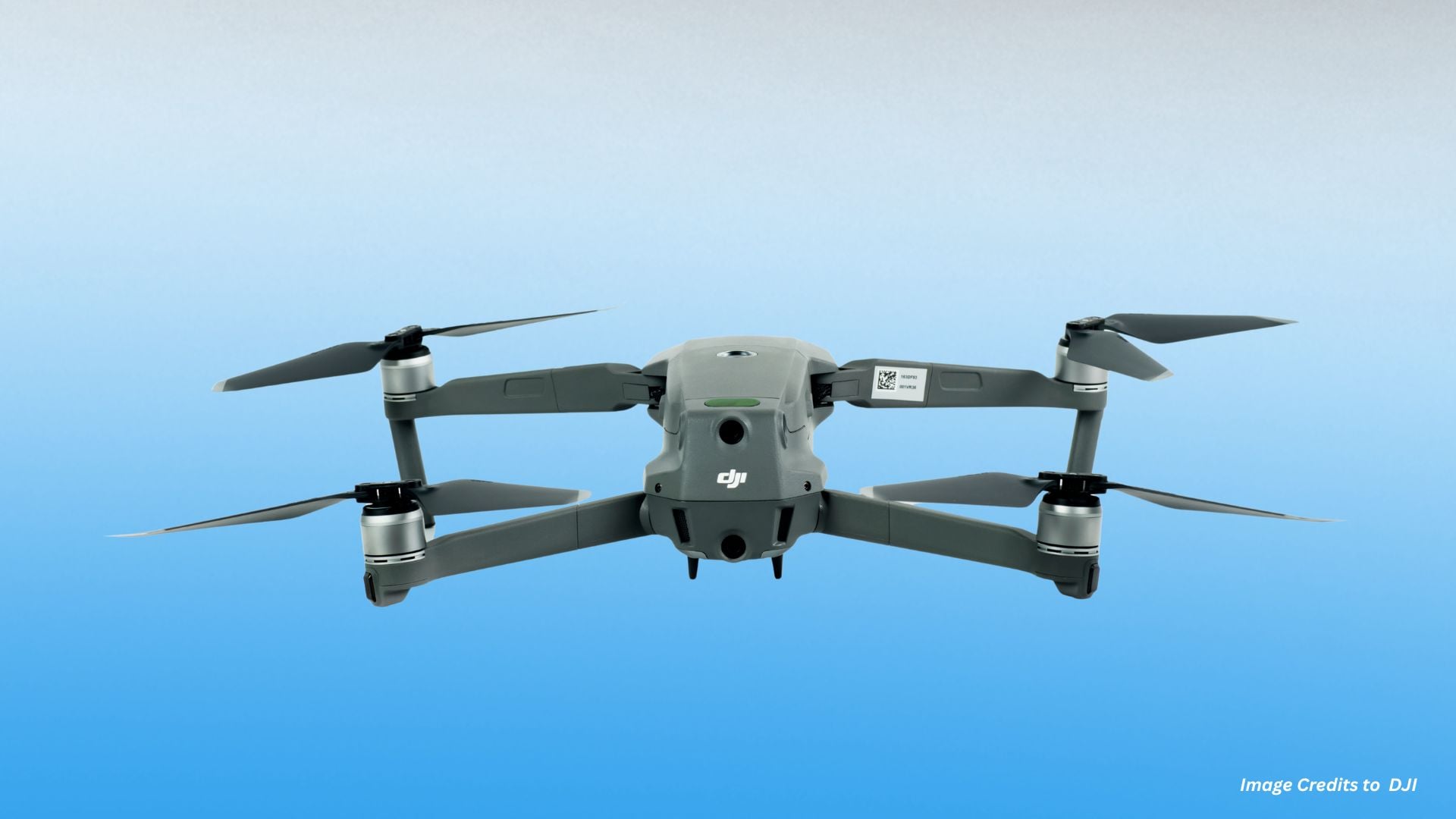
DJI Mini 3
The DJI Mini 3 delivers similar performance at a friendlier price point. This drone weighs 249 grams and shoots 4K video at 30fps. The camera flips for both horizontal and vertical shooting. Flight time hits 38 minutes with the bigger battery option.
Obstacle sensors cover forward and backward directions only. You don’t get full coverage like the Mini 4 Pro. Most situations work fine if you fly carefully and watch your surroundings. The simpler setup helps beginners learn faster.
The basic controller uses your phone for the display screen. It connects with a cable and works well in most weather. You can upgrade to the DJI RC controller with a built-in screen for $170 more. That upgrade removes phone mounting hassles and shows better in bright sunlight.
Cost starts at $419 for the drone and basic controller. The Fly More Combo runs $559 with needed accessories included. This setup gives solid value for photographers trying mini drone photography before spending more.
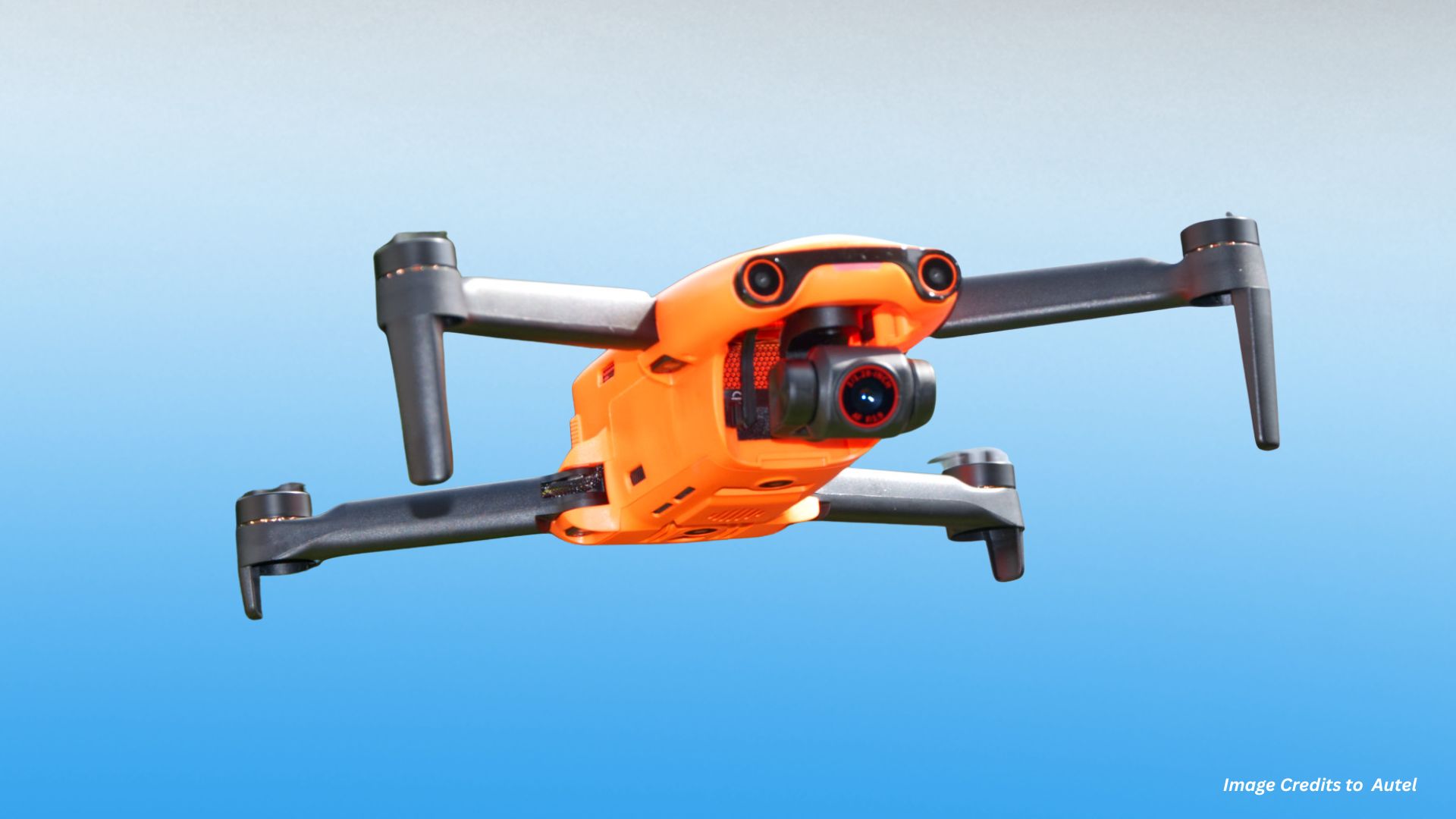
Autel EVO Nano+
Autel’s EVO Nano+ brings something different to compact drones. The 249-gram body has a 1/1.28-inch CMOS sensor shooting 50-megapixel stills. Video tops out at 4K 30fps with HDR support. The bigger sensor handles low-light situations better than competitors.
Flight time reaches 28 minutes per battery in normal use. Obstacle sensors work in three directions with good detection. The controller has a bright 2.8-inch screen that shows well in daylight. No phone mounting means less hassle during shoots.
Subject tracking follows people through tricky spots smoothly. The system keeps lock even when subjects pass behind things briefly. Orbit mode creates smooth circles around your chosen point. These auto modes help solo travelers get pro-looking footage easily.
Pricing starts at $649 for the standard package deal. Autel backs their drones with a two-year warranty covering normal wear. Their support team has a good reputation among drone flyers.
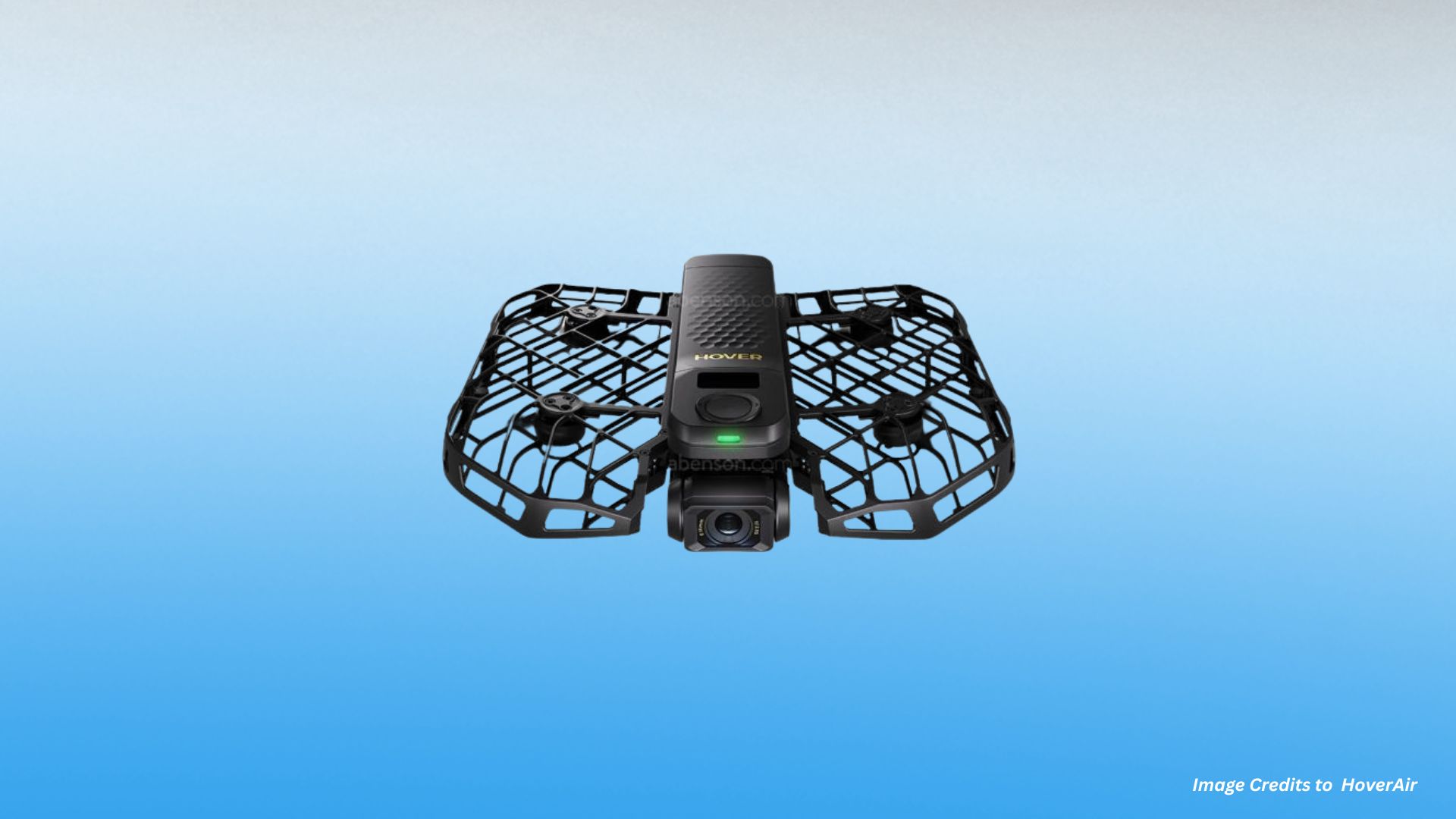
HoverAir X1
The HoverAir X1 takes a totally different approach here. This 125-gram drone flies without any controller at all. You launch it from your palm and control everything through hand gestures or an app. The concept works great for quick selfies and action following.
Video quality reaches 2.7K at 30fps maximum. The camera lacks manual exposure controls that pricier models offer. What you lose in options, you gain in pure simplicity. You pick a flight path and let the drone work while you do your thing.
Flight modes include hover, follow, orbit, and overhead shots. Each mode runs for set times before landing automatically. Battery life stretches to 11 minutes depending on what mode you use. The super light weight means you can fly legally in more places.
Cost sits at $349 for the basic kit. The Pro Max bundle adds extra batteries and a case for $499. This drone fits action sports shooters and content creators better than landscape photographers wanting top image quality.
Essential Features for Travel Drone Photography
Some specs matter way more than others when picking travel gear. Knowing these priorities helps you choose the right mini drone photography tool.
Size and Weight Matter Most
Your drone needs to fold small and protect its propellers during transport. Hard cases protect expensive gear from rough baggage handlers. Soft cases work fine for carry-on bags where you control everything. Weight under 250 grams keeps regulations simple in most countries.
Image Quality Determines Results
Sensor size affects dynamic range and how well you shoot in dim light. Bigger sensors make cleaner images with more editing room. Resolution matters less than overall sensor performance for most work.
Flight Time Affects Productivity
Mini drones fly between 20 and 35 minutes per battery typically. Remember that takeoff, positioning, and landing eat into this time. Your real shooting window shrinks to maybe 15 minutes of useful footage. Multiple batteries become necessary for any serious work.
Safety Features Prevent Disasters
Obstacle sensors stop crashes that could end your trip early. Forward sensors catch most problems during normal flying. Side and rear sensors add safety in tight spots. Some mini drones skip these sensors to cut weight and cost. You fly more carefully without them.
Wind Performance Sets Limits
Mini drones handle light breezes okay but struggle in strong wind. Coastal areas and mountain passes challenge small drones hard. Check weather and wind speeds before every flight. Wait for calmer conditions instead of risking your gear.
Shooting Techniques for Mini Drones
Getting good shots from mini drone photography takes specific methods. These techniques work regardless of which model you buy.
Planning makes everything better. Scout your location from the ground first and find good compositions. Check for obstacles and note wind patterns. Watch where the sun sits in the sky. This prep saves battery and improves your footage. You fly with purpose instead of wandering randomly.
Start every flight carefully and conservatively. Test your controls and practice basic moves in open areas. Build your confidence before trying complex shots near buildings or trees. Most crashes happen because people overestimate their skills early on. Slow movements create smoother video than constant corrections.
Use smart flight modes when they make sense. Auto patterns deliver consistent results every time. These modes help beginners get pro sequences right away. Even experienced pilots use them to focus on timing and framing instead of flying mechanics.
Shoot during the best light you can find. Golden hour gives warm colors and long shadows that add depth. Cloudy days provide even lighting without harsh bright spots. Skip midday sun that creates flat lighting and blown highlights. Mini drone cameras have less range than bigger cameras handle.
Capture more footage than you think you need right now. Storage costs nothing compared to travel expenses. Those extra clips often have unexpected good moments. You might catch cool action in the background or find better shots during editing. More raw material gives you more options later.
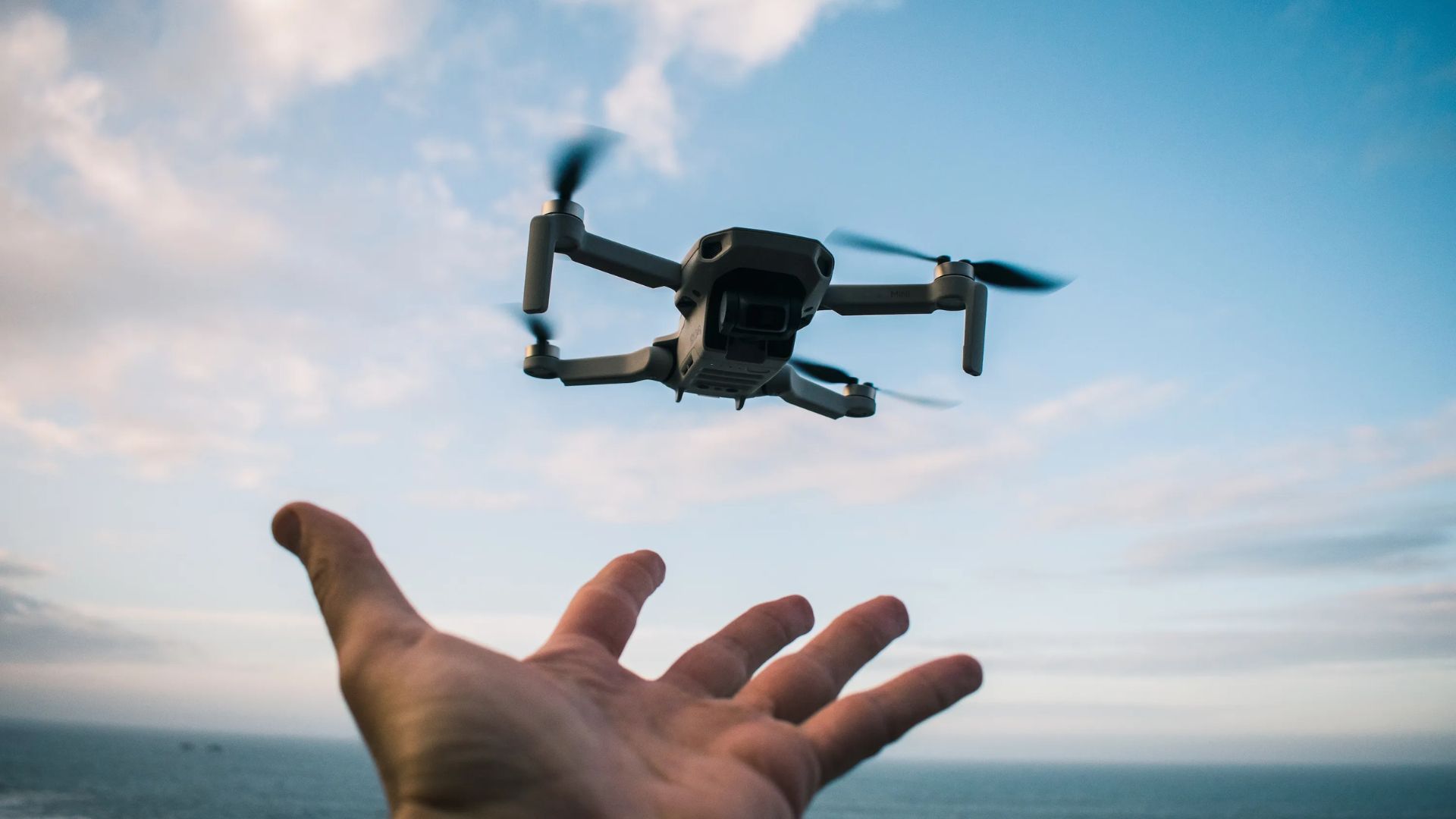
Legal Rules for Travel Drone Photography
Drone laws change dramatically between different countries and regions. Research rules before you travel with your mini drone photography gear anywhere. Not knowing the rules doesn’t protect you from fines or losing your equipment.
Many places require registration no matter what your drone weighs. Others skip registration for drones under 250 grams completely. Check both national rules and local laws for every destination. Cities often have stricter rules than federal guidelines allow. National parks frequently ban all drones without exception.
No-fly zones exist around airports, military bases, and government buildings everywhere. Modern drones have geofencing that blocks flights in many restricted spots. However, the software misses some restricted locations regularly. Download apps like B4UFLY or similar tools to check current airspace rules before flying.
Insurance makes sense for international travel photography work. Most homeowner policies exclude commercial drone coverage completely. Specialized drone insurance runs between $100 and $500 yearly depending on limits. This protection covers liability if your drone damages property or hurts someone.
Privacy laws affect where and how you shoot aerial footage. Some European countries ban photographing people without their permission. Others prohibit aerial photos near private property entirely. Cultural attitudes matter even where laws seem relaxed. Respect local customs and avoid problems by asking permission when needed.
Must-Have Accessories for Mini Drone Photography
Smart accessories boost your capabilities without adding much weight or space. These items solve common problems you face while traveling.
Extra batteries rank as your most important accessory by far. Plan on three to five batteries for a full shooting day. Charging hubs power multiple batteries at once overnight. Solar chargers work great for remote spots without reliable electricity. Keep batteries warm in cold weather so they perform normally.
ND filters cut light entering your camera sensor evenly. These filters help you maintain proper shutter speeds for smooth video motion. A basic set includes ND8, ND16, and ND32 filters. Magnetic systems make filter swaps quick and simple between shots. Budget $50 to $100 for quality filter sets.
Landing pads protect your drone from dust and dirt during takeoffs. Collapsible pads fold flat in any bag easily. Bright colors help mark your landing spot in different terrain types. Some have weighted edges that fight wind better. This simple item extends motor life by keeping junk out.
Tablet holders improve screen viewing in bright outdoor conditions significantly. Larger screens show more detail than small phone screens do. You spot composition problems and technical issues faster this way. Adjustable mounts fit different tablet sizes easily.
Memory cards need fast write speeds for smooth 4K recording. UHS-I cards with V30 rating work for most mini drones fine. Carry multiple cards and rotate them regularly during shoots. This habit prevents total loss if one card fails unexpectedly. Back up your footage to cloud storage or drives every evening.
Keeping Your Drone Healthy During Travel
Taking care of your mini drone photography gear extends its working life significantly. Travel conditions stress equipment more than home use ever does. These maintenance steps prevent failures on the road.
Check propellers before every single flight without exception. Look for cracks, chips, or any warping carefully. Replace damaged props immediately instead of risking failure mid-flight. Carry spare propellers in your kit always. They weigh basically nothing and cost way less than crash repairs.
Clean sensors and your camera lens regularly with proper tools. Microfiber cloths remove fingerprints and dust safely without scratching. Compressed air blows debris from tight spaces without touching anything. Never touch optical surfaces with your fingers directly. Keep lens caps on between flights to prevent accidental scratches.
Store batteries correctly between your shooting sessions. Keep them around 50% charge for long periods of storage. Full or empty batteries break down faster over time. Remove batteries from the drone during any transport. This prevents accidental power-on and protects the connection points.
Update firmware before any major trips you take. Companies release updates that improve stability and fix annoying bugs. Test new firmware at home before depending on it abroad. Some updates change how the drone flies noticeably. You want familiarity with any changes before important shoots.
Check for loose screws and connections every few flights. Vibration during flying loosens components gradually over time. Tighten body screws with the right tools carefully. Don’t overtighten and strip the threads out. Proper torque keeps everything solid without causing damage.

Flying Forward with Compact Drones
Mini drone photography gives travelers access to views that used to need helicopters. Modern compact drones deliver pro image quality in packages that fit your everyday bag. The technology keeps getting better while prices drop steadily.
Your right mini drone depends on your needs and budget reality. The DJI Mini 4 Pro offers the most complete package for serious work. Budget shooters find excellent value in the DJI Mini 3 instead. Options like Autel EVO Nano+ provide unique benefits worth considering too.
Success comes from understanding both technical capabilities and legal restrictions clearly. Practice your flying at home before traveling anywhere important. Research regulations for your destinations thoroughly and carefully. Pack smart accessories that add capability without excessive weight penalties.
Start your aerial photography journey with that very first flight. Mini drones make aerial imaging more accessible than ever before. Creative possibilities expand as you develop flying skills and explore new locations. Begin capturing those elevated perspectives that make travel photography truly stand out.
See more from DIYPhotography.net on Google
Add DIYPhotography.net as a trusted source. This makes
our stories more likely to appear in your Google Search results.
 Add as a preferred source on Google

Darlene Lleno
Darlene Lleno brings a unique perspective to DIY Photography as someone who grew up surrounded by camera gear but chose words over lenses. With five years of writing experience, she specializes in photography content that’s both technically informed and genuinely passionate. Growing up with a photographer twin brother meant camera talk was everyday conversation in her household. While he mastered capturing moments, Darlene discovered she preferred being the subject and the storyteller behind the scenes. As a travel enthusiast and mother of two, she understands the importance of preserving life’s precious moments. When not exploring new destinations or writing for DIY Photography, you’ll find her reading or tending to her garden. Her approach to photography writing is refreshingly authentic, she may not be behind the camera, but she knows exactly what it takes to help others capture the shots that matter most.
Related Posts
 DJI Opens up the Mobile SDK to add new features to Air 2S, Mini 2 and Mini SE drones
 Blackmagic significantly drops the price of its Atem Mini, Mini Pro and Mini Pro ISO live stream switchers
 DJI Mini 5 Pro Launch: Ultra-Compact Drone
 The new DJI Mini 3 drone sacrifices obstacle avoidance for a $260 price drop vs the Mini 3 Pro
Join the Discussion
DIYP Comment Policy
Be nice, be on-topic, no personal information or flames.