





















Why Is Lighting Important in Photography? How Light Shapes Every Image
Jul 16, 2026
Leonard Skapp

Alex Baker is a portrait and lifestyle driven photographer based in Valencia, Spain. She works on a range of projects from commercial to fine art and has had work featured in publications such as The Daily Mail, Conde Nast Traveller and El Mundo, and has exhibited work across Europe
Share:
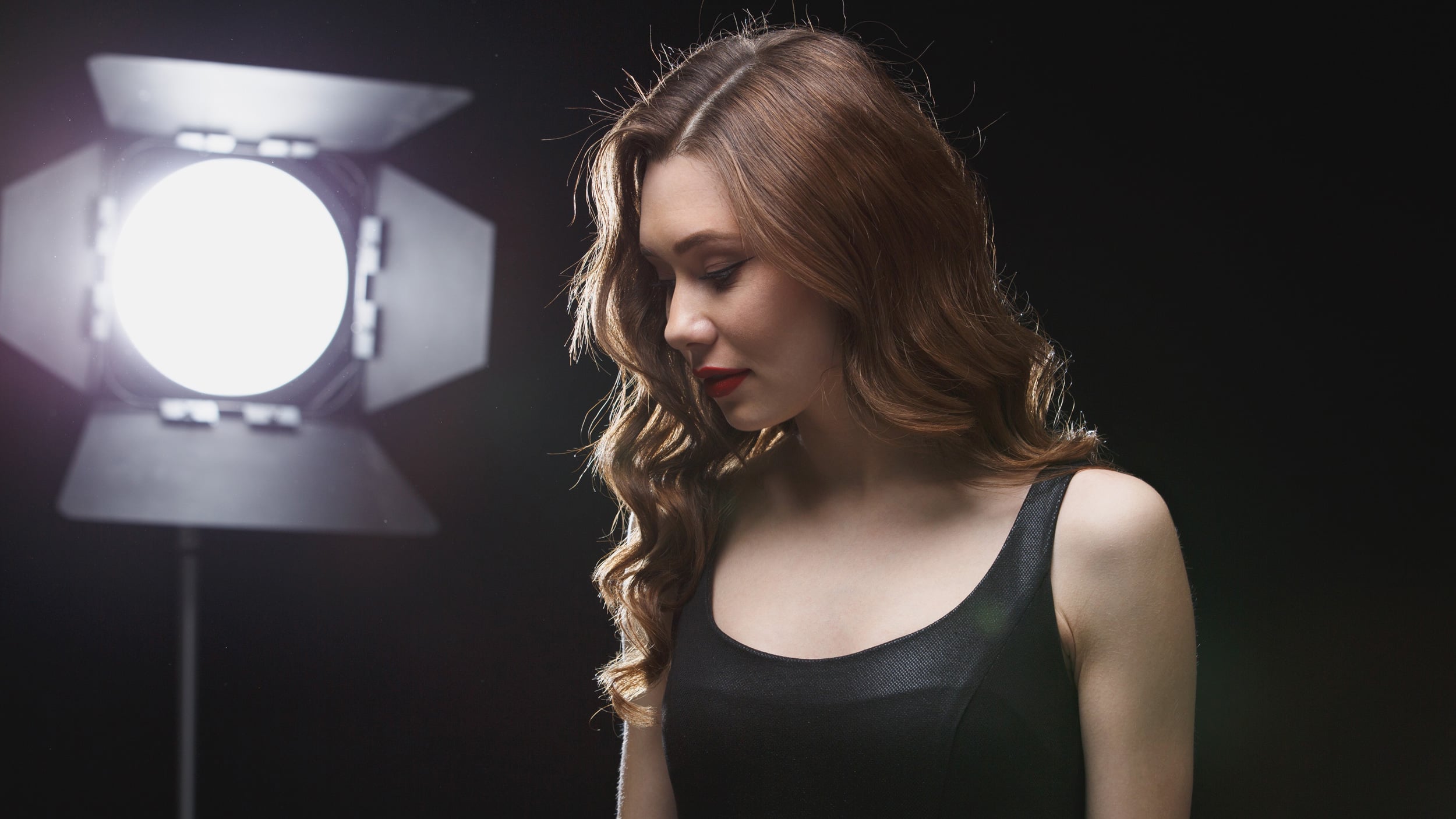
Ask ten professional photographers what the most important part of a great photograph is, and many of them will give the same answer: light. Photography literally means “drawing with light,” so without it, there would be no photograph.
However, lighting isn’t just about making a scene bright enough to see. It influences everything from the mood and colours to the texture, depth, and overall impact of an image. Learning to see and use light is one of the biggest steps any photographer can take, regardless of the camera they’re using.
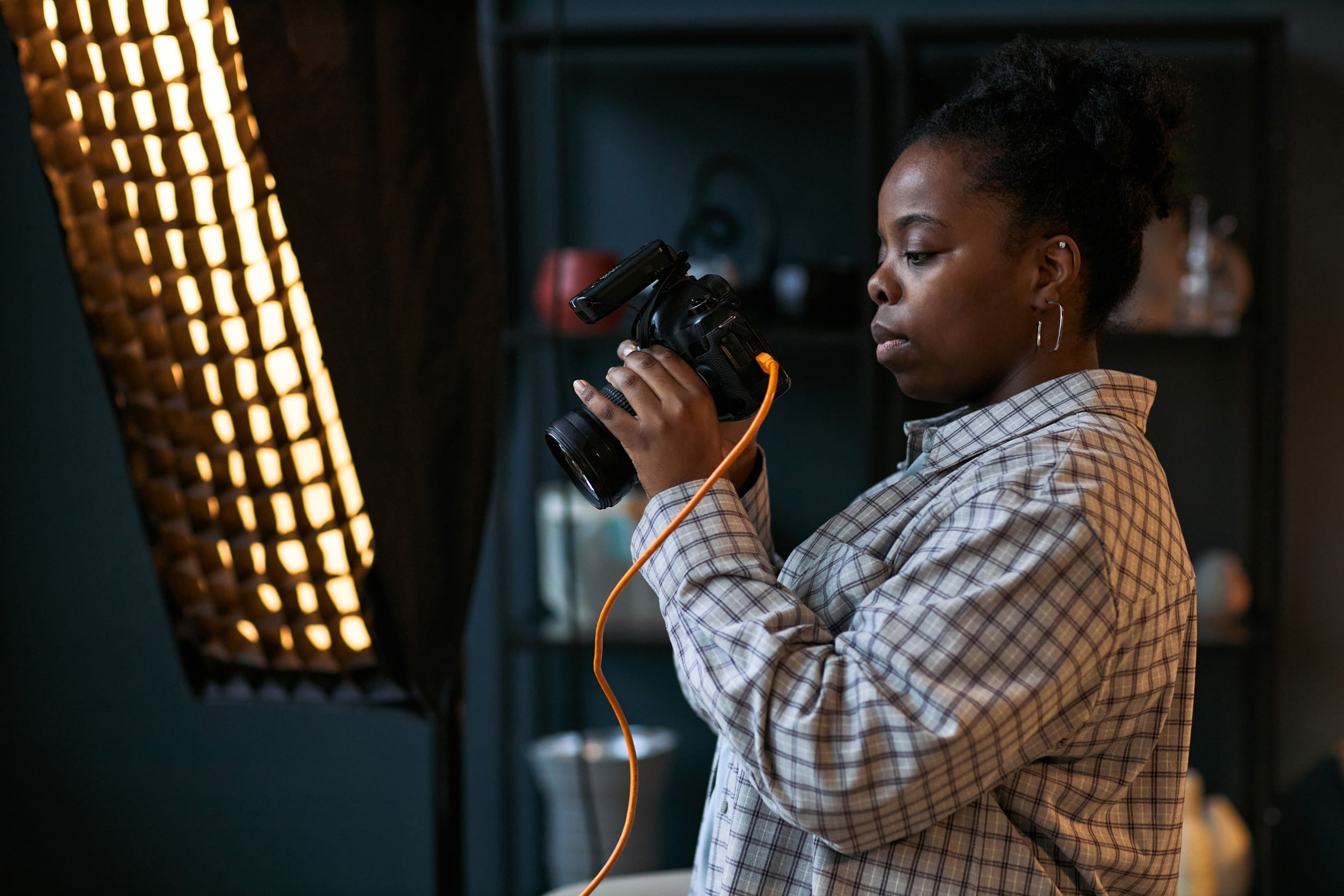
Light shapes your subject
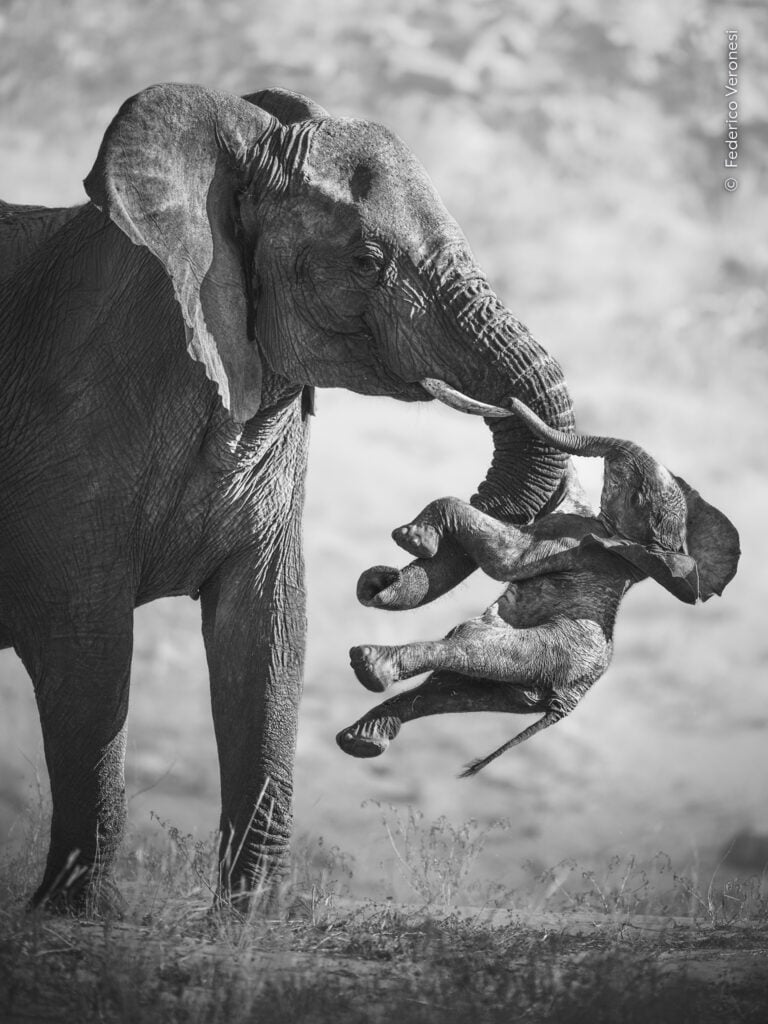
Lighting determines how your subject appears in a photograph. For example, soft, diffused light can create flattering portraits with gentle shadows, while hard sunlight produces strong contrast and emphasises texture. Moving your subject just a few steps closer to a window or changing the angle of the light can completely transform the final image.
Professional photographers often spend more time thinking about where the light is coming from than which camera settings they’re using.
Lighting creates mood
Light doesn’t just illuminate a scene, it also tells the viewer how to feel about it. Warm evening sunlight can make a photograph feel peaceful or nostalgic, while cool blue light often creates a sense of calm or mystery. Deep shadows can add drama, whereas bright, even lighting feels clean and cheerful.
This is why cinematographers and photographers alike pay so much attention to lighting. It helps tell the story before the viewer has even had time to look at the subject.
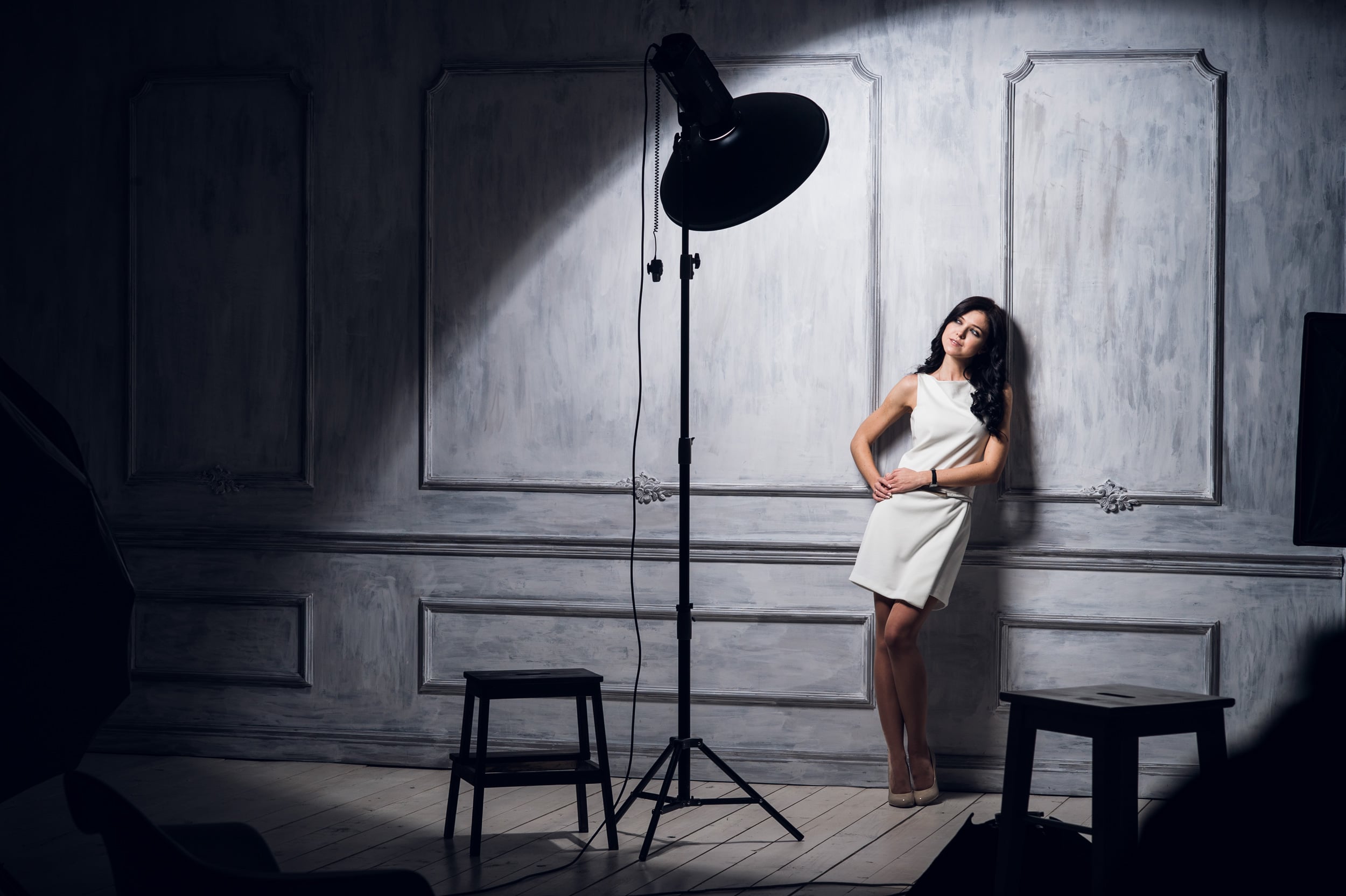
It reveals colour and texture
Without good lighting, colours can appear dull and textures may disappear altogether. Side lighting can highlight the rough surface of tree bark or the folds in fabric, while front lighting tends to reduce shadows and create a smoother appearance.
Photographers often use lighting to draw attention to details that might otherwise go unnoticed, whether they’re photographing food, products, landscapes, or portraits. Of course, lighting can also reveal textures that you don’t want to see, such as wrinkles on a face. This is why studying how light affects an image is so important.
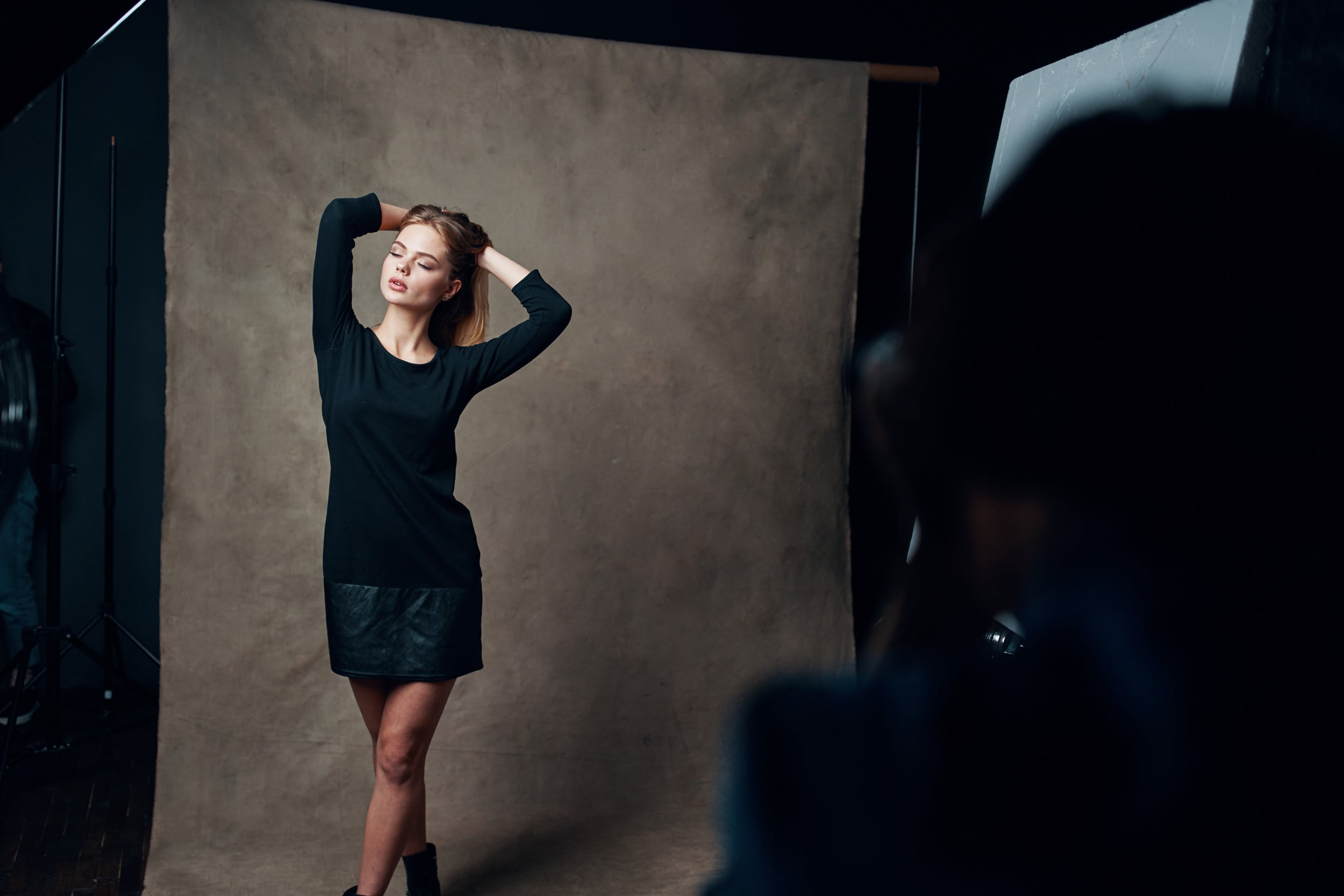
Good lighting helps your camera
Lighting isn’t only important for creative reasons, it also affects image quality. When there’s plenty of light available, your camera can usually use lower ISO settings, faster shutter speeds, and produce cleaner, sharper images with less digital noise.
In low-light conditions, photographers often have to compromise by raising the ISO or slowing the shutter speed, which can introduce noise or motion blur. Sometimes the easiest way to improve a photograph isn’t buying a new camera, it’s simply finding better quality of light.
Natural light vs artificial light
Photographers generally work with two types of lighting: natural light and artificial light. Natural light comes from the sun and changes throughout the day. Early morning and late afternoon often provide soft, warm light that’s popular for portraits and landscapes, while the harsh midday sun creates stronger shadows and higher contrast.
Artificial light includes flashguns, studio strobes, LED panels, and continuous lighting. These allow photographers to control both the direction and intensity of the light, making them especially useful for portrait, commercial, and product photography. Neither is inherently better, the best choice depends on the look you’re trying to achieve.
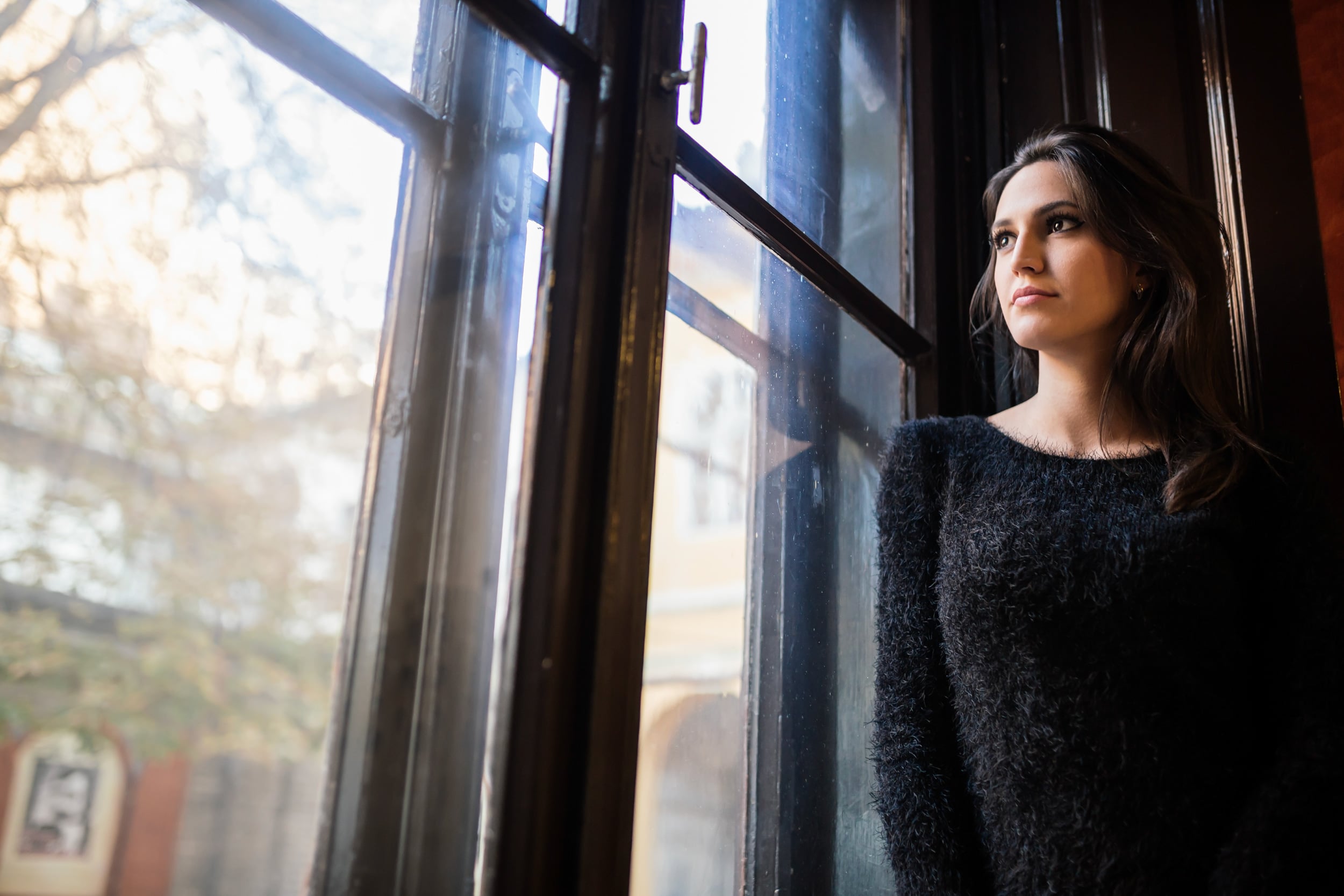
Learning to see the light
One of the biggest differences between beginners and experienced photographers is how they look at a scene. Beginners often notice the subject first whereas experienced photographers usually notice the light.
Before raising the camera, ask questions like: Where is the light coming from? Is it soft or hard? Is it flattering? Can I move my subject to improve it? Developing this habit takes practice, but it’s one of the fastest ways to improve your photography.
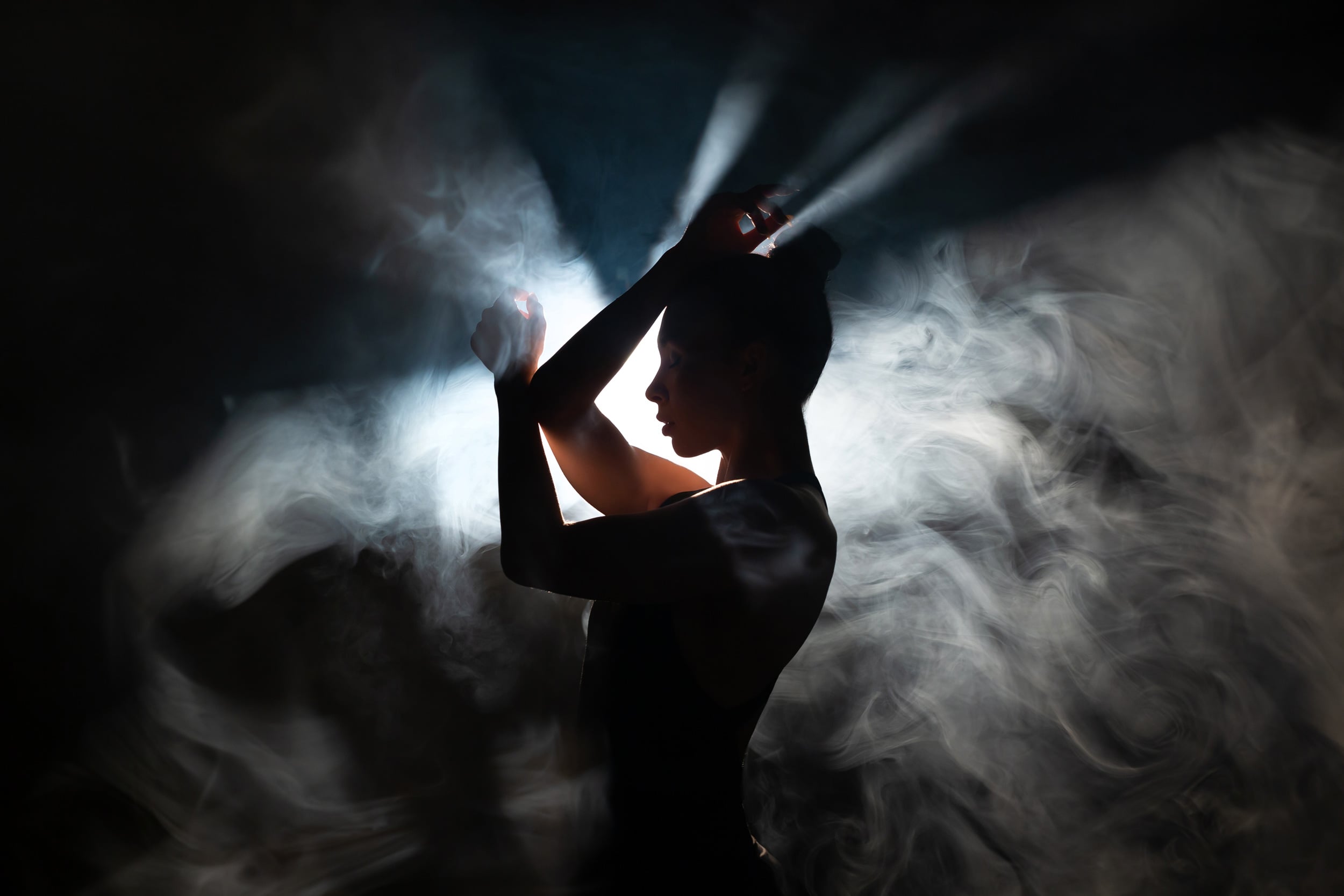
You don’t need expensive lighting
It’s easy to assume that great lighting requires an expensive studio full of equipment, but that’s rarely true. Some of the best photographs are made using nothing more than window light, open shade, or the soft glow of sunrise and sunset. Learning how to use the light that’s already available is often more valuable than buying additional gear.
As your skills grow, you can begin experimenting with reflectors, flash, and studio lights, but understanding natural light should always come first. In fact, we have a lot of DIY lighting tutorials right here on DIYP!
Key takeaways
Lighting is one of the most important elements in photography because it affects far more than exposure. It shapes your subject, creates mood, reveals colour and texture, and helps tell the story behind every image.
The best photographers don’t simply react to the light, they learn how to recognise it, work with it, and sometimes even create it. Once you start paying attention to light before anything else, you’ll discover that almost every aspect of your photography begins to improve.
See more from DIYPhotography.net on Google
Add DIYPhotography.net as a trusted source. This makes
our stories more likely to appear in your Google Search results.
 Add as a preferred source on Google

About Leonard Skapp
Leonard “Len” Skapp is a photographer with a particular interest in cameras, lenses, accessories, camera bags, lens filters, tripods, camera straps, and, on rare occasions, photography itself. Equal parts reviewer and enthusiast, he enjoys digging into the technical details behind the latest gear and translating them into plain English for fellow photographers. He maintains that every purchase is a carefully considered investment, although his bank account and overflowing camera cupboard continue to dispute this claim.
We love it when our readers get in touch with us to share their stories. This article was contributed to DIYP by a member of our community. If you would like to contribute an article, please contact us here.




Join the Discussion
DIYP Comment Policy
Be nice, be on-topic, no personal information or flames.