






















Askar Launches N160 Telescope: A Cost-effective Newtonian Reflector
Jul 14, 2026
Soumyadeep Mukherjee
Soumyadeep Mukherjee is an award-winning astrophotographer from India. He has a doctorate degree in Linguistics. His work extends to the sub-genres of nightscape, deep sky, solar, lunar and optical phenomenon photography. He is also a photography educator and has conducted numerous workshops. His works have appeared in over 40 books & magazines including Astronomy, BBC Sky at Night, Sky & Telescope among others, and in various websites including National Geographic, NASA, Forbes. He was the first Indian to win “Astronomy Photographer of the Year” award in a major category.
Share:
Fast Newtonian astrographs have earned a strong following among deep-sky astrophotographers in recent years. They offer a combination of large aperture, wide field of view, and short exposure times that many imaging enthusiasts look for. As camera technology has advanced, telescope manufacturers have also refined their designs to make these systems easier to use in the field.
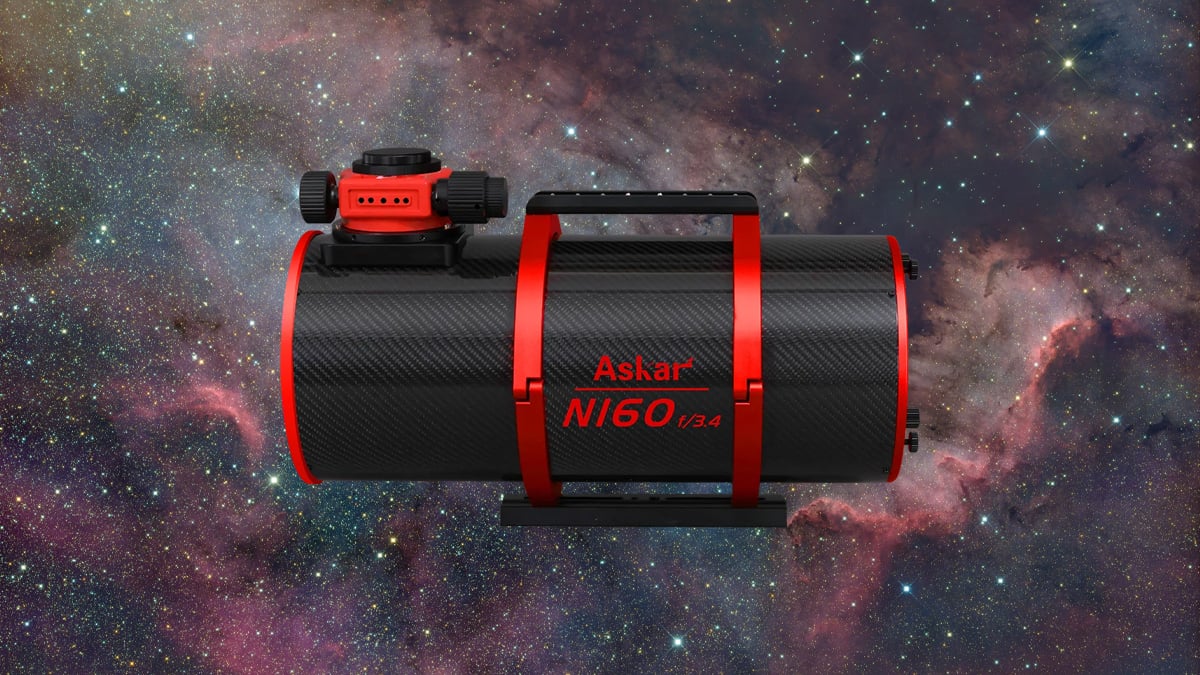
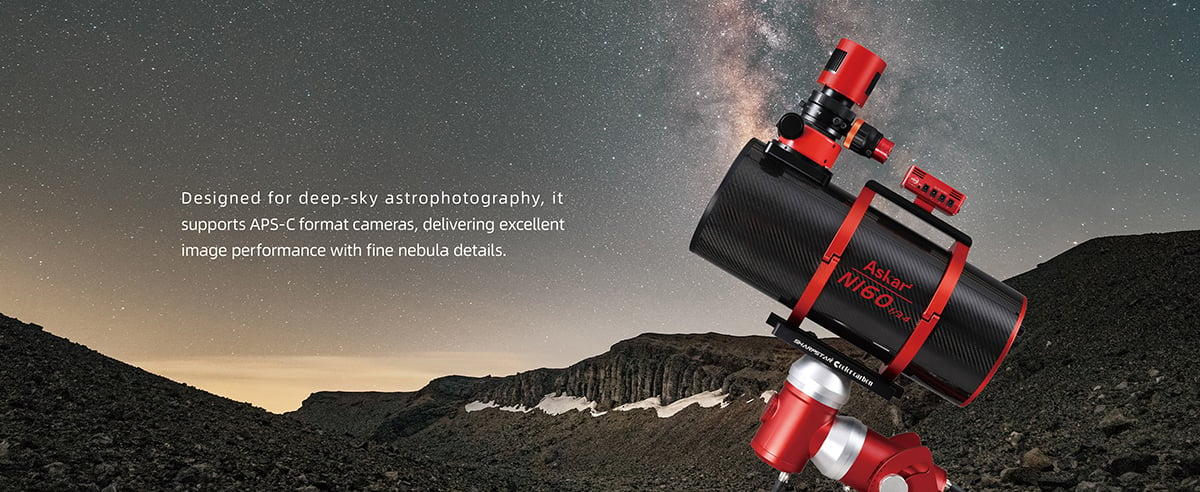
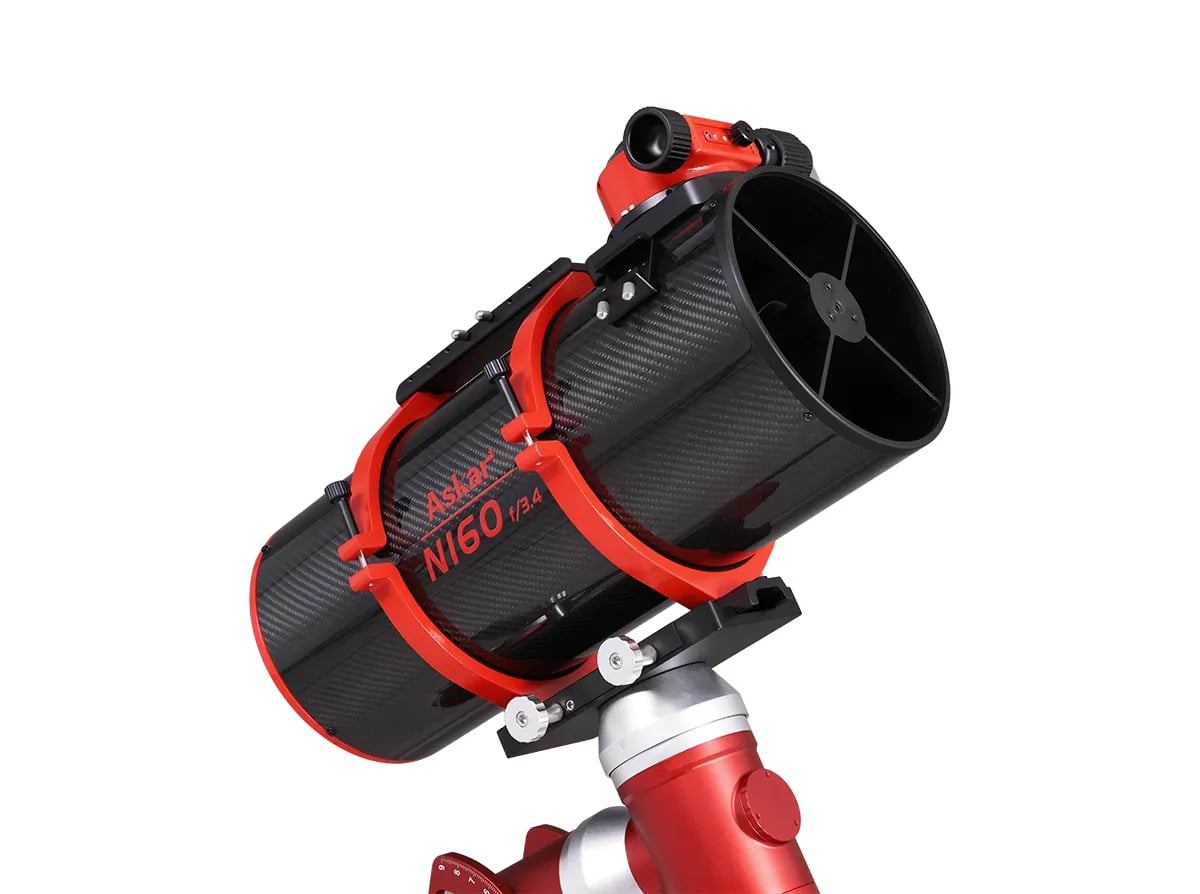
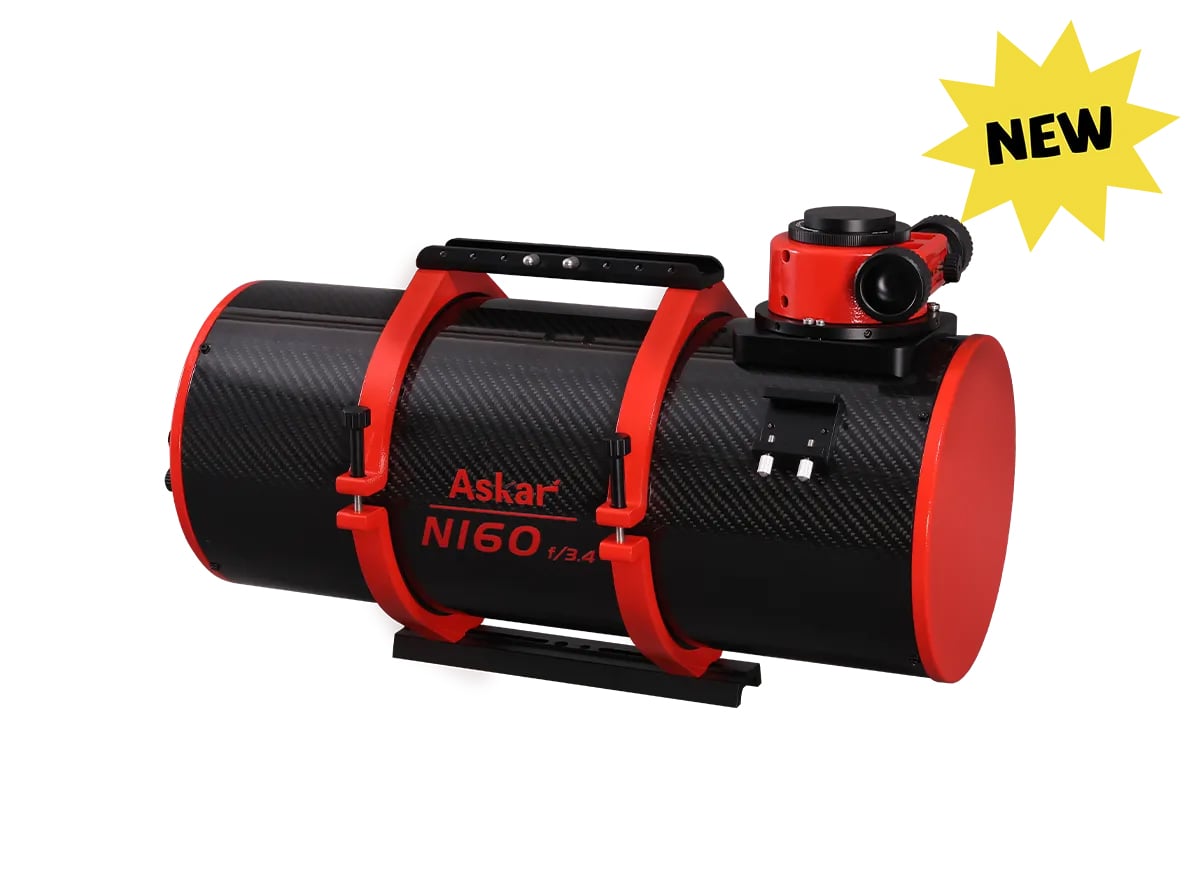
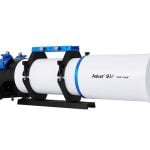
Askar is the latest brand to join this space with the introduction of the Askar N160 Astrograph. The new telescope features a 160 mm aperture, a carbon fiber optical tube, and a dedicated coma corrector that brings the working focal ratio down to an impressive f/3.4. The company has also added several mechanical upgrades that aim to simplify imaging and improve stability during long nights under the stars.
A fast optical system
The Askar N160 telescope uses a 160 mm parabolic primary mirror paired with a 576 mm focal length, resulting in a native focal ratio of f/3.6. However, the optical system does not stop there. Askar supplies the telescope with a 0.95× three-element air-spaced coma corrector, which is designed specifically for the N160. Once installed, the focal length decreases to roughly 547 mm, while the focal ratio becomes f/3.4. This makes the telescope even faster and allows more light to reach the camera sensor within the same amount of exposure time.
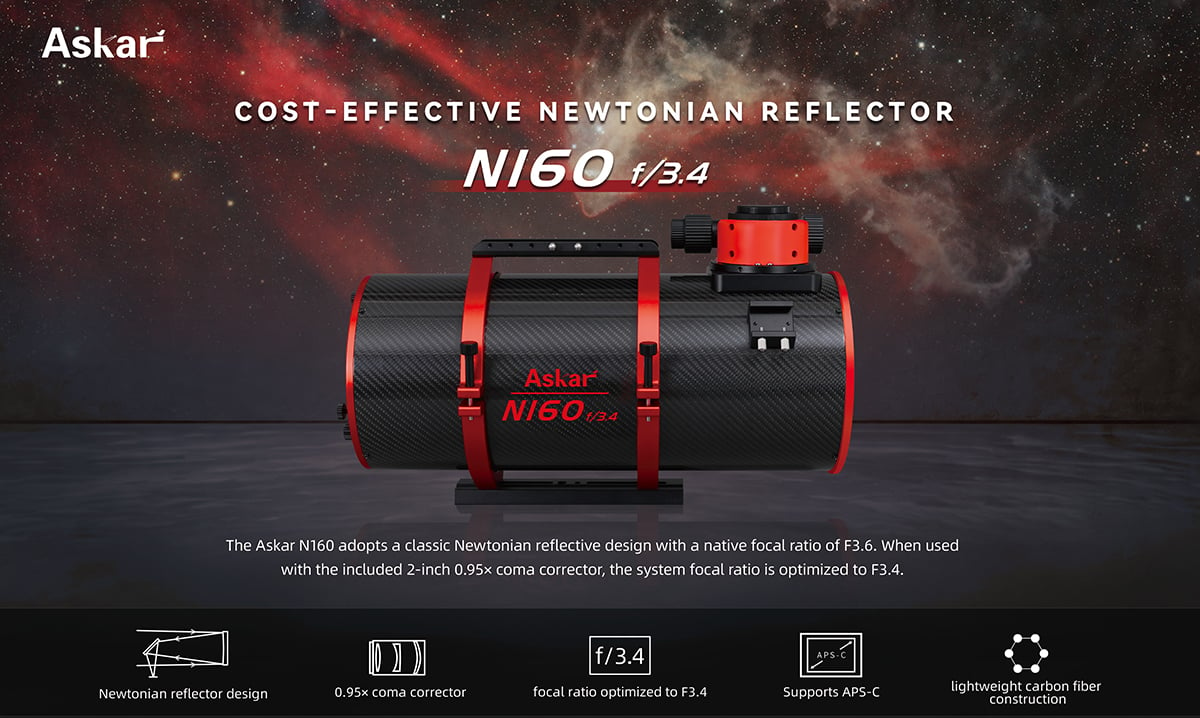
According to Askar, the telescope produces an APS-C corrected image circle. This matches the sensor size used by many dedicated astronomy cameras, as well as a large number of DSLR and mirrorless cameras. APS-C sensors remain extremely popular because they provide an excellent balance between resolution, field coverage, and manageable image sizes.
The primary mirror itself is manufactured from high-borosilicate glass, a material widely used in precision astronomical optics because of its thermal stability. As temperatures fall after sunset, borosilicate glass experiences relatively small dimensional changes, helping the optical figure remain stable throughout the night. The mirror also receives enhanced aluminum coatings, which increase reflectivity and maximize the amount of light reaching the camera sensor.
Carbon fibre construction
Askar has built the N160 around a carbon fiber reinforced polymer (CFRP) optical tube. Carbon fiber offers an important advantage during nighttime observing as it expands and contracts very little as temperatures change. While aluminum tubes gradually shrink as they cool, carbon fiber remains much more stable. Consequently, focus tends to remain consistent for longer periods, reducing the need for repeated adjustments throughout an imaging session.
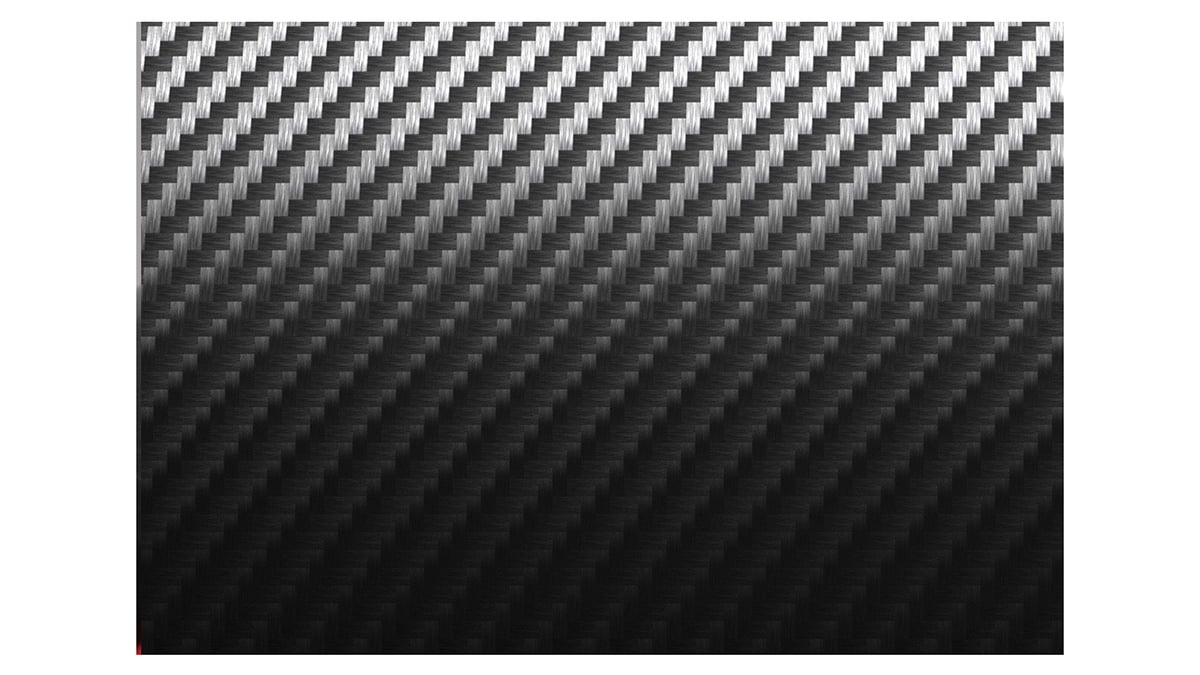
The carbon fiber tube also contributes to the telescope’s structural rigidity. Modern-day imaging systems often carry considerably more equipment than they did a decade ago. A cooled astronomy camera, electronic filter wheel, off-axis guider, autofocus motor, rotator, and several threaded adapters can together place substantial weight behind the focuser. Supporting this equipment without introducing unwanted flexure has become an increasingly important part of telescope design.
The compact carbon fiber construction also benefits astrophotographers who frequently travel to dark-sky locations. Portable imaging setups continue to gain popularity, especially among enthusiasts who regularly transport their equipment by car to escape urban light pollution. A durable tube that withstands repeated transport while maintaining optical alignment becomes an advantage during regular field use.
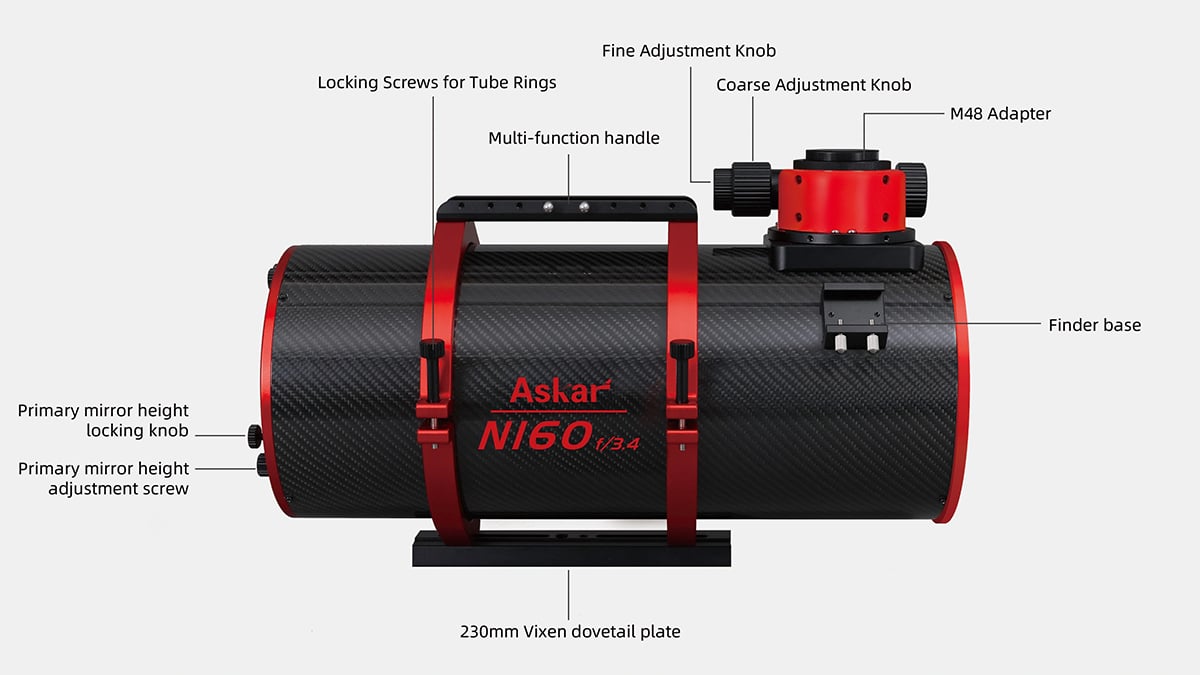
Mechanical features of Askar N160
The telescope uses a dual-speed rack-and-pinion focuser, a design that has become increasingly common on imaging telescopes. Astrophotography setups are much heavier today than they were a few years ago. A cooled astronomy camera often sits behind an electronic filter wheel, an off-axis guider, an autofocus motor, and several threaded adapters.
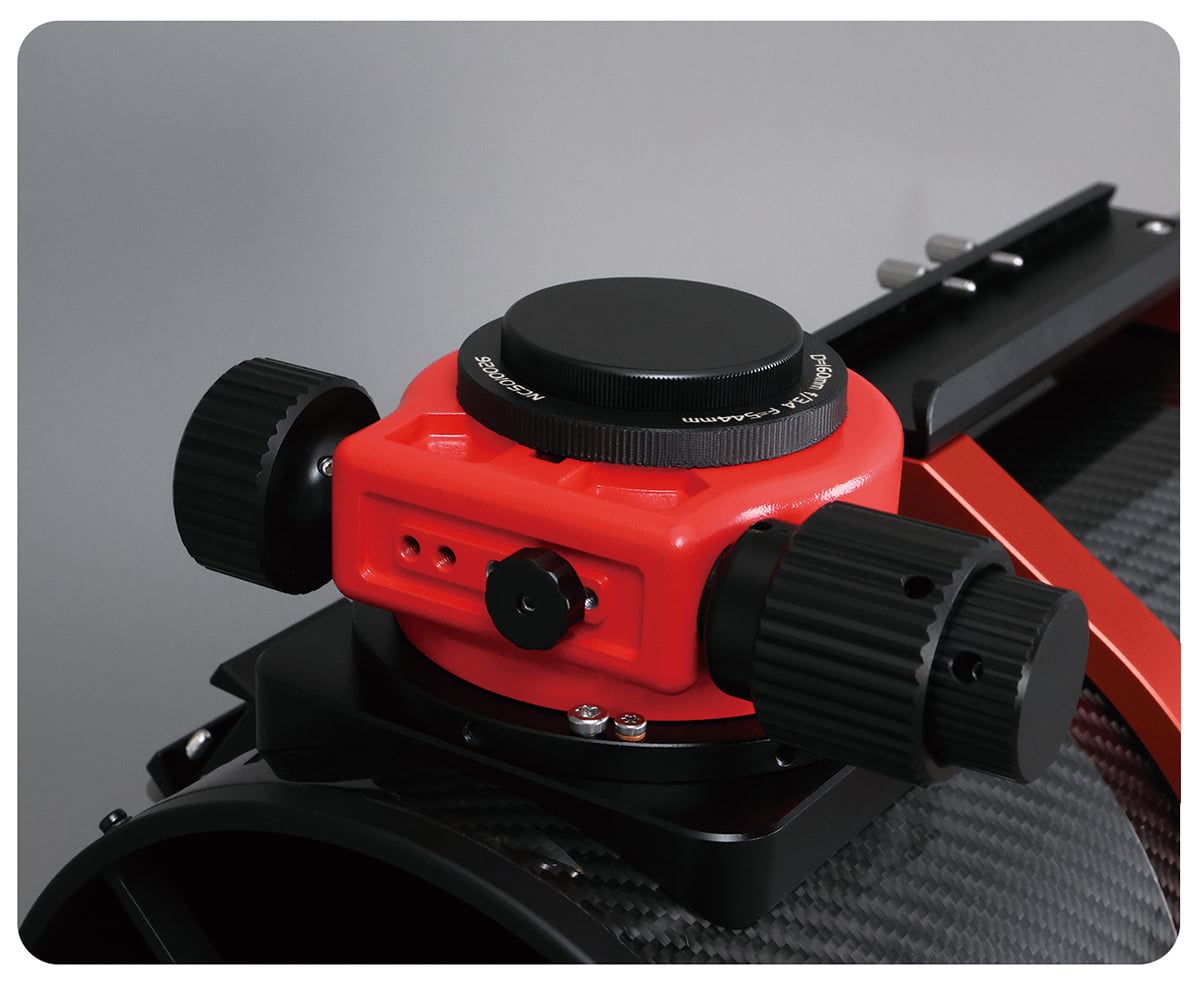
Askar has chosen a fully threaded connection for the supplied coma corrector. Although this may seem like a small design decision, it offers a noticeable advantage. Threaded connections hold the camera more securely, reduce the possibility of tilt, and make it easier to reproduce the same optical spacing every time the telescope is assembled.
Another addition is the integrated tilt adjustment mechanism. Sensor tilt has become one of the most common topics in astrophotography because modern cameras reveal optical imperfections with remarkable precision. A slight angle between the sensor and the optical axis can produce stars that appear sharp on one side of the frame but elongated on the other. By including a built-in tilt adjustment plate, Askar allows photographers to correct these issues without purchasing a separate tilt adapter.
Specifications, price, and availability
Here are some of the key specifications of Askar N160:
| Aperture size | 160mm |
| Focal length | 576mm(without Corrector)/544mm(with Corrector) |
| Focal ratio | F3.6(without Corrector)/F3.4(with Corrector) |
| Corrector reduction factor | 0.95× |
| Corrector type | Triplet design |
| Primary mirror type | Parabolic mirror |
| Format specifications | APS-C |
| Tube material | Carbon fiber |
| Lens tube outer diameter | 193mm |
| Lens tube total length | 467mm |
| OTA weight | 3.97kg |
| Gross weight | 5.2kg |
| Corrector weight | 0.22kg |
| Back focus | 55mm (from the M48 thread) |
The Askar N160 telescope is priced at $1,099. It is available for ordering from the official website.
Clear skies!
See more from DIYPhotography.net on Google
Add DIYPhotography.net as a trusted source. This makes
our stories more likely to appear in your Google Search results.
 Add as a preferred source on Google

Soumyadeep Mukherjee
Soumyadeep Mukherjee is an award-winning astrophotographer from India. He has a doctorate degree in Linguistics. His work extends to the sub-genres of nightscape, deep sky, solar, lunar and optical phenomenon photography. He is also a photography educator and has conducted numerous workshops. His works have appeared in over 40 books & magazines including Astronomy, BBC Sky at Night, Sky & Telescope among others, and in various websites including National Geographic, NASA, Forbes. He was the first Indian to win “Astronomy Photographer of the Year” award in a major category.


Join the Discussion
DIYP Comment Policy
Be nice, be on-topic, no personal information or flames.