





















The Complete Mirrorless Camera Buyer’s Guide for 2025
Aug 22, 2025
Darlene Lleno
Darlene Lleno brings a unique perspective to DIY Photography as someone who grew up surrounded by camera gear but chose words over lenses. With five years of writing experience, she specializes in photography content that’s both technically informed and genuinely passionate. Growing up with a photographer twin brother meant camera talk was everyday conversation in her household. While he mastered capturing moments, Darlene discovered she preferred being the subject and the storyteller behind the scenes. As a travel enthusiast and mother of two, she understands the importance of preserving life’s precious moments. When not exploring new destinations or writing for DIY Photography, you’ll find her reading or tending to her garden. Her approach to photography writing is refreshingly authentic, she may not be behind the camera, but she knows exactly what it takes to help others capture the shots that matter most.
Share:
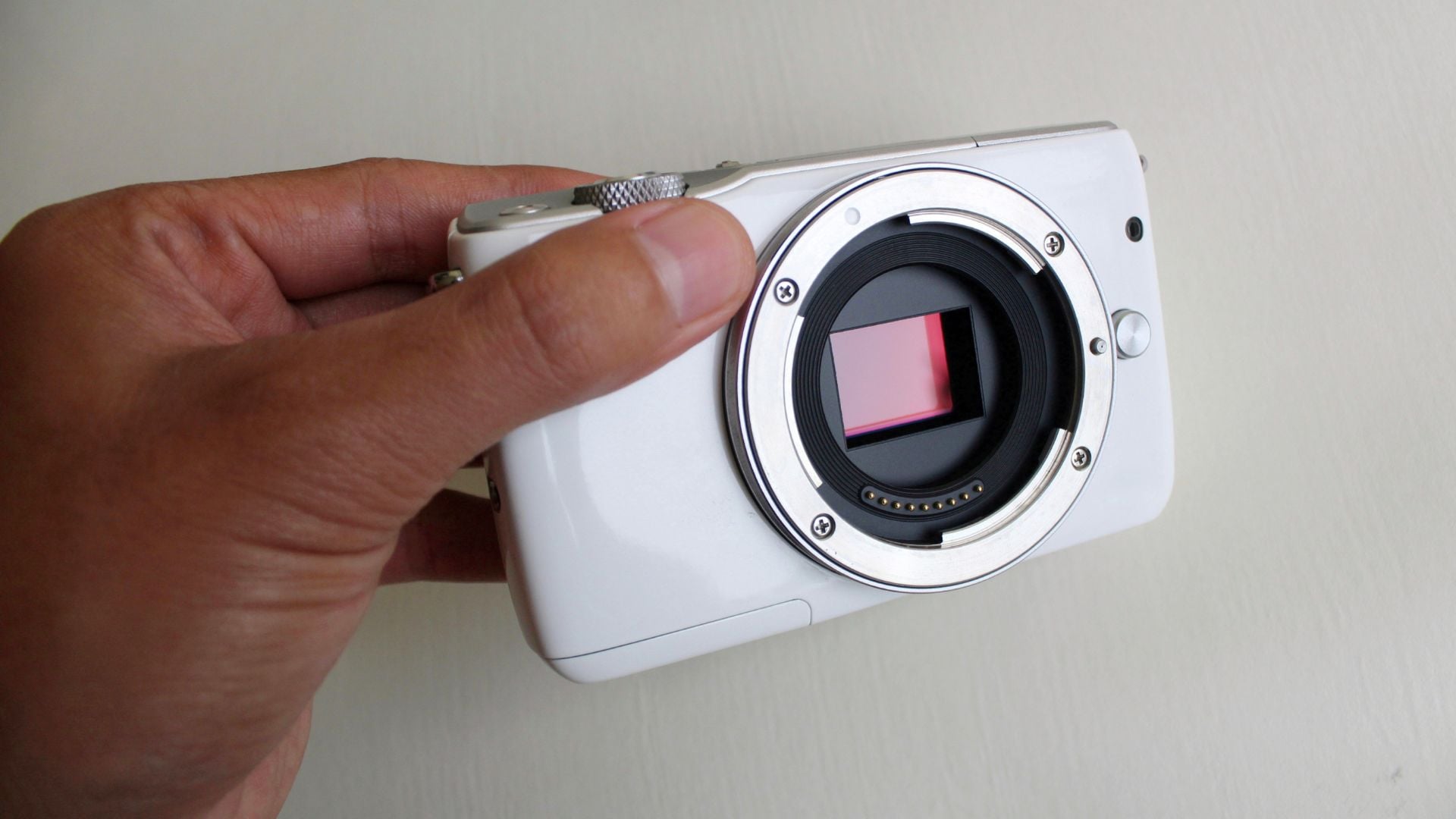
Mirrorless cameras have completely taken over photography in 2025. They’re smaller, faster, and pack way more features than the old bulky DSLRs your dad used to carry around. Whether you’re just starting out or you’ve been shooting for years, there’s probably a mirrorless camera that fits exactly what you need.
The whole camera world flipped to mirrorless tech because it just makes sense. You get better autofocus, silent shooting modes, and you can actually see your shot before you take it. Plus, most of these cameras now shoot video that looks like it came from a movie set.
1. Sony A7R VI: When You Need Every Single Pixel
Sony’s newest mirrorless cameras beast is coming with specs that sound almost unbelievable. We’re talking about 80 megapixels crammed into a full-frame sensor, with autofocus that covers pretty much the entire frame.

This camera is built for people who print their photos huge or crop them down to tiny details. Think wedding photographers who need to grab details from across a massive church, or landscape shooters who want to blow up their sunset shots to wall-size prints.
What makes it special:
- 80MP sensor that captures amazing detail
- AI autofocus that actually works reliably
- ISO range that handles low light better than older high-res cameras
- Fast enough processing to not bog down with huge files
The autofocus improvements really matter here. Previous high-resolution cameras often struggled to keep up with moving subjects. Sony seems to have fixed that problem. Wildlife photographers will love how this camera tracks animals across the frame without losing focus.
2. Canon EOS R1: The Sports Photographer’s Dream
Canon finally built the mirrorless cameras equivalent of their legendary 1D series. The R1 shoots 40 frames per second and records 6K video. That’s faster than most people can even process what they’re seeing.

Sports photographers have been waiting for this exact camera. You can capture every single moment of a basketball player’s dunk or a soccer player’s kick. The burst speed means you’ll never miss the peak action again.
Key features that matter:
- 40fps shooting that never seems to slow down
- Weather sealing that handles rain and dust
- 6K video for when you need cinema-quality footage
- Canon’s famous color accuracy right out of the camera
The camera settings on this thing are incredibly customizable. You can set it up for basketball in the morning and switch to outdoor soccer in the afternoon with just a few button presses.
3. Nikon Z8: Big Camera Performance in a Smaller Package
Nikon took everything great about their flagship Z9 and squeezed it into a camera that won’t destroy your back. The Z8 gives you professional results without needing a chiropractor after a long shoot.
Travel photographers especially love this camera. You get the same image quality as the bigger models, but you can actually carry it around all day without wanting to leave it in the hotel room.
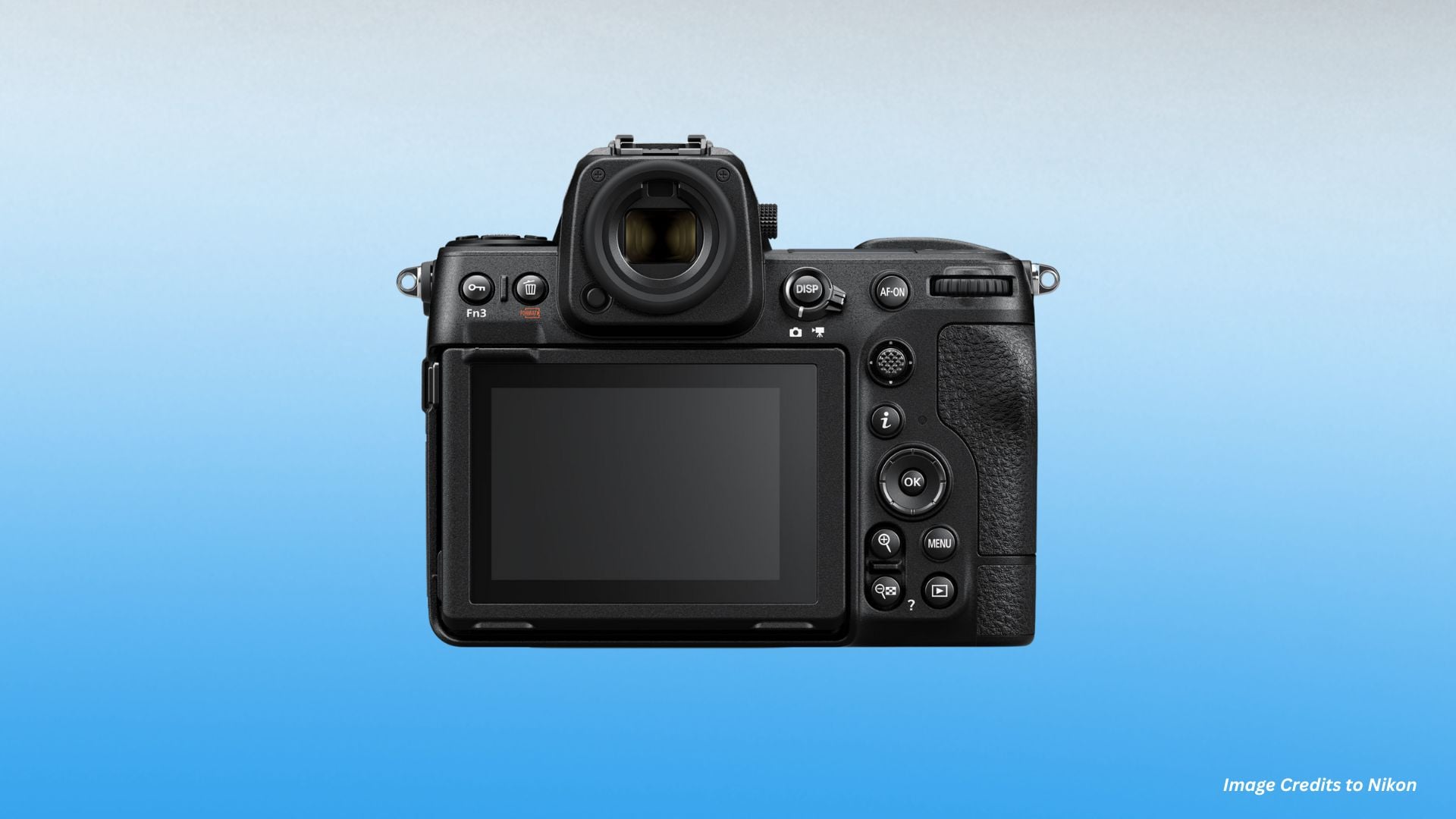
The autofocus works great for portrait photography because it finds and locks onto eyes super quickly. Even in tricky lighting situations, it rarely misses focus.
Battery life is solid for a compact camera. The dual memory card slots give you backup protection when you’re shooting something important. The Z8 consistently delivers professional-grade files in a much more manageable size.
4. Canon EOS R8: Your First Full-Frame Camera Done Right
The Canon R8 makes full-frame photography affordable for regular people. This mirrorless camera model proves you don’t need to spend a fortune to get professional-looking photos.

New photographers often get overwhelmed by complicated camera menus and buttons everywhere. The R8 keeps things simple while still giving you access to all the important controls. You can learn at your own pace without feeling lost.
Why beginners love it:
- Full-frame sensor at a price that won’t break the bank
- Simple menu system that actually makes sense
- Lightweight enough for everyday carry
- Compatible with Canon’s excellent RF lenses
Understanding exposure fundamentals becomes much easier when your camera helps guide you through the process. The R8 has automatic modes that teach you while you shoot, then lets you take more control as you get comfortable.
5. Panasonic Lumix G9 II: The Wildlife Photography Secret Weapon
Don’t let the smaller Micro Four Thirds sensor fool you. The G9 II actually gives wildlife photographers some serious advantages over bigger cameras.
The crop factor works in your favor with telephoto lenses. A 300mm lens becomes like a 600mm lens on full-frame cameras. That means you can get closer to animals without actually getting closer to animals.
What wildlife shooters love:
- Animal detection autofocus that actually finds birds and mammals
- Incredibly fast burst rates for capturing action
- Lightweight system that doesn’t kill your shoulders on long hikes
- Weather sealing for outdoor shooting

The autofocus improvements really shine when you’re tracking fast-moving subjects. Whether it’s a bird taking off or a deer jumping through the woods, this camera keeps up remarkably well.
6. Sony A7 II: Prove You Don’t Need the Latest and Greatest
Sometimes the best mirrorless cameras aren’t the newest ones. The A7 II might be older, but it still takes photos that look absolutely professional when you know what you’re doing.
Budget-conscious photographers can get incredible value here. The image quality holds up against much newer cameras, especially when you’re learning the basics. You’ll save money that you can put toward better lenses instead.
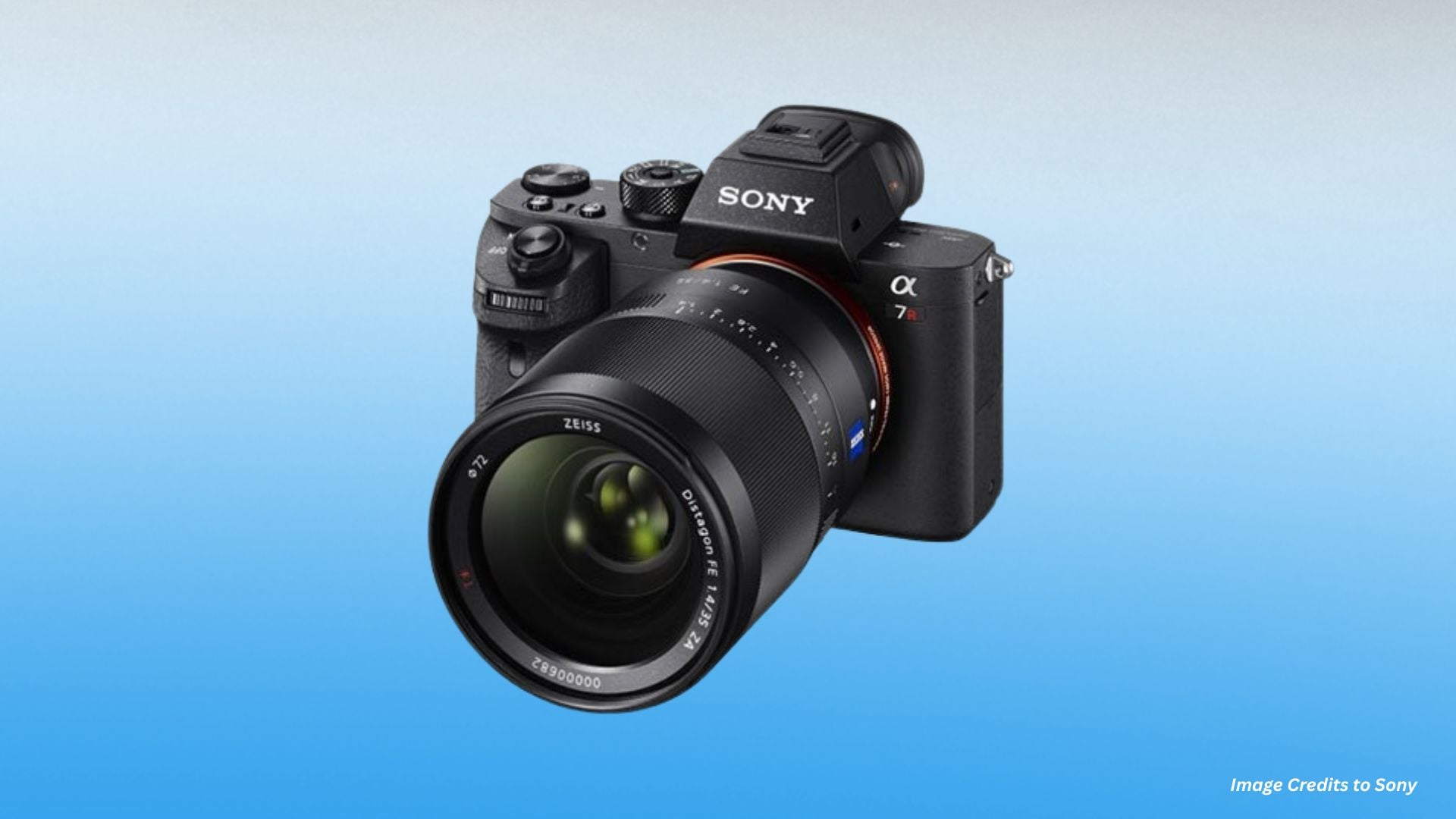
The Sony E-mount system has tons of lens options now. You can find excellent glass from Sony, Sigma, Tamron, and other manufacturers. This gives you way more choices than newer camera systems that are still building their lens catalogs.
Learning proper metering techniques matters more than having the latest autofocus system. Master the fundamentals on proven gear, then upgrade when you actually need the newer features.
7. Olympus OM-D E-M1X: Built Like a Tank for Extreme Conditions
The E-M1X was designed for photographers who shoot in places that would destroy normal cameras. Rain, snow, dust, extreme heat or cold – this camera just keeps working.
Adventure photographers need gear they can trust completely. When you’re hiking in remote mountains or shooting in tropical storms, camera failure isn’t just annoying, it can ruin an entire trip.
Built for extreme conditions:
- Weather sealing that handles serious abuse
- 60fps shooting for capturing split-second action
- Excellent image stabilization for handheld telephoto shots
- Micro Four Thirds size advantage for backpacking

The professional wildlife photography community has really embraced this camera for field work. When you need reliable performance in challenging environments, the E-M1X delivers consistently.
How to Actually Pick the Right Camera
Choosing between mirrorless cameras in 2025 isn’t about finding the “best” camera. It’s about finding the right camera for what you actually shoot and how much you want to spend.
Consider these practical factors:
- What subjects do you photograph most often?
- How important is portability for your shooting style?
- What’s your realistic budget including lenses?
- Do you need professional video features?
Sports and action photographers should look at the Canon R1 or Olympus E-M1X. Portrait and wedding photographers might prefer the Sony A7R VI for maximum resolution.
Travel photographers often love the Nikon Z8’s size-to-performance ratio. Travel photography benefits greatly from cameras that don’t weigh you down during long shooting days.
Remember that proper technique beats expensive gear every single time. A photographer who understands back button focus and exposure will get better results with an older camera than someone who just bought the latest model but doesn’t know how to use it.
Finding Your Perfect Mirrorless Camera Match
Modern mirrorless cameras perform so well that your choice often comes down to handling preferences and specific feature needs rather than basic image quality.
The camera market changes fast, but any of these mirrorless cameras will serve you well for years. Pick the one that fits your needs and budget, then focus on actually taking photos with it.
See more from DIYPhotography.net on Google
Add DIYPhotography.net as a trusted source. This makes
our stories more likely to appear in your Google Search results.
 Add as a preferred source on Google

Darlene Lleno
Darlene Lleno brings a unique perspective to DIY Photography as someone who grew up surrounded by camera gear but chose words over lenses. With five years of writing experience, she specializes in photography content that’s both technically informed and genuinely passionate. Growing up with a photographer twin brother meant camera talk was everyday conversation in her household. While he mastered capturing moments, Darlene discovered she preferred being the subject and the storyteller behind the scenes. As a travel enthusiast and mother of two, she understands the importance of preserving life’s precious moments. When not exploring new destinations or writing for DIY Photography, you’ll find her reading or tending to her garden. Her approach to photography writing is refreshingly authentic, she may not be behind the camera, but she knows exactly what it takes to help others capture the shots that matter most.


Join the Discussion
DIYP Comment Policy
Be nice, be on-topic, no personal information or flames.