



















Best Drones in 2025: The Complete Buyer’s Guide
Aug 25, 2025
Darlene Lleno
Darlene Lleno brings a unique perspective to DIY Photography as someone who grew up surrounded by camera gear but chose words over lenses. With five years of writing experience, she specializes in photography content that’s both technically informed and genuinely passionate. Growing up with a photographer twin brother meant camera talk was everyday conversation in her household. While he mastered capturing moments, Darlene discovered she preferred being the subject and the storyteller behind the scenes. As a travel enthusiast and mother of two, she understands the importance of preserving life’s precious moments. When not exploring new destinations or writing for DIY Photography, you’ll find her reading or tending to her garden. Her approach to photography writing is refreshingly authentic, she may not be behind the camera, but she knows exactly what it takes to help others capture the shots that matter most.
Share:

The best drones in 2025 offer amazing camera technology and flight capabilities that were hard to imagine just a few years ago. These flying cameras have changed from expensive toys into professional tools that capture movie-quality footage and give reliable performance for both creators and hobbyists.
This year brings cool innovations across every price category. From tiny models that fit in your pocket to professional-grade units with three-camera systems, companies have pushed boundaries in sensor technology, flight time, and smart features.
What Makes the Best Drones in 2025 Different
Modern drones excel in three key areas: camera quality, smart flight modes, and safety systems. The top models now feature full-frame sensors, 8K recording capabilities, and obstacle avoidance systems that work well in different lighting conditions.
Battery technology has gotten much better this year. Several models now offer flight times over 40 minutes. Quick-charge systems cut down downtime between shooting sessions. Professional aerial photography workflows benefit hugely from these improvements.
Advanced transmission systems provide crystal-clear video feeds at distances up to 15 kilometers. This extended range opens new creative possibilities for landscape photography and commercial applications.
Professional Grade Champions
DJI Mavic 3 Pro
First on the list is the DJI Mavic 3 Pro remains a standout choice among the best drones of 2025. Its three-camera system includes a 4/3 CMOS Hasselblad main camera that produces amazing image quality. The 70mm medium telephoto and 166mm telephoto cameras provide versatility that regular single-camera systems cannot match.
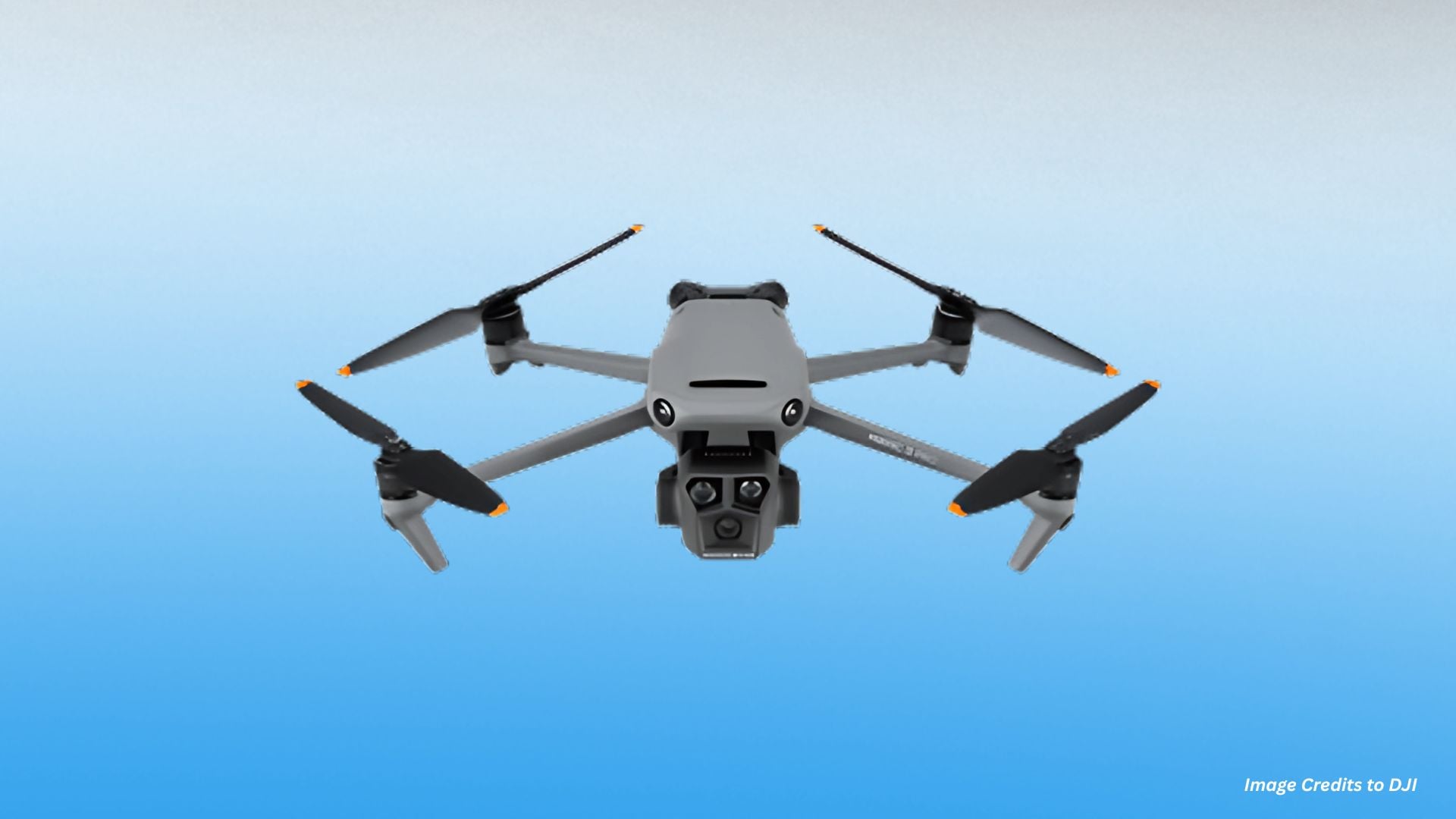
Flight performance impresses with 43 minutes of airtime and omnidirectional obstacle sensing. Moreover, the O3+ transmission system delivers reliable 15km video feeds, making it suitable for complex commercial shoots. Professional videographers love the multiple focal lengths available without changing equipment.
DJI Air 3S
Dual-camera systems define the DJI Air 3S approach to aerial imaging. The 1-inch CMOS wide-angle camera pairs with a 1/1.3-inch CMOS medium telephoto camera for complete shooting options. This combination works really well for portrait photography applications.
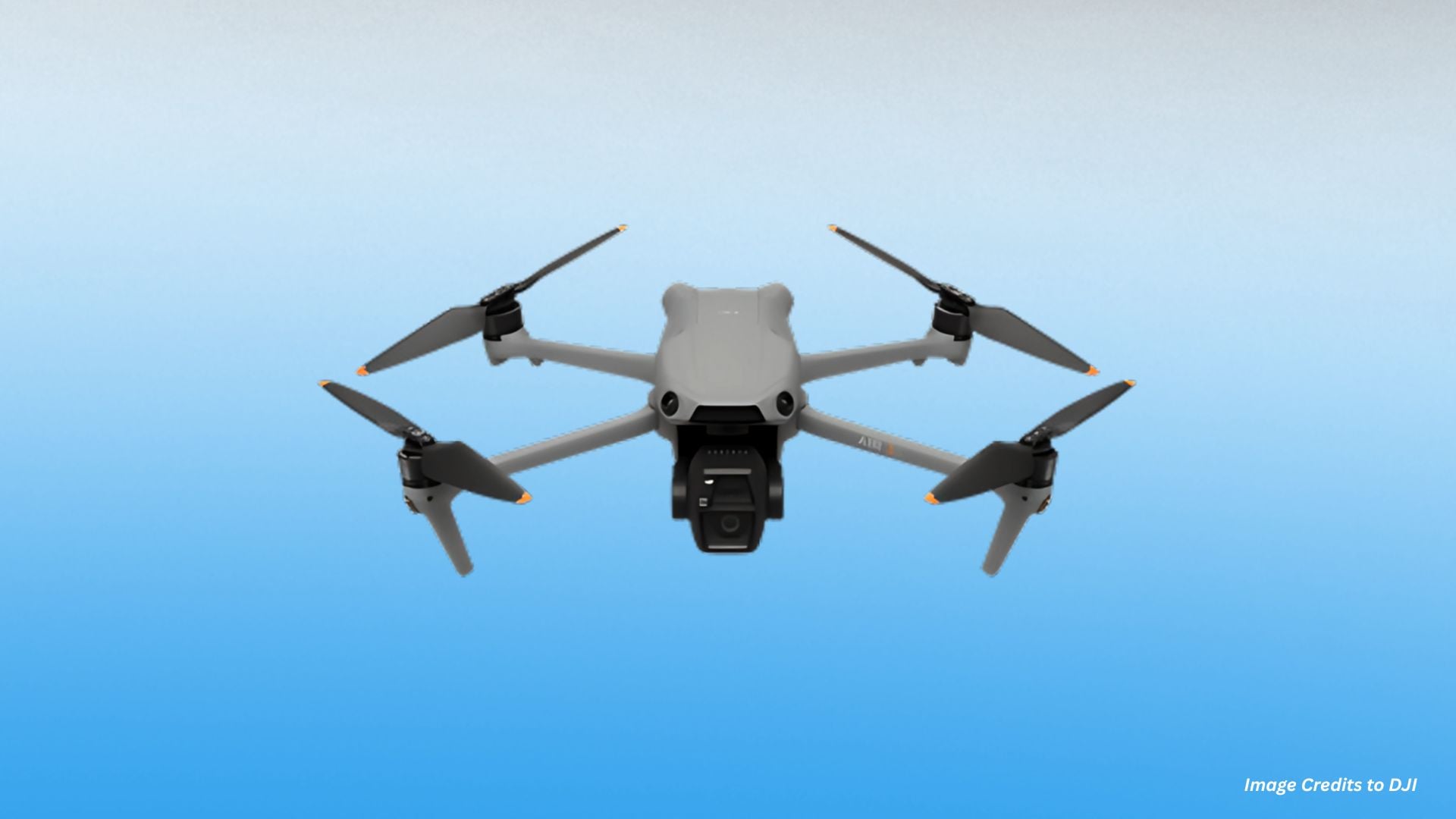
Additionally, the 45-minute flight time sets a new standard in its class. Forward-facing LiDAR enables reliable night flights, expanding shooting schedules beyond daylight hours. The Free Panorama mode creates stunning wide-format images that regular cameras struggle to capture.
Autel Robotics EVO Lite+
Next on the list is the Autel Robotics EVO Lite+ brings professional features at a competitive price point. Its 1-inch CMOS sensor with adjustable aperture (f/2.8-f/11) provides excellent exposure control. The 6K/30fps video capability and 20MP stills quality rival much more expensive systems.
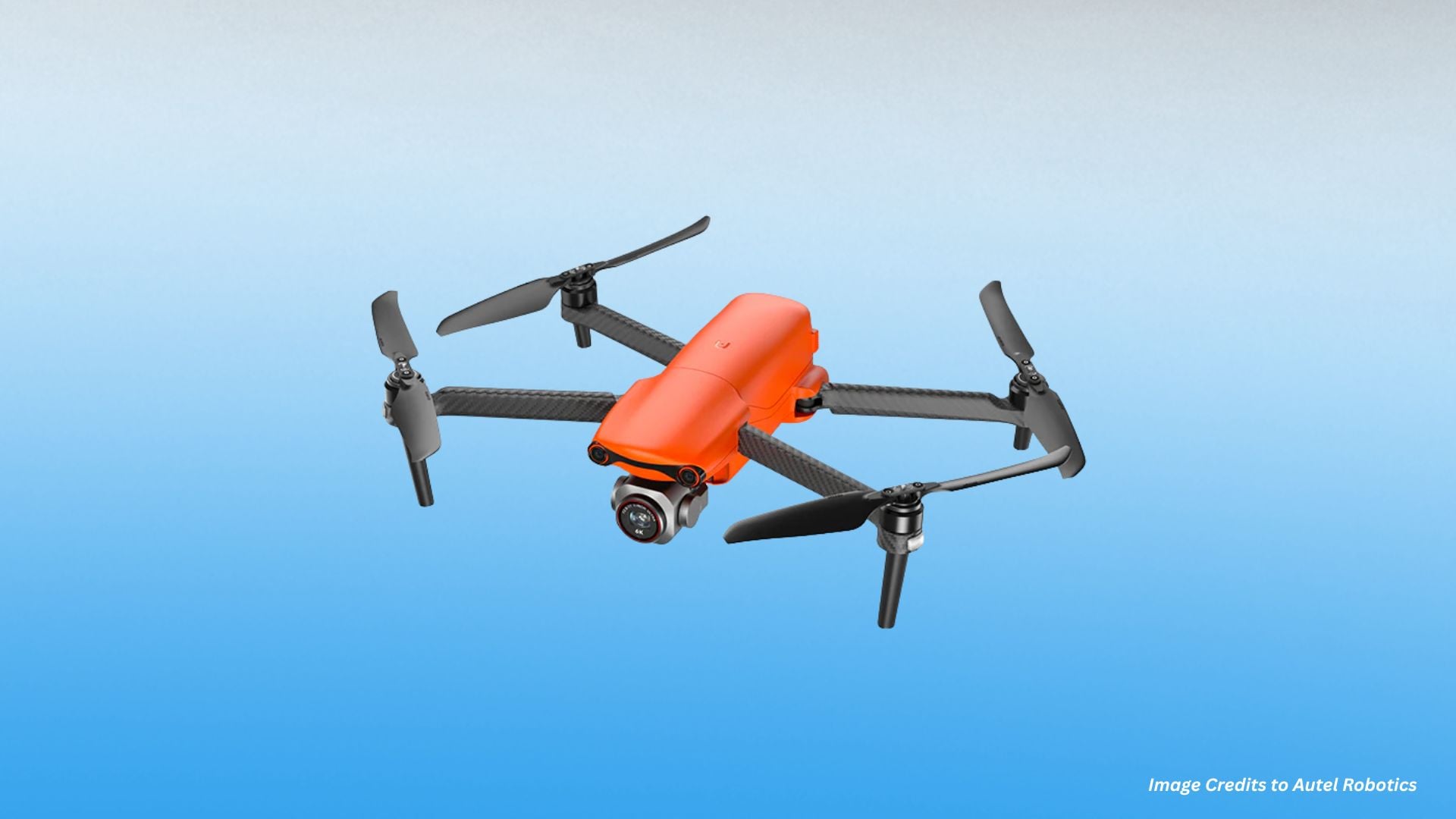
Moreover, the smart Moonlight Algorithm performs really well in low-light conditions. This feature proves valuable for golden hour photography and evening shoots when lighting conditions change quickly.
Compact Powerhouses
HOVERAir X1 Pro Max
Despite its compact size, the HOVERAir X1 Pro Max redefines portable drone capabilities with its 8K camera system and its 1/1.3-inch CMOS sensor captures professional-quality footage at 120fps in 4K mode. The HLG and H-Log recording formats provide extensive post-production flexibility.
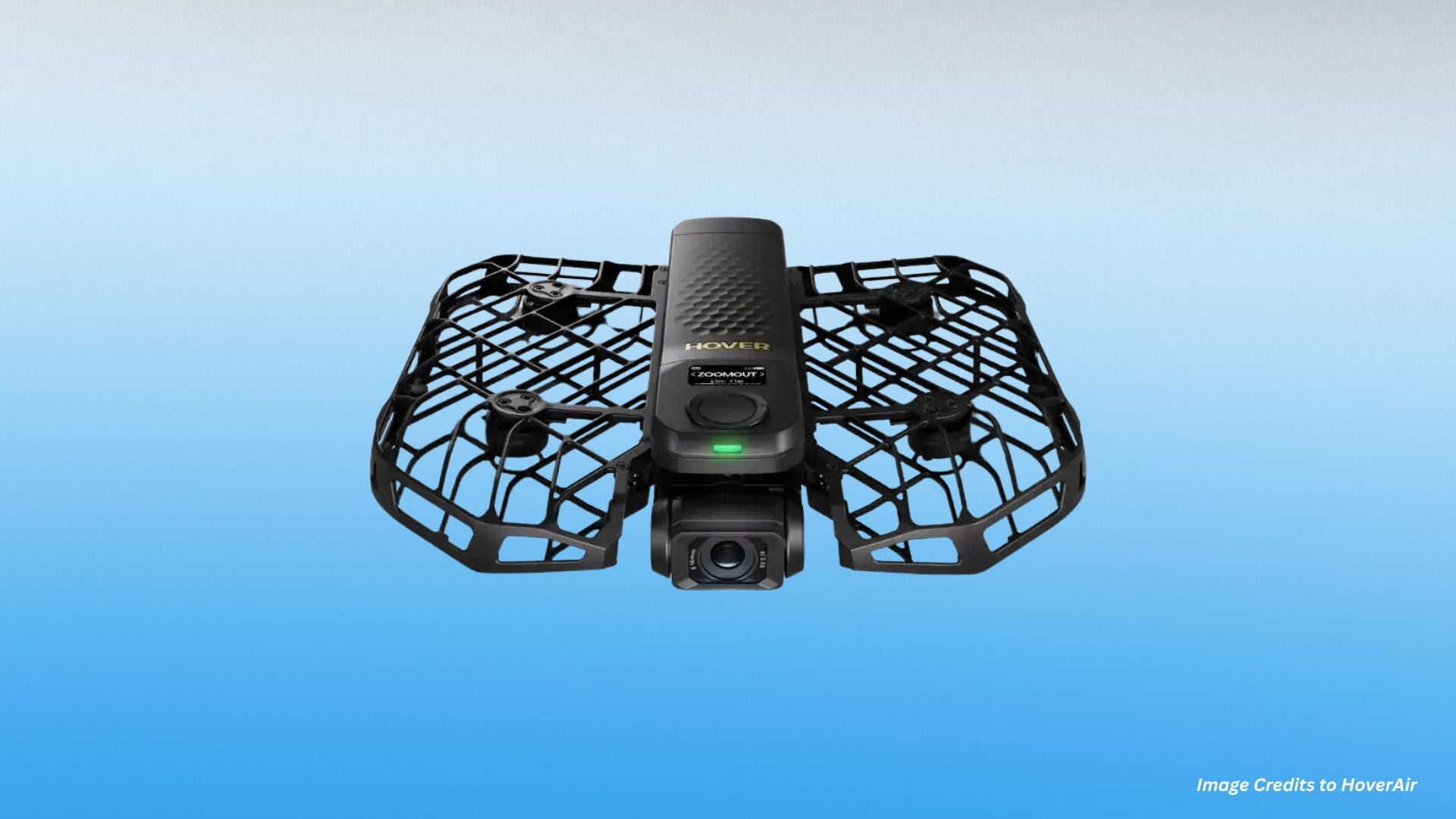
Smart flight modes work smoothly without controller input. Hand-launch capabilities make it perfect for spontaneous shooting opportunities. The 2x zoom function in 8K mode adds creative flexibility without sacrificing image quality.
DJI Neo
Weighing just 135g, the DJI Neo proves that small drones can deliver impressive results. The 12MP camera records 4K video at 30fps, while the 1/2-inch CMOS sensor produces surprisingly good image quality for its size. The 18-minute flight time provides good shooting windows for most applications.
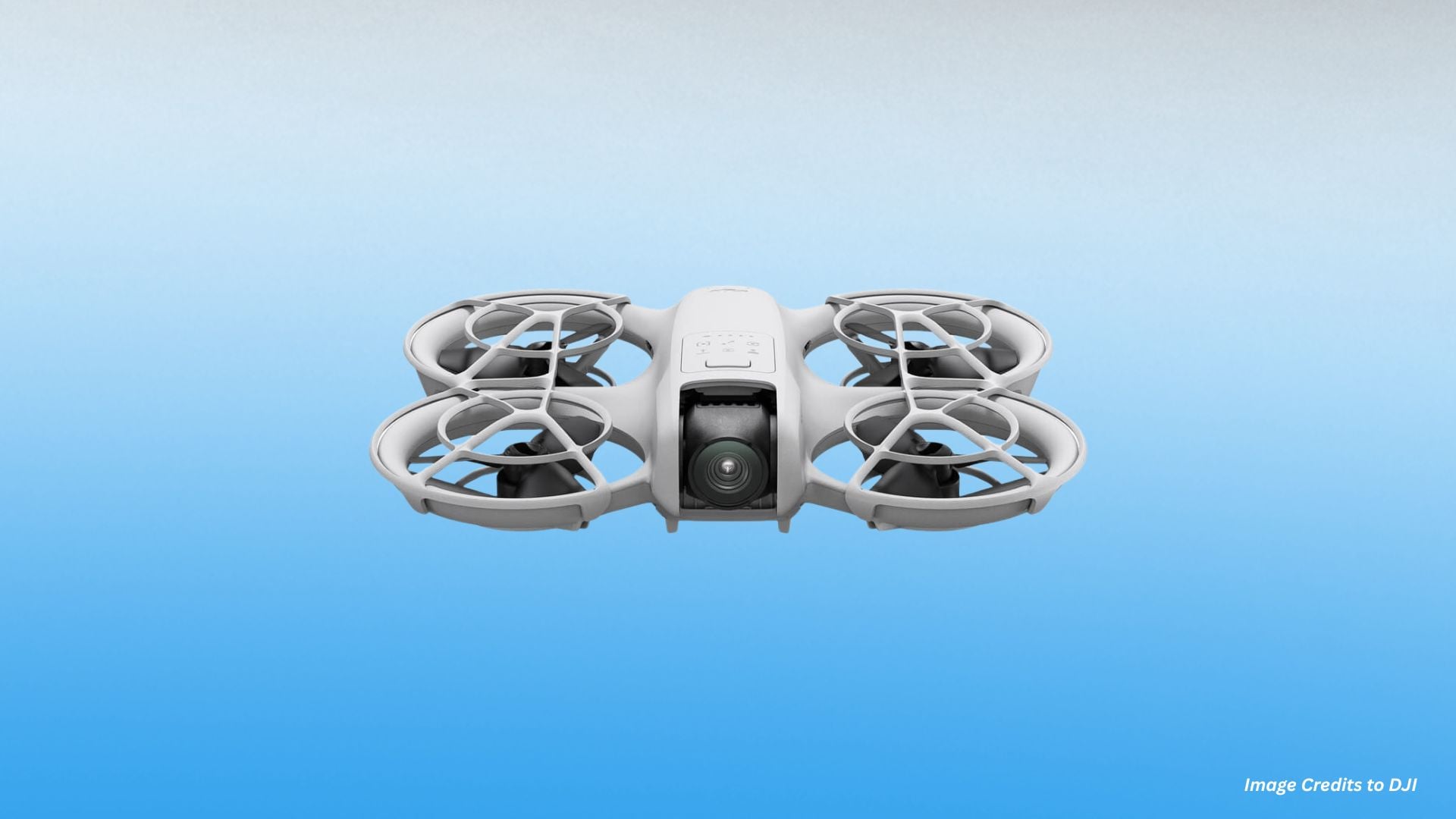
Full-coverage propeller guards make indoor flying safe and practical. Multiple smart flight modes including Follow and Dronie automate complex camera movements. The palm-sized form factor means it travels anywhere without bulk or weight penalties.
Mid-Range Versatility
DJI Mini 4 Pro
For the mid-range versatility, the DJI Mini 4 Pro represents the best balance of features and portability among the best drones of 2025. Omnidirectional obstacle sensing provides confidence in tight spaces, while ActiveTrack 360° with Manual Mode offers precise subject following. The 20km FHD video transmission keeps reliable connection even at extended ranges.
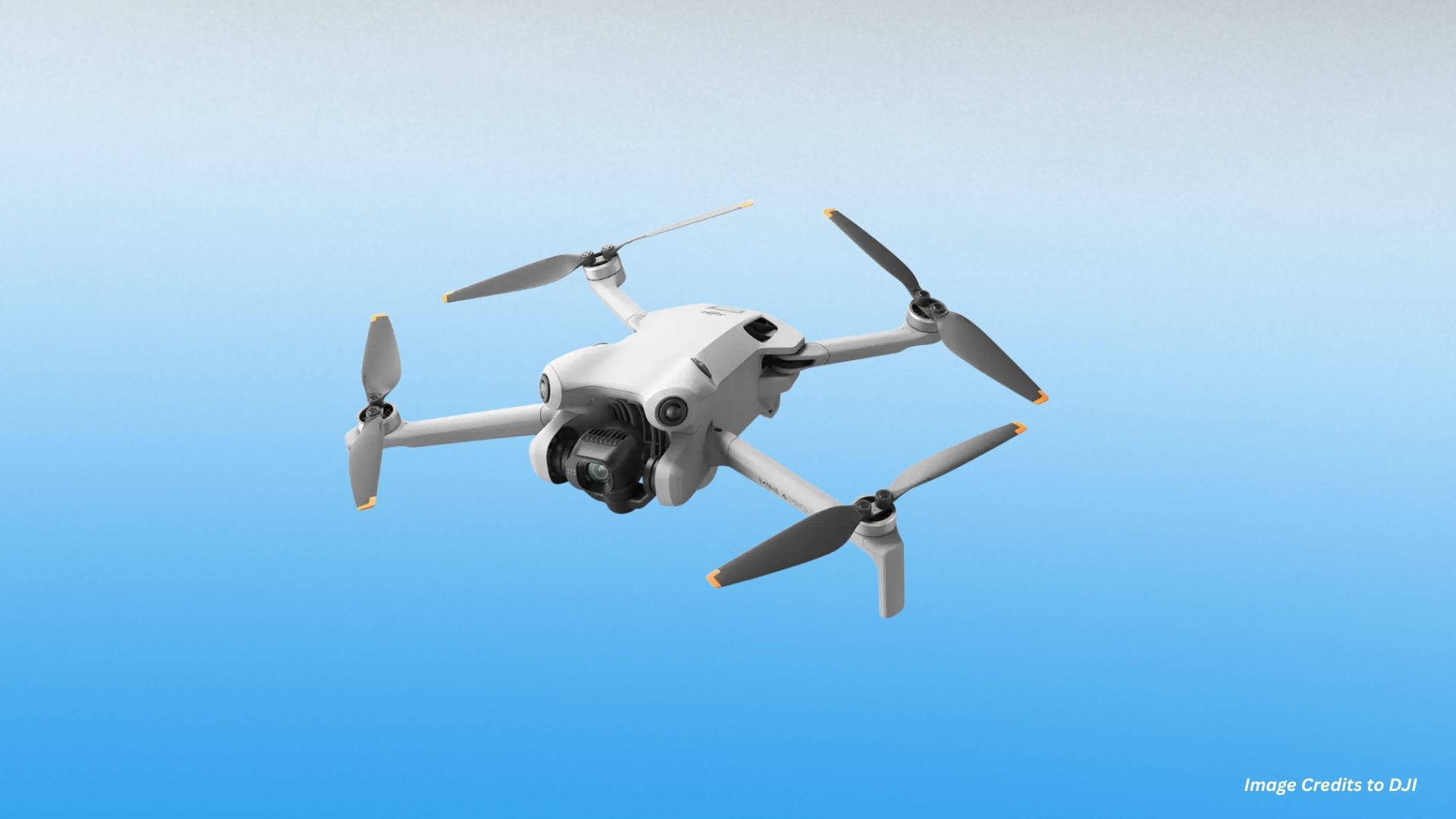
Professional imaging capabilities include advanced camera settings and manual controls. This feature set appeals to photographers who want creative control over their aerial shots.
DJI Flip
Next on the list is the DJI Flip introduces innovative design thinking to the drone market. Its foldable design automatically powers on when unfolded, making the setup process smoother. The 1/1.3-inch sensor captures 4K/60fps HDR video and 48MP stills with excellent detail.
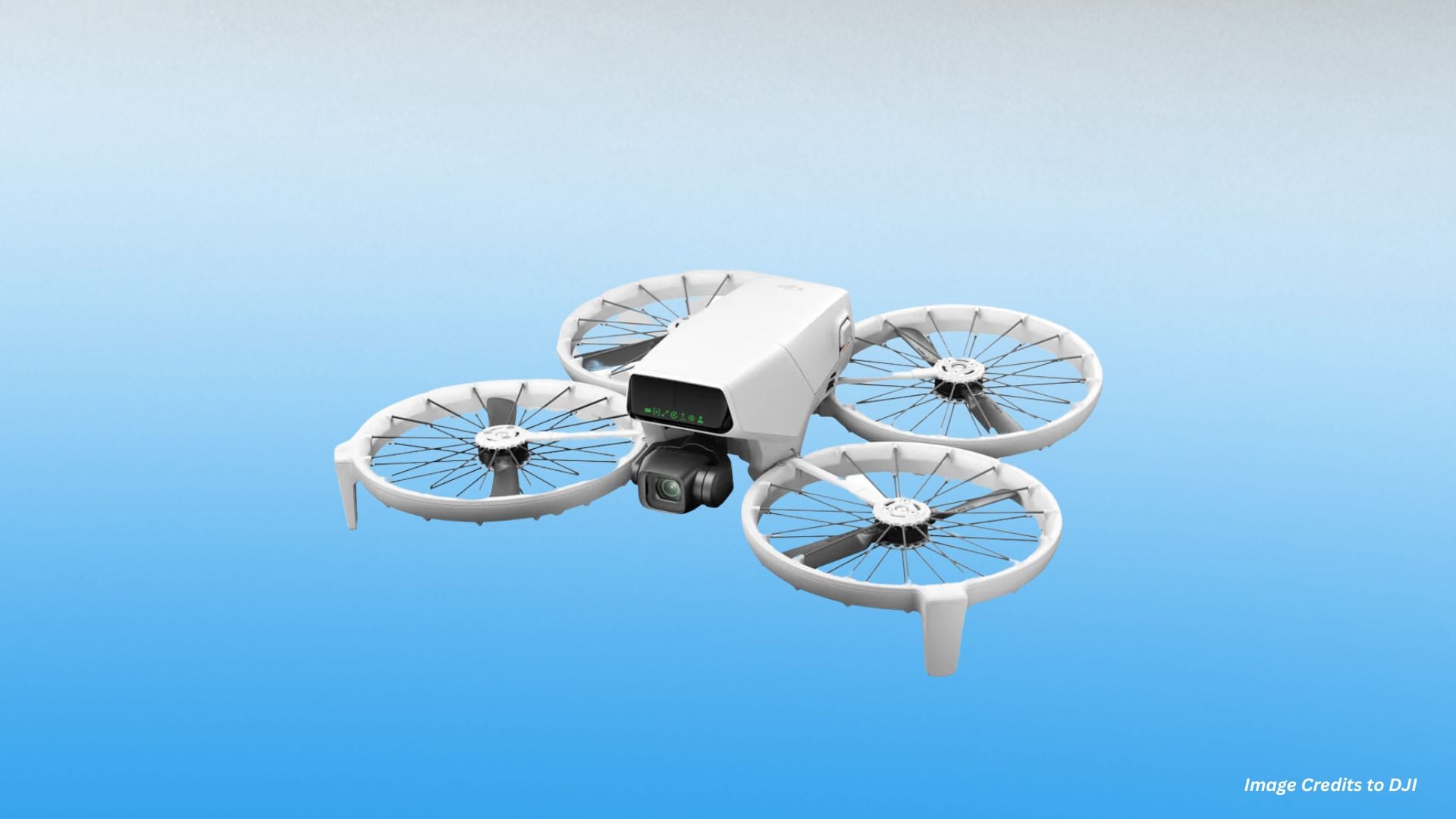
Built-in propeller guards enable safe indoor flight, while DJI O4 technology provides 13km video transmission range. FocusTrack and other smart modes work reliably for action photography applications.
FPV and Racing Excellence
DJI Avata 2
FPV flying reaches new heights with the DJI Avata 2. The 1/1.3-inch CMOS sensor records 4K HDR video while maintaining the responsive flight characteristics that FPV pilots demand. The 23-minute flight time provides extended sessions for practice and filming.
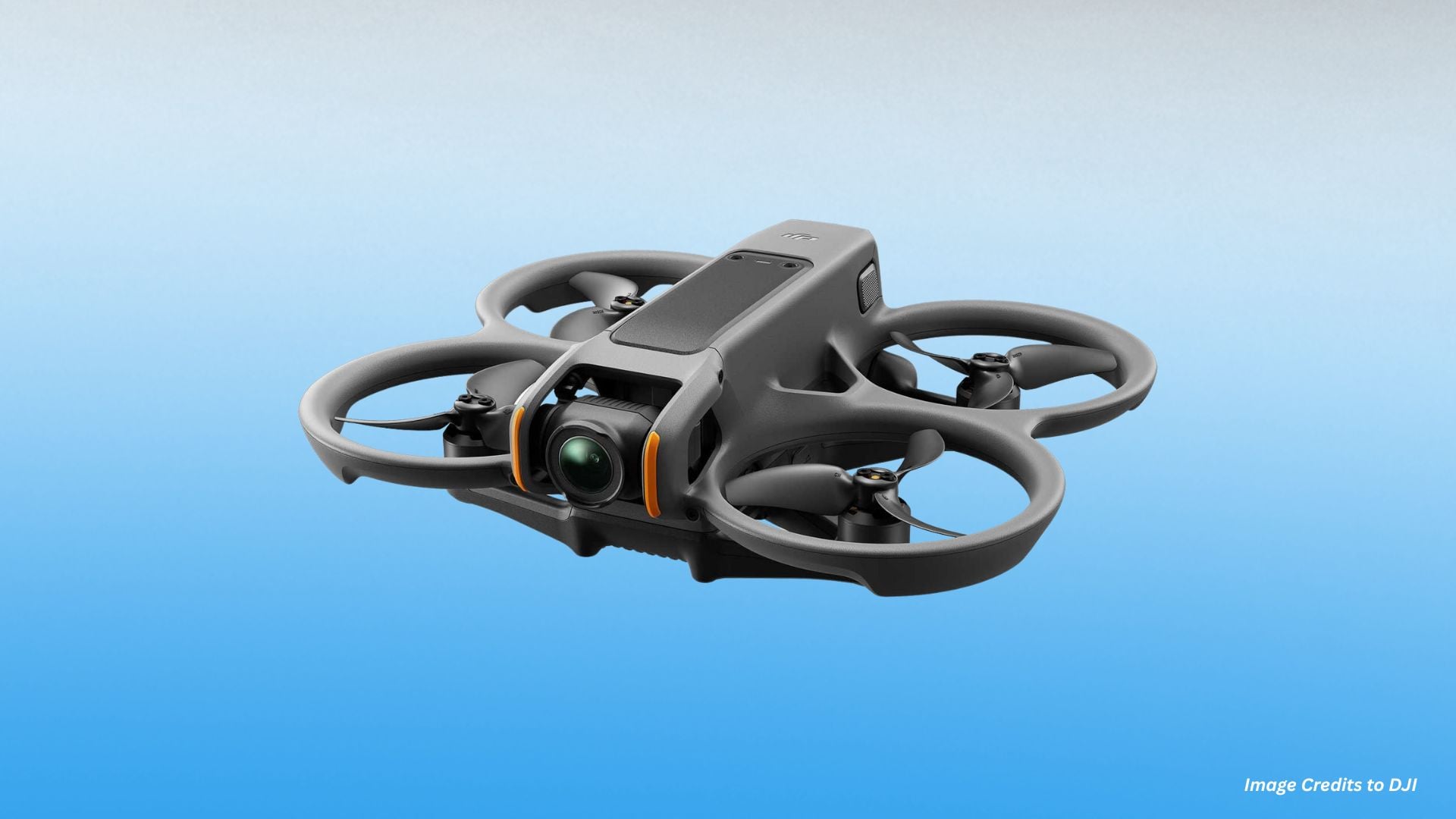
Safety improvements include downward and backward binocular fisheye visual positioning. These systems prevent crashes while maintaining the aggressive flight capabilities that make FPV exciting. The 10-bit D-Log M recording format offers professional color grading options.
Drone Features That Matter in 2025
Camera Technology Advances
Sensor sizes have increased significantly across all categories. Even compact models now feature 1-inch sensors that were previously found only in professional equipment. Variable apertures provide depth of field control that adds artistic possibilities to aerial photography.
HDR video recording has become standard on premium models. This technology captures details in both bright skies and dark shadows, reducing post-processing requirements. The best drones of 2025 handle challenging lighting conditions automatically.
Smart Flight Systems
Obstacle avoidance technology now works in all directions on premium models. Forward-facing LiDAR systems enable reliable night flying, while improved algorithms handle complex environments with multiple obstacles. These safety features reduce pilot workload and prevent costly crashes.
Subject tracking has evolved beyond simple following. Modern systems predict movement patterns and maintain composition even when subjects move unpredictably. This capability proves invaluable for wildlife photography and sports documentation.
Battery and Transmission
Flight times have increased dramatically while battery weight has decreased. Quick-charging systems restore power in 30 minutes or less, keeping productivity high during extended shooting sessions. Some models include multiple battery options for different flight requirements.
Video transmission quality has improved alongside range increases. 4K live feeds remain stable at distances exceeding 10 kilometers, while lower latency systems provide real-time control responsiveness. These improvements benefit both recreational and commercial operators.
Choosing the Best Drone in 2025
Budget considerations play a major role in drone selection. Entry-level models under $500 now offer 4K recording and smart flight modes that were premium features just two years ago. Mid-range options between $500-1500 provide professional-grade cameras and extended flight times.
Professional users should focus on camera specs and flight time rather than price alone. The cost difference between good and excellent image quality often justifies itself in the first commercial project. Consider workflow integration and post-processing requirements when evaluating options.
Flight environments influence the best choice significantly. Indoor flying requires propeller guards and precise control systems. Outdoor operations benefit from extended range and weather resistance. Travel considerations favor compact, lightweight designs that pack efficiently.
Best Options by Use Case
Beginners will find the DJI Neo ideal with its lightweight design and full propeller guards that make learning safe and stress-free. The DJI Mini 4 Pro offers another excellent starting point, providing a great balance of advanced features and user-friendly operation that grows with your skills.
Professional photographers and videographers should consider the DJI Mavic 3 Pro for its industry-leading tri-camera system that delivers unmatched versatility. The DJI Air 3S presents another strong option with dual-camera flexibility and extended 45-minute flight time that supports demanding commercial workflows.
Content creators will love the HOVERAir X1 Pro Max, which packs impressive 8K recording capabilities into a remarkably compact form factor. The DJI Flip appeals to creators who value innovation, featuring a unique folding design and HDR video that automatically powers on when unfolded.
FPV enthusiasts looking for the ultimate flying experience should look at the DJI Avata 2, which combines racing-level performance with cinematic recording quality that captures every thrilling moment in stunning detail.
Safety and Regulations
Drone regulations continue evolving in 2025. Remote ID requirements affect most new models, while operational restrictions vary by location and aircraft weight. Understanding local regulations prevents legal issues and keeps responsible operation.
Modern drones include geofencing systems that prevent flight in restricted areas. These safety features protect both operators and the public while maintaining access to legal flying zones. Always verify current regulations before flying in new locations.
Training remains important regardless of drone sophistication. Automated systems work well in ideal conditions but require pilot intervention during emergencies. Practice in safe areas before attempting complex shots or flying in challenging environments.
Maintenance and Care Tips
Proper maintenance extends drone life and keeps performance optimal:
- Clean propellers after each flight session
- Store batteries at proper charge levels (around 50%)
- Update firmware regularly for new features and fixes
- Inspect for damage before every flight
- Calibrate sensors when prompted by the app
The Future of Aerial Photography
The best drones of 2025 represent just the beginning of technological advancement in aerial imaging. Artificial intelligence integration promises even more sophisticated automatic capabilities, while battery technology continues improving flight times and charging speeds.
Camera sensors will likely grow larger while maintaining compact drone sizes. Computational photography features already found in smartphones will migrate to drone cameras, providing advanced image processing capabilities during flight.
Professional applications continue expanding beyond traditional photography and videography. Real estate photography, inspection services, and mapping applications drive demand for specialized features and increased reliability.
Moreover, the convergence of professional capabilities and consumer accessibility makes 2025 an exciting time for aerial photography enthusiasts. Whether capturing family memories or commercial projects, modern drones deliver results that exceed expectations while remaining approachable for users at every skill level.
Recent market analysis shows that the global drone market continues expanding rapidly, with camera drones representing the fastest-growing segment. Industry experts predict that 2025 will be remembered as the year drone photography became truly mainstream, with image quality reaching parity with traditional ground-based cameras.
Lastly, these technological advances transform how we capture and share visual stories. The best drones of 2025 make professional-quality aerial photography accessible to creators worldwide, opening new perspectives and creative possibilities that continue pushing the boundaries of visual storytelling.
Your Drone Adventure Awaits
When selecting from the best drones of 2025, consider these key factors:
- Camera Quality: Look for sensors at least 1-inch in size for professional results. Variable apertures provide more creative control.
- Flight Time: Aim for at least 30 minutes for serious photography work. Consider extra batteries for longer sessions.
- Range: 10km+ transmission range gives flexibility for complex shots and commercial work.
- Safety Features: Omnidirectional obstacle sensing and return-to-home functions prevent accidents.
- Portability: Consider size and weight if travel is important to your workflow.
The drone market in 2025 offers something for everyone, from casual users to professional filmmakers. Start with your specific needs and budget, then choose the model that best matches your requirements. Each of these best drones of 2025 represents excellent value in its category, providing the tools needed to create stunning aerial content.
See more from DIYPhotography.net on Google
Add DIYPhotography.net as a trusted source. This makes
our stories more likely to appear in your Google Search results.
 Add as a preferred source on Google

Darlene Lleno
Darlene Lleno brings a unique perspective to DIY Photography as someone who grew up surrounded by camera gear but chose words over lenses. With five years of writing experience, she specializes in photography content that’s both technically informed and genuinely passionate. Growing up with a photographer twin brother meant camera talk was everyday conversation in her household. While he mastered capturing moments, Darlene discovered she preferred being the subject and the storyteller behind the scenes. As a travel enthusiast and mother of two, she understands the importance of preserving life’s precious moments. When not exploring new destinations or writing for DIY Photography, you’ll find her reading or tending to her garden. Her approach to photography writing is refreshingly authentic, she may not be behind the camera, but she knows exactly what it takes to help others capture the shots that matter most.

Join the Discussion
DIYP Comment Policy
Be nice, be on-topic, no personal information or flames.