





















Best Cameras with In-Body Stabilization (IBIS): The Complete 2025 Guide
Sep 12, 2025
Darlene Lleno
Darlene Lleno brings a unique perspective to DIY Photography as someone who grew up surrounded by camera gear but chose words over lenses. With five years of writing experience, she specializes in photography content that’s both technically informed and genuinely passionate. Growing up with a photographer twin brother meant camera talk was everyday conversation in her household. While he mastered capturing moments, Darlene discovered she preferred being the subject and the storyteller behind the scenes. As a travel enthusiast and mother of two, she understands the importance of preserving life’s precious moments. When not exploring new destinations or writing for DIY Photography, you’ll find her reading or tending to her garden. Her approach to photography writing is refreshingly authentic, she may not be behind the camera, but she knows exactly what it takes to help others capture the shots that matter most.
Share:

The best cameras with in-body stabilization (IBIS) have significantly expanded what photographers can shoot handheld. You can now capture sharp images in lower light situations and at slower shutter speeds that would have previously required a tripod, making many everyday shooting scenarios more convenient and spontaneous.
IBIS technology moves the camera sensor to cancel out your movements. It happens automatically in real-time across five different directions. You can now shoot at much slower shutter speeds than before. Some cameras today give you up to 8.5 stops of shake compensation.
This tech has gotten so good that many photographers barely use tripods anymore. Wedding photographers get sharp photos in dark churches. Street photographers work in low light without annoying flash. Wildlife shooters stay steady with huge telephoto lenses.
Every camera company now puts IBIS in their top models. Even budget cameras have surprisingly good stabilization these days. The options can feel overwhelming, but that’s actually great news for photographers.
This guide walks you through everything about IBIS cameras. You’ll see the top performers at different price points and learn which brands do it best. Plus, you’ll figure out which camera matches your photography style.
What Makes IBIS Essential for Modern Photography
Image stabilization went from being nice to have to absolutely necessary. Regular lens stabilization only works with certain lenses. IBIS works with every single lens you put on the camera.
This changes everything. You can use old manual focus lenses with modern stabilization. Lenses from other camera brands suddenly work great with adapters. Even basic kit lenses gain stabilization benefits they wouldn’t otherwise have.
The technology uses tiny sensors to detect when you move the camera. Then electromagnets instantly move the sensor in the opposite direction. This happens thousands of times every second with incredible accuracy.
Modern IBIS handles five types of camera movement. Side to side and up and down movements get corrected. Tilting in any direction gets fixed too. Even rotation around the lens gets smoothed out. All of this working together creates notably more stable photos and helps with video.
The benefits go way beyond just sharper photos. Portrait photography feels more natural when you’re not fighting camera shake. You can focus on connecting with your subject instead of worrying about technical stuff.
Video creators do get benefits from IBIS, though it has limitations. IBIS can help reduce minor shake and micro-movements, making handheld footage somewhat smoother. However, it’s not a replacement for proper gimbal gear or stabilization techniques for professional video work. For basic video needs and gentle movements, IBIS provides a helpful foundation of stability.
Best Cameras with In-Body Stabilization (IBIS) for Professional Work
Professional photographers need gear that performs perfectly every time. These flagship IBIS cameras deliver exactly that with the best stabilization available plus top image quality.
1. Canon EOS R5 Mark II
Canon’s newest flagship gives you an incredible 8.5 stops of IBIS compensation. That’s literally the best you can get right now. The 45 megapixel sensor captures amazing detail while the processor handles all the complex stabilization math.

Wedding photographers absolutely love this camera for dark ceremony shots. The IBIS works so well that many skip bringing flash gear completely. Exposure settings that used to be impossible handheld are now totally doable.
The R5 Mark II costs around $4,300 just for the body. That’s serious money, but pros see the payback quickly. Fewer missed shots means happier clients and better business.
2. Sony A7R V
Sony’s high resolution monster packs 61 megapixels with 8 stops of stabilization. This combo creates incredibly detailed images that stay sharp even when conditions get tough. The Real-time Recognition autofocus works perfectly with IBIS for tracking moving subjects.
This camera rocks for landscape work where every detail matters. The IBIS lets you shoot handheld shots that used to need heavy tripods. Mountain photographers especially appreciate carrying less weight on long hikes.

Commercial photographers also gravitate toward the A7R V. The massive resolution gives tons of cropping flexibility for different uses. Product shots and architectural work benefit from both the detail and stabilization.
3. OM System OM-1 Mark II
The OM-1 Mark II proves that smaller sensors can deliver professional results. This Micro Four Thirds camera offers 8.5 stops of compensation with the right lenses. The weather sealing beats most full frame cameras too.
Wildlife photographers have really embraced this camera. The crop factor gives extra reach for telephoto work. Combined with amazing IBIS performance, handheld shots become possible with massive telephoto lenses. Camera settings for bird photography get much more manageable.
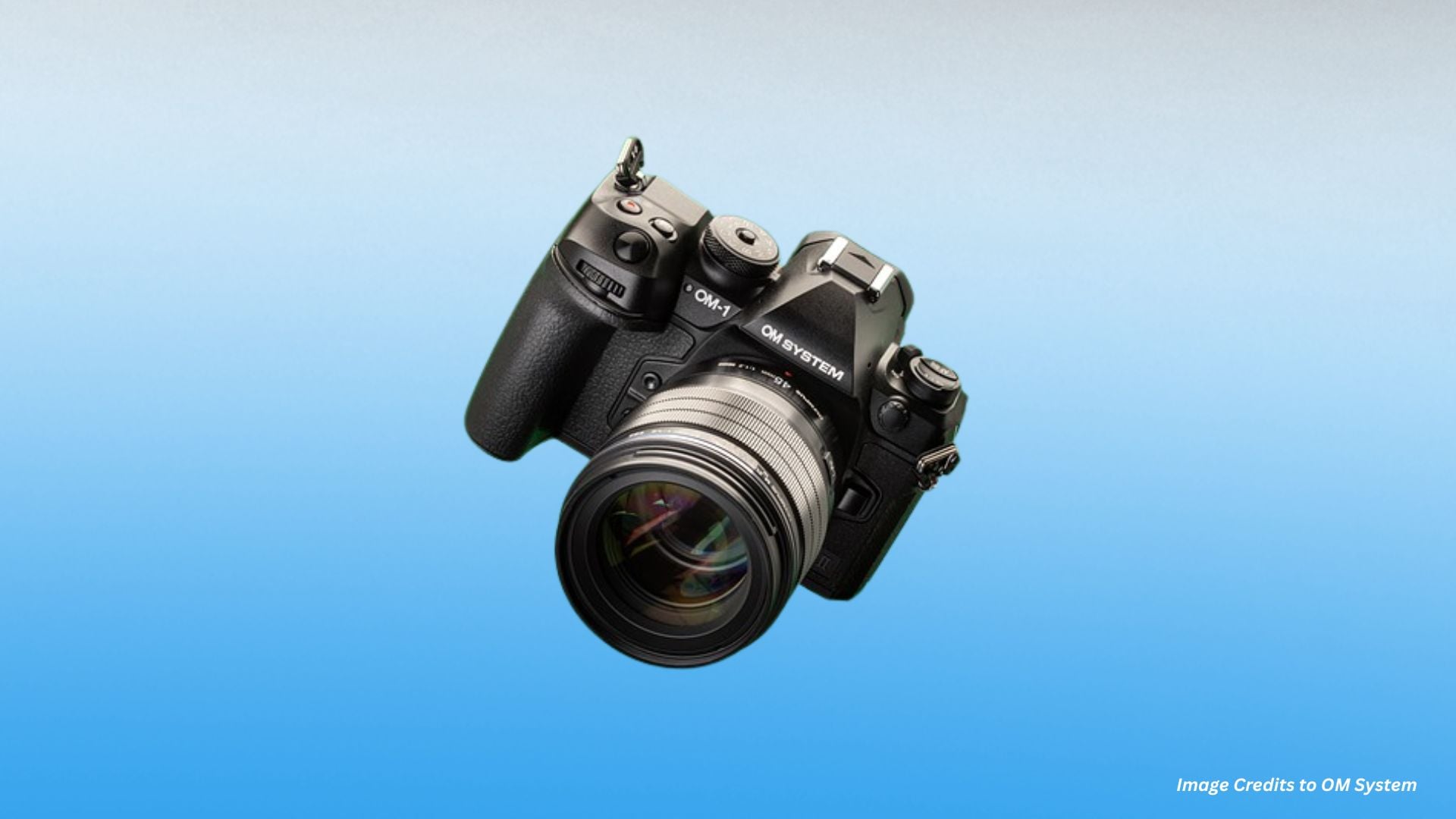
The computational photography features make this camera special. Live ND filters simulate neutral density glass without carrying extra gear. Focus stacking happens automatically inside the camera. These tools really streamline professional workflows.
Top IBIS Cameras for Enthusiast Photographers
Enthusiast photographers want professional features without paying flagship prices. These cameras give you excellent IBIS performance while staying affordable for serious hobbyists.
4. Sony A7 IV
The A7 IV hits the sweet spot for most photographers. Its 5.5 stops of IBIS might not top the spec sheets, but real world performance beats expectations. The 33 megapixel sensor gives plenty of resolution for most uses.
This camera handles incredibly diverse shooting situations. Street photography benefits from the discrete size and excellent low light capabilities. Family portraits look sharp even in tricky indoor lighting.
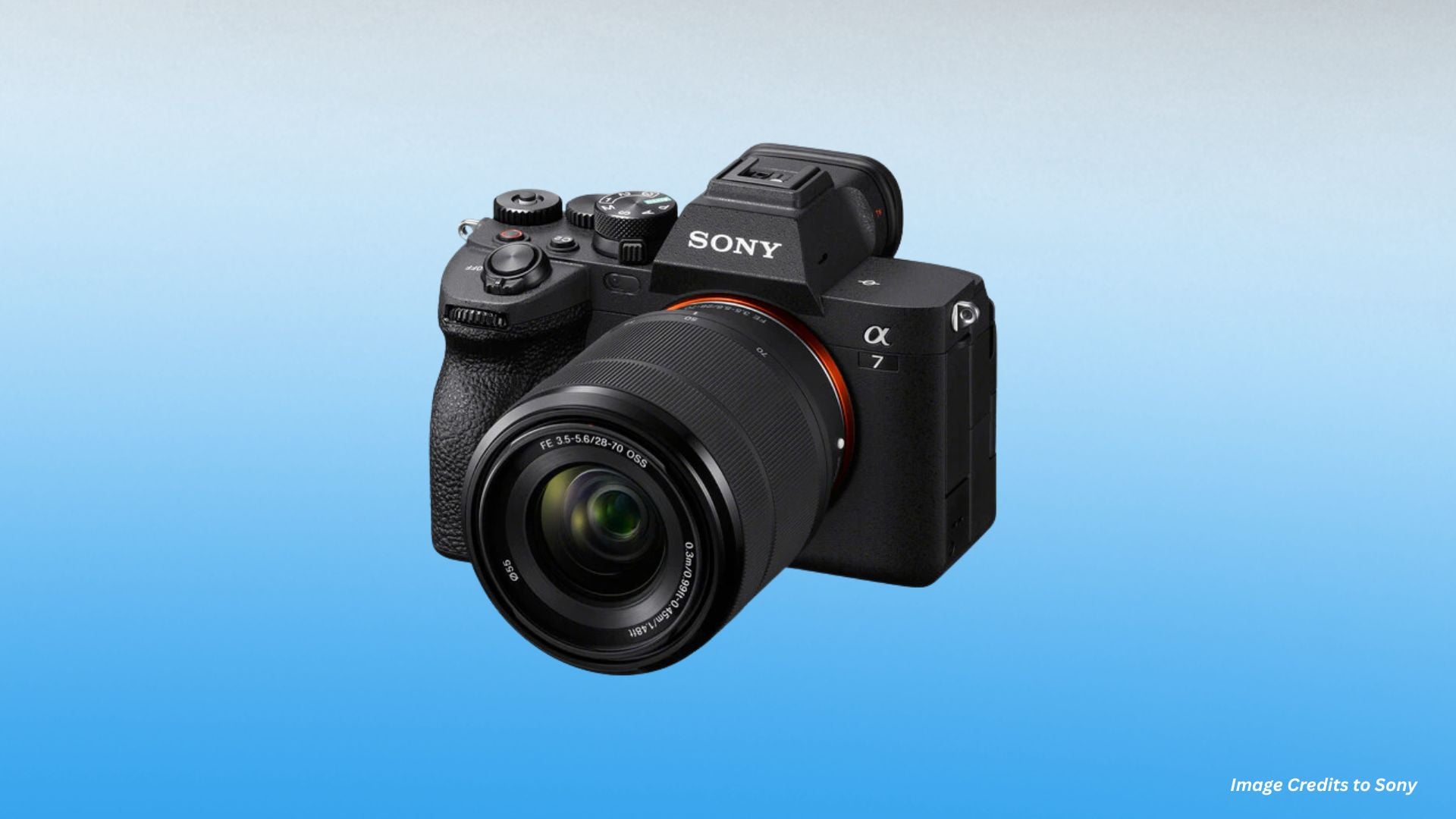
The huge lens ecosystem gives Sony a major advantage. Third party companies make excellent options at competitive prices. Native Sony lenses cover every possible focal length and aperture combo.
Price drops have made the A7 IV even more attractive. Street prices often fall below $2,200 for just the body. That’s remarkable value for full frame performance with proven IBIS technology.
5. Canon EOS R6 Mark II
Canon’s enthusiast flagship delivers 8 stops of IBIS compensation. This matches or beats many professional cameras at a more reasonable price. The 24 megapixel sensor prioritizes low light performance over pure resolution.
Sports photographers appreciate the burst shooting capabilities. The IBIS system keeps subjects sharp even during rapid fire sequences. Action photography becomes much more predictable and successful.

The R6 Mark II also rocks for video work. The stabilization works seamlessly across photo and video modes. Content creators get professional looking footage without additional stabilization equipment.
6. Fujifilm X-T5
Fujifilm’s flagship APS-C camera offers 7 stops of IBIS in a beautifully designed body. The 40 megapixel sensor captures incredible detail while keeping the classic X-Series look. Film simulation modes give stunning JPEG output straight from the camera.
Travel photographers love the X-T5 for its compact size and weather sealing. The IBIS system works great with Fujifilm’s excellent prime lens lineup. Travel photography becomes less of a burden without heavy stabilization gear.
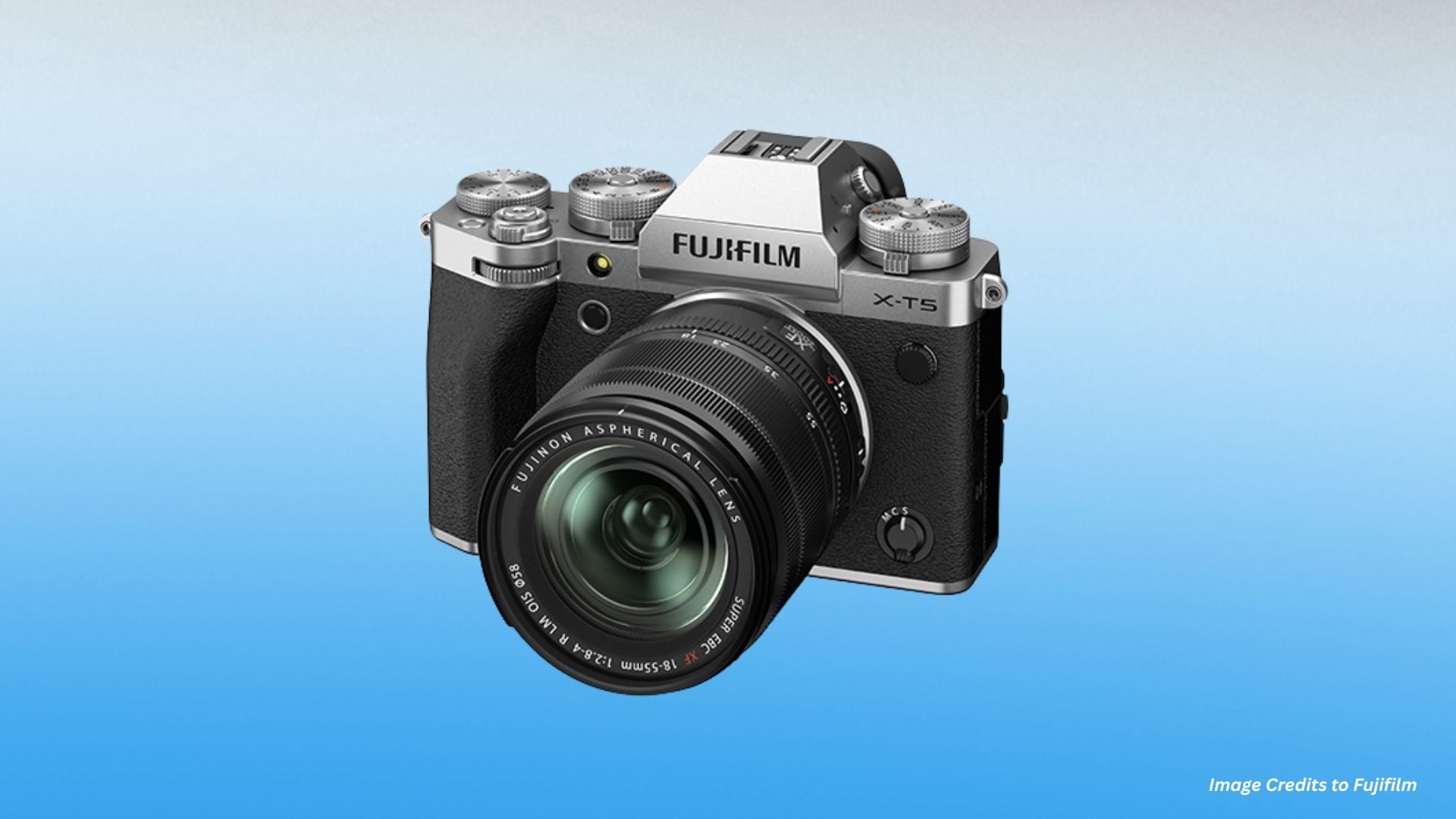
The physical controls appeal to photographers who enjoy the mechanical side of photography. Real dials for ISO, shutter speed, and exposure compensation speed up operation significantly. You can adjust critical settings without taking your eye from the viewfinder.
Best Cameras with In-Body Stabilization (IBIS) on a Budget
Budget conscious photographers don’t need to sacrifice stabilization quality anymore. Several excellent options deliver effective IBIS without breaking the bank.
7. Olympus OM-D E-M10 Mark IV
This entry level camera proves that good IBIS doesn’t need a huge investment. The 4.5 stops of compensation might seem modest compared to flagship cameras, but real world performance consistently impresses.
Beginning photographers benefit from the simplified controls and helpful guide modes. The IBIS system forgives many common mistakes that would ruin shots on non-stabilized cameras. Photography basics become easier to master when camera shake isn’t constantly fighting you.

The Micro Four Thirds lens ecosystem offers excellent value. Many high quality options cost significantly less than full frame equivalents. The crop factor also gives extra reach for wildlife and sports work.
At under $700, the E-M10 Mark IV represents incredible value. The build quality feels solid despite the budget pricing. Weather sealing protects against light moisture, adding versatility for outdoor shooting.
8. Panasonic Lumix S5 II
Panasonic delivers full frame IBIS performance at an attractive price point. The 6.5 stops of compensation compete with cameras costing twice as much. The 24 megapixel sensor balances resolution with excellent low light capabilities.
Video creators especially appreciate the S5 II’s capabilities. The IBIS system works beautifully for handheld footage. Video recording becomes more forgiving when stabilization handles minor movements automatically.

The L-mount system provides access to excellent Sigma and Panasonic lenses. Recent price drops on native glass make building a complete system more affordable than ever.
Bundle deals often include high quality prime lenses at no extra cost. These packages provide incredible value for photographers starting fresh with a new system.
Choosing the Right IBIS Camera for Your Photography Style
Different photography styles benefit from specific IBIS characteristics. Understanding your primary shooting needs helps narrow down the best camera choices.
Wedding Photography
Wedding and event photographers need IBIS systems that perform well in low light with fast lenses. The ability to shoot handheld in dimly lit venues makes the difference between getting the shot and missing it entirely. Canon and Sony full frame cameras excel in these demanding conditions.
Wedding photography requires cameras that handle quickly changing conditions. IBIS systems that engage and disengage rapidly work better than those with noticeable startup delays.
Street Photography
Street photographers benefit from discrete cameras with effective IBIS. The ability to shoot candidly in available light without drawing attention proves invaluable. Fujifilm’s X-series cameras and Olympus Micro Four Thirds models fit these requirements perfectly.
The size and weight advantages of smaller IBIS cameras become apparent during long shooting sessions. Street photography often involves hours of walking with camera gear. Every ounce matters when carrying equipment all day.
Landscape Photography
Landscape photographers need IBIS systems that work well with wide angle lenses. The ability to shoot handheld during golden hour extends shooting possibilities significantly. You can capture scenes where tripod setup would be impossible or impractical.
Landscape photography also benefits from cameras with excellent weather sealing. IBIS systems must continue functioning in challenging outdoor conditions. OM System cameras lead in this area with exceptional environmental protection.
Wildlife Photography
Wildlife photographers require IBIS that complements telephoto lens stabilization. The combination approach delivers the best results for long focal length work. Canon’s coordinated IS system and Olympus’ sync stabilization excel in these applications.
Bird photography particularly benefits from cameras with fast IBIS engagement. The stabilization must activate quickly when raising the camera to track fast moving subjects.
Understanding IBIS Limitations and Workarounds
Even the best cameras with in-body stabilization (IBIS) have limitations that photographers should understand. Knowing these boundaries helps set appropriate expectations and develop effective shooting techniques.
IBIS cannot compensate for subject movement. Moving people, animals, or objects still require appropriate shutter speeds to freeze motion. The stabilization only addresses camera movement, not scene dynamics.
Sports photography demonstrates this limitation clearly. IBIS helps with camera steadiness but doesn’t replace fast shutter speeds for stopping action. Understanding this distinction prevents disappointment and missed shots.
Common IBIS limitations include:
- Extreme focal lengths push IBIS systems beyond their effective range
- Super telephoto lenses may not work optimally with sensor based stabilization
- Ultra wide specialty glass can have reduced stabilization effectiveness
- Very long exposures may require disabling IBIS to prevent feedback issues
Some photographers disable IBIS when using tripods to prevent feedback loops. The stabilization system can actually introduce movement when the camera is already stable. Most modern cameras detect tripod use automatically, but manual override options remain useful.
Long exposure photography requires understanding when IBIS helps versus when it interferes. Short exposures benefit from stabilization, while very long exposures work better with the system disabled.
Battery life considerations become important during extended shooting sessions. IBIS systems consume power continuously while active. Backup batteries become essential for photographers relying heavily on stabilization capabilities.
Power management features help extend shooting time. Many cameras offer different IBIS modes with varying power consumption levels. Understanding these options helps balance performance with battery longevity.
Future Developments in IBIS Technology
The evolution of IBIS technology continues at a rapid pace. Understanding upcoming developments helps photographers make informed purchasing decisions and plan equipment upgrades.
Artificial intelligence integration represents the next major advancement. AI powered IBIS systems will predict photographer movement patterns and pre-position sensors for optimal compensation. This predictive approach should improve effectiveness while reducing power consumption.
Computational photography techniques will further enhance IBIS capabilities. HDR photography and multi-frame noise reduction already benefit from stabilization. Future implementations will integrate these technologies more seamlessly.
Lens communication protocols continue improving to optimize combined stabilization systems. Better coordination between lens and sensor stabilization will increase effectiveness, particularly with telephoto focal lengths.
Power efficiency improvements will address battery life concerns. More efficient actuators and smarter system management will reduce the performance penalty associated with IBIS operation.
Finding Your Perfect IBIS Match
The best cameras with in-body stabilization (IBIS) available today represent the culmination of decades of engineering development. They provide capabilities that seemed impossible just a few years ago.
Whether you’re a professional photographer or enthusiastic amateur, IBIS technology will transform your shooting experience and expand your creative possibilities. The key is matching the right IBIS camera to your specific needs and budget. You don’t need the most expensive flagship to see dramatic improvements in your photography.
Even budget IBIS cameras offer stabilization that was unimaginable in professional cameras just a decade ago. Start with what fits your current shooting style and upgrade as your skills and requirements grow. The technology will only get better, but any IBIS camera you choose today will serve you well for years to come.
See more from DIYPhotography.net on Google
Add DIYPhotography.net as a trusted source. This makes
our stories more likely to appear in your Google Search results.
 Add as a preferred source on Google

Darlene Lleno
Darlene Lleno brings a unique perspective to DIY Photography as someone who grew up surrounded by camera gear but chose words over lenses. With five years of writing experience, she specializes in photography content that’s both technically informed and genuinely passionate. Growing up with a photographer twin brother meant camera talk was everyday conversation in her household. While he mastered capturing moments, Darlene discovered she preferred being the subject and the storyteller behind the scenes. As a travel enthusiast and mother of two, she understands the importance of preserving life’s precious moments. When not exploring new destinations or writing for DIY Photography, you’ll find her reading or tending to her garden. Her approach to photography writing is refreshingly authentic, she may not be behind the camera, but she knows exactly what it takes to help others capture the shots that matter most.

Join the Discussion
DIYP Comment Policy
Be nice, be on-topic, no personal information or flames.
One response to “Best Cameras with In-Body Stabilization (IBIS): The Complete 2025 Guide”
Hasselblad X2D II 100C has 10 stops!!!