





















Best Hybrid Photo/Video Cameras for Content Creators Who Refuse to Compromise
Sep 12, 2025
Darlene Lleno
Darlene Lleno brings a unique perspective to DIY Photography as someone who grew up surrounded by camera gear but chose words over lenses. With five years of writing experience, she specializes in photography content that’s both technically informed and genuinely passionate. Growing up with a photographer twin brother meant camera talk was everyday conversation in her household. While he mastered capturing moments, Darlene discovered she preferred being the subject and the storyteller behind the scenes. As a travel enthusiast and mother of two, she understands the importance of preserving life’s precious moments. When not exploring new destinations or writing for DIY Photography, you’ll find her reading or tending to her garden. Her approach to photography writing is refreshingly authentic, she may not be behind the camera, but she knows exactly what it takes to help others capture the shots that matter most.
Share:

The best hybrid photo/video cameras have completely changed how creators work. You don’t need separate gear for photos and videos anymore. Some pros have ditched their dedicated video setups because today’s hybrid cameras handle both jobs so well.
But here’s what most buying guides won’t tell you. A lot of cameras claim to be “hybrid” but really excel at just one thing. Some overheat during video shoots. Others have autofocus that works great for photos but hunts chaotically in video mode. Finding a camera that’s actually good at both takes more than just reading spec sheets.
This guide cuts through all that marketing noise. We’ll show you which cameras actually work for both photos and videos, what features really matter, and which ones give you the best bang for your buck. Whether you’re a wedding photographer adding video to your services or a YouTuber who wants better thumbnails, the right hybrid camera can change everything about how you work.
Why Camera Categories Don’t Work for Hybrid Shooters
Camera companies love putting their products in neat little boxes. This one’s for landscapes. That one’s for portraits. This other one’s for wildlife. But hybrid shooters don’t work that way. They need gear that adapts to whatever story they’re telling, whether that’s a single frame or 24 frames per second.
This change has forced camera makers to completely rethink how they build cameras. They can’t just optimize for photos or videos anymore. They need processors that handle RAW files and video codecs equally well. They need autofocus that tracks smoothly for video but still nails portrait photography precision.
The best hybrid cameras now include features borrowed from professional video cameras: built-in ND filters for exposure control, Log recording profiles for better color grading flexibility, and dual native ISO options that minimize noise at different sensitivity levels. Audio capabilities matter too—look for cameras with multiple microphone inputs, headphone monitoring, and HDMI output for external recording.
High frame rate capabilities separate serious hybrid cameras from photo-first models. The better cameras shoot 4K at 120fps or higher, giving you stunning slow-motion footage when wildlife action demands it. These essential tools for storytellers who refuse to be limited by arbitrary camera categories.
Finding the Right Sensor Size for Both Jobs
Most hybrid cameras today use sensors between 20 and 45 megapixels. This range offers something interesting that traditional camera advice often misses. Lower megapixel counts usually perform better in low-light photography, which helps video shooters who can’t always control their lighting.
Higher resolution sensors give photographers more room to crop and more detail for big prints. However, they also create huge video files and need more processing power for real-time encoding. For most hybrid work, somewhere around 24 to 33 megapixels hits the sweet spot.
Heat Problems Can Kill Your Shoot
Here’s something spec sheets never mention. How well a camera handles heat separates the good hybrid cameras from the great ones. Recording video creates way more heat than taking photos. When cameras get too hot, they either shut down completely or drop video quality to cool off.
Good hybrid cameras now have better cooling systems, smarter heat management, and some even offer external cooling fans for long recording sessions. This focus on keeping cameras cool represents one of the biggest improvements in camera technology lately.
Professional Hybrid Cameras Worth the Investment
Professional hybrid cameras cost serious money, but they solve problems that cheaper cameras just can’t handle. These cameras target working pros who need gear that never fails and can handle anything clients throw at them.
The investment makes sense when you think about the alternative. Buying separate high-end photo and video systems costs way more than one really good hybrid camera. Plus, you don’t have to carry two sets of gear to every shoot.
1. Nikon Z8
The Nikon Z8 sits at the top of the professional hybrid world. Its 45.7-megapixel sensor takes incredibly detailed photos while recording 8K video at 60 frames per second. You can shoot wildlife photography at 120 fps, then switch to cinematic video without missing anything.
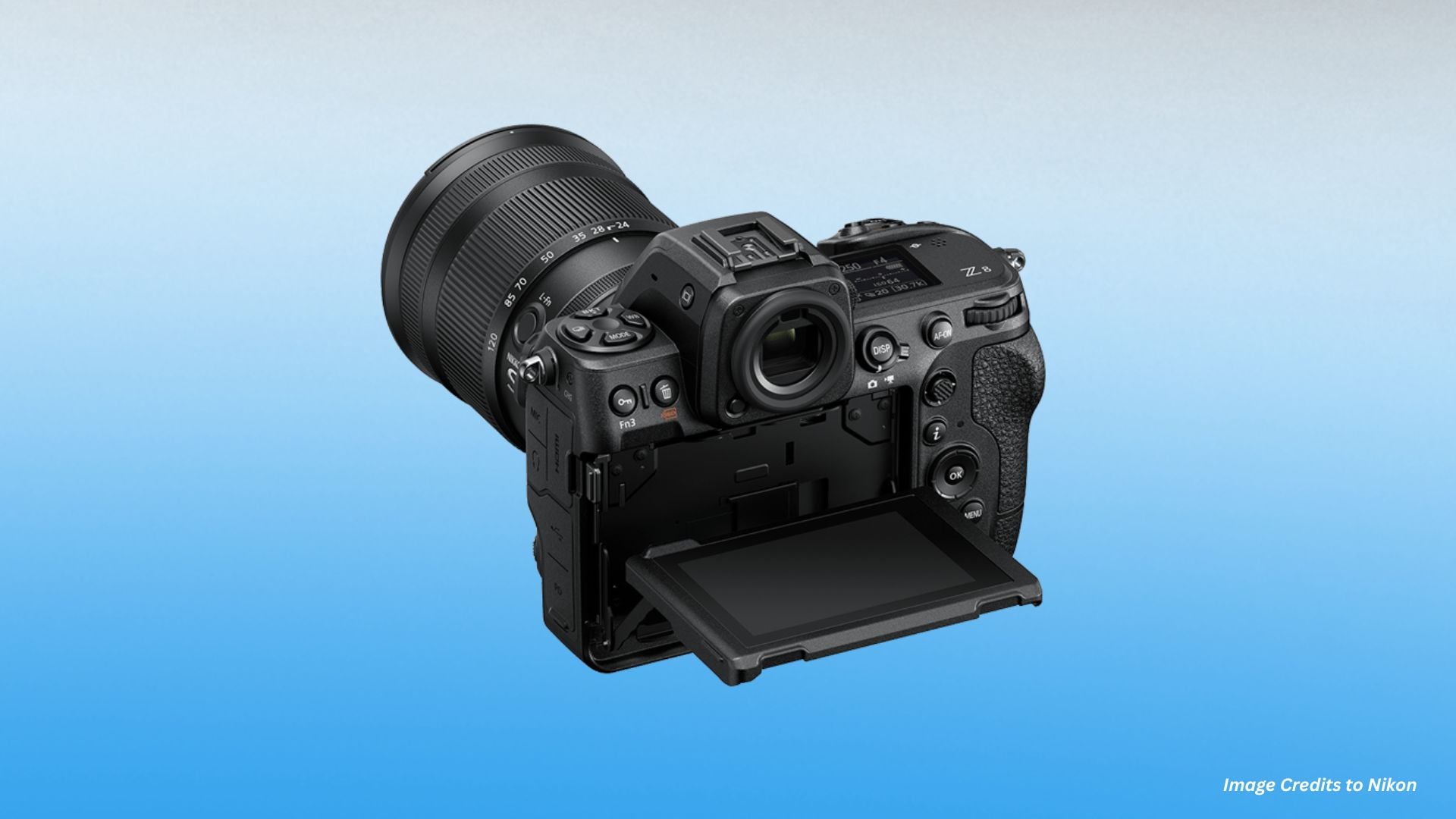
What makes the Z8 special is its processing power. It can shoot full-resolution RAW files continuously while getting video ready for immediate playback. This dual-processing ability means you never have to choose between getting the perfect shot and having video ready for quick delivery.
2. Sony A1 Mark II
Sony’s A1 Mark II pushes resolution even higher with 50.1 megapixels. It works great for commercial photography where every detail matters, while offering 8K video for clients who want maximum quality. The Real-Time Recognition autofocus uses AI to track subjects with accuracy that seemed impossible just a few years ago.
The high prices reflect all the engineering behind these features. Both cameras include weather sealing, dual memory card slots, and professional connections. They’re built for photographers who charge thousands per shoot and need gear that never becomes the weak link.
When Professional Features Actually Matter
Professional hybrid cameras include features that seem like overkill until you really need them. Take the Nikon Z8’s night vision mode. It dims the screen and switches to red-only pixels. This keeps your night vision intact during astrophotography sessions while still letting you review images and change settings.

The Sony A1 Mark II’s 240fps electronic viewfinder refresh rate sounds excessive until you’re tracking fast-moving subjects. That smooth viewfinder display makes it much easier to follow action and time your shots perfectly.
These professional features add cost but solve real problems that working photographers face every day. The question is whether your shooting style and client base justify spending the extra money.
Mid-Range Hybrid Cameras That Deliver Professional Results
Mid-range hybrid cameras offer the best value in today’s market. These cameras pack many professional features while keeping prices that serious hobbyists and up-and-coming pros can actually afford. They hit that sweet spot between what you can do and what you can spend.
This category has exploded recently as camera companies recognize how many content creators need professional results without professional budgets. The cameras in this range often match or beat what previous-generation pro models could do.
3. Panasonic Lumix S5 IIX
The Panasonic Lumix S5 IIX deserves special attention for its video-focused features. It records Apple ProRes video directly to external SSD drives, which eliminates the file size limits of internal recording. This one feature alone saves hours of editing time for video-heavy workflows.
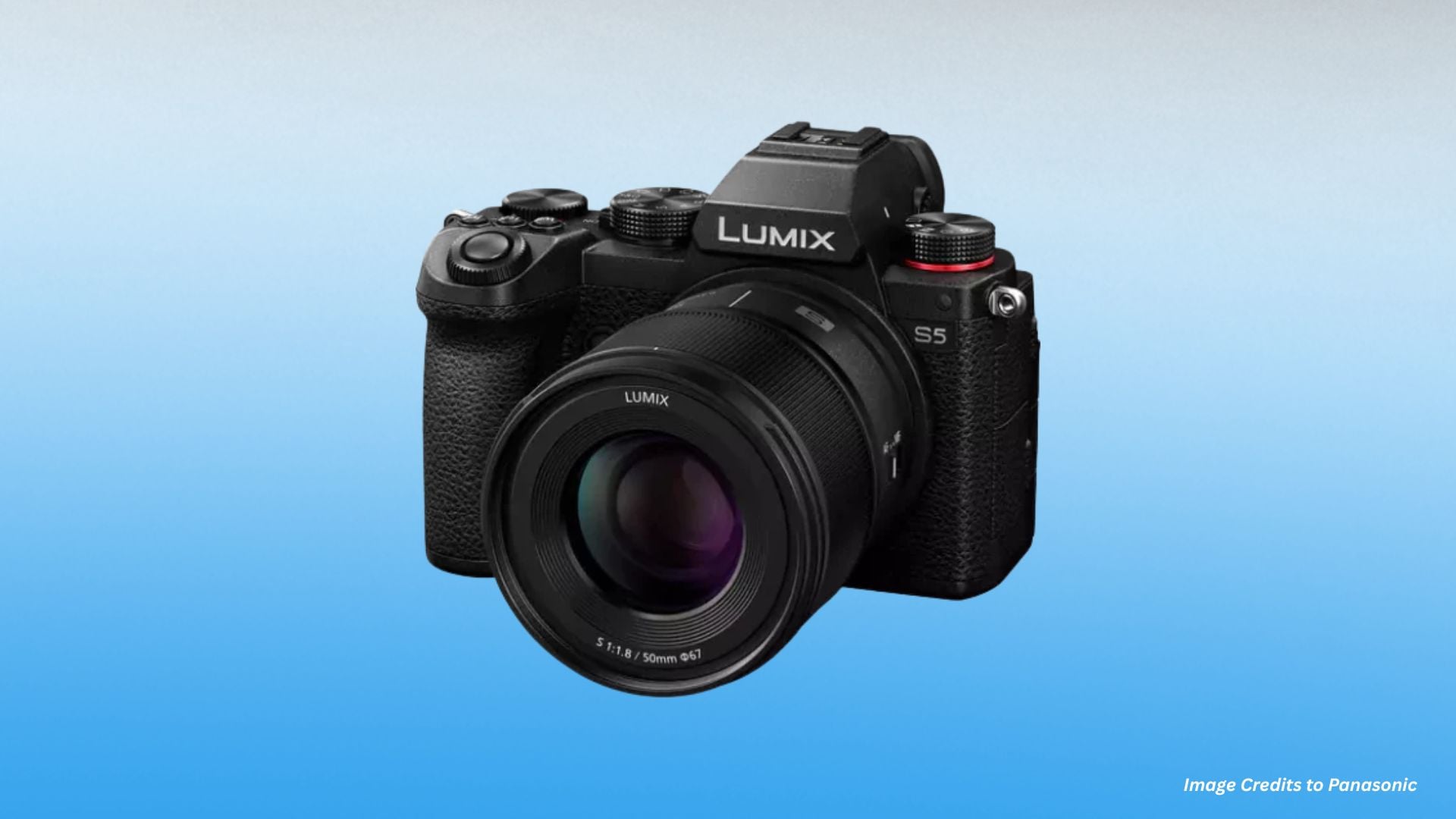
Panasonic’s phase-detect autofocus finally matches the competition while keeping the company’s reputation for excellent video features. The S5 IIX offers professional color profiles, and networking features that rival dedicated video cameras. Although, it has recording time limits due to overheating (typically around 30 minutes in 4K).
For hybrid shooters who lean more toward video but still need great photos, the S5 IIX gives you professional video features at an enthusiast price. It particularly shines for event photography where you need both formal portraits and dynamic video content.
4. Sony A7 IV
The Sony A7 IV continues ruling the mid-range hybrid space because it balances photo and video better than any competitor. Its 33-megapixel sensor provides enough resolution for serious photo work while keeping file sizes manageable for video editing.
Sony’s lens selection gives the A7 IV a huge advantage over competing systems. The massive selection of native E-mount lenses means you can find the perfect lens for any shooting situation without adapters or third-party workarounds.
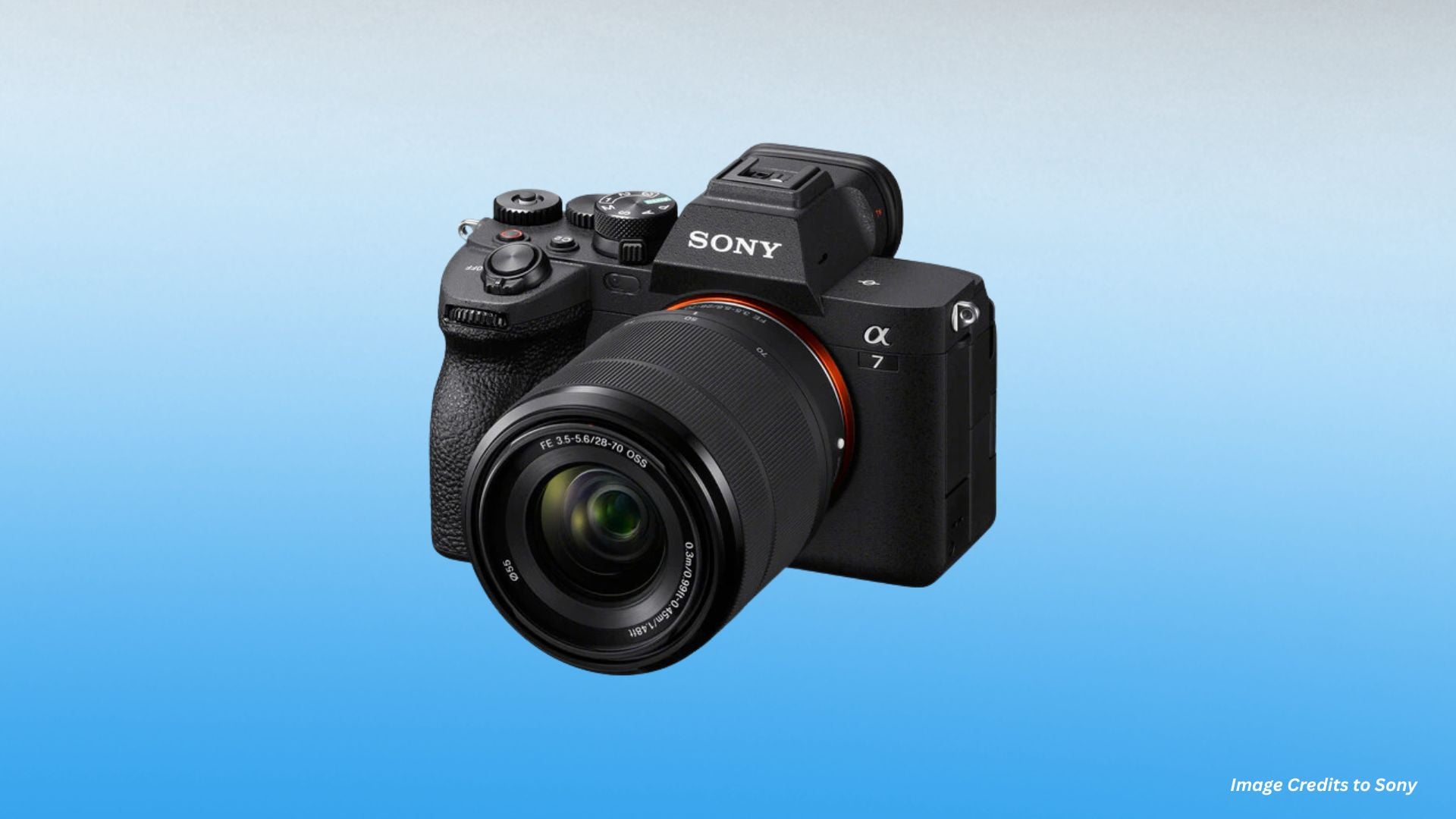
The dual card slots, excellent battery life, and reliable autofocus make it especially appealing for wedding photographers who need backup systems and can’t afford technical failures during once-in-a-lifetime moments.
5. Fujifilm X-H2S
Action photographers and sports videographers need cameras that put speed first. The Fujifilm X-H2S handles this with its stacked sensor design that enables 40fps burst shooting and 6.2K video recording.
The electronic shutter eliminates rolling shutter problems even at high frame rates, making it perfect for fast-moving subjects. The X-H2S especially excels at sports photography where split-second timing makes or breaks the shot.
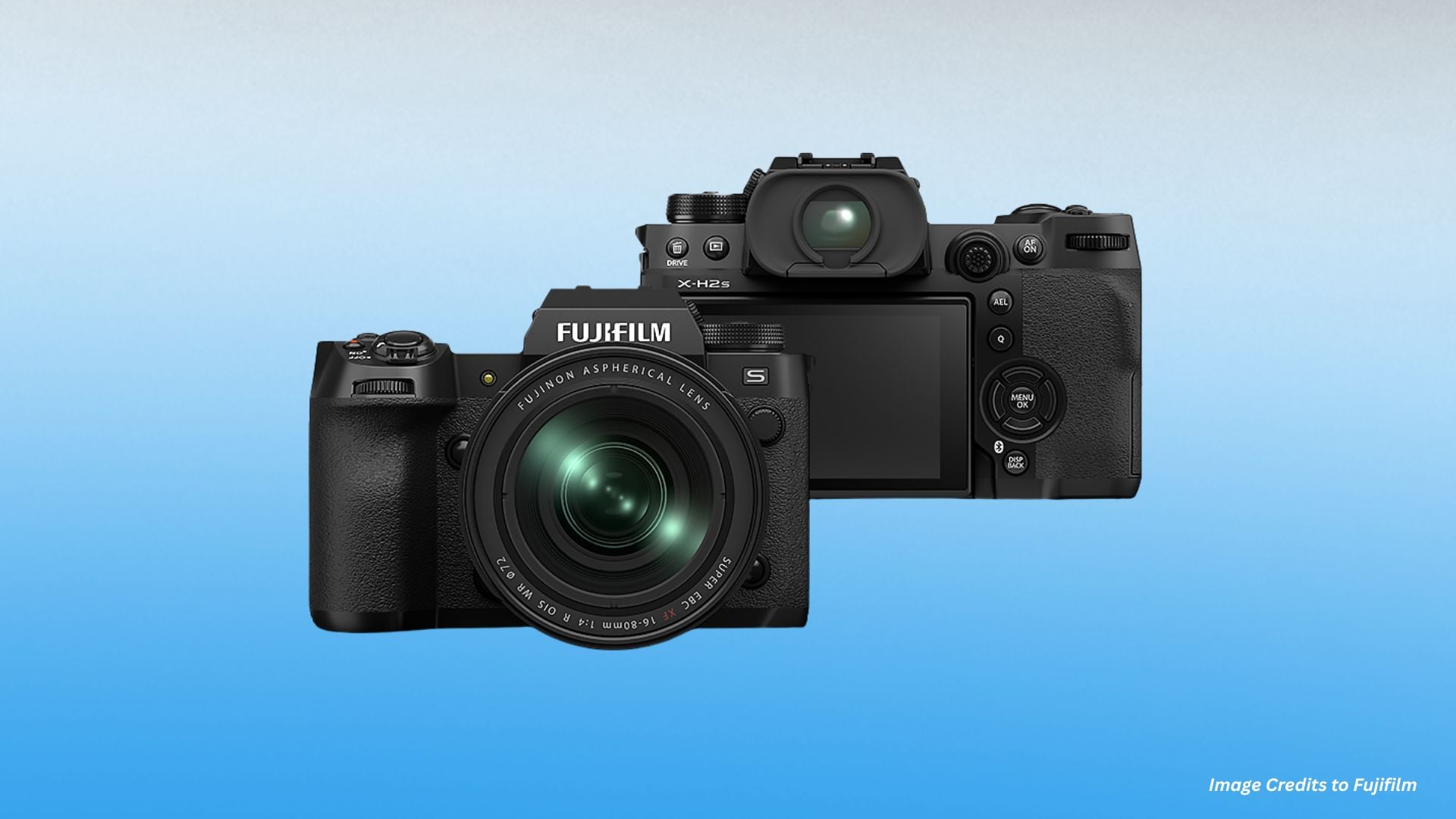
Fujifilm’s color science gives the X-H2S a distinctive look that many photographers prefer over the more clinical look from other brands. The film simulation modes provide excellent starting points for both photo and video color work.
Budget Hybrid Cameras That Don’t Cut Corners on Key Features
Budget hybrid cameras have gotten way better in recent years. These cameras now include features that only pro models had just a few generations ago. The trick is knowing which compromises you can live with for your shooting style.
Smart shoppers can find excellent hybrid cameras under $1,500 that handle both photos and videos well. They might not have every advanced feature, but they deliver solid performance for photographers building their skills or trying new creative directions.
6. Nikon Z50
The Nikon Z50 punches way above its weight in the budget hybrid category. Its 20.9-megapixel APS-C sensor delivers excellent image quality while supporting 4K video recording without cropping. This full-sensor video recording gives the Z50 an advantage over competitors that apply heavy crops for 4K recording.

The compact size makes it perfect for street photography and travel work where you don’t want to draw attention. Despite the budget price, the Z50 includes splash-poof features.
Nikon’s Z-mount lens system provides excellent upgrade potential for photographers who want to improve their bodies while keeping their lenses. The mount’s large diameter and short distance give lens designers maximum flexibility for creating high-performance glass.
7. Canon EOS R7
The Canon EOS R7 features excellent subject tracking and solid recording capabilities. Its 32.5-megapixel APS-C sensor provides enough resolution for serious photo work while maintaining the speed needed for action shooting. The R7 has typical recording limitations, which is around 2+ hours of battery life for 4K and potential overheating after about 80 minutes of continuous recording in warm conditions.
Canon’s Dual Pixel autofocus system excels at smooth focus changes during video recording. The system tracks subjects naturally without the hunting behavior that ruins footage on some competing cameras.
This smooth autofocus makes the R7 especially appealing for videographers who want professional-looking footage without manual focus pulling. The articulating screen and comprehensive video features make it excellent for macro photography work where precise composition and focus matter most.
8. Panasonic GH5 II
The Panasonic GH5 II continues offering professional video features at a budget price. Its Micro Four Thirds sensor keeps the overall system compact while supporting advanced video codecs and professional monitoring tools.
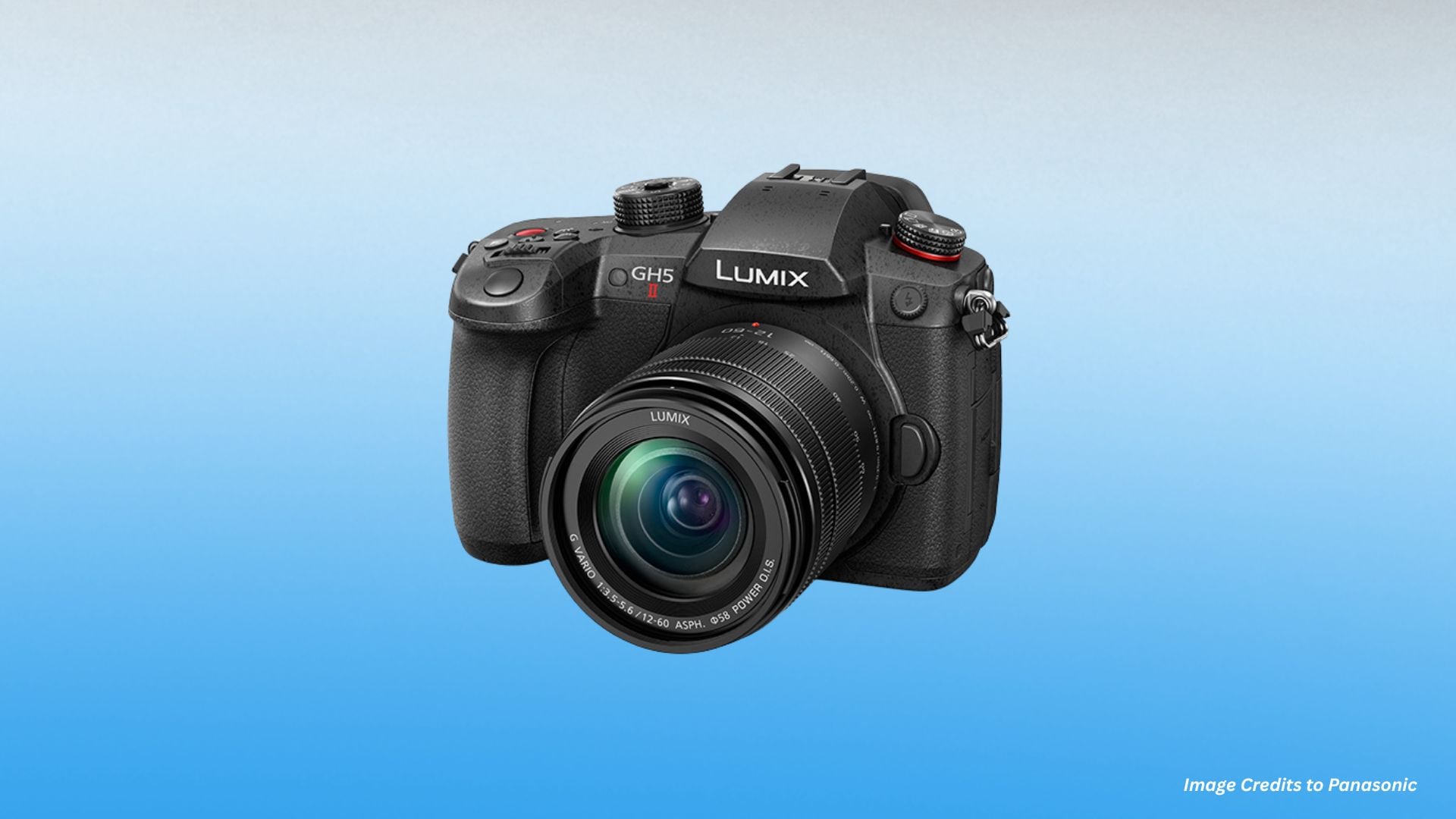
It particularly excels for photographers interested in time-lapse photography and other specialized video techniques. What makes the GH5 II special is its video-first design with features like vectorscope and waveform monitoring that usually cost much more.
It records 4K at 60fps with 10-bit color depth and unlimited recording times, while the 6.5-stop image stabilization delivers incredibly smooth handheld footage. The smaller sensor actually helps here since it’s easier to stabilize and uses less battery power than full-frame competitors.
9. Sony A7 Models
Sony’s older A7 models remain competitive in the budget hybrid space. The A7R IV, while no longer the newest model, still offers 61-megapixel resolution and 4K video recording at prices significantly below their original launch costs.
The A7 III represents an even better value with its 24-megapixel sensor that hits the sweet spot for file size and performance, plus dual card slots and excellent battery life for professional reliability. What makes these older Sony models especially appealing is full lens compatibility with current E-mount glass.
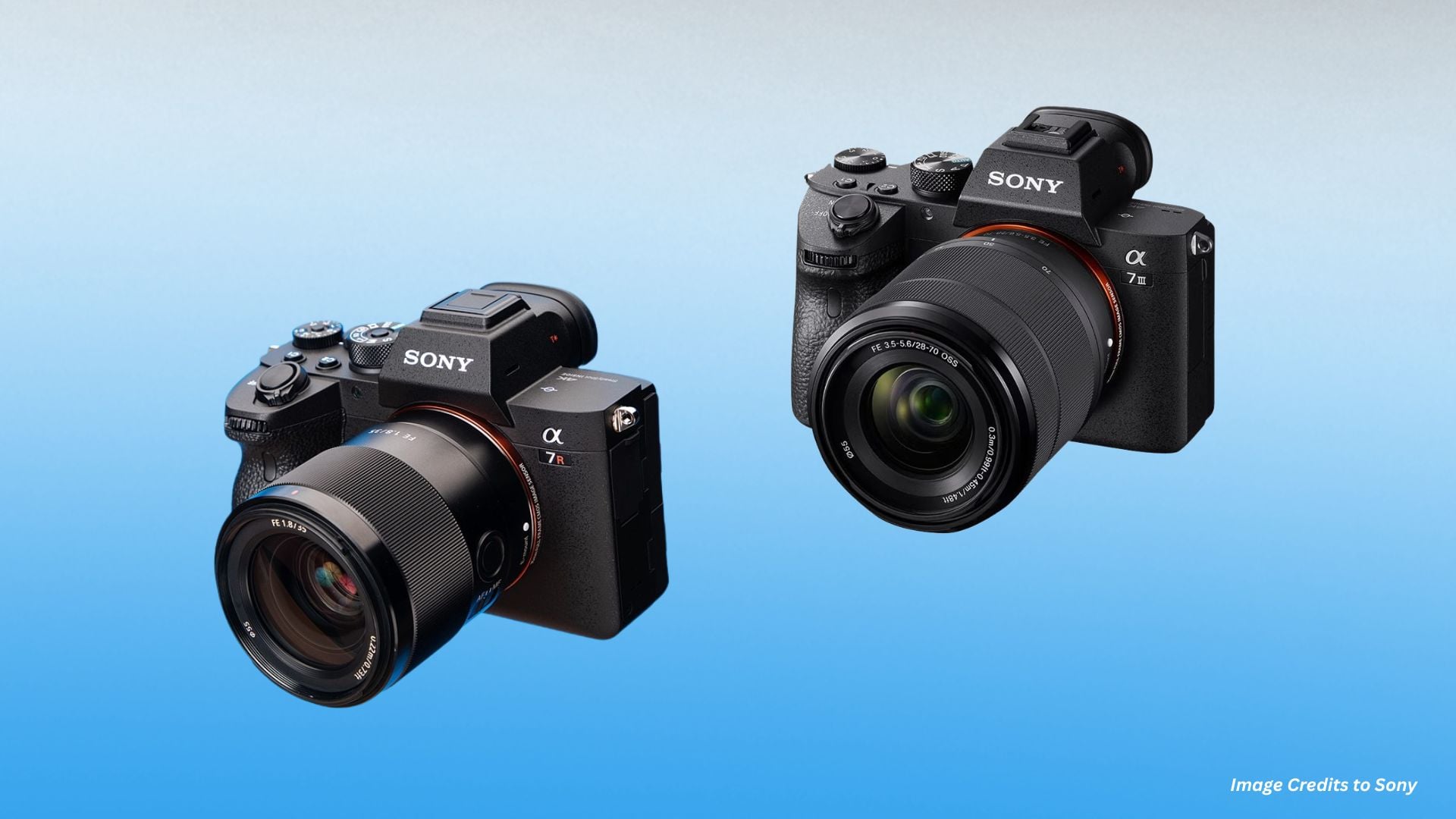
You can start with a budget body and upgrade lenses over time, then move to a newer camera later while keeping all your lenses. For photographers entering the full-frame world or needing a reliable backup camera, these older A7 models provide flagship performance at mid-range prices.
Making the Right Choice for Your Shooting Style
Choosing the best hybrid photo/video camera depends entirely on your specific needs and shooting style. Wedding photographers need different features than wildlife specialists. Content creators prioritize different capabilities than fine art photographers.
The most important decision involves understanding your primary use case. Cameras that excel at photography with good video capabilities differ significantly from cameras that prioritize video with decent photo performance. Neither approach is wrong, but choosing the wrong emphasis for your work can lead to frustration and compromised results.
Key Decision Factors
Here are the key factors to consider when making your decision:
- Usage Split: Honestly evaluate how you divide time between photo and video work
- Growth Plans: Consider whether you’re expanding into video or adding photography services
- Budget Reality: Factor in lens costs, not just camera body prices
- Workflow Needs: Think about file sizes, editing requirements, and delivery timelines
- Reliability Requirements: Assess how much downtime you can afford during paid shoots
Start by honestly looking at how you split your time between photo and video work. If you shoot 80% photos and 20% video, prioritize cameras with excellent photo performance and acceptable video features. If video dominates your workflow, focus on cameras with professional video capabilities even if photo performance isn’t best-in-class.
Consider your growth plans too. Photographers just beginning to explore video might prefer cameras with simple video controls and automatic settings. Experienced videographers need manual controls, professional codecs, and advanced monitoring tools.
Budget obviously plays a major role in camera selection. Professional hybrid cameras offer incredible capabilities but cost significantly more than entry-level alternatives. The key is finding the camera that provides the features you actually need without paying for capabilities you’ll never use.
Remember that lenses often matter more than camera bodies for image quality. A budget camera with excellent lenses frequently produces better results than an expensive camera with mediocre glass. Factor lens costs into your overall budget planning, especially when considering exposure techniques that require specific focal lengths or apertures.
Your Perfect Hybrid Camera is Out There
The hybrid camera market offers something for every photographer and videographer. From budget-friendly options that rival yesterday’s professional models to cutting-edge systems that push the boundaries of what’s possible. The challenge isn’t finding good cameras, it’s choosing the right camera for your specific needs.
Take time to research the latest camera buying guides, test cameras when possible, and consider renting equipment before making major purchases. The best hybrid photo/video camera is the one that disappears during shooting, allowing you to focus entirely on creating compelling content rather than fighting with technical limitations.Whether you’re working on landscape photography that requires both stunning stills and cinematic timelapses, or developing your skills in flash photography for both portrait sessions and video lighting, the right hybrid camera becomes an essential tool that grows with your creative vision.
See more from DIYPhotography.net on Google
Add DIYPhotography.net as a trusted source. This makes
our stories more likely to appear in your Google Search results.
 Add as a preferred source on Google

Darlene Lleno
Darlene Lleno brings a unique perspective to DIY Photography as someone who grew up surrounded by camera gear but chose words over lenses. With five years of writing experience, she specializes in photography content that’s both technically informed and genuinely passionate. Growing up with a photographer twin brother meant camera talk was everyday conversation in her household. While he mastered capturing moments, Darlene discovered she preferred being the subject and the storyteller behind the scenes. As a travel enthusiast and mother of two, she understands the importance of preserving life’s precious moments. When not exploring new destinations or writing for DIY Photography, you’ll find her reading or tending to her garden. Her approach to photography writing is refreshingly authentic, she may not be behind the camera, but she knows exactly what it takes to help others capture the shots that matter most.


Join the Discussion
DIYP Comment Policy
Be nice, be on-topic, no personal information or flames.