





















Lights, Cameras, and Action: Kodak Releases a New Movie Film Stock
Apr 13, 2026
David Prochnow
Our resident “how-to” project editor, David Prochnow, lives on the Gulf Coast of the United States in Ocean Springs, Mississippi. He brings his expertise at making our photography projects accessible to everyone, from a lengthy stint acting as the Contributing How-To Editor with Popular Science magazine. While you don’t have to actually build each of his projects, reading about these adventures will contribute to your continued overall appreciation of do-it-yourself photography. A collection of David’s best Popular Science projects can be found in the book, “The Big Book of Hacks,” Edited by Doug Cantor.
Share:
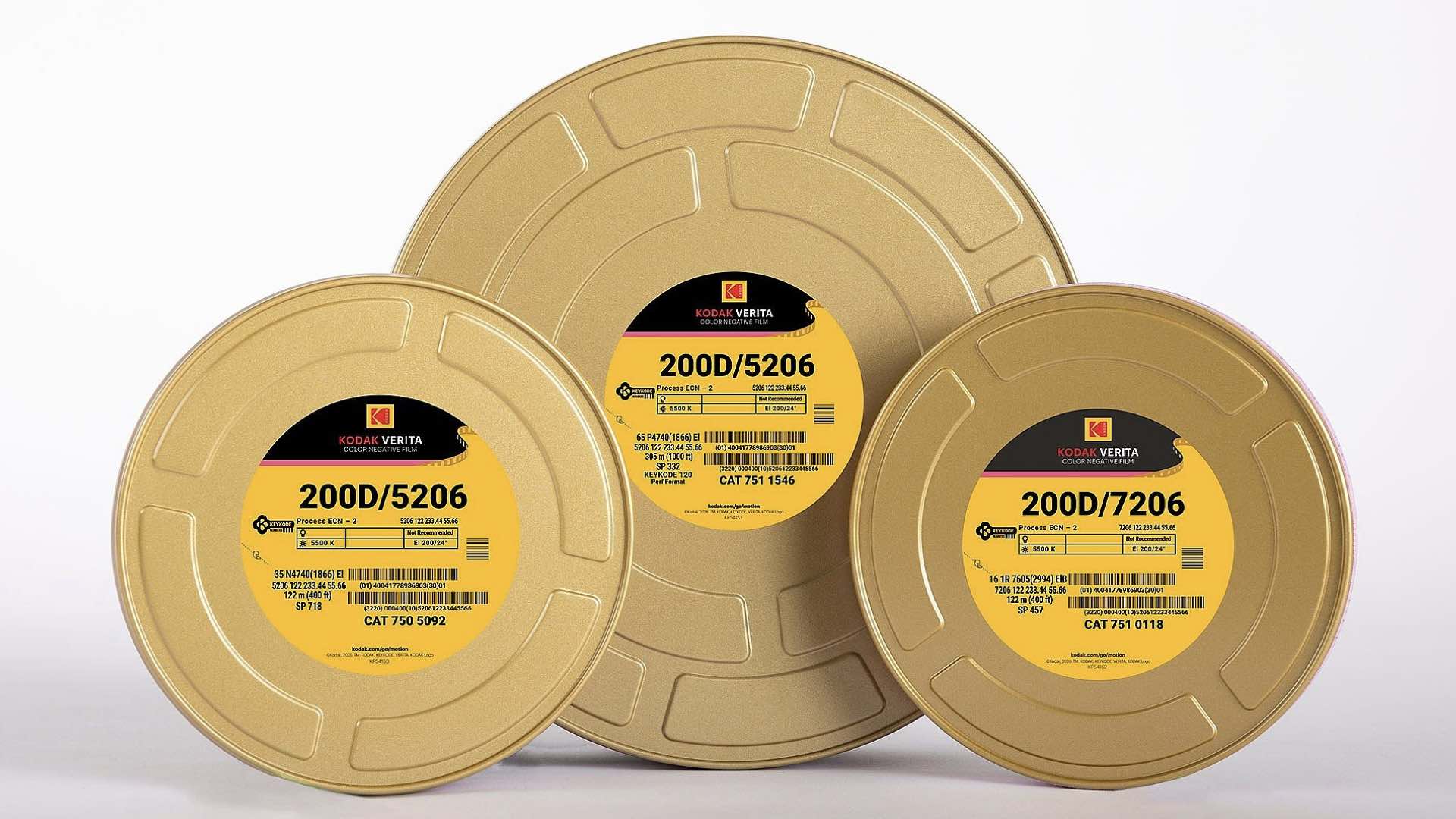
Kodak’s introduction of its new motion-picture film stock, VERITA 200D Color Negative Film, marks a notable moment in contemporary cinematography. Designed as a medium-speed, daylight-balanced film, VERITA 200D blends modern imaging technology with a deliberate nod to the visual character of classic cinema.
Unlike many modern film stocks that prioritize technical perfection and wide dynamic range, VERITA 200D is engineered to produce a more stylized image. It delivers bold color saturation, deep blacks, and warm, natural skin tones, creating a rich and expressive aesthetic. Its slightly shorter, but denser dynamic range helps achieve a “vintage” cinematic feel reminiscent of older film eras, while still maintaining the reliability of contemporary film engineering.
A Classic Film for Today
A key aspect of VERITA 200D’s development is its collaboration with filmmaker Sam Levinson and cinematographer Marcell Rév. The film stock was created specifically to realize the visual identity of the third season of the HBO series Euphoria, where over one million feet of the film were used during production. This close partnership highlights Kodak’s commitment to tailoring tools for artistic vision rather than purely technical advancement.
Technically speaking, the film incorporates advanced dye-layering technology and an anti-halation undercoat, helping reduce unwanted light artifacts and improve image clarity. At the same time, it preserves subtle imperfections that many filmmakers seek to differentiate film from digital capture.
Ultimately, VERITA 200D represents a fusion of past and present offering filmmakers a new creative option that embraces the emotional texture of analog cinema while remaining adaptable to modern production workflows.
Enjoy.
See more from DIYPhotography.net on Google
Add DIYPhotography.net as a trusted source. This makes
our stories more likely to appear in your Google Search results.
 Add as a preferred source on Google

David Prochnow
Our resident “how-to” project editor, David Prochnow, lives on the Gulf Coast of the United States in Ocean Springs, Mississippi. He brings his expertise at making our photography projects accessible to everyone, from a lengthy stint acting as the Contributing How-To Editor with Popular Science magazine. While you don’t have to actually build each of his projects, reading about these adventures will contribute to your continued overall appreciation of do-it-yourself photography. A collection of David’s best Popular Science projects can be found in the book, “The Big Book of Hacks,” Edited by Doug Cantor.
Related Posts
 Kodak Continues its Film Clawback: Kodak’s EKTAR 100 and TRI-X 400 Leave Kodak Alaris
 Philip Bloom compares the GoPro Hero7, DJI Osmo Action and four more action cameras
 Dubblefilm has launched their new 35mm CINEMA film, repurposed from actual movie film
 Sorry film shooters, Kodak film is set to price jump by up to 40%
Join the Discussion
DIYP Comment Policy
Be nice, be on-topic, no personal information or flames.