

















The Chronos Project’s Edge Brings Reliable DSLR Timelapse Back to the Field
May 29, 2026
Alysa Gavilan
Alysa Gavilan has spent years exploring photography through photojournalism and street scenes. She enjoys working with both film and mirrorless cameras, and her fascination with the craft has grown over the decades. Inspired by Vivian Maier, she is drawn to capturing everyday moments that often go unnoticed.
Share:
Long term timelapse has always lived in an uncomfortable space between patience and technical failure. Cameras are left in the field for weeks or months, batteries run down, weather shifts without warning, and systems either hold up or quietly stop recording long before anyone notices.
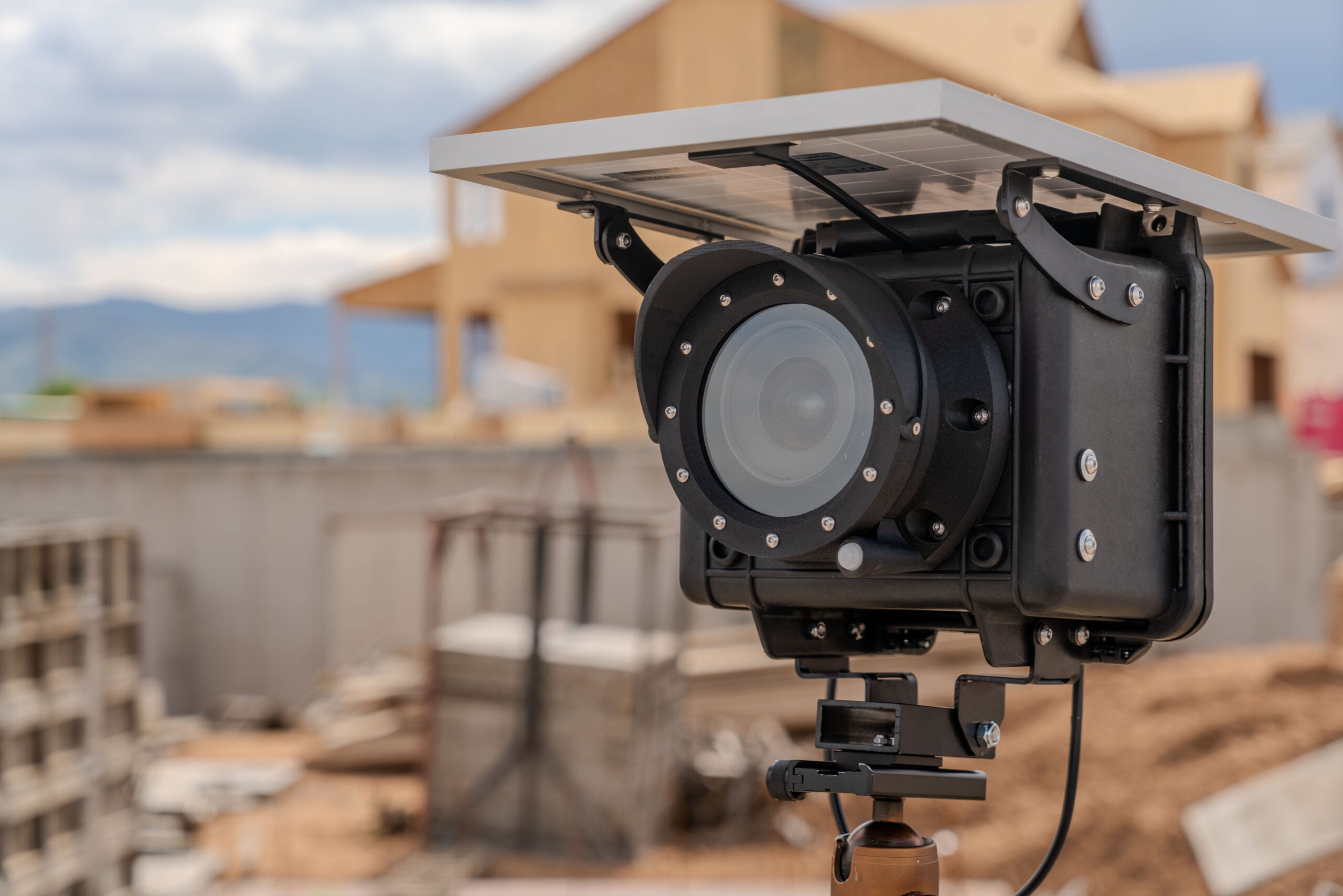
The new Edge system from The Chronos Project is designed to reduce that uncertainty, bringing DSLR and mirrorless imaging back into long duration remote capture with a focus on stability, monitoring, and control without ongoing subscription costs.
Developed by filmmaker and visual engineer Chris Field, also known through his Biolapse work, Edge is built for production environments where missing a single day of capture can mean losing an entire sequence.
The system is aimed at documentary filmmakers, researchers, construction teams, and environmental observers who rely on consistent imaging over long periods rather than short creative bursts.

Edge has been used in early deployments on documentary productions including BBC’s Green Planet, along with environmental monitoring projects, construction documentation, reforestation studies, and studio botanical work. That background shapes the design philosophy behind the system, which prioritizes reliability and autonomy over simplified consumer features.
At its core, Edge connects directly to DSLR and mirrorless cameras, allowing users to capture full resolution RAW images instead of relying on action camera sensors or compressed internal workflows. The system supports advanced scheduling, remote control, and environmental monitoring while remaining independent of cloud subscriptions or closed ecosystem requirements.
Field describes that independence as a deliberate design decision.
“Most long-term systems today either compromise image quality, lock users into subscriptions, or require constant connectivity,” he said.
“Edge was designed from the beginning to work like a real production tool — reliable, power-efficient, serviceable, and capable of operating in remote environments for extended periods of time,” he added.
The system includes intelligent power management designed for unattended operation. This includes deep sleep modes, camera wake and shutdown control, and solar charging support for installations in remote or off grid locations. It also integrates environmental sensors that track temperature, humidity, ambient light, motion, vibration, and power conditions in real time.

Why Timelapse Systems Matter Beyond Photography
Timelapse systems are often associated with creative photography projects, but their use extends far beyond visual storytelling.
In construction, they provide continuous documentation of site progress, helping teams track development stages, safety compliance, and logistical changes over time. In environmental science, they are used to monitor seasonal change, habitat development, and long term ecological shifts that would otherwise require constant human observation.
In documentary filmmaking, long term timelapse plays a different role. It captures processes that unfold too slowly for traditional filming schedules, from plant growth to infrastructure decay. In all these fields, reliability matters more than complexity. A single missed interval can disrupt scientific records or invalidate production timelines.
Edge attempts to address this by prioritizing automation and system health reporting. The platform can send automated email updates, upload images through FTP or Dropbox, and provide remote diagnostics without requiring a dedicated cloud dashboard. This reduces dependency on constant monitoring while still keeping operators informed of system performance.

Built For Field Conditions And Long Deployments
Edge is designed for outdoor and remote installations where access is limited. The system supports motion triggered capture modes, multi shot burst options, and scheduling tools that allow users to define capture patterns across days, weeks, or seasons.
A key feature is its multi-stage power system, which manages energy consumption dynamically depending on operating conditions. Combined with solar charging compatibility, this allows the system to operate in locations where traditional power sources are unavailable.
The platform also includes remote firmware updates and system alerts delivered through email, reducing the need for physical access once deployed. Rugged construction supports exposure to environmental stress, which is essential for installations in unpredictable outdoor conditions.

Development Shaped By Professional Production Work
Edge evolved from earlier systems developed for demanding production environments. Chris Field’s work under the Biolapse name has included systems built for long term scientific observation and broadcast documentary work, including projects connected to BBC’s Green Planet.
That background influenced the decision to focus on DSLR and mirrorless integration rather than simplified capture modules. The system is built around the assumption that image quality and flexibility remain central, even in unattended workflows.
The result is a platform that treats timelapse as part of professional production rather than a standalone feature. It supports RAW capture, external camera control, and detailed scheduling options that can be adapted to different environments.
“There are incredible cameras available today, but many remote systems have moved toward smaller sensors, closed ecosystems, and subscription models,” he said. “I wanted to build something that gave filmmakers and creators more control instead of less.”
Kickstarter Launch And Early Availability
Edge is currently in late stage pre-production testing, with multiple units already operating in active field environments.
According to The Chronos Project, a Kickstarter campaign is scheduled to launch on June 1, marking the first public opportunity to support the system ahead of broader release.
As timelapse systems continue to expand into scientific, industrial, and documentary applications, tools like Edge highlight a shift toward long duration reliability rather than short term creative convenience.
See more from DIYPhotography.net on Google
Add DIYPhotography.net as a trusted source. This makes
our stories more likely to appear in your Google Search results.
 Add as a preferred source on Google

Alysa Gavilan
Alysa Gavilan has spent years exploring photography through photojournalism and street scenes. She enjoys working with both film and mirrorless cameras, and her fascination with the craft has grown over the decades. Inspired by Vivian Maier, she is drawn to capturing everyday moments that often go unnoticed.
Related Posts
 Chronos 4K12 and Q12 high-speed cameras shoot over 29,000 FPS
 Syrp’s Genie Mini II upgrades connectivity, adding WiFi, more reliable bluetooth and USB Type C
 Using the Chronos high speed camera with motion capture rig for bullet time effects
 Svbony SV238 Off-Axis Guider: A Precise Solution for Reliable Deep-Sky Guiding
Join the Discussion
DIYP Comment Policy
Be nice, be on-topic, no personal information or flames.