


















Meet Qivika: This Device Turns Your Phone Into a Smart Telescope
Sep 17, 2026
Soumyadeep Mukherjee
Soumyadeep Mukherjee is an award-winning astrophotographer from India. He has a doctorate degree in Linguistics. His work extends to the sub-genres of nightscape, deep sky, solar, lunar and optical phenomenon photography. He is also a photography educator and has conducted numerous workshops. His works have appeared in over 40 books & magazines including Astronomy, BBC Sky at Night, Sky & Telescope among others, and in various websites including National Geographic, NASA, Forbes. He was the first Indian to win “Astronomy Photographer of the Year” award in a major category.
Share:
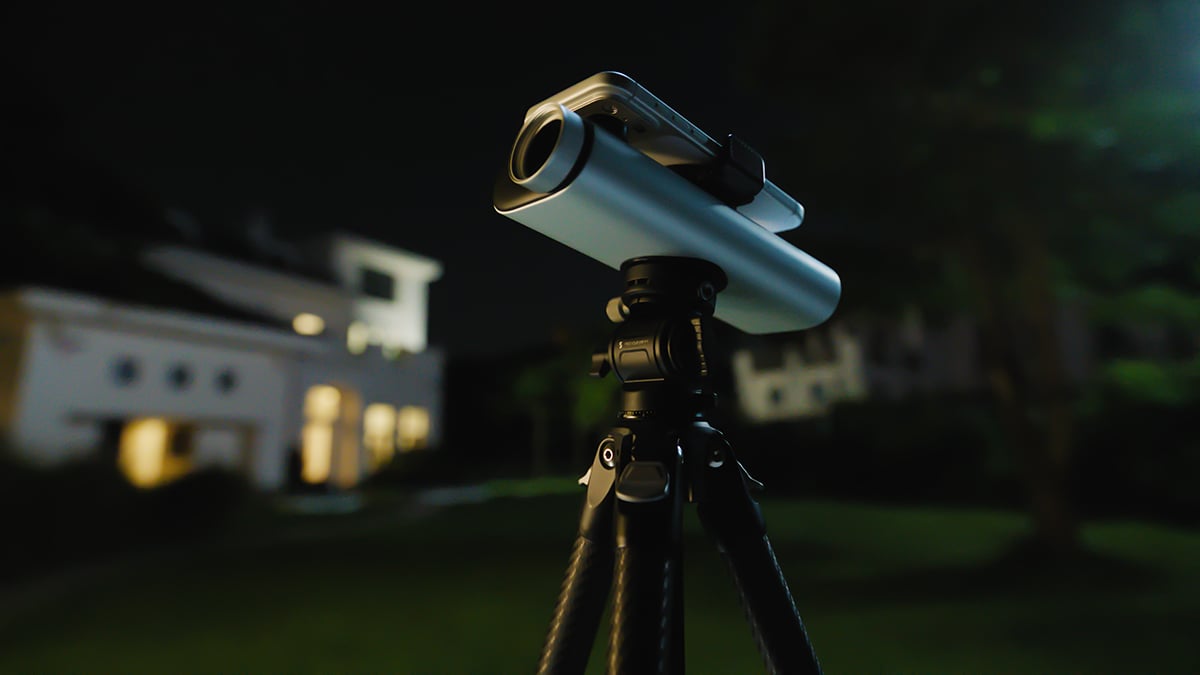
By now, you must be well-versed in smart telescope devices, what they are and how they work. But not everyone is looking for a smart telescope for astrophotography. Many people use their smartphone for the job. Although smartphone cameras have become very capable, they still have limits when you need to photograph distant subjects. To solve that, we now have a new device.
Qivika is designed to add much more optical reach to a smartphone without a conventional telephoto lens or telescope. The compact device uses a folded periscope optical system with 24× optical magnification and up to 3,000mm equivalent focal length. So, what exactly are you getting when you put this small device in front of your phone?
A folded optical system
The most interesting part of Qivika is inside its compact body: its optical system. The system folds the light path through the device. This is the same basic reason a periscope arrangement can provide a long focal length in a smaller tube.
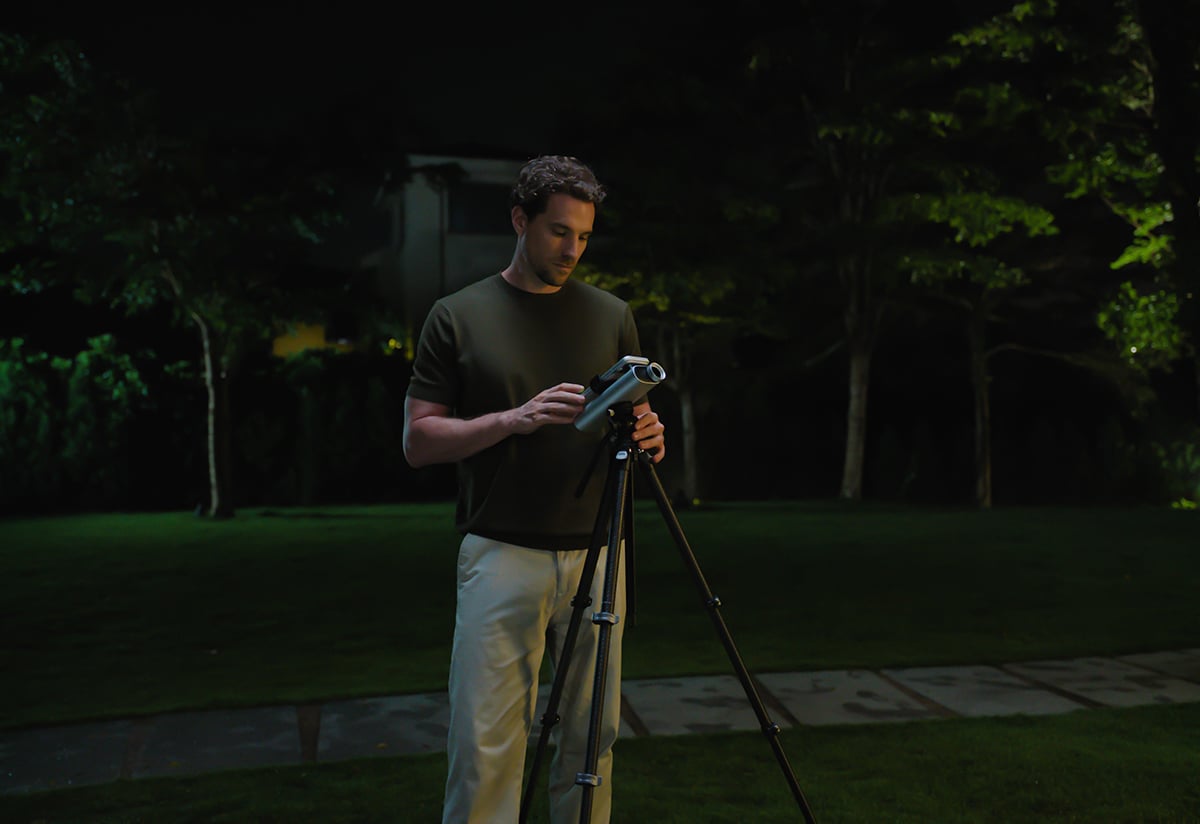
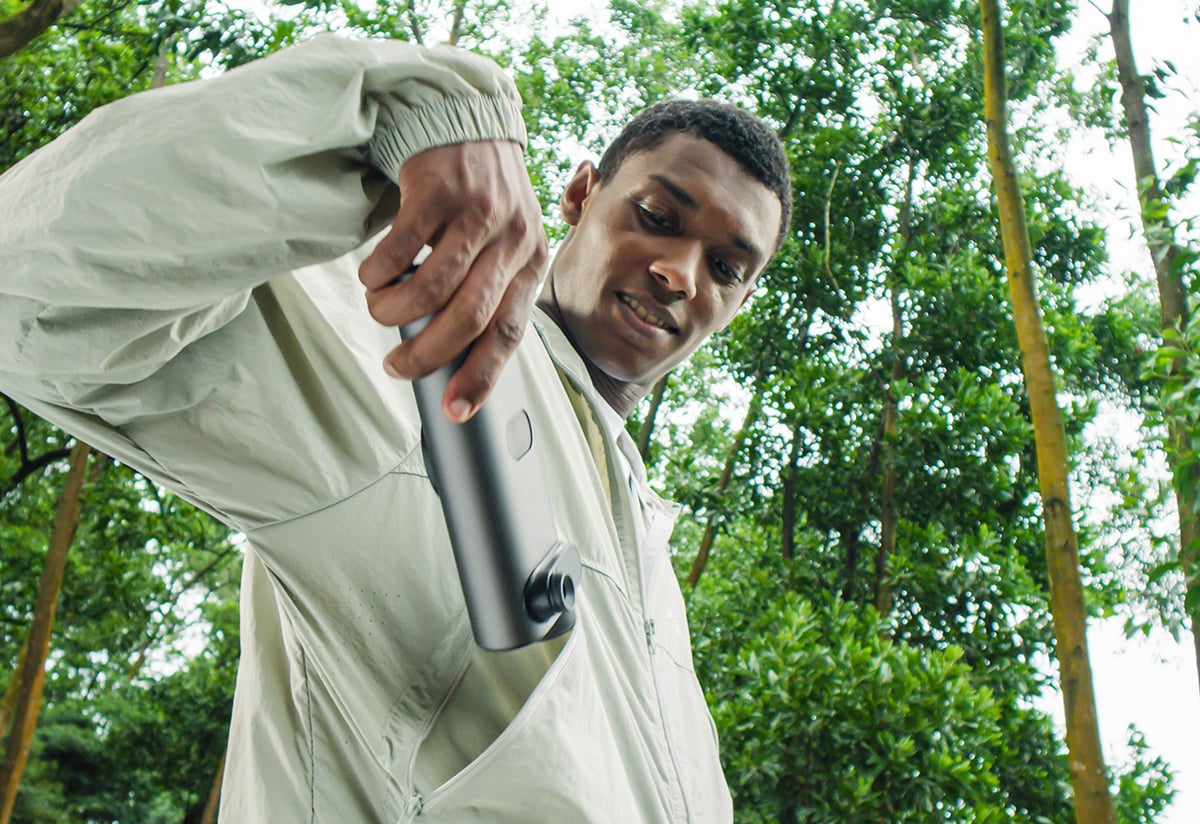
Qivika uses ED, or extra-low dispersion, glass and multi-coated optics. The coatings help reduce glare and preserve more light as it passes through the optical system. At around 300g, the device is also small enough to carry alongside a phone without becoming a separate piece of camera equipment that needs its own bag.
The optics will provide up to 3,000mm equivalent focal length. The optical system works with the smartphone camera to produce that long-reach viewing setup. For someone photographing distant subjects, like a bird or the moon, that’s a pretty long reach.
One device, two ways to shoot
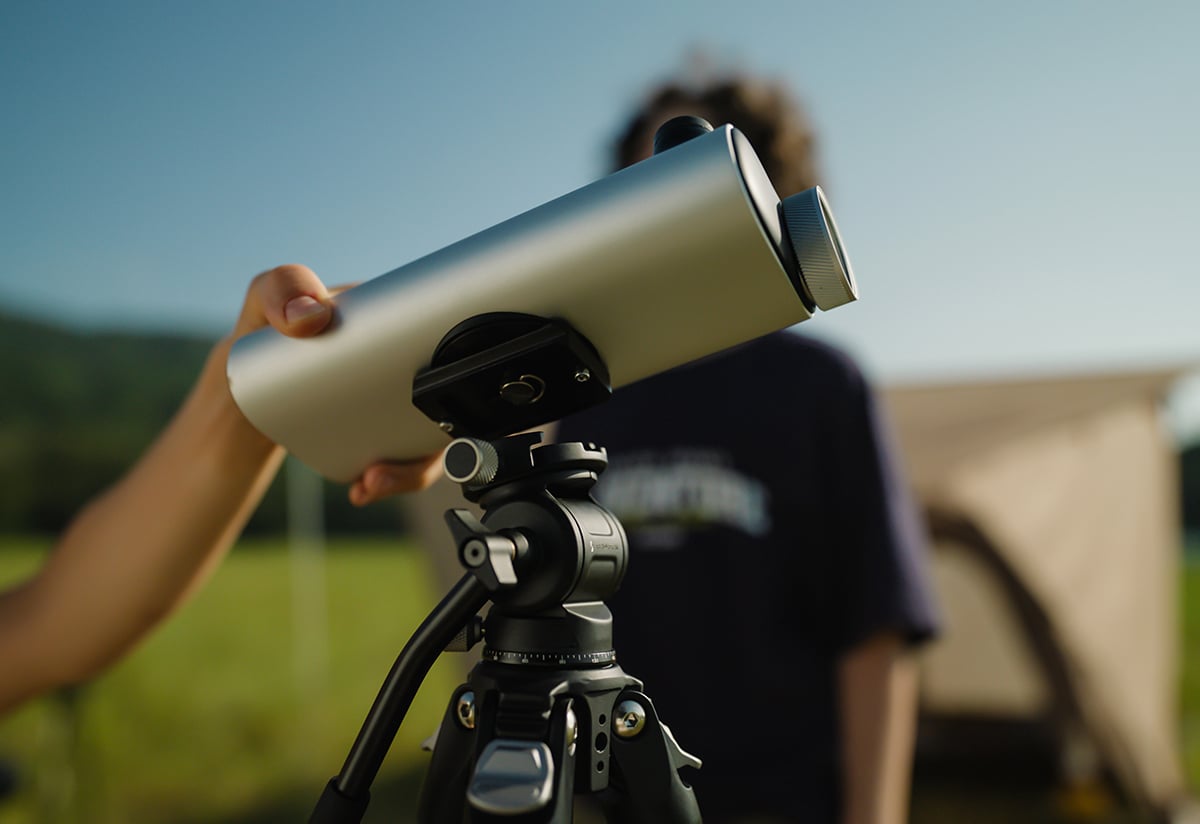
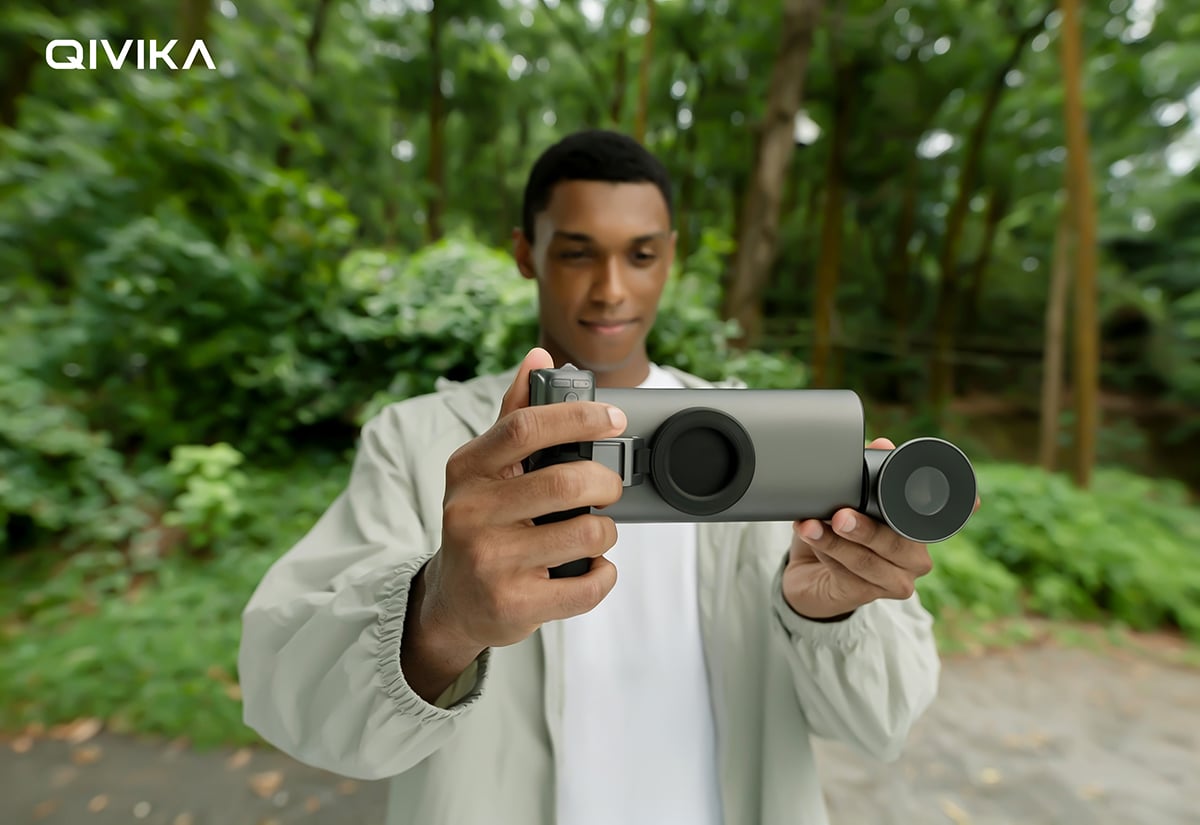
Qivika can work in two configurations. In telescope form, the device is intended for longer observation sessions. You can mount it on a tripod and use the phone as the display while looking at a distant subject. Switch it into camera form, and the setup becomes more suitable for quickly pointing the phone at something you want to photograph.
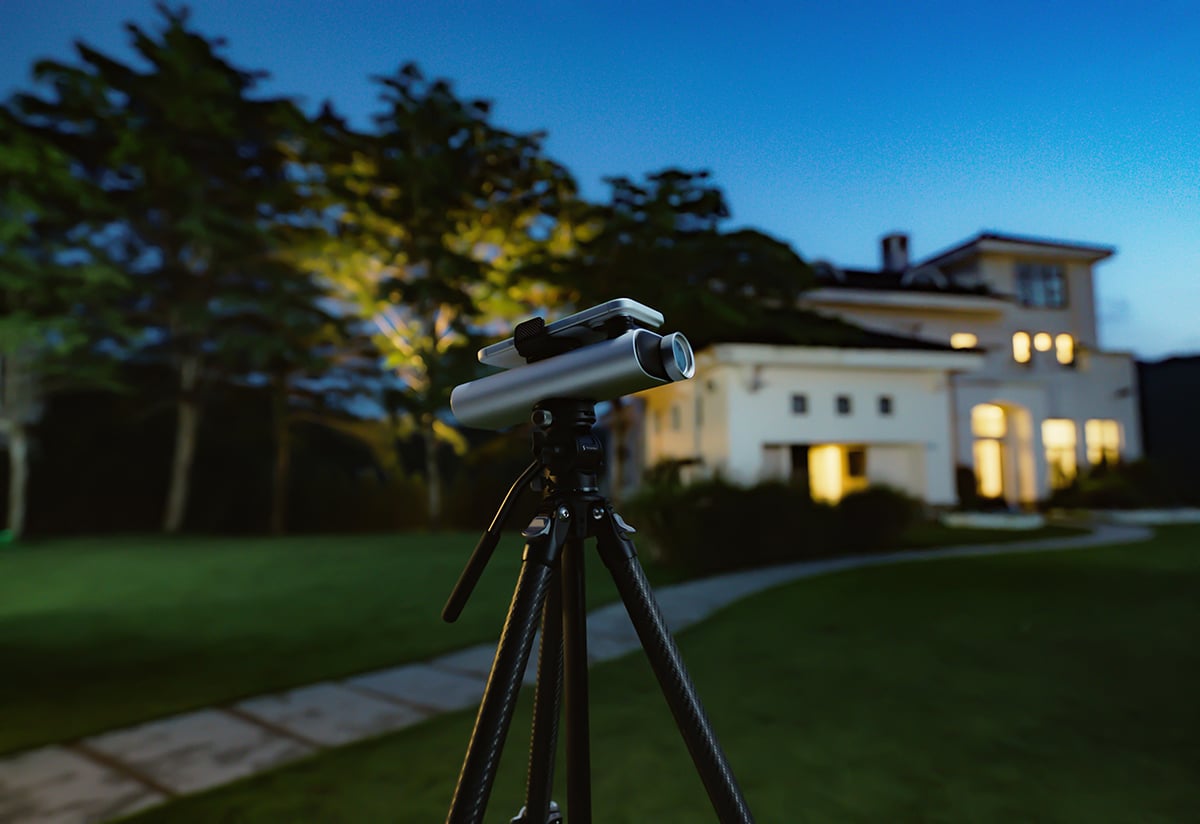
That could be useful when you need a fast reaction. A bird may move from one branch to another. A distant animal may disappear behind vegetation. Even a landscape can change quickly when you are trying to frame something from a moving viewpoint.
The tripod mount gives the system another option for stability, especially if you are doing astrophotography. At this sort of focal length, even a small movement can become obvious on the screen.
The App for Qivika: Your guide for the sky
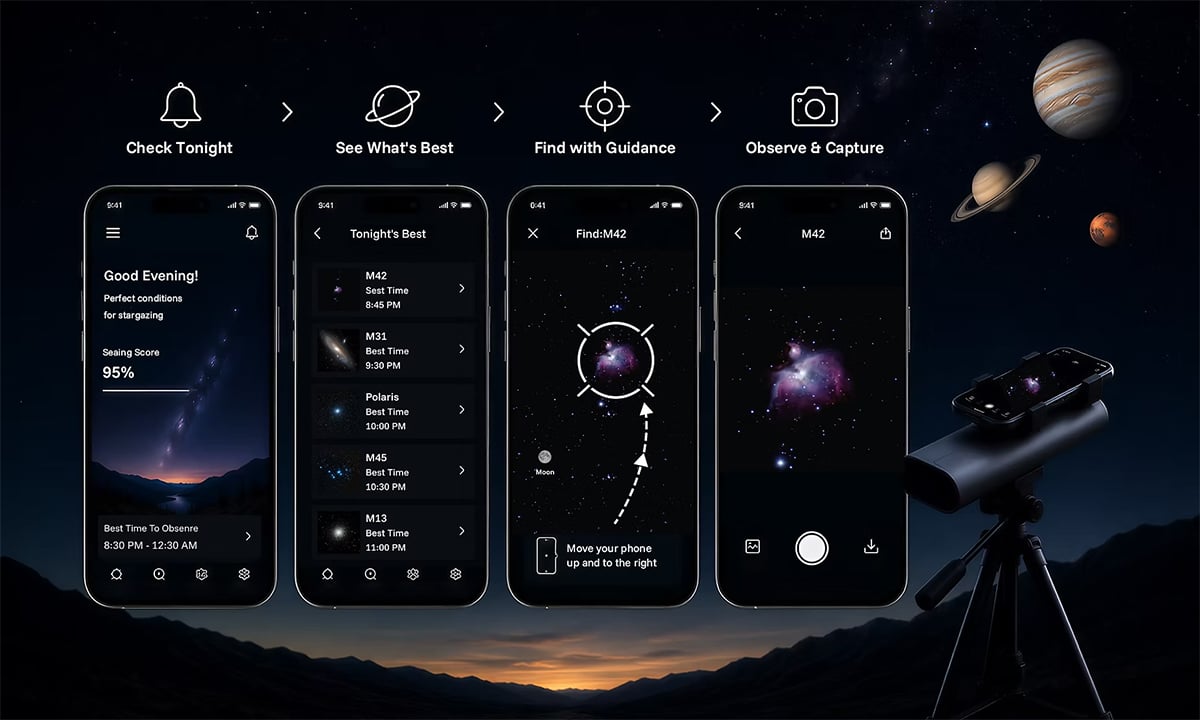
The software is meant to help you decide what to look at. For astronomy, Qivika includes a Smart Sky Guide. The app can show what is worth observing and then guide the user towards a selected target with on-screen directions. There is also a Moon Hunter feature, along with a collection of 28 Lunar Mansions.
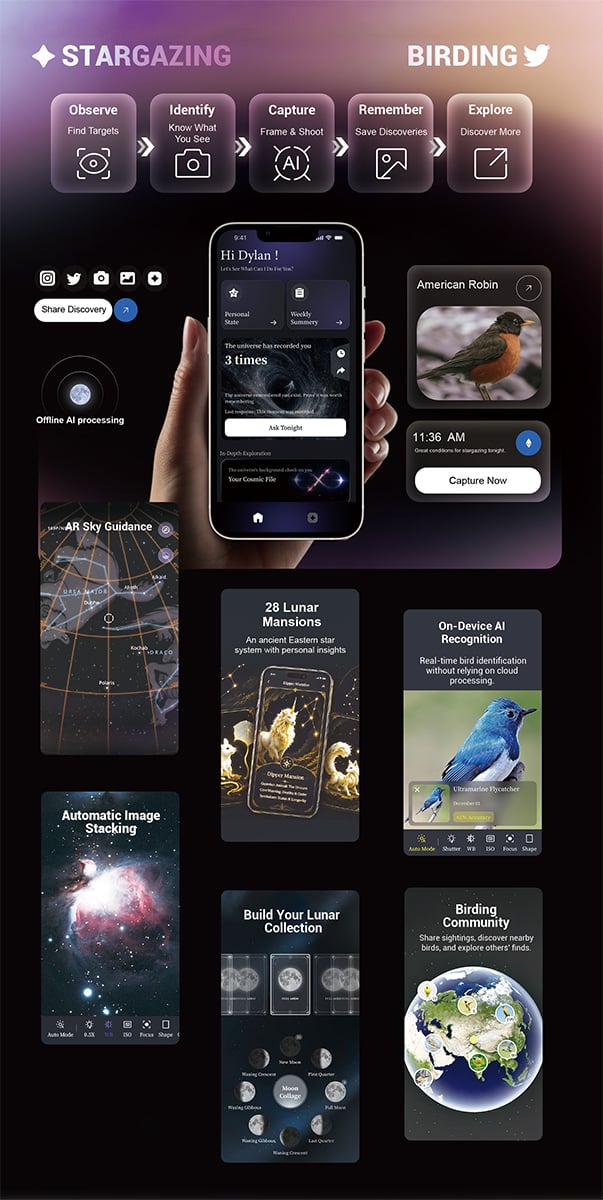
The idea is familiar to anyone who has used an astronomy app. If you do not know the position of the target, you can use the phone to help find it.
Qivika has also included three observing modes: Solar, Explore, and Deep Sky. For solar observing, users should follow the manufacturer’s specific solar-safety instructions and use only the required protection.
The device is also for bird watchers and travellers
A conventional telescope is excellent at one job, but carrying one around is not always practical. A long telephoto camera lens can cover distant subjects, but it will add considerably more weight and cost to a camera setup. With Qivika, you are supposed to overcome all of these.
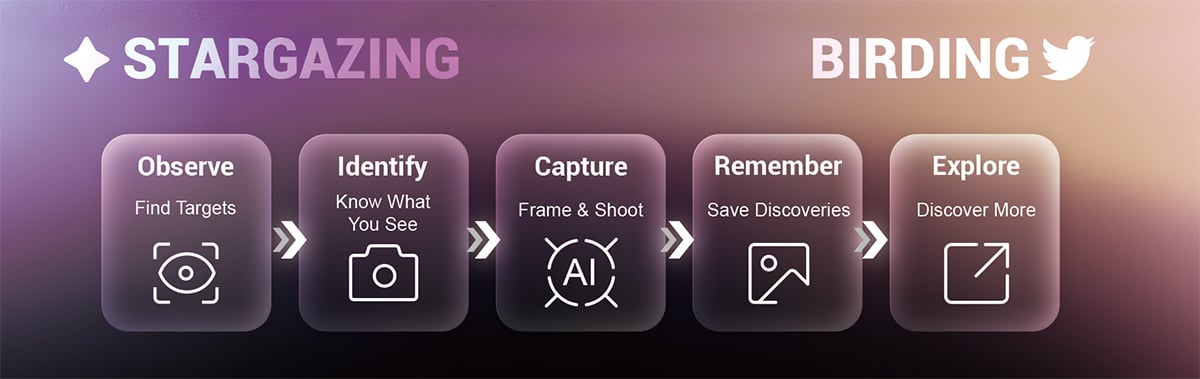
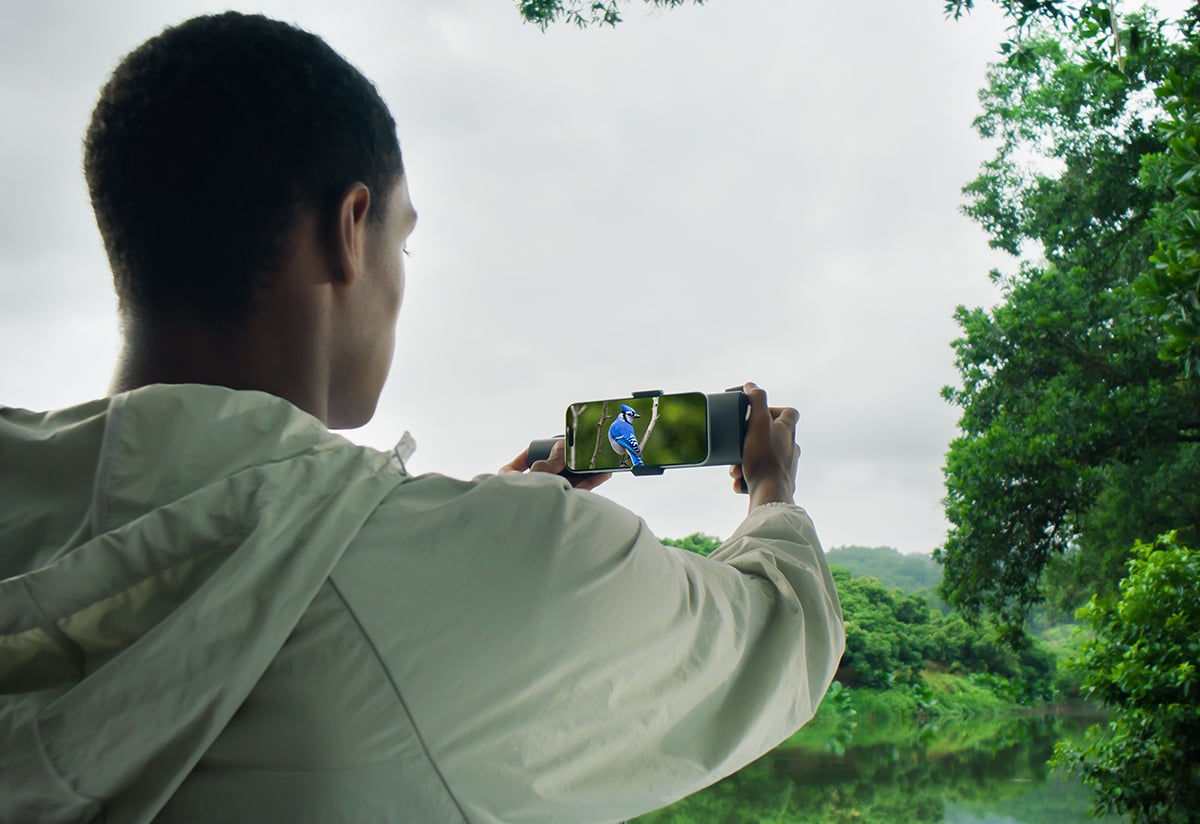
A bird-watching example can make it easier to understand. You can walk through a park with your phone, notice a bird in the distance, and use the optical system when you need more reach. The same setup could be used for wildlife, distant buildings, landscapes, or details that are simply too far away for the phone’s normal camera.
Its AI is also capable of recognizing the bird in your frame. The on-device AI Bird Recognition identifies over 10,000 bird species directly from your captured image. It also keeps a personal observation record, with features such as Life Lists and a Bird Discovery Map.
Key specifications
Let’s take a quick look at some of the key specifications of the device:
| Optics | Periscope optical system |
| Magnification | 24x optical magnification |
| Focal length | Up to 3,000mm equivalent focal length |
| Optical element | ED (Extra-low Dispersion) glass |
| Weight | Approx. 300g |
| Body | Compact unibody metal construction |
| Shooting modes | Solar, Explore, Deep Sky |
| Bird identification | 10,000+ bird species recognition |
| Intended usage | Stargazing, birding and wildlife observation |
| App compatibility | iOS and Android |
QIVIKA has launched on Kickstarter
QIVIKA launched its Kickstarter campaign on September 15, 2026, bringing the product to market as a smartphone accessory.
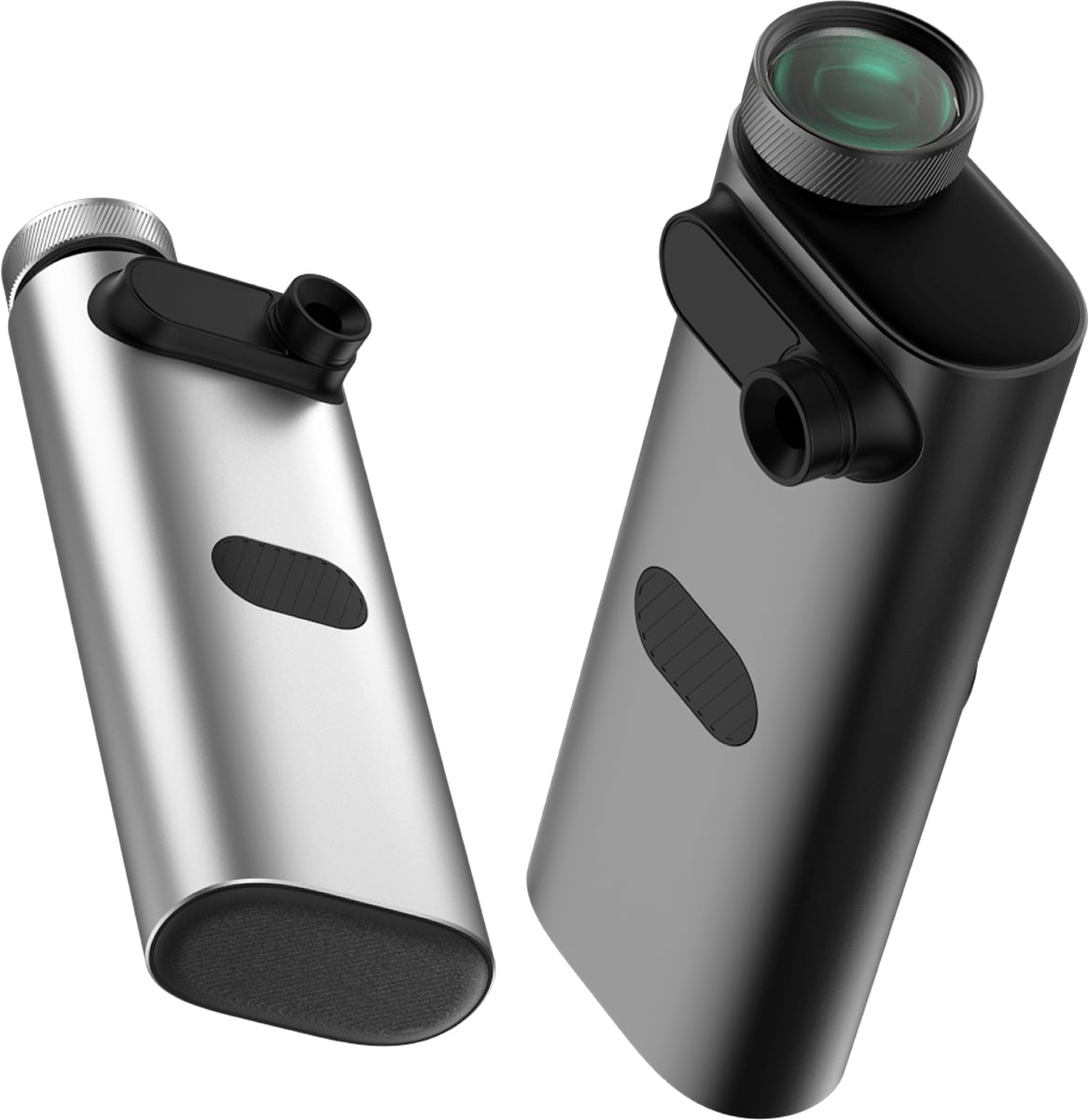
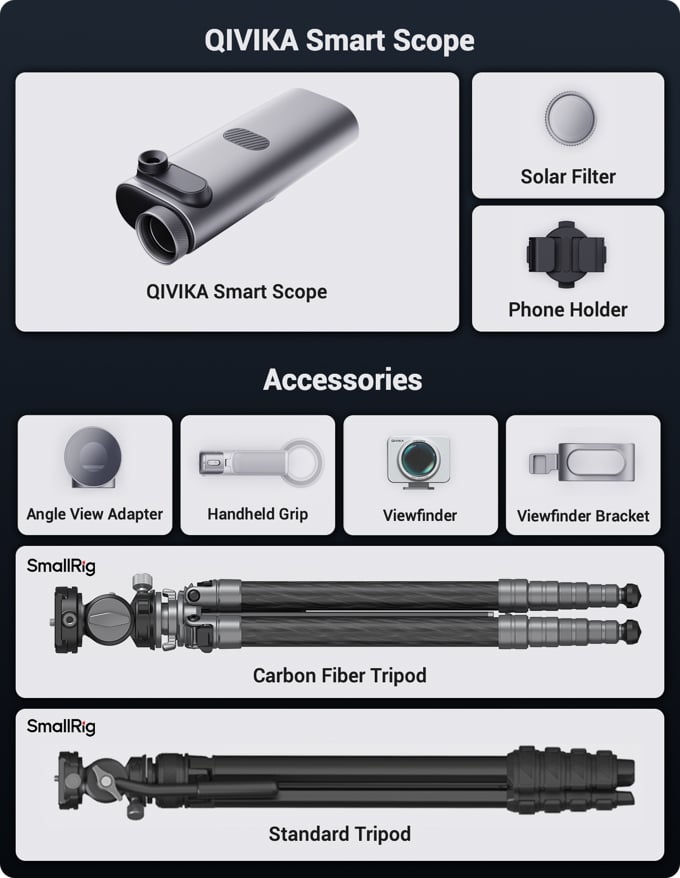
There are many kit options available, with prices ranging from $259 to $679. The basic kit is priced at $259. The most expensive option includes two Qivika devices. But note that these prices are “Launch Special”.
You can check the available kits and what’s included in the packages on Qivika’s Kickstarter page.
So, would you get this device for yourself?
Clear skies!
See more from DIYPhotography.net on Google
Add DIYPhotography.net as a trusted source. This makes
our stories more likely to appear in your Google Search results.
 Add as a preferred source on Google

Soumyadeep Mukherjee
Soumyadeep Mukherjee is an award-winning astrophotographer from India. He has a doctorate degree in Linguistics. His work extends to the sub-genres of nightscape, deep sky, solar, lunar and optical phenomenon photography. He is also a photography educator and has conducted numerous workshops. His works have appeared in over 40 books & magazines including Astronomy, BBC Sky at Night, Sky & Telescope among others, and in various websites including National Geographic, NASA, Forbes. He was the first Indian to win “Astronomy Photographer of the Year” award in a major category.



Join the Discussion
DIYP Comment Policy
Be nice, be on-topic, no personal information or flames.