
























This is One of the Largest Images James Webb Has Ever Captured
Sep 15, 2026
Soumyadeep Mukherjee
Soumyadeep Mukherjee is an award-winning astrophotographer from India. He has a doctorate degree in Linguistics. His work extends to the sub-genres of nightscape, deep sky, solar, lunar and optical phenomenon photography. He is also a photography educator and has conducted numerous workshops. His works have appeared in over 40 books & magazines including Astronomy, BBC Sky at Night, Sky & Telescope among others, and in various websites including National Geographic, NASA, Forbes. He was the first Indian to win “Astronomy Photographer of the Year” award in a major category.
Share:
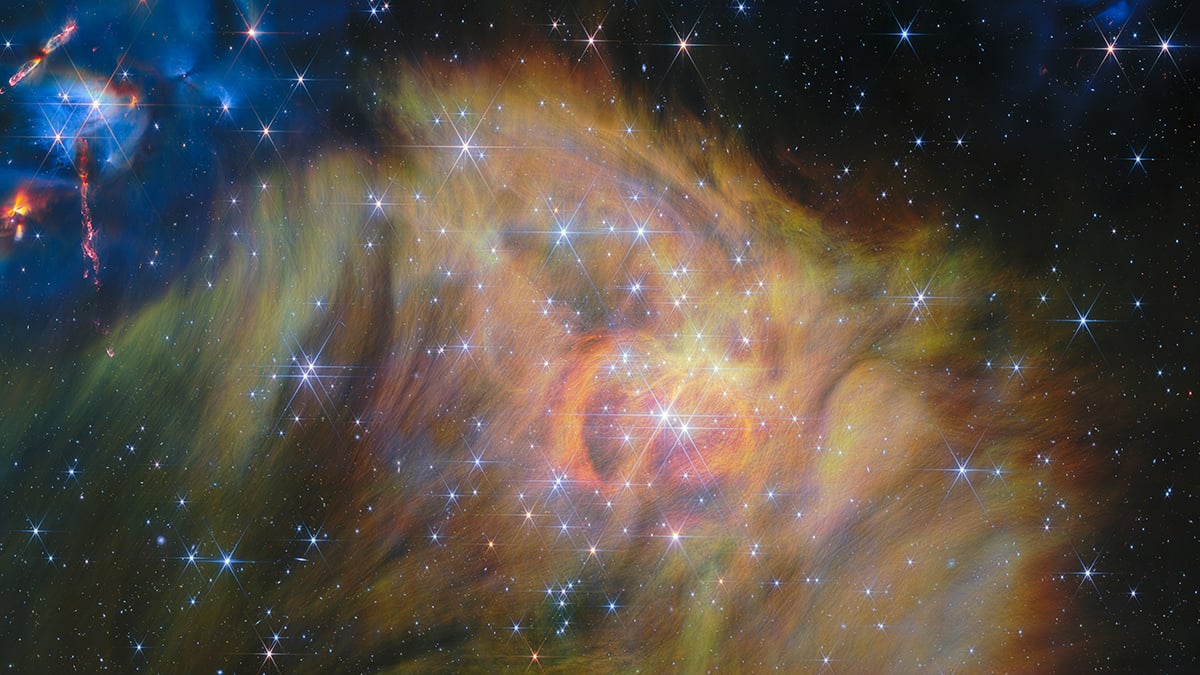
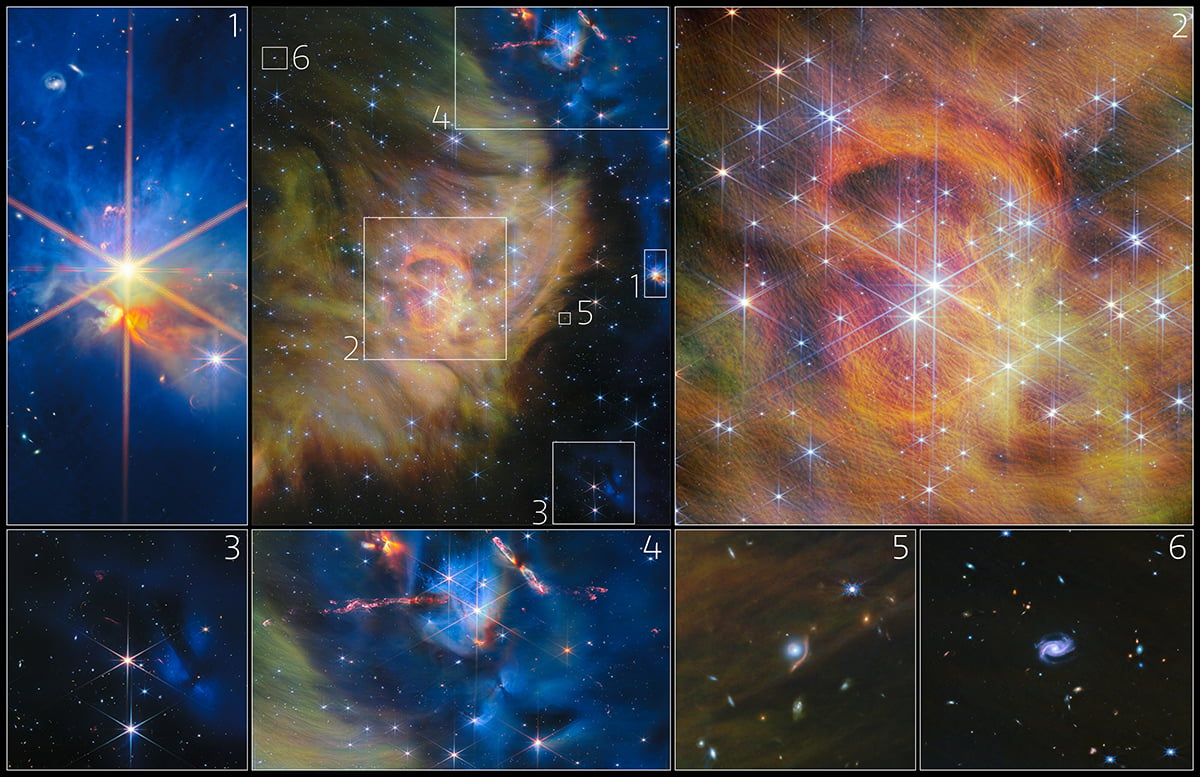
Astronomers have found something remarkably small hiding among the young stars of IC 348. The James Webb Space Telescope has identified brown dwarfs with only about twice the mass of Jupiter. That pushes these star-like objects into a mass range where their origins become increasingly difficult to explain.
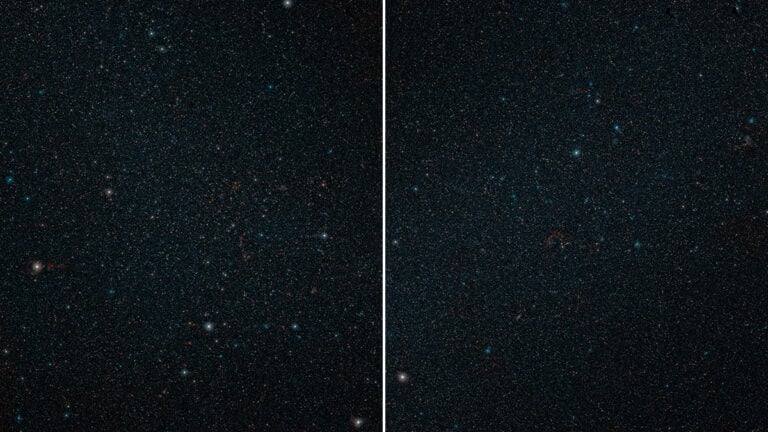
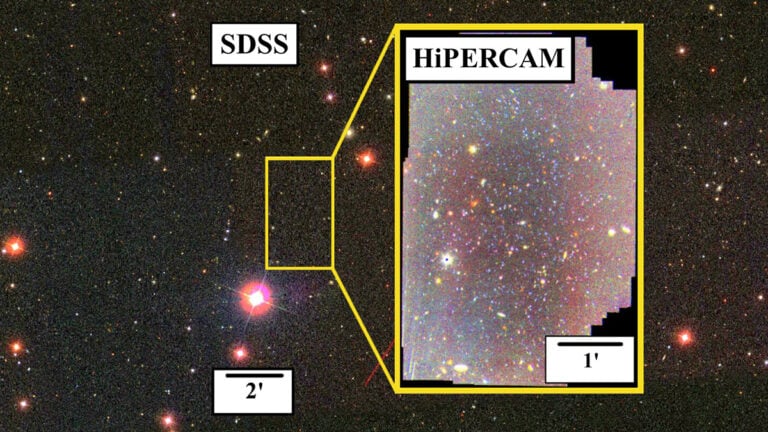
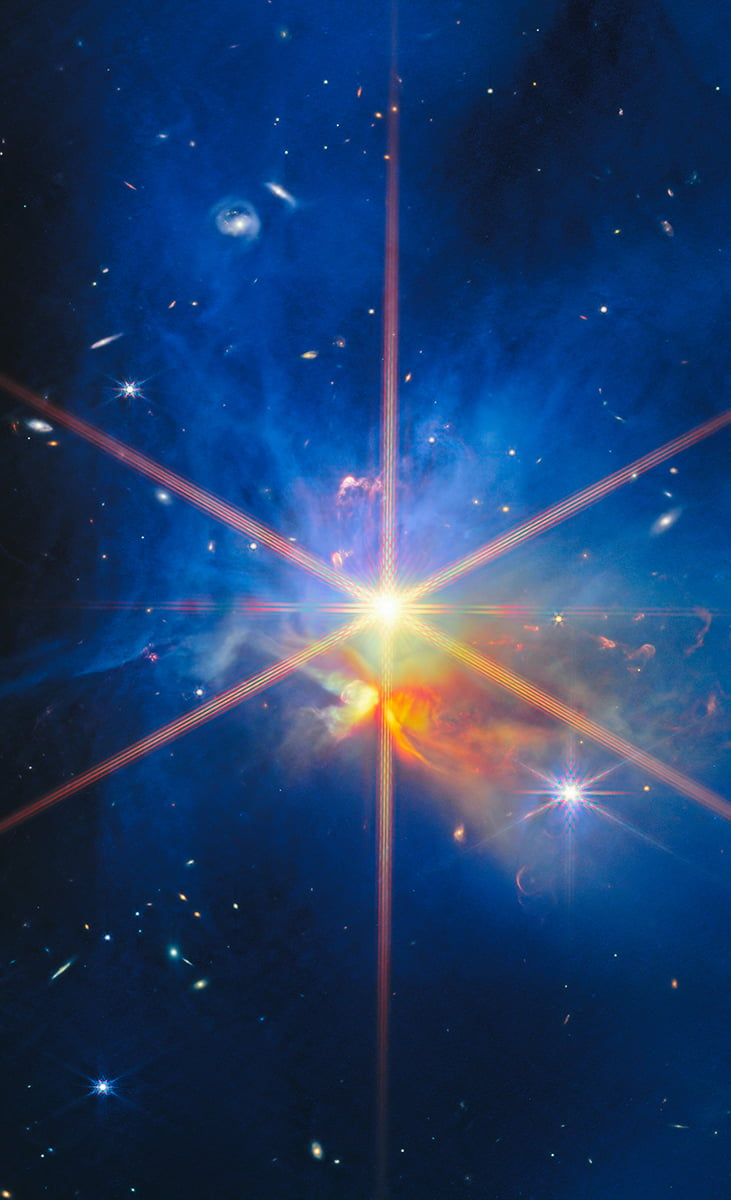
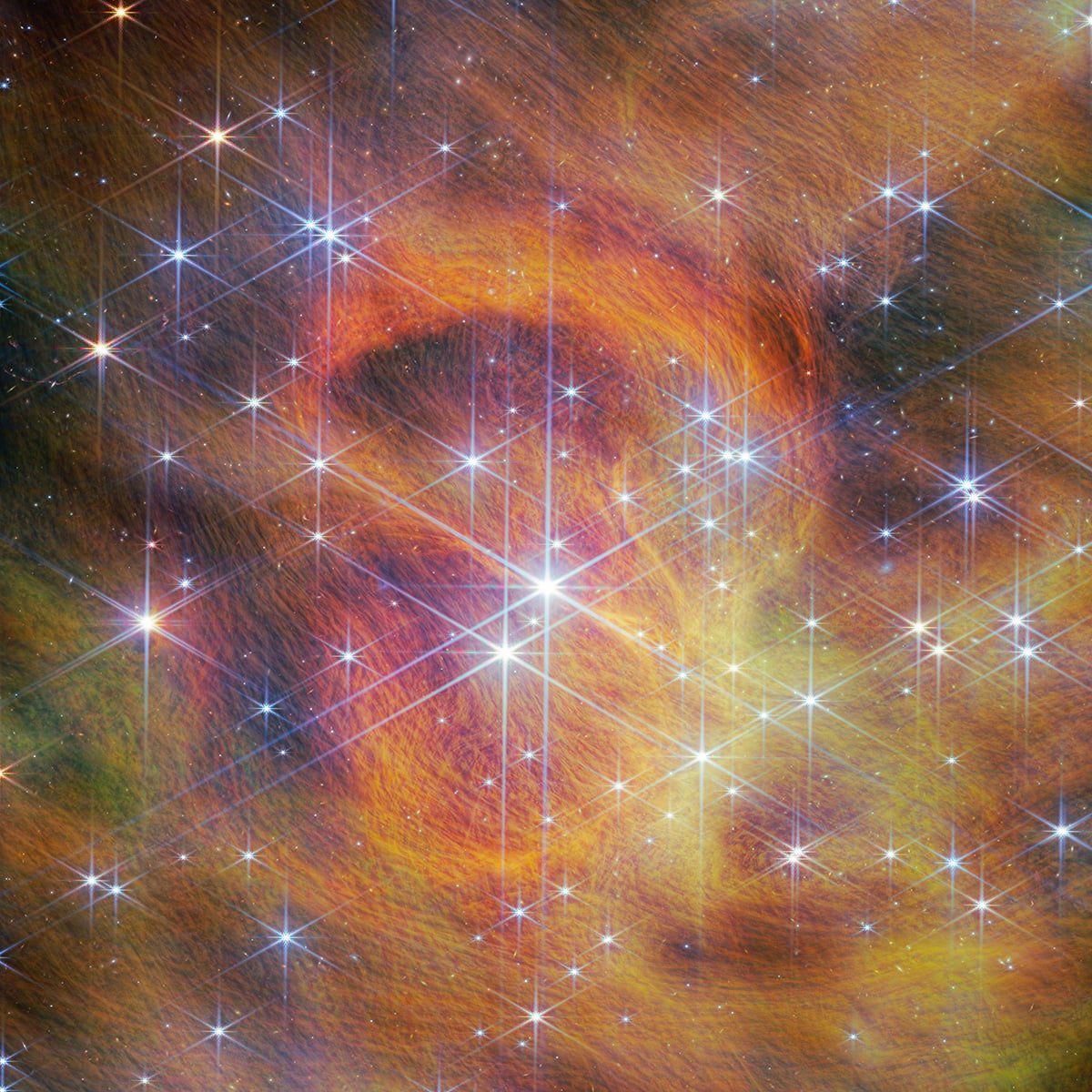
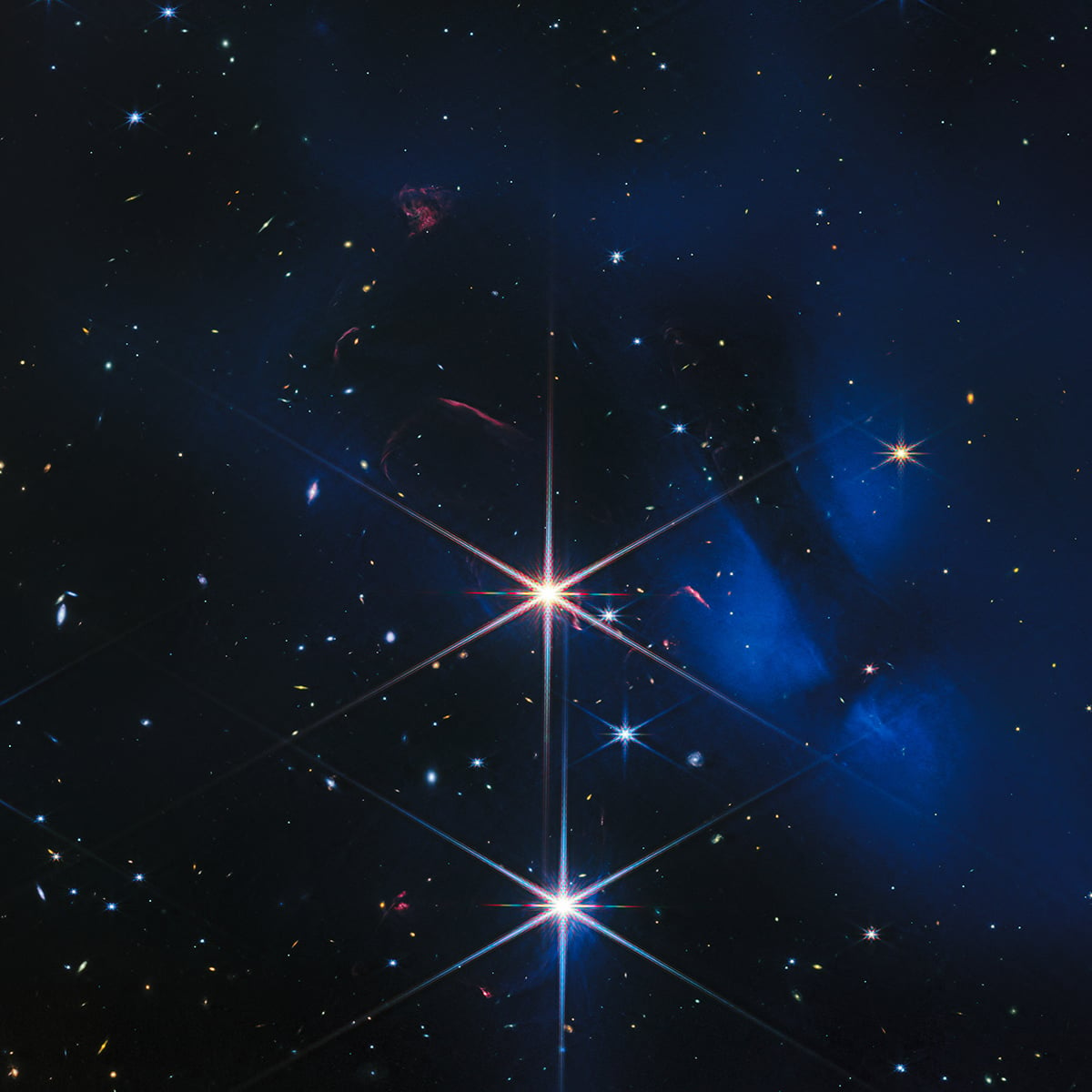
This image is also one of the largest images JWST has ever captured. The new image came from two of JWST’s instruments. The NIRCam instrument helped the team identify promising candidates, and NIRSpec then let astronomers examine their light in much greater detail.
IC 348: A young star-forming region
IC 348 sits within the Perseus star-forming region, where cold molecular clouds provide the raw material for new stars. The cluster itself is very young, so many of its members have not yet reached their final stages of development.
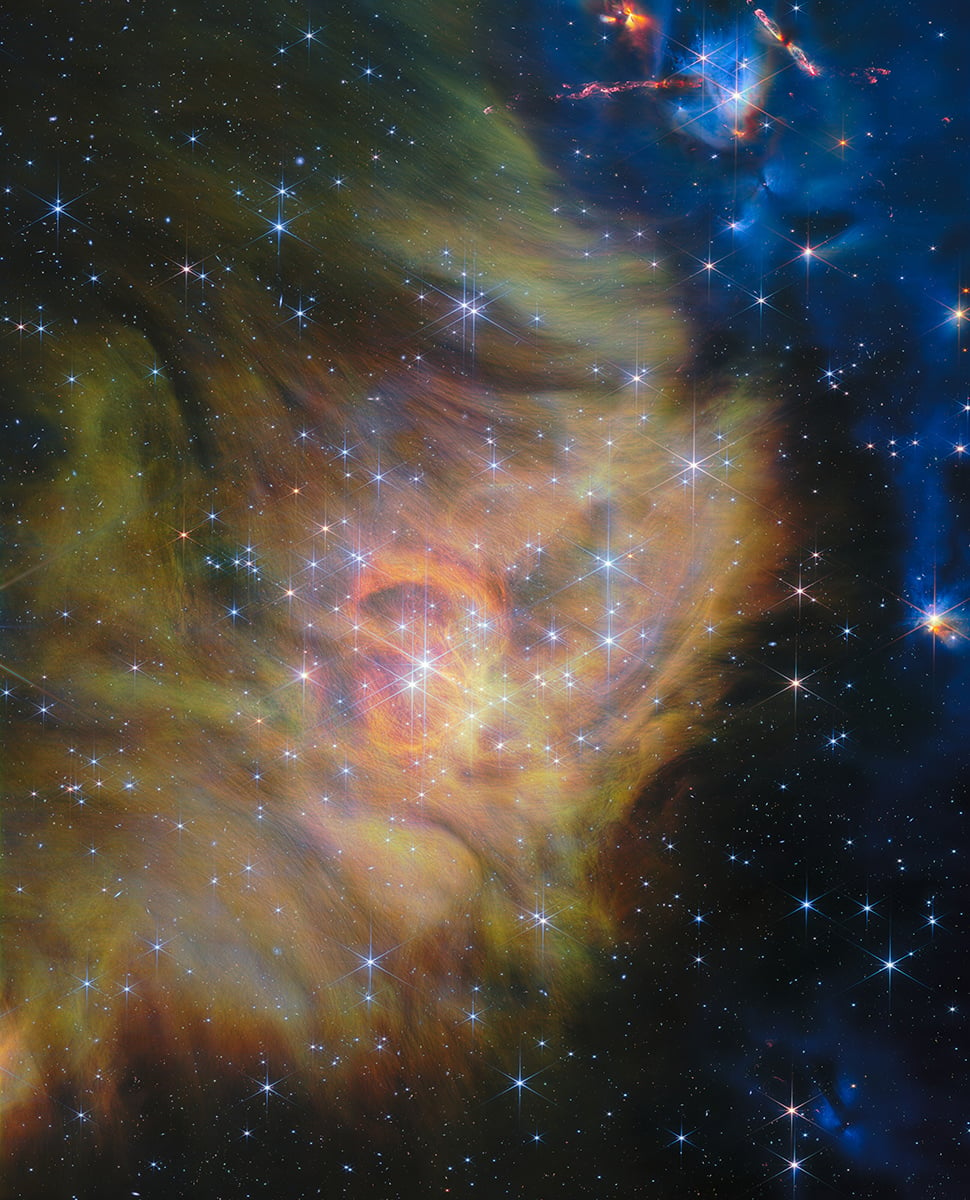
This young age makes the region useful for finding brown dwarfs. Newly formed brown dwarfs remain relatively warm as they still carry heat left over from their formation. They emit much of that energy at infrared wavelengths, where James Webb excels.
The telescope can also pick out faint sources among the crowded population of young stars. NIRCam, JWST’s Near-Infrared Camera, records the region through several infrared filters. Astronomers can compare the brightness of a source at different wavelengths and look for the colors expected from a cool, young brown dwarf.
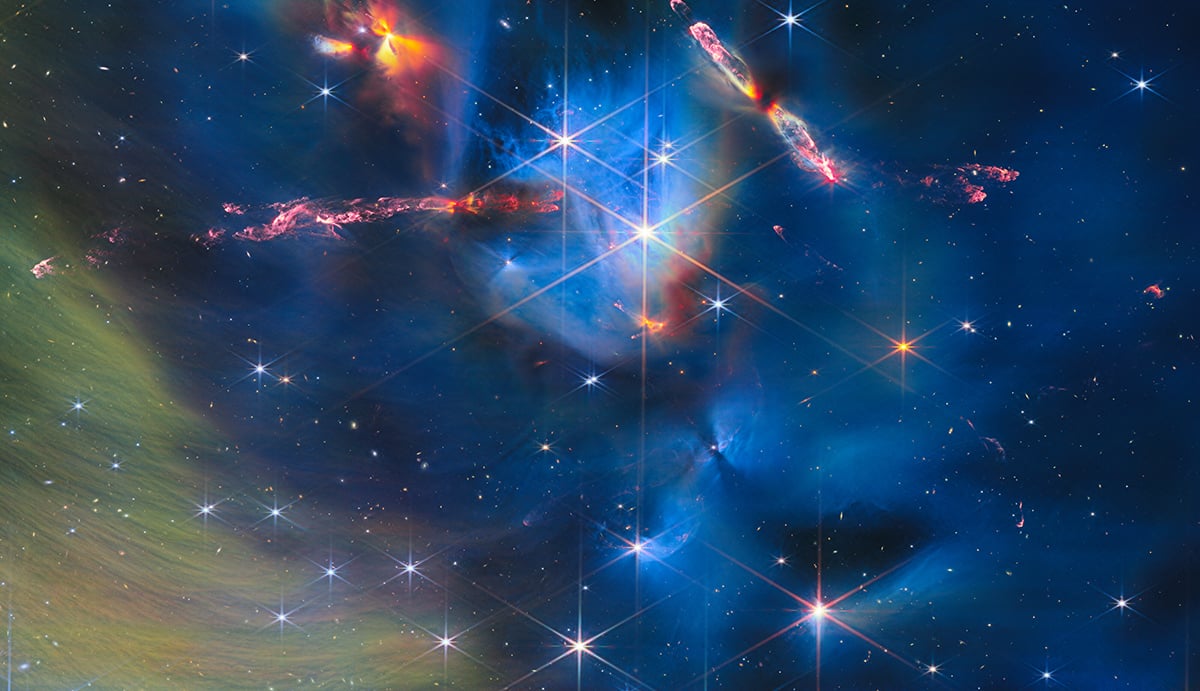
An earlier study found three brown dwarfs with masses below eight times that of Jupiter. The smallest weighed around three to four Jupiter masses, making it one of the lowest-mass free-floating brown dwarfs known at the time.
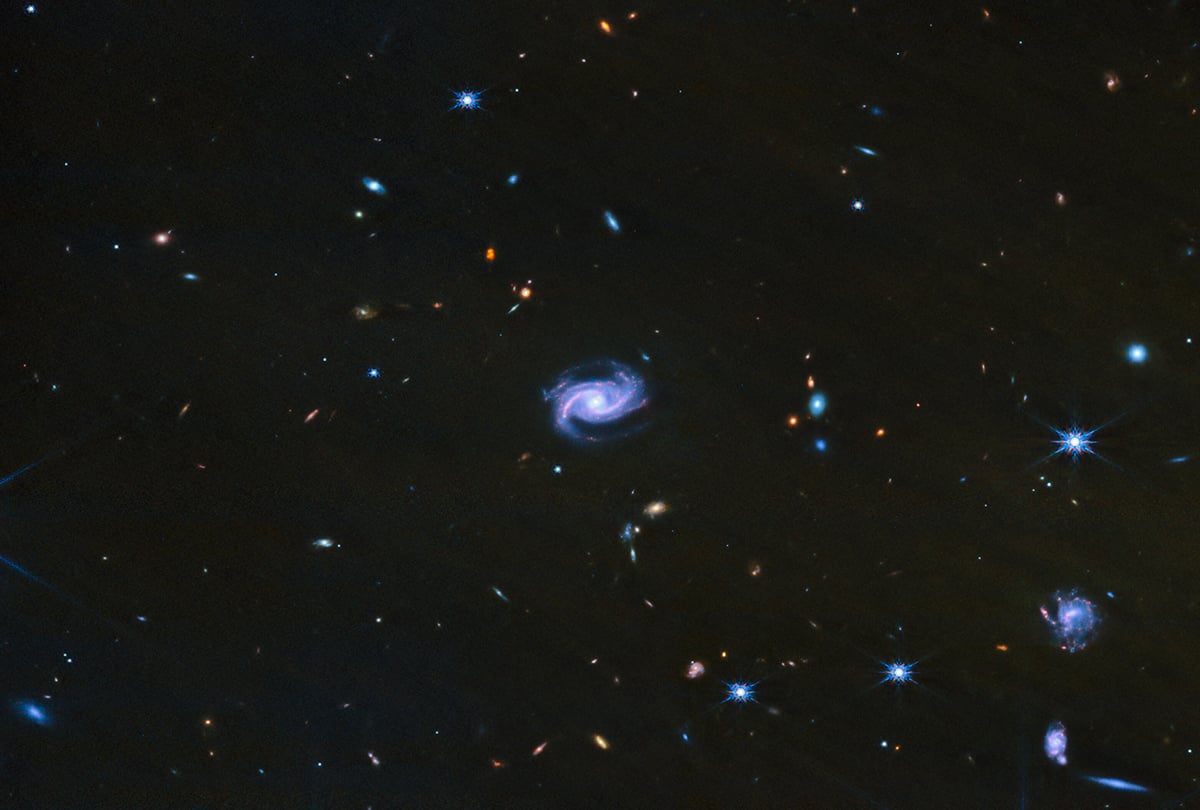
JWST used two instruments for the image
The team first used NIRCam to search IC 348. Its infrared images revealed faint sources that could be extremely low-mass brown dwarfs. The observations gave the researchers a way to narrow down the candidates. They then used James Webb‘s Near-Infrared Spectrograph, or NIRSpec, to examine their spectra.
A spectrum contains much more information than an image; it spreads its light across different wavelengths. Astronomers can then look for features produced by molecules and atoms in its atmosphere.
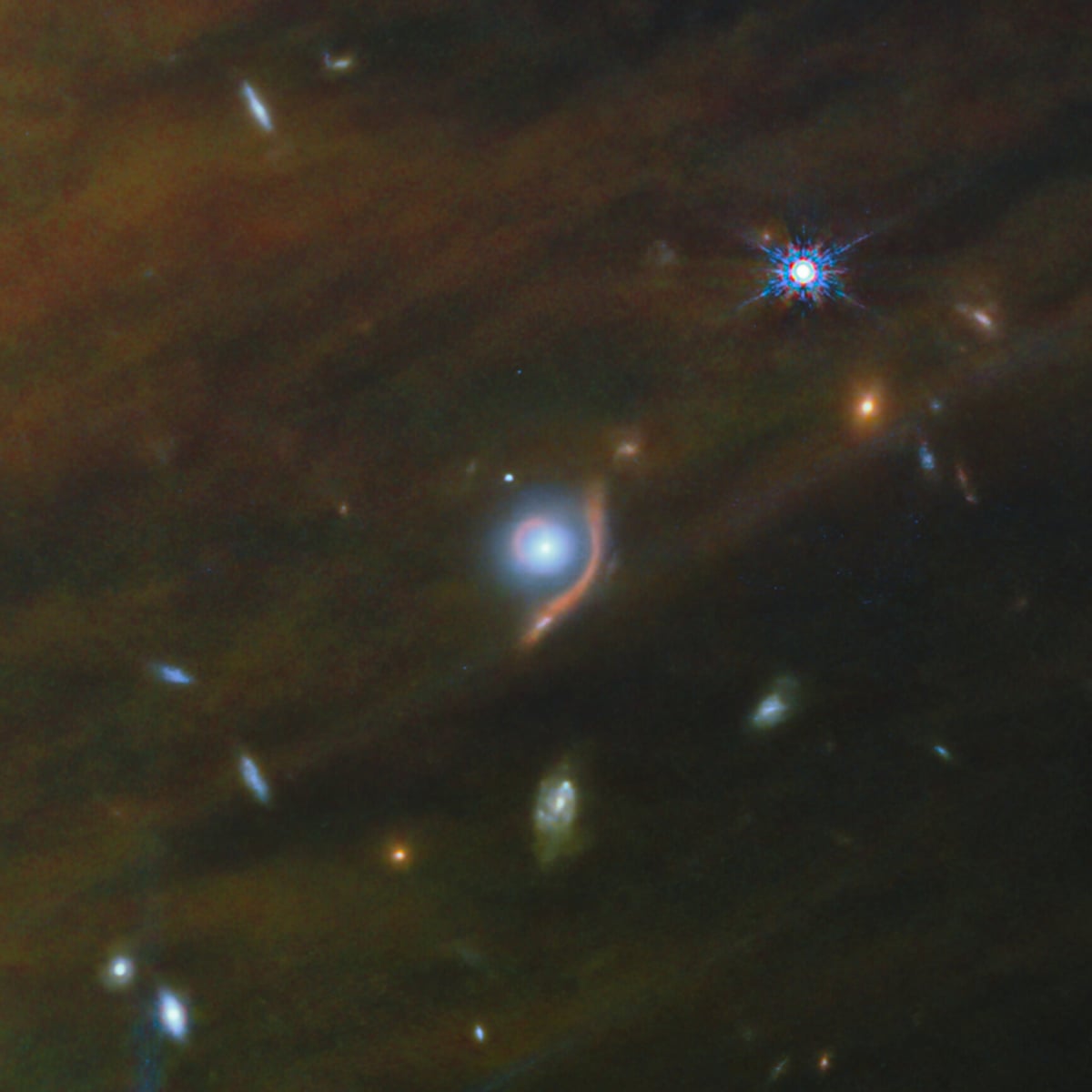
The team collected the NIRCam observations in 2024 and followed them with NIRSpec observations in 2025. The combined data allowed the researchers to investigate the candidates in much greater detail.
The observations revealed brown dwarfs with masses as low as about twice Jupiter’s mass. NASA describes these as the least massive brown dwarfs known. Their existence creates a serious test for models of star formation, which must explain how collapsing clouds can produce objects this small.
One of the tiny brown dwarfs has a disc
The discovery becomes even more interesting when astronomers look at one of the lowest-mass objects in the sample. James Webb found evidence for a disc around it.
Discs are a familiar feature around young stars. As a star forms, gas and dust can settle into a rotating disc around it. Material within that disc can collide, clump together, and eventually contribute to planets and other bodies.
Astronomers have also detected discs around brown dwarfs. The brown dwarf weighs only a few times as much as Jupiter. Yet it appears to have retained enough surrounding material to produce a disc.
The disc does, however, give researchers another way to investigate how these objects formed. If the brown dwarf formed through the collapse of a small cloud fragment, the disc may preserve information about that process. Its structure could also reveal how material behaved around such a low-mass central object.
Clear skies!
See more from DIYPhotography.net on Google
Add DIYPhotography.net as a trusted source. This makes
our stories more likely to appear in your Google Search results.
 Add as a preferred source on Google

Soumyadeep Mukherjee
Soumyadeep Mukherjee is an award-winning astrophotographer from India. He has a doctorate degree in Linguistics. His work extends to the sub-genres of nightscape, deep sky, solar, lunar and optical phenomenon photography. He is also a photography educator and has conducted numerous workshops. His works have appeared in over 40 books & magazines including Astronomy, BBC Sky at Night, Sky & Telescope among others, and in various websites including National Geographic, NASA, Forbes. He was the first Indian to win “Astronomy Photographer of the Year” award in a major category.
Related Posts
 James Webb Telescope’s first photo revealed: The deepest, sharpest shot of the universe ever
 James Webb telescope captures the most distant and oldest galaxy ever observed
 James Webb Telescope finds two oldest galaxies ever spotted
 James Webb Captures the Clearest-Ever View of M87’s Supermassive Black Hole Jet
Join the Discussion
DIYP Comment Policy
Be nice, be on-topic, no personal information or flames.