








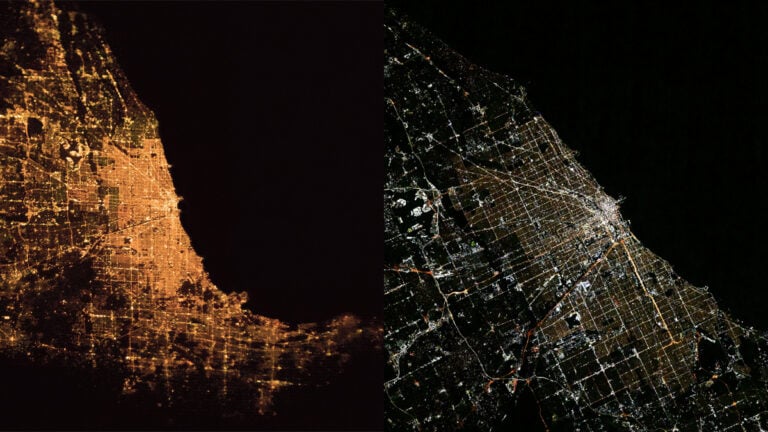















DJI, Insta360 and GoPro Are Coming for Each Other’s Customers
Sep 15, 2026
Alysa Gavilan
Alysa Gavilan has spent years exploring photography through photojournalism and street scenes. She enjoys working with both film and mirrorless cameras, and her fascination with the craft has grown over the decades. Inspired by Vivian Maier, she is drawn to capturing everyday moments that often go unnoticed.
Share:
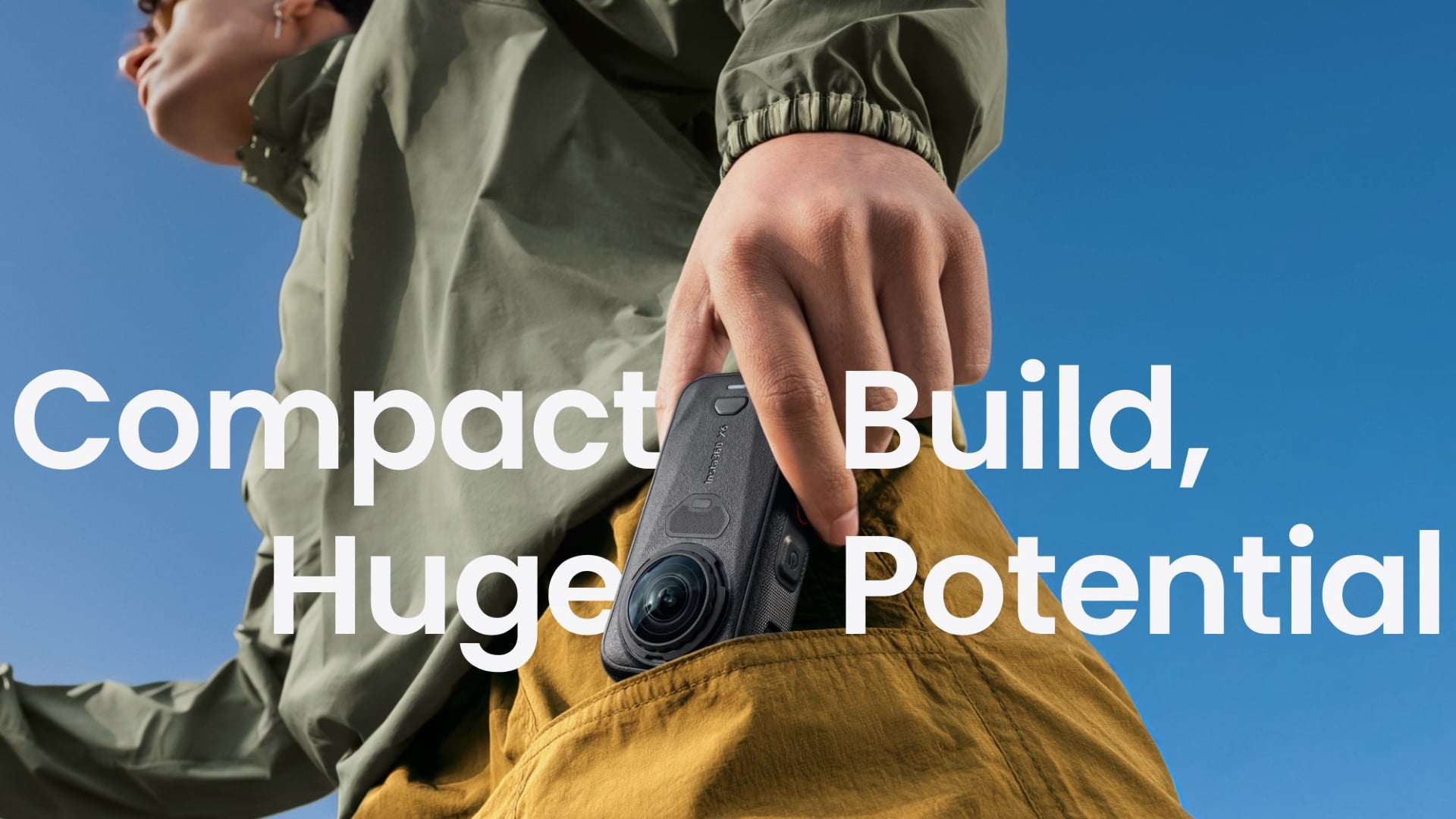
The action camera market is getting a little crowded. DJI, Insta360 and GoPro are increasingly stepping on each other’s toes, with 360 cameras, high-resolution video, and creator-focused features turning what used to be a fairly simple camera category into a three-way fight.
And nobody seems particularly interested in staying in their lane.
DJI, better known for drones and gimbals, has pushed deeper into cameras with its Osmo line. Insta360 has gone from being the 360 camera company to making a broader range of compact cameras. GoPro, the name that practically became synonymous with action cameras, is looking beyond the familiar HERO formula.
The result is a market where the question is no longer simply which action camera is best. It is also about which company can convince buyers that its camera is the one they should take everywhere.
DJI Takes the Fight to Insta360
DJI’s move into 360 cameras puts it directly in Insta360’s territory.
Its Osmo 360 II can record native 8K 360-degree video at up to 60 frames per second and uses dual 1/1.1-inch sensors. DJI has also added 10-bit recording, replaceable lenses and other features aimed at users who want more flexibility from a small camera.
Insta360’s X6 takes a similar approach, recording 7.2K 360-degree video with dual 1/1.1-inch sensors. Its software is a major part of the experience, with features designed to let users reframe footage and produce conventional video from a 360-degree recording.
That means the competition is no longer just about resolution.
For 360 cameras, what happens after the shutter is pressed can be just as important. Users can capture everything around them and decide on the framing later, which is particularly useful for action footage, travel and social media.
It also means the cameras can make up for one of the oldest problems in photography: realizing afterward that you pointed the camera at the wrong thing.
The rivalry between DJI and Insta360 has also become a legal one. DJI has filed patent lawsuits against Insta360, while Insta360 has brought patent claims against DJI. The disputes cover technologies used across their imaging products.
GoPro Is Fighting Back
GoPro has perhaps the most to lose as the category expands.
The company helped define the action camera, turning small rugged cameras into a consumer category of their own. But DJI and Insta360 have spent the past few years making the market considerably more competitive.
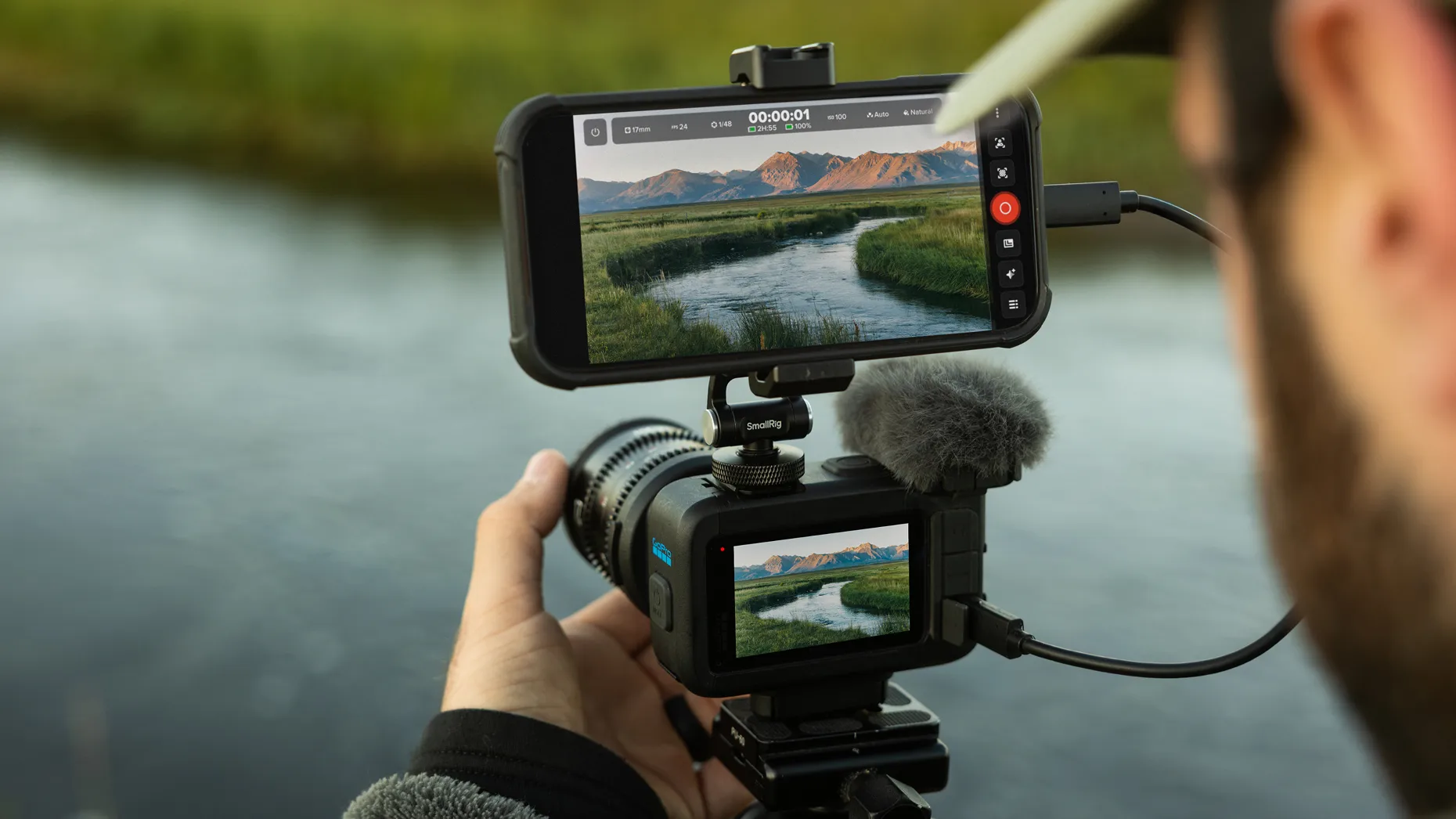
GoPro’s answer includes the Max 2, which brings 8K 360-degree video, 10-bit recording and Log capture to its lineup.
The company is also moving beyond the traditional HERO formula with its Mission 1 cameras, which target users looking for larger sensors and more advanced video features.
That gives GoPro a broader range of cameras to compete with its rivals, but it also puts the company in an awkward position.
GoPro needs to defend the market it created while convincing customers that it can keep up with companies that entered the category with very different strengths. The question is how long those distinctions will continue to matter.
The Action Camera Has Changed
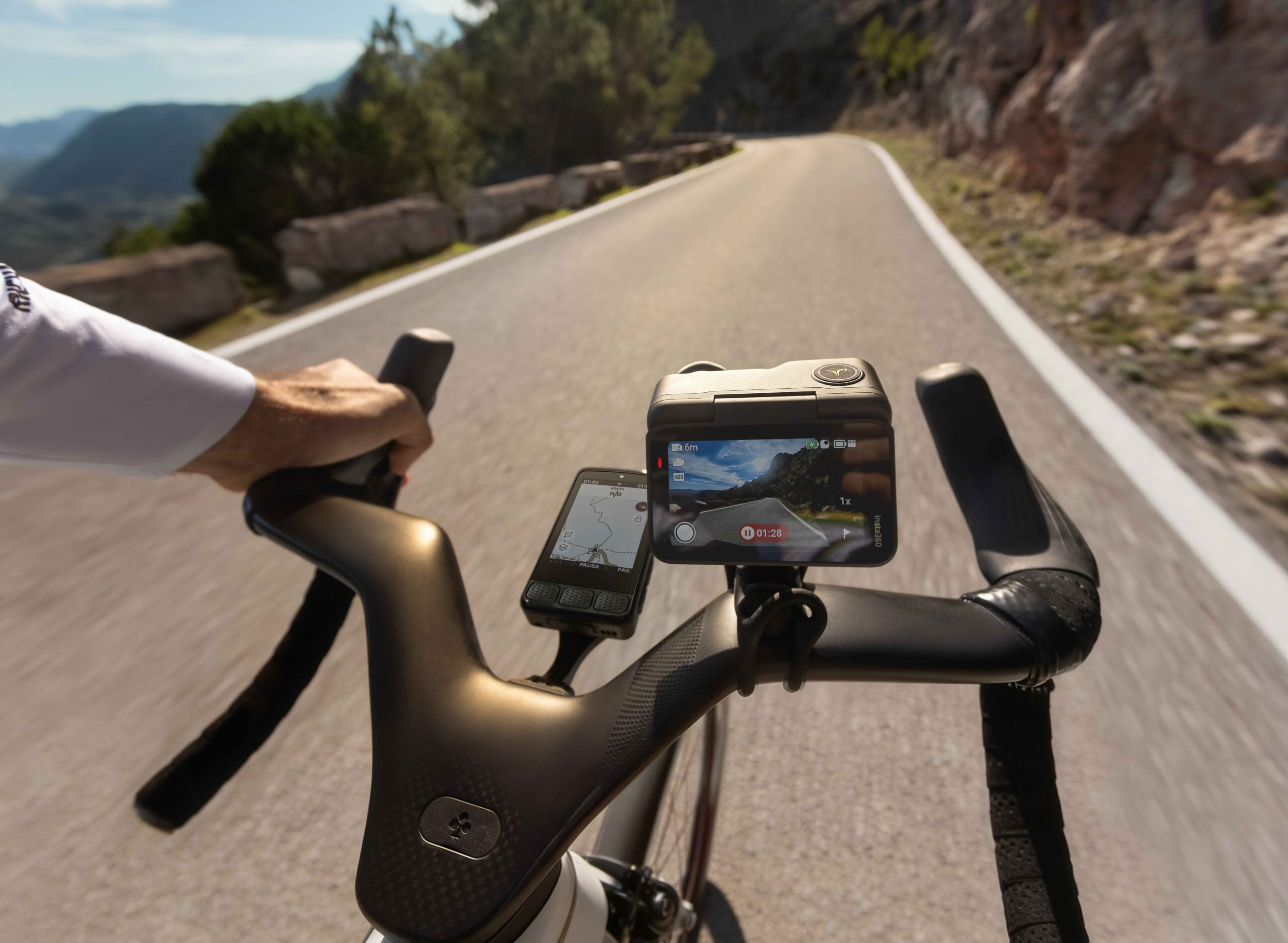
The biggest shift is that these companies are no longer treating the action camera as a single type of product.
The development also reflects a broader change in how people shoot video. Creators increasingly want cameras that can capture high-resolution footage while giving them flexibility to decide later how that footage should look.
For DJI, Insta360 and GoPro, that creates an opportunity to sell cameras to people who might once have bought very different products. It also creates a problem with the fact that they are increasingly chasing the same customers.
For buyers, that competition could mean better cameras, more capable software and more choice. For the three companies, it means the action camera market is becoming a much harder place to stand out.
See more from DIYPhotography.net on Google
Add DIYPhotography.net as a trusted source. This makes
our stories more likely to appear in your Google Search results.
 Add as a preferred source on Google

Alysa Gavilan
Alysa Gavilan has spent years exploring photography through photojournalism and street scenes. She enjoys working with both film and mirrorless cameras, and her fascination with the craft has grown over the decades. Inspired by Vivian Maier, she is drawn to capturing everyday moments that often go unnoticed.
Related Posts
 The first Chinese Hasselblad X1D clone is coming – and it’s coming from DJI
 Insta360 launches its second-generation Insta360 ONE RS modular action camera
 Ricoh recalls some GR III cameras due to wobbly control dial, offers free repairs to customers
 Tamron can’t keep up with customers’ demand for their newest lens. Again
Join the Discussion
DIYP Comment Policy
Be nice, be on-topic, no personal information or flames.