






















Camera Sensor Size Comparison: Full Frame vs APS-C vs Micro Four Thirds
Nov 25, 2025
Darlene Lleno
Darlene Lleno brings a unique perspective to DIY Photography as someone who grew up surrounded by camera gear but chose words over lenses. With five years of writing experience, she specializes in photography content that’s both technically informed and genuinely passionate. Growing up with a photographer twin brother meant camera talk was everyday conversation in her household. While he mastered capturing moments, Darlene discovered she preferred being the subject and the storyteller behind the scenes. As a travel enthusiast and mother of two, she understands the importance of preserving life’s precious moments. When not exploring new destinations or writing for DIY Photography, you’ll find her reading or tending to her garden. Her approach to photography writing is refreshingly authentic, she may not be behind the camera, but she knows exactly what it takes to help others capture the shots that matter most.
Share:

Camera sensor size comparison matters more than most photographers realize when buying gear. The physical size of your sensor affects image quality, depth of field, and low light performance. It even changes how much your camera bag weighs. Three sensor formats rule the photography world right now: full frame, APS-C, and micro four thirds. Each one brings different strengths and weaknesses to your shooting.
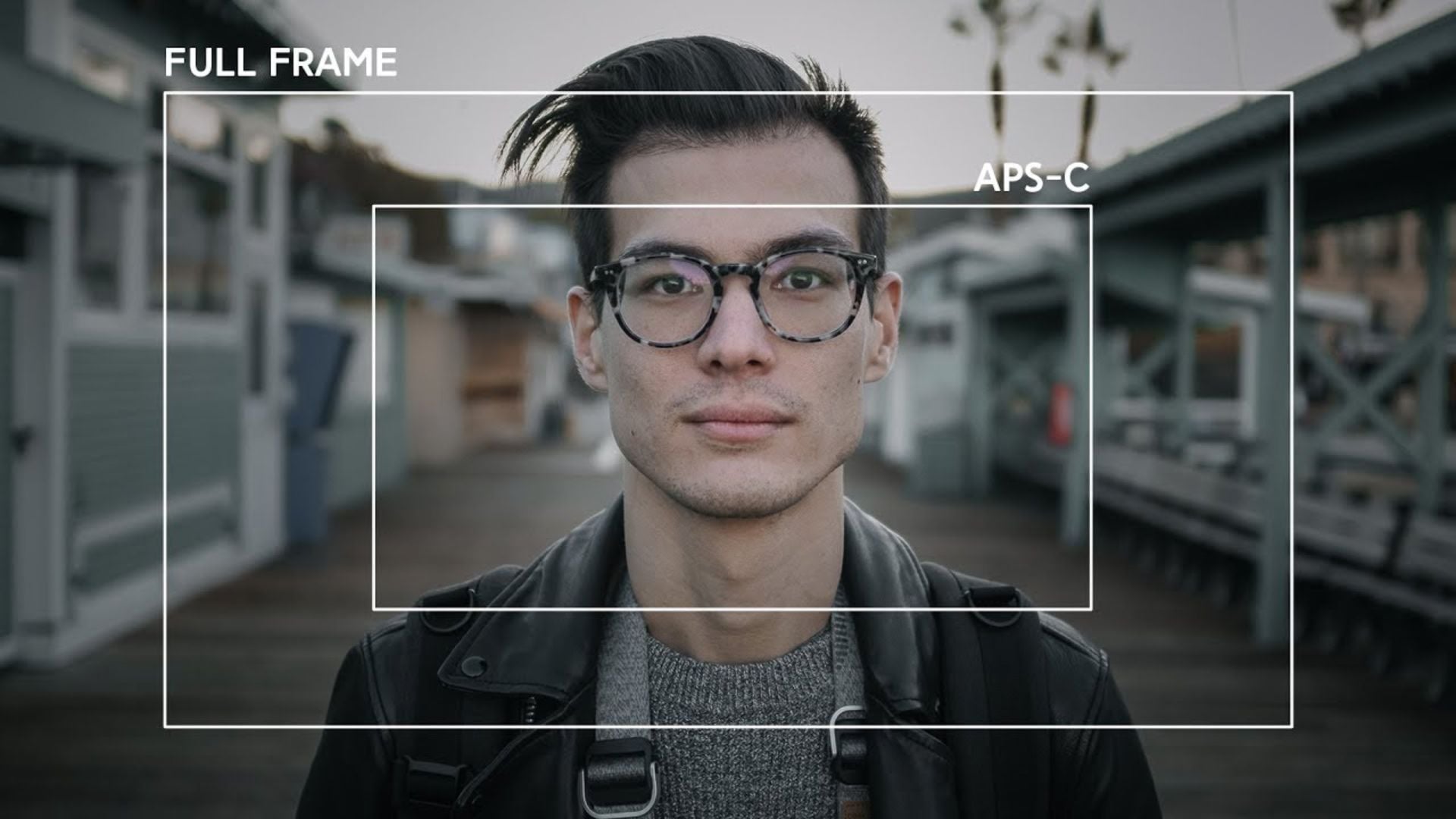
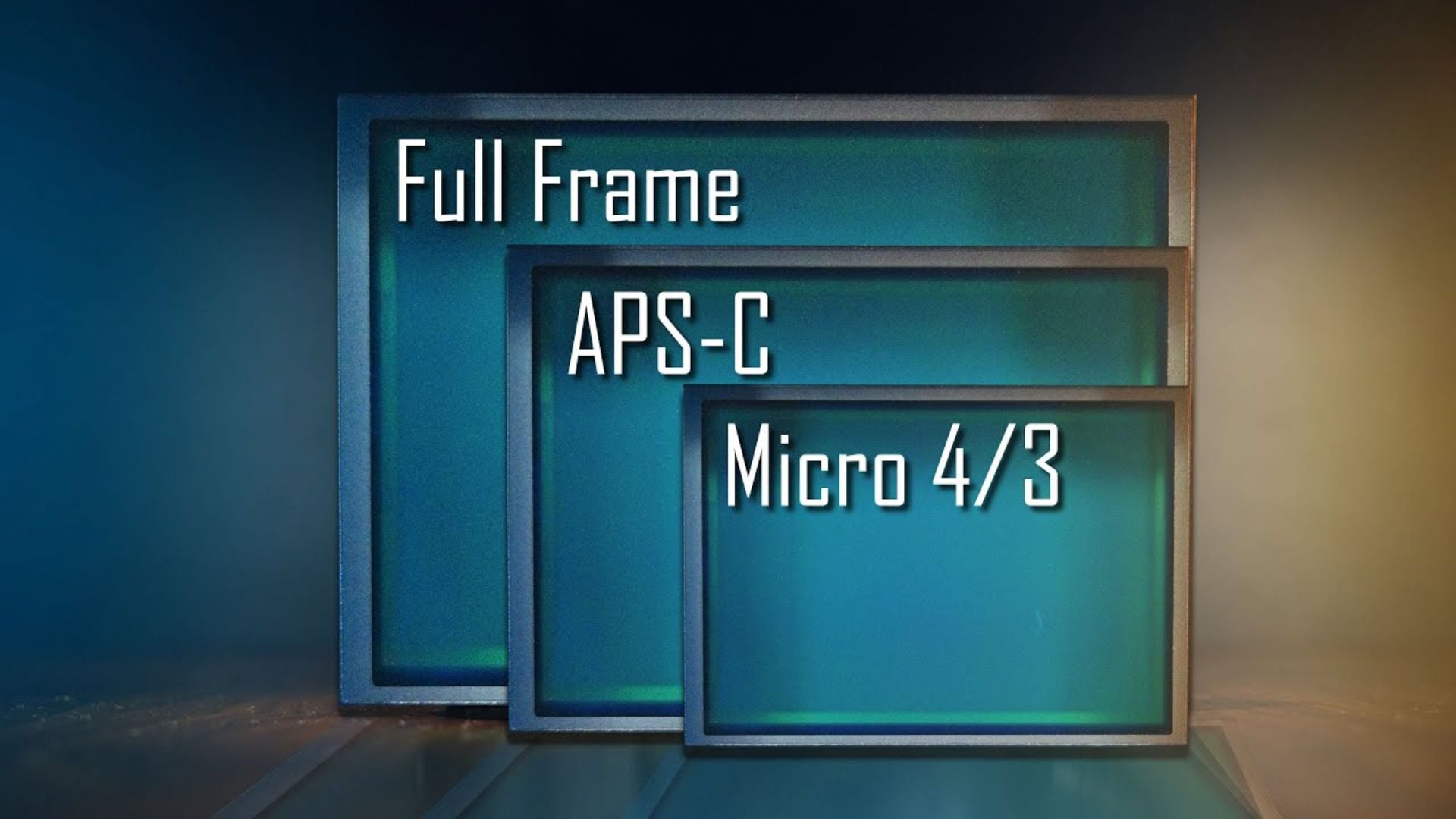
Full frame sensors measure about 36mm x 24mm. That’s the same size as old 35mm film. APS-C sensors are smaller at roughly 24mm x 16mm. Micro four thirds sensors measure about 17mm x 13mm. These size differences create real impacts on how you shoot.
Understanding Sensor Size Basics
Your camera’s sensor sits inside and captures light. It turns that light into the digital photo you see on your screen. Bigger sensors have more surface area to collect light. More light usually means better photos and stronger performance when lighting gets tough.
The sensor size affects way more than just image quality. It changes your whole camera system from body size to lens design. Full frame cameras need bigger lenses to cover the entire sensor. Smaller sensors work fine with compact lenses. This affects everything from how portable your gear is to how much it costs.
The physical dimensions determine your focal length behavior too. Smaller sensors crop your image compared to full frame. A 50mm lens acts differently on each sensor size. Understanding this helps you pick the right gear for your shooting style.
Full Frame Sensors
Full frame sensors represent the gold standard in digital photography. They match the classic 35mm film size that photographers used for decades. This format delivers the look and performance many pros demand for their work.
What Makes Full Frame Special
Full frame sensors earned their name from matching 35mm film dimensions perfectly. This means focal lengths work exactly as advertised without any math. A 50mm lens on full frame gives you the classic 50mm view photographers have trusted forever.
The bigger sensor surface provides real technical advantages over smaller formats. Individual photosites can be larger or fit more tightly together than smaller sensors. Bigger photosites grab more light and make less noise at high ISO. This creates cleaner photos when you’re shooting in low light situations.
Full frame sensors also deliver better dynamic range in most cases. You can recover more detail from shadows and highlights in post processing. This flexibility helps when shooting high contrast scenes like landscapes with bright skies and dark foregrounds.
Real-World Performance
Full frame sensors shine in professional work where quality can’t be compromised. Wedding photographers pick full frame cameras to handle dim reception halls without grainy images. Portrait shooters love the shallow depth of field that makes subjects pop from backgrounds.
The bokeh you get from full frame sensors looks incredible. At the same aperture, full frame creates more background blur than smaller formats. This makes isolating your subject way easier and gives that professional creamy look.
But full frame systems come with serious downsides you need to consider. Bodies cost way more than APS-C or micro four thirds cameras. Lenses designed for full frame must be bigger to cover the sensor. This adds weight and expense fast. Your whole kit becomes heavier and pricier to build out completely.
APS-C Sensors
APS-C sensors hit a sweet spot between performance and practicality for many shooters. This format gives you serious image quality without the bulk of full frame. It’s become hugely popular for good reasons.
The Middle Ground Advantage
APS-C sensors vary slightly in size depending on who makes them. Canon’s version measures about 22.3mm x 14.9mm while Nikon’s is roughly 23.5mm x 15.6mm. Sony also makes APS-C sensors for their mirrorless cameras. All of them work similarly despite minor size differences.
The crop factor of APS-C sensors runs from 1.5x to 1.6x compared to full frame. This means a 50mm lens on APS-C gives you roughly 75mm or 80mm equivalent view. Some photographers see this as limiting while others use it as an advantage.
Modern APS-C sensors produce stunning image quality that rivals full frame in good light. The performance gap has shrunk dramatically over recent years. Cameras like the Sony a6700 and Canon EOS R7 deliver results that work for most pro situations.

Practical Benefits
Wildlife and sports photographers often love the extra reach APS-C sensors provide naturally. A 300mm lens effectively becomes 450mm or 480mm without buying longer glass. This makes APS-C perfect for genres needing serious magnification on a budget.
Camera bodies built around APS-C sensors stay more compact and lighter than full frame. This portability matters for travel photography, hiking, or any situation where gear weight affects comfort. Smaller sensors let manufacturers create affordable lenses without sacrificing quality.
The lens selection for APS-C keeps improving as manufacturers invest more in the format. You can find excellent glass at various price points now. Third-party makers like Sigma offer quality APS-C lenses at reasonable costs too.
Where APS-C Falls Short
The smaller sensor does create some limitations worth understanding before buying. Low light performance typically trails full frame with more noise at high ISO. The shallower depth of field compared to full frame makes strong background blur trickier.
Some manufacturers focus premium lens development on full frame mounts primarily. This leaves APS-C users with fewer native options at the high end. The situation keeps getting better but gaps still exist in some lineups.
Micro Four Thirds Sensors
Micro four thirds represents the smallest major sensor format in serious cameras. This compact size enables remarkably small camera and lens combinations. The format prioritizes portability and versatility over maximum sensor dimensions.
The Compact Powerhouse
Micro four thirds uses a 2x crop factor compared to full frame standards. A 25mm lens delivers a 50mm equivalent field of view on this format. Olympus (now OM System) and Panasonic built the micro four thirds standard together. They created an extensive ecosystem of lenses and accessories around it.
The smaller sensor changes several aspects of how you capture images practically. Depth of field appears deeper at equivalent focal lengths and apertures compared to bigger sensors. A micro four thirds camera at f/2.8 produces similar depth characteristics to f/5.6 on full frame.
Image stabilization works incredibly well on micro four thirds systems for physical reasons. The sensor weighs less so the movements needed for stabilization are easier. Many micro four thirds cameras feature exceptional in-body stabilization that enables handheld shooting at slow shutter speeds.

Who Benefits Most
Travel photographers who prioritize light gear often pick micro four thirds systems. A complete kit with multiple lenses fits comfortably in a small bag. That same gear load wouldn’t fit in even a modest full frame setup.
Video shooters appreciate micro four thirds for similar practical reasons daily. The crop factor provides extra reach for telephoto work naturally. The deeper depth of field simplifies focus pulling during recording. Many pro documentary and YouTube creators rely on micro four thirds cameras exclusively.
Street photographers benefit from the discrete size and deeper depth of field. The smaller cameras draw less attention while the format keeps more in focus. This combination suits documentary work and candid shooting perfectly.
The trade-offs involve low light performance and maximum bokeh potential realistically. Micro four thirds sensors show more noise at high ISO compared to larger formats. Achieving super shallow depth of field requires faster lenses which reduces the size advantage.
Comparing Real-World Image Quality
Understanding how these sensors perform in actual shooting situations helps you decide wisely. Let’s break down the key quality factors that affect your photos.
Low Light Performance
Camera sensor size comparison shows big differences in low light capabilities across formats. Full frame sensors produce cleaner images at ISO 6400 and higher typically. The larger photosites collect more light per pixel which reduces visible noise.
APS-C sensors land in the middle for low light shooting results. They deliver acceptable performance up to ISO 3200 in most modern cameras. Recent sensor tech improvements have narrowed the gap considerably though. Micro four thirds cameras show visible noise earlier, usually becoming problematic above ISO 1600.
These numbers are guidelines rather than hard limits you should memorize. Modern noise reduction in cameras and software helps reduce these differences significantly. The practical impact depends on your output size and viewing conditions realistically.
Dynamic Range
Dynamic range measures your camera’s ability to capture detail in bright and dark areas. Full frame sensors typically lead here with roughly 14-15 stops in the best models. This advantage proves valuable for high contrast scenes you encounter regularly.
APS-C sensors deliver about 13-14 stops of dynamic range pretty consistently. That’s close enough for most practical shooting situations honestly. Micro four thirds sensors offer 12-13 stops which works fine for controlled lighting scenarios.
The difference matters most when you’re pushing files hard in post processing. More dynamic range gives you flexibility to recover blown highlights or crushed shadows. According to Cambridge in Colour, sensor size directly correlates with dynamic range capabilities.
Resolution and Detail
Megapixel count varies within each sensor format making direct comparisons a bit tricky. Larger sensors can generally pack in more pixels while maintaining good performance. Full frame cameras range from 24 to over 60 megapixels currently available.
APS-C models typically feature 20-32 megapixels which delivers excellent detail for most uses. Micro four thirds cameras offer 16-25 megapixels which proves adequate for typical needs. Perceived sharpness depends on many factors beyond raw resolution including lens quality and shooting technique.
Lens Selection and Focal Length
Lenses behave differently across sensor sizes due to crop factor effects. Understanding this relationship helps you build the right lens collection for your format.
Understanding Crop Factor
The crop factor changes how focal lengths work on different sensor sizes fundamentally. Full frame sensors have a 1x crop factor so focal lengths perform exactly as marked. APS-C sensors multiply focal lengths by about 1.5x or 1.6x depending on brand.
A 35mm lens on APS-C delivers roughly the same view as 50mm on full frame. Micro four thirds doubles everything so a 12mm ultra-wide becomes 24mm equivalent. This math affects every lens choice you make for your system.
Practical Implications for Your Shooting
This crop factor relationship affects lens buying decisions in real ways daily. APS-C shooters gain extra reach for telephoto work but lose true wide angle capability. Getting an ultra-wide perspective requires lenses as short as 10-12mm which cost more.
Micro four thirds photographers face similar challenges at the wide end of things. But they enjoy impressive telephoto reach naturally from the 2x crop. A compact 100-300mm zoom provides 200-600mm equivalent view which is perfect for wildlife photography without huge lenses.
Full frame users work with focal lengths as intended originally by design. Wide angle options remain more accessible on this format naturally. But telephoto lenses become substantial pieces of equipment you need to carry.
Depth of Field Characteristics
Camera sensor size comparison dramatically affects depth of field at equivalent framing positions. Larger sensors produce shallower depth of field shooting the same composition at identical apertures. This relationship comes from the different distances and focal lengths required to frame identically.
To achieve the same framing on full frame you must move closer or use longer glass. Both adjustments reduce depth of field in your final image. Smaller sensors require wider apertures to match the background blur of larger formats.
A full frame camera at f/2.8 produces similar depth of field to APS-C at roughly f/1.8. Micro four thirds needs f/1.4 to match that full frame f/2.8 look approximately. This explains why achieving buttery smooth bokeh is easier on full frame systems. Many portrait photographers choose full frame specifically for this shallow depth capability.
Cost Considerations
Budget plays a huge role in which sensor format makes sense for you. Let’s break down what you’ll actually spend building a system in each format.
Full frame cameras start at higher price points and scale up quickly. Bodies alone range from about $1,500 for entry options to over $6,000 for flagship models. Lenses designed for full frame coverage add substantial costs on top. Professional glass easily exceeds the camera body price in many cases.
APS-C systems provide excellent value for photographers at various skill levels realistically. Bodies cost less and many manufacturers offer strong native lens lineups now. Third-party manufacturers like Sigma support APS-C mounts with quality optics at reasonable prices.
Micro four thirds represents the most economical entry point for interchangeable lens systems overall. Bodies and lenses both cost less on average across the board. The extensive selection of older used models provides budget-friendly options too. You can assemble a complete micro four thirds kit for a fraction of full frame costs.

Size and Weight Factors
Physical dimensions matter way more than photographers initially realize when starting out. Full frame cameras and lenses create substantial kits that impact shooting comfort significantly. Professional photographers often accept this bulk as necessary for image quality.
APS-C systems strike a reasonable balance between performance and portability effectively. Bodies remain manageable for all-day shooting without excessive strain or fatigue. Lenses stay portable without sacrificing too much optical performance in most cases.
Micro four thirds excels at portability above all other considerations for many shooters. A complete professional setup fits in a small shoulder bag comfortably. This advantage appeals to documentary shooters and anyone who values movement freedom over maximum sensor size.
Choosing Your Ideal Format
Picking the right sensor size depends on your specific needs and shooting style. Let’s look at different photographer types and what usually works best.
For Professional Work
Full frame sensors remain the standard for many professional applications currently in the industry. Fashion, commercial, and high-end wedding photography typically demand the quality full frame delivers. The investment makes sense when image quality directly impacts your income stream.
However, professional doesn’t automatically mean full frame for every situation realistically. Many working photographers successfully use APS-C or micro four thirds for specific niches. Sports and wildlife photographers leverage APS-C’s crop factor advantage for extra reach. Documentary filmmakers appreciate micro four thirds portability when traveling for extended periods.
For Enthusiasts and Hobbyists
Enthusiast photographers should consider their actual shooting habits rather than dream scenarios. APS-C sensors deliver excellent results for most photography genres you’ll encounter. The cost savings allow investment in better lenses which often impacts quality more than sensor size.
Micro four thirds makes sense for photographers who prioritize gear weight above all else. The strong used market provides access to professional equipment at attractive prices. You can build a complete system for less than a basic full frame body.
For Beginners
New photographers benefit most from APS-C systems when starting their journey typically. The format offers room to grow without overwhelming complexity or expense initially. Most manufacturers provide comprehensive lens selections at various price points for growth.
Starting with APS-C also delays expensive format decisions until you understand your preferences better. You can always transition to full frame or micro four thirds later on. By then you’ll have a clearer sense of your actual priorities from experience.

Future-Proofing Considerations
Sensor technology keeps advancing rapidly across all formats in the camera industry. The performance gap between sizes narrows with each generation of new releases. Modern APS-C sensors rival full frame models from just a few years ago.
Manufacturer support varies by format which affects your long-term investment security. Canon, Nikon, and Sony continue strong investment in full frame systems currently. Sony maintains robust APS-C development alongside their full frame lineup. Panasonic and OM System remain committed to micro four thirds for the foreseeable future.
Research your preferred brand’s roadmap before committing to a system long-term. The used market provides flexibility for format changes if your needs evolve. Cameras hold value reasonably well allowing cost-effective transitions when necessary. Starting with any modern sensor format provides excellent learning opportunities without permanent commitment.
Picking Your Ideal Camera Format
Camera sensor size comparison ultimately comes down to matching format characteristics with your specific needs. Consider these key factors carefully in your decision process before buying anything.
Evaluate your primary shooting genres honestly and realistically right now. Action and wildlife photography benefit from APS-C’s crop factor reach naturally. Portrait and low light work favor full frame’s performance advantages. Travel and documentary shooting suit micro four thirds portability perfectly in most cases.
Assess your physical capabilities honestly when carrying gear for extended periods. Heavy gear affects shooting stamina and enjoyment more than you think. A lighter system you actually bring along beats superior equipment left home.
Consider your budget realistically including lenses and accessories for the long term. A well-rounded APS-C kit outperforms a minimal full frame setup in practical use. Build quality glass into your budget from the start for better results.
Think about your actual output needs rather than theoretical maximum quality scenarios. If you primarily share images online or make prints up to 16×20 inches, any modern sensor format delivers excellent results. Massive prints or extreme cropping justify larger sensors realistically.
Your perfect format choice depends on the unique combination of these factors. Test different systems when possible before committing your money to anything. Rent equipment for real shooting scenarios rather than relying on specifications alone. This hands-on experience reveals what actually matters for your photography style.
See more from DIYPhotography.net on Google
Add DIYPhotography.net as a trusted source. This makes
our stories more likely to appear in your Google Search results.
 Add as a preferred source on Google

Darlene Lleno
Darlene Lleno brings a unique perspective to DIY Photography as someone who grew up surrounded by camera gear but chose words over lenses. With five years of writing experience, she specializes in photography content that’s both technically informed and genuinely passionate. Growing up with a photographer twin brother meant camera talk was everyday conversation in her household. While he mastered capturing moments, Darlene discovered she preferred being the subject and the storyteller behind the scenes. As a travel enthusiast and mother of two, she understands the importance of preserving life’s precious moments. When not exploring new destinations or writing for DIY Photography, you’ll find her reading or tending to her garden. Her approach to photography writing is refreshingly authentic, she may not be behind the camera, but she knows exactly what it takes to help others capture the shots that matter most.


Join the Discussion
DIYP Comment Policy
Be nice, be on-topic, no personal information or flames.
One response to “Camera Sensor Size Comparison: Full Frame vs APS-C vs Micro Four Thirds”
I use an apsc camera for size, weight and cost reasons. My son prefers full frame. This article does explain the differences extremely well, however the crop factor “zoom” advantage is over-stated and misunderstood.
There is no advantage. You can achieve the exact same image with a larger sensor camera simply by cropping your image after it has been taken. Crop a full frame image to the same fov as apsc or micro 4/3 and you will have exactly what users of those cameras took.