

















The Best Camera for Wildlife Photography: The Big 5 That Rule 2025
Sep 15, 2025
Darlene Lleno
Darlene Lleno brings a unique perspective to DIY Photography as someone who grew up surrounded by camera gear but chose words over lenses. With five years of writing experience, she specializes in photography content that’s both technically informed and genuinely passionate. Growing up with a photographer twin brother meant camera talk was everyday conversation in her household. While he mastered capturing moments, Darlene discovered she preferred being the subject and the storyteller behind the scenes. As a travel enthusiast and mother of two, she understands the importance of preserving life’s precious moments. When not exploring new destinations or writing for DIY Photography, you’ll find her reading or tending to her garden. Her approach to photography writing is refreshingly authentic, she may not be behind the camera, but she knows exactly what it takes to help others capture the shots that matter most.
Share:
The best camera for wildlife photography isn’t always the most expensive one on the shelf. Certain features matter way more than others when you’re trying to capture that perfect shot of a charging rhino or a hummingbird’s wings.
But here’s something many photographers overlook: lens choice often matters more than camera choice for wildlife success. The most advanced camera body won’t help much if you’re paired with a slow, short telephoto lens when that leopard finally emerges from the bush.
Wildlife photography is tough. Really tough. You’re dealing with animals that don’t pose on command, varying lighting conditions, and moments that happen so fast you’ll miss them if you blink.
Despite the fact that any camera can take a National Geographic-worthy nature photo, today’s modern cameras certainly have a lot of tech that helps you capture the shot you’ve waited so painstakingly for. The key is understanding which features actually make a difference in the field versus which ones are just marketing fluff.
What Makes a Camera Actually Good for Wildlife Photography
Before we jump into specific camera models, let’s talk about what really matters when you’re out there trying to photograph wildlife. These aren’t the features camera companies love to advertise, but they’re the ones that’ll make or break your shots.
Battery Life Can Make or Break Your Trip
Battery life is crucial, especially for extended wildlife expeditions. DSLRs have much better battery life than mirrorless cameras, which is why many serious wildlife photographers still prefer them for remote locations.
Arctic and Antarctic photographers often still shoot with film cameras because extreme cold depletes battery life so drastically. Underwater photographers have different concerns entirely and need cameras compatible with waterproof housing systems. There are so many types of wildlife photography, each with specific needs, but reliable battery performance matters for everyone spending days in remote locations.
Autofocus That Doesn’t Quit on You
Your camera’s autofocus system is basically your best friend in wildlife photography. When a hawk suddenly swoops down or a deer bolts across your frame, you need autofocus that can keep up.
The best wildlife cameras use something called phase-detection autofocus points spread across the entire viewfinder. Canon’s Dual Pixel system is a perfect example. It gives you 651 autofocus points that cover almost the whole frame, so your subject stays sharp even when it moves around.
Sony, Canon, and Nikon all offer advanced animal eye detection that finds and tracks animal eyes specifically. This has become standard AF technology since about 2023, and it works incredibly well for birds and mammals where getting the eye sharp makes all the difference.
The newest cameras use AI to recognize different animals and adjust their tracking accordingly. Bird mode handles those wild erratic flight patterns differently than tracking a running wolf. It’s like having a photography assistant built into your camera.
Shooting Fast Enough to Catch the Action
Wildlife moves fast. Really fast. That’s why you need a camera that can fire off multiple shots per second when something exciting happens.
Most wildlife situations work great with 10-15 frames per second. Some photographers want even faster speeds for birds in flight, but honestly, you’ll spend forever sorting through thousands of photos if you go overboard.
Here’s something most people don’t think about: how many shots your camera can take before it slows down. A camera that shoots 20 frames per second is useless if it stops after 10 shots. The good wildlife cameras keep shooting at full speed for 50 or more RAW files.
Canon’s Raw Burst Mode includes a pre-shooting option similar to iPhone’s Live Photos, capturing a few seconds before you actually press the button. This prevents you from missing the exact moment when that bird takes off or the lion pounces.
Working in Low Light
Wildlife photography often happens when the light is low, early morning, late evening, or deep forest shadows. These times actually offer the best quality light for photography, far superior to harsh midday sun, but your camera needs to handle high ISO settings without turning your photos into a grainy mess.
Full-frame cameras generally beat smaller sensors in low light because their pixels are bigger and catch more light. However, cameras with lower megapixel counts like the Canon R6 Mark II often perform better at higher ISOs with less noise compared to their high-resolution siblings like the R5 Mark II.
APS-C crop sensors like those in the Canon EOS R7 actually offer advantages for wildlife photographers, you get extra reach on your lenses. While a 45MP full-frame camera lets you crop extensively in post, a quality 32MP APS-C camera like the R7 delivers excellent wildlife performance with that built-in 1.6x crop factor. For high-contrast scenes with bright skies and dark shadows, you’ll need graduated ND filters or multiple exposures composited in post-processing rather than relying solely on camera settings.
Camera Performance in Wildlife Situations
Lab tests tell you one thing, but real wildlife photography is completely different. Here’s what these cameras are actually like when you’re crouched in a blind at 5 AM or hiking through dense forest.
Bird Photography Reality Check
Fast-flying birds push autofocus systems to their absolute limits. Swallows and swifts change direction instantly, testing even the best tracking systems. The Canon R5 Mark II‘s AI subject detection does amazingly well at staying locked onto these erratic flight patterns.
The Sony A9 III‘s 120 frames per second capability captures individual wing positions you literally cannot see with your eyes. This opens up possibilities for scientific documentation or creating unique artistic images that show bird flight in incredible detail.
Smaller songbirds present different challenges than big raptors. The shallow depth of field you get with long telephoto lenses means focus has to be absolutely perfect, especially on the bird’s eye.
Large Mammal Photography Challenges
Big mammals move more predictably than birds, but they create other problems. African wildlife often appears during harsh midday light or in deep shadows that test your camera’s ability to capture detail in both bright and dark areas.
The Nikon Z8’s ISO 64 base setting captures incredible shadow detail in backlit situations. This low ISO performance lets you pull a lot of detail out of dark areas during post-processing without adding ugly noise.
Winter wildlife photography pushes cameras to their limits with extreme cold affecting battery life and screen responsiveness. Professional cameras like the Canon R5 Mark II keep working down to 32°F, while cheaper models might struggle or shut down completely.
Low Light Wildlife Performance
Dawn and dusk are when wildlife is most active, but these times challenge your camera’s low-light abilities. Modern cameras handle ISO 6400-12800 surprisingly well when you use proper exposure techniques.
Professional wildlife photographers often slightly underexpose their images to keep highlight detail. Modern RAW processors like Adobe Lightroom do an amazing job recovering shadow detail without introducing terrible noise.
According to National Geographic’s wildlife photography guide, the best wildlife cameras stay clean through ISO 12800, with acceptable results up to ISO 25600 for emergency situations.
Best Camera for Wildlife Photography by Budget and Style
Different types of wildlife photography need different camera strengths. A bird photographer has different needs than someone photographing elk. Here are the top performers that actually deliver results in the field.
1. Canon EOS R5 Mark II
This camera sits at the top of most wildlife photographers’ wish lists for good reason. It handles everything from tiny songbirds to massive elephants with equal skill.

Key Features:
- 45-megapixel full-frame sensor
- 30 fps electronic shutter burst rate
- Dual Pixel CMOS AF II with 651 AF points
- Eye Control AF for hands-free focus point selection
- 8K 60p video recording
- Weather sealing for harsh conditions
- Dual CFexpress Type B and SD card slots
Specs:
- ISO range: 100-51200 (expandable to 204800)
- Buffer: 100+ RAW files at 30fps
- Viewfinder: 5.76M-dot OLED EVF
- Battery life: 490 shots per charge
- Weight: 746g (body only)
What makes this camera special is how well it handles everything. The weather sealing keeps dust and moisture out when you’re shooting in nasty conditions. The Eye Control AF lets you pick your focus point just by looking at it through the viewfinder.
3. Sony A1 II
Sony A1 II While the A9 III gets attention for its blazing 120fps speed, the A1 II delivers a more practical balance of resolution and performance that many wildlife photographers actually prefer in real-world shooting.
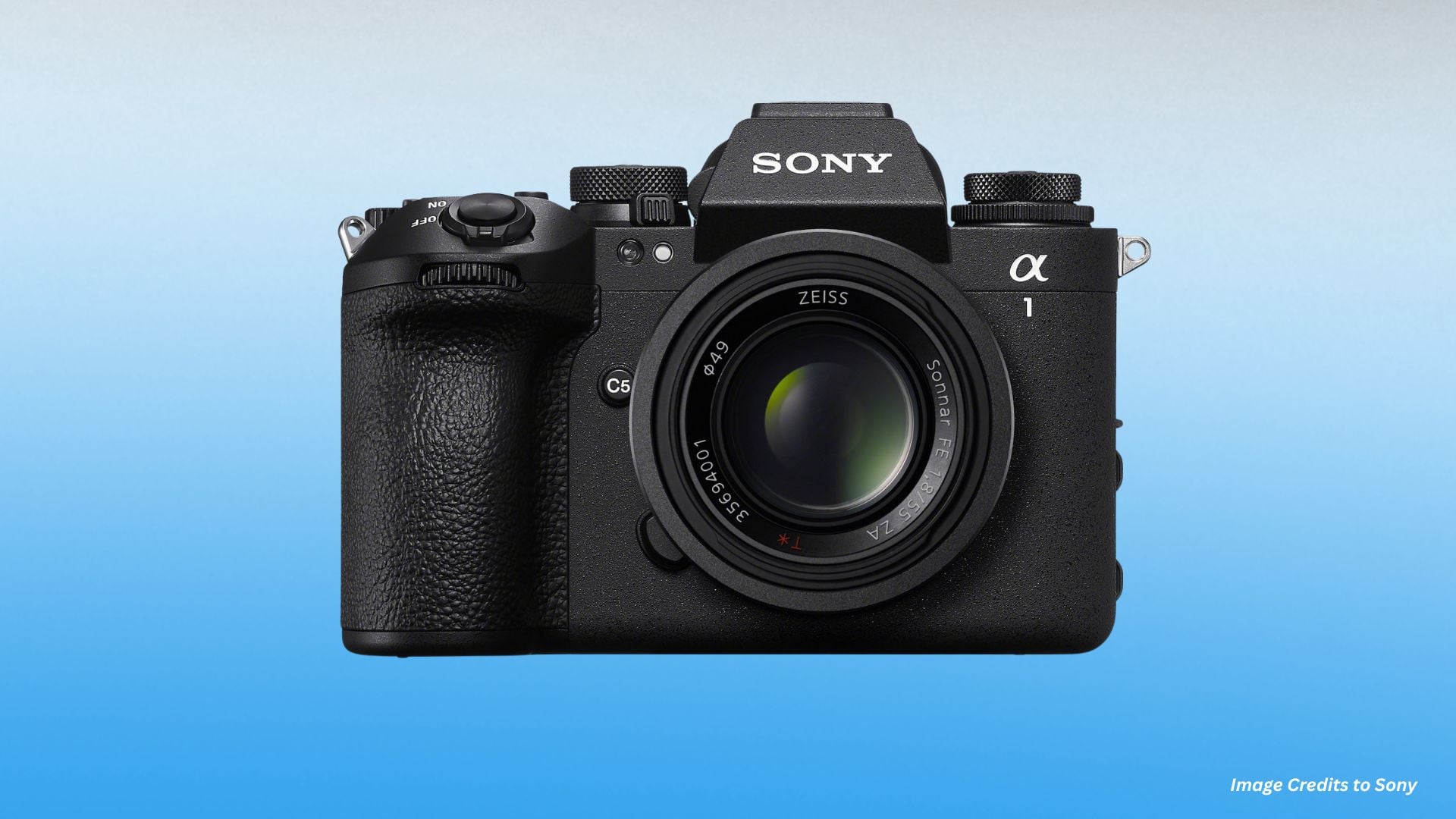
Key Features:
- 50.1-megapixel full-frame stacked Exmor RS CMOS sensor
- 30 fps blackout-free continuous shooting
- 759 phase-detection AF points
- Real-time Eye AF for animals with Auto subject recognition mode
- 8K 30p video recording
- Up to 8.5 stops in-body image stabilization
- AI Processing Unit for improved subject detection
- 1/400 sec flash sync speed
Specs:
- ISO range: 100-32000 (expandable to 102400)
- Buffer: 150+ RAW files at 30fps
- Viewfinder: 9.44M-dot OLED EVF
- Battery life: 420 shots (EVF), 520 shots (LCD)
- Weight: ~737g (body only)
The A1 II’s 50-megapixel sensor provides vastly superior image quality compared to the A9 III’s 24.6MP, giving you serious cropping flexibility for distant subjects. While 30fps might seem slower than the A9 III’s 120fps, it’s more than adequate for most wildlife situations and prevents you from drowning in thousands of nearly identical files.
For photographers who regularly crop their images in post-processing, which represents the majority of wildlife shooting situations, the A1 II’s higher resolution proves far more valuable than extreme burst rates. The extra detail lets you get closer to shy subjects without disturbing them, making it an excellent choice for ethical wildlife photography
3. Sony A9 III
Sony’s flagship brings something totally new to wildlife photography with its global shutter technology that eliminates weird distortion effects completely.
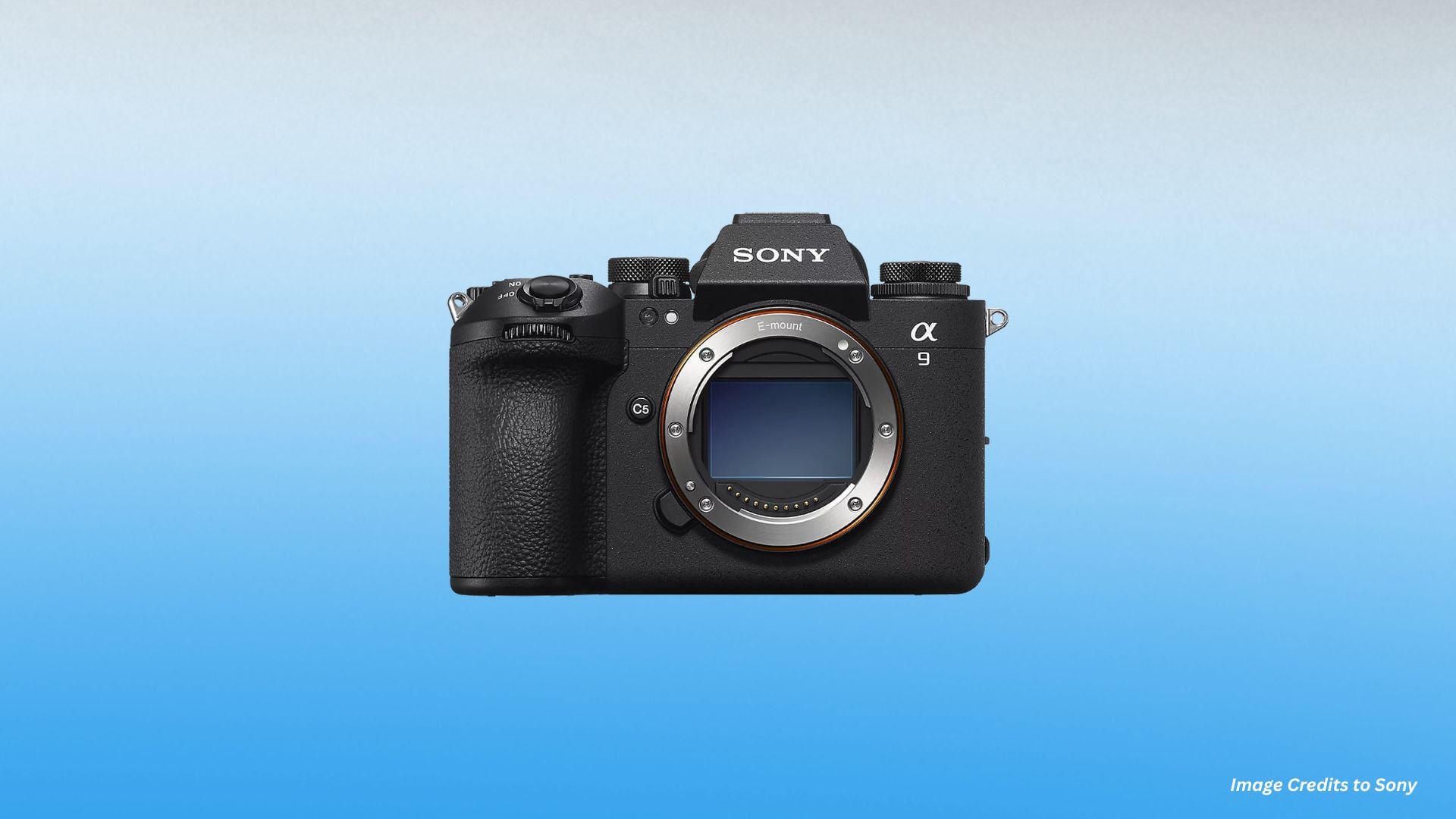
Key Features:
- 24.6-megapixel full-frame global shutter sensor
- 120 fps continuous shooting at full resolution
- Real-time Eye AF for animals
- Zero rolling shutter distortion
- Silent electronic shutter only
- 759 phase-detection AF points
Specs:
- ISO range: 250-25600 (expandable to 204800)
- Buffer: 192 RAW files at 120fps
- Viewfinder: 9.44M-dot OLED EVF
- Battery life: 530 shots per charge
- Weight: 617g (body only)
The 120 frames per second burst rate is incredible, perfect for capturing every detail of a hummingbird’s wings or water droplets flying off a bear. The catch is the lower 24.6-megapixel resolution, which limits how much you can crop your photos.
4. Nikon Z8
This camera gives you the best of both worlds with high resolution and lightning fast shooting speeds, plus features that make it perfect for wildlife work.
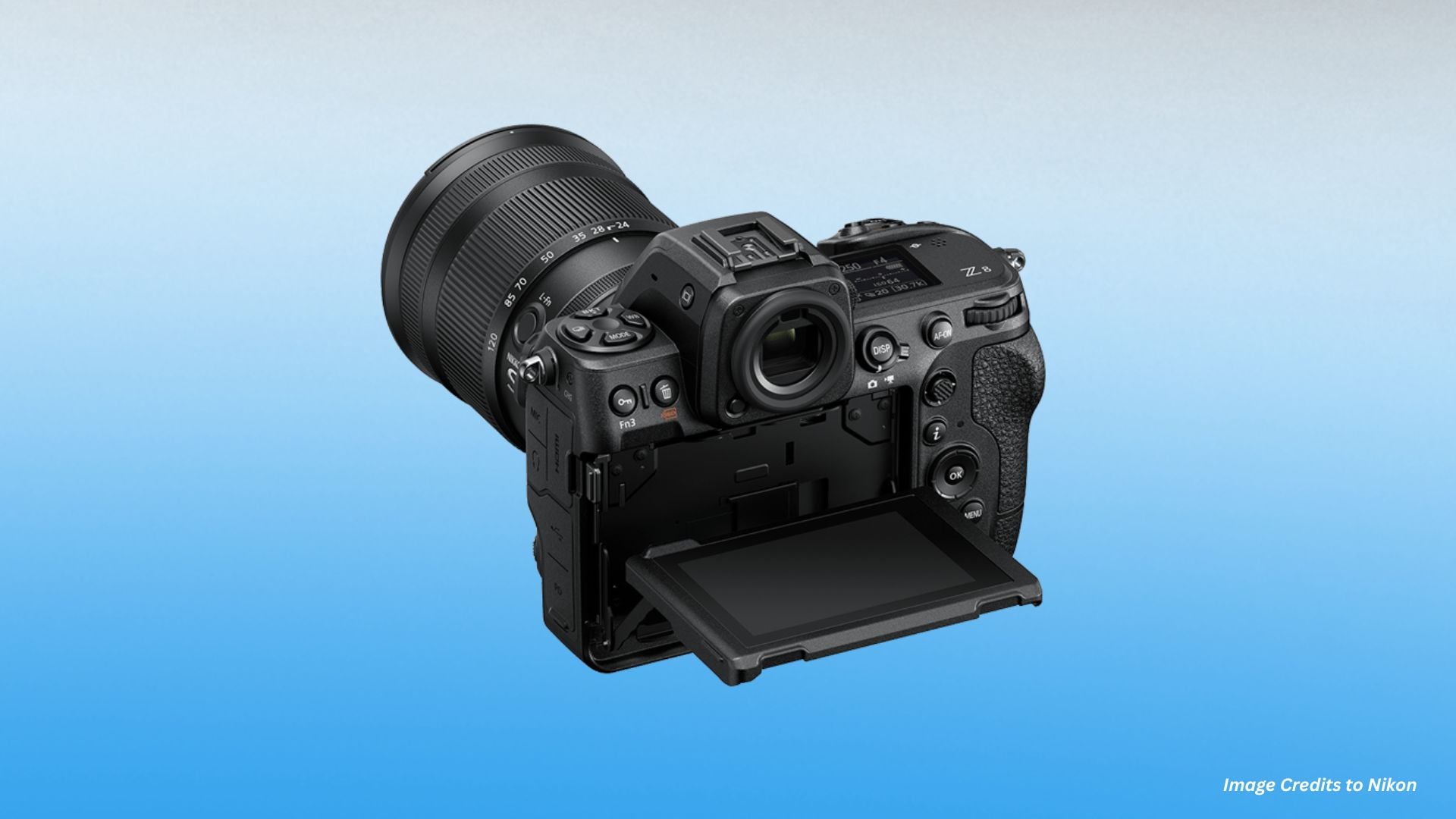
Key Features:
- 45.7-megapixel full-frame sensor
- 120 fps at reduced resolution, 20 fps full resolution
- Silent electronic shutter operation
- 493-point hybrid AF system
- 8K 60p video recording
- Weather sealing
Specs:
- ISO range: 64-25600 (expandable to 102400)
- Buffer: 1000+ JPEG or 79 RAW files
- Viewfinder: 3.69M-dot OLED EVF
- Battery life: 340 shots per charge
- Weight: 910g (body only)
The silent electronic shutter won’t spook nervous animals, and the base ISO 64 setting captures incredible detail in both shadows and highlights.
5. Canon EOS R7
You don’t need to spend a fortune to get serious wildlife performance. The R7 delivers professional-grade features in a camera that won’t break the bank, making it a true wildlife specialist rather than a general-purpose camera.
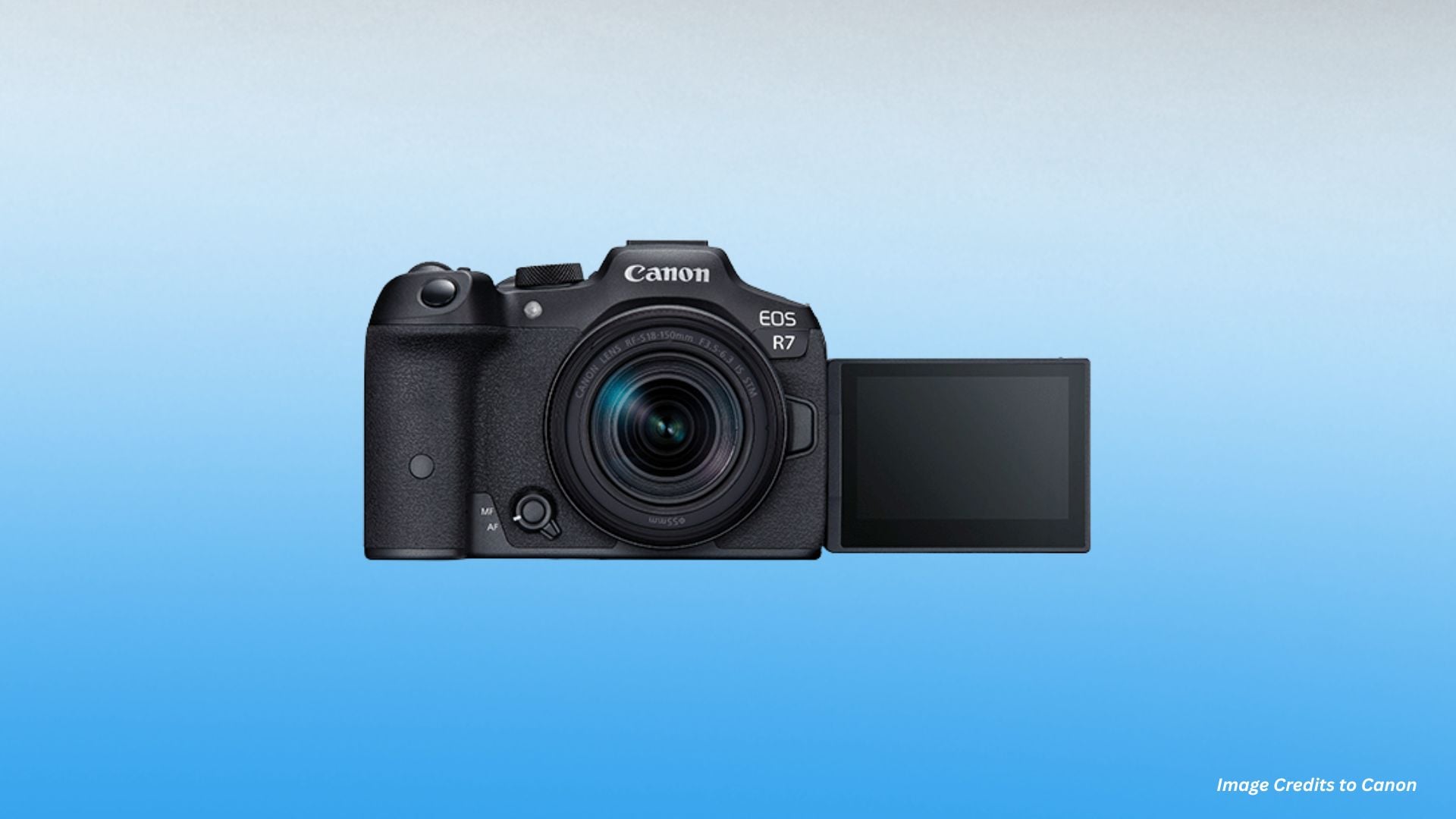
Key Features:
- 32.5-megapixel APS-C sensor
- 30 fps electronic, 15 fps mechanical shutter
- Dual Pixel CMOS AF II system
- 651 autofocus points with animal eye detection
- 1.6x crop factor extends lens reach
- 4K 60p video recording
- Weather sealing
Specs:
- ISO range: 100-32000 (expandable to 51200)
- Buffer: 51 RAW files at 30fps
- Viewfinder: 2.36M-dot OLED EVF
- Battery life: 660 shots per charge
- Weight: 612g (body only)
The R7’s higher resolution sensor and superior build quality make it a genuine wildlife photography tool. That 1.6x crop factor means your 400mm lens becomes a 640mm equivalent, getting you closer to distant subjects without expensive glass. The improved weather sealing and longer battery life handle extended field sessions much better than entry-level alternatives.
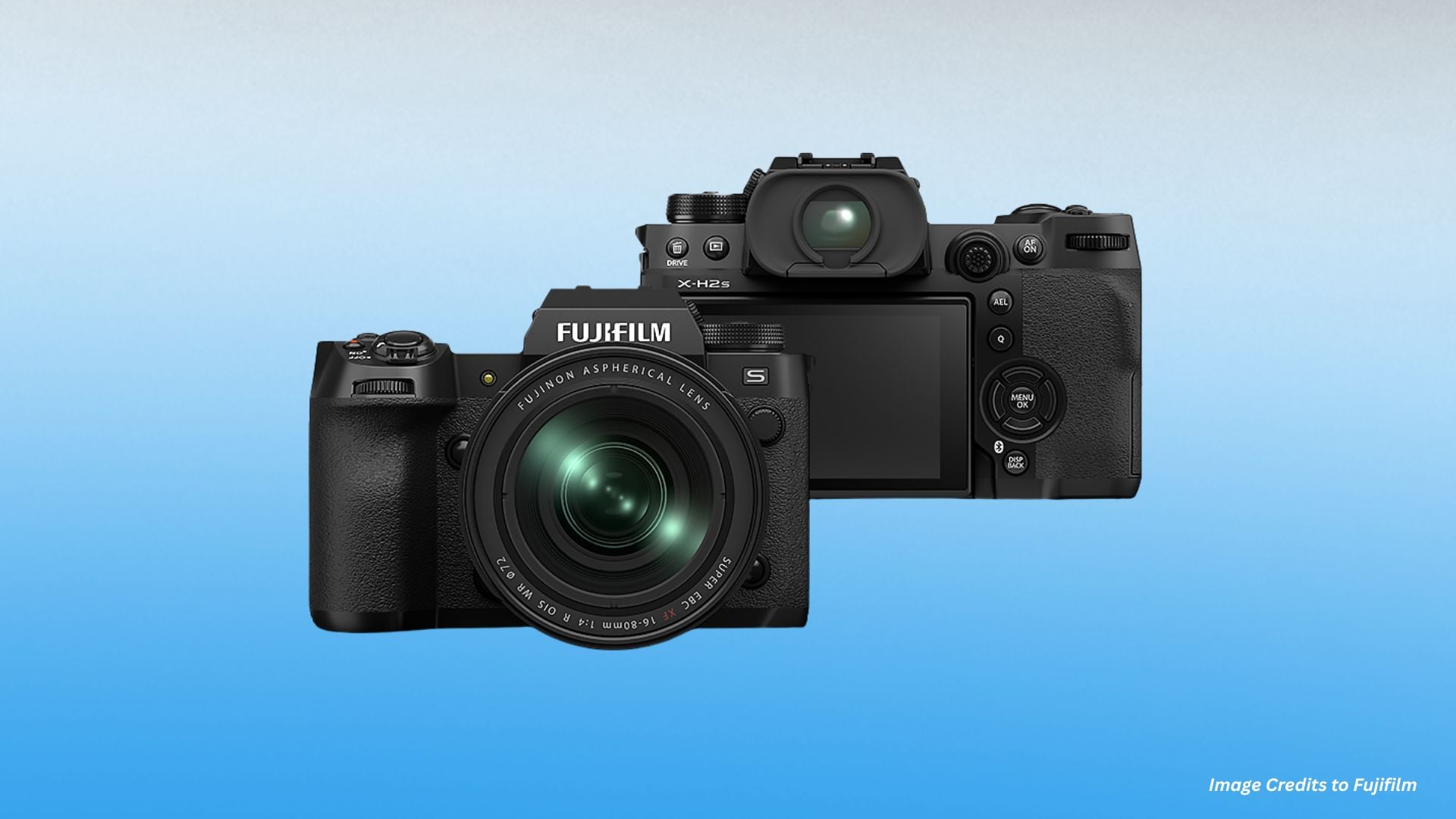
6. Fujifilm X-H2S
This APS-C powerhouse delivers incredible speed with excellent color straight out of the camera, making it perfect for wildlife photographers who want great results without extensive editing.
Key Features:
- 26.1-megapixel APS-C X-Trans sensor
- 40 fps electronic, 15 fps mechanical shutter
- Intelligent Hybrid AF with animal detection
- 6.2K 30p video recording
- Weather-resistant construction
- Film simulation modes
Specs:
- ISO range: 160-12800 (expandable to 51200)
- Buffer: 1000+ JPEG files at 40fps
- Viewfinder: 5.76M-dot OLED EVF
- Battery life: 720 shots per charge
- Weight: 579g (body only)
Fujifilm’s color science is legendary, so your wildlife photos look great without spending hours editing. The 40 frames per second capability rivals much more expensive cameras.
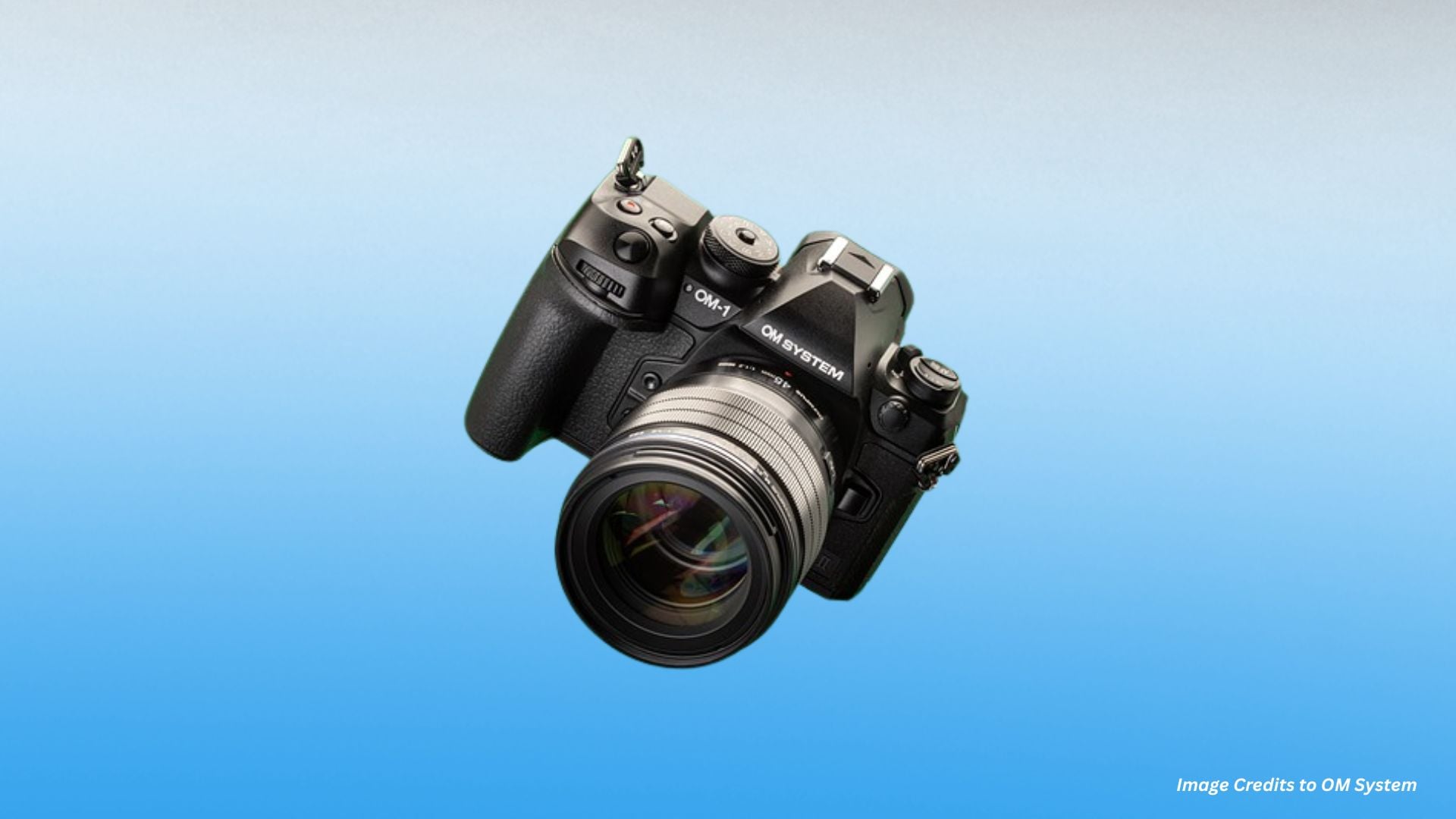
7. OM System OM-1 Mark II
Don’t overlook this camera just because it has a smaller sensor. The Micro Four Thirds format offers some serious advantages for wildlife photography.
Key Features:
- 20.4-megapixel Micro Four Thirds sensor
- 120 fps burst shooting capability
- 2x crop factor doubles lens reach
- IP53 weather sealing rating
- 1053 cross-type AF points
- Computational photography features
Specs:
- ISO range: 200-25600 (expandable to 102400)
- Buffer: 213 RAW files at high speed
- Viewfinder: 5.76M-dot OLED EVF
- Battery life: 520 shots per charge
- Weight: 599g (body only)
The 2x crop factor turns a 300mm lens into a 600mm equivalent, and the whole system weighs about half as much as full-frame gear. This camera is built like a tank with weather sealing that exceeds most competitors.
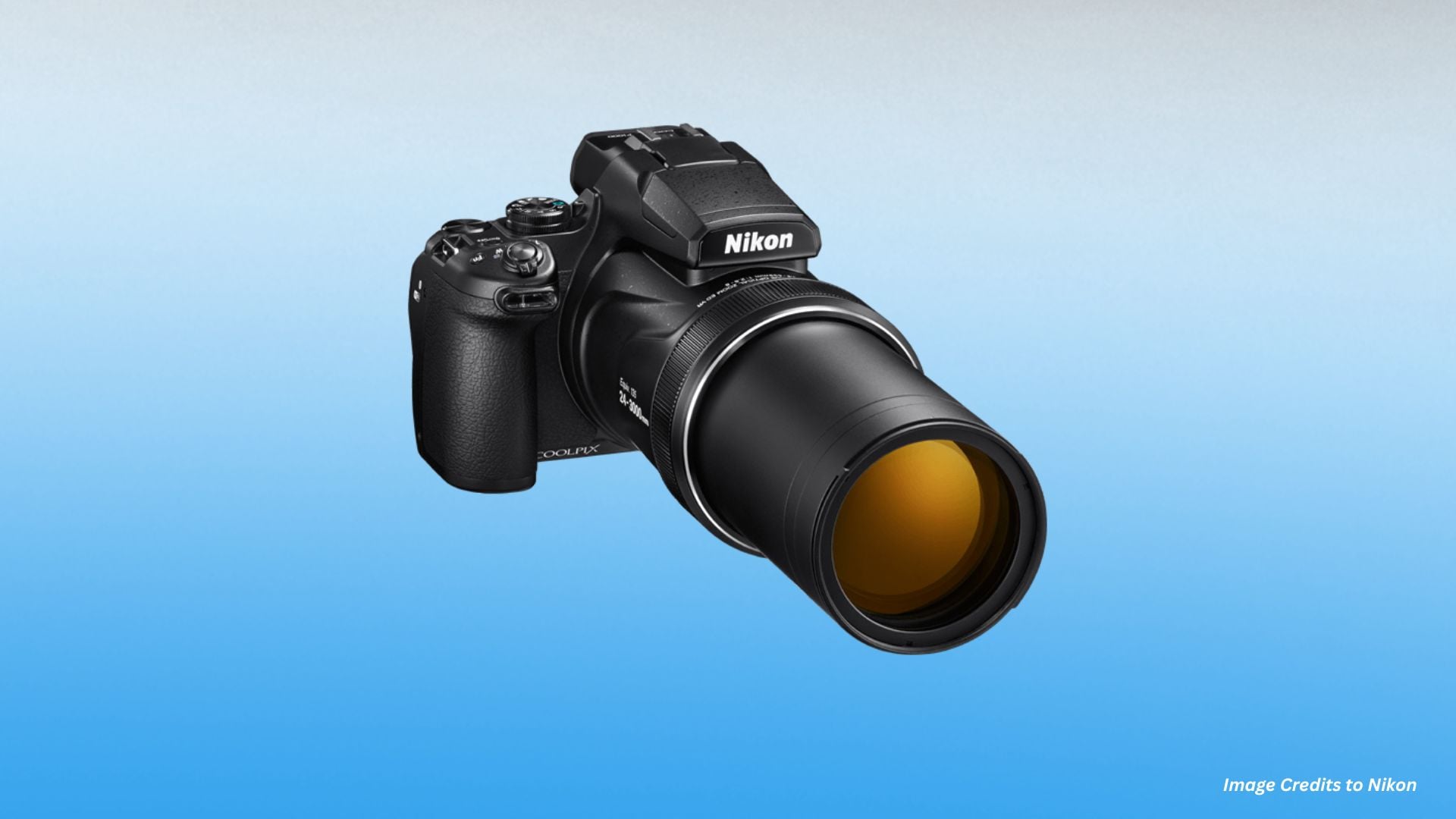
8. Nikon Coolpix P1000
Bridge cameras like this might not win any image quality awards, but they’re incredibly convenient for wildlife photography beginners or those who want maximum reach without multiple lenses.
Key Features:
- 16-megapixel 1/2.3-inch sensor
- Built-in 24-3000mm equivalent zoom lens
- Dual Detect Optical VR image stabilization
- 4K 30p video recording
- Manual exposure controls
- RAW file support
Specs:
- ISO range: 100-6400
- Burst rate: 7 fps for up to 7 frames
- Viewfinder: 2.36M-dot electronic EVF
- Battery life: 250 shots per charge
- Weight: 1415g (with lens)
That 3000mm reach is absolutely ridiculous. You can photograph birds so far away they look like tiny dots to your naked eye. The trade-off is image quality, especially in low light, but for social media or small prints, it’s perfectly fine.
Essential Wildlife Camera Features
Let’s cut through the marketing nonsense and talk about the specifications that actually affect your wildlife photos in the real world.
Autofocus Points That Cover the Frame
Professional wildlife cameras have 400 or more autofocus points spread across the entire viewfinder. This coverage means you can track subjects anywhere in your composition without constantly moving your focus point around.
Cross-type autofocus points work better than single-line points, especially for horizontal subjects like birds in flight. The best cameras mix both types strategically to give you the most reliable focusing possible.
Modern focus tracking algorithms predict where your subject is going and adjust the focus point automatically. These systems work particularly well for birds in flight or running animals with predictable movement patterns.
Image Stabilization That Actually Helps
In-body image stabilization works with any lens you mount, including older lenses without their own stabilization. The best systems give you 5-8 stops of shake reduction, which means you can handhold telephoto lenses that would normally require a tripod.
Lens-based stabilization often works better with really long telephoto lenses because the correction happens closer to where the image forms. Many pro wildlife lenses combine both systems for maximum steadiness.
Weather Resistance in Real Conditions
Wildlife photography happens in all kinds of weather. Professional cameras have extensive sealing against dust, moisture, and temperature extremes that separate them from consumer models.
The OM System OM-1 Mark II’s IP53 rating protects against dust and water spray from any direction. This level of protection exceeds most competing cameras and proves essential when you’re shooting in challenging environments.
Weather sealing goes beyond just the camera body. Lens construction and memory card door design matter too. The best wildlife setups stay protected even when you’re changing settings or swapping cards in terrible conditions.
Making the Right Choice for Your Wildlife Photography
The best camera for wildlife photography depends on what you actually shoot, how much you want to spend, and where you take your photos. A bird photographer needs different features than someone focusing on large African mammals.
Think about your typical shooting distances, preferred subjects, and budget. The Canon R5 Mark II excels at everything but costs significantly more than specialized alternatives that might work just as well for your specific needs.
Budget-conscious photographers get excellent value from cameras like the Canon R10 or OM System OM-1 Mark II. These models provide professional-level autofocus and burst rates without the flagship price tag.
Remember that lens choice often matters more than camera choice for wildlife success. A modest camera with an excellent telephoto lens typically beats an expensive camera with a mediocre lens. Plan your entire system rather than focusing only on the camera body.
Wildlife photography rewards photographers who know their gear inside and out. Spend time learning your camera’s autofocus modes, metering patterns, and burst shooting options before heading into the field. This preparation ensures you’re ready when wildlife opportunities present themselves.
One important thing is to have a spare second camera body with you, just in case one stops working or gets wet. Ideally they would be the same system so all your lenses will be compatible.
Finally, the cameras mentioned here represent the current best options for wildlife photography, but new models appear regularly. Focus on understanding what features matter most for your style of wildlife photography, then choose the camera that delivers those features within your
See more from DIYPhotography.net on Google
Add DIYPhotography.net as a trusted source. This makes
our stories more likely to appear in your Google Search results.
 Add as a preferred source on Google

Darlene Lleno
Darlene Lleno brings a unique perspective to DIY Photography as someone who grew up surrounded by camera gear but chose words over lenses. With five years of writing experience, she specializes in photography content that’s both technically informed and genuinely passionate. Growing up with a photographer twin brother meant camera talk was everyday conversation in her household. While he mastered capturing moments, Darlene discovered she preferred being the subject and the storyteller behind the scenes. As a travel enthusiast and mother of two, she understands the importance of preserving life’s precious moments. When not exploring new destinations or writing for DIY Photography, you’ll find her reading or tending to her garden. Her approach to photography writing is refreshingly authentic, she may not be behind the camera, but she knows exactly what it takes to help others capture the shots that matter most.


Join the Discussion
DIYP Comment Policy
Be nice, be on-topic, no personal information or flames.
2 responses to “The Best Camera for Wildlife Photography: The Big 5 That Rule 2025”
Solid article, but no Z9 ????
I only quickly scanned the article to see if the author included the Sony a1 or a1ii, before i spent time reading the article to appreciate the finer details of the discussion. it didn’t, so i didn’t. to me, thinking that the a9iii is superior to the a1 (either) is limiting, even if all you do with your images is post them on IG. the a9iii has its advantages for low light and high speed subjects, which is certainly relevant, but that represents a minority of the time compared to cropping in post, for most. If you’re a purist and don’t believe in cropping, good for you, and try not to disturb the wildlife. in the majority of situations, the a1 series, with 50MP, provides vastly superior image quality, and 30 FPS is generally good enough.