





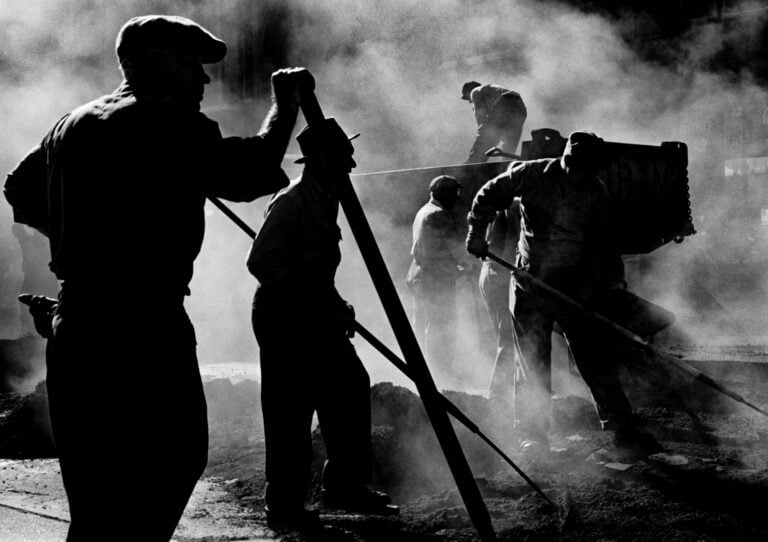














You Can Train Your Photographic Eye to Shoot Better Landscapes. Here’s How
May 16, 2026
Dunja Đuđić Kalinin
Dunja Djudjic is a multi-talented artist based in Novi Sad, Serbia. With 15 years of experience as a photographer, she specializes in capturing the beauty of nature, travel, concerts, and fine art. In addition to her photography, Dunja also expresses her creativity through writing, embroidery, and jewelry making.
Share:
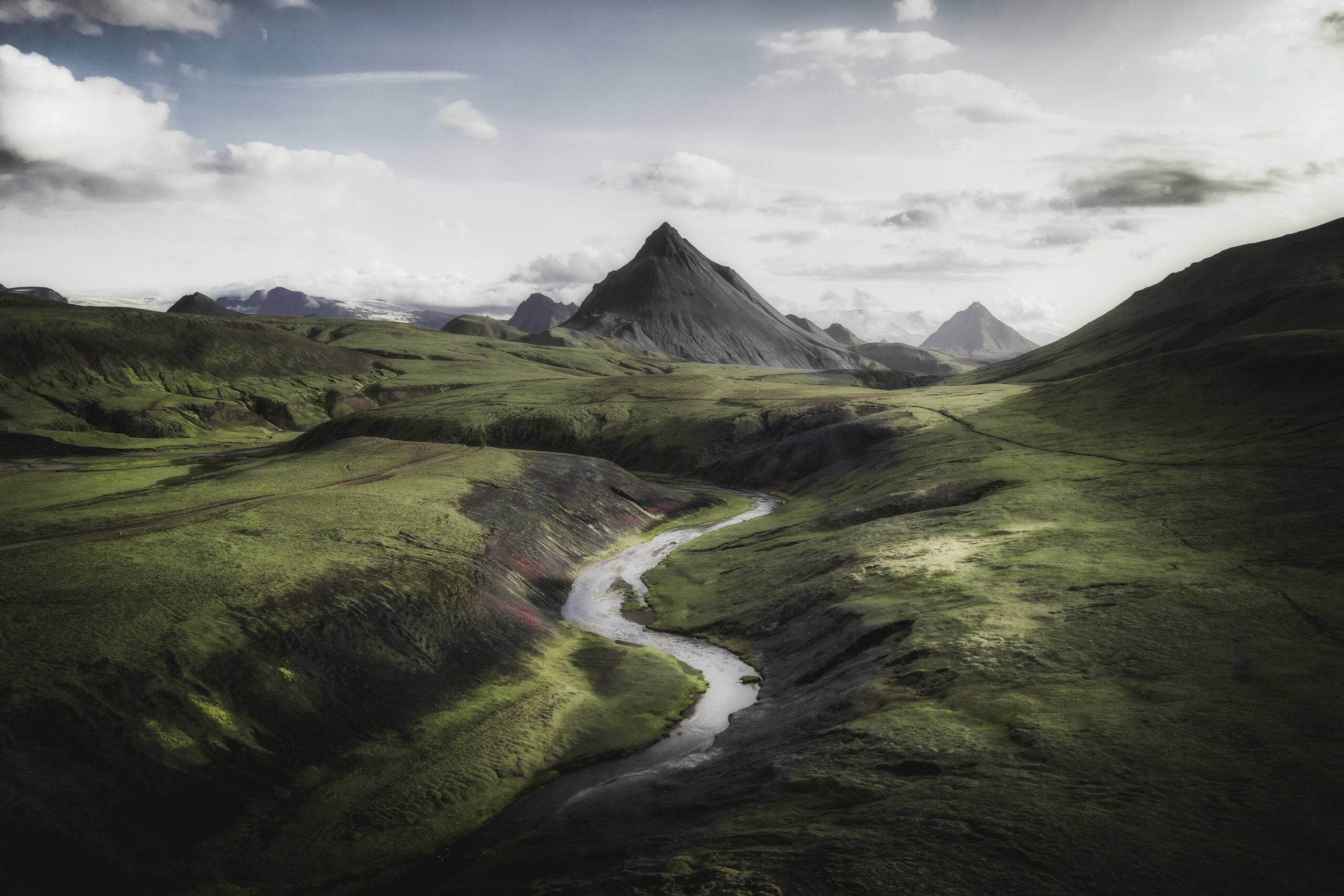
If you’re new to landscape photography, your expectations and reality when shooting may not match. You travel somewhere breathtaking, stand in front of a stunning scene, and come home with photos that look nothing like you felt while being there. It’s genuinely frustrating, and it makes you wonder if you just don’t have “the eye” for it.
But the good news is that “the photographic eye” is something you can train. In a recent video, Will of PhotographyExplained breaks down how you can do it.
It’s all About Pattern Recognition
When you watch a professional photographer work, it can look effortless. They arrive at a location and seem to know immediately where to stand and where to point the camera. Will explains that this isn’t intuition or natural ability. It’s pattern recognition, and your brain is already wired for it.
Simply put, your eyes take in raw visual data and send it to your brain, which instantly compares everything you’re seeing against every image you’ve ever looked at. Your brain groups shapes, colors, lines, and contrasts into recognizable patterns. It decides what matters in a scene and what’s just background noise. When it finds a match, it sends a signal to your conscious mind: this is the shot.
The reason professionals seem to find compositions effortlessly is that they’ve studied tens, if not hundreds of thousands of landscape photos. Their brains have a massive library of patterns to draw from. Beginners, on the other hand, have a much smaller database. This is why their brains have little to compare against when they’re standing in front of a new scene. That’s why so many beginners default to a wide-angle shot of everything, hoping something works.
The encouraging part is that you can build this library without just shooting, and the more you feed it, the faster your eye develops.
Building Your Pattern Library
The first step to training your photographic eye is to actively consume great landscape photography. Will is clear that this isn’t about scrolling through Instagram at our regular doom-scrolling speed. It’s about slowing down and studying images with intention. I suggest finding photographers you like and exploring their websites and social media pages. You can also check out images from various landscape photo contests.
When a photo catches your attention, stop and ask yourself a few questions. What is the composition doing that makes it feel balanced or interesting? Where is the light coming from? What’s in the foreground versus the background? What did the photographer choose to leave out of the frame, not just what they included? This kind of deliberate study plants new patterns in your brain that you’ll start recognizing out in the field.
The more patterns you absorb, the more you recognize in real scenes. The more you recognize, the better your photos become.
The Right Place at the Right Time
A well-trained eye is your strongest weapon, but why not make your odds even stronger? Rather than showing up and hoping for the best, Will recommends planning your shoots around the conditions.
That means checking the weather forecast, cloud layers, understanding where the light will fall at different times of day, and knowing when conditions are likely to produce dynamic skies or interesting light. More often than not, treating your shoots like a weather lucky dip leads to disappointment. Will suggests using Clear Outside, you can also go with PhotoPills, and Will has his own toolkit available on his website.
[Related reading: How to plan a landscape photography shoot]
Use a Three-Layer Framework for Grand Vistas
Once you’re in the right place at the right time, you still need a process for building a strong composition on the spot. Will uses a three-layer framework for shooting wide, sweeping landscape scenes, and it’s straightforward to apply.
The first layer is your background. This is the hero of the scene: the mountain, the dramatic sky, the sweeping coastline. Most photographers see this element, point their camera at it, and stop there. But a strong background alone rarely makes a compelling image.
The second layer is your foreground. This is what gives your image depth and makes the viewer feel like they could step into the scene. An empty foreground, just a patch of dirt or grass, is one of the most common reasons amateur landscape shots fall flat. You want something at the front of the frame that’s just as visually interesting as what’s in the background.
The third layer is the connection between the two. A leading line, a river, a path, a wall, or a row of rocks can draw the viewer’s eye from the foreground through to the background. Without this connective element, even a strong foreground and background can feel like two separate images awkwardly placed together.
Before you shoot any grand vista, run through three quick questions: Is my background strong? Is my foreground interesting? Is there something connecting the two? If the answer to all three is yes, you’re likely looking at a composition worth capturing.
[Related Reading: The 16–35mm Lens Is Harder Than It Looks. Here’s How to Get It Right]
Time to Train Your Photographic Eye!
See, taking great landscape photos isn’t a mysterious gift only the chosen ones have. Sure, talent is great, but you also need experience and a trained brain with a rich library of patterns to draw from. Combine it with smart planning and a clear framework, and you’ll be unstoppable! https://youtu.be/XJLhrrJ5xVM
[I Will Show You How To Develop Your Photographic Eye in 15min | PhotographyExplained]
See more from DIYPhotography.net on Google
Add DIYPhotography.net as a trusted source. This makes
our stories more likely to appear in your Google Search results.
 Add as a preferred source on Google

Dunja Đuđić Kalinin
Dunja Djudjic is a multi-talented artist based in Novi Sad, Serbia. With 15 years of experience as a photographer, she specializes in capturing the beauty of nature, travel, concerts, and fine art. In addition to her photography, Dunja also expresses her creativity through writing, embroidery, and jewelry making.




Join the Discussion
DIYP Comment Policy
Be nice, be on-topic, no personal information or flames.