















How to Train Your Eye to See Better Light for Your Photos
Jan 14, 2026
Alysa Gavilan
Alysa Gavilan has spent years exploring photography through photojournalism and street scenes. She enjoys working with both film and mirrorless cameras, and her fascination with the craft has grown over the decades. Inspired by Vivian Maier, she is drawn to capturing everyday moments that often go unnoticed.
Share:

Learning how to train your eyes to see better light is one of the most valuable skills you can develop as a photographer. Cameras change, editing tools evolve, but light remains the foundation of every strong image.
When you begin to notice how light behaves before you lift the camera, your photos improve naturally. You stop reacting to scenes and start anticipating them, making deliberate choices instead of relying on luck.
Seeing light well is not about having expensive gear or perfect conditions. It is about awareness, observation, and practice. The good news is that this skill can be trained, and you can do it every day without pressing the shutter.
Start by Observing Light Without Shooting
One of the simplest ways to improve your understanding of light is to stop photographing for a moment and just look. When you walk down a street or enter a room, take a few seconds to observe where the light comes from and how it falls across surfaces and faces.
Ask yourself where the highlights are, where shadows form, and how soft or hard the light appears. Notice how window light wraps around objects differently in the morning compared to the afternoon. Pay attention to reflections bouncing off walls, pavement, or glass. These observations help you build a mental library of lighting situations that you can draw from later.
You can practice this anywhere. Cafes, buses, sidewalks, and even your own home provide endless lighting scenarios. The goal is not to analyze everything deeply but to become comfortable noticing light as a physical presence rather than a background detail.
Learn to Identify Light Direction
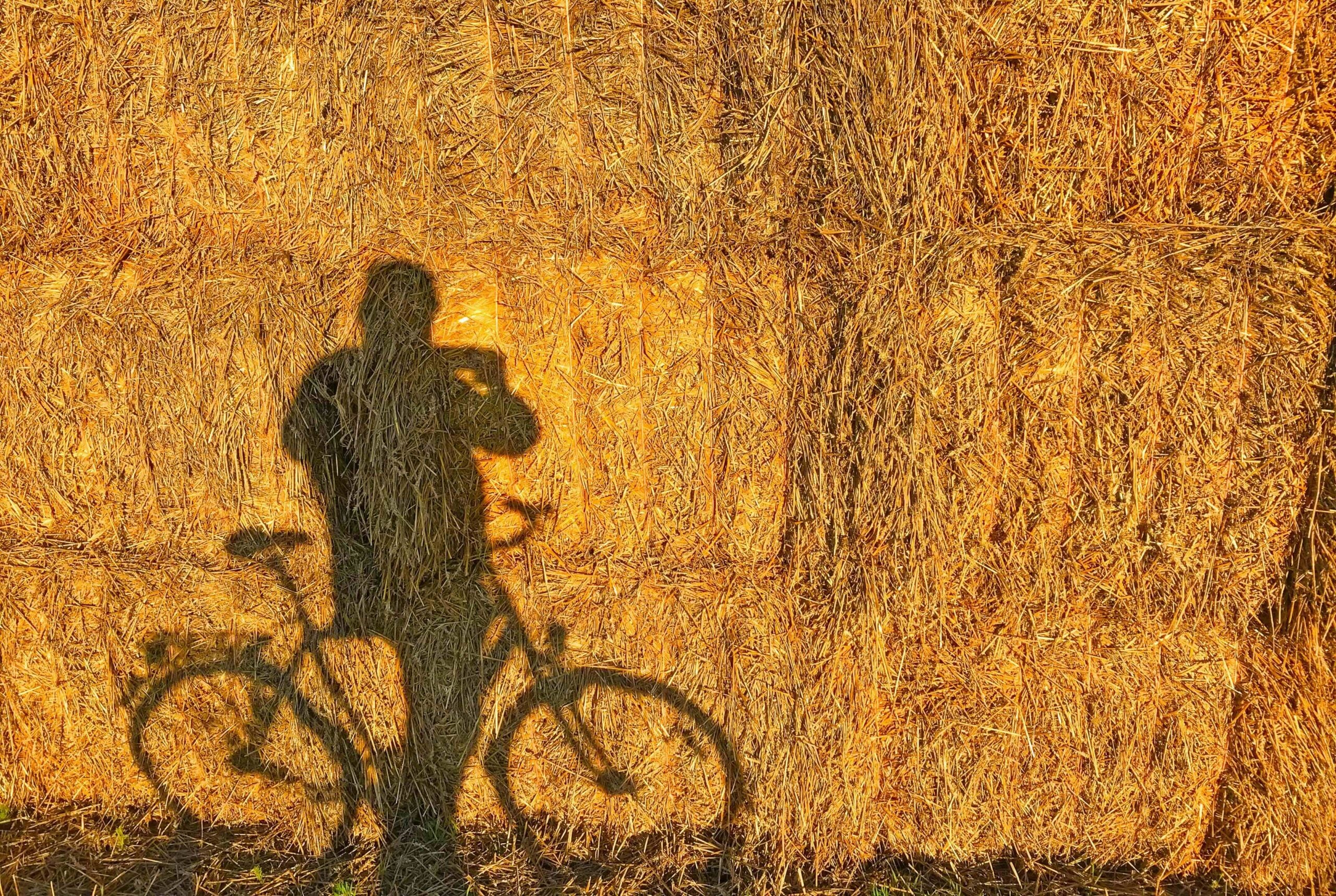
Light direction is one of the first qualities your eye should learn to recognize. It defines shape, depth, and mood. Front light tends to flatten subjects, while side light reveals texture and form. Backlight can create drama, silhouettes, or a soft glow around edges.
A useful exercise is to observe how light hits people’s faces as they move through a space. Notice how a slight change in angle transforms their features. Once you begin to see this clearly, you can position yourself or your subject more intentionally instead of hoping the scene works.
Training your eye for direction also helps you predict results before shooting. You start to know instinctively when a step to the left will improve the image or when waiting a few minutes will make the light more interesting.
Understand Light Quality: Soft vs Hard
Not all light feels the same, even if it is equally bright. Soft light creates gentle transitions between highlights and shadows, while hard light produces sharp edges and strong contrast.
Cloudy days, open shade, and window light are common sources of soft light. Direct midday sun or a bare bulb creates harder light. Spend time identifying which type of light you are working with and how it affects mood.
When you train your eye to recognize light quality, you become better at matching it to your subject. Soft light often flatters portraits, while hard light can emphasize structure and tension. Neither is better, but each tells a different story.

Watch How Light Changes Over Time
Light is not static. One of the most overlooked skills in photography is patience. Spend time in one location and watch how light evolves over minutes or hours. Shadows stretch, highlights soften, and reflections appear or disappear.
Golden hour is an obvious example, but smaller changes matter too. A cloud drifting across the sun can briefly soften harsh light. A passing car can reflect light onto a wall for just a second. When you slow down and pay attention, you start seeing moments that others miss.
This awareness allows you to plan rather than rush. You begin to wait for the right light instead of forcing a photo under poor conditions.
Study Other Photographers and Real Life, Not Just Photos
Looking at strong photographs helps, but training your eye works best when you also study light in real life. Films, paintings, and even theater lighting can teach you how light shapes emotion and attention.
When watching a movie, notice how faces are lit during quiet scenes versus tense moments. Look at how shadows are used to guide your eyes. These visual cues apply directly to photography and sharpen your sensitivity to light choices.
You can also revisit your own images and ask what the light is doing. Identify what worked and what didn’t, focusing on lighting rather than settings or gear.

Practice With Simple Constraints
Limiting yourself can accelerate learning. Try photographing at the same time each day for a week. Or restrict yourself to window light only. These constraints force you to work with what is available and notice subtle variations.
Another helpful exercise is to photograph the same subject under different lighting conditions. You will quickly see how light transforms mood and depth without changing composition.
You do not need to share or keep these photos. The act of intentional practice trains your perception more than the final result.
Learn to See Light Before You See Subjects
As your eye improves, something shifts. You start noticing light first, then look for subjects that fit it. Instead of thinking, “That’s an interesting person,” you think, “That light would look great on someone standing there.”
This mindset changes how you move through spaces. You become proactive, positioning yourself where light is strongest rather than chasing subjects into poor conditions. Over time, this approach leads to more consistent and compelling images.
Seeing Light Is a Long-Term Skill
Training your eyes to see better light is a gradual process built through observation, patience, and curiosity. The more you look without shooting, the more intentional your photography becomes.
As you practice, light stops being something you fix later and becomes something you work with from the start. That awareness is what separates technically competent images from photographs that feel deliberate and alive.
If you commit to noticing light every day, even casually, your photography will improve naturally. The camera simply follows what your eyes already understand.
See more from DIYPhotography.net on Google
Add DIYPhotography.net as a trusted source. This makes
our stories more likely to appear in your Google Search results.
 Add as a preferred source on Google

Alysa Gavilan
Alysa Gavilan has spent years exploring photography through photojournalism and street scenes. She enjoys working with both film and mirrorless cameras, and her fascination with the craft has grown over the decades. Inspired by Vivian Maier, she is drawn to capturing everyday moments that often go unnoticed.
Related Posts
 Train Kills One Photographer And Injures Two More While Taking Photos On Train Rails
 How to train your eye to see photography and video compositions
 You Can Train Your Photographic Eye to Shoot Better Landscapes. Here’s How
 One Cosmic Eye with Two Observatories: Hubble and Euclid Capture Cat’s Eye Nebula
Join the Discussion
DIYP Comment Policy
Be nice, be on-topic, no personal information or flames.