













Why Learning Metering Modes Is Crucial for Better Photos
Apr 28, 2026
Dunja Đuđić Kalinin
Dunja Djudjic is a multi-talented artist based in Novi Sad, Serbia. With 15 years of experience as a photographer, she specializes in capturing the beauty of nature, travel, concerts, and fine art. In addition to her photography, Dunja also expresses her creativity through writing, embroidery, and jewelry making.
Share:
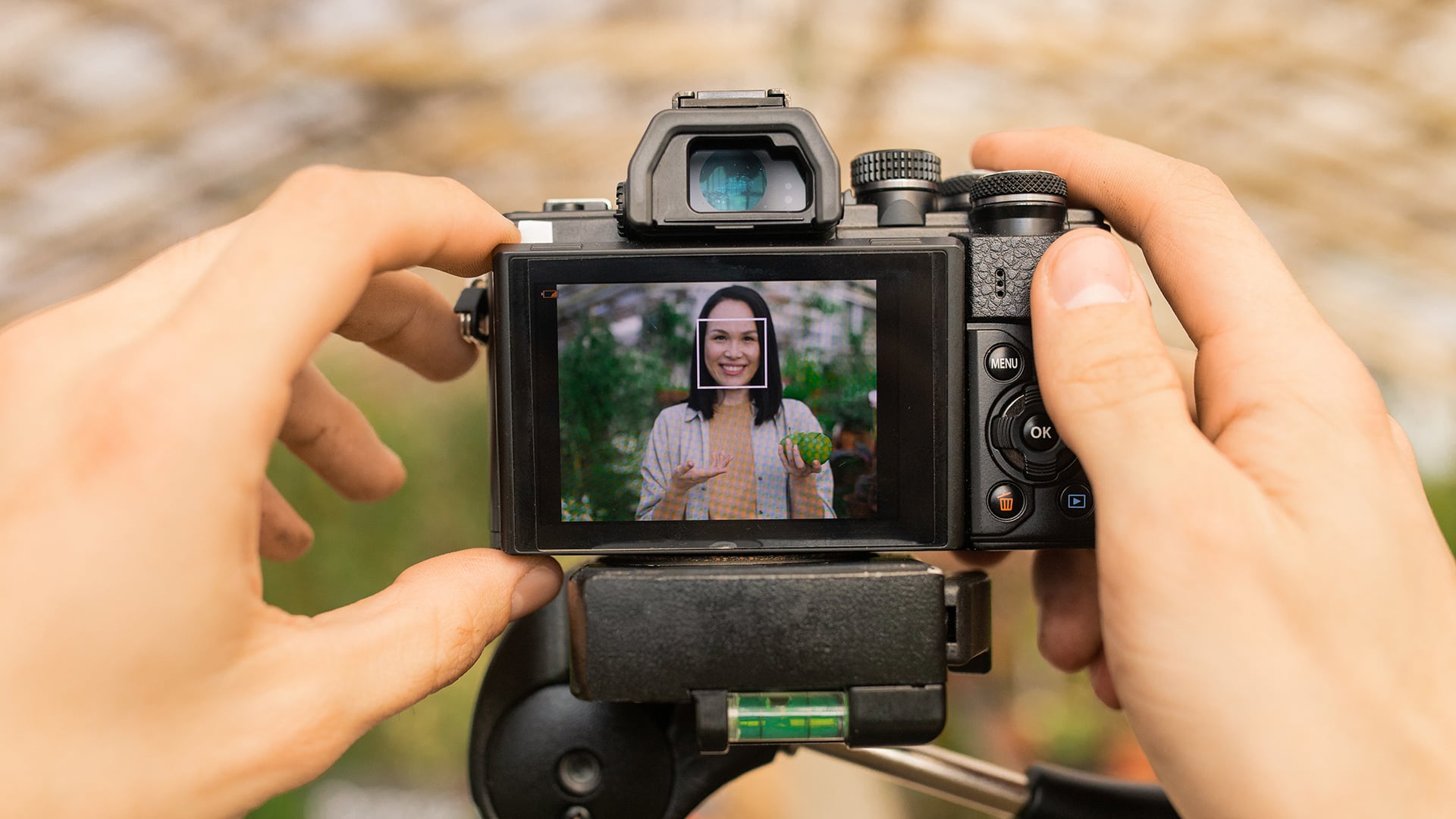
There are parts of photography knowledge that most of us gloss over, and I think metering is one of them, at least for me. I recently came across a video by Craig Roberts of e6 Vlogs, digging into exactly this. It got me thinking about how much I take my camera’s metering system for granted, and no matter that I know and use the basics – I learned something new.
Craig opens with this idea that inside every camera sits a measuring device that we often overlook entirely. If you don’t understand how your camera meters a scene, you’re leaving a lot up to chance. And if things don’t turn out the way you wanted, you may blame yourself (or your gear) for results that could easily be fixed with a bit of knowledge.
Back in the film days, center weighted metering was the standard. It did exactly what it sounds like, reading light from the middle of the frame on the assumption that your subject was sitting right there in the center. It worked well enough for its time, but it wasn’t exactly flexible. Needless to say, digital cameras have changed the game, which leads us nicely to the topic of how digital cameras meter the light today.
Metering in Digital Cameras
Toward the end of the film era, evaluative metering (also called matrix metering depending on your camera brand) came along. Instead of fixing on the center, it reads light from all across the frame, which makes a lot more sense when you consider that most well-composed shots don’t have the subject dead center anyway.
Pair that with the histogram and you’ve got a genuinely powerful combination for a properly-lit shot. Craig describes the histogram as possibly the greatest invention in digital photography. It’s a bold claim, hard to argue with it – but it has its drawbacks, which I could leave for another article. Anyhow, having a real-time visual readout of your exposure takes so much guesswork out of the process. Getting the exposure badly wrong these days actually takes some effort.
And yet, plenty of us still manage it. How? And why?
Your Camera is Smart, But Not That Smart
Craig makes the point that, while matrix metering is sophisticated, it isn’t omnipotent. Put simply, your camera doesn’t know what you’re trying to achieve. It’s making a calculated guess based on what it sees, and sometimes that guess, while technically reasonable, isn’t what you actually want. This is my main issue with histogram as well, but let me illustrate through Craig’s example.
He uses fog as an example that really confuses cameras, no matter how fancy and advance. The scene is dim and flat and the camera tends to underexpose because it doesn’t quite know what to do with all that gray. Snow is even trickier because the camera sees all that brightness and tries to bring it down to a mid-tone, which means your crisp white snow ends up looking gray and disgusting.
So, how do you deal with this? Well, my friends, this is where understanding your camera’s metering modes steps onto the scene.
Switching Metering Modes
Craig notes that center weighted measuring is still there, though he suggests it’s mostly a nostalgia option at this point. But there are two other very useful alternatives: spot metering and, similar to that, partial metering (on Canon cameras).
Spot metering lets you read the exposure from a very small area of the scene. I used that a lot with some product shows when I was photographing the jewelry I used to make. But Craig raises a question here: where exactly do you take that spot reading from? If you meter from snow or deep shadow, the result will still be off because your camera doesn’t see either of those the way your eyes do. It wants to render everything as a mid-tone. Snow, shadow, bright sky, it’s all getting nudged toward the middle.
What you actually want is a neutral area of the scene to meter from, something like pavement, grass, or an open patch of blue sky. Something that falls naturally in the middle of the tonal range. Then you’re giving the camera something it can work with accurately.
What I took away from Craig’s video is that metering isn’t something you master by just reading about it or hearing about it in your Photography 101, like I did. It’s something you figure out by experimenting, shooting in ideal and impossible conditions, and photographing different subjects. The goal is to reach a point where you can predict the camera’s behavior and correct for it before you press the shutter.
[When metering lets you down | e6 Vlogs]
See more from DIYPhotography.net on Google
Add DIYPhotography.net as a trusted source. This makes
our stories more likely to appear in your Google Search results.
 Add as a preferred source on Google

Dunja Đuđić Kalinin
Dunja Djudjic is a multi-talented artist based in Novi Sad, Serbia. With 15 years of experience as a photographer, she specializes in capturing the beauty of nature, travel, concerts, and fine art. In addition to her photography, Dunja also expresses her creativity through writing, embroidery, and jewelry making.


Join the Discussion
DIYP Comment Policy
Be nice, be on-topic, no personal information or flames.
One response to “Why Learning Metering Modes Is Crucial for Better Photos”
less pop-ups, more proofreading.