
















AI Was Trained on Real Photos. Now Real Photos Are Being Mistaken for AI
Apr 25, 2026
Dunja Đuđić Kalinin
Dunja Djudjic is a multi-talented artist based in Novi Sad, Serbia. With 15 years of experience as a photographer, she specializes in capturing the beauty of nature, travel, concerts, and fine art. In addition to her photography, Dunja also expresses her creativity through writing, embroidery, and jewelry making.
Share:
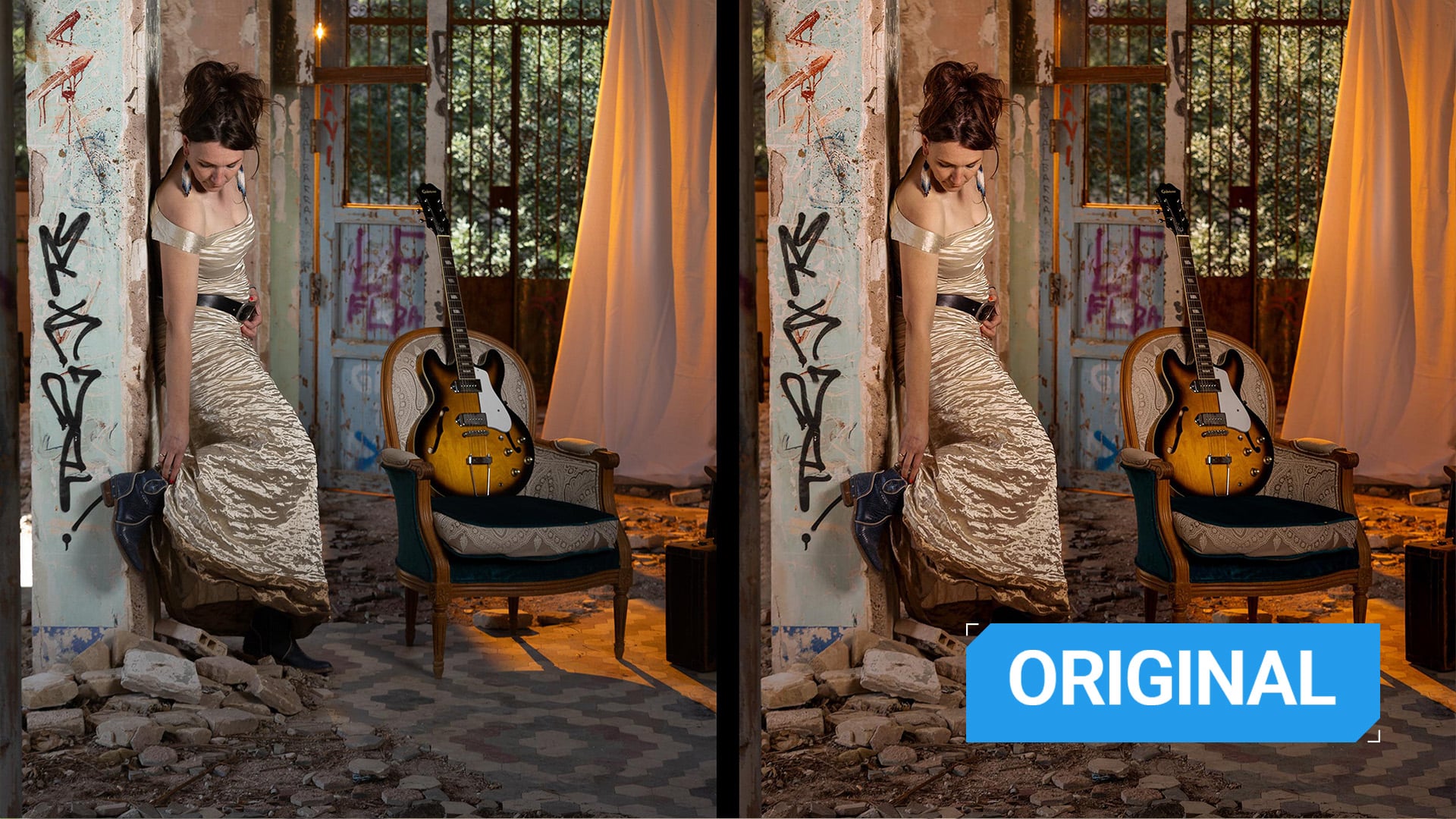
It’s happening, guys. Generative AI has become so good that people are falsely accusing real photographers of their photos being AI-generated. I’ve seen it many times, and it even happened to our own Alex Baker (those of you who read our newsletter already know the story).
So, naturally, this got the little hamster in my head running, and this topic has been preoccupying my mind over the past few weeks. In this article, I’d like to address this topic – the irony, the reasons why it happens, and the consequences it could have on photographers.
How it Started?
I follow many photographers on Instagram, including Tea Jagodić. Tea does mainly photo manipulation and creative composites, and she’s been into it for ages. Needless to say, she’s been doing it since way before generative AI was the thing.
Reading comments on her Instagram, I noticed people saying stuff like, “You goddamn AI artists, making fake photos” (and I’m paraphrasing it and being extra nice, you know how hate comments really sound). It made some question marks appear above my head, knowing how long Tea’s been into this… But it has now become a running joke between her and her loyal followers.
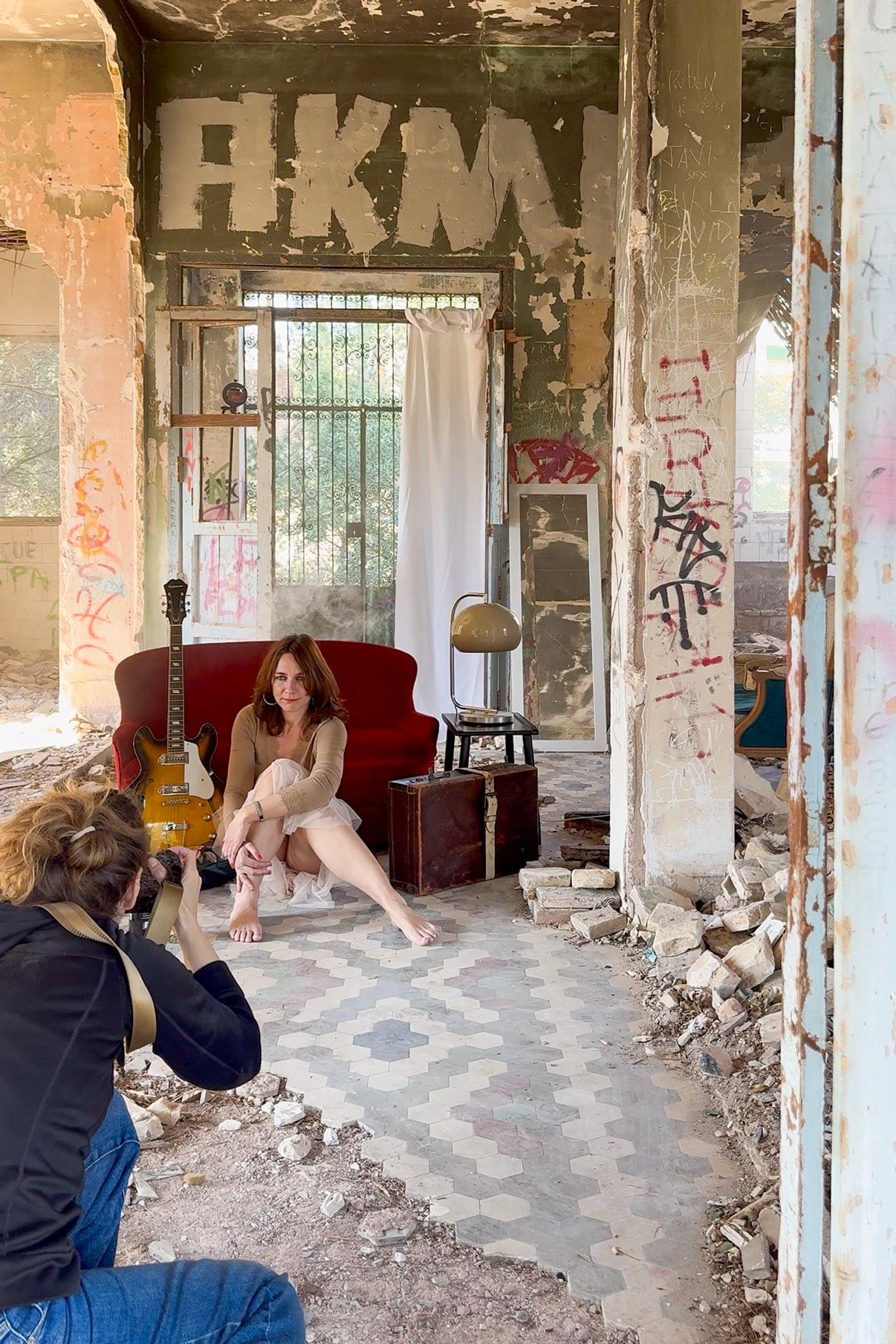
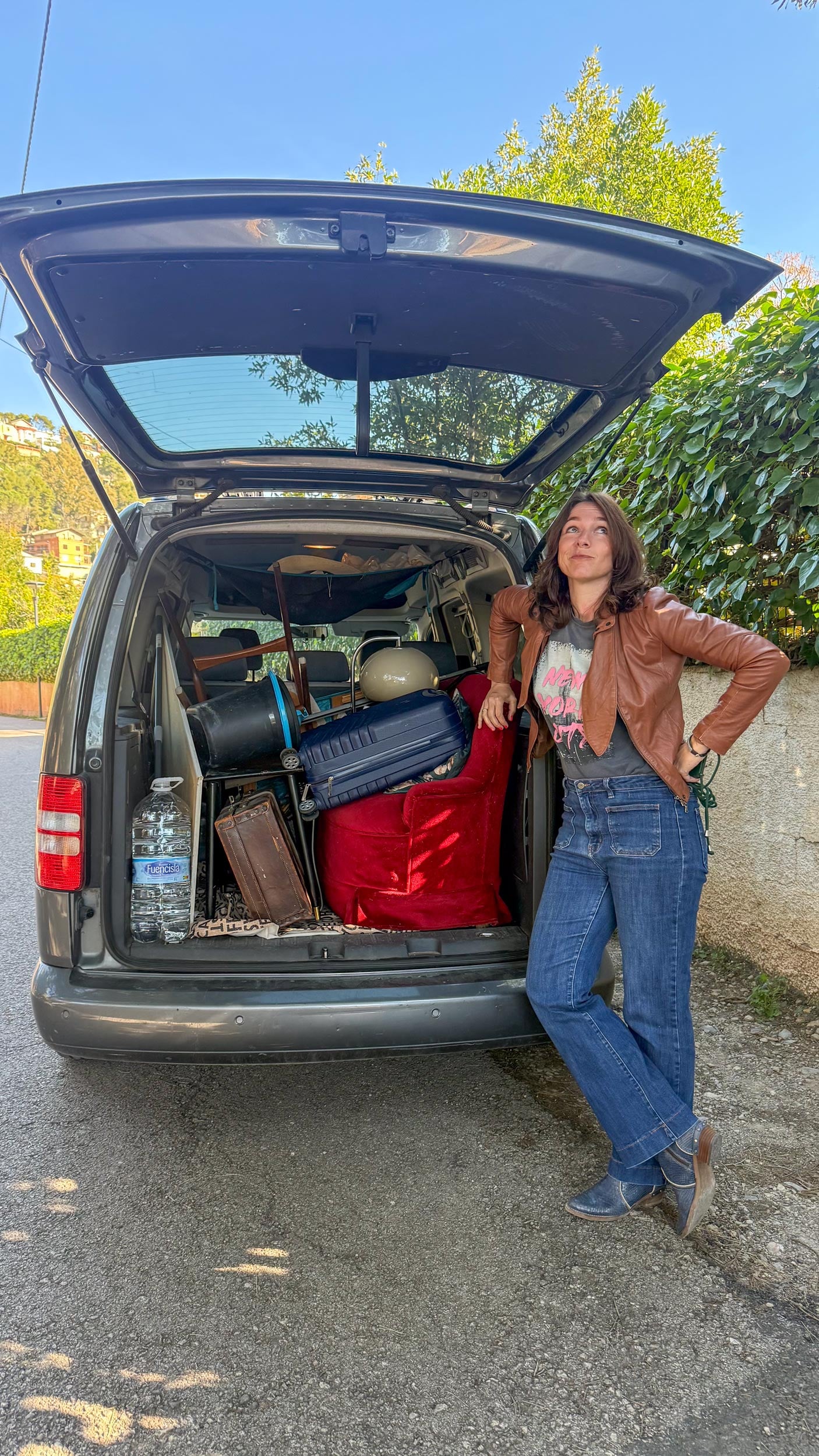
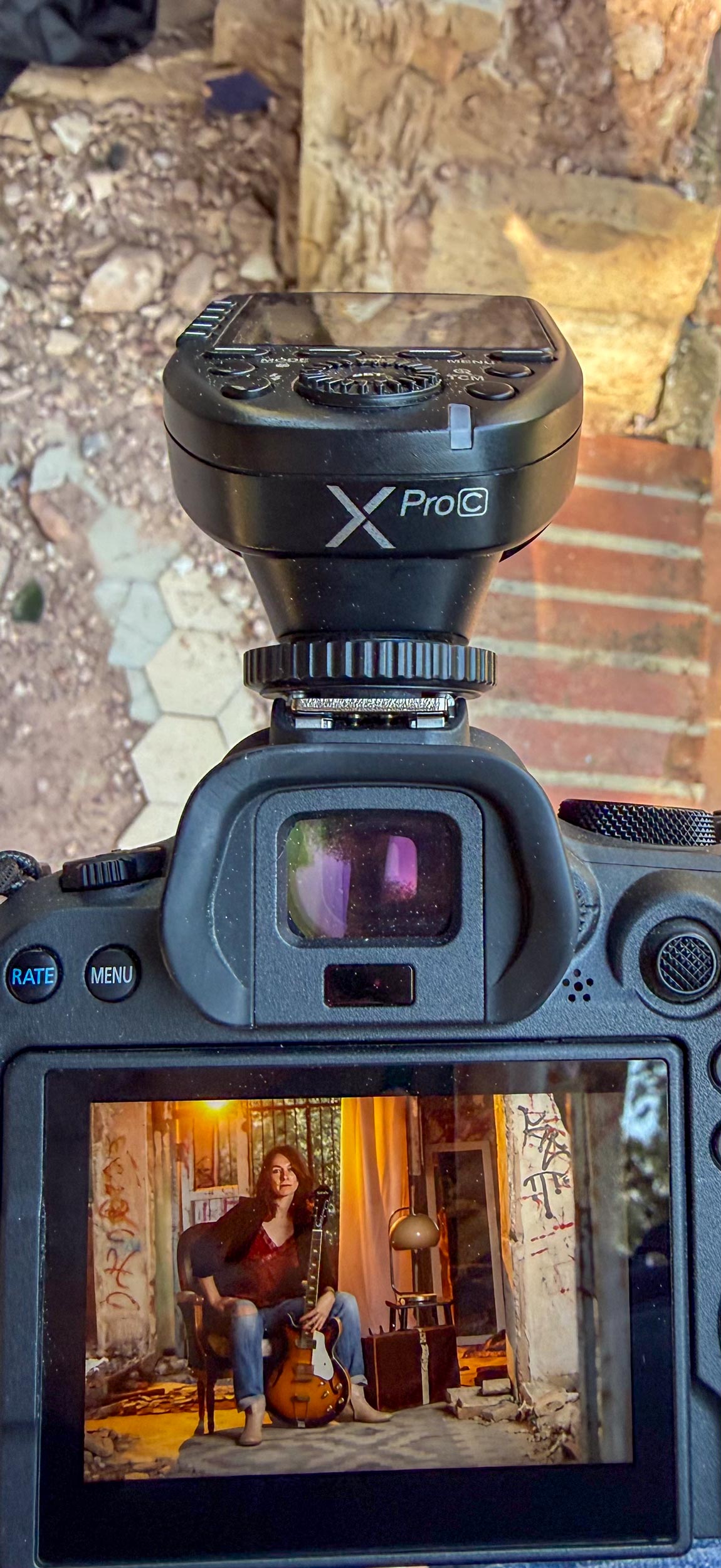
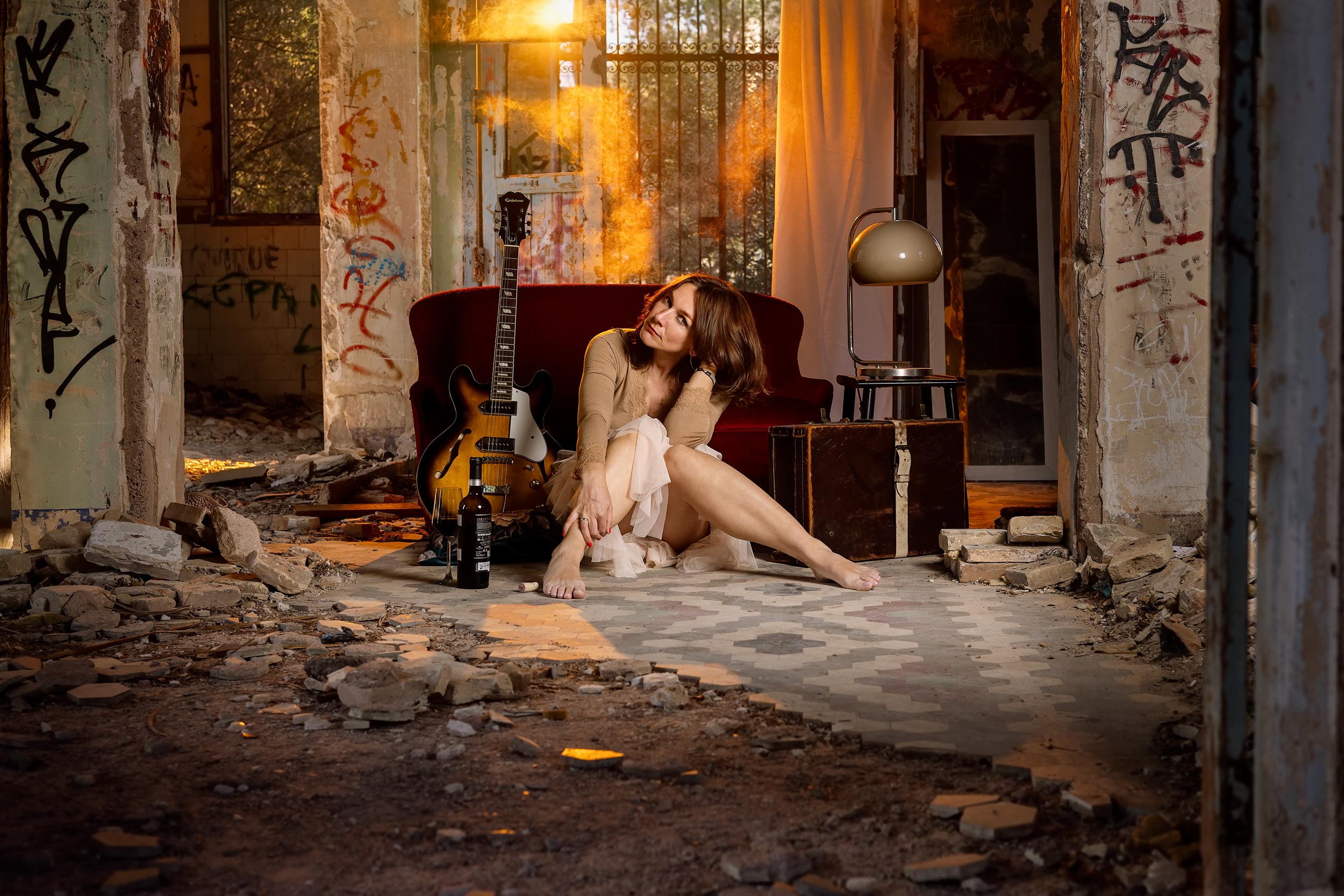
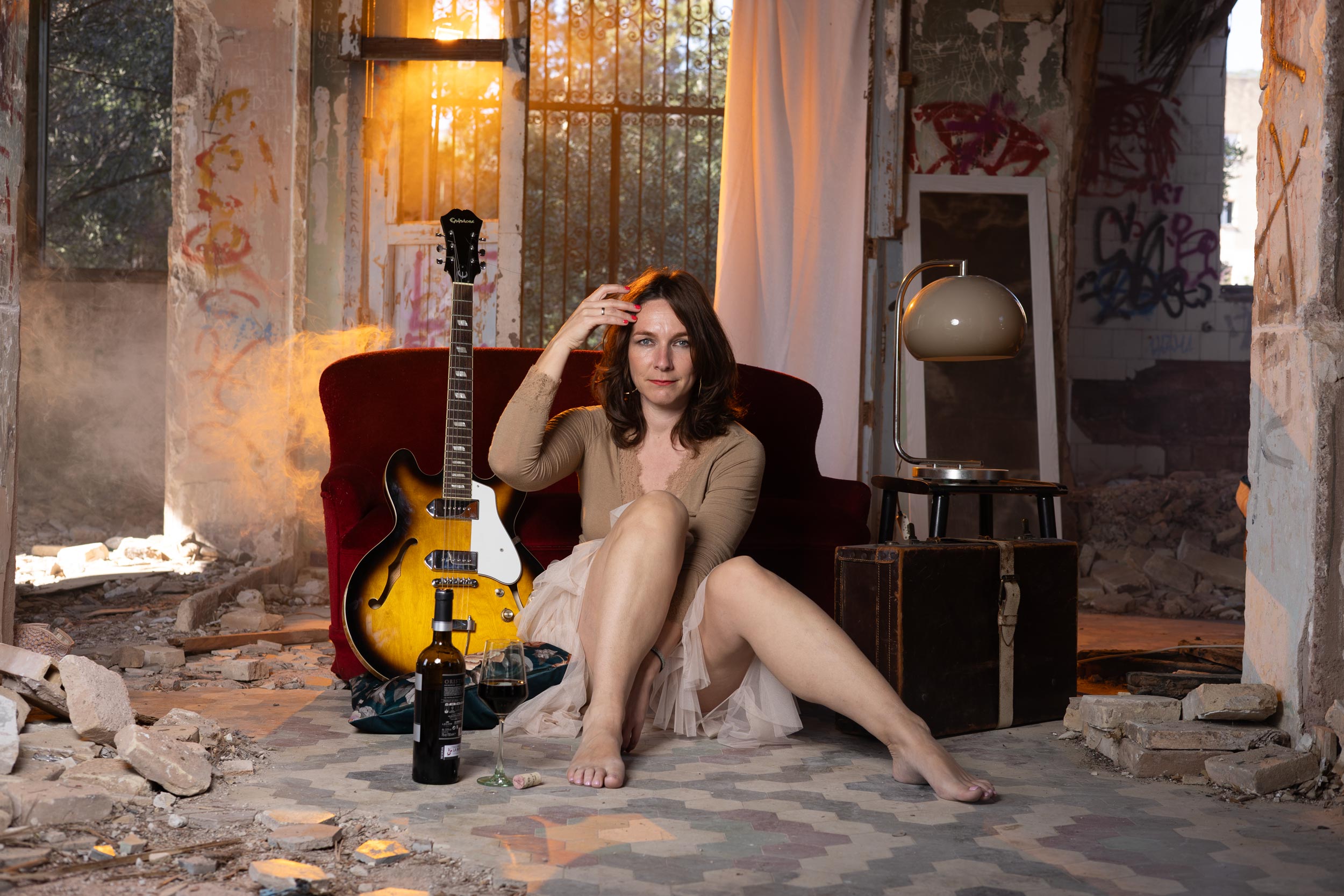
And then, it happened to Alex. She told us in our group chat how she was preparing for an album shoot of a fellow musician. She went location scouting for the shoot in an abandoned house. She sent us some BTS shots and the final results once she finished the shoot. And imagine that – someone accused her portrait of being AI-generated.
The Irony
I can’t help but notice massive irony in all of this. As we all know, AI was trained on our photos, ethically or not. Mostly not. And now, real photographers who have been into it for years or decades are accused of their work being AI. I tried to let that sink in before I started writing this article, and I’m still angry when I think about it.
Imagine working your butt off to learn not only photography, but also to perfect editing skills. Think about living and breathing photography for a good part of your life, maybe even your entire life. Creating work that’s meaningful to you, expressing yourself through photography, exhibiting your work, and/or making a living from it. Only to hear accusations of “your work being AI” when AI was trained on your work.
It’s infuriating, but there’s a reason why this is happening. That’s something I want to address next.
Why Is This Happening?
The short answer is: AI slop is flooding our feeds and it has broken our visual radar. But you know me, I’ll expand this further.
[Related Reading: Back to Human Connection: Is It Time to Say Goodbye to Generative AI?]
For the past few years, we’ve been absolutely bombarded with AI-generated images on social media. Some of them are obviously fake, sure. But generative AI has gotten frighteningly good, and a lot of it isn’t obvious at all. So our brains adapted and I feel like we split into roughly two groups. One became suspicious and started looking for “the AI signs” in everything we see online. And the other just gobbles everything and believes it’s real without double-checking.
And here’s the problem: it looks like we’ve been conditioned to flag anything that looks too polished, perfect, or cinematic, which is exactly what skilled photos or photo composites often look like. A perfectly executed composite, a flawlessly lit portrait, a creative edit that pushes boundaries: these now read as “AI” to the untrained eye. Or even the trained one, apparently.
In other words, we’ve collectively recalibrated our visual standards, and photographers are paying the price for it.
It’s not entirely the viewers’ fault either, to be fair. When you’re scrolling through a feed that mixes genuine photography with AI work (some of them really believable!) with no labels and no context, of course, your judgment gets muddled. But that doesn’t make it okay.
How do Photographers Respond?
As a consequence of all this confusion, I’ve noticed a change among photographers. Some started sharing BTS videos and photos to show the mess behind the magic, as Tea does. I personally love it, and it’s become part of their brand, and it shows a bit more of their personality.
However, none of us should have to prove anything. Maybe some photographers hate shooting BTS and don’t want to do extra work or constantly put their own face on social media. Even if they did, no photographer should have to document their entire process just to convince strangers on the internet that their work is real.
Some photographers are taking a different approach by “toning down” their style. I’ve heard someone mention this in a YouTube video I watched recently, and it stuck with me. My squirrel brain forgot the source, but if I remember which video exactly mentions it, I’ll make sure to link it. Anyhow, some artists have been pulling back on the polished edits and the technically ambitious shots. They include deliberate little mistakes (that aren’t six fingers) to prove that their work was human-made.
[Related Reading: Here’s How to Recognize AI Videos in 2025. It’s Harder than You Think]
This hit me hard. Not only was generative AI trained on real photos, usually without permission or knowledge, but it’s now shaping how photographers shoot and edit. The imitator has become the standard, and the original is adjusting to fit the imitation. If that doesn’t infuriate you, I don’t know what will.
What Should We Do Now?
All of this makes me angry. Knowing myself, my first impulse would definitely be to justify myself and prove my work is real, and the one right after that would be to argue and be cheeky. But when I take a deep breath and think it through, I think I have a better answer: Just keep doing what you’re doing.
In other words, keep creating from the heart, from your skill, from years of learning and failing and learning again. Don’t let strangers on the internet dictate how you shoot or edit. Yes, times have changed, but your style is your style. Don’t sand it down to make it more palatable to people who’ve been algorithmically trained to distrust quality.
If you don’t feel like shooting BTS, I say – don’t. You don’t owe anyone a BTS breakdown of every image you post. Of course, if this is something you generally do and enjoy, go for it! But if you’ve started doing it purely out of defense, that energy could go somewhere better. You can use it for education, for example.
Instead of proving your work is real, consider occasionally showing people how to find out for themselves if an image is AI-generated or real. For example, explain what metadata is or show them what AI artifacts and telltale signs look like. Most people who leave those comments aren’t malicious; they’re just visually illiterate in a way that isn’t all their fault. A little education goes further than defense or being cheeky, and it could impact more people in a more meaningful way.
The goal is to contribute to rebuilding the visual literacy that AI slop has eroded. And photographers, of all people, are among the best people to do that.
The Bottom Line
AI copied photographers’ work to learn how to exist, and we’re adjusting our work to prove we’re not AI. It is infuriating and even terrifying, but we have to actively push back against it. And I think we shouldn’t do it by shrinking and justifying ourselves. Instead, let’s create loudly and proudly and educate others generously. I have to trust that real work, made by real people with real skill, still matters. And I firmly believe that, in the AI era, your photos matter more than you think. Stay true to yourself and enjoy your creative process and its result – it’s as yours and as real as it’s always been.
See more from DIYPhotography.net on Google
Add DIYPhotography.net as a trusted source. This makes
our stories more likely to appear in your Google Search results.
 Add as a preferred source on Google

Dunja Đuđić Kalinin
Dunja Djudjic is a multi-talented artist based in Novi Sad, Serbia. With 15 years of experience as a photographer, she specializes in capturing the beauty of nature, travel, concerts, and fine art. In addition to her photography, Dunja also expresses her creativity through writing, embroidery, and jewelry making.
Related Posts
 Real-Time Digital Make Up Alters Real Faces In… Real-Time
 Photographer’s Tripod Mistaken for Machine Gun Leads to Police Search
 Watch this hockey photographer’s lens hood fall onto the ice and get mistaken for a puck
 Police and firefighters ‘rescue’ trapeze artist during a photoshoot in mistaken emergency
Join the Discussion
DIYP Comment Policy
Be nice, be on-topic, no personal information or flames.