



















Here’s How to Recognize AI Videos in 2025. It’s Harder than You Think
Oct 15, 2025
Dunja Đuđić Kalinin
Dunja Djudjic is a multi-talented artist based in Novi Sad, Serbia. With 15 years of experience as a photographer, she specializes in capturing the beauty of nature, travel, concerts, and fine art. In addition to her photography, Dunja also expresses her creativity through writing, embroidery, and jewelry making.
Share:
Raise your hand if you recently got fooled by bunnies jumping on a trampoline. No judgment here – another AI video recently got me, I even shared it to my Instagram Story before I turned on my sixth sense and gave it a second look. It’s getting harder and harder to recognize AI videos, and I don’t know about you, but it’s been bugging me more and more.
I stumbled upon a fantastic video by Jeremy Carrasco I thought was worth sharing. He tackles this topic that’s becoming more relevant by the day. Jeremy makes it clear that spotting the bad AI videos is easy, but it’s the good ones that are quietly blending into our feeds, unnoticed. This is where things get a little tricky, yet a lot more important.
Jeremy’s goal isn’t to make you paranoid, but to help you sharpen your instincts. So if you want to train your eyes and ears to pick up on the subtle signs, this breakdown is for you.
Why This Matters
Jeremy opens by pointing out that AI video tools are getting incredibly good, and they’re only going to keep getting better. I think we can all agree on that one. Unfortunately, there are no loud alerts when you’re watching an AI video. Sure, Sora’s AI video generator adds a clear label that the video isn’t real. But at the same time, Sora watermark removal strategies have flooded the internet. For example, this possum getting spooked by Halloween décor. It’s an AI video, but the watermark indicating it has been removed.
Pair this with a constant flow of information, small phone screens, our desensitization and lack of attention while scrolling – and AI videos just slide into our feeds and start becoming “normal.”
Some creators are transparent about using AI. Others aren’t, whether out of ignorance or bad intentions. So as viewers, it’s on us to develop the ability to tell the difference. On the minus side, it’s really hard, and getting harder. But on the plus side, it’s still not impossible.
Three Types of Red Flags when Recognizing AI Videos
In the video, Jeremy points out the three red flags to look for when identifying AI videos. He divides them into three groups: Anatomy, Technical, and Situational. You’ll need to stack a few of these signs together to be confident something is AI-generated.
Anatomy Red Flags
You don’t need technical skills for this part – just your human intuition. As Jeremy says, we naturally know what real people look like, move like, and feel like. That’s your built-in superpower, and if your intuition signals something’s nor right, it most probably isn’t.
- Weird Hands and Body Movements: AI has figured out our hands have five fingers, but they still mess up when hands move. Watch for mushy fingers, awkward handshakes, or strange hugs. Fast movement and complex body actions are still tough for AI.
- Unnatural Faces: AI faces often look like they’re caked in makeup – with overly smooth or leathery skin. Pores and facial textures might exist, but they don’t move naturally. Teeth might be too perfect, and spacing shifts as the person speaks.
- Glassy Eyes: This one’s subtle but powerful. AI-generated eyes can look too wide, too glossy, or just… off. I call this “the dead eyes” and for me, this is still the number one giveaway that I notice intuitively. The eyes lack the tiny, subconscious micro-movements that real people make.
Technical Red Flags
These clues are about how the video looks and feels, even if nothing seems obviously wrong at first.
- Soft, Fuzzy Look: AI videos often have a smooth, hazy quality. Even when they’re upscaled to 4K, everything feels just a little too soft. It’s a strange contrast – beautiful lighting, good composition, but blurry details.
- The 24 FPS Giveaway: Most AI video generators stick to 24 frames per second, as they’re trained on cinematic clips. That’s great for movies but weird in everyday content, where we often film in 30fps with our phone cameras. So if you’re watching a “phone-style” video at 24 fps instead of the typical 30 fps, it might be a sign.
- Bad Lip Sync and Robotic Voices: In videos that generate both visuals and audio (like those using Google’s tools), lip sync can feel slightly off. It’s not always easy to spot, but watch for unnatural mouth movements. Robotic or overly polished voices are also a clue.
- Strange Artifacts: Sometimes AI glitches are subtle – like a duck morphing into a goose, or hands blending into furniture. These oddities are often in the background. Or, they’re not easy to spot because your glance is naturally drawn to human faces, gestures and smiles. So, look twice, and it will get easier to spot these quirks with time.
Another detail I’d like to add here is that AI videos are still pretty short. Most models don’t generate clips longer than 8 or 10 seconds, at least for now. So, usually, a longer video is still most likely not AI generated.
Situational Red Flags
These aren’t about how the video looks, but how it makes you feel – and why it even exists.
- Unreal Backgrounds AI videos hide flaws in blurry backgrounds. But real-life blur still follows physics. Look closer and you might spot weird object combinations, impossible reflections, or strange props that don’t belong.
- Too Polished, Too Fast: Ask yourself: what’s the purpose of this video? Is it trying to go viral? Is it overly inspirational or overly banal? AI is great at generating extremes – and that should raise your suspicion.
- The “Fake Folksy” Trap: Jeremy’s biggest concern is AI-generated political content. Not deepfakes of public figures, but fake people on the street offering made-up opinions with a viral spin. That kind of manipulation is harder to detect and way more dangerous. It plays into your emotions, so always take a deep breath and watch again if you’re overflown with rage, sadness, guilt or whichever strong emotion after watching.
Bonus Tips (And Misconceptions)
Jeremy also clears up a few things people often get wrong:
- Contrast and saturation don’t mean much. AI can match any visual style – high or low contrast, colorful or dull.
- Skin tones vary by context. Slightly green or yellow skin isn’t a guaranteed giveaway.
- AI detectors don’t always work. While tools like Google’s SynthID are promising, they’re not widely available or foolproof yet.
So What Can You Do to Successfully Recognize AI Videos?
Jeremy says the most important thing you can do is be curious. When something feels off, look closer. Study AI-generated videos (especially the obvious ones) and try to identify what made you pause. Over time, your internal BS detector will get stronger.
It’s also essential to stay updated. Sadly, what’s hard today will only get harder, as these red flags will keep changing as the AI tools improve. But with curiosity and awareness, you’ll be one step ahead of the AI curve.
AI video isn’t going anywhere. And whether it’s used for harmless fun, misleading ads, or full-on political manipulation, it helps to know what you’re looking at. As Jeremy puts it, “Only the bad ones are easy to spot.” So start building your instincts now, because in 2025, the good ones are already blending in.
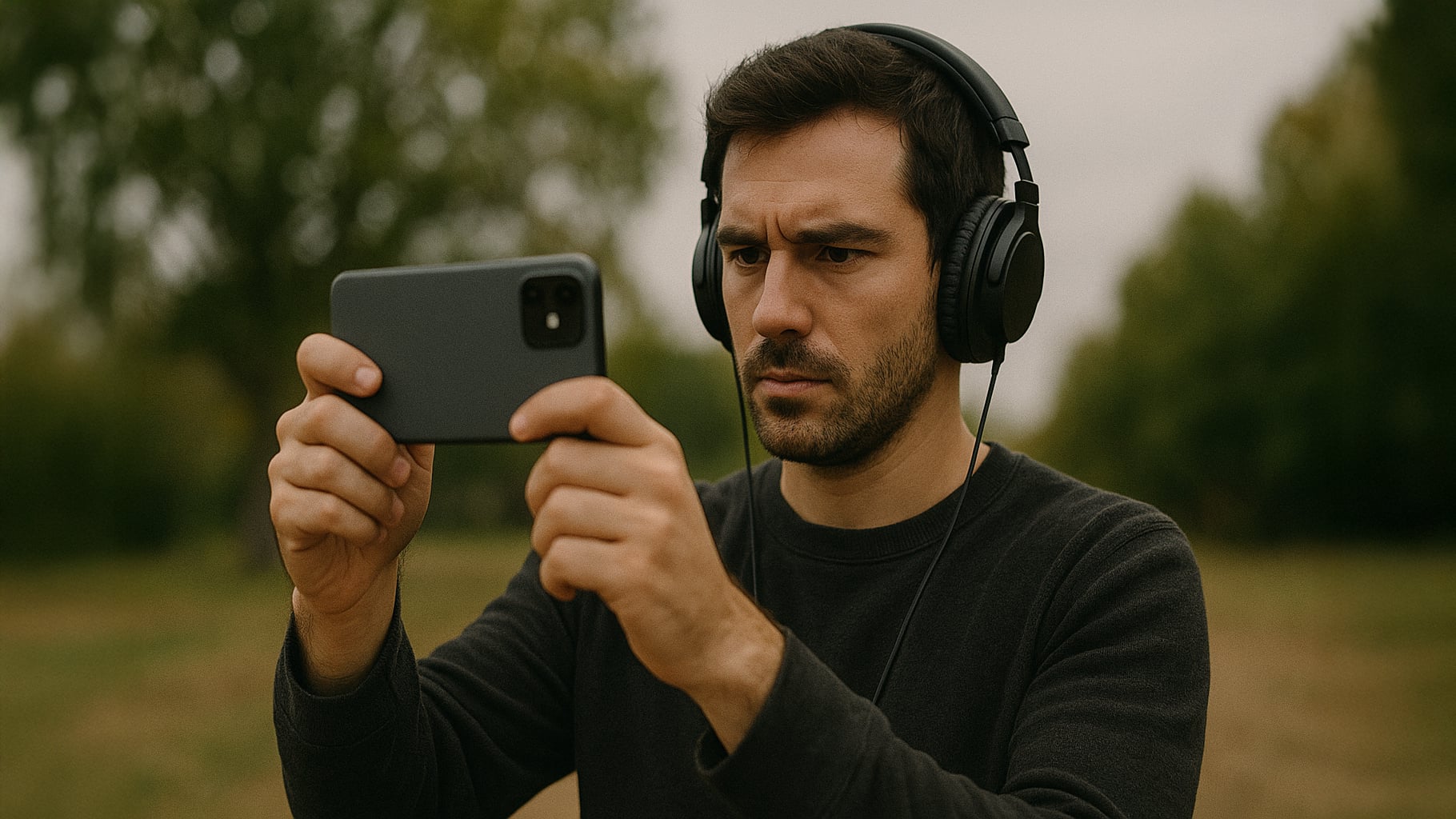
[How to Spot AI Videos in 2025 | Jeremy Carrasco; lead image AI-generated using GPT-4o]
See more from DIYPhotography.net on Google
Add DIYPhotography.net as a trusted source. This makes
our stories more likely to appear in your Google Search results.
 Add as a preferred source on Google

Dunja Đuđić Kalinin
Dunja Djudjic is a multi-talented artist based in Novi Sad, Serbia. With 15 years of experience as a photographer, she specializes in capturing the beauty of nature, travel, concerts, and fine art. In addition to her photography, Dunja also expresses her creativity through writing, embroidery, and jewelry making.




Join the Discussion
DIYP Comment Policy
Be nice, be on-topic, no personal information or flames.