

















You Can’t Take Photos at Studio Ghibli Amusement Park – And This Is Why It’s a Good Thing
Jun 2, 2026
Dunja Đuđić Kalinin
Dunja Djudjic is a multi-talented artist based in Novi Sad, Serbia. With 15 years of experience as a photographer, she specializes in capturing the beauty of nature, travel, concerts, and fine art. In addition to her photography, Dunja also expresses her creativity through writing, embroidery, and jewelry making.
Share:
If you go to beautiful Japan, it’s natural that you want to take as many photos as possible. Still, some of the country’s most photogenic spots are quietly cracking down on cameras. Studio Ghibli Amusement Park is one of them. But if you’re a fan of Ghibli movies like I am, wait, don’t leave! Stay with me while we discuss why this is actually a good thing.
What You Can and Can’t Shoot
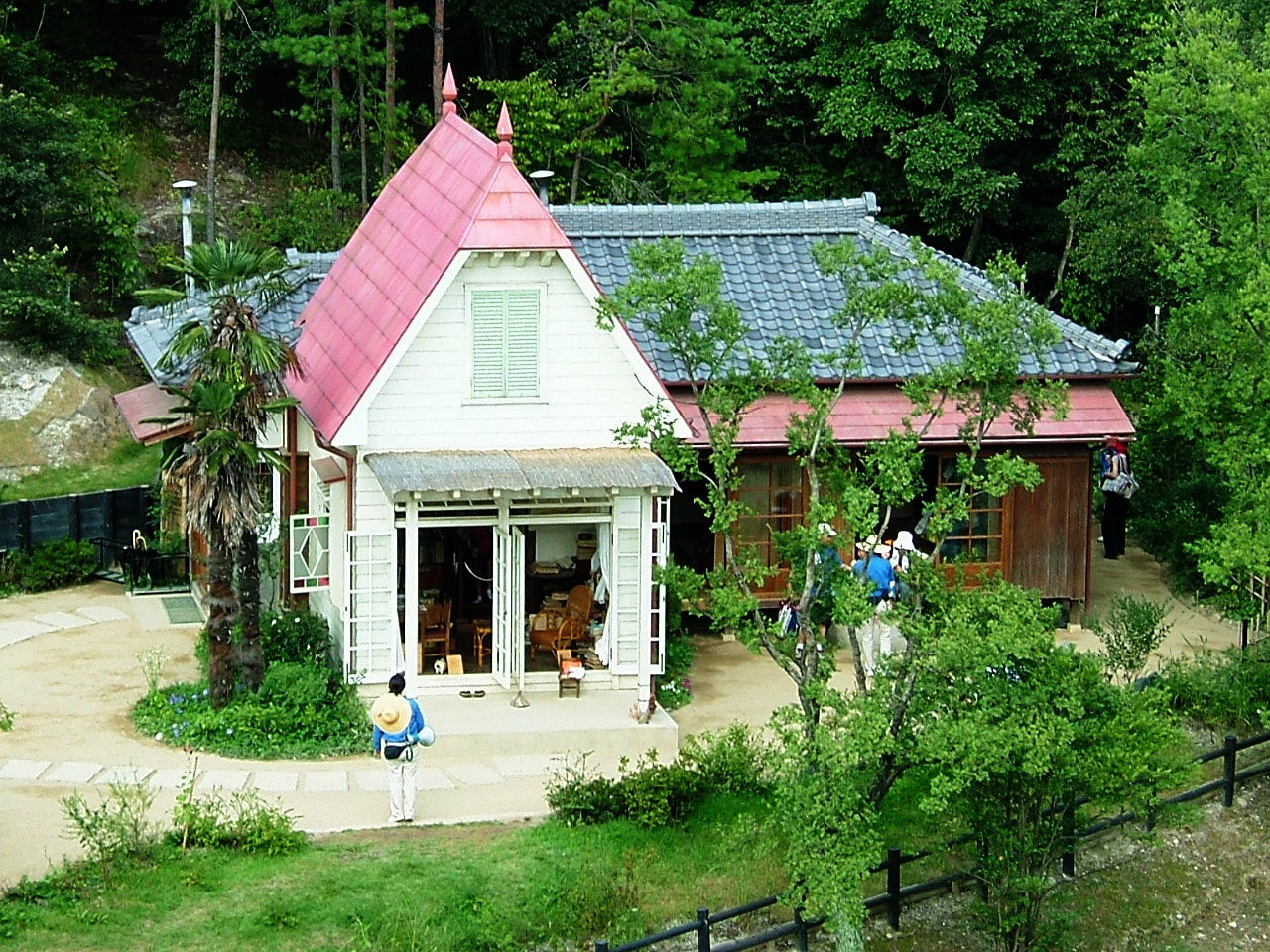
The buildings include Ghibli’s Grand Warehouse, where you can step into life-sized scenes pulled straight out of the films. It’s the kind of place that practically begs for a photo. But the park’s own website makes it plain – photography is prohibited except in a handful of spots, which are basically just the outdoor areas.
SoraNews24 reporter Saya Togashi went to the amusement park disappointed about the ban and came out the opposite. I really loved her article about the experience of the theme park without a phone or camera in her hands. As she puts it, “The photography ban ensures the crowds move smoothly through the exhibits, creating a more pleasant environment for everyone to enjoy what they’re seeing.”
I’ve been to enough crowded museums to know exactly the bottleneck they’re describing. We’ve all been stuck behind someone staging their twelfth attempt at the same shot. Or we nervously tried to hide away from a live streamer.
[Related Reading: Is AI Ruining What Made Ghibli Special?]
Different Kinds of Creativity and Being Present
Saya found herself actually paying attention: touching the exhibits, opening closet doors in Mei and Satsuki’s house, noticing the small stuff. She described real-life memories instead of a camera roll. This is one of the reasons why I don’t take a bunch of phone photos and videos at museums and concerts. Sure, I do take a few snaps, but I would rather stay present and enjoy the experience with my senses.
When you’re constantly shooting, you’re not really present in the experience, especially if it’s something immersive and interactive like Studio Ghibli Amusement Park. You’re managing the shot, thinking about the post, paying attention to those around you (hopefully). And sometimes, the most present thing you can do is put the camera away.
And there’s a bonus most of us in 2026 have basically forgotten exists: no spoilers. If you browse Google Images or social media, you’ll find almost nothing of the indoor exhibitions. In a world where every experience gets documented to death before you ever arrive, that kind of surprise has become rare and weirdly precious. Sure, I am super-curious about how the park looks… But perhaps the lack of photos will be one step towards starting to save up for a trip to Japan. :)
Japan’s Photo Bans
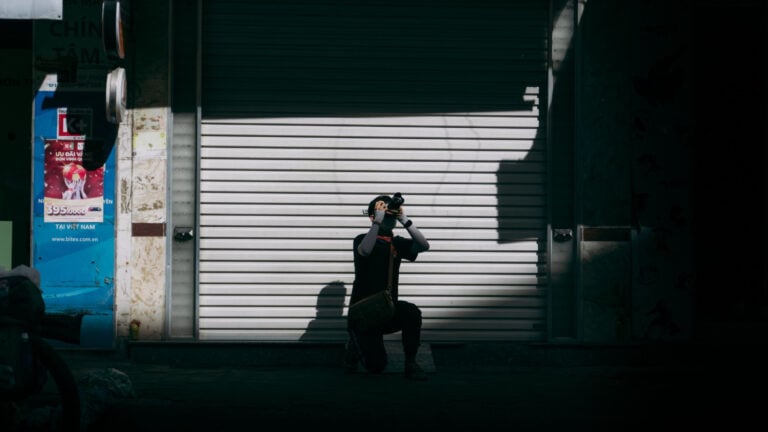
Japan has a complicated relationship with photography and tourism. There’s a common stereotype portraying Japanese tourists with DSLR or mirrorless cameras, or multiple devices around their necks, snapping tons of photos wherever they go. But, at least from my experience, they’re pretty kind and always smiling, and they’re mainly aware of the world around them. On the other hand, Japan had to introduce some photo bans to protect local people and places.
Kyoto has spent years trying to shield its geisha and maiko from aggressive “geisha paparazzi” – tourists who’ve chased, grabbed, and harassed them in the streets of Gion. They ended up banning tourists from taking geisha photos in public.
The sushi chain Sushiro banned photography across all its restaurants after a YouTuber stuck a GoPro on a conveyor belt, and the video went viral. They stated hygiene and privacy as the reasons, and in my book, both are more than valid.
Then, the town of Fujikawaguchiko put up an 8-foot black screen to stop crowds from photographing Mount Fuji. Tourists simply poked lens-sized holes in it and took photos anyway, by the way.
But the Ghibli Amusement Park photo ban sounds more like a preventive measure. Nobody did anything wrong, but the ban seems to be a design choice in service of the visitor. It exists so the experience is better, not to protect the park from us. It’s maybe also to protect us from ourselves. And of course, I’m sure that the lack of photos online will make more people actually pay a visit to this place of magic.
For me, the Ghibli park feels like the right place to make an exception from shooting everything around us. Ghibli movies were made with wonder and immense creativity, and I’m sure the park was as well. I’d personally love to just immerse myself in the feeling of stepping into a magnificent story I only watched on screen. As Ghibli fans, maybe the best way to honor the movies is to look at the park with our own eyes and not through a lens and a tiny phone screen. Maybe we shouldn’t gather likes and comments, but feelings and experiences instead – just like we do while watching Ghibli movies.
Would you be able to put your phone or camera down for a few hours, or is the photo ban too much for you?
[via PetaPixel; Image credits: Gnsin, CC BY-SA 3.0 via Wikimedia Commons]
See more from DIYPhotography.net on Google
Add DIYPhotography.net as a trusted source. This makes
our stories more likely to appear in your Google Search results.
 Add as a preferred source on Google

Dunja Đuđić Kalinin
Dunja Djudjic is a multi-talented artist based in Novi Sad, Serbia. With 15 years of experience as a photographer, she specializes in capturing the beauty of nature, travel, concerts, and fine art. In addition to her photography, Dunja also expresses her creativity through writing, embroidery, and jewelry making.


Join the Discussion
DIYP Comment Policy
Be nice, be on-topic, no personal information or flames.