









What Does RAW Mean in Photography? RAW vs JPEG Explained
Jun 22, 2026
Leonard Skapp

Alex Baker is a portrait and lifestyle driven photographer based in Valencia, Spain. She works on a range of projects from commercial to fine art and has had work featured in publications such as The Daily Mail, Conde Nast Traveller and El Mundo, and has exhibited work across Europe
Share:
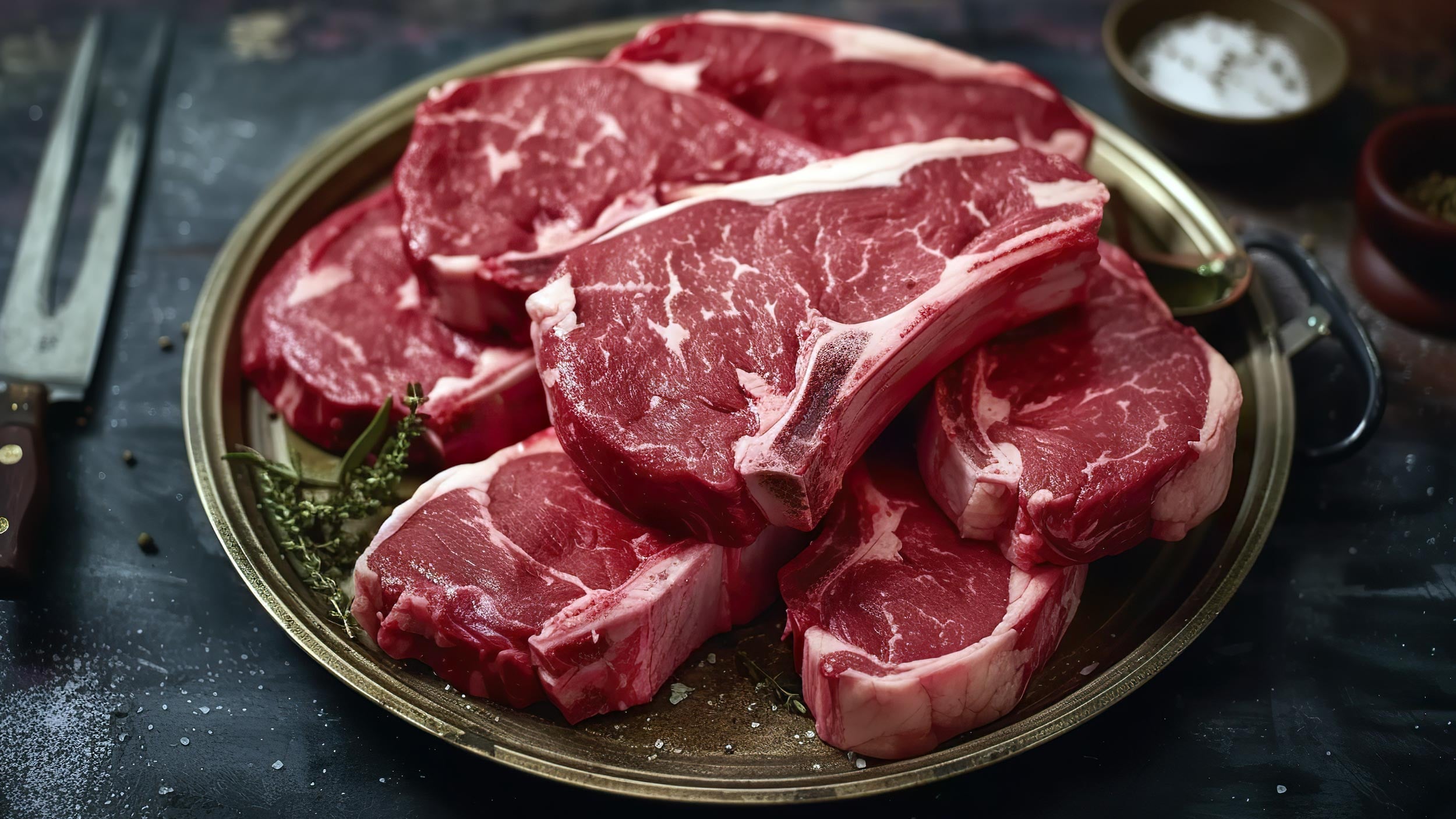
If you’ve spent any time learning photography, you’ve probably come across the term “RAW.” It’s often recommended by professional photographers, appears as an option in your camera menu, and is frequently mentioned alongside photo editing software. But what exactly is a RAW file, and why do photographers care so much about it if we aren’t even cooking?
The simple answer is that a RAW file contains much more information than a standard JPEG. Rather than producing a finished image, a RAW file records as much data as possible from the camera’s sensor, giving photographers far greater control over how the final image looks.
What is a RAW file?
A RAW file is an image file that contains the unprocessed data captured by your digital camera’s sensor. When you shoot in JPEG, the camera immediately processes the image for you. It applies sharpening, contrast, colour adjustments, noise reduction, and compression before saving the finished file to your memory card.
A RAW file skips most of that processing. Instead, it preserves the original image data and leaves many of those creative decisions for you to make later during editing. Think of a JPEG as a finished meal served at a restaurant. A RAW file is more like a collection of ingredients waiting to be prepared exactly how you want them. Because of this, the RAW file is often likened to a film negative.
Why do photographers shoot in RAW?
The biggest advantage of RAW is flexibility. Because the file contains significantly more image data, it allows photographers to make larger adjustments during editing without noticeably degrading image quality. If a photo is slightly underexposed, overexposed, or has an incorrect white balance, a RAW file often provides enough information to recover the image successfully. With a JPEG, those adjustments can be much more limited.
This is especially useful in challenging situations such as:
- Landscapes with bright skies and dark foregrounds
- Sunrise and sunset photography
- Wedding photography
- Concerts and low-light events
- Astrophotography
In these situations, the extra information stored in a RAW file can make the difference between saving a shot and losing it.
Better dynamic range and detail
One of the biggest benefits of RAW files is the ability to recover shadow and highlight detail. Imagine photographing a sunset where the sky may be extremely bright while the landscape below is much darker. A JPEG often struggles with these extremes, potentially clipping highlights or crushing shadows.
A RAW file typically retains more information in both bright and dark areas, giving you greater freedom to balance the image during editing. This is why landscape photographers, commercial photographers, and many professionals choose RAW whenever image quality is a priority.
The downside of RAW
There are moments when you might not want to shoot RAW, however. Because RAW files contain more information, they’re significantly larger than JPEGs. This means they take up more storage space and can fill memory cards more quickly.
They also require editing. Unlike a JPEG, which is designed to look finished straight out of camera, a RAW file may initially appear flat, low-contrast, or less vibrant. For some photographers, that’s a disadvantage, for others, it’s exactly the point. Some sports photographers, for example, will shoot both RAW and JPEG so they can quickly export and send the images straight away to the news publishers without having to edit.
Different cameras use different RAW formats
Although photographers often talk about RAW as if it’s a single file type, different manufacturers use their own versions. For example:
- Canon uses CR3 files
- Nikon uses NEF files
- Sony uses ARW files
- Fujifilm uses RAF files
Despite the different names, they all serve the same purpose: storing the maximum amount of image data captured by the camera. Most modern editing software can work with these formats without any problems.
Do beginners need to shoot RAW?
If you’re taking casual snapshots, sharing images straight to social media, or don’t plan to edit your photos, JPEG may be perfectly adequate.
However, if you’re serious about improving your photography, learning to work with RAW files is one of the most valuable skills you can develop. It gives you more creative control and helps you get the most out of your camera’s sensor. Many photographers start with JPEG and gradually transition to RAW as they become more comfortable with editing.
RAW vs JPEG: which is better?
Neither format is objectively better in every situation. JPEG is smaller, faster, and ready to share immediately. RAW offers greater image quality and editing flexibility.
For photographers who want maximum control over their images, RAW is usually the preferred choice. For convenience and speed, JPEG remains a perfectly valid option. Many cameras even allow you to shoot both formats simultaneously, giving you the best of both worlds.
So, what does RAW mean in photography?
Simply put, it’s a file format that stores the original, unprocessed data captured by your camera’s sensor. Instead of producing a finished image, it gives you the freedom to decide how that image should look during editing.
For casual photography, JPEG is often enough. But if you want the greatest possible image quality, more editing flexibility, and the ability to recover details that might otherwise be lost, RAW is one of the most powerful tools available to photographers.
See more from DIYPhotography.net on Google
Add DIYPhotography.net as a trusted source. This makes
our stories more likely to appear in your Google Search results.
 Add as a preferred source on Google

About Leonard Skapp
Leonard “Len” Skapp is a photographer with a particular interest in cameras, lenses, accessories, camera bags, lens filters, tripods, camera straps, and, on rare occasions, photography itself. Equal parts reviewer and enthusiast, he enjoys digging into the technical details behind the latest gear and translating them into plain English for fellow photographers. He maintains that every purchase is a carefully considered investment, although his bank account and overflowing camera cupboard continue to dispute this claim.
We love it when our readers get in touch with us to share their stories. This article was contributed to DIYP by a member of our community. If you would like to contribute an article, please contact us here.



Join the Discussion
DIYP Comment Policy
Be nice, be on-topic, no personal information or flames.