
























Does Shutter Count Really Matter When Buying a Used Camera?
Jun 3, 2026
Dunja Đuđić Kalinin
Dunja Djudjic is a multi-talented artist based in Novi Sad, Serbia. With 15 years of experience as a photographer, she specializes in capturing the beauty of nature, travel, concerts, and fine art. In addition to her photography, Dunja also expresses her creativity through writing, embroidery, and jewelry making.
Share:
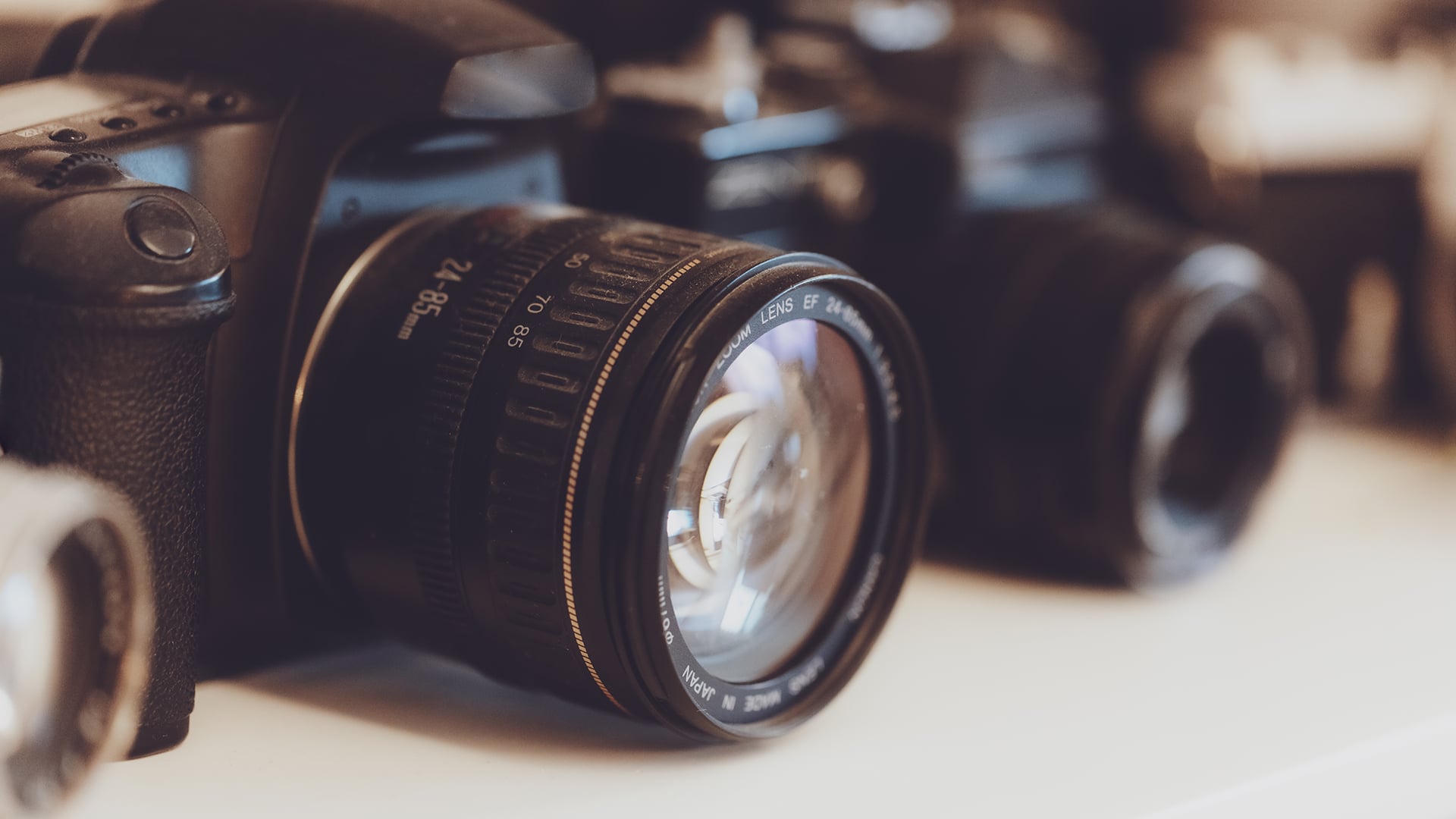
You’ve found a used camera at a great price, but the shutter count is high. Should that be a dealbreaker? In a recent video on Adorama TV, David Bergman walks us through what shutter count (or shutter actuation) actually mean, how to check it, and how much it really matters when making a decision.
What Is Shutter Count?
Every time you press the shutter on a camera with a mechanical shutter, a physical curtain moves to let light hit the sensor and create your exposure. Each time that happens, it counts as one shutter actuation. The shutter count is simply the running total of how many times that curtain has fired since the camera was new.
David uses a great comparison to the mileage on a used car. Shutter count tells you how much the camera has been used, and it’s a number that you’ll often see disclosed when someone is selling a used camera body.
Mechanical vs. Electronic Shutter
It’s important to note that shutter count only applies to the mechanical shutter. Most modern cameras also offer an electronic shutter option, which skips the physical curtain entirely. Instead, the sensor is switched on and off electronically. No moving parts means no wear, and no addition to your actuation count.
Some cameras, like the Nikon Z8 and Z9, have dropped the mechanical shutter altogether and gone fully electronic. For those cameras, shutter count is essentially irrelevant.
David notes that he personally prefers to shoot mechanical most of the time. This is because electronic shutters can introduce issues like rolling shutter and banding. And when you shoot concerts like David does, this can be quite a nuisance. But on the other hand, electronic shutter is perfect when you need complete silence (like photographing in a theater or at a classical music concert), or if you want to shoot at highest burst rates. Each has their own use and purpose.
How to Check the Shutter Count
Finding the shutter count depends on the brand. For Nikon and Sony cameras, the count is embedded in the EXIF data of every image the camera takes. Take an unedited RAW or JPEG straight from the camera, upload it to a free online tool like camerashuttercount.com or shuttercount.app, and you’ll have the number in seconds.
Canon is trickier. They don’t embed the count in EXIF the same way, so online tools are hit or miss. David recommends dedicated software that connects to the camera via USB. He used the Shutter Count app on his Mac when selling older bodies and found it worked well, though results can vary by model.
For other brands, the count is sometimes buried in a hidden service menu inside the camera, accessible through a specific sequence of button presses. It’s all unnecessarily complicated, and David’s advice is to search for your specific camera model along with the words “shutter count” and you’ll find the right method.
How Many Shutter Actuations Is Too Many?
Okay, so you know how to check the shutter count and why it’s important. The question that logically follows is: how many shutter actuations is too many? Well, the answer varies depending on your camera brand and model.
Every camera manufacturer publishes a rated shutter life for each body. This is the number of actuations the shutter is engineered to handle before there’s a reasonable chance of failure. Think of it like the estimated mileage on a set of tires. It’s not a guarantee the shutter will die at that exact number, but it gives you a reference point. Here’s some interesting data that I found for the Nikon D7000, the camera I’ve used for over 10 years now.
Entry-level cameras are typically rated around 100,000 actuations. Mid-range bodies land somewhere between 200,000 and 300,000. Top professional bodies like the Canon R1 and R5 Mark II are rated up to 500,000. My Nikon’s shutter count expectancy is 150,000 actuations, and you can check the numbers for your camera here.
So, when buying a used camera, David gives you a rule of thumb that he relies on. If the shutter count is under half the manufacturer’s rated spec, don’t stress about it. As you start getting closer to that ceiling, the price should reflect it. A camera approaching the end of its rated shutter life should cost noticeably less than one that’s barely been used.
He also points out that most people will never come close to maxing out their shutter. And if one does eventually fail, it’s a fixable problem. Sending the camera in for a shutter replacement costs far less than buying a new body, and it resets the count to zero.
Shutter Count Is Just One Piece of the Puzzle
Of course, shutter count shouldn’t be the only thing you look at when buying used. Battery health, cosmetic condition, and the state of the sensor all matter just as much, if not more. Scratches on the sensor or signs of physical damage are far more concerning than a high shutter actuation number.
Just like a car, a well-maintained camera with high mileage is likely a better buy than a low-count body that’s been beaten up or poorly cared for. So, it’s really important to look at the full picture before making your decision. If everything else makes a solid deal – the shutter count doesn’t really matter all that much.
[Do Shutter Actuations Matter? | Ask David Bergman | Adorama]
See more from DIYPhotography.net on Google
Add DIYPhotography.net as a trusted source. This makes
our stories more likely to appear in your Google Search results.
 Add as a preferred source on Google

Dunja Đuđić Kalinin
Dunja Djudjic is a multi-talented artist based in Novi Sad, Serbia. With 15 years of experience as a photographer, she specializes in capturing the beauty of nature, travel, concerts, and fine art. In addition to her photography, Dunja also expresses her creativity through writing, embroidery, and jewelry making.



Join the Discussion
DIYP Comment Policy
Be nice, be on-topic, no personal information or flames.