










Worried About Used Cameras? Here’s Your Guide to Buying Smart in 2026
Feb 5, 2026
Alysa Gavilan
Alysa Gavilan has spent years exploring photography through photojournalism and street scenes. She enjoys working with both film and mirrorless cameras, and her fascination with the craft has grown over the decades. Inspired by Vivian Maier, she is drawn to capturing everyday moments that often go unnoticed.
Share:
The thrill of getting a new camera is undeniable. In 2026, many photographers are turning to secondhand gear to keep up with the latest technology without spending excessively.
Buying secondhand camera gear can give you access to high-quality lenses, mirrorless cameras, and professional bodies at a fraction of their original price. At the same time, purchasing used equipment requires careful scrutiny to avoid ending up with gear that performs poorly or fails quickly.
If you are planning to expand your photography toolkit this year, knowing what to check and what to expect from secondhand cameras, lenses, and accessories has never been more important.
Table of contents
Why People Buy Secondhand Camera Gear
There are several reasons why photographers choose secondhand equipment in 2026.
One of the primary factors is affordability. High-end cameras and lenses continue to grow in price, with flagship models often costing thousands of dollars. Buying used equipment can reduce costs by 30 to 50 percent, allowing you to invest in multiple lenses or accessories without exceeding your budget.
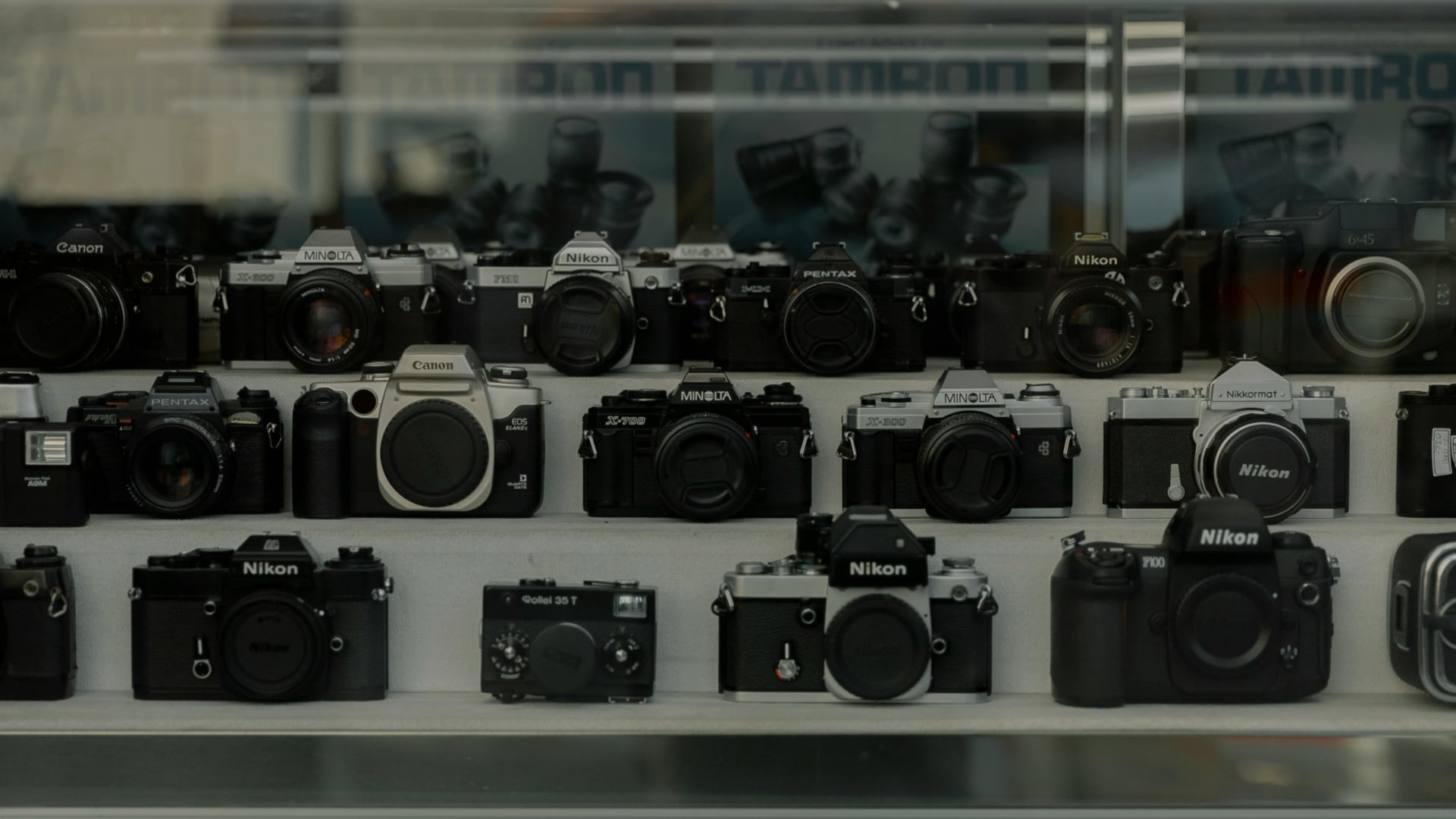
Another reason is access to discontinued or rare models. Some older cameras or specialty lenses are no longer available in stores but are still highly sought after for their unique features, build quality, or specific image characteristics. Vintage lenses, classic film cameras, and early mirrorless models often fall into this category, giving you options that you cannot find in standard retail outlets.
Sustainability also plays a significant role. Many photographers are conscious of environmental impact, and purchasing secondhand gear reduces the demand for new manufacturing. In 2026, this approach aligns with broader trends in circular economy practices, encouraging the reuse and recycling of technology.
Finally, buying secondhand can be a faster route to upgrading your kit. When a new camera line is released, previous generations often see a price drop in the secondhand market. This gives you the opportunity to access nearly the same performance at a lower cost, allowing you to allocate your budget to lenses, accessories, or other photography essentials.
Do You Need to Buy Secondhand Camera Gear
Before exploring the secondhand market, it is important to evaluate your own needs and priorities. Consider your budget, your photography style, and how often you plan to upgrade your equipment. Buying secondhand may not always be the best choice if you require warranty coverage, technical support, or the latest features for professional assignments.
Pros Of Buying Secondhand
Cost Savings
Used gear typically comes at a lower price, letting you access higher-tier models without a significant financial commitment. These savings allow you to buy multiple lenses or invest in essential accessories that enhance your photography experience.
Many photographers find that the money saved by purchasing secondhand can fund workshops, travel, or post-processing software, further improving their skillset.
Access to Rare Equipment
Out-of-production cameras and lenses can still perform at a professional level. Many specialty lenses, film cameras, or older digital models offer unique characteristics that modern equipment sometimes lacks.
For enthusiasts or collectors, secondhand gear opens the door to classic tools that have become highly valued in certain photography communities.
Environmental Impact
Purchasing used gear contributes to sustainability by reducing electronic waste and the environmental footprint of manufacturing new products.
As photographers increasingly prioritize ethical consumption, secondhand gear aligns with eco-conscious practices. Over time, reducing demand for new production helps conserve resources and energy while extending the lifespan of existing equipment.
Opportunity to Expand Your Kit
With the savings from secondhand purchases, you can explore a wider variety of equipment. You can experiment with different lenses, lighting setups, or camera bodies that you might not otherwise afford. This flexibility can inspire creativity and allow you to develop your photography style more effectively.
Cons Of Buying Secondhand
Limited or No Warranty
Most secondhand equipment is sold as-is, which means any repairs or servicing costs fall entirely on the buyer. Unlike new gear, you may not have access to technical support or free replacements in case of malfunction. Considering repair costs beforehand helps you evaluate whether the purchase is worth the potential risks.
Potential for Hidden Damage
Even well-maintained cameras can have wear that affects performance. Shutter mechanisms, sensors, and electronic components degrade over time, sometimes leading to issues that are not immediately visible.
A detailed inspection and sample testing are essential to avoid buying equipment that might fail prematurely.
Software and Firmware Limitations
Older cameras may no longer receive firmware updates or manufacturer support. This can affect compatibility with new lenses, memory cards, or editing workflows.
Firmware updates also often improve performance, so lack of support may limit your ability to take full advantage of the camera’s features.
Risk of Fraud
Online marketplaces carry a risk of counterfeit or stolen equipment. Verification of both the seller and the item is crucial to ensure you are making a legitimate purchase.
Trusted sources, certified pre-owned programs, or community-recommended sellers are safer options than anonymous listings.
Tips When Buying Secondhand Camera Gear
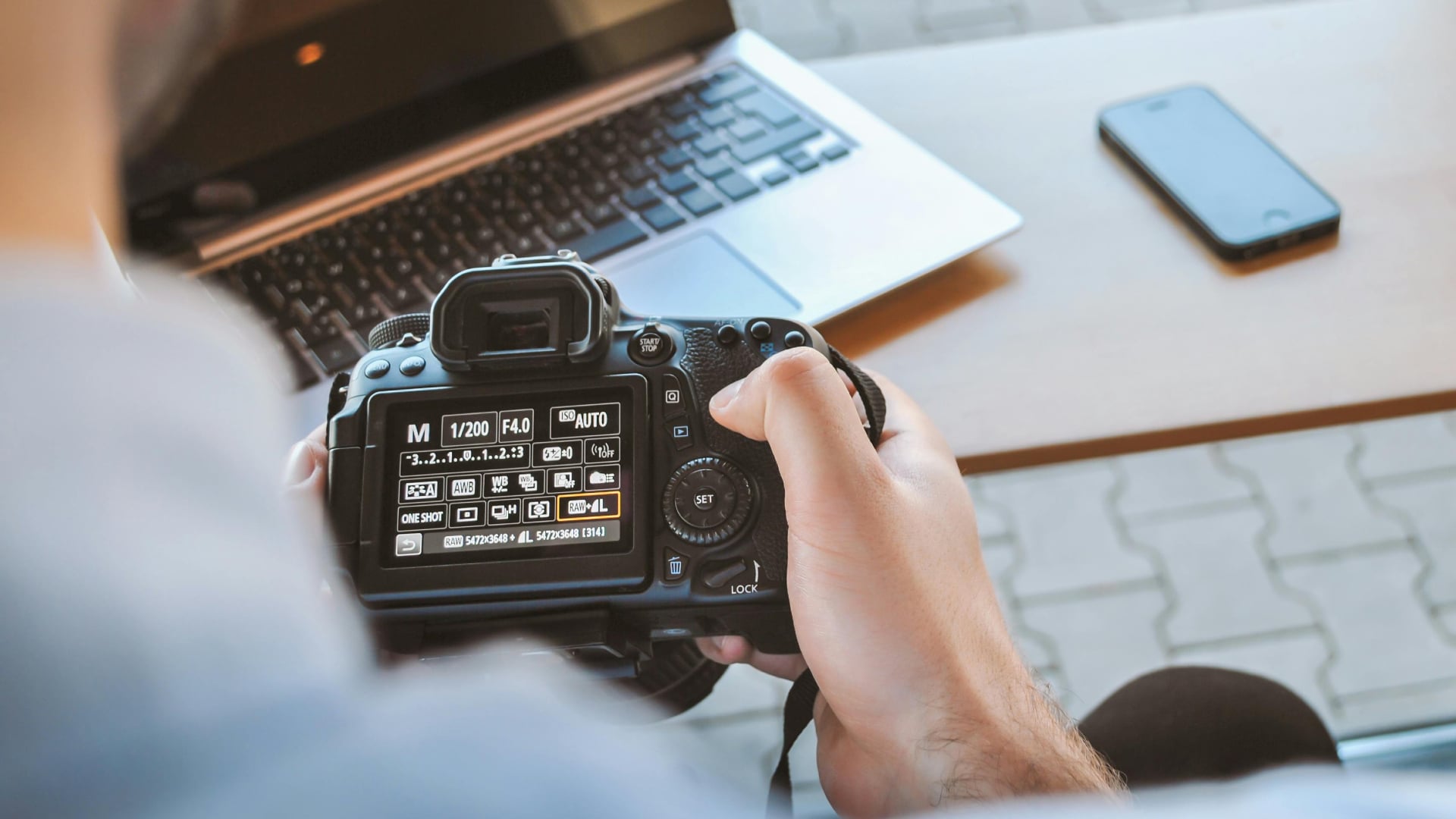
Buying secondhand requires careful evaluation. Both physical and software aspects should be checked to ensure that your purchase performs reliably and meets your expectations.
Taking the time to perform detailed inspections can save you from costly mistakes and help you identify equipment that will provide long-term value.
Physical Checks
Before you start examining a camera or lens in detail, it’s important to understand why the physical condition of gear matters. Even minor scratches or wear can affect performance and resale value.
Careful inspection helps you avoid costly surprises and ensures the equipment will function reliably for years to come.
Inspect the Body
Look closely for scratches, dents, or signs of water damage. Uneven wear can indicate heavy use or improper handling. Pay particular attention to the camera’s lens mount, tripod socket, and areas where the body might have experienced repeated contact.
Test the Shutter Count
Shutter mechanisms have a limited lifespan, often rated for tens or hundreds of thousands of cycles. Checking the shutter count helps you understand how much life the camera has left.
High shutter counts do not automatically mean a camera is unusable, but they are a critical factor when evaluating value and potential future costs.
Check Lens Elements
Examine the lens glass for scratches, dust, fungus, or haze. Zoom and focus rings should move smoothly without resistance or grinding. Even small internal flaws can affect image quality, so thorough inspection of all lens elements is essential.
Assess Buttons and Dials
All buttons, switches, and dials should operate cleanly and reliably. Stiff or loose controls can indicate internal wear or damage. Testing all physical functions ensures that the camera is fully operational and ready for professional use.
Inspect Memory Card and Battery Contacts
Corrosion or wear in these areas can impact reliability and functionality. Check that the camera powers on and functions properly with standard memory cards and batteries. Replacing corroded contacts can be costly and is often a sign of deeper maintenance issues.
Test Image Quality
Take sample shots under different lighting conditions to evaluate autofocus accuracy, exposure consistency, and potential sensor dust. Reviewing images on a computer screen instead of the camera’s LCD provides a clearer picture of performance. This step is essential to ensure that the camera produces the quality of images you expect.
Software And Firmware Checks
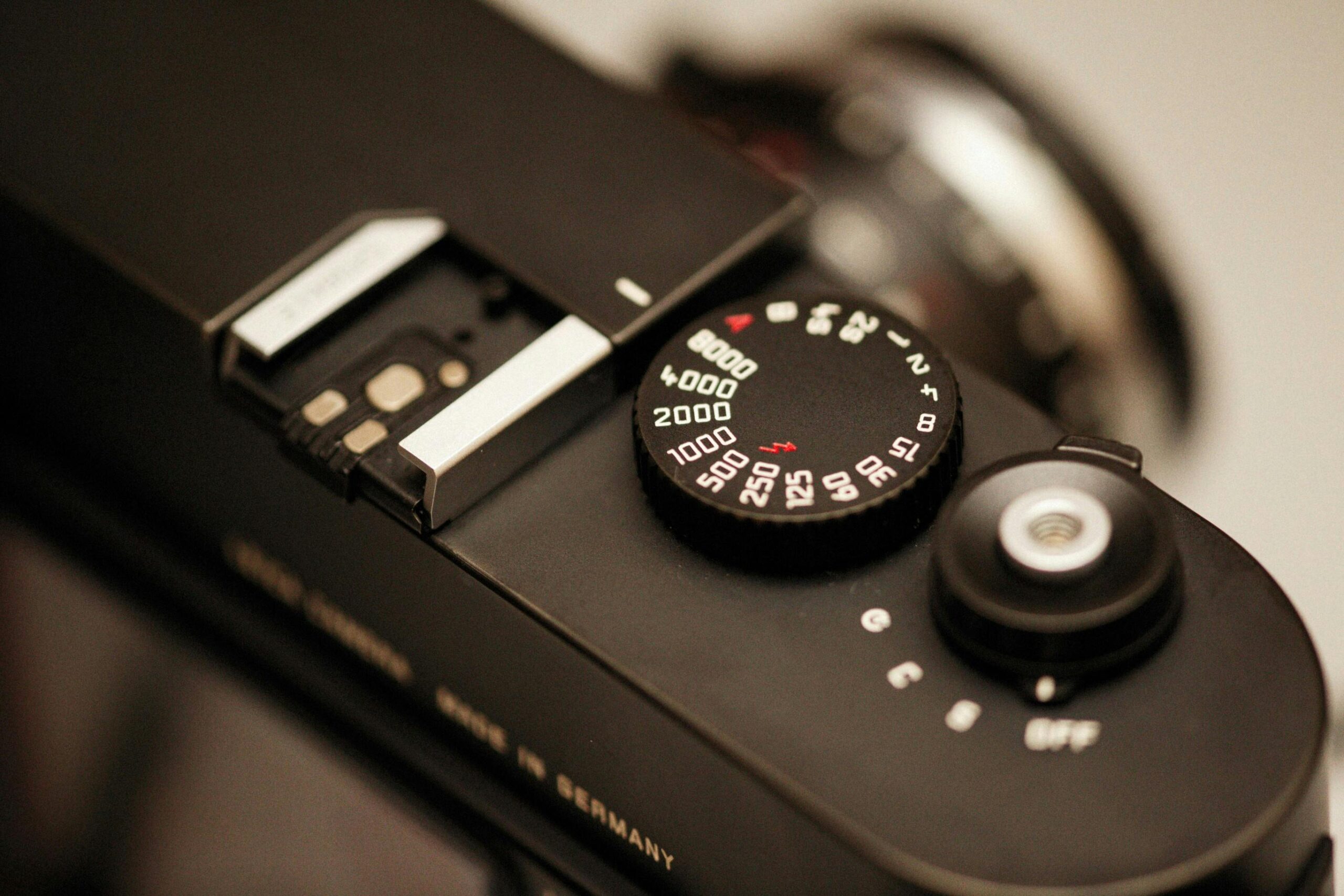
Even if a camera looks perfect physically, outdated software or firmware can limit performance and compatibility. Modern cameras rely heavily on firmware to manage autofocus, image processing, and connectivity.
Ensuring that the software and firmware are up to date helps prevent unexpected issues and maximizes the longevity of your purchase.
Verify Firmware Version
Ensure the camera has the latest firmware installed if possible. Firmware updates can improve autofocus, correct bugs, enhance image quality, and maintain compatibility with new lenses. Cameras without recent updates may miss out on key improvements or support for new accessories.
Check Lens Compatibility
Older cameras may not fully support modern lenses or third-party optics. Verifying that autofocus, aperture control, and image stabilization work as intended prevents future frustration. Compatibility issues can limit your ability to fully utilize your photography kit.
Evaluate Connectivity Features
Wi-Fi, Bluetooth, and tethering capabilities should function as advertised. Older models may have limited app support or outdated security protocols, which could impact file transfer, remote control, or live streaming workflows. Confirming these functions ensures your gear meets your technical needs.
Confirm Metadata Accuracy
Shooting in RAW or JPEG should embed accurate metadata in your images, including shutter speed, aperture, and ISO settings. Metadata errors may indicate internal faults or previous tampering, affecting post-processing reliability. Accurate metadata is critical for professional workflows and maintaining consistent results.
Test Special Modes
If your photography involves video, high-speed burst, or advanced autofocus modes, check that these features operate correctly. Problems in these areas can affect usability for sports, wildlife, or event photography. Testing all advanced functions ensures the camera meets your creative and professional requirements.

Why Secondhand Camera Gear Should Not Be Neglected
Even with careful checks, secondhand gear is often overlooked in favor of new models. However, many professional photographers and enthusiasts continue to rely on older equipment because it delivers reliable performance and unique image characteristics. Cameras from previous generations often have ergonomics or build quality that modern devices cannot match.
Secondhand purchases also allow beginners and hobbyists to experiment without a significant financial commitment. You can try new lenses, camera systems, or lighting setups that would be costly if purchased brand new. Over time, this flexibility can help you develop a personal style and improve technical skills without putting pressure on your budget.
The secondhand market in 2026 has become more trustworthy. Certified pre-owned programs from reputable dealers provide condition verification and limited warranties. Online communities, forums, and photography groups make it easier to identify reliable sellers and compare equipment. Knowledgeable buyers can avoid fraudulent listings and maximize the value of each purchase.
Additionally, the resale value of cameras and lenses remains strong. Even after years of use, high-quality secondhand gear can retain a substantial portion of its original price. By purchasing carefully, you are making an investment that can be sold or upgraded later, giving you financial flexibility and confidence in your equipment choices.
Being Practical in 2026
Buying secondhand camera gear in 2026 is a practical way to access professional-level equipment, save money, and explore different photography tools. The key is knowing what to check, from physical condition and shutter count to firmware updates and lens compatibility. Understanding both the benefits and potential drawbacks of secondhand purchases helps you make informed decisions that match your creative and financial goals.
By taking a structured approach and performing thorough inspections, you can enjoy professional-quality images, experiment with new techniques, and expand your photography kit sustainably. Secondhand gear is no longer simply a budget-friendly alternative; it has become a mainstream choice for photographers who value quality, versatility, and responsible consumption.
See more from DIYPhotography.net on Google
Add DIYPhotography.net as a trusted source. This makes
our stories more likely to appear in your Google Search results.
 Add as a preferred source on Google

Alysa Gavilan
Alysa Gavilan has spent years exploring photography through photojournalism and street scenes. She enjoys working with both film and mirrorless cameras, and her fascination with the craft has grown over the decades. Inspired by Vivian Maier, she is drawn to capturing everyday moments that often go unnoticed.



Join the Discussion
DIYP Comment Policy
Be nice, be on-topic, no personal information or flames.