























The Best Mirrorless Cameras of All Time
Aug 24, 2025
Darlene Lleno
Darlene Lleno brings a unique perspective to DIY Photography as someone who grew up surrounded by camera gear but chose words over lenses. With five years of writing experience, she specializes in photography content that’s both technically informed and genuinely passionate. Growing up with a photographer twin brother meant camera talk was everyday conversation in her household. While he mastered capturing moments, Darlene discovered she preferred being the subject and the storyteller behind the scenes. As a travel enthusiast and mother of two, she understands the importance of preserving life’s precious moments. When not exploring new destinations or writing for DIY Photography, you’ll find her reading or tending to her garden. Her approach to photography writing is refreshingly authentic, she may not be behind the camera, but she knows exactly what it takes to help others capture the shots that matter most.
Share:

Mirrorless cameras have completely flipped the photography world upside down. These little powerhouses stuff pro-level features into bodies that make those big chunky DSLRs look like dinosaurs. Whether you’re shooting street scenes or trying to catch birds in flight, the best mirrorless cameras get the job done without making your back hurt.
The whole mirrorless thing started pretty quietly, but man did it catch fire fast. Today’s models have autofocus that’s scary fast, they can shoot without making a sound, and the video quality looks like something straight out of Hollywood. Pretty much every camera company worth talking about has thrown their weight behind mirrorless cameras now.
So let’s dig into the best mirrorless cameras of all time that changed everything and still influence how we capture moments today.
Panasonic Lumix DMC-G1 – The Game Changer (2008)
The Panasonic Lumix DMC-G1 marked a significant turning point in the photography world when it was released in 2008. As the world’s first mirrorless interchangeable lens camera, it introduced a new era in camera design, free from the bulk of traditional DSLRs.
This camera featured a 12.1-megapixel sensor, an electronic viewfinder, and contrast-detection autofocus, which were groundbreaking innovations for the time. The G1’s compact design proved that you didn’t need a bulky DSLR to capture high-quality images.
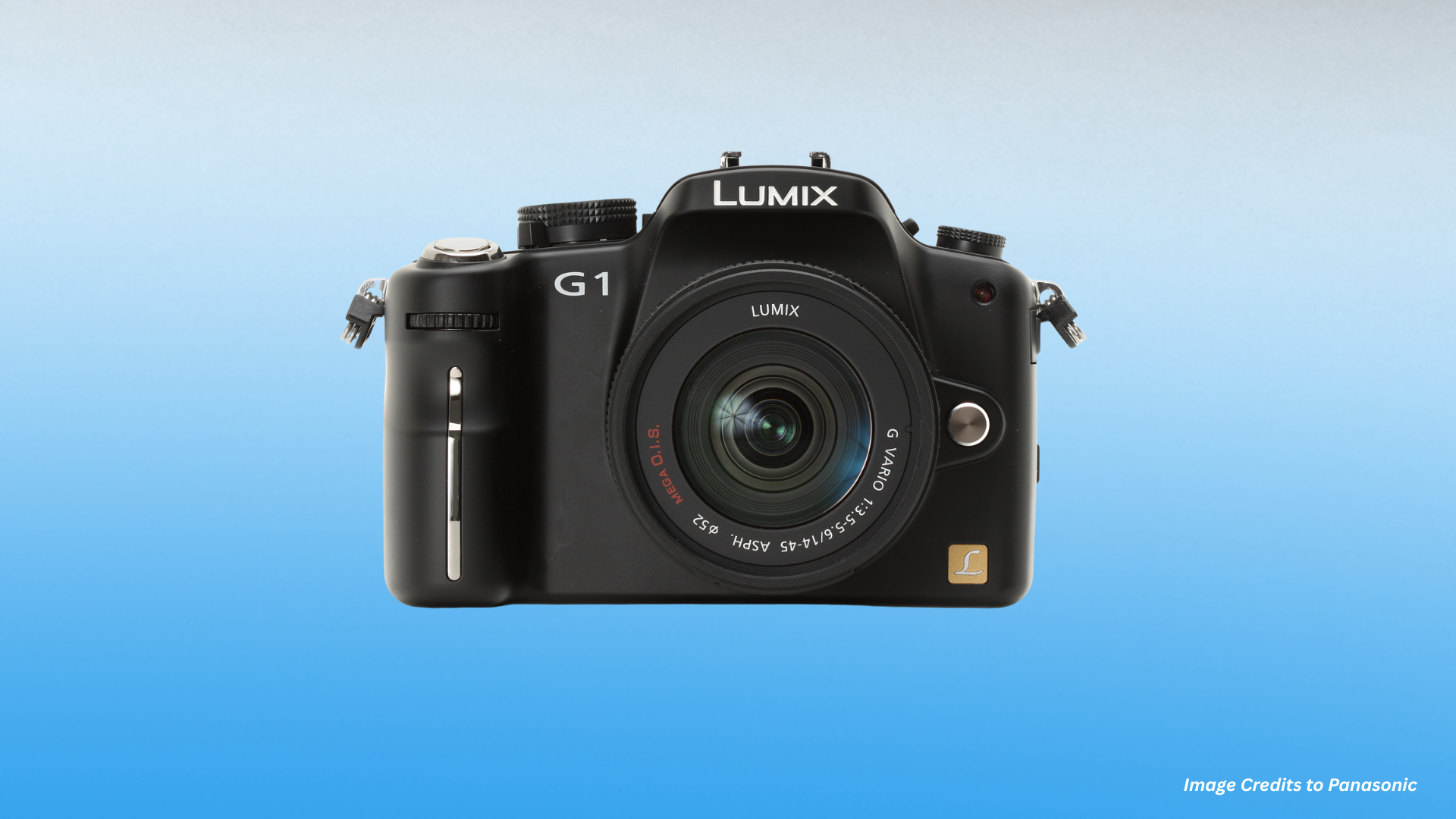
Panasonic’s partnership with Olympus led to the creation of the Micro Four Thirds system, a format that continues to be a dominant player in the mirrorless market. By eliminating the mirror, the G1 offered a lighter, more efficient camera body while maintaining high performance.
The Lumix DMC-G1 set the stage for the widespread adoption of mirrorless cameras in the years that followed. Its influence is still seen in today’s mirrorless models, as it redefined what a modern camera could be.
Olympus PEN E-P1 – The First Game-Changer (2009)
The Olympus PEN E-P1 was one of the first mirrorless cameras to bridge the gap between casual users and serious photographers. Released in 2009, it was a compact and retro-styled camera that made mirrorless technology more accessible to a wider audience.
Its 12.3-megapixel sensor and in-body image stabilization helped capture clear and crisp images, even in difficult conditions. The E-P1’s compact size made it a popular choice for street photographers who valued portability without compromising on image quality.
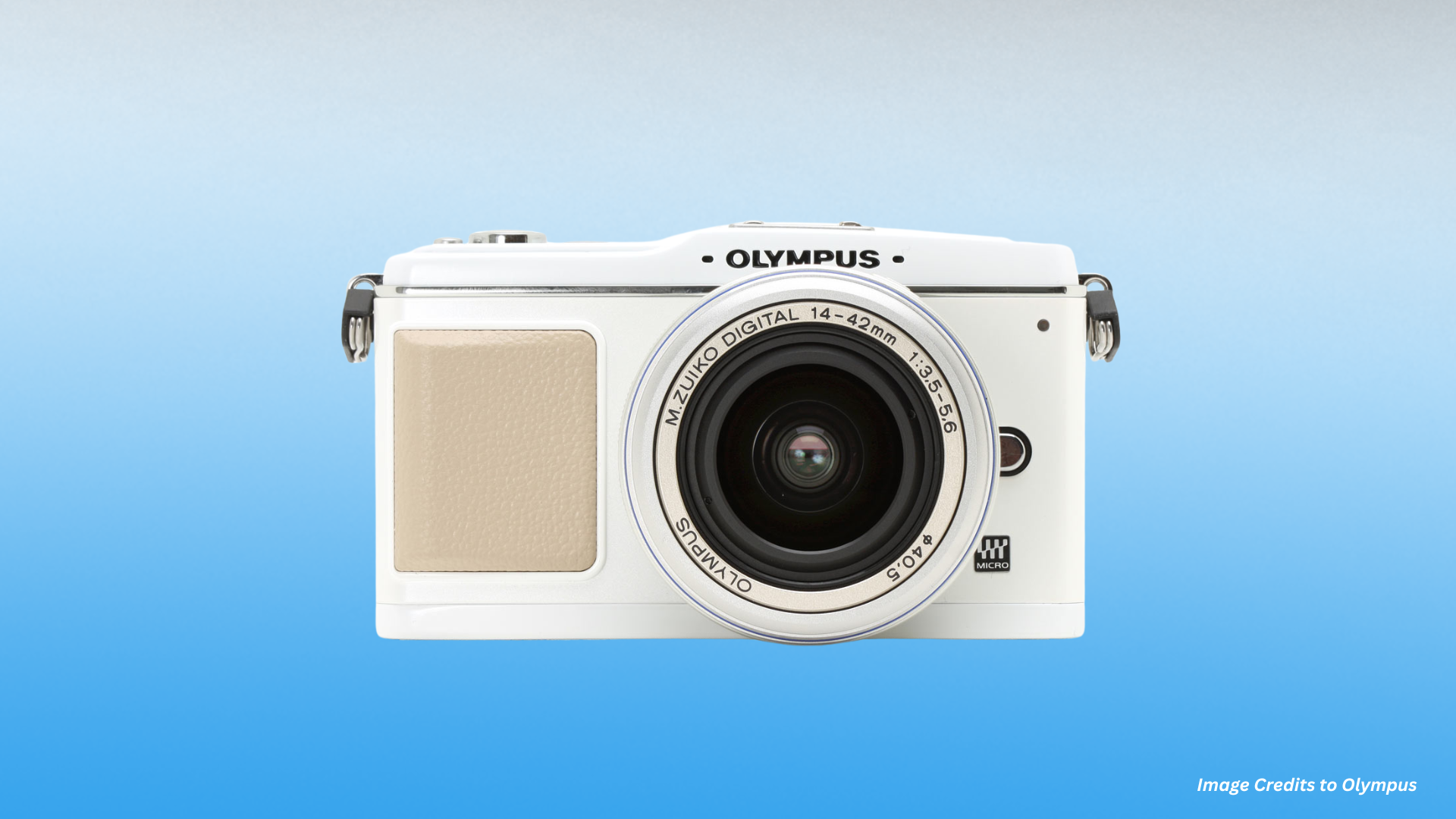
The introduction of the PEN E-P1 was a game-changer, as it helped define the future of mirrorless cameras in both design and function. It set the stage for future innovations in the mirrorless segment.
Though it lacked the speed of some newer models, its classic design and ease of use left a lasting impact on the mirrorless camera market. It helped pave the way for the evolution of mirrorless systems across various brands.
Leica M9 – The Classic Meets Mirrorless (2009)
The Leica M9 brought the classic rangefinder style to the world of mirrorless cameras, offering a full-frame sensor that captured stunning detail. Its manual controls and unmatched build quality made it an appealing choice for photographers who appreciated craftsmanship and simplicity.
Despite its slower autofocus system, the M9 provided exceptional image quality with its sharpness and vibrant colors. Leica’s rich heritage in optics and engineering made the M9 a standout model for enthusiasts and professional photographers alike.
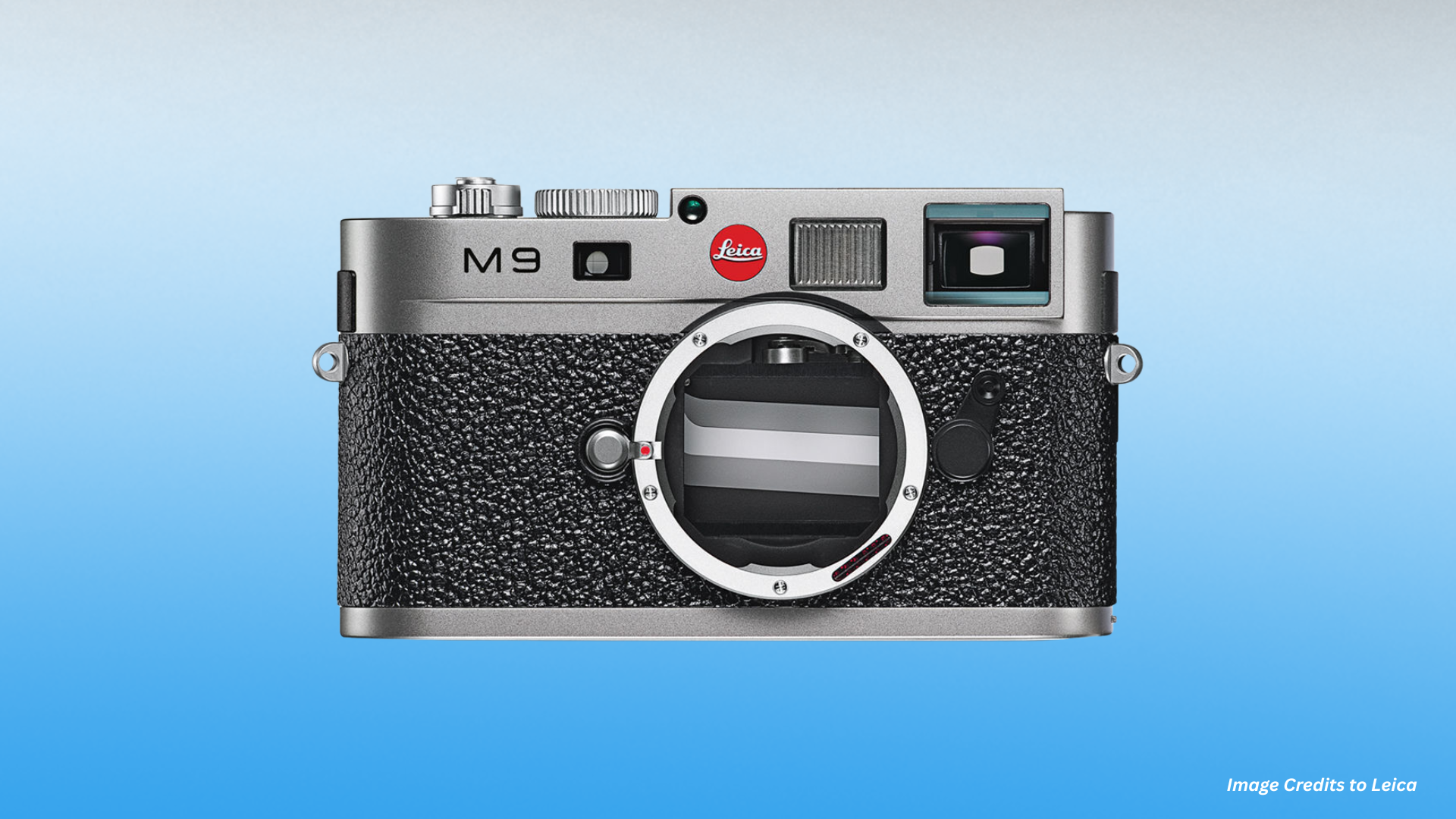
The M9’s design was a step away from the trend of automated mirrorless cameras, focusing instead on purity and simplicity in the shooting experience. It proved that less could be more, as its minimalist approach resonated with those who valued a more traditional, tactile experience.
Even today, the Leica M9 remains a respected model, celebrated for its unique aesthetic and uncompromising image quality. It inspired future designs from Leica and other manufacturers in the mirrorless segment.
Olympus OM-D E-M1 – The Mirrorless Master (2013)
The Olympus OM-D E-M1 combined the portability of a mirrorless system with the ergonomics of a traditional DSLR, making it an instant favorite among enthusiasts. Its 16.3-megapixel sensor and fast autofocus system made it a reliable tool for photographers in any environment.
With groundbreaking five-axis image stabilization, it offered sharp handheld shots, even in low light conditions. The camera’s weather sealing ensured durability, allowing it to withstand tough conditions during outdoor shoots.

The E-M1’s build quality and compactness were perfectly balanced, providing photographers with a professional camera that didn’t compromise on portability. It remains a standout choice for those looking for a smaller system without sacrificing performance.
Olympus proved that Micro Four Thirds could deliver exceptional results, setting a new standard for mirrorless cameras. This model continues to influence the design of future mirrorless systems from Olympus and other brands.
Sony A7 (Original) – The Full-Frame Game-Changer (2013)
Back in October 2013, Sony basically dropped a bomb on the photography world with the original A7. This little guy became the first ever full-frame mirrorless camera, proving you didn’t need some massive brick of a DSLR to get serious results.
The original A7 packed a 24-megapixel full-frame sensor into a body that weighed just 474 grams. Photography pros couldn’t wrap their heads around how Sony squeezed that much power into something so tiny. The camera used a hybrid autofocus setup with 25 contrast points working alongside 117 phase-detection points.

But here’s what really made this mirrorless camera special. Sony didn’t just shrink down existing tech. They built a whole new lens mount system that got third-party companies excited. The short distance between the lens and sensor meant photographers could stick pretty much any old vintage lens on this thing and it would work.
The impact went way beyond just the specs though. This camera kicked off a domino effect that basically killed the traditional DSLR. Pros who swore they’d never give up their heavy cameras suddenly started making the switch to mirrorless systems.
Sure, the battery died faster than anyone wanted, and the menu system felt like it was designed by engineers who never actually used cameras. But the A7 proved that mirrorless cameras could deliver full-frame quality in something you could actually travel with. This camera literally rewrote the rules for the entire industry.
Fujifilm X-T1 – When Style Actually Mattered (2014)
Early 2014 brought us the Fujifilm X-T1, and it was nothing like what Sony was doing. While Sony went all-in on cramming tech into small spaces, Fujifilm made something that looked like it belonged in a museum.
The X-T1’s retro styling took cues from those classic film cameras your grandpa might have used. Three big dials on top let you control ISO, shutter speed, and exposure compensation without diving into any menus. You could actually adjust your settings while looking through the viewfinder. The magnesium body had weather sealing and could handle temps down to 14°F without breaking a sweat.
Fujifilm’s X-Trans CMOS II sensor delivered 16.3 megapixels, but the colors were something else entirely. The company had been making film for 80 years, and you could see all that knowledge in every single shot. Colors popped in a way that digital sensors usually couldn’t touch.
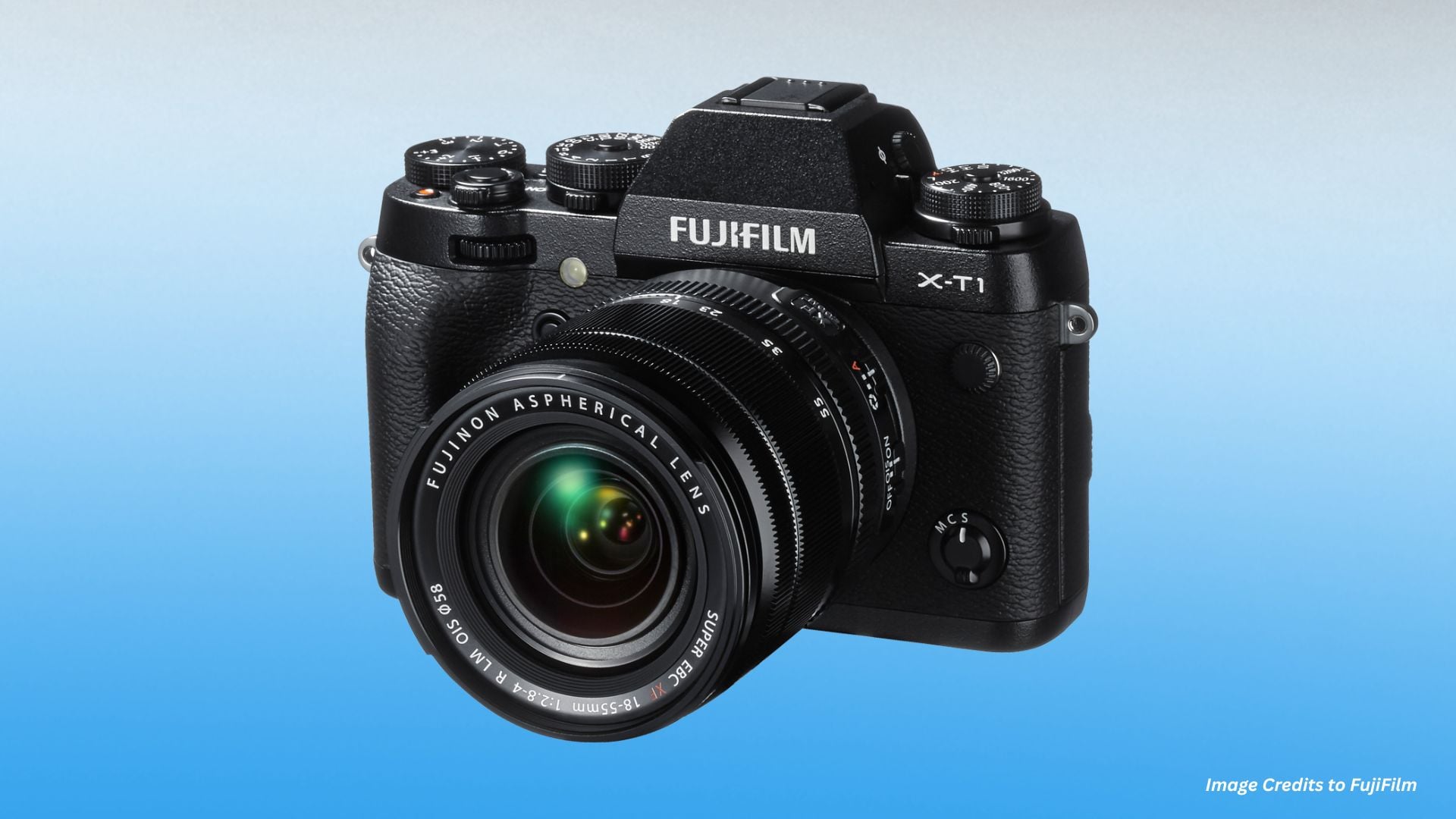
The X-T1’s electronic viewfinder was pretty revolutionary back then. That 2.36-million-dot OLED screen gave you 0.77x magnification, which was actually bigger than the optical viewfinders in some DSLRs. You could see your exposure settings and histogram right there in real time.
This mirrorless camera proved you didn’t have to sacrifice good looks for good tech. You can see the X-T1’s influence in pretty much every camera design that came after. It showed that photographers actually cared about how their cameras looked and felt, not just what they could do.
Sony A7R V – The Detail Freak’s Dream (2022)
Sony’s A7R V takes mirrorless camera resolution to almost ridiculous levels. This 61-megapixel beast delivers detail that makes medium format cameras nervous while staying in a body you can actually carry around.
The sensor design somehow manages incredibly high resolution while still working well when light gets scarce. You can push ISO up to 6400 and still get clean shots you’d want to show people. The dynamic range captures details in shadows and highlights that older cameras would just give up on.
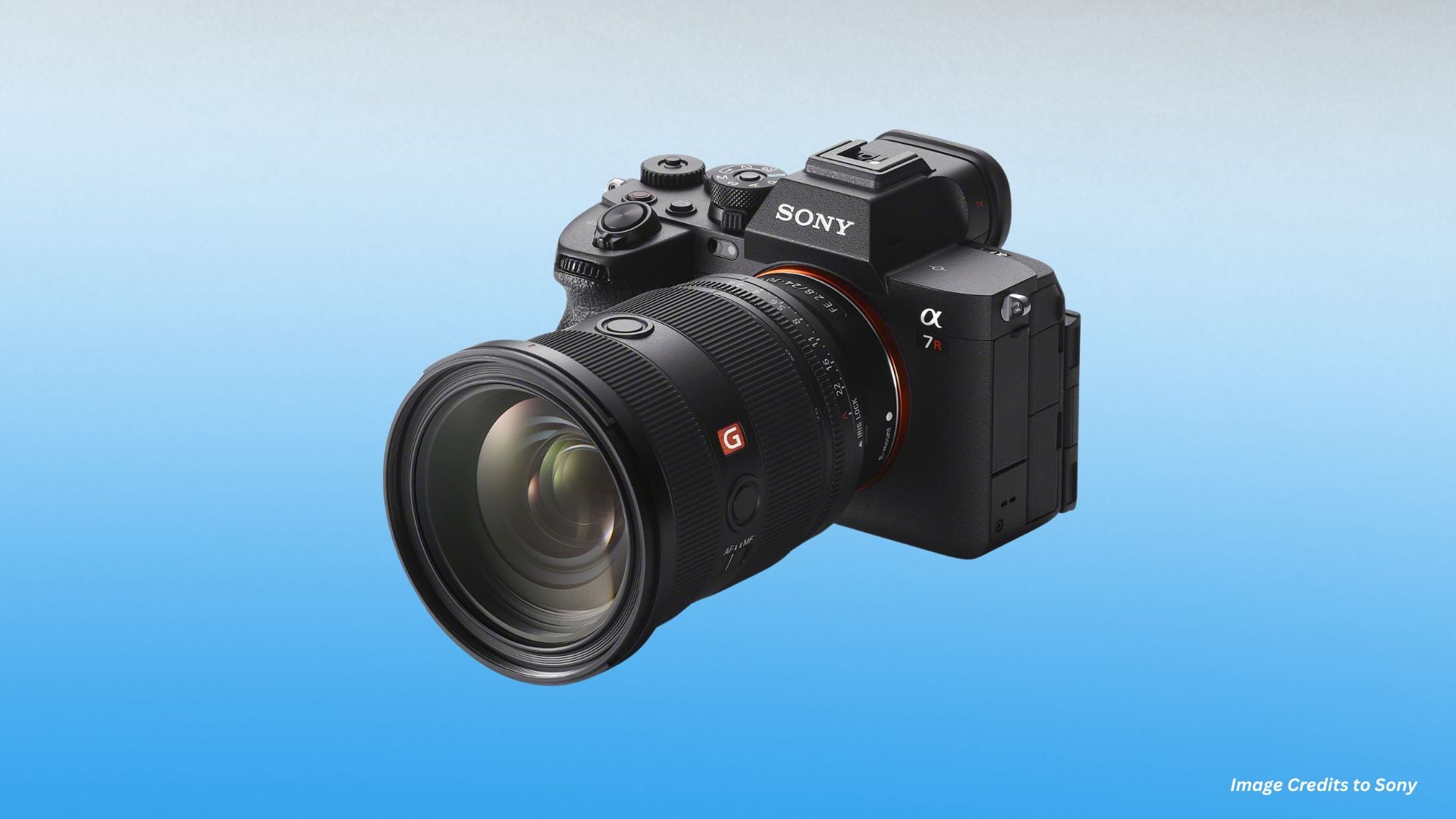
Sony’s Real-time Recognition autofocus tracks subjects like it’s reading their minds. The system knows the difference between humans, animals, birds, bugs, cars, trains, and planes. Once it locks on, it rarely lets go.
Portrait photographers love this mirrorless camera because it captures every tiny detail. Fashion shoots benefit from the unbelievable resolution when clients want to crop images down to just the jewelry or makeup. Landscape photographers can print wall-sized images that stay sharp edge to edge.
The A7R V’s in-body stabilization gives you up to 8 stops of shake reduction. You can shoot handheld at slow shutter speeds that should be impossible. Image stabilization has basically become a must-have feature for any serious mirrorless camera.
Fujifilm X-T5 – The APS-C Powerhouse (2022)
Fujifilm’s X-T5 combines classic X-T styling with modern 40-megapixel resolution. This mirrorless camera proves that APS-C sensors can absolutely compete with full-frame models.
The X-Trans 5 sensor delivers exceptional detail and those distinctive Fuji colors. The film simulation modes give your images that film look right out of the camera. A lot of pro photographers skip editing entirely when they’re shooting with this thing.
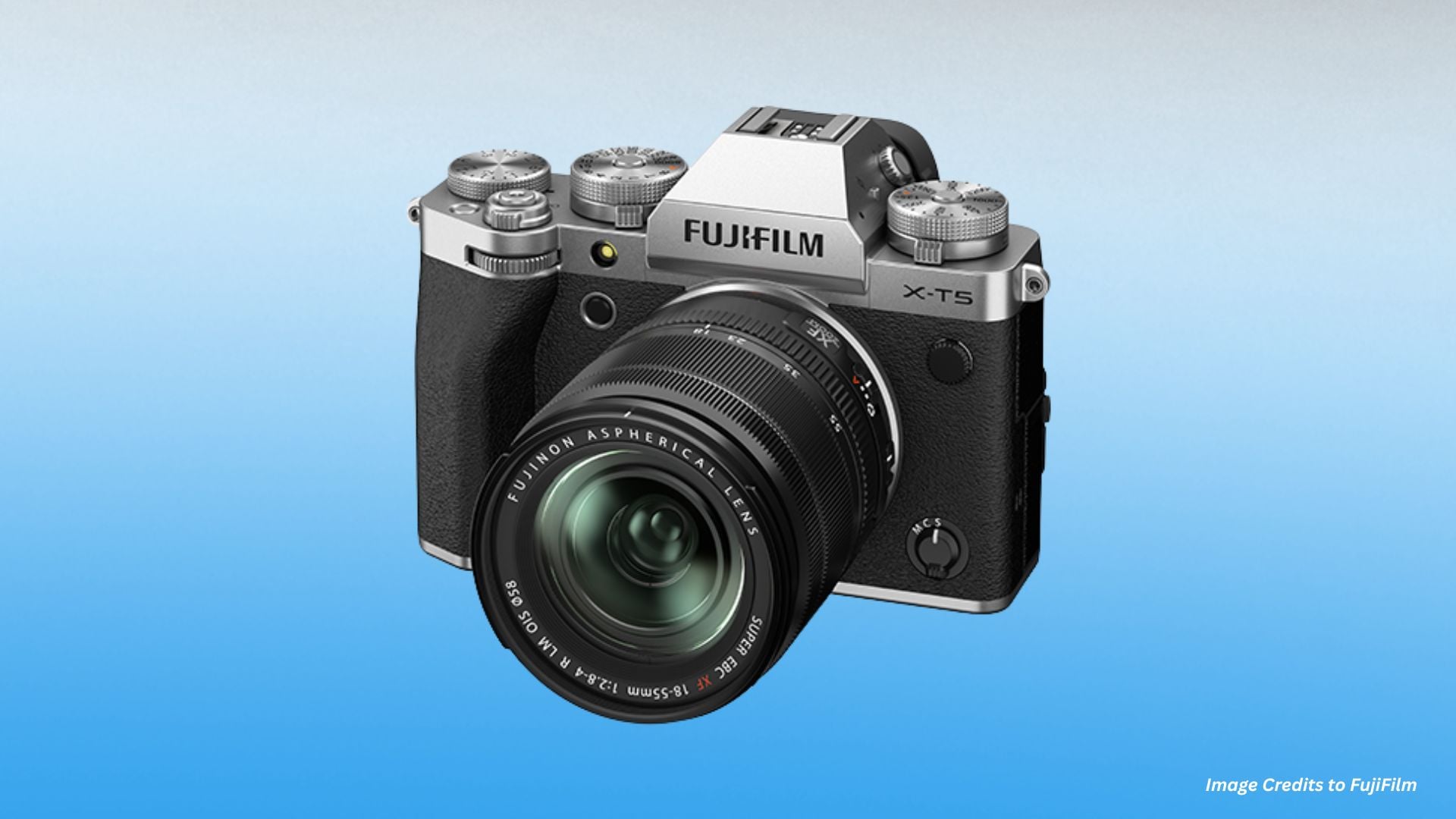
In-body image stabilization was a huge addition to the X-T series. Five-axis stabilization gives you up to 7 stops of shake reduction. You can do handheld long exposures in situations where setting up a tripod just isn’t practical.
The X-T5’s controls stay true to what makes Fujifilm special. Physical dials handle all the important settings without menu diving. Street photographers and travel shooters love how intuitive everything feels.
Video features include 6K recording and solid autofocus performance. While it’s not the main focus, video quality beats what most photographers need for social media and client work.
Sony A7S III – The Night Vision Camera (2020)
Sony designed the A7S III specifically for when light gets really challenging. This 12-megapixel mirrorless camera proves that sometimes less resolution actually means more capability.
The large pixel design absolutely dominates in low-light situations. You can shoot at ISO 25,600 and still get clean images you’d want to use. Event photographers working in dark venues depend on cameras like this to capture moments that would be impossible with higher-resolution sensors.
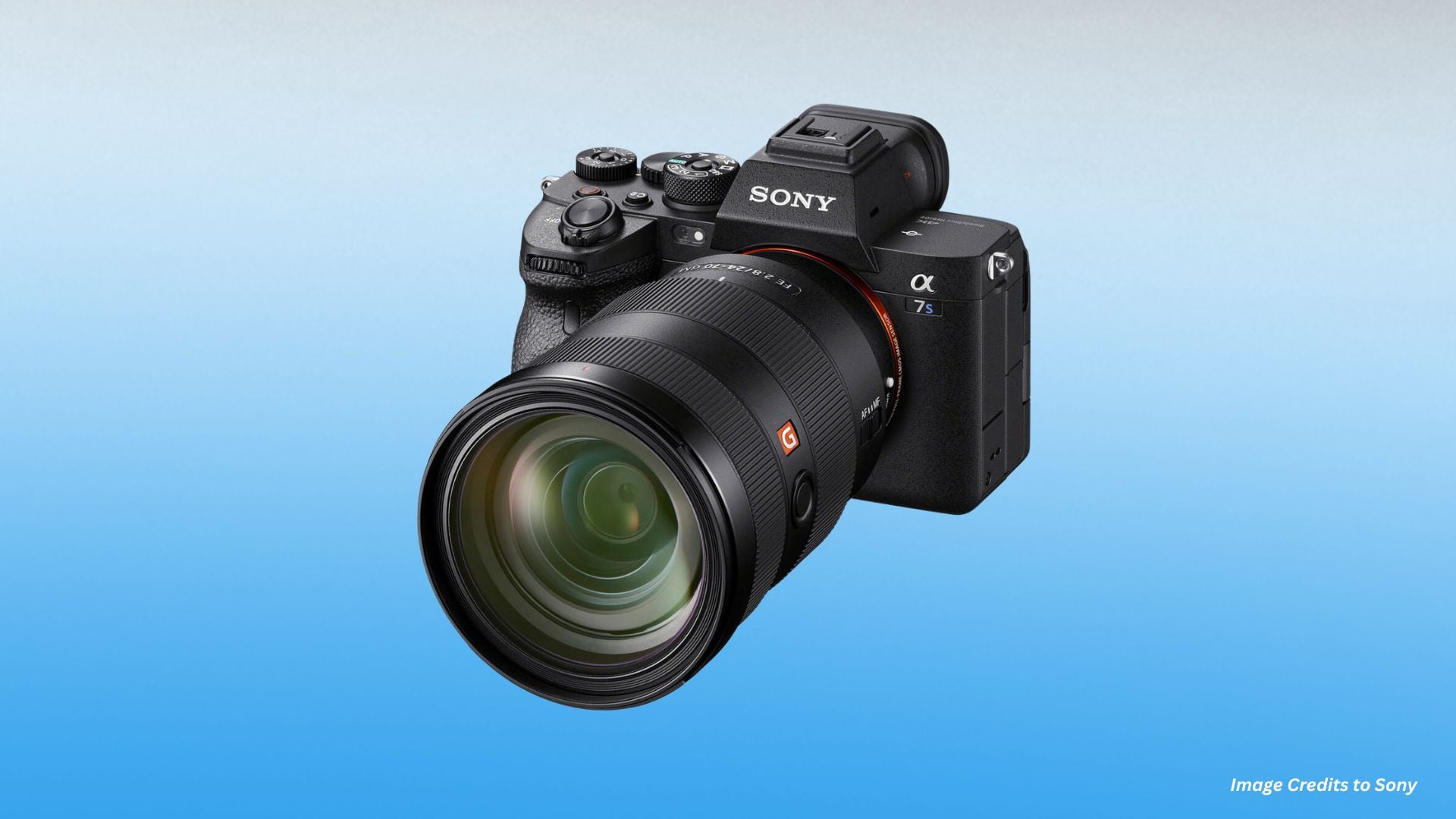
Video capabilities rival professional cinema cameras. The A7S III records 4K at 120fps with 10-bit color depth. Heat management keeps the camera running during marathon recording sessions without thermal shutdowns.
Dual base ISO technology optimizes noise performance at different sensitivity levels. The camera basically has two native ISO settings that each provide optimal image quality. This feature really sets the A7S III apart from other mirrorless cameras.
Wedding photographers often pick this camera for low-light ceremony work. Being able to capture emotion in dark churches or dimly lit reception venues makes it incredibly valuable.
Hasselblad X2D 100C – The Premium Option (2022)
Last on the list is Hasselblad’s X2D 100C brings medium format quality to mirrorless camera design. This 100-megapixel camera delivers image quality that challenges the best digital backs available.
Medium format sensors capture detail and dynamic range that full-frame cameras just can’t match. Colors have a distinctive quality that comes from that larger sensor area. Portrait photographers notice the difference immediately when they see the files.
The X2D’s design philosophy puts image quality above feature counts. Hasselblad focuses on making cameras that create beautiful images rather than cramming in every possible bell and whistle. The minimalist approach appeals to photographers who value quality over quantity.
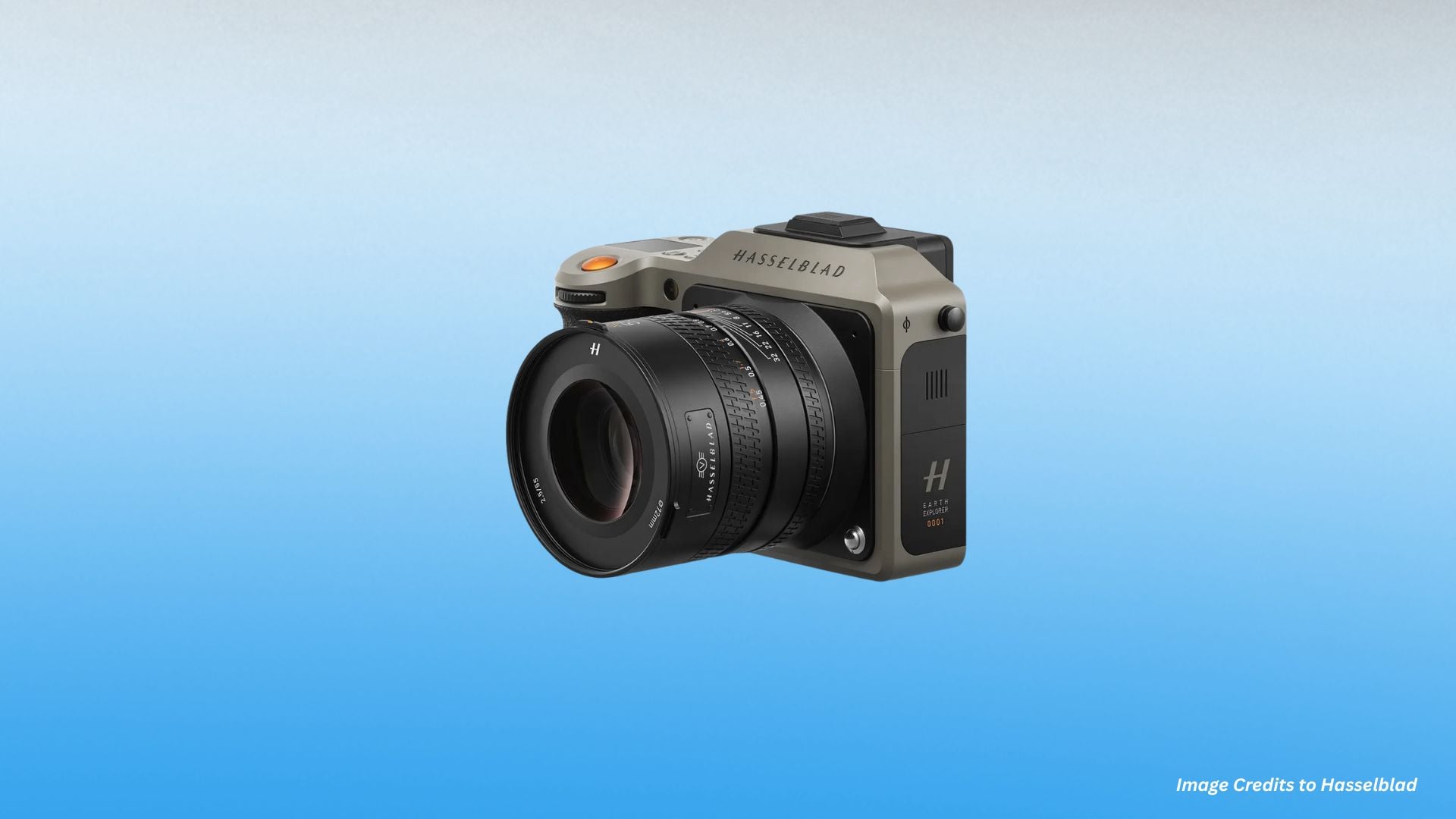
Build quality reflects the premium price point. Every single component feels solid and precisely engineered. This mirrorless camera is built to last decades rather than becoming outdated in a couple years.
Professional studio photographers and fine art shooters choose cameras like this for uncompromising image quality. Files from medium format sensors print beautifully at massive sizes that would show flaws in smaller formats.
Panasonic Lumix S5 II – The Jack of All Trades (2023)
Panasonic built the S5 II for people who can’t decide between photo and video work. This mirrorless camera handles both jobs without making you compromise on either.
The 24-megapixel full-frame sensor hits the sweet spot between detail and file size. You get plenty of resolution without ending up with massive files that eat up your storage. The sensor prioritizes dynamic range and color accuracy over pixel count.

Video features put a lot of dedicated video cameras to shame. The S5 II records 6K footage at 30fps using the entire sensor width. Slow motion goes up to 4K at 120fps for super smooth results. Internal recording handles 10-bit color and can keep going as long as your memory card holds out.
Panasonic actually solved the overheating issues that bug most mirrorless cameras. A built-in cooling fan keeps everything at the right temperature during long shoots. Video pros can trust this camera for extended recording sessions without worrying about shutdowns.
The full-size HDMI output and Frame.io Camera to Cloud support make professional workflows way easier. Editors can start working on footage while you’re still shooting. This kind of connectivity sets the S5 II apart from most other cameras in this category.
OM-1 Mark II – The Micro Four Thirds Marvel (2024)
OM System’s OM-1 Mark II proves that you don’t need a huge sensor to create amazing images. This Micro Four Thirds mirrorless camera packs serious performance into a compact, lightweight body that wildlife and outdoor photographers absolutely love.
The 20.4-megapixel stacked sensor delivers impressive image quality with excellent dynamic range. What really sets this camera apart is its computational photography features. Live ND creates long exposure effects without needing physical filters, while the new Live GND acts like a graduated neutral density filter built right into the camera.
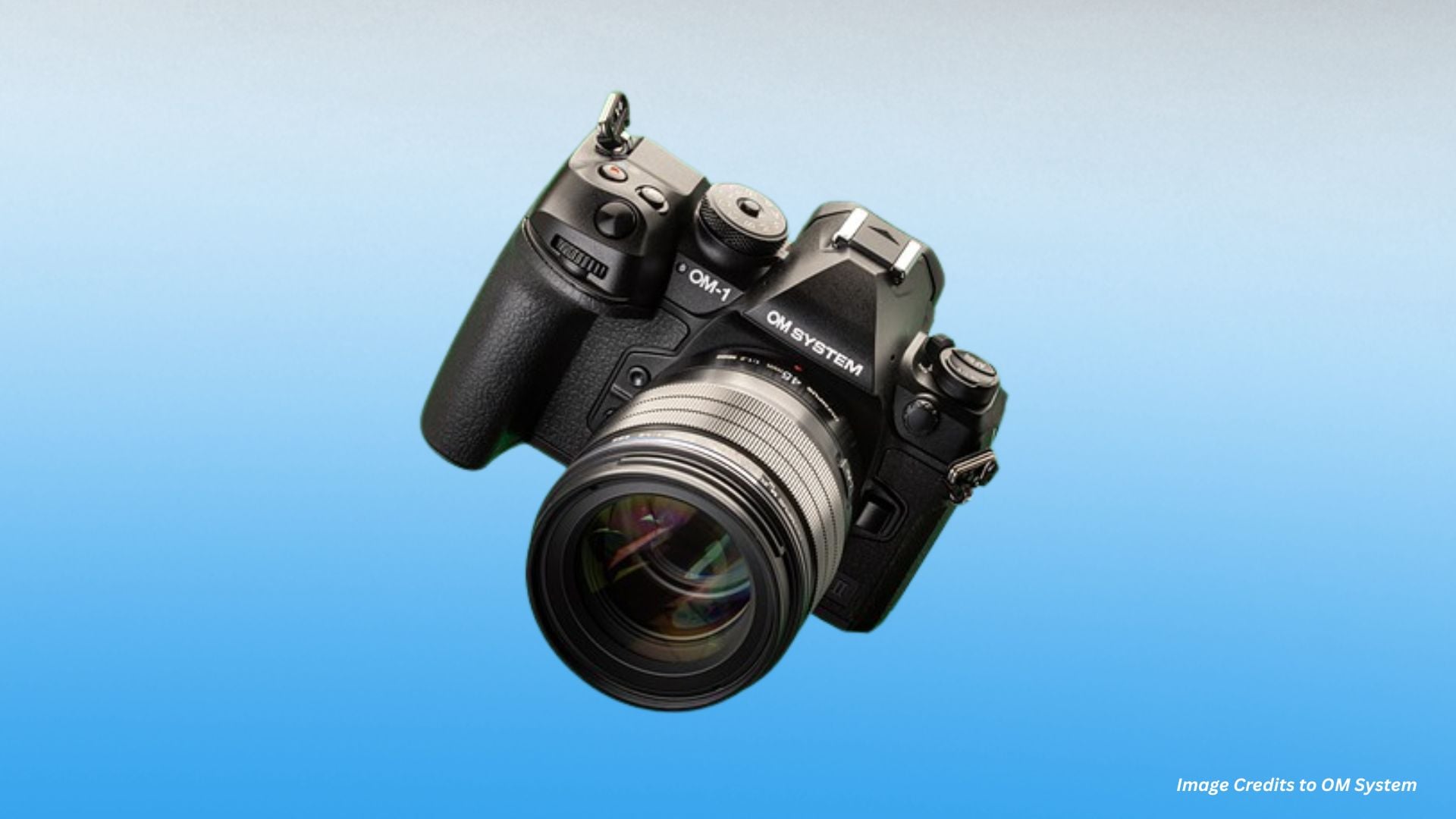
Weather sealing goes beyond most cameras with IP53 certification that handles dust, moisture, and freezing temperatures down to 14°F. Adventure photographers can trust this mirrorless camera in conditions that would shut down other systems.
The autofocus system uses AI subject detection that recognizes birds, animals, and people with scary accuracy. Pro Capture mode starts buffering images at 120fps when you half-press the shutter, so you never miss the perfect moment. Wildlife photographers call this feature a game-changer.
In-body stabilization provides up to 8.5 stops of correction, which is among the best available. You can shoot handheld at shutter speeds that should require a tripod. The smaller sensor size means lenses are also more compact, making the entire system incredibly portable.
This mirrorless camera represents the pinnacle of Micro Four Thirds technology. It shows that innovation isn’t always about bigger sensors or more megapixels. Sometimes it’s about making everything work together perfectly.
Nikon Z6 III – The Balanced Choice (2024)
Nikon’s Z6 III proves the company finally figured out mirrorless camera design. This model combines solid photo features with professional video capabilities without feeling like a compromise.
The partially stacked 24-megapixel sensor reads data faster than traditional designs. Electronic shutter performance gets a huge boost with way less rolling shutter distortion during action shots. Burst shooting hits impressive speeds while keeping autofocus dead-on accurate.
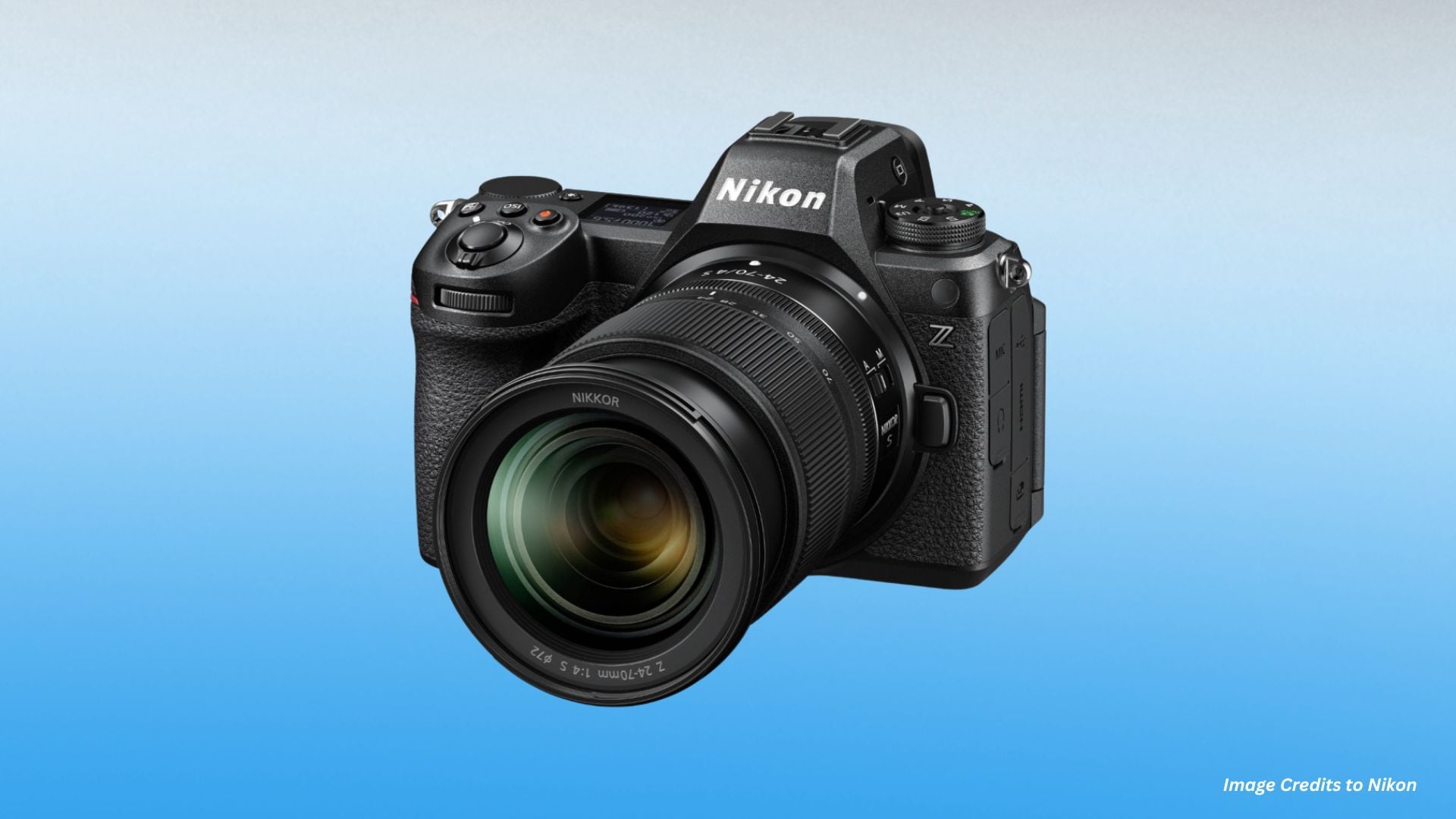
Nikon’s autofocus system finally matches what Sony and Canon have been doing. Subject detection works reliably for people, animals, and vehicles. The system tracks moving subjects across the frame without that annoying hunting behavior.
Video capabilities include internal RAW recording, which is pretty rare at this price point. The Z6 III captures 6K footage at 30fps and 4K up to 120fps. Video pros get the flexibility of RAW files without needing external recorders.
This mirrorless camera feels rock-solid in your hands. Nikon’s build quality shows in every button and dial. Weather sealing keeps dust and moisture out when you’re shooting outdoors in rough conditions.
Canon EOS R1 – Built for Speed (2024)
Canon’s EOS R1 represents the absolute peak of action photography gear. This professional mirrorless camera fires 40 frames per second while keeping perfect focus on moving subjects.
The 24-megapixel stacked sensor enables burst speeds that electronic shutters couldn’t handle before. Sports photographers can catch every single moment of a basketball dunk or soccer kick. The electronic shutter runs completely silent too.
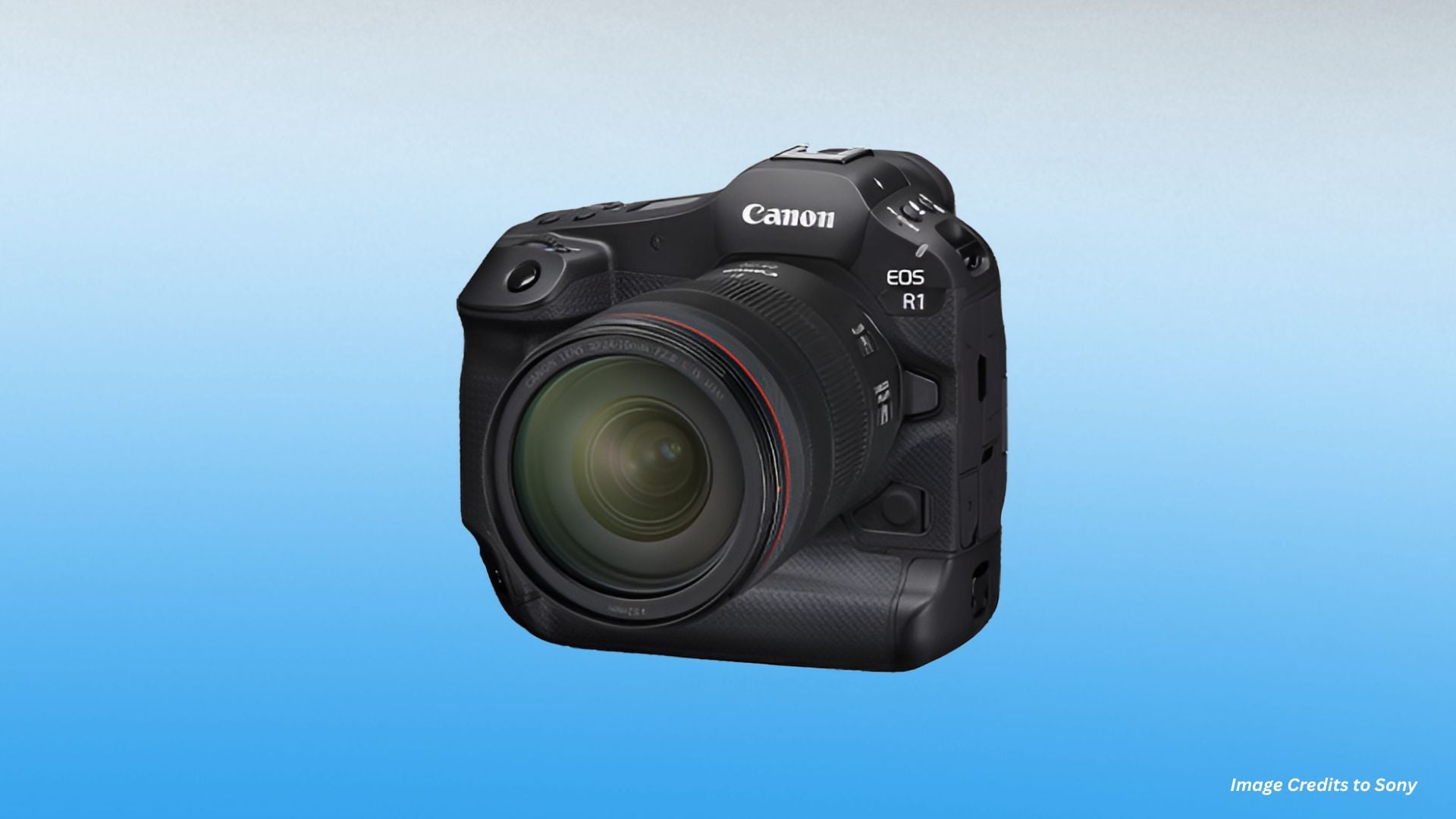
Canon’s Dual Pixel CMOS AF II covers pretty much the entire frame. Subject tracking works flawlessly even when athletes move in unpredictable ways. The system can actually predict where subjects are heading and adjust focus accordingly.
Professional build quality includes serious weather sealing and dual card slots. Sports photographers need gear that works no matter what conditions throw at them. The R1 delivers the reliability that professional work absolutely demands.
This mirrorless camera’s price tag reflects its specialized nature. Most photographers won’t need this level of performance. But for those who do, nothing else even comes close.
Panasonic Lumix GH7 – The Creator’s Dream Machine (2024)
The Panasonic Lumix GH7 represents everything that made the company famous for mirrorless cameras, taken to the next level. This is the camera that content creators and filmmakers have been waiting for, packed with features that would make cinema cameras jealous.
The 25.2-megapixel Micro Four Thirds sensor might seem modest compared to full-frame cameras, but it delivers exactly what video creators need. The GH7 records internal RAW video, something usually reserved for cameras costing ten times more. You get 6K open gate recording, 4K at 120fps, and every codec imaginable.
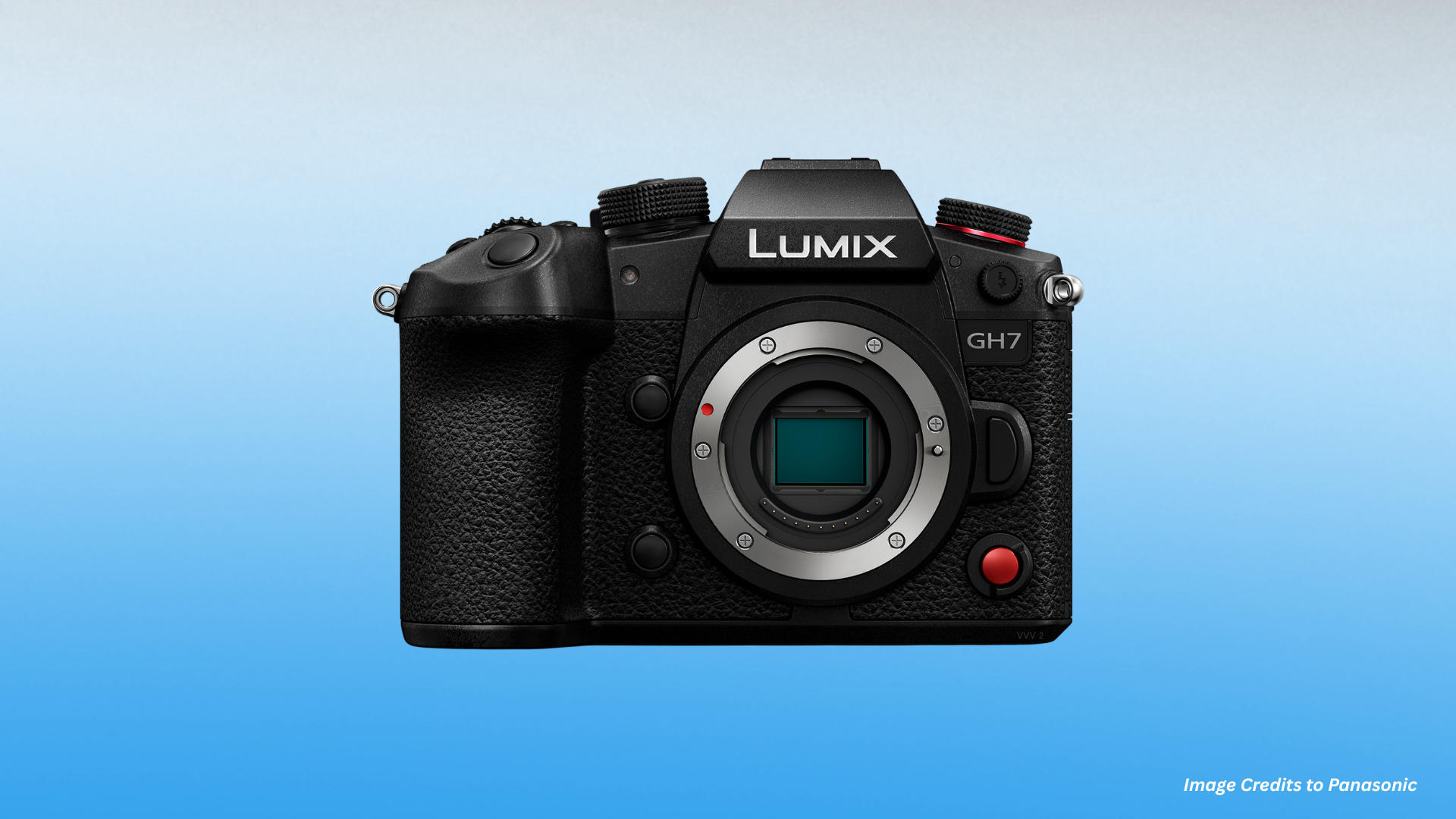
What makes this mirrorless camera special is its approach to overheating. Panasonic built in active cooling with a fan system that keeps everything running smoothly during marathon recording sessions. You can literally record for hours without thermal shutdowns.
The phase-detection autofocus finally brings the GH series up to modern standards. Subject detection works flawlessly for people, animals, and vehicles. Eye detection locks on and stays locked, even when subjects move unpredictably through the frame.
Professional video features include 32-bit float audio recording, real-time LUT application, and support for external recording devices. The fully articulating screen makes it perfect for solo creators who need to monitor themselves while recording.
Canon EOS R5 Mark II – Today’s Tech Monster (2024)
Canon’s EOS R5 Mark II represents everything that’s unbelievably good about modern mirrorless cameras. This 2024 release combines 45-megapixel resolution with features that would have seemed impossible just a few years back.
The new stacked sensor design lets this thing shoot continuously at speeds that’ll make your head spin. Sports photographers can fire off 30 frames per second while the autofocus stays locked on target. Two processors working together handle all that data without even breathing hard.
Canon’s latest autofocus system uses AI to track subjects better than anything we’ve seen before. Eye detection works on people, animals, and even cars. The system can recognize different sports and adjust how it tracks accordingly.

Video specs match what you’d find on professional movie cameras. The R5 Mark II records 8K at 30fps and 4K at 120fps. It handles 10-bit color recording internally without the overheating problems that made the original R5 frustrating to use.
But here’s the coolest part about this mirrorless camera. The Eye Control AF lets you pick focus points just by looking around in the viewfinder. It sounds like science fiction, but it actually works really well once you get used to it.
What Makes These Mirrorless Cameras Stand Out
Each camera on this list contributed something unique to photography. The Sony A7 kicked off the full-frame mirrorless revolution. The Fujifilm X-T1 proved that classic design principles still matter in the digital age. The OM System OM-1 Mark II shows that Micro Four Thirds can compete with larger sensors. Modern models like the Canon R5 Mark II show just how far technology has come.
Mirrorless cameras offer advantages that DSLRs simply cannot match:
- Electronic viewfinders show exactly what your exposure will look like
- Silent shooting modes let you capture candid moments without drawing attention
- In-body stabilization works with any lens you mount
- Compact size makes travel photography much more enjoyable
The lens ecosystems around these cameras keep getting better. Third-party manufacturers create excellent mirrorless lenses that often beat the brand-name options. Adapter compatibility means your vintage glass works perfectly on modern bodies.
Video capabilities in these mirrorless cameras rival dedicated video equipment. Content creators can shoot professional-quality footage without hauling around separate cameras. The lines between photography and videography keep getting blurrier.
How to Pick the Best Mirrorless Camera
Choosing from these legendary cameras depends on what you actually shoot. Portrait photographers might want high resolution and excellent color reproduction. Sports photographers need lightning-fast autofocus and burst speeds that won’t quit.
Budget plays a huge role in any camera decision. The original Sony A7 still delivers great results at used prices under $500. Modern flagships like the Canon R5 Mark II cost way more but offer cutting-edge features that might be worth it.
Lens selection influences how happy you’ll be with any mirrorless camera system long-term. Sony’s E-mount offers the widest selection of native and adapted lenses. Fujifilm’s X-mount provides excellent quality with that distinctive character photographers love.
Think about your main shooting style when deciding. Street photographers might prefer the compact X-T5 with those physical controls. Wedding photographers could really benefit from the low-light capabilities of the A7S III.
Where Mirrorless Cameras Are Headed
These eleven cameras represent the evolution of mirrorless technology over the past decade. Each model pushed some boundary and influenced future designs. The best mirrorless cameras combine serious technological innovation with practical usability that makes sense in real shooting situations.
Current trends point toward even more integration between photo and video features. Computational photography will become more important as processors get more powerful. Artificial intelligence will handle increasingly complex autofocus decisions automatically.
The mirrorless camera revolution that started with the Sony A7 shows zero signs of slowing down. These cameras prove that bigger definitely isn’t always better. Sometimes the best solution comes in the most portable package you can find.
Whether you pick a classic like the Fujifilm X-T1 or a modern powerhouse like the Canon R5 Mark II, these mirrorless cameras will help you capture the world exactly as you see it. The future of photography fits comfortably right in your hands.
See more from DIYPhotography.net on Google
Add DIYPhotography.net as a trusted source. This makes
our stories more likely to appear in your Google Search results.
 Add as a preferred source on Google

Darlene Lleno
Darlene Lleno brings a unique perspective to DIY Photography as someone who grew up surrounded by camera gear but chose words over lenses. With five years of writing experience, she specializes in photography content that’s both technically informed and genuinely passionate. Growing up with a photographer twin brother meant camera talk was everyday conversation in her household. While he mastered capturing moments, Darlene discovered she preferred being the subject and the storyteller behind the scenes. As a travel enthusiast and mother of two, she understands the importance of preserving life’s precious moments. When not exploring new destinations or writing for DIY Photography, you’ll find her reading or tending to her garden. Her approach to photography writing is refreshingly authentic, she may not be behind the camera, but she knows exactly what it takes to help others capture the shots that matter most.
Related Posts
 Nikon’s new mirrorless will actually be two new mirrorless cameras
 Panasonic confirms shifting away from compacts and low end cameras towards mirrorless video cameras
 Is There A Light Leak Epidemic With Today’s Mirrorless Cameras?
 Here’s how Sony Mirrorless cameras allow you to double your lens’ focal length without losing quality
Join the Discussion
DIYP Comment Policy
Be nice, be on-topic, no personal information or flames.
7 responses to “The Best Mirrorless Cameras of All Time”
How can you talk about “best mirrorless cameras of all time” without including Olympus / OM Systems, which has led the field with introducing groundbreaking innovations that are only now being copied by the full-frame manufacturers?
This article is a good analysis of the projection of where cameras might be leading but it stopped short of important historical facts. The mirrorless camera didn’t come crawling out from under a rock; it was the micro 4/3 cameras that first miniaturized the camera body, not Sony. it’s kind of an important fact that underscores important foundations in which all the major camera manufacturers followed suit.
What about the Canon m100? I see no mention of it at all I thought it was the first one it’s the one I’m stuck with i need help or maybe I should just sell it please advise
Joker
You can run down DSLR’s all you want, but I’ve got thousands of dollars tied up in my D800 & lenses, & I’m not about to change systems now. My system does everything & more than what I need. As soon as the market is flooded with mirrorless equipment, something else will come along, it’s a never ending stream of “the latest & greatest”. Feels good to be off the “wheel of progress”.
From an enthusiast’s perspective, the EM-1 is usable today and almost free. Notable “best in class” omissions: Sony rx100 VI and VII the ultimate pocket travel cameras with EVF, 1” sensor, manual controls and blazing autofocus; Sony a9, a now affordable wildlife enthusiast’s dream camera; Canon r7 with 600mm or 800mm prime options providing insane reach at low cost; Sony a7rIII with the same near perfect sensor as the legendary Nikon D850, according to dxO Mark.
Some of these mirrorless cameras may be small and light and great with a small prime or small zoom but paired with serious lenses they can be just as heavy and chunky as the old DSLR’s.