


















Europe Rising: Photographing a Continent One Sunrise at a Time with Nico Trinkhaus
Apr 21, 2026
Alex Baker
Alex Baker is a portrait and lifestyle driven photographer based in Valencia, Spain. She works on a range of projects from commercial to fine art and has had work featured in publications such as The Daily Mail, Conde Nast Traveller and El Mundo, and has exhibited work across Europe
Share:
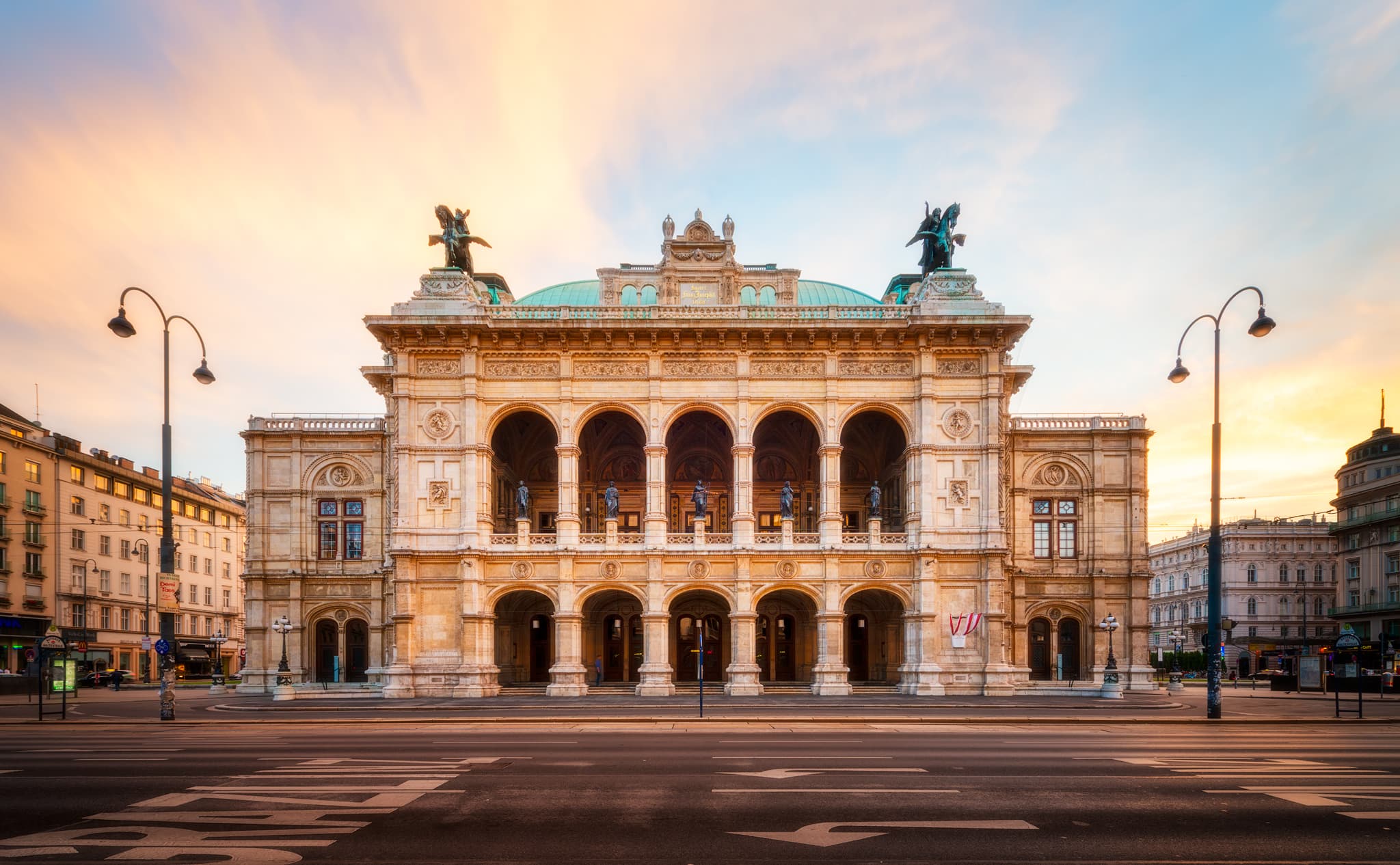
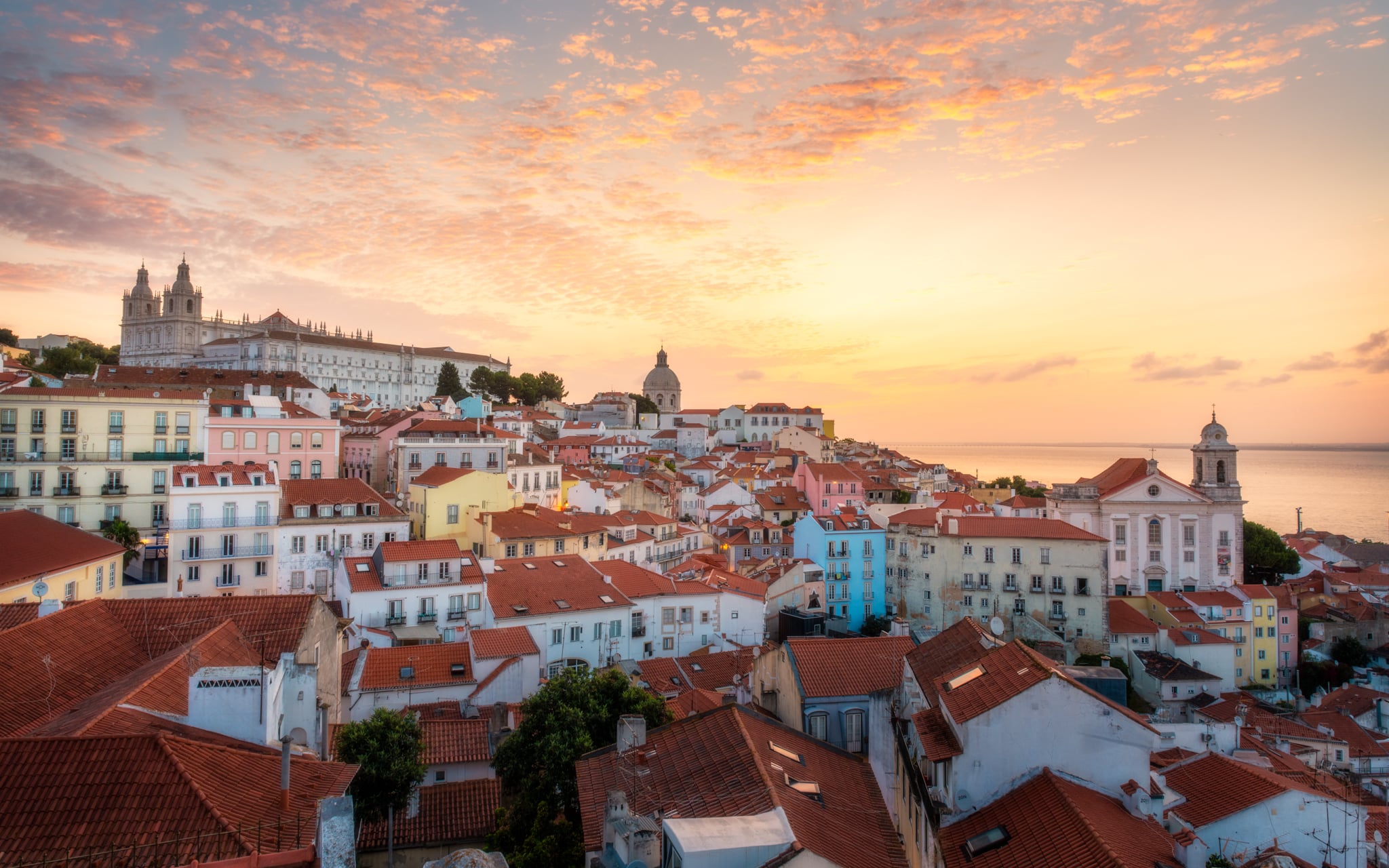
Most photographers are drawn to busy streets and peak moments of activity, but Nico Trinkhaus has taken a different approach, focusing instead on the quieter side of cities, particularly the brief window at sunrise when streets are empty, and the light is at its most even and controlled. In his ongoing project Europe Rising, he travels across Europe photographing cities at this time of day, capturing well-known locations without the usual crowds and distractions.
The project is also part of a longer-term goal to photograph every European country, gradually building a consistent visual record of the continent. Combined with his background in architectural and travel photography, and his unusual experience of having aphantasia, the result is a body of work that feels like a careful reconstruction of place, mood, and light, all anchored in a very specific window of time that most people rarely see. DIYP caught up with Nico and chatted about all things from rising at dawn to Brexit!
DIYP: Tell us a little about your photography background and how you got started
Nico: Photography found me through travel. When I turned 18, I was excused from the obligatory military service in Germany, and all my friends were off doing that. I had a year to myself, earned some money playing poker, and started taking cheap Ryanair flights around Europe with a point-and-shoot camera – just capturing memories for myself, no ambitions beyond that.
The real spark came during an exchange semester in Prague around 2010. I stumbled upon the work of photographers who were doing HDR photography of that city. Prague is such a stunning place to photograph, and seeing what they were doing with it fascinated me. I thought, “What if I combine travel, photography, and digital editing?” So I started learning. My girlfriend at the time – who became my wife – served as my first tripod, holding the camera still while I manually changed exposures on that little point-and- shoot. I got my first DSLR in 2011 and started a daily photo blog, uploading one image every day for months just to develop my skills.
The breakthrough came in 2013. I was on a fire escape balcony in Berlin, shooting the sunset over Alexanderplatz with another photographer, when a thunderstorm rolled in that wasn’t even in the forecast. We just kept shooting. I captured a lightning bolt striking the TV tower, and only later did my wife point out that standing on a rooftop with a metal tripod during a thunderstorm probably wasn’t the smartest idea. That photo went viral on 500px, got nominated for the Sony World Photography Awards, and suddenly, press agencies were calling. That was the moment I realised I could actually make a living doing this. I went full- time in 2014 and haven’t looked back.
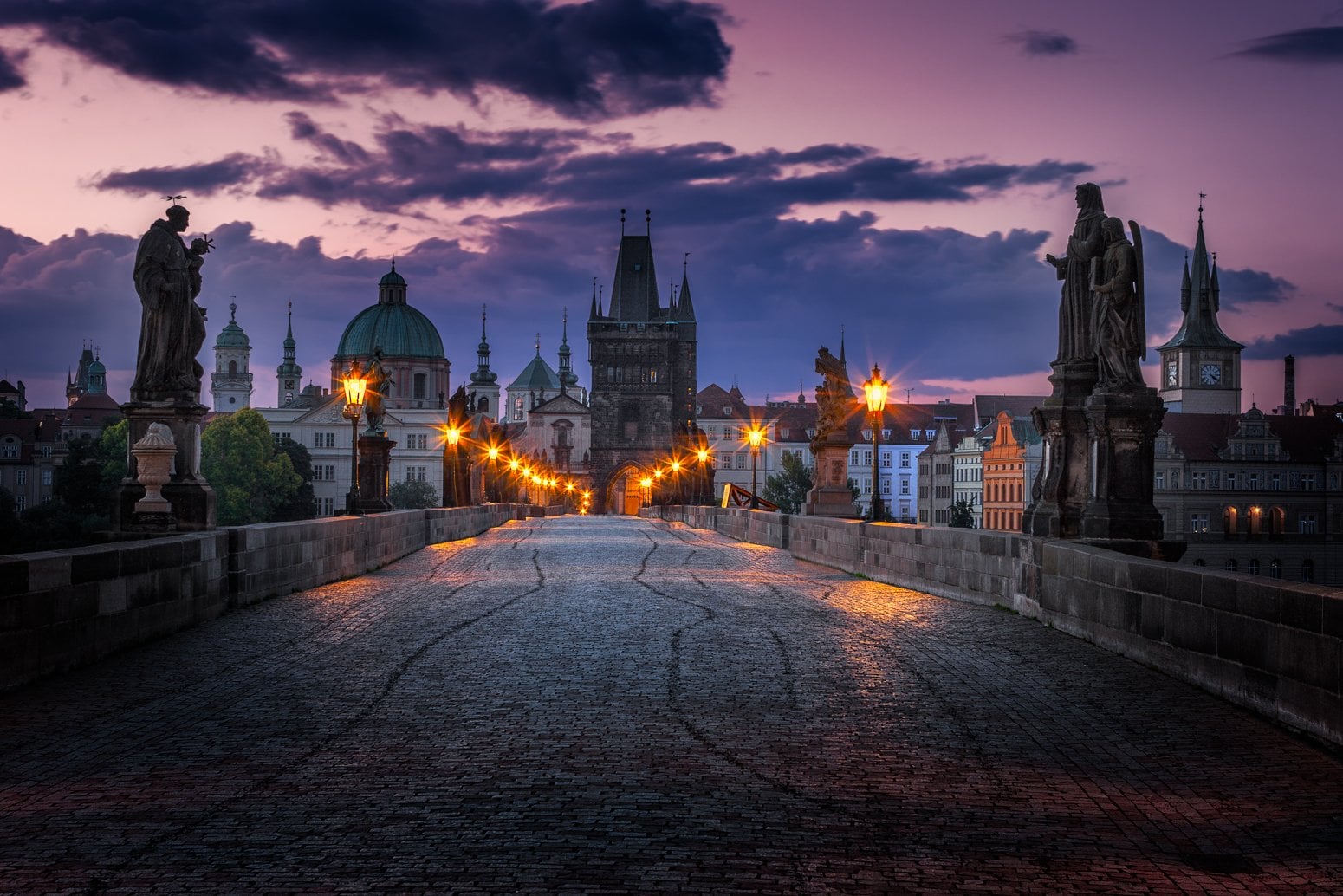
DIYP: Tell us about your project, Europe Rising. How did you get the idea for it, and how does shooting at sunrise add to the project?
Nico: Europe Rising came to me during the Brexit years, when there was so much negativity around the European Union in the media. I love Europe and I see myself as European more than I see myself as German. My wife is Polish, we met in the Czech Republic, and then we moved to Portugal – so the European spirit is very personal to me. I decided to put a positive notion on what makes Europe special, to put the negativity in perspective and say: actually, Europe can rise and be powerful if we are uniting.
The name has a double meaning. “Rising” is about Europe’s strength and unity, but it’s also literal – these are photographs taken at sunrise, when Europe is awakening, when the cities are waking up in those cold, quiet moments before life starts.
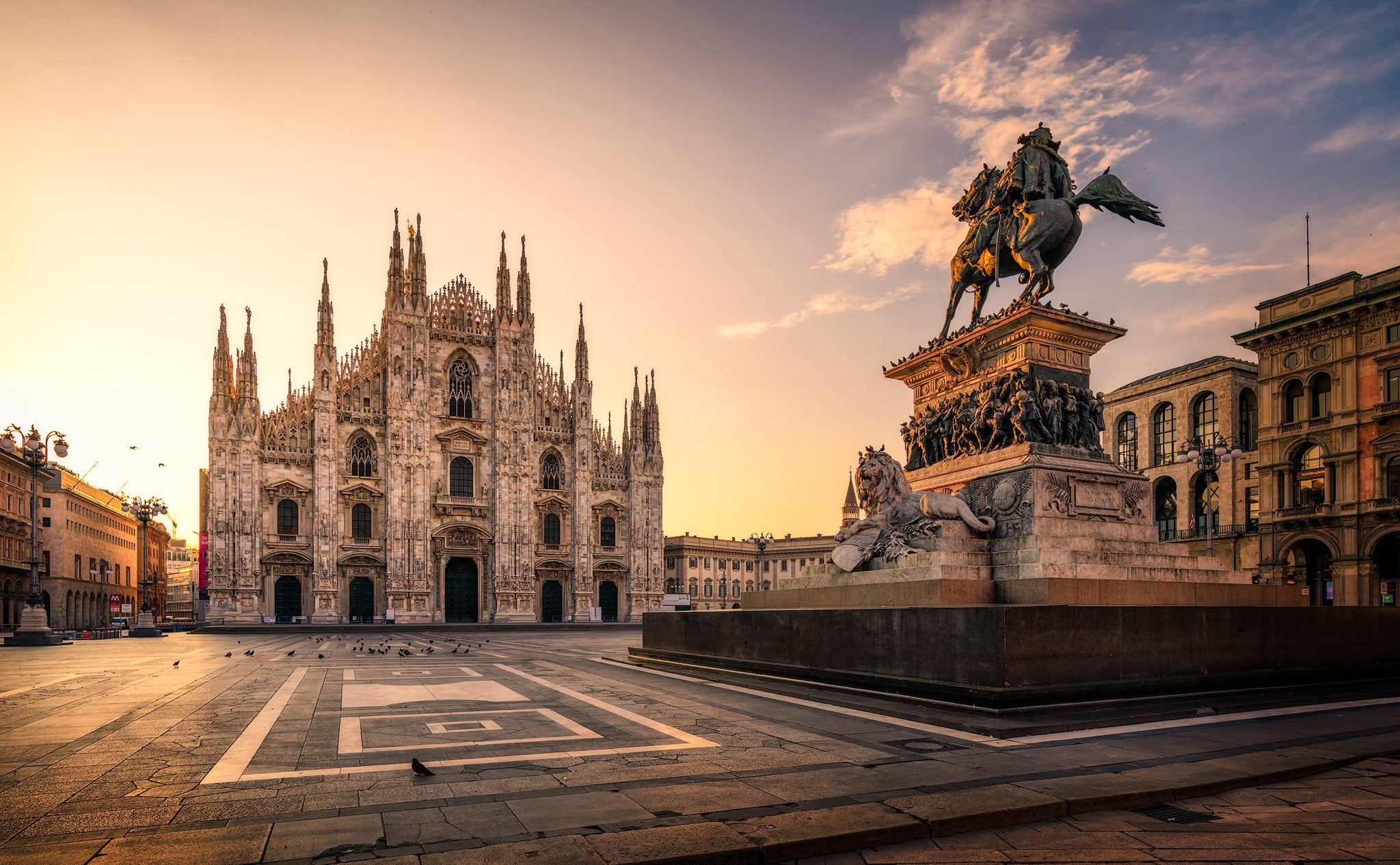
Shooting at sunrise adds something that no other time of day can give you. You get empty streets in places that are normally packed with tourists. You get a completely different atmosphere – peaceful, almost surreal. That is the feeling I want to create, which I call timeless travel photography. It lets you see a place as if time has stopped, and I think that does more justice to the architecture and history of these locations than photographing them in the chaos of midday.
world.
DIYP: How do you choose the locations you want to photograph and plan the shoots?
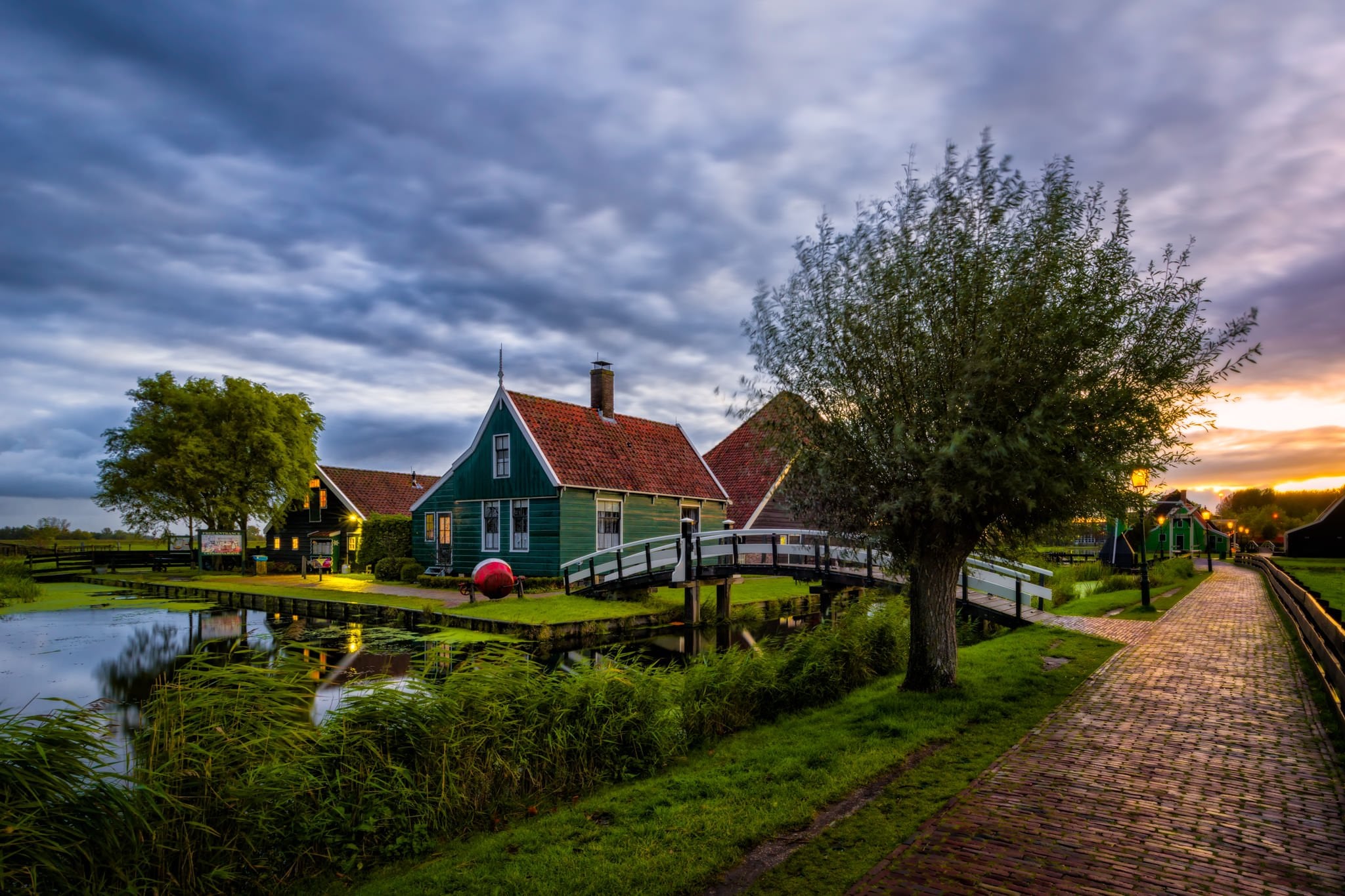
Nico: It’s a mix that has shifted over the years. In the beginning, I was just going out and looking for what was beautiful. Over the past five years, a much bigger part of my process is research. I try to read about the places I’m about to visit – sometimes historical fiction, sometimes actual history books – to get an understanding of what really makes a place. For example, last year I was again in Amsterdam. The first time I visited, I just thought: all
these channels are beautiful.
The second time, I had read a book about how Amsterdam developed, and suddenly I saw the merchant houses differently. I understood why the city is set up the way it is. That knowledge creates subtle shifts in composition – maybe I make sure a particular building is fully in the frame, not because it’s the most photogenic element, but
because it’s important to the story of that place.
So I usually arrive with a list of locations I want to see, built from that research. But once I’m there, I’m very flexible. I follow the light. I walk around and try to be present. Sometimes I photograph an important courthouse that nobody else would shoot, simply because I understand its significance. Other times, I abandon the plan entirely because the sunrise is doing something unexpected somewhere else.
For the technical planning – especially anything involving celestial alignments like a moon rising behind a landmark – I rely heavily on PhotoPills. Some of those shots require years of planning. I planned one single shot of the Warsaw skyline for six years before the conditions finally aligned.
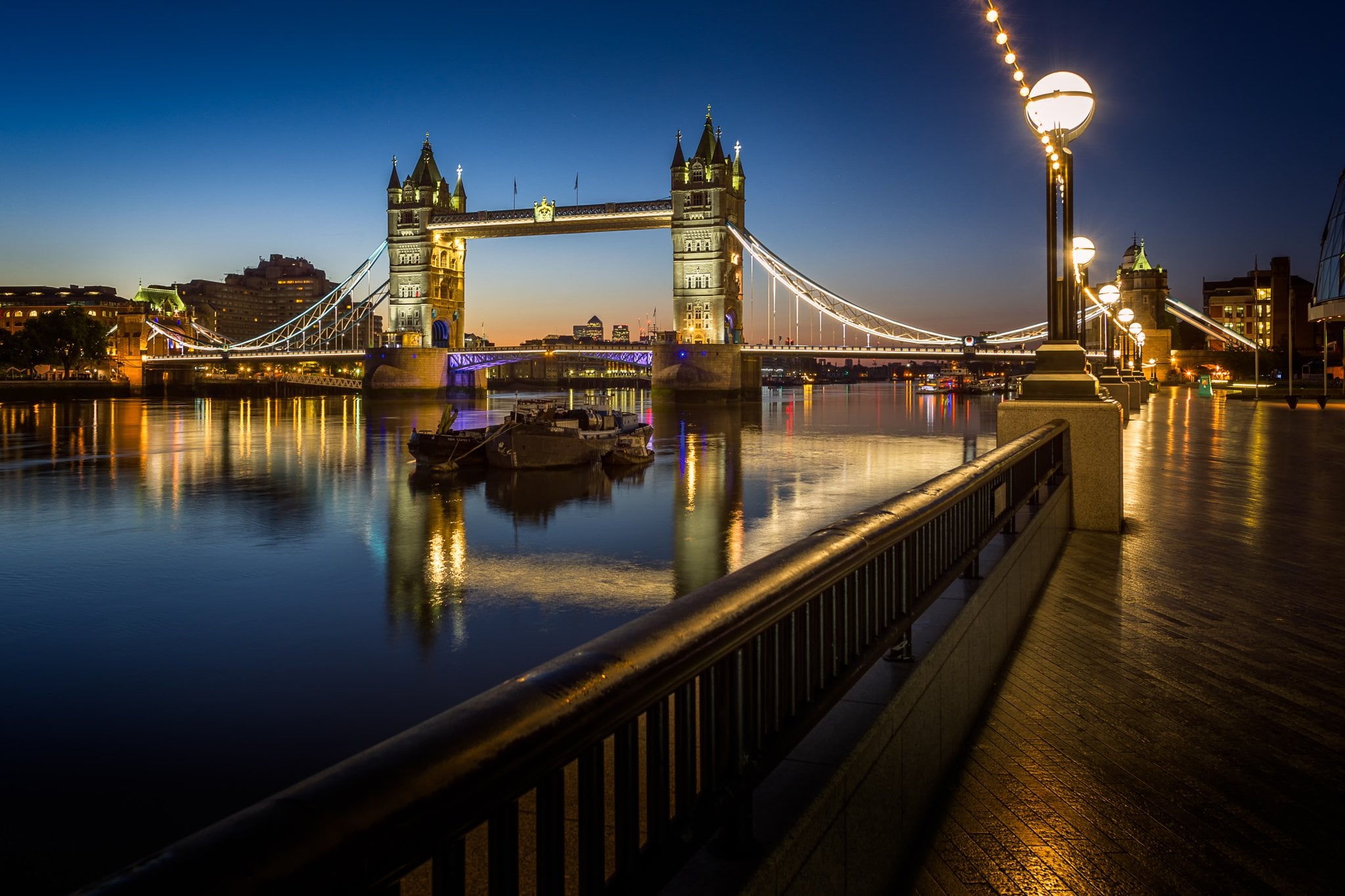
DIYP: How far along are you in the project? Where do you still have to photograph, and which cities have been your favourite locations so far?
Nico: Europe Rising is probably my lifelong project. I’ve photographed more than 130 locations across 30 countries so far, with the strongest coverage in Portugal, Germany, Spain, Italy, and Poland. I’ve covered 21 out of the 27 European Union countries, still missing Finland, Latvia, Estonia, Malta, Slovenia, and Belgium. But Europe has so many regions – not just the major capitals, but the places an hour’s drive from a capital that most people have never heard of. I want to get into every corner, including what’s off the beaten path.
If I had to pick one favourite, which is really hard, I would go with Bulgaria. That country is not only extremely beautiful and completely undervalued when it comes to tourism, but when I was there, I felt a very strong European spirit. People there were almost underselling themselves, feeling like they’re the outsiders of Europe. I looked at that and thought: Why do you keep saying that? I could see how they push towards integration, towards becoming a
full part of the European Union, and the strength of that purpose was beautiful to witness – especially in contrast to other parts of Europe where people were saying they wanted to get out. Bulgaria has become, after Portugal where I chose to live, probably my second favourite country. I’ve been back three times already as part of the project.
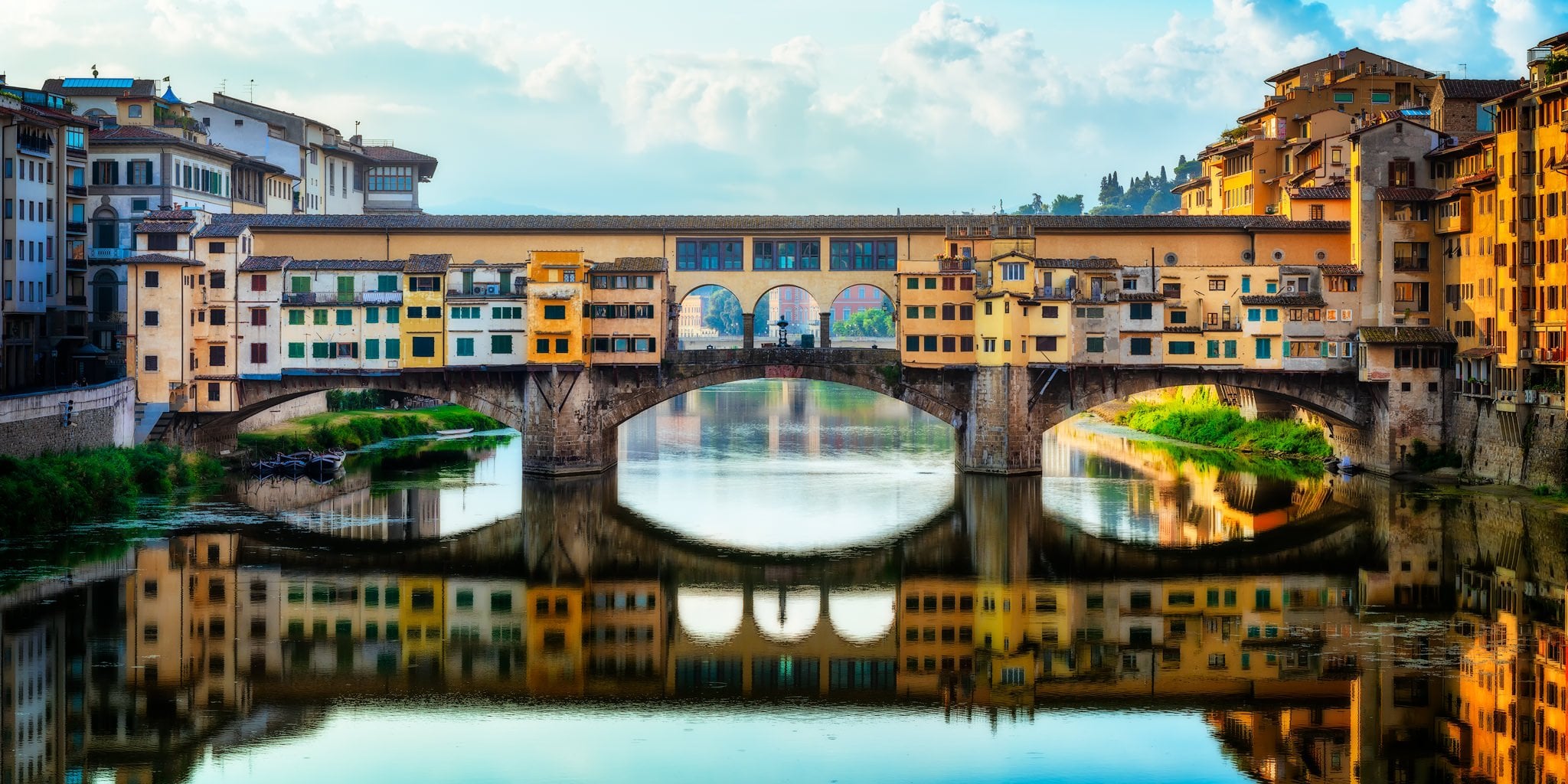
DIYP: Do you ever feel like the project has changed how you personally experience cities when you’re not shooting?
Nico: Yes, absolutely. It is hard for me to walk through cities nowadays without having shots in mind. I try to read a lot about the places I’m visiting, so I have the history in the back of my mind even when I’m just walking around. I try to stay in the moment and not just think about shots, but I’ll be honest – it is difficult.
The bigger change, though, is that I now look at cities with an awareness of what connects them to other places across Europe. I’ll be in a Portuguese village and notice architectural details that remind me of something I saw in Bulgaria or Poland. The project has trained my eye to see those threads – the shared influences, the patterns that run across cultures. Once you start seeing that, you can’t really unsee it.
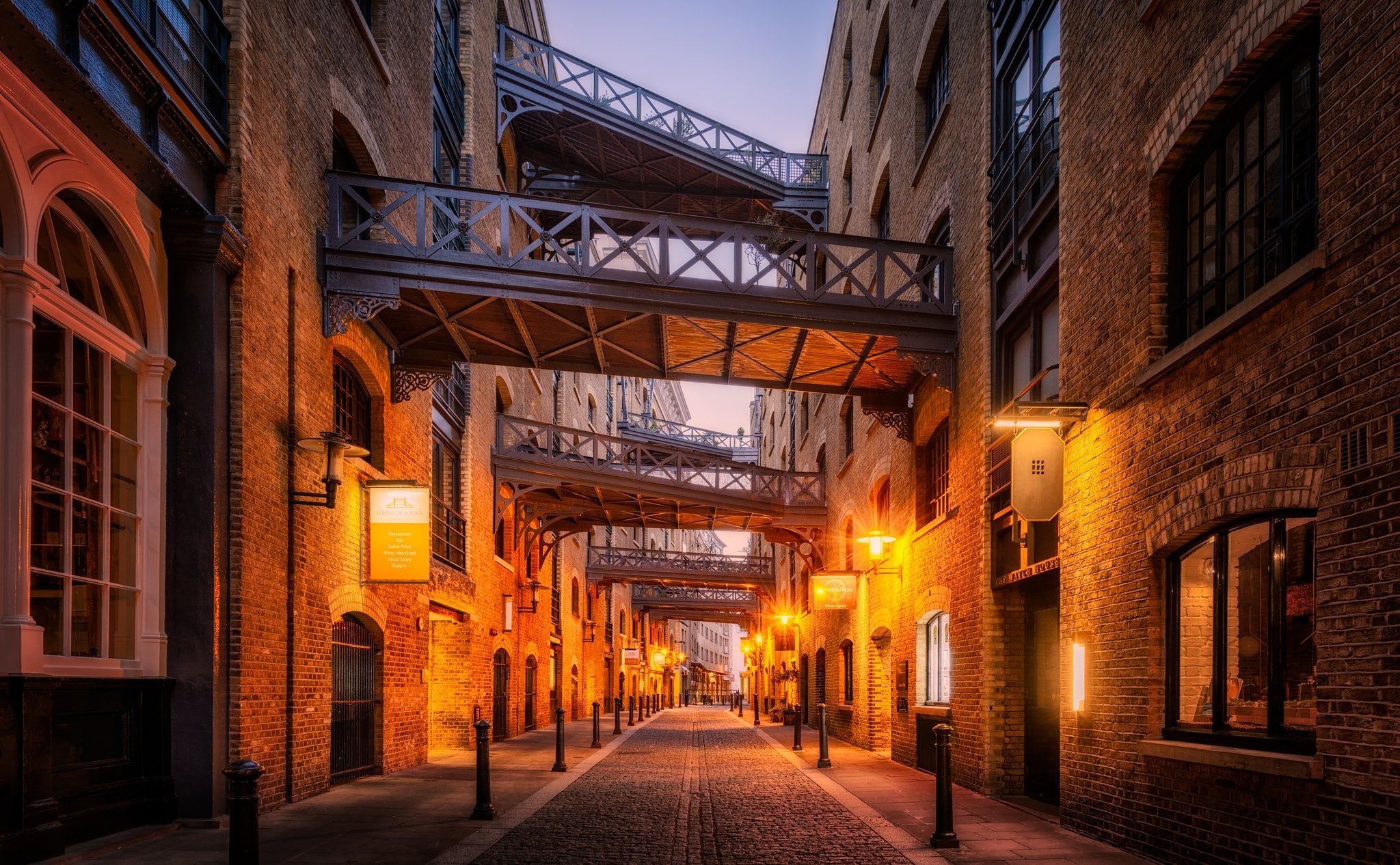
DIYP: Your work has a very consistent look and atmosphere. How intentional is that aesthetic versus something that developed naturally over time?
Nico: It developed naturally, and then I became intentional about protecting it. In the beginning, I was doing HDR photography – very textured skies, hyper-realistic tones. If you look at my work from 2011 to 2015 and compare it to now, there’s a clear shift. The early work was about making images look dramatic.
The current work is about subtlety, about letting the composition and the natural light carry the image. What stayed consistent from the very beginning is the time of day. I’ve always been drawn to early mornings – the empty streets, the warm light, the stillness. That wasn’t a branding decision; it was just what I loved. And because I kept shooting at the same time of day for years, a consistent colour palette naturally emerged: warm oranges and golds for sunrise, deep blues for the moments before dawn.
Where it became intentional was in the post-processing. Over time, I developed a specific approach to dodge and burn, to how I guide the viewer’s eye through the image. I process one photo at a time, sometimes weeks, months or even years after the trip, and I think that slow, deliberate process is part of what gives the work its consistency. I’m not batch-editing hundreds of images from a trip – each one gets its own attention.
DIYP: What’s your typical setup for these sunrise shots (gear, lenses, and settings)?
Nico: For me, the most important thing was always to have the best available ultra-wide-angle lens. That decision actually drove every camera body switch I’ve made. I started on Canon because, on a budget, they had the best wide-angle option. When I moved to full-frame, I switched to Nikon specifically to get the famous 14-24mm lens.
I also started using the Nikon 19mm tilt-shift, which works incredibly well in cityscape environments – it lets you correct converging verticals and create a perspective that feels true to how your eyes experience a building.
Then when I went mirrorless, I switched again – to Sony, because the 12-24mm is in my opinion, the best ultra-wide on the market, and I can still use the Nikon tilt-shift with an adapter. I also carry a 100-400mm lens with a 1.4x teleconverter for when I have a chance to line something up with the moon. It’s heavy, but often worth it.
DIYP: Are there architectural styles or regions in Europe that you find particularly inspiring to shoot? How do you approach photographing well-known landmarks in a way that still feels fresh?
Nico: I’m drawn to places where you can feel the layers of history – where different eras of architecture sit next to each other. Bulgaria is fantastic for this: you have Roman ruins, Ottoman mosques, and Soviet-era buildings all in the same frame. The Iberian Peninsula, where I live, has a similar richness – Moorish, Gothic, Baroque, all woven together.
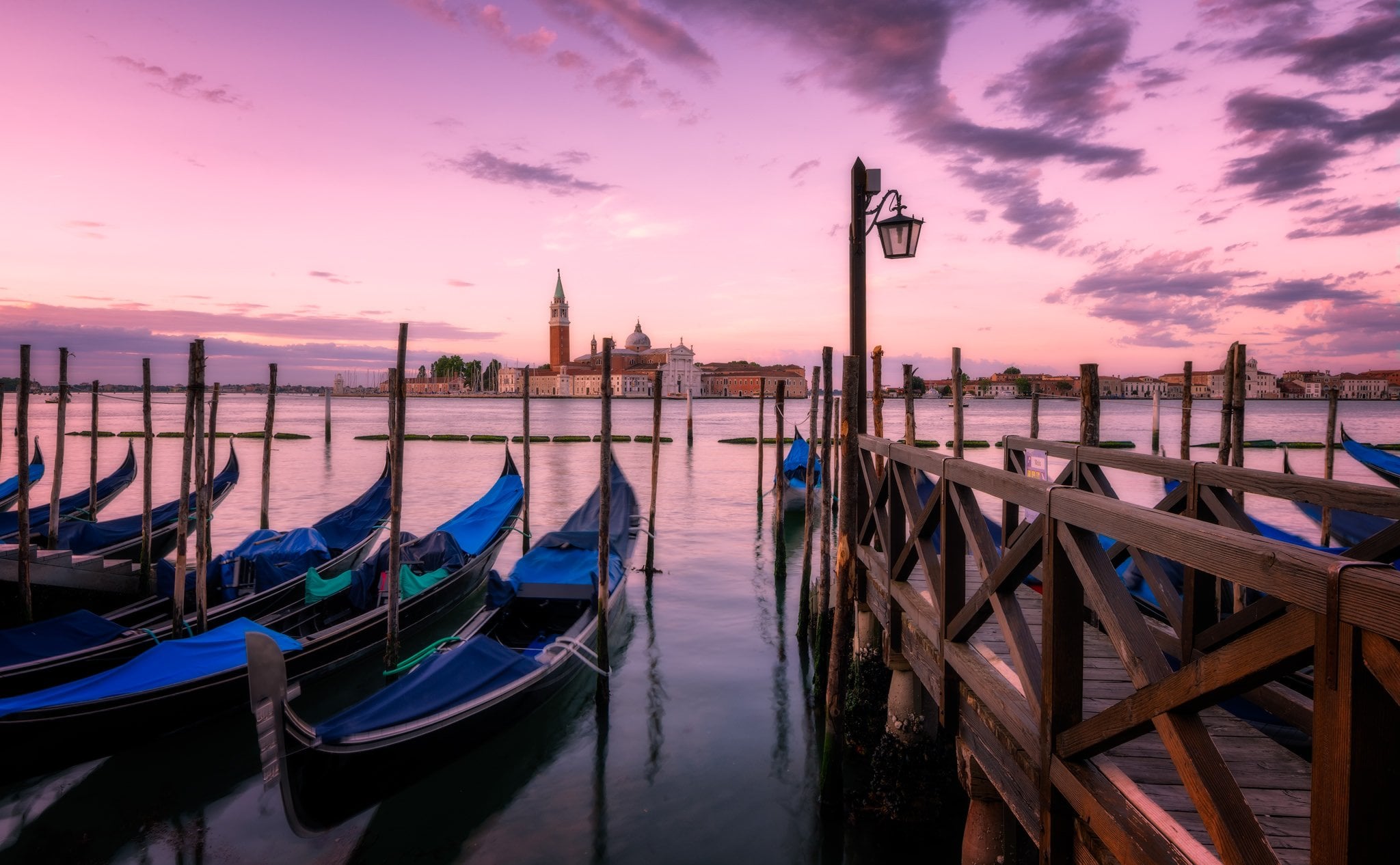
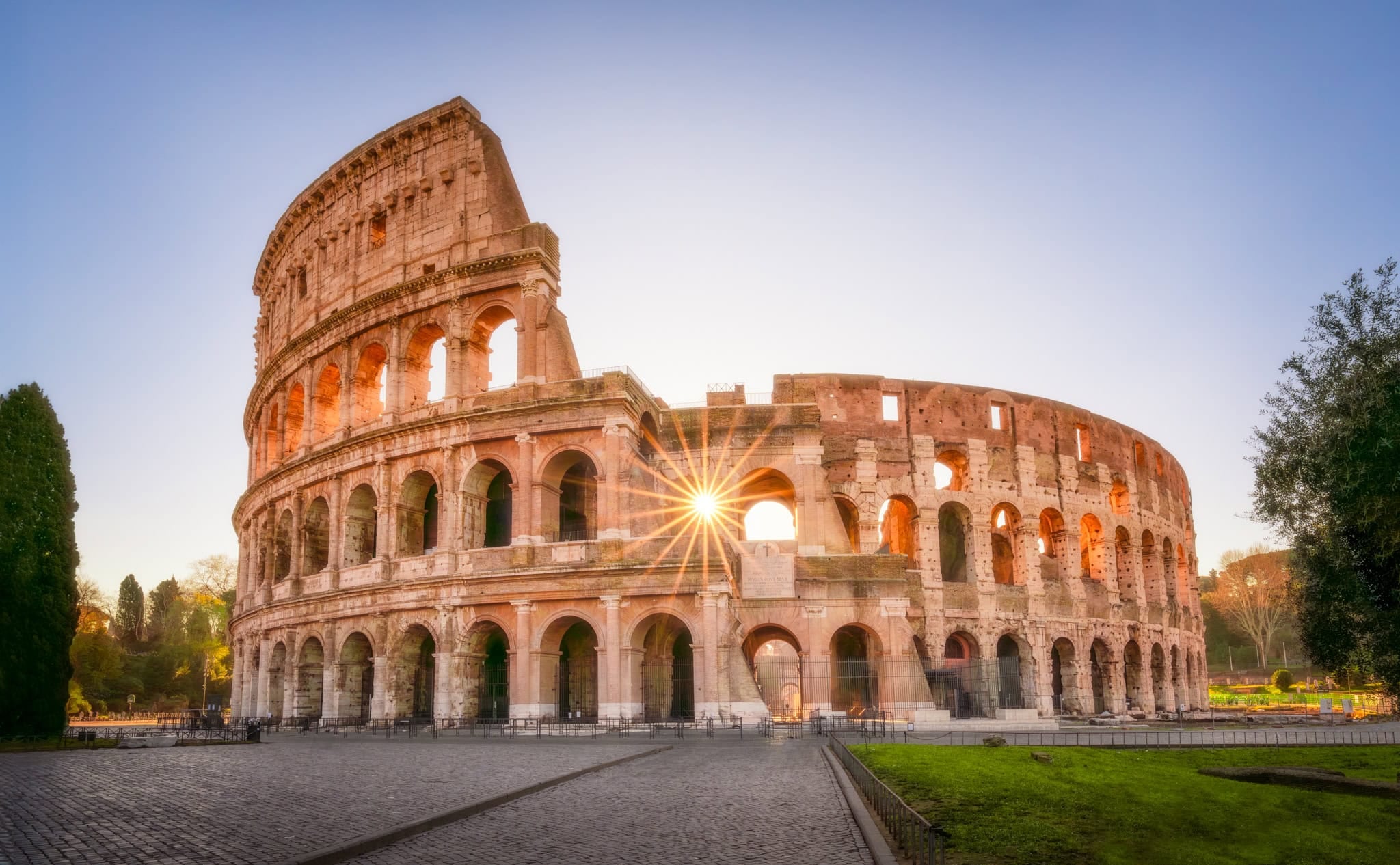
For well-known landmarks, the answer is almost always: show up when nobody else does. Piazza del Campo in Siena, St. Mark’s Basilica in Venice, the Colosseum in Rome – I’ve photographed all of these completely empty at sunrise. That emptiness transforms a landmark. You’re not documenting a tourist attraction anymore; you’re revealing the space as the architects intended it to be experienced. Frequently, I then try to get something special out of the scene such as visiting it at a time of the year when you can catch it with a sunstar, or similar elements that may make the shot stand out.
DIYP: What advice would you give photographers trying to avoid cliché travel shots?
Nico: Focus on your own work. I know that sounds cliché in itself, but the single biggest shift I made was to stop comparing my images to what others were producing. When I started teaching workshops, I saw how different photographers interpret the exact same scene in completely different ways. That was liberating – it showed me that your perspective is already unique if you let it be.
Beyond that: Pay attention to what speaks to you. What do you notice? What seems important to you? Capture that. It’s yours. Trust me, we all see it differently.
DIYP: You’ve spoken about having congenital aphantasia. How does that shape the way you approach photography? Without the ability to visualise scenes in your mind, how do you plan compositions ahead of time?
Nico: I call it “mind blindness” – it’s easier to grasp. I didn’t even know I had it until about five or six years ago. My wife and I were doing a visualisation exercise together, and she described seeing herself from the outside, spinning around, pointing in a direction. I said, “What do you mean, you see yourself?” That was the first time I realised that when other people say “visualise,” they literally see an image.
When I close my eyes and think of a beach, I see black. I have abstract concepts, but no pictures. About one or two per cent of the population has this condition. You don’t necessarily know, because how would you know that this is not normal if you lived with it all your life?
It impacts my photography in a fundamental way. I don’t go into a scene with a previsualised image in my head. I show up and absorb what’s there. In a way, I think it actually helps – it removes ego and preconception from the process. I try to be a vessel, taking in what’s in front of me and bringing it into the photograph through my camera and the skills I’ve developed, rather than trying to force reality to match something I imagined.
For planning, I rely on research and tools rather than mental imagery. I study maps, use PhotoPills for sun and moon positions, and read about the locations. I arrive with a list of places I want to see, but the actual composition happens in the moment – it’s a response to the light and the space, not a recreation of something I pictured beforehand.
The other side of it is that photography quite literally is my visual memory. I cannot recall my trips visually – the images just fade over time without the photographs. I have a rotating display on my wall showing images from my travels, and that’s how I travel back in time. For me, every photograph is an act of preservation. It’s not just art – it’s the only way I get to keep those memories.
You can see more of Nico’s work on his website or follow him on Instagram.
All photos credit @Nico Trinkhaus /www.sumfinity.com
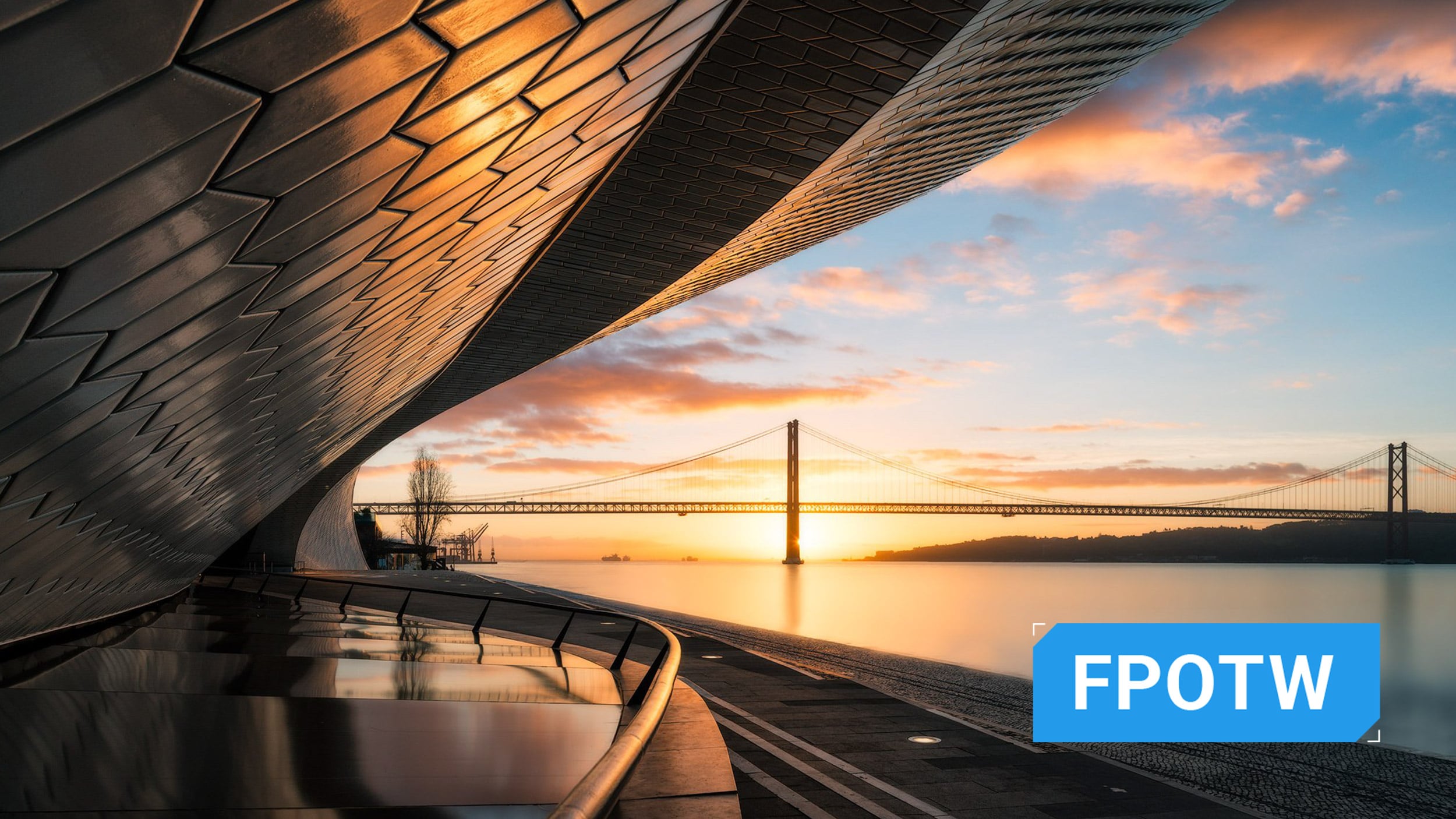
Cover Image: The MAAT (Museum of Art, Architecture and Technology) in Lisbon, captured at sunrise
along the Tagus River.
See more from DIYPhotography.net on Google
Add DIYPhotography.net as a trusted source. This makes
our stories more likely to appear in your Google Search results.
 Add as a preferred source on Google
Alex Baker
Alex Baker is a portrait and lifestyle driven photographer based in Valencia, Spain. She works on a range of projects from commercial to fine art and has had work featured in publications such as The Daily Mail, Conde Nast Traveller and El Mundo, and has exhibited work across Europe



Join the Discussion
DIYP Comment Policy
Be nice, be on-topic, no personal information or flames.