


















Think The 50mm Lens is Boring? Think Again. Here’s How to Get the Most Out of It
May 27, 2026
Alex Baker
Alex Baker is a portrait and lifestyle driven photographer based in Valencia, Spain. She works on a range of projects from commercial to fine art and has had work featured in publications such as The Daily Mail, Conde Nast Traveller and El Mundo, and has exhibited work across Europe
Share:
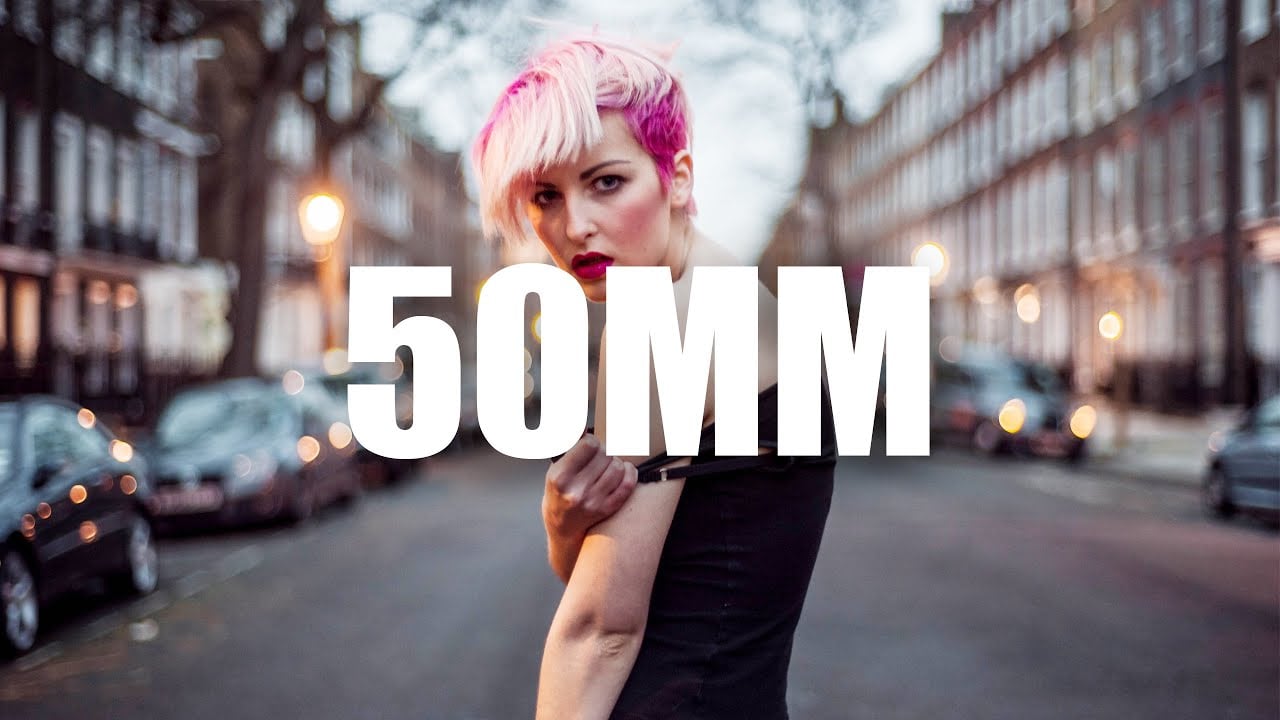
If you were to ask me to only use one prime lens for the rest of my life, my choice would be simple: the 50mm. It was probably the first fast prime lens I bought after getting tired of the kit lens that came with my first Canon DSLR. It was just a cheap nifty-fifty, but suddenly I felt like a pro. Of course, since then, I’ve branched out to other focal lengths and even a few zoom lenses, but I still hold a fondness for the 50mm.
However, according to portrait photographer Martin Castein, many photographers give up on using the 50mm lens, thinking of it as a ‘starter prime’, often thinking of it as a bit boring. In his opinion (and mine), that couldn’t be further from the truth. In this video, Martin talks about why you should give the 50mm lens a rethink if you don’t tend to use it much.
The problem most people have with 50mm photos
One of the first things Martin points out is how easy it is to make 50mm shots look slightly “off” without realising why. A common mistake is tilting the camera downwards very slightly when shooting portraits. It’s subtle, but with a 50mm lens, those tiny perspective shifts become quite noticeable. The viewer might not consciously spot the issue, but it can make the image feel awkward or distorted.
Martin’s solution is simple, and that’s to keep the camera level with the subject whenever possible. That means getting the lens roughly at eye level and keeping the sensor plane straight instead of angling downwards. Yes, you can try fixing perspective later in Lightroom, but Martin argues it’s always better to get things right in-camera rather than stretching and warping the image in post. It’s one of those small details that makes a bigger difference than you’d expect.
If you want drama, get lower
Martin also talks about using height to create more depth and impact with a 50mm. In his opinion, most photographers don’t go nearly far enough. Slightly crouching isn’t enough. If he wants a more dramatic image, he’s getting properly low, like kneeling on the ground or dropping the camera close to floor level. Bizarrely, I realise that I do this a lot too when I’m shooting, also, you get a great workout!
In one example from the video, Martin photographs a model standing in the road with the camera positioned around waist height. The lower angle exaggerates the leading lines of the road and gives the scene much more depth and scale than a standard eye-level shot would. The important part is that the camera still stays level.
That combination of a low angle but flat sensor plane helps create a deliberate cinematic look rather than an accidental perspective problem. Interestingly, Martin says this is where mirrorless cameras really shine. Flip-out screens make it far easier to shoot from awkward low angles without having to lie face down on the pavement trying to see through a viewfinder.
Getting cinematic shots without an 85mm
Martin also demonstrates how he uses a 50mm lens for tighter, more cinematic-looking portraits by changing his distance rather than changing lenses. In one example, he moves extremely close to his subject, almost uncomfortably close, while keeping the camera perfectly level with the subject’s eyes. Because the perspective stays flat, the image still looks natural, but the closeness creates a much more intimate feel.
The background also plays a huge role here. He deliberately keeps plenty of distance between the model and the background, allowing the 50mm to produce softer blur and more separation. It’s a good reminder that shallow depth of field isn’t just about shooting wide open at f/1.4. Subject-to-background distance matters just as much, if not more.
Why shooting with one lens can help you
Martin also touches on something a lot of photographers eventually discover: limiting your gear can make you more creative. With a 35mm and 85mm setup, it’s easy to stand in one spot and switch between focal lengths. A 50mm doesn’t really let you do that. You have to physically move around more, rethink compositions, and engage with the scene differently.
Instead of constantly thinking about which lens to switch to next and wasting time swapping out lenses or being lazy with a zoom, you spend more time focusing on composition, timing, and perspective. Over time, that tends to improve your photography far more than endlessly buying new gear ever will.
Like me, Martin says if he could only keep one lens, it would probably still be a 50mm. Not because it’s the most exciting lens on paper, but because it can handle almost everything once you learn how to use it properly. Watch the whole video below:
See more from DIYPhotography.net on Google
Add DIYPhotography.net as a trusted source. This makes
our stories more likely to appear in your Google Search results.
 Add as a preferred source on Google

Alex Baker
Alex Baker is a portrait and lifestyle driven photographer based in Valencia, Spain. She works on a range of projects from commercial to fine art and has had work featured in publications such as The Daily Mail, Conde Nast Traveller and El Mundo, and has exhibited work across Europe


Join the Discussion
DIYP Comment Policy
Be nice, be on-topic, no personal information or flames.