























Best 360 Cameras of 2025: Reviews and Buying Guide
Sep 9, 2025
Darlene Lleno
Darlene Lleno brings a unique perspective to DIY Photography as someone who grew up surrounded by camera gear but chose words over lenses. With five years of writing experience, she specializes in photography content that’s both technically informed and genuinely passionate. Growing up with a photographer twin brother meant camera talk was everyday conversation in her household. While he mastered capturing moments, Darlene discovered she preferred being the subject and the storyteller behind the scenes. As a travel enthusiast and mother of two, she understands the importance of preserving life’s precious moments. When not exploring new destinations or writing for DIY Photography, you’ll find her reading or tending to her garden. Her approach to photography writing is refreshingly authentic, she may not be behind the camera, but she knows exactly what it takes to help others capture the shots that matter most.
Share:
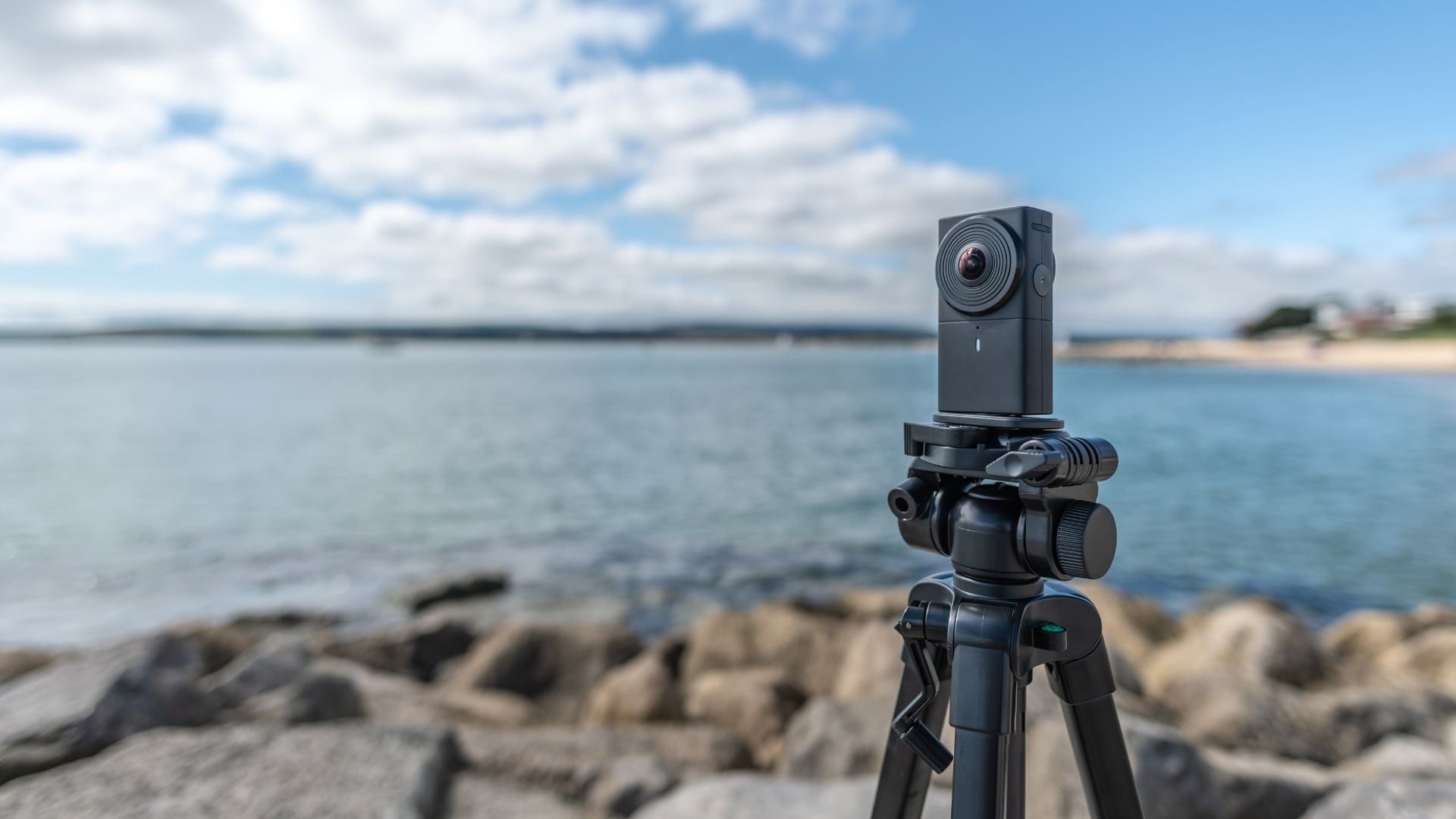
The best 360 cameras of 2025 deliver incredible 8K recording, advanced stabilization, and user-friendly editing apps that make immersive photography accessible to everyone. This year’s lineup includes standout models from Insta360, DJI, and GoPro, each offering unique features for different budgets and needs.
These cameras have come a long way from the clunky devices of previous years. Today’s 360 cameras produce stunning 8K video, work seamlessly with intuitive apps, and handle challenging conditions that would have stumped earlier generations. Whether you’re creating professional content or exploring immersive photography for the first time, there’s a 360 camera that matches your requirements.
The competition has intensified significantly in 2025. Insta360 continues pushing boundaries with their X5 flagship, DJI entered the market with their impressive Osmo 360, and GoPro is preparing to launch updated models later this year.
Why 2025 Is Different for 360 Photography
Three major developments make 2025 special for 360 cameras. First, image quality reached new heights with 8K recording that maintains detail even when reframed to standard video. Second, editing software became genuinely user-friendly, with apps that make creative editing enjoyable rather than frustrating. Third, more social media platforms finally provide proper 360 content support, so your footage displays correctly when shared.
The cameras themselves gained significant intelligence. They handle complex lighting situations better, feature stabilization that works like magic, and some models include replaceable lenses to protect your investment. Battery life improvements mean extended shooting sessions without constant power anxiety.
Top Picks for Best 360 Cameras of 2025
These 360 cameras, released in 2025, offer distinct advantages and deliver excellent results, making 360 photography accessible and enjoyable.
1. Insta360 X5: The Premium Choice
The Insta360 X5 stands as the best overall 360 camera available in 2025. Recording 8K video at 30fps with impressive quality, this camera features larger 1/1.28″ sensors that deliver significantly better low-light performance compared to previous generations.
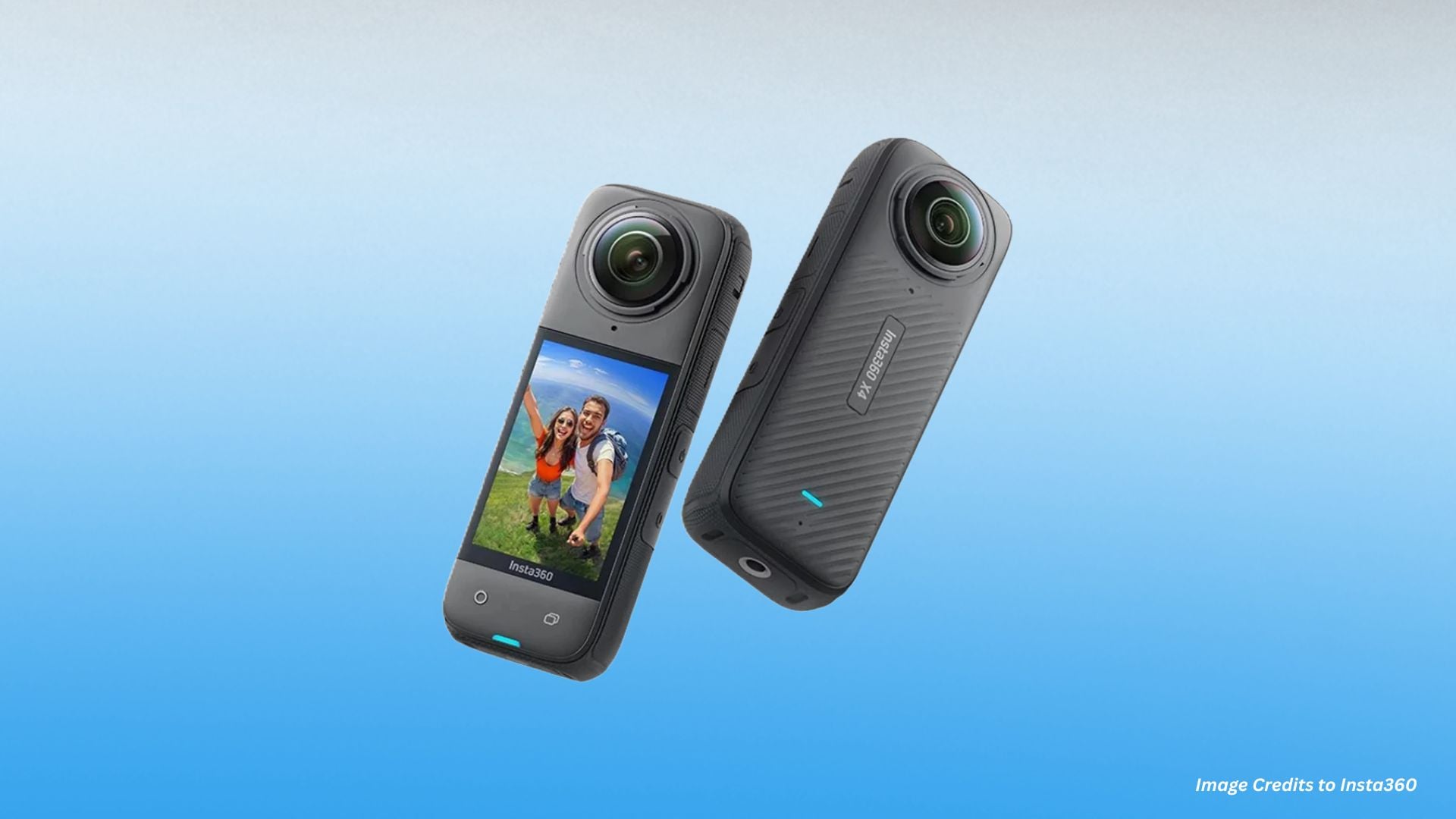
The X5’s breakthrough feature is its replaceable lens system. When a lens gets damaged, you can swap it out instead of replacing the entire camera. This innovation could save hundreds of dollars over the camera’s lifetime.
Key advantages of the X5:
- Native 8K recording with sharp detail retention during reframing
- Superior low-light performance for indoor and evening shooting
- PureVideo AI mode that automatically enhances footage
- Extended battery life up to 208 minutes in Endurance Mode
- Professional-grade stabilization for smooth results
The X5 excels in challenging situations where other cameras struggle. Portrait photography in difficult lighting benefits from the advanced sensors. Fast-action scenes remain watchable thanks to excellent stabilization. Low-light photography becomes genuinely usable with the improved sensor technology.
Editing through Insta360’s app remains industry-leading. Features like invisible selfie stick effects and AI-assisted framing work seamlessly, feeling almost magical in operation.
Best for: Content creators requiring top quality, travelers shooting in varied conditions, and professionals creating immersive content.
Price: $549.99
2. Insta360 X4: The Value Leader
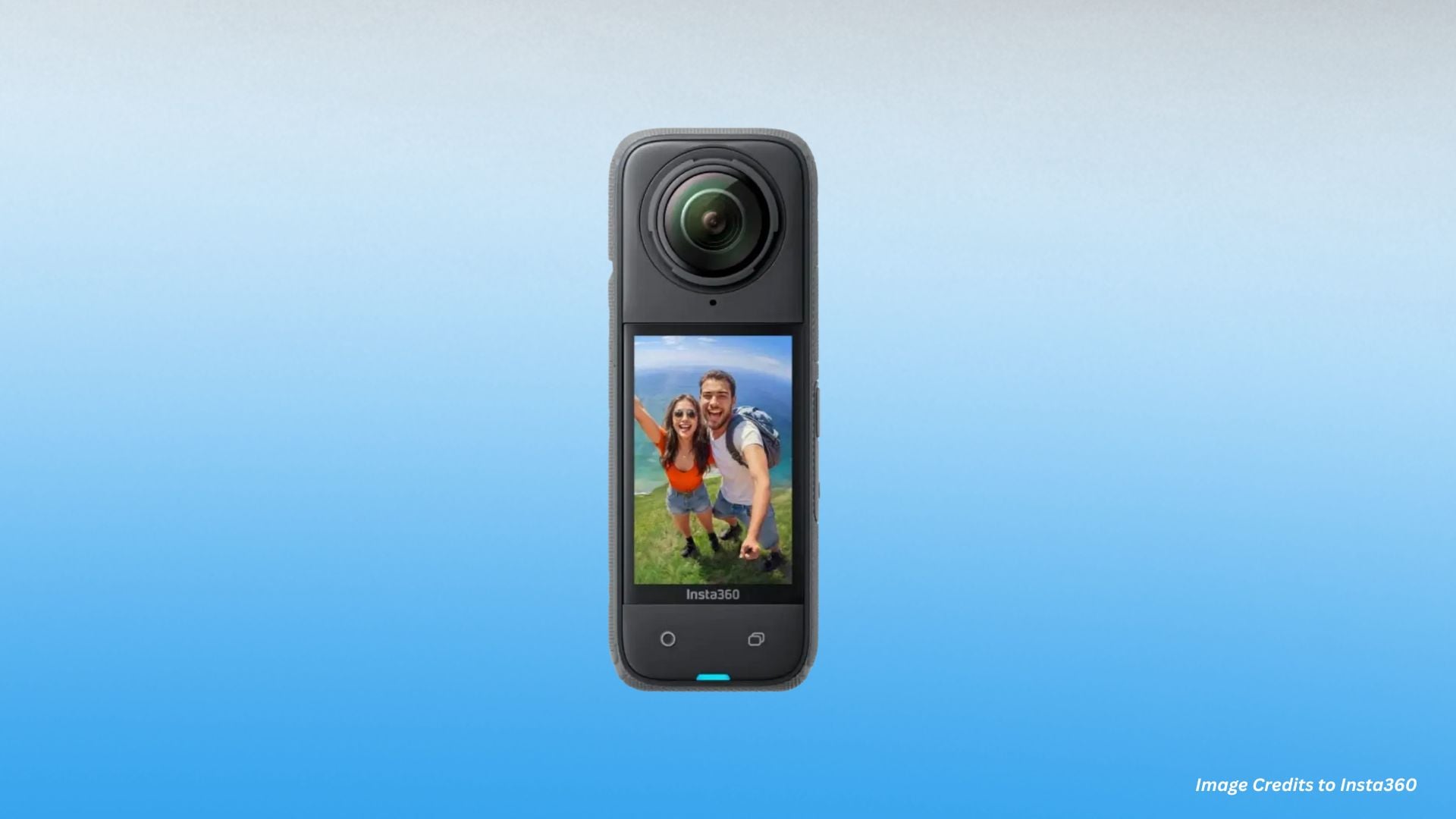
The X4 delivers 8K recording at a more accessible price point. For most users, this represents the sweet spot between features and cost, missing little compared to the X5 while providing excellent value.
The X4’s versatility shines through its dual recording modes. It captures full 360 video while also functioning as a traditional action camera when needed. The MeMode feature creates floating camera shots in standard 16:9 format, opening creative possibilities that were previously complex.
Why people choose the X4:
- 8K video at competitive pricing
- Extended battery life (135 minutes at 5.7K30fps, 75 minutes at 8K30fps)
- Waterproof design rated IPX8
- Excellent mobile app for on-the-go editing
- Solid construction for regular use
Performance versus price analysis shows the X4 hitting the optimal balance. You get professional-quality results without flagship pricing, making it ideal for serious hobbyists wanting excellent features within reasonable budgets.
Price: Starting around $499
3. DJI Osmo 360: The Technical Leader
DJI’s first 360 camera brings their drone expertise to ground-based shooting. The Osmo 360 features large sensors that capture 120-megapixel stills and 8K video. For a debut product, it’s surprisingly competitive with established players.
The significant advantage lies in DJI ecosystem integration. Users familiar with DJI drones or gimbals will find the interface intuitive. HorizonSteady technology and stitching algorithms produce remarkably smooth results, even during active movement.
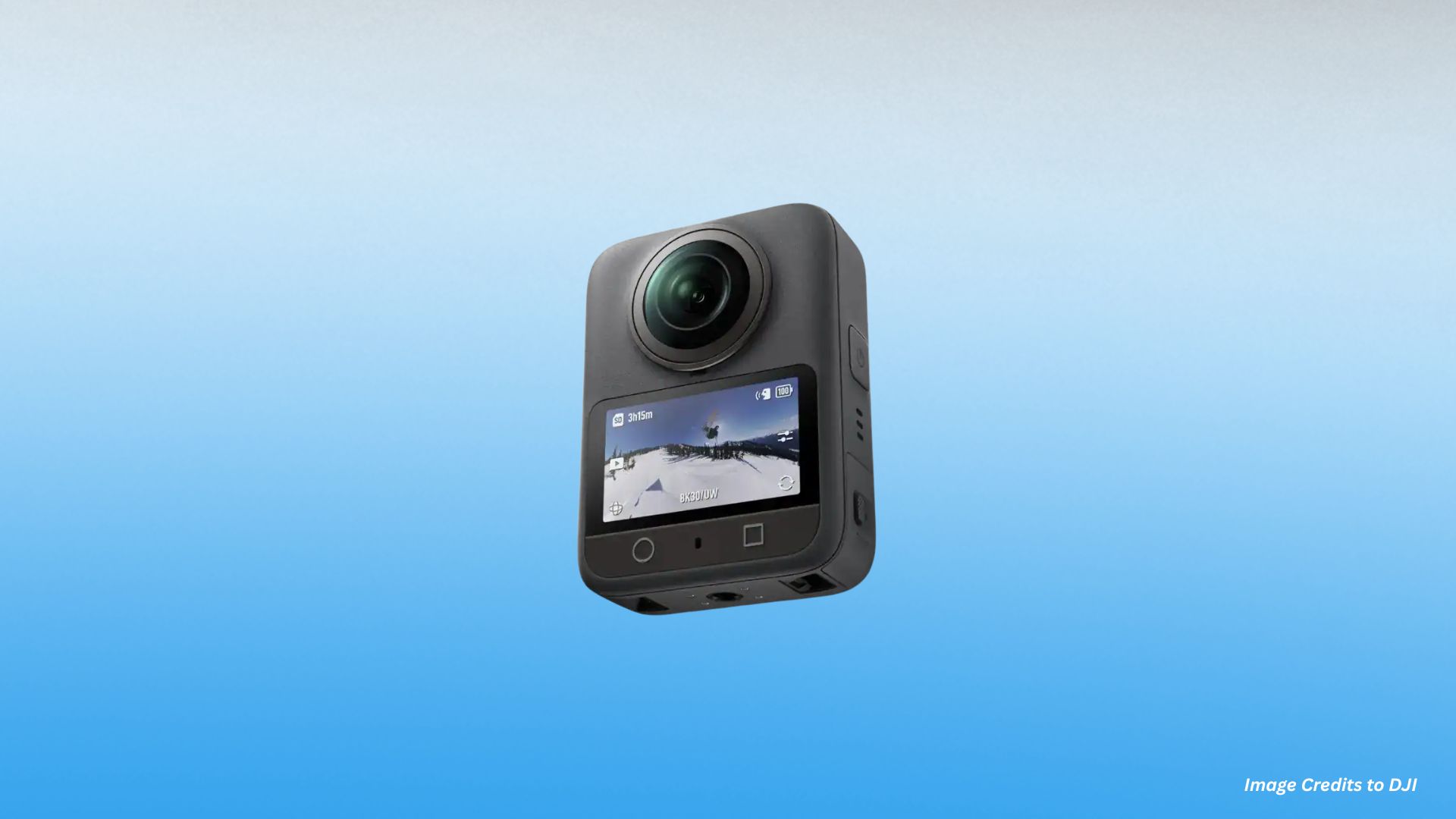
Notable Osmo 360 features:
- Large sensor technology for enhanced image quality
- Extended battery lasting up to 100 minutes of 8K recording (180 minutes with extension bar)
- Smart features including time-lapse and subject tracking
- DJI app integration for existing ecosystem users
Early feedback indicates the camera excels outdoors and in adventure scenarios where rock-solid stability matters most. The cinematic quality feels distinctly “DJI” in the best way possible.
Price: Standard Combo $549.99, Adventure Combo $699.99
4. GoPro Max 2: The Anticipated Return
While GoPro’s Max 2 won’t arrive until late 2025, leaked prototypes and official teasers suggest significant improvements over the original Max. GoPro appears focused on durability and simplicity while adding modern features.
The Max 2’s approach emphasizes rugged construction and straightforward controls. This camera will likely appeal to action sports enthusiasts and outdoor adventurers who need equipment that won’t fail when conditions get tough.
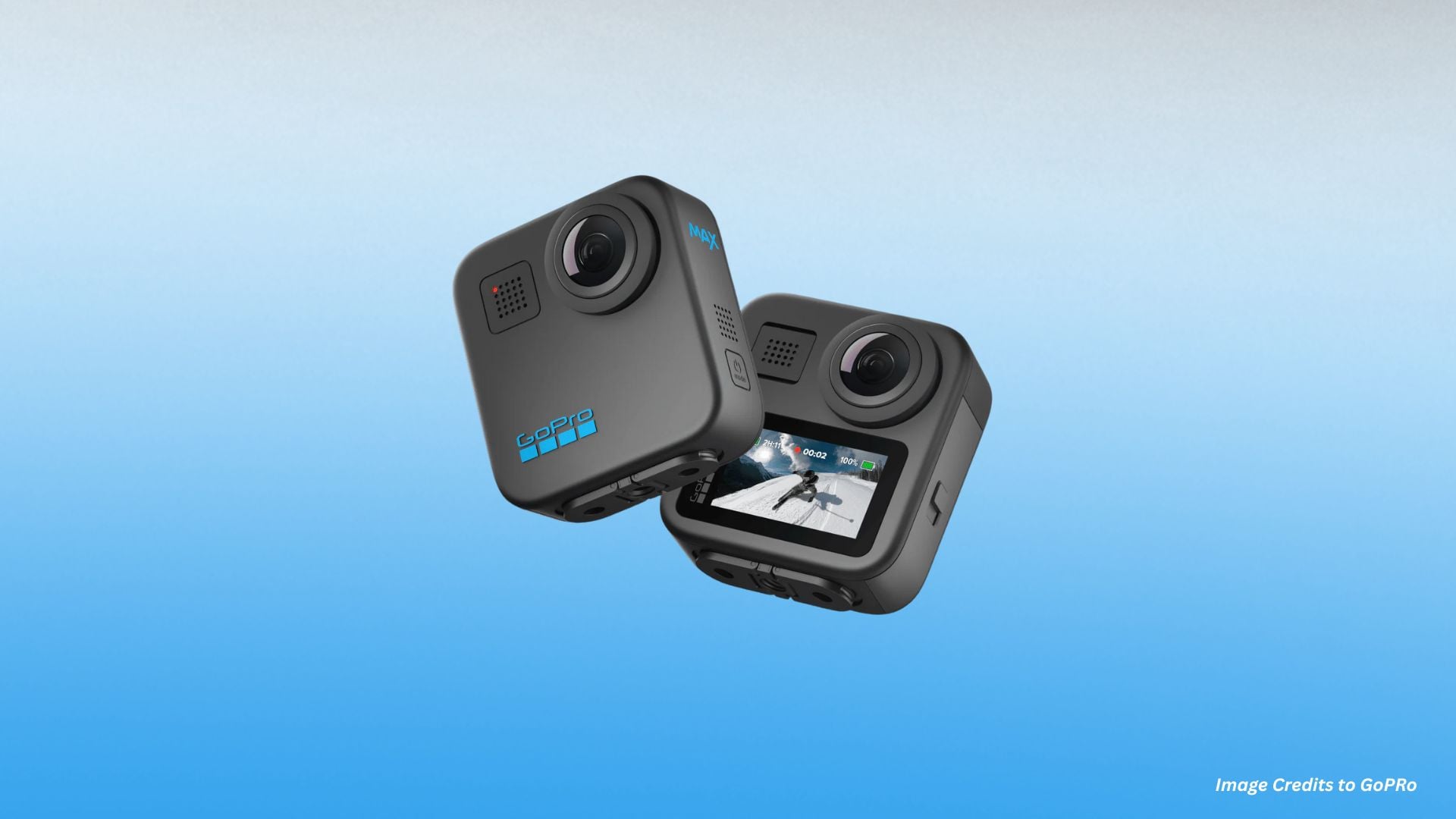
Expected Max 2 features:
- User-replaceable lenses for field repairs
- GoPro’s signature tough design for extreme conditions
- Simple controls that work with gloves
- Compatibility with existing GoPro accessories
- Competitive pricing to challenge Insta360’s dominance
Success depends on balancing advanced features with GoPro’s reputation for bulletproof reliability. For users already invested in GoPro gear, the Max 2 could provide the perfect 360 addition.
Expected availability: Late 2025
Best 360 Cameras Under $500
Quality 360 photography doesn’t require flagship pricing. These budget-friendly options prove that good 360 capture is accessible, though you’ll make some compromises compared to premium models.
1. Insta360 X3: Previous Flagship Value
The X3 might be from 2024, but price reductions make it compelling in 2025. With 5.7K recording and the ability to reframe at 2.7K, it still delivers excellent results for most applications.
The mature software ecosystem means extensive tutorials and community support. If cutting-edge features aren’t essential, the X3 offers exceptional value.
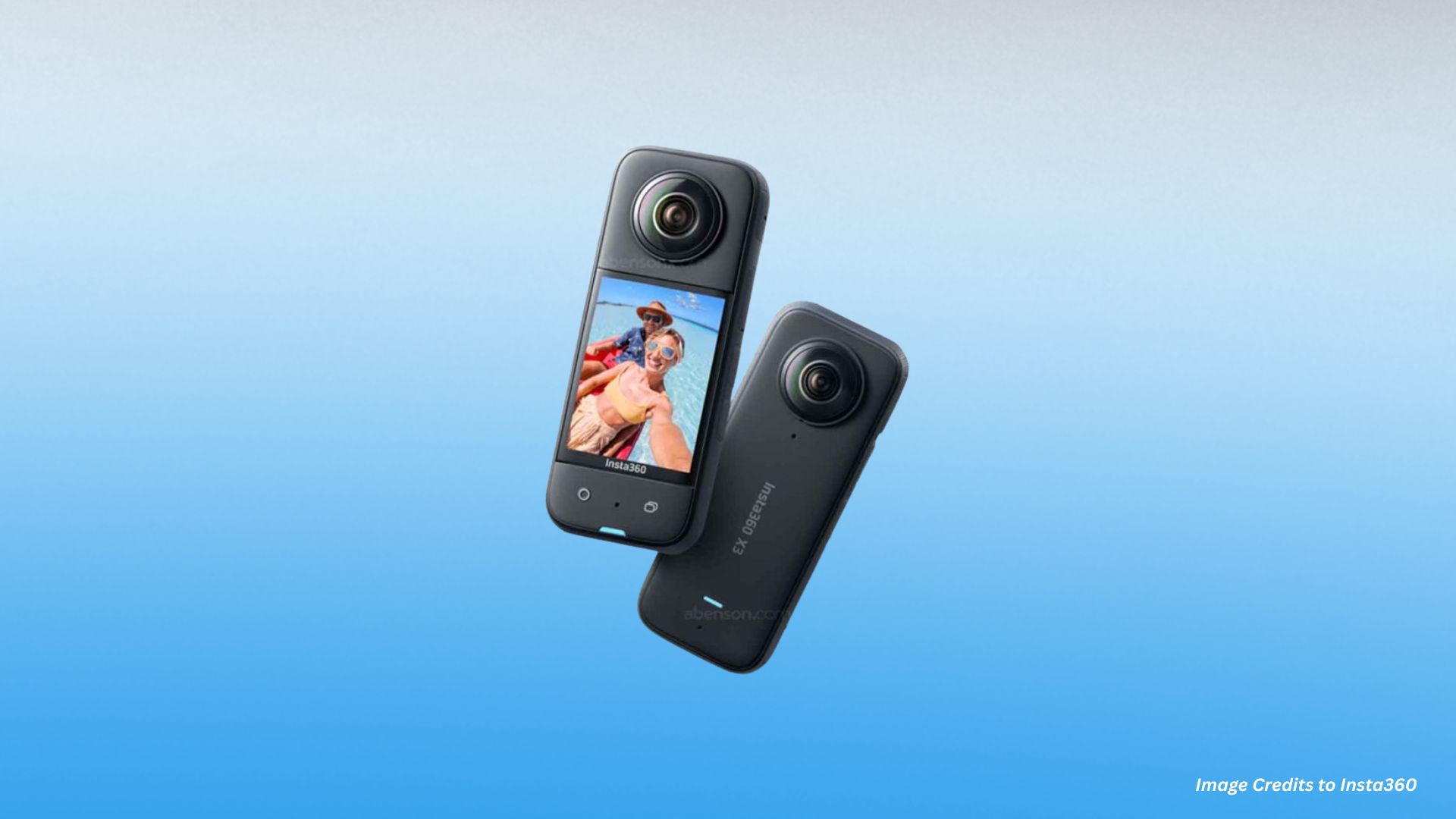
Current price: Around $249-$279
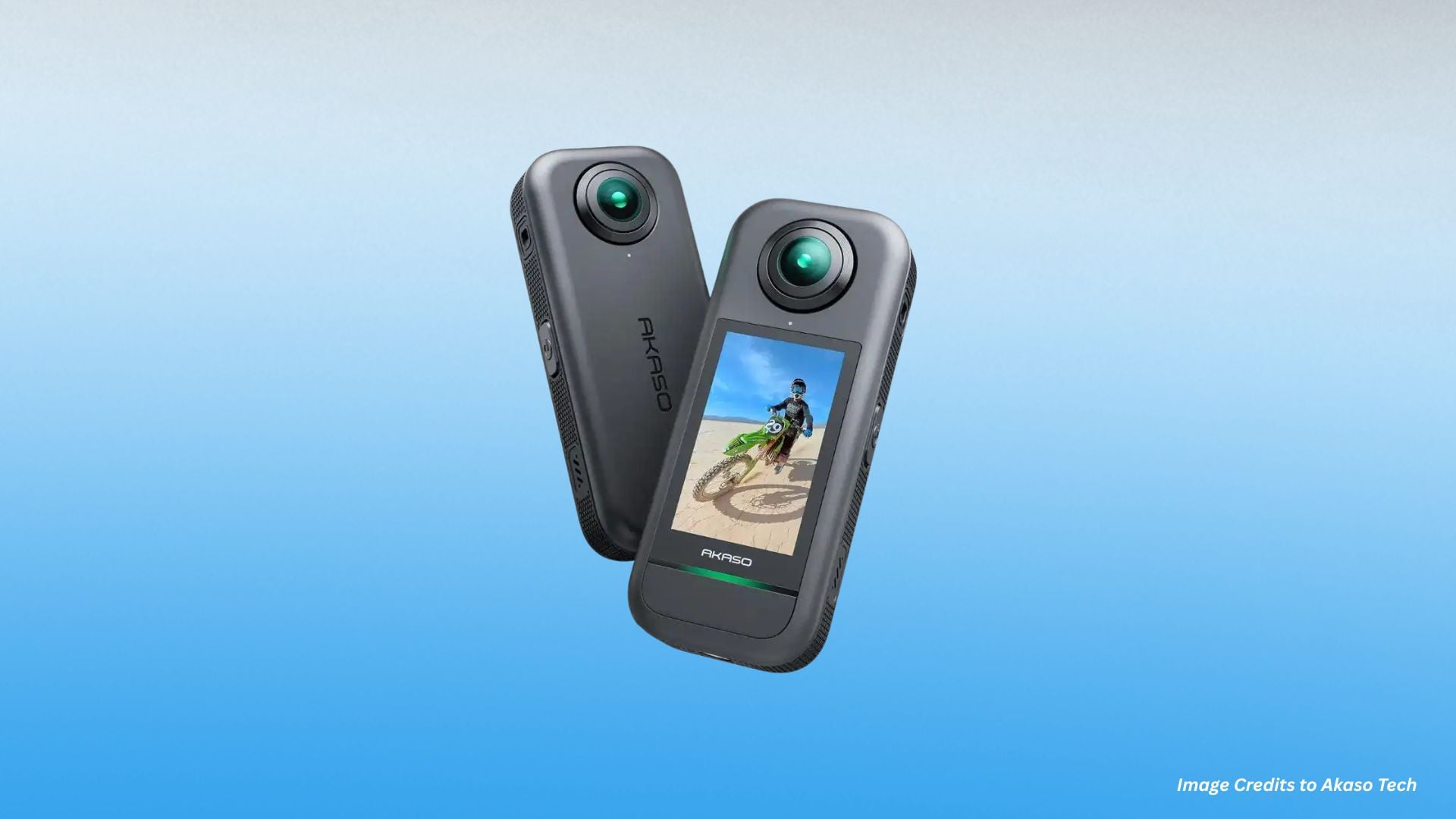
2. Akaso 360: The Budget Entry Point
At around $199, the Akaso 360 provides the most affordable entry into 360 photography. While it can’t match expensive cameras, it offers surprisingly capable performance for casual use and learning fundamentals.
The simplified feature set actually helps newcomers avoid confusion while learning how 360 photography works.
Pro 360 Camera Options
Some applications demand absolute best image quality, where budgets allow for premium performance and specialized features.
1. Ricoh Theta Z1: The Still Photography King
Despite launching in 2019, the Theta Z1 remains competitive for 360-degree still photography. Its large sensors capture exceptional photos with accurate colors and fine detail. Real estate photographers and virtual tour creators still consider it the gold standard.
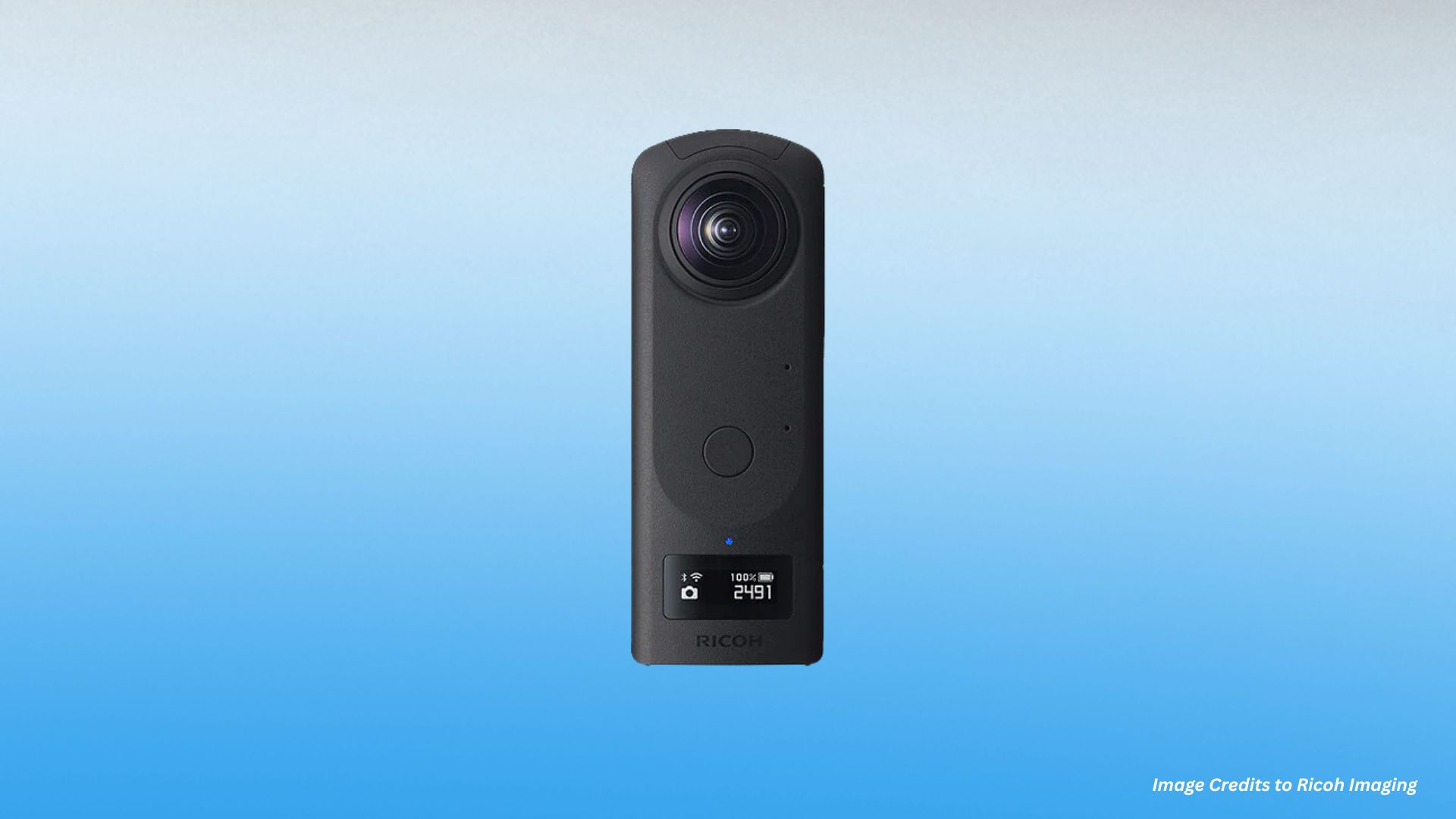
The Z1’s strength lies in consistency and color accuracy. While newer cameras might surpass it in video, nothing matches its photographic capabilities for professional applications requiring pixel-perfect results.
Use case: Real estate photography, virtual tours, professional 360 stills
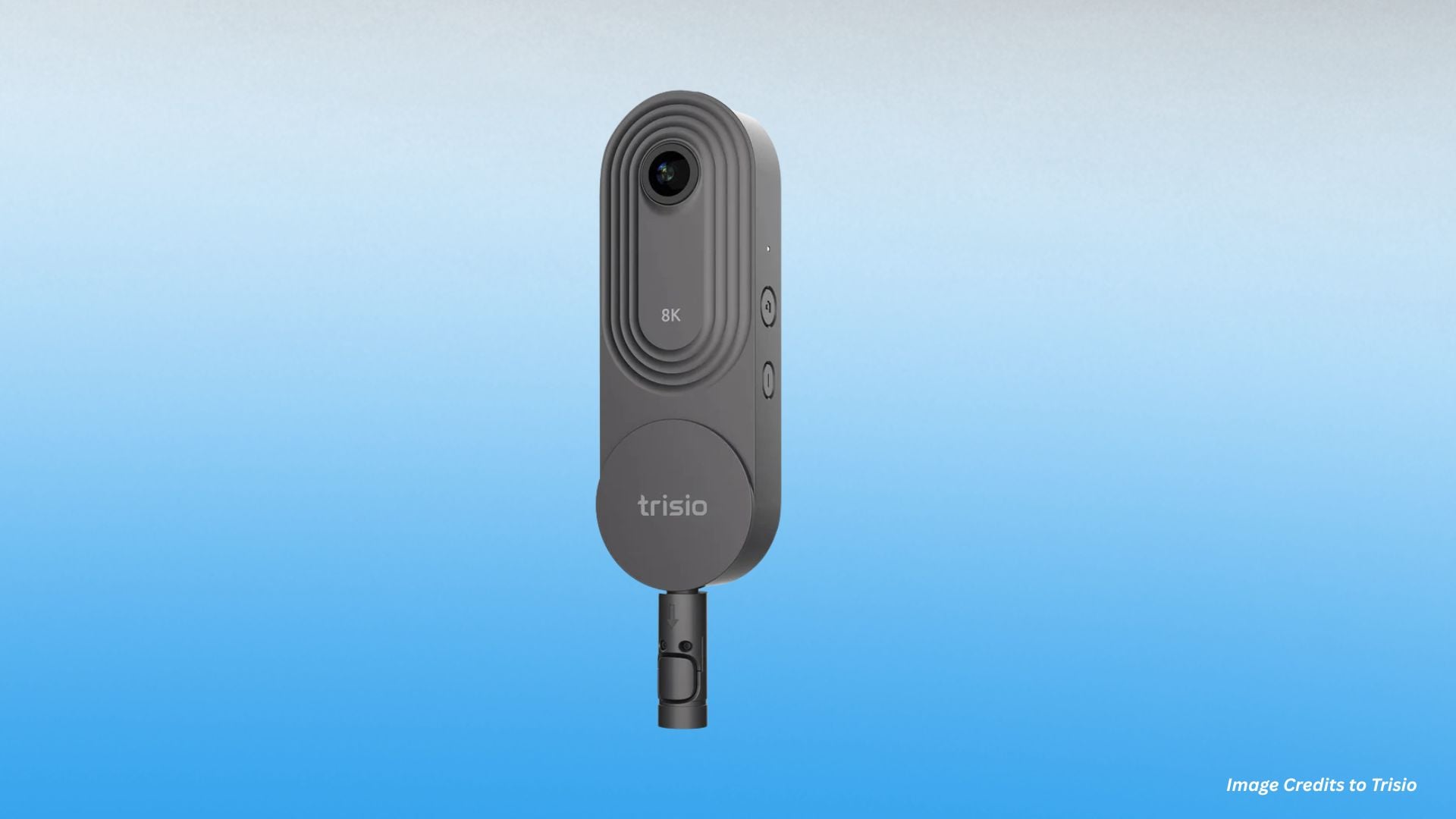
2. Trisio Lite 2: Virtual Tour Specialist
Designed specifically for virtual tours, the Trisio Lite 2 only captures photos but does that job exceptionally well. At $379, it’s unbeatable for creating virtual tours, though you sacrifice video recording entirely.
For real estate professionals and business owners creating virtual experiences, this focused approach eliminates unused features while maximizing what matters most: consistent, high-quality 360 stills.
Technical Considerations You Should Know
Understanding camera metering becomes extra important with 360 cameras. They capture such wide lighting ranges simultaneously that traditional exposure techniques need adjustment.
The stitching process creates unique challenges. Modern cameras handle most stitching automatically, but understanding the process helps you position subjects and plan shots that look natural. This becomes particularly important in portrait photography where you want to avoid splitting people across stitch lines.
Why Stabilization Makes or Breaks These Cameras
All current 360 cameras include sophisticated stabilization, but it works differently than regular camera stabilization. The spherical capture allows software-based horizon locking that keeps footage level regardless of camera movement.
This changes how you approach camera movement. Actions that would ruin regular footage become creative opportunities with 360 capture. Understanding these possibilities opens shooting techniques that regular cameras simply can’t achieve.
Storage and Processing Reality
8K 360 video creates massive files. One minute of 8K 360 footage can consume over 1GB of storage, requiring fast memory cards and substantial space for serious shooting.
Processing power matters during editing. Mobile apps handle basic tasks adequately, but complex projects need desktop software and powerful hardware. Planning your workflow around these requirements prevents frustration later.
Must-Have Accessories and Setup Tips
The right accessories dramatically improve your 360 photography results. Here’s what actually matters:
A quality selfie stick designed for 360 cameras enables the invisible selfie stick effect while providing stable handheld shooting. Tripod mounts become essential for time-lapse work and precise positioning requirements.
Understanding lighting principles remains important even with 360 cameras. While you can’t control lighting as precisely as traditional photography, positioning your camera relative to light sources affects overall quality significantly.
Memory cards deserve special attention. The high data rates of 8K recording demand V30 or higher speed ratings, and large capacity becomes essential for extended sessions. Quality storage prevents dropped frames and ensures reliable operation.
Protecting Your Investment
360 cameras face unique challenges compared to regular cameras. The exposed lenses remain vulnerable to scratches and damage, making protective accessories worthwhile investments. Many manufacturers now offer lens guards or replaceable lens systems addressing this concern.
Weather protection varies significantly between models. While most current cameras offer water resistance, understanding your specific model’s limits prevents costly damage. Some excel in challenging conditions, while others require careful handling.
Editing Workflow That Makes Sense
The editing process for 360 content differs significantly from regular video editing. Understanding how to use the manufacturer’s mobile app effectively often determines whether you’ll enjoy working with 360 content or find it frustrating.
Mobile editing has become surprisingly powerful. Most manufacturers offer comprehensive editing suites optimized for smartphones. These apps handle complex stitching and projection mathematics automatically while providing intuitive interfaces for creative tasks.
Popular options include the Insta360 app, which offers AI-powered editing features and creative templates, and Ricoh Theta’s THETA+ app, which provides tools for adjusting colors, cropping, and sharing 360° content.
Desktop editing software becomes necessary for advanced projects, color grading, and professional deliverables. Popular options include Adobe Premiere Pro with VR/360 support, Final Cut Pro’s 360 tools, and specialized applications like Insta360 Studio.
What’s Coming Next in 360 Photography
The best 360 cameras of 2025 represent just the beginning. Upcoming developments include higher resolution sensors, improved low-light performance, and better integration with VR headsets and AR platforms.
Battery technology continues improving, with manufacturers promising longer recording times and faster charging. Processing power advances enable more sophisticated in-camera effects and real-time editing capabilities.
Software development shows no signs of slowing. AI-powered features become more sophisticated each year. Automatic subject tracking, intelligent reframing, and enhanced stabilization will likely become standard rather than premium features.
Making the Right Choice for the Best 360 Cameras of 2025
The best 360 cameras of 2025 offer something for every photographer and content creator. Whether you want the technical excellence of the Insta360 X5, the value proposition of the X4, the ecosystem integration of DJI’s Osmo 360, or you’re waiting for GoPro’s Max 2, you’re getting tools that were impossible just a few years ago.
The most important decision isn’t which camera to buy, but whether to embrace this technology. 360-degree photography opens creative possibilities that don’t exist with regular cameras. Once you experience capturing everything and deciding composition later, conventional photography can feel limiting.
2025 represents the perfect time to enter 360 photography. The technology has matured, software has simplified, and creative possibilities keep expanding. Whether you choose flagship performance or accessible entry points, you’re joining a creative revolution that’s just getting started.
See more from DIYPhotography.net on Google
Add DIYPhotography.net as a trusted source. This makes
our stories more likely to appear in your Google Search results.
 Add as a preferred source on Google

Darlene Lleno
Darlene Lleno brings a unique perspective to DIY Photography as someone who grew up surrounded by camera gear but chose words over lenses. With five years of writing experience, she specializes in photography content that’s both technically informed and genuinely passionate. Growing up with a photographer twin brother meant camera talk was everyday conversation in her household. While he mastered capturing moments, Darlene discovered she preferred being the subject and the storyteller behind the scenes. As a travel enthusiast and mother of two, she understands the importance of preserving life’s precious moments. When not exploring new destinations or writing for DIY Photography, you’ll find her reading or tending to her garden. Her approach to photography writing is refreshingly authentic, she may not be behind the camera, but she knows exactly what it takes to help others capture the shots that matter most.



Join the Discussion
DIYP Comment Policy
Be nice, be on-topic, no personal information or flames.
One response to “Best 360 Cameras of 2025: Reviews and Buying Guide”
I’m looking for a 360 camera, but this article feels so AI that I don’t trust any of it. I’ve no idea if this was completely AI generated, or just received some AI assistance, but as soon as I got the smell of AI, I stopped reading. If I want a computer guessing, I’ll ask chat GPT myself.