















Leica Marks 60 Years of Noctilux Lenses With a New Book
Nov 12, 2026
Alysa Gavilan
Alysa Gavilan has spent years exploring photography through photojournalism and street scenes. She enjoys working with both film and mirrorless cameras, and her fascination with the craft has grown over the decades. Inspired by Vivian Maier, she is drawn to capturing everyday moments that often go unnoticed.
Share:
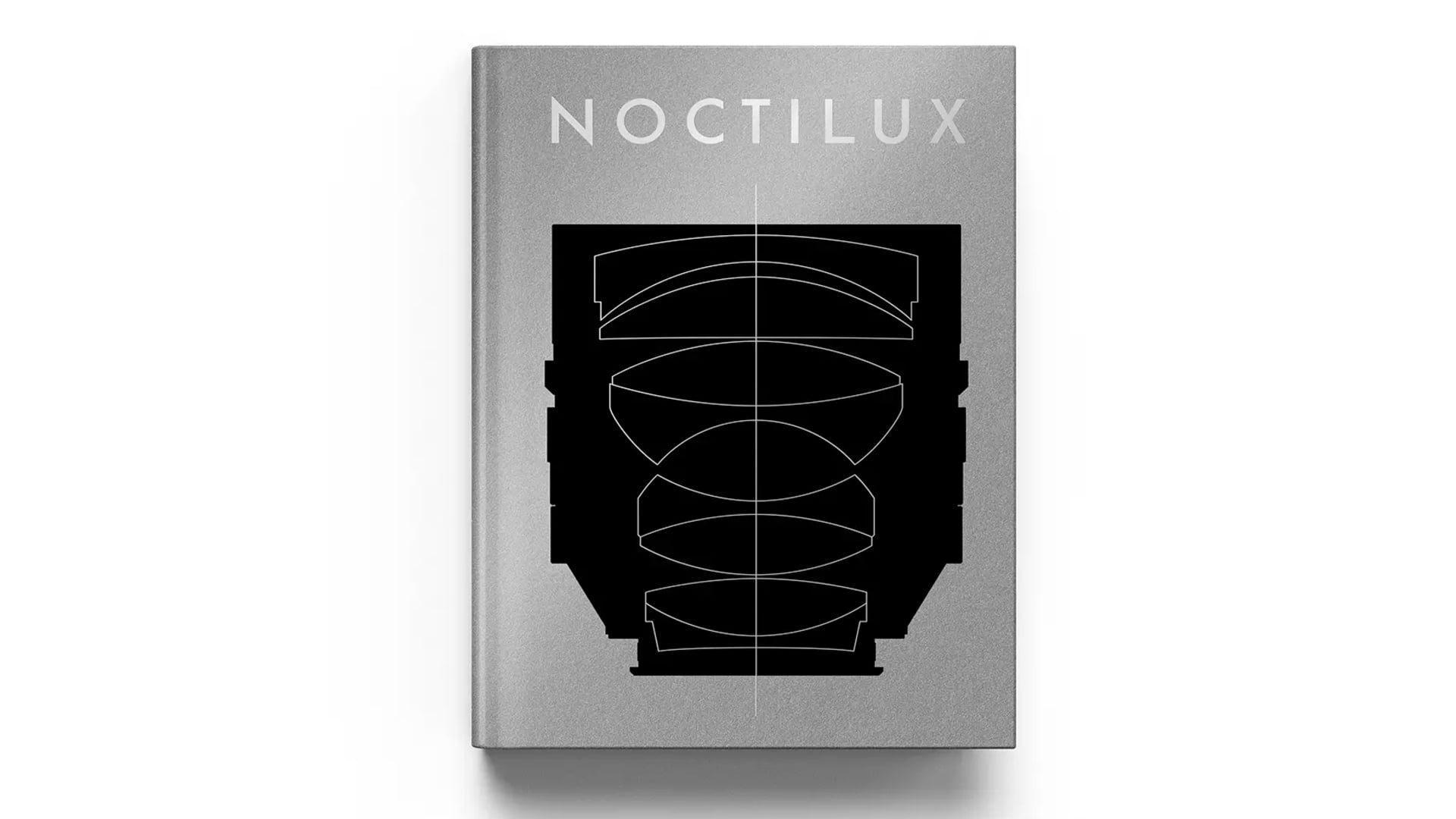
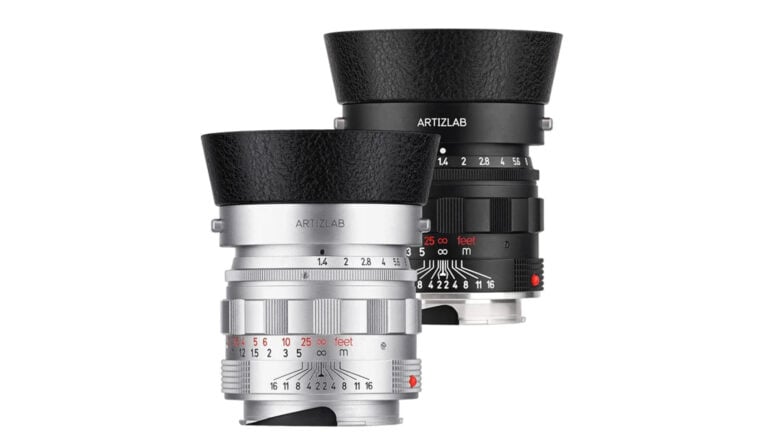
Some lenses become famous for the pictures they produce. Others earn a place in photography history for what they made optically possible. Leica‘s Noctilux family has spent six decades doing both, and the company is marking the anniversary with a 240 page book documenting the technology, photographers, and designs behind its famously fast lenses.
Simply titled Noctilux, the hardcover traces the lens family’s development from its introduction in 1966 to the latest 35mm model. It combines historical photographs, technical details, interviews with Leica optics specialists, and photo essays by six international photographers.

From f/1.2 to a wider Noctilux
The story begins with the Noctilux 50mm f/1.2, introduced at Photokina in 1966. It was the first series produced Leica lens to use aspherical surfaces, a significant manufacturing achievement at the time. Each lens was made by hand, and fewer than 2,000 units were produced.
Its successor took a different approach. Developed by Dr. Walter Mandler in Midland, Canada, the Noctilux 50mm f/1 used seven conventionally polished elements and one special glass element, dispensing with aspherical surfaces.
Leica later pushed the design further with the Noctilux 50mm f/0.95 ASPH., crossing the f/1 aperture barrier. The family subsequently expanded beyond the standard 50mm focal length with the 75mm f/1.25 ASPH., aimed at portrait photography.
The newest chapter features the Noctilux 35mm f/1.2, the first model in the family with a 35mm focal length. Its wider field of view represents another change in the range’s approach to low light photography.
A closer look at the technology behind the glass
Beyond the individual lenses, the book explores the development of aspherical optics and how manufacturing techniques evolved over the decades. Five chapters examine the technology chronologically, including production equipment, prototypes, and research and development.
Two interviews provide additional insight into Leica’s optical engineering. Peter Karbe, the company’s Senior Managing Expert in Optics, discusses the history of aspherical lenses, while Dietmar Stuible, Head of Optics Development since 2021, explains the mechanical design of M lenses.
Stuible describes the significance of the lens family: “Every Noctilux in the history of the lens family has represented a technological milestone, taking lens development to a new level.”

Six photographers show what Noctilux glass can do
The book also looks beyond specifications and manufacturing history. Photo essays by Ana María Arévalo Gosen, Alisa Martynova, Jason Roman, François Rousseau, Paolo Roversi, and Satoru Watanabe demonstrate the different ways photographers have used the lenses.
Additional image collections explore the distinctive rendering of various Noctilux models. The volume also includes a gallery of special editions and one of a kind lenses, along with an index covering Leica M lenses throughout the company’s history.
A trip through Leica history
The 240 page hardcover contains 195 images and measures 200 × 260mm. German and English editions will feature silver binding and foil stamping.
Leica will launch the book on November 27, 2026, in Wetzlar, Germany, during the Leitz Photographica Auction. An exhibition titled 60 Years of Noctilux will open in the foyer the evening before, featuring five past and current lenses alongside photographs and other historical material.
The book will be available from November 27 through Leica Stores, the Leica Online Store, specialist retailers, and the LFI Online Store.
For photographers interested in the history of lens design, this is a chance to explore six decades of optical experimentation without having to track down six decades of glass.
See more from DIYPhotography.net on Google
Add DIYPhotography.net as a trusted source. This makes
our stories more likely to appear in your Google Search results.
 Add as a preferred source on Google

Alysa Gavilan
Alysa Gavilan has spent years exploring photography through photojournalism and street scenes. She enjoys working with both film and mirrorless cameras, and her fascination with the craft has grown over the decades. Inspired by Vivian Maier, she is drawn to capturing everyday moments that often go unnoticed.



Join the Discussion
DIYP Comment Policy
Be nice, be on-topic, no personal information or flames.