
















How to Repurpose Old Phone Cameras: Creative Uses for Retired Smartphones
Jan 24, 2026
Alysa Gavilan
Alysa Gavilan has spent years exploring photography through photojournalism and street scenes. She enjoys working with both film and mirrorless cameras, and her fascination with the craft has grown over the decades. Inspired by Vivian Maier, she is drawn to capturing everyday moments that often go unnoticed.
Share:

January 24 marks International Mobile Phone Recycling Day, and it feels like a good moment to take stock of how many phones have passed through our hands over the years.
I have had my fair share of mobile phone changes, some driven by necessity, others by curiosity, upgrades, or simple wear and tear. Like many people, I ended up with a small collection of retired devices, each one still carrying a perfectly usable camera despite no longer being part of my daily life.
That realization got me thinking about how much imaging potential we casually set aside when we treat old phones as obsolete. For photographers, those aging smartphones are more than outdated gadgets. Even models from years ago still hold capable cameras that can be repurposed in creative and practical ways.
Instead of sending them straight to recycling or leaving them forgotten in a drawer, there are plenty of ways to put those cameras back to work, extending their lifespan while adding useful tools to your photographic workflow.
Turn an Old Phone into a Dedicated Webcam
One of the most popular uses for an old phone camera is turning it into a webcam. Many laptops still ship with mediocre built-in cameras, while older phones often have better sensors and lenses.
With the right app, you can connect your phone to a computer via USB or Wi-Fi and use it for video calls, live streams, or remote interviews. This setup works especially well if you shoot talking-head videos, teach online, or attend frequent virtual meetings. Because the phone is dedicated to this single task, you do not have to worry about notifications interrupting your feed.
Mounting the phone on a small tripod or clamp instantly improves framing and stability. Add a simple desk light and you have a reliable video setup built almost entirely from gear you already own.
Use It as a Remote Camera for Self Portraits
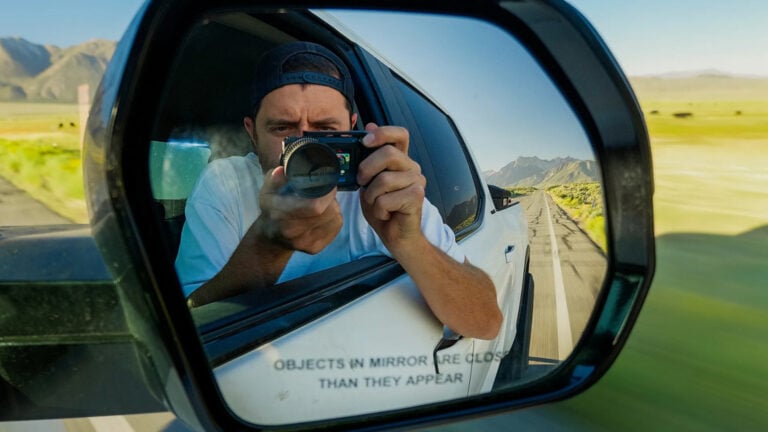
Old phones are excellent tools for self portraits, especially if you want to step away from your main camera while shooting. Place the phone on a stand, set a timer or use a remote app, and let it act as a second perspective.
This approach is useful if you are documenting projects, building a personal series, or simply need behind-the-scenes images. Because phone cameras are small and unobtrusive, they can capture moments without the visual weight of a full camera setup.
You can also experiment with angles that feel risky with expensive gear. Tape the phone to a wall, place it low to the ground, or hang it overhead. If something goes wrong, the stakes are lower.
Convert It into a Security or Monitoring Camera
Another practical reuse is turning your old phone into a basic security camera. With motion detection apps and cloud storage options, a retired phone can monitor your workspace, gear shelf, or even a window facing the street.
For photographers, this can be particularly useful in home studios or shared spaces. You can keep an eye on equipment, deliveries, or simply check in while you are away. Some apps allow scheduled recording, alerts, and remote viewing from your current phone.
This setup is not meant to replace a full security system, but it is a functional solution that keeps an otherwise unused camera working.
Make It a Dedicated Scanning Camera
Old phone cameras work well as document and photo scanners. With good lighting and a scanning app, you can digitize prints, contact sheets, notebooks, and receipts without tying up your main phone.
This is especially helpful if you are archiving older work or scanning reference material for projects. A dedicated scanning phone can stay mounted above a table or copy stand, ready whenever you need it.
Some photographers use this setup to digitize film negatives with simple light panels and macro add-ons. While it will not replace a professional scanner, it is surprisingly effective for proofing and web use.

Use It as a Time Lapse Camera
Time lapse photography is another area where old phones shine. Because they can remain plugged in and stationary for long periods, they are ideal for capturing slow changes like studio builds, art projects, plant growth, or changing light.
Install a time lapse app, set your interval, and let the phone run for hours or days. Since the phone is no longer part of your daily routine, you do not have to worry about battery drain or interruptions.
This is a great way to experiment with long-term storytelling without tying up your primary camera.
Turn It into a Car Dash Camera
With the right mount and app, an old phone can function as a dash camera. This can be useful if you travel frequently for shoots or want documentation while on the road.
Dash camera apps often include loop recording, automatic saving during sudden stops, and date stamping. As long as the phone can stay powered, it can quietly record your drives.
For photographers who document travel or behind-the-scenes logistics, this footage can also double as reference material or background video.
Use It as a Dedicated Field Recorder for Video
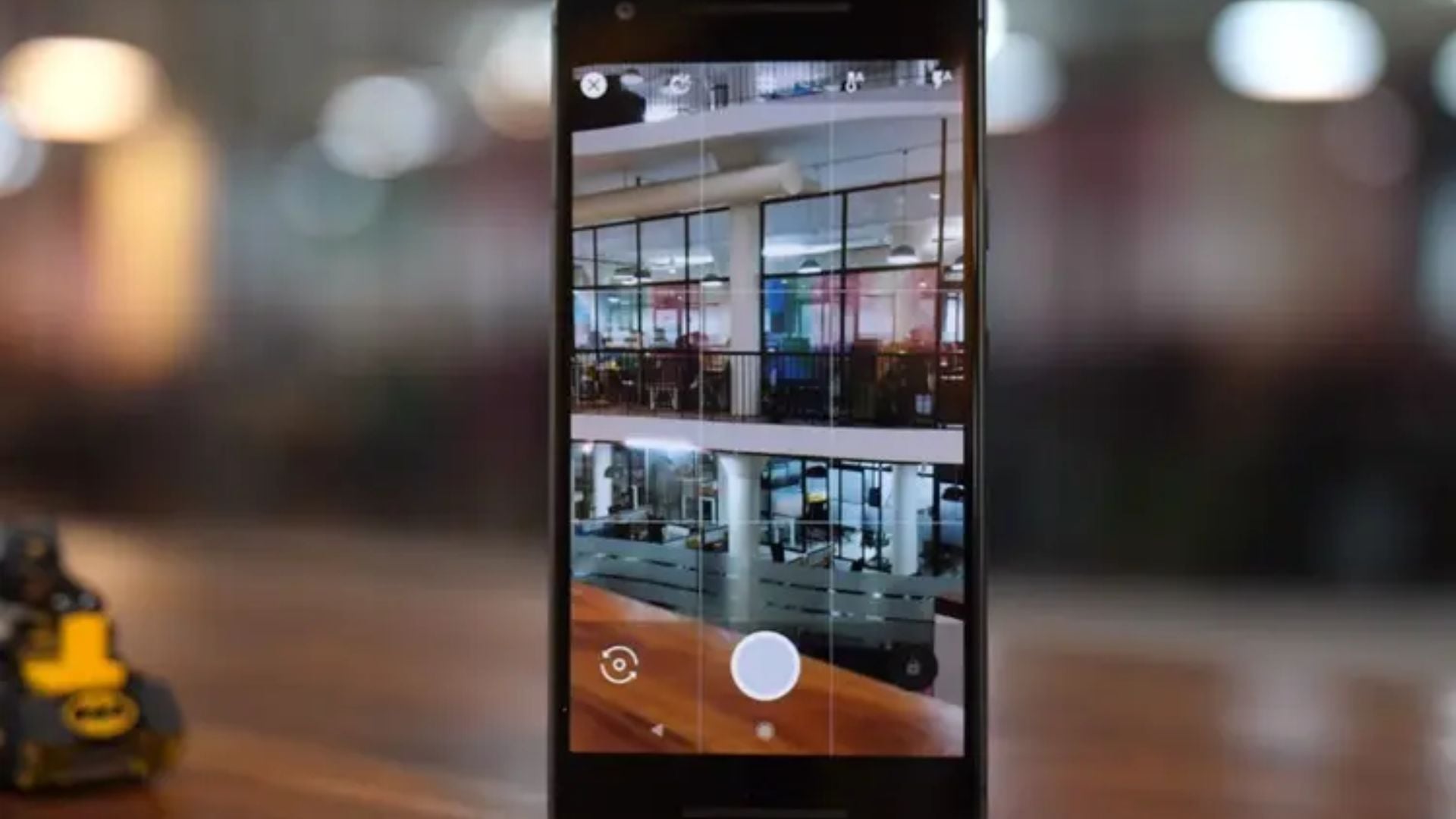
Many older phones still offer decent video quality, especially in good light. You can repurpose one as a fixed field camera for experiments, B-roll, or environmental footage.
Because the phone is dedicated to this role, you can leave it recording without worrying about missing calls or messages. It can be placed in locations where you would not want to leave more expensive gear unattended.
This approach is useful for testing lighting setups, blocking scenes, or capturing ambient footage to layer into larger projects.
Turn It into a Learning and Experimentation Tool
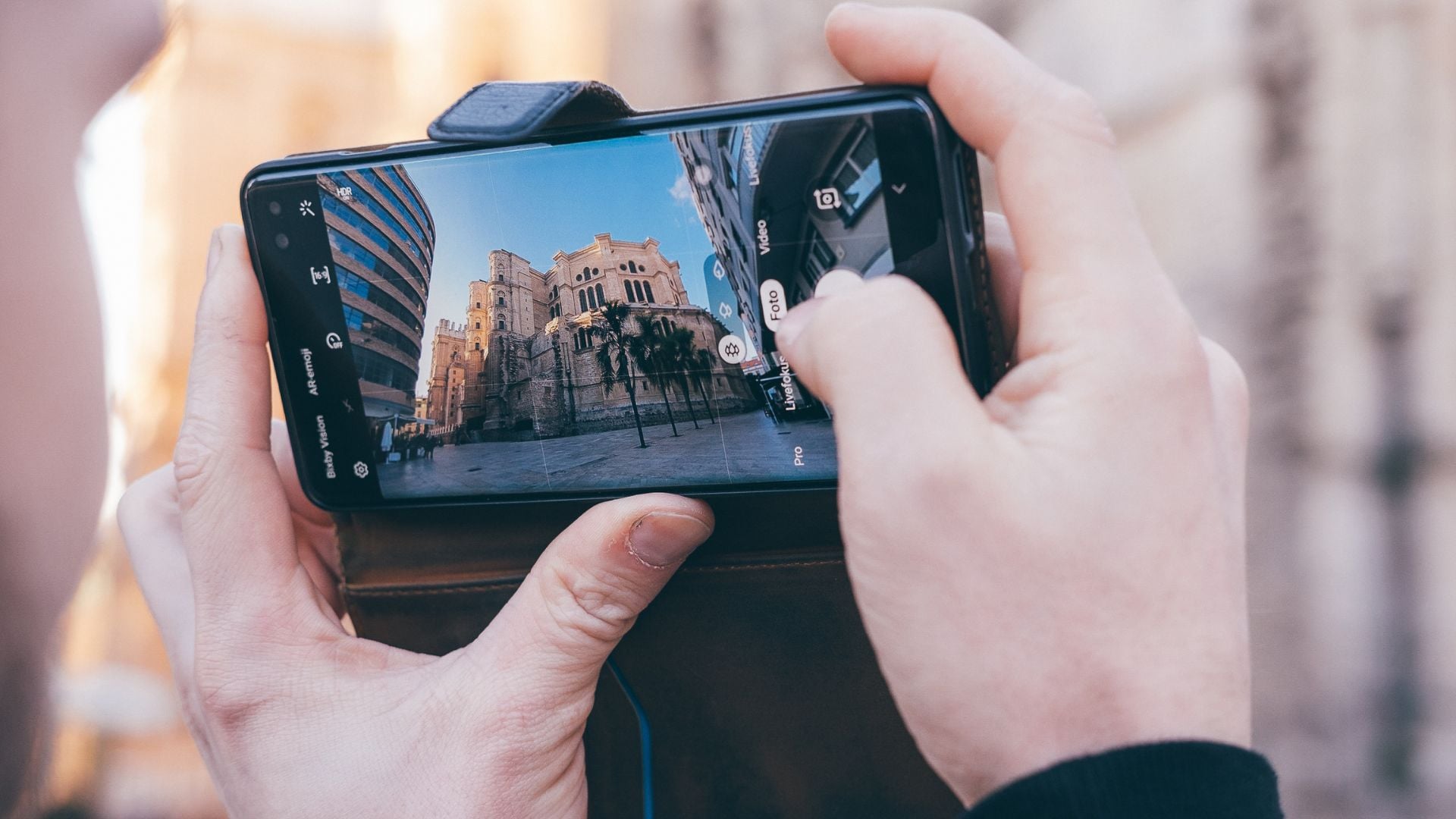
Old phone cameras are perfect for experimentation. Try unusual compositions, motion blur, digital zoom, or intentional glitches. Use it to explore ideas without pressure.
You can also hand it to kids, students, or collaborators as a shared camera. Because the device is already retired, it becomes a low-risk way to encourage visual curiosity.
Many photographers forget that limitations often fuel creativity. An older sensor, fewer controls, and basic lenses can push you to think differently about framing and light.
Make It a Remote Trigger or Monitor for Your Main Camera
Some photographers use old phones as remote monitors or triggers for their main cameras. With Wi-Fi apps or Bluetooth connections, the phone can display a live feed, adjust settings, or trigger the shutter.
This setup is helpful for tripod work, long exposures, or awkward camera placements. Instead of crouching behind the camera, you can check framing and focus from a distance.
It also keeps your current phone free, which is useful during long shoots.
Why Reuse Beats Recycling Alone
Recycling phones is important, but reuse extends their life in a more meaningful way. Every year, millions of working cameras are discarded simply because the device around them feels outdated.
By repurposing old phone cameras, you reduce waste while gaining tools that support your photography. It is a small step, but one that aligns well with a more sustainable creative practice.
If you have an old phone sitting unused, chances are its camera still has plenty to offer. With a bit of setup and a clear purpose, that device can become part of your workflow again.
See more from DIYPhotography.net on Google
Add DIYPhotography.net as a trusted source. This makes
our stories more likely to appear in your Google Search results.
 Add as a preferred source on Google

Alysa Gavilan
Alysa Gavilan has spent years exploring photography through photojournalism and street scenes. She enjoys working with both film and mirrorless cameras, and her fascination with the craft has grown over the decades. Inspired by Vivian Maier, she is drawn to capturing everyday moments that often go unnoticed.


Join the Discussion
DIYP Comment Policy
Be nice, be on-topic, no personal information or flames.