























How OPPO, Nubia, and Vivo Are Turning Smartphones into Real Cameras
Nov 5, 2025
Alysa Gavilan
Alysa Gavilan has spent years exploring photography through photojournalism and street scenes. She enjoys working with both film and mirrorless cameras, and her fascination with the craft has grown over the decades. Inspired by Vivian Maier, she is drawn to capturing everyday moments that often go unnoticed.
Share:

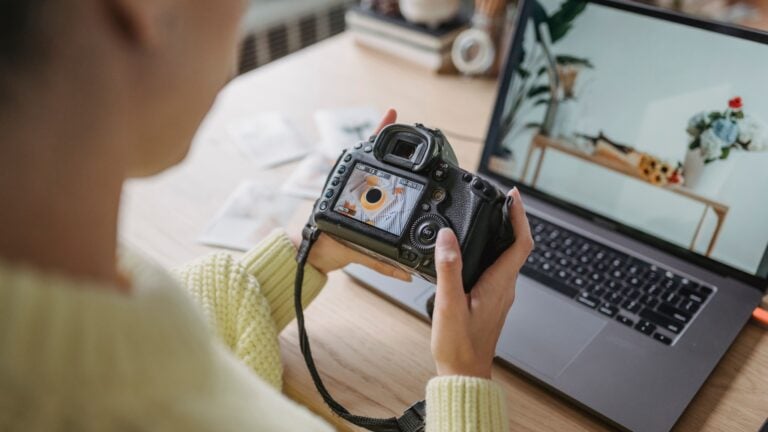
Photographers have for years carried separate gear such as cameras, lenses, filters, and grips, all packed neatly into photography kits for cameras. These kits were essential because they extended the photographer’s control, helping them capture the world exactly as they imagined it. Now, the same idea is arriving in the smartphone world. Instead of only improving sensors or software, brands like OPPO, Nubia, and Vivo are reimagining the mobile shooting experience with full-fledged photography kits that transform phones into tactile, lens-ready tools.
From the OPPO Hasselblad Imaging Kit to Nubia’s retro-inspired Z80 Ultra Kit and Vivo’s Zeiss-powered Telephoto Kit, the industry is blending optics and ergonomics in ways that make you rethink what a phone can do.
These are complete systems that give you the feel of a camera, the control of manual photography, and the convenience of a connected device. The year 2025 is shaping up to be a turning point for mobile photography, where holding your phone might start to feel like holding a real camera.

What Are Photography Kits?
Photography kits are the newest evolution in mobile imaging. They are modular systems designed to give your phone the look, feel, and control of a real camera. Instead of relying purely on software tricks or computational filters, these kits introduce physical hardware such as detachable lenses, battery grips, manual dials, and optical add-ons that mount directly onto the phone.
Think of them as creative extensions that bridge the gap between your smartphone and a mirrorless camera. You gain tactile control through physical shutter buttons, zoom rings, and exposure dials. In some systems, you can even swap lenses just like on a professional camera body.
This approach brings a new sense of intentionality to shooting. You stop treating your phone as a point-and-shoot device and start composing your images like a photographer. The experience becomes more immersive: your hands are engaged, your eyes are focused, and your creative choices feel deliberate.
The Latest Photography Kits
We now look into three brands and their recent photography kits, each taking a unique path toward turning smartphones into powerful, tactile imaging devices.
OPPO brings Hasselblad’s legendary expertise into your hand, Nubia reimagines what a modular camera phone can be, and Vivo extends its ZEISS partnership to offer true optical depth. Together, these kits show how close phones have come to becoming real cameras in both form and function.
OPPO’s Hasselblad Imaging Kit
OPPO has confirmed that its upcoming Find X9 Pro will debut with a Hasselblad Imaging Kit, signaling a bold step into professional mobile photography. The company’s collaboration with Hasselblad began in 2022 to refine color science and portrait rendering, but this new kit represents a major evolution.
According to OPPO Find Series head Zhou Yibao, the Imaging Kit combines hardware, proprietary algorithms, and Hasselblad’s imaging pipeline into one cohesive system. It is designed to push the Find X9 Pro’s camera capabilities beyond software enhancement, integrating real optical and processing improvements.
While the full specifications are not yet public, OPPO hinted that the kit may include modular lenses or optical accessories that magnetically attach to the device, expanding its focal range and giving users more manual control.
This could make the Find X9 Pro feel more like a compact professional camera, especially for creators who value control over light, focus, and exposure.
It will also work seamlessly with the next-generation Snapdragon 8 Gen 4 processor, delivering faster image processing and improved dynamic range. The result should be smoother tonal transitions, richer colors, and better low-light performance, all shaped by Hasselblad’s renowned imaging expertise.
Nubia’s Z80 Ultra Photography Kit
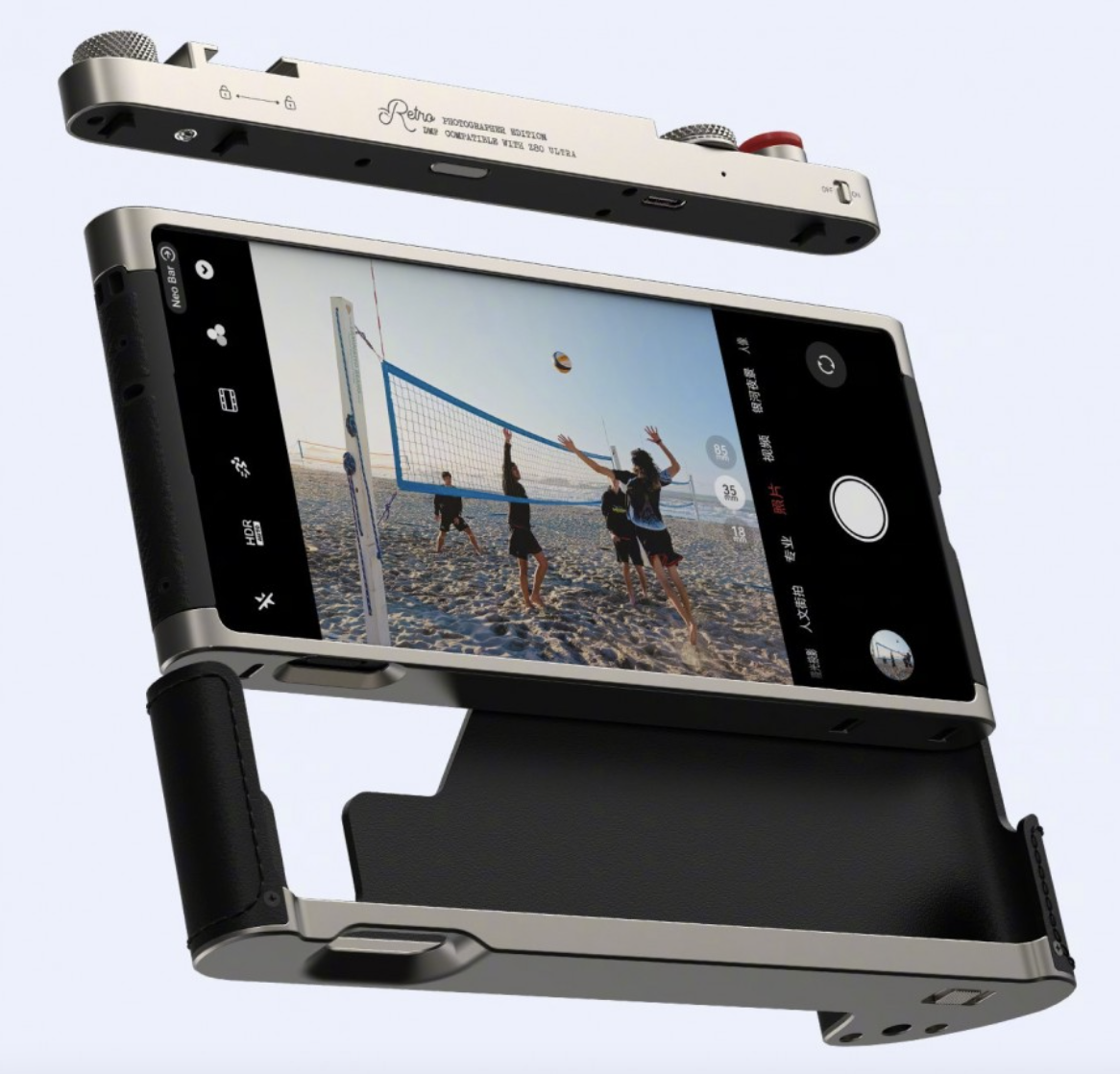
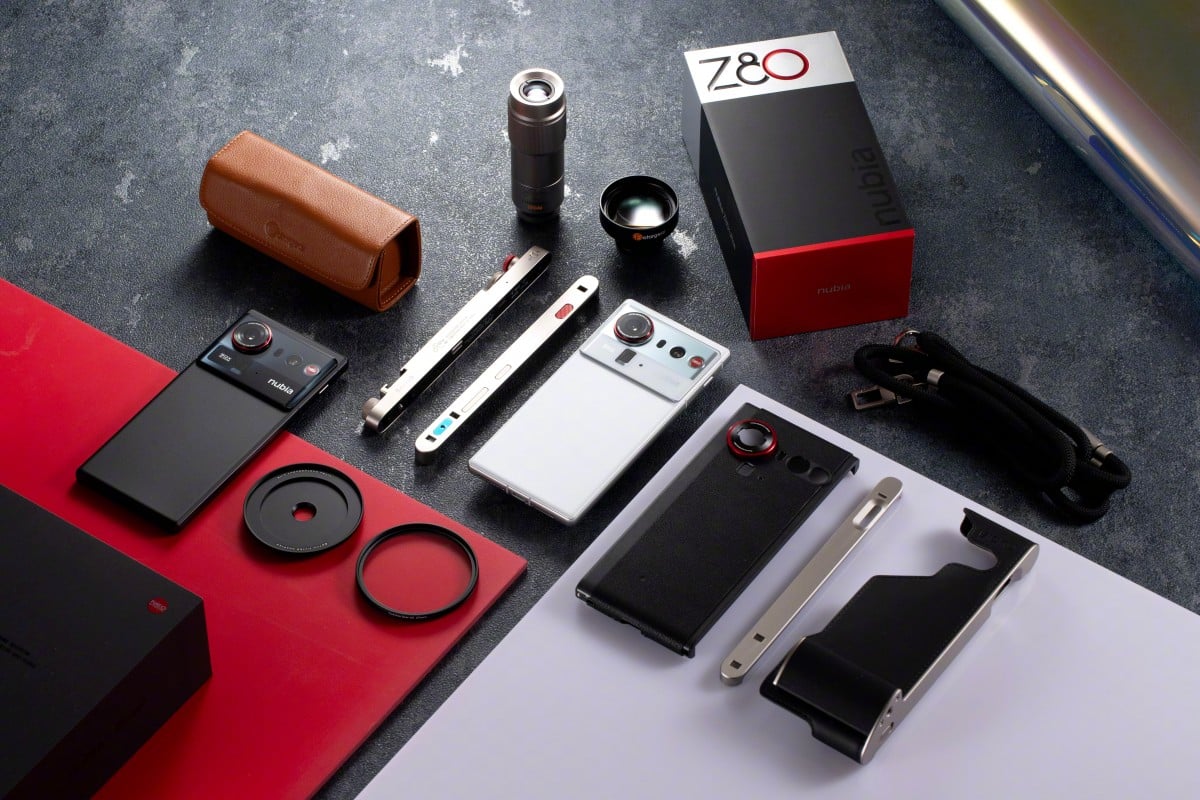
Nubia’s Z80 Ultra Photography Kit takes the phone-camera hybrid concept to another level.
Rather than small add-ons, Nubia designed a full modular system that transforms your phone into something that looks and feels like a retro rangefinder camera. Once attached, the kit gives your phone a top plate with physical dials, a mechanical shutter button, and a sturdy grip that completely changes how you handle it.
You no longer tap through menus. You twist, press, and shoot, just like you would on a dedicated camera. The full enclosure design offers balance and control, while the detachable grip lets you switch back to a clean phone when you are done.
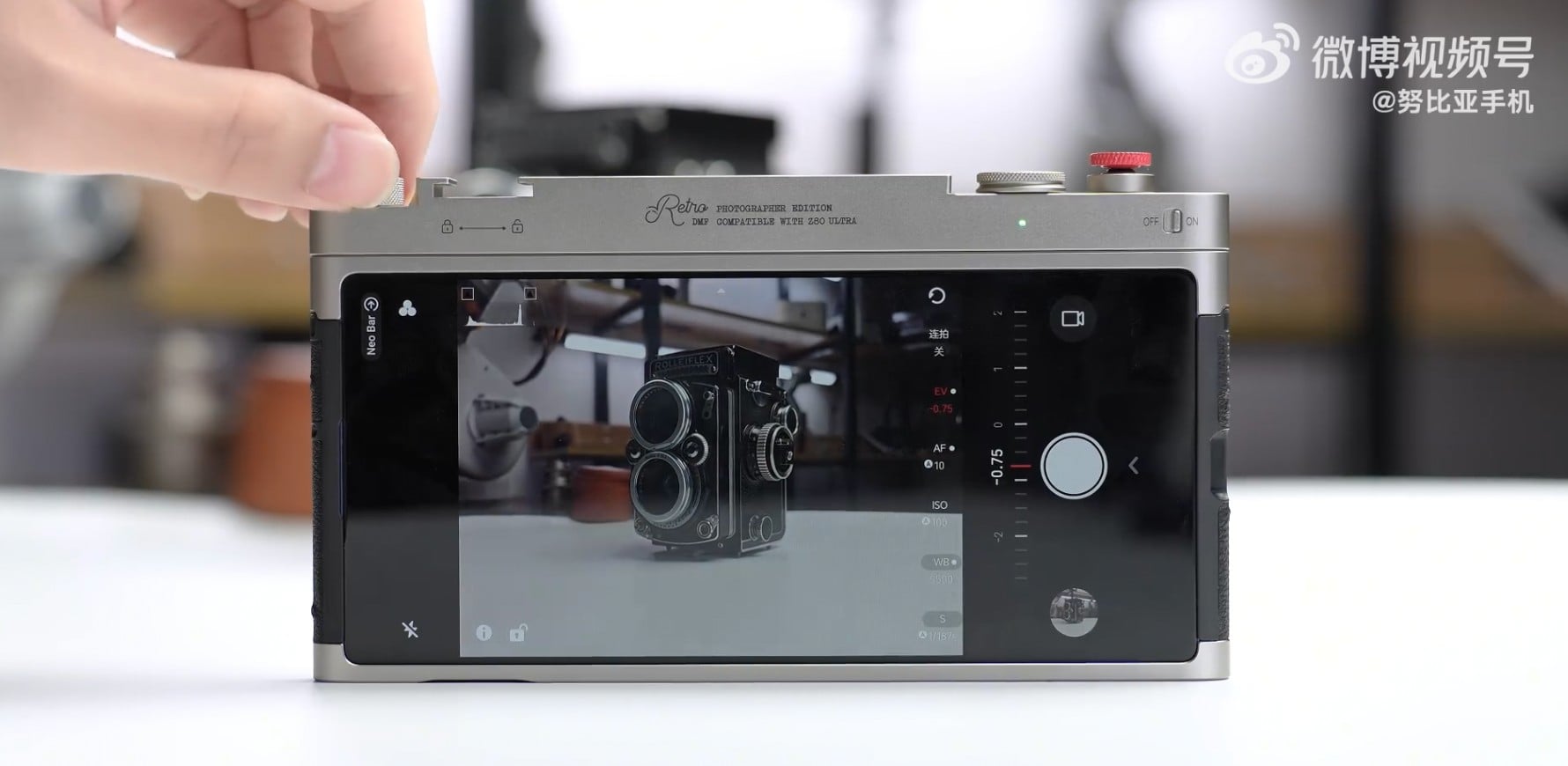
The kit also introduces interchangeable lenses, allowing you to swap between optics for portraits, macro, or telephoto work. These lenses mount directly over the Z80 Ultra’s main camera module with precise alignment, providing true optical flexibility. You can even attach ND or creative filters directly to the lenses.
Powering it all is Qualcomm’s Snapdragon 8 Elite Gen 5 processor, which drives the phone’s advanced imaging algorithms. The software recognizes which lens is attached and automatically adjusts settings such as distortion correction and exposure. You also get full manual controls for ISO, shutter speed, focus, and white balance, all mapped to customizable physical dials.

Vivo’s Zeiss Telephoto Kit
Vivo continues to strengthen its partnership with Zeiss, and the new Vivo X200 Ultra Photography Kit is the most advanced result of that collaboration.
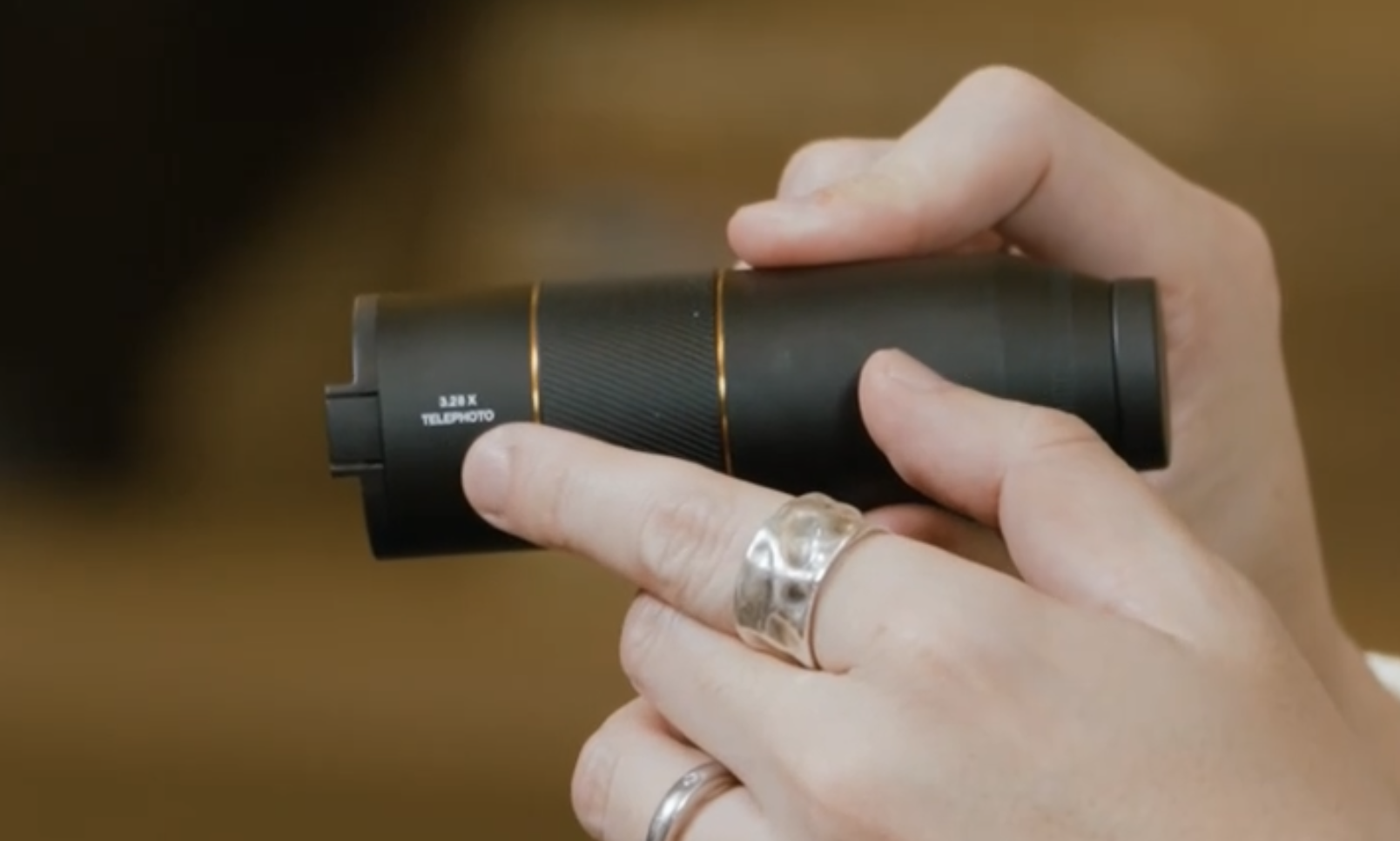
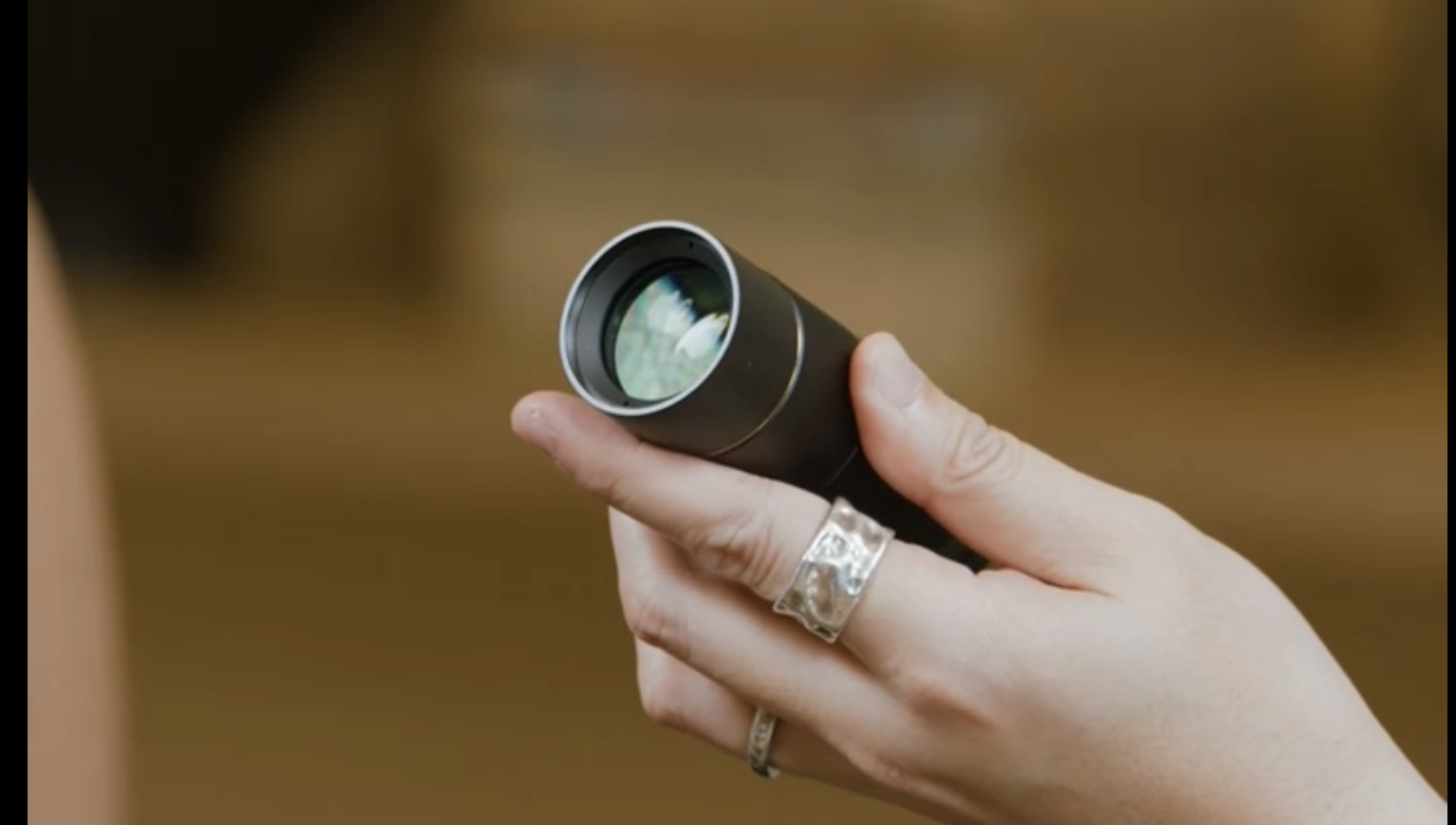
Created by PGYTech, the kit includes a battery grip, a protective case with mounting rings, and a Zeiss-branded telephoto extender lens, the first of its kind for a smartphone.
The standout feature is the telephoto extender lens. It provides 2.35x magnification to the phone’s existing 85mm-equivalent telephoto camera, extending its optical reach to 200mm. This offers true zoom capability without relying on digital cropping. The lens attaches securely to a metal bayonet mount on the case, and when removed, the phone functions normally.
The battery grip adds comfort and practicality. It includes a 1,500mAh battery, a two-stage shutter button, a zoom rocker, and a control dial that can be assigned to exposure or focus. There is also a video record button and an option to use the grip as a power bank.
The case itself is crafted with care, featuring a faux leather texture, a kickstand, lanyard mounts, and compatibility with Arca-Swiss tripods. For photographers using the extender lens, the stability of a tripod mount is a welcome touch.
The Future of Smartphone Photography
OPPO, Nubia, and Vivo are redefining how you shoot with your phone. The next major leap in mobile imaging is not about megapixel counts but about how it feels to take the photo. These photography kits blend design, optics, and tactile control into devices that you can carry anywhere.
For creators, this marks a new era. You can compose with precision, feel every click of the shutter, and still share your work instantly. The smartphone is no longer just a convenient camera. It is becoming the camera.
What will push this transformation even further is the merging of hardware craftsmanship with intelligent imaging. The next generation of smartphone photography will likely center on sensor-level innovation, modular expansion, and computational collaboration.
All these developments point toward a simple truth. Smartphone photography is maturing from convenience to craftsmanship. The tactile click of a shutter button, the deliberate turn of a dial, and the balance of a real grip remind you that taking a photo is not only about the result but also about the experience.
See more from DIYPhotography.net on Google
Add DIYPhotography.net as a trusted source. This makes
our stories more likely to appear in your Google Search results.
 Add as a preferred source on Google

Alysa Gavilan
Alysa Gavilan has spent years exploring photography through photojournalism and street scenes. She enjoys working with both film and mirrorless cameras, and her fascination with the craft has grown over the decades. Inspired by Vivian Maier, she is drawn to capturing everyday moments that often go unnoticed.



Join the Discussion
DIYP Comment Policy
Be nice, be on-topic, no personal information or flames.