

















Sony ZV-E10 for Photography: Beyond Vlogging
Nov 5, 2025
Darlene Lleno
Darlene Lleno brings a unique perspective to DIY Photography as someone who grew up surrounded by camera gear but chose words over lenses. With five years of writing experience, she specializes in photography content that’s both technically informed and genuinely passionate. Growing up with a photographer twin brother meant camera talk was everyday conversation in her household. While he mastered capturing moments, Darlene discovered she preferred being the subject and the storyteller behind the scenes. As a travel enthusiast and mother of two, she understands the importance of preserving life’s precious moments. When not exploring new destinations or writing for DIY Photography, you’ll find her reading or tending to her garden. Her approach to photography writing is refreshingly authentic, she may not be behind the camera, but she knows exactly what it takes to help others capture the shots that matter most.
Share:
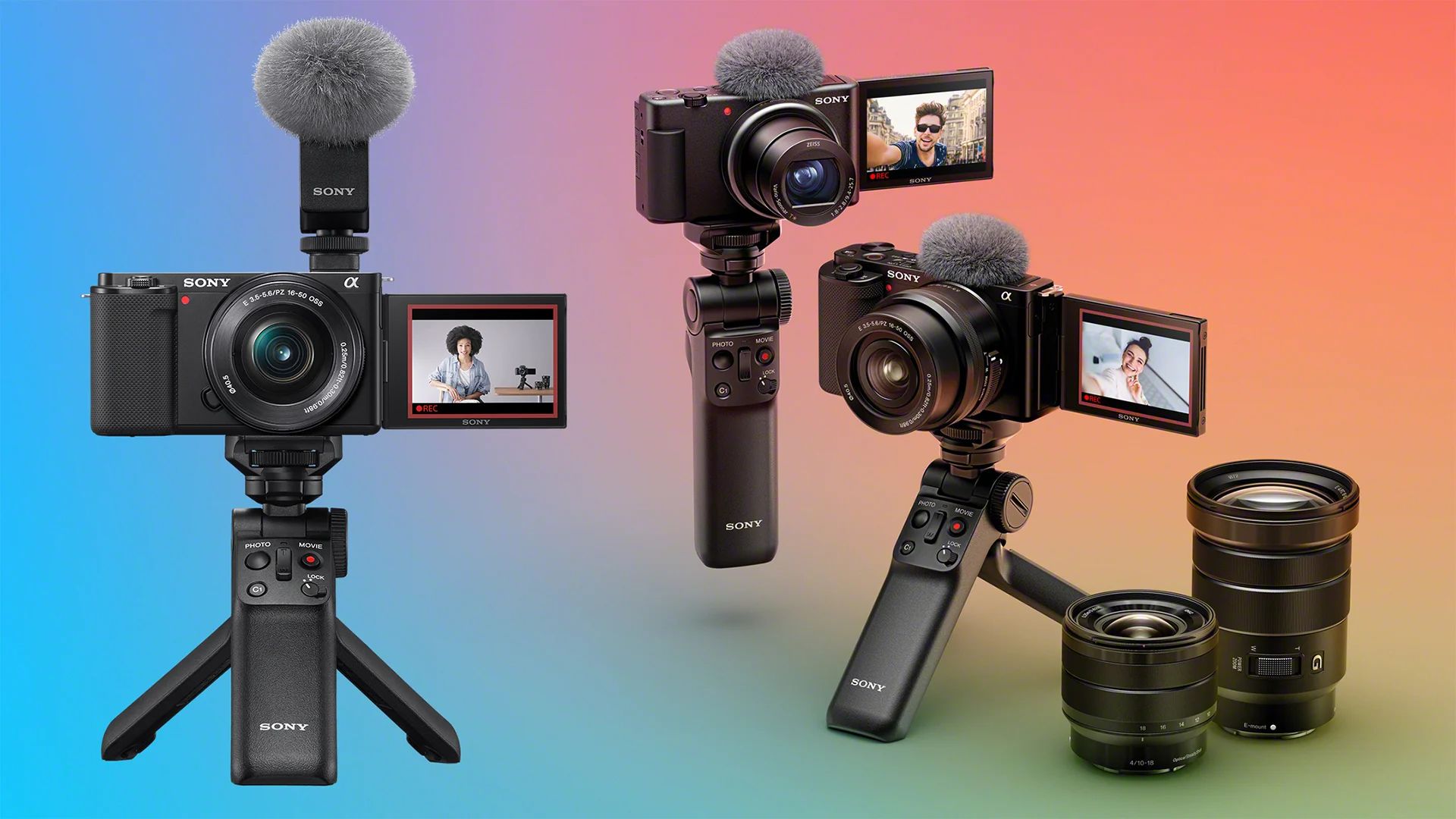
The Sony ZV-E10 for photography packs way more punch than most people think. Sure, Sony built this camera for vloggers and content creators. But here’s the thing: it shoots really good photos too. The 24.2-megapixel APS-C sensor comes straight from Sony’s Alpha lineup. That means you’re getting serious image quality in a body designed for video.
Most photographers skip right past the ZV-E10 because it lacks a viewfinder. They see it as just another video camera. Big mistake. This little camera combines Alpha-level photo quality with features that work surprisingly well for still images. The autofocus tracks faces like a champ. That same system works brilliantly for portrait photography too.
What Makes the Sony ZV-E10 Work for Photos
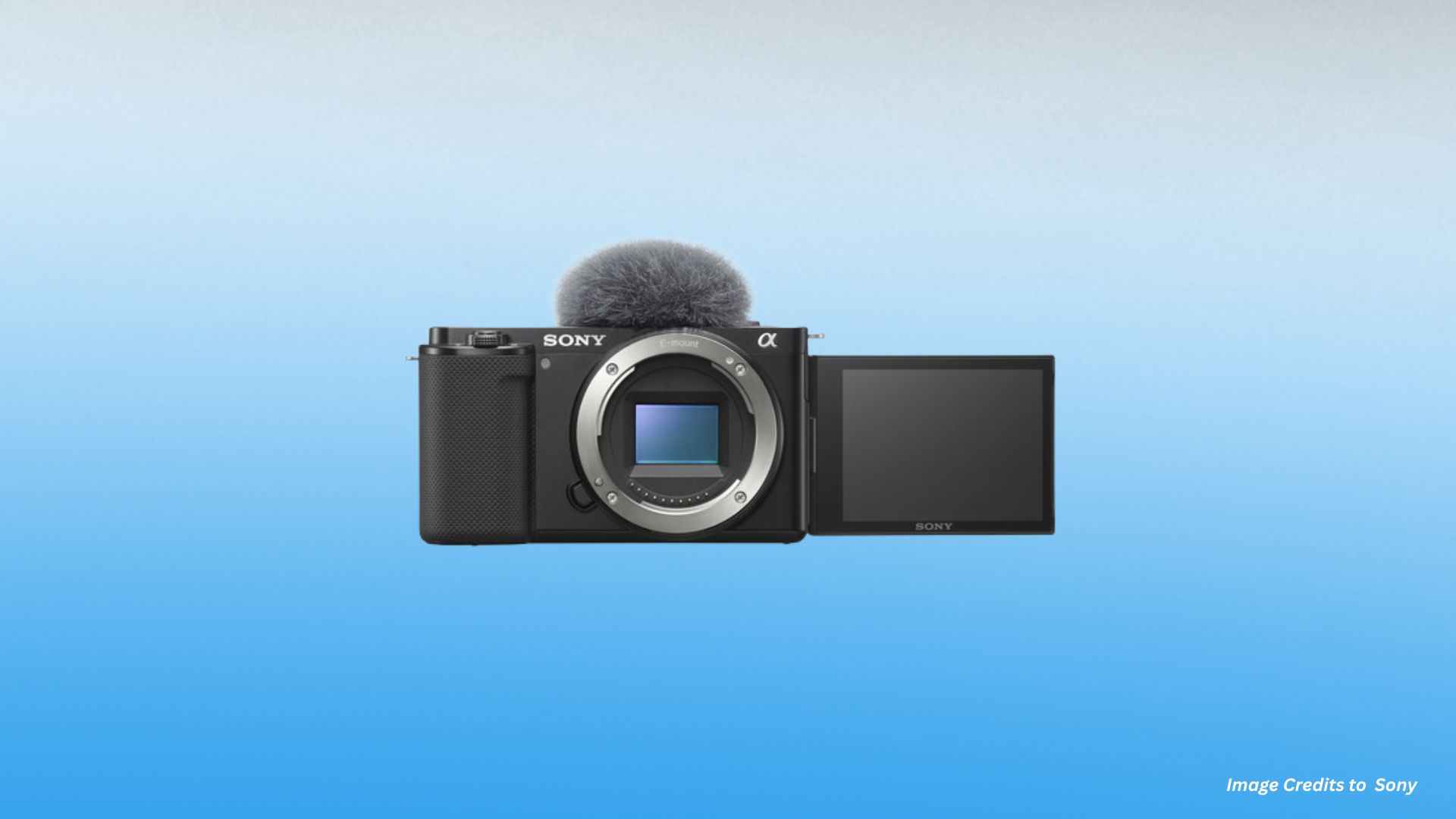
Sony didn’t start from scratch with this camera. They grabbed the same 24.2-megapixel sensor from the a6100. That’s one of their solid entry-level cameras. You’re basically getting proven tech in a different package.
The BIONZ X processor handles everything smoothly. Photos come out clean with accurate colors and tons of detail. The native ISO runs from 100 to 32,000. You can push it further if needed, from ISO 50 up to 51,200.
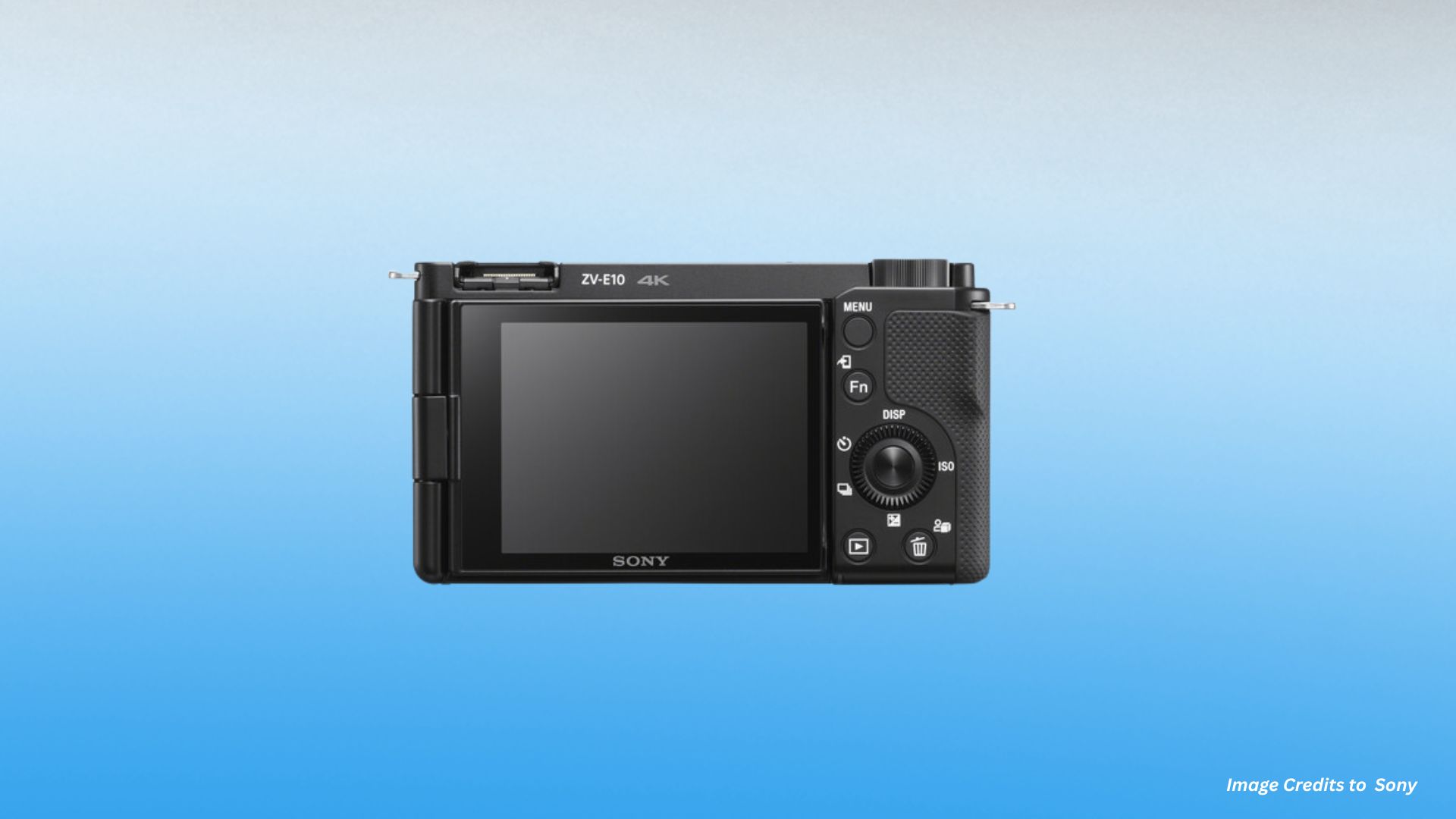
Now here’s the big difference. Sony ditched the viewfinder completely. You compose everything on the 3-inch flip screen. Makes perfect sense for vloggers who need to see themselves. Photographers have to adjust though. The screen becomes your only window into the shot.
The fully articulating display flips out and rotates every direction. You can shoot from angles without lying on the ground. High angles work great too. Just flip the screen down and shoot over crowds easily.
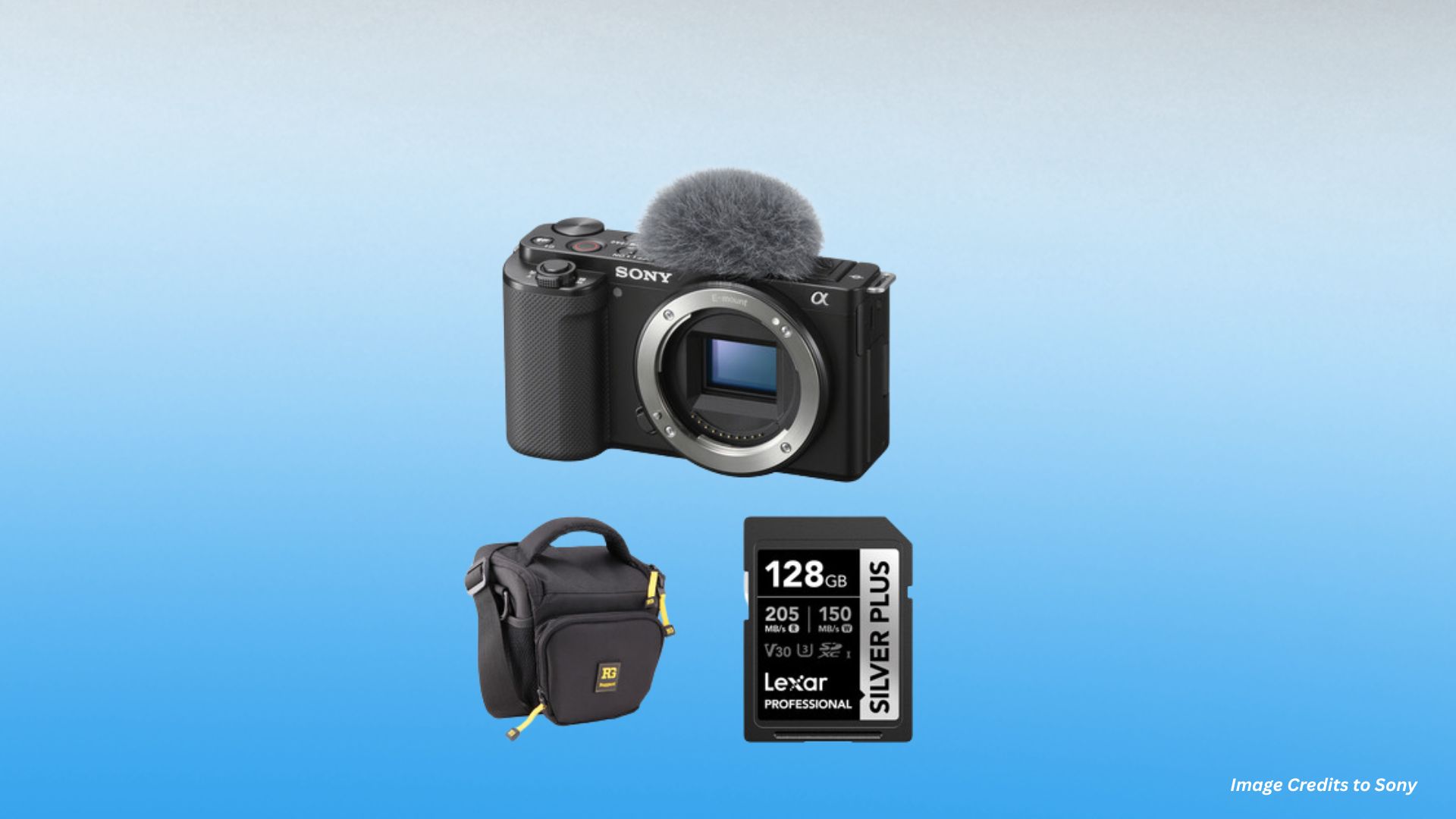
Image Quality Performance
Testing the Sony ZV-E10 for photography shows it punches above its weight. The APS-C sensor produces sharp, detailed images. Raw files give you tons of room for editing. Push and pull your exposure without things falling apart.
JPEGs look great straight from the camera. Sony’s color science nails skin tones naturally. The default picture profiles work well for most stuff. You get several creative styles: Standard, Vivid, Portrait, Landscape, and more.
High ISO performance really stands out. Shooting at ISO 3200 produces clean, usable images. Even ISO 6400 stays relatively controlled. The camera handles dim light better than you’d expect from an entry-level body.
Dynamic range hits around 10.3 f-stops at base ISO. That gives you room to recover shadows without adding noise. Highlight protection works well too. Bright areas stay detailed instead of blowing out completely.
Working with Raw Files
Shooting Raw unlocks the full potential of the Sony ZV-E10 for photography work. The 14-bit files contain massive amounts of data for editing. Adobe RGB support gives you wider color options than standard sRGB.
Sharpness tests show the camera resolves around 1,980 line widths per picture height. That’s excellent detail for a 24-megapixel sensor. Crop your images heavily and they still look good.
One thing to know: Sony uses compressed Raw format. The files take less space but use lossy compression. Most people won’t notice issues during normal editing. Just be aware if you plan extreme adjustments.
Autofocus Features
The hybrid autofocus in the Sony ZV-E10 for photography performs really well. Sony packed in 425 phase-detection points covering 84% of the frame. The camera tracks subjects almost anywhere you compose them.
Face detection and eye autofocus work brilliantly. The system locks onto eyes with scary accuracy. It maintains focus even when people move around. This proves invaluable for candid photography and portraits where eye sharpness matters most.
Real-Time Tracking integrates everything smoothly. When your focus point hits a face, tracking activates automatically. Move the point away and it disengages. Feels totally natural after shooting for a bit.
Focus Area Options
The camera offers several focus area modes for different situations:
- Wide area mode works great for general shooting
- Zone mode restricts focus to a selected region
- Flexible Spot modes give you precise point selection
- Touch focus lets you tap the screen anywhere
The touchscreen makes selecting focus points super quick. Just tap where you want sharpness. The camera handles the rest. Works perfectly for macro photography or precise focus needs.
Continuous autofocus during burst shooting hits about 97% accuracy with single point tracking. That’s fantastic for an entry-level camera. Even with moving subjects, the system stays locked on through the sequence.
Burst Shooting and Buffer Depth
Burst shooting on the Sony ZV-E10 for photography maxes out at 11 frames per second. The camera offers four speeds: Lo (4 fps), Mid (6 fps), Hi (8 fps), and Hi+ (11 fps). You can match speed with what you’re shooting.
The buffer holds about 47 Raw files or 118 JPEGs before slowing down. That’s decent for most shooting. You can fire off a solid burst without hitting limits too quickly.
Here’s the bad part. After filling the buffer, the camera takes 25 seconds to clear. That’s painfully slow. You might miss moments if you’re shooting action or events. Faster UHS-I SD cards help but don’t fix it completely.
Silent shooting activates the electronic shutter for zero noise. Maximum speed drops to 8 fps in silent mode. Still plenty fast for most work. Perfect for weddings, concerts, or wildlife photography where shutter clicks would disturb things.
Shooting Without a Viewfinder
The missing viewfinder is the biggest adjustment for photographers. You compose everything through the 3-inch rear screen. This LCD packs 921,600 dots and gets bright enough for outdoor use at 760 cd/m².
The screen brightness helps in most conditions. Harsh sunlight can still make things tough though. Finding shade or blocking direct light with your hand works when needed.
Touch functionality feels pretty limited. You can tap to select focus points or start tracking. You can’t navigate menus with touch though. Everything requires button presses instead.
Battery life takes a hit since the screen stays on constantly. The NP-FW50 battery delivers about 440 shots per charge. That’s actually excellent for the class. Still, grab a spare battery for longer shoots.
The screen-only approach has some advantages actually. You stay more aware of your surroundings. Your face isn’t buried in the camera. This helps when shooting street photography or situations requiring environmental awareness.
Lens Options and System Flexibility
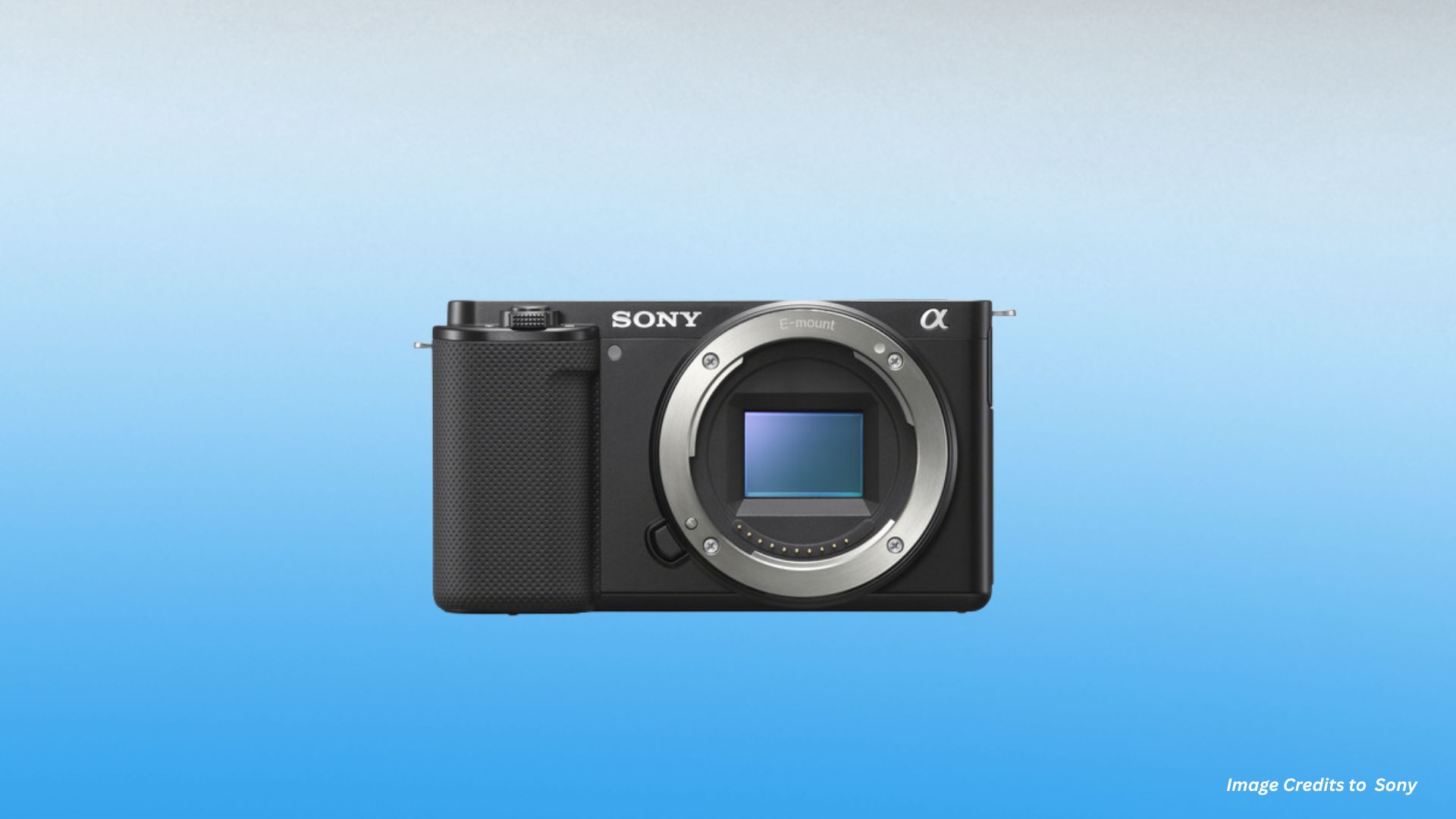
Sony’s E-mount system opens up tons of lens choices for the Sony ZV-E10 for photography work. The APS-C sensor works with both crop E-mount lenses and full-frame FE options. Full-frame lenses apply a 1.5x crop factor, useful for extending reach with telephoto glass.
The kit lens pairs the camera with Sony’s 16-50mm f/3.5-5.6 power zoom. This compact pancake lens keeps things portable but delivers mediocre optical quality. Image sharpness falls behind better glass. The slow variable aperture limits low-light shooting potential.
Better E-mount prime lenses transform what this camera can do:
- Sony 35mm f/1.8 OSS makes an excellent normal lens with great sharpness
- 50mm f/1.8 OSS delivers beautiful background blur for portraits
- Sigma and Tamron offer quality third-party options at lower prices
Third-party manufacturers like Sigma, Tamron, and Viltrox keep expanding options. Many of these lenses match or beat Sony quality while costing less. You can build a complete system without spending money.
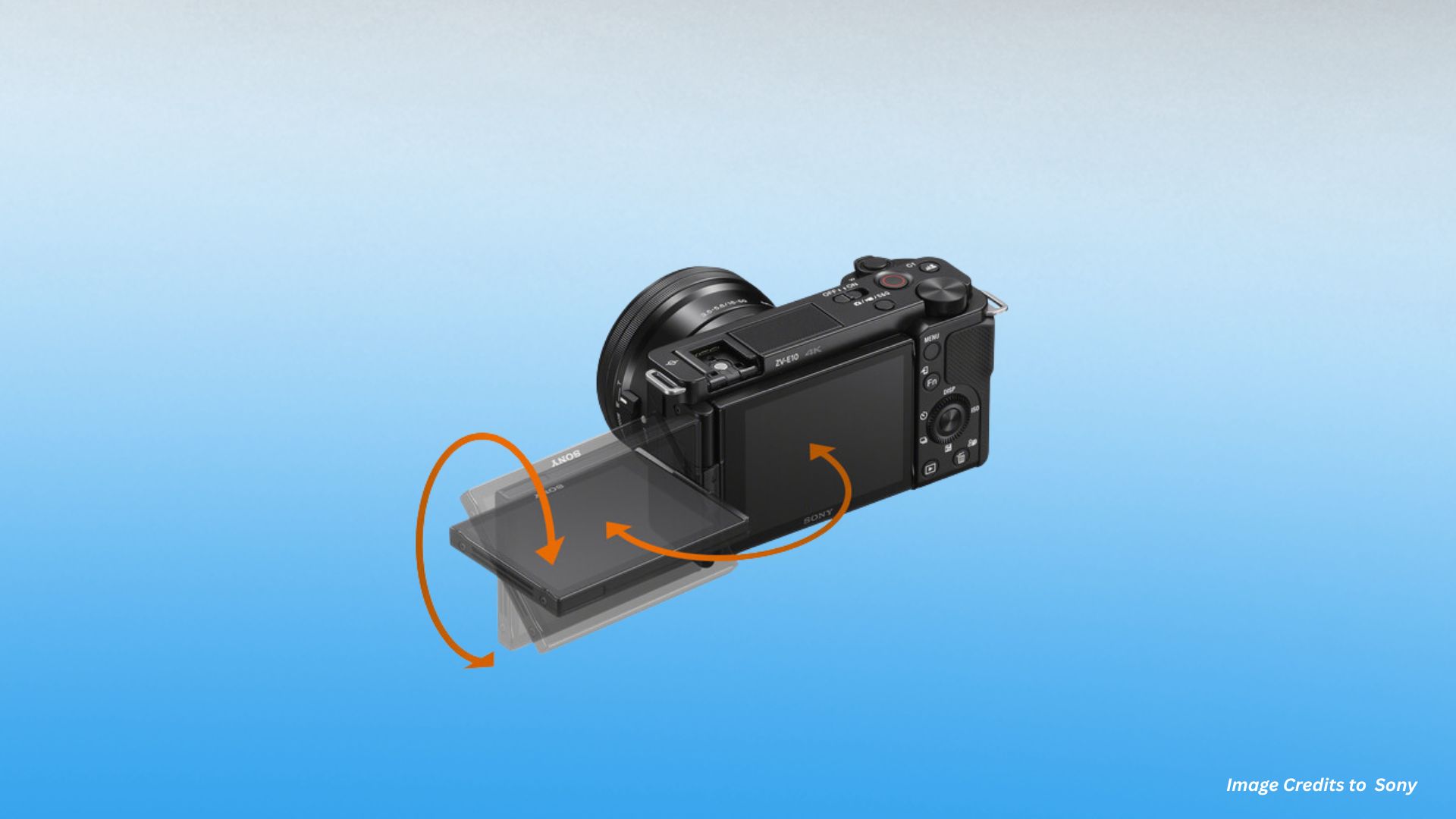
Image Stabilization Limitations
The Sony ZV-E10 for photography lacks in-body stabilization. That’s a notable omission affecting handheld shooting capability. You rely entirely on stabilized lenses or higher shutter speeds to avoid motion blur.
Testing with the stabilized kit lens shows decent performance. The camera achieves sharp handheld shots down to about 1/13 second. That helps in marginal light but doesn’t match 5-axis IBIS systems found on higher-end bodies.
Electronic stabilization only works in video mode. It doesn’t help with still photos at all. This means shooting in dim conditions requires bumping ISO higher than you might with a stabilized body. Fast prime lenses help offset this disadvantage significantly.
Exposure Controls and Shooting Modes
The Sony ZV-E10 for photography provides full exposure controls despite its vlogging focus. The camera offers manual mode plus aperture priority, shutter priority, and program auto. Two command dials give quick access to settings, though both sit under your thumb.
Auto ISO feels somewhat basic compared to advanced Sony cameras. You set upper and lower ISO limits but can’t specify minimum shutter speed thresholds. The camera chooses automatically based on focal length, which works fine for most situations.
Exposure compensation adjusts across a wide +/-5 EV range in 1/3 or 1/2 stop increments. The rear wheel makes quick adjustments easy during shooting. Exposure lock works reliably for tricky metering situations.
The 1200-zone evaluative metering system analyzes scenes effectively. Multi-segment metering handles most situations well, producing properly exposed images. Center-weighted and spot metering options give you more control when needed.
The camera includes several scene modes for beginners: Portrait, Sports Action, Macro, Landscape, Sunset, and others. These provide reasonable starting points but experienced photographers will prefer manual control. According to Sony’s official specifications, Superior Auto mode makes smart decisions about settings automatically.
Sony ZV-E10 Video Features
Several vlogging features on the Sony ZV-E10 for photography actually prove useful for still shooting. Product Showcase mode smoothly shifts focus between your face and objects held up to the camera. This works great for product photography demonstrations.
Background Defocus button automatically opens the aperture wide for maximum background blur. While photographers might prefer manual aperture control, the quick toggle helps beginners achieve that shallow depth look easily.
The fully articulating screen enables creative angles impossible with fixed displays. Getting low to the ground for landscape shots or shooting overhead in crowds becomes much easier. This flexibility benefits both photo and video work equally.

Build Quality and Portability
Build quality feels solid for the price point. The plastic body construction keeps weight down while maintaining rigidity. Buttons provide good physical feedback with satisfying clicks. The grip texture offers secure handling even with larger lenses attached.
However, the camera lacks any weather sealing whatsoever. Shooting in light rain or dusty conditions risks damaging the electronics. The port doors feel somewhat flimsy compared to higher-end bodies. Careful handling becomes essential to prevent damage.
The compact size makes the ZV-E10 highly portable. At just 343 grams with battery and card, it barely adds weight to your bag. The flat handgrip design makes the camera comfortable for selfie-style holding, though less ergonomic for traditional shooting positions.
Who Should Buy the Sony ZV-E10 Camera
The Sony ZV-E10 for photography makes perfect sense for specific types of photographers. Content creators who split time between video and stills get tremendous value. The camera handles both disciplines capably without requiring separate bodies.
Budget-conscious photographers entering the Sony system should seriously consider this option. The excellent image quality and extensive lens selection provide room to grow your skills. Starting here and adding better lenses delivers more value than buying an expensive body with cheap glass.
Photographers comfortable shooting without a viewfinder will appreciate the compact design and articulating screen. The screen proves more useful than a viewfinder for many creative shooting situations anyway.
However, serious photographers specializing in action, sports, or wildlife will miss the viewfinder and IBIS. The buffer clearing time and lack of weather sealing also limit professional applications. These shooters should look at the a6400 or higher-end Alpha bodies instead.
Deciding if the ZV-E10 Right for Your Photography
The Sony ZV-E10 for photography delivers far more capability than its vlogging-focused design suggests. The excellent 24-megapixel sensor, reliable autofocus system, and extensive lens options create a legitimate photography tool. Image quality matches cameras costing significantly more.
The missing viewfinder and lack of in-body stabilization represent real compromises. Photographers need to decide whether these limitations matter for their specific shooting style. Many genres work perfectly fine with screen composition and lens-based stabilization.
At its price point, the ZV-E10 offers exceptional value for photographers willing to adapt to its video-first design philosophy. The camera proves that vlogging features and photography performance can coexist effectively in one body.
For photographers looking beyond vlogging, the Sony ZV-E10 deserves serious consideration. It brings Alpha-level image quality to a compact, affordable package that excels at both stills and video work.
See more from DIYPhotography.net on Google
Add DIYPhotography.net as a trusted source. This makes
our stories more likely to appear in your Google Search results.
 Add as a preferred source on Google

Darlene Lleno
Darlene Lleno brings a unique perspective to DIY Photography as someone who grew up surrounded by camera gear but chose words over lenses. With five years of writing experience, she specializes in photography content that’s both technically informed and genuinely passionate. Growing up with a photographer twin brother meant camera talk was everyday conversation in her household. While he mastered capturing moments, Darlene discovered she preferred being the subject and the storyteller behind the scenes. As a travel enthusiast and mother of two, she understands the importance of preserving life’s precious moments. When not exploring new destinations or writing for DIY Photography, you’ll find her reading or tending to her garden. Her approach to photography writing is refreshingly authentic, she may not be behind the camera, but she knows exactly what it takes to help others capture the shots that matter most.
Related Posts
 Sony’s ZV-E10 $899 E mount vlogging camera announcement coming tomorrow
 Sony has now officially announced the $698 ZV-E10 APS-C E mount vlogging camera
 The best iPhone vlogging microphone under $80 – DIYP reviews the RODE ME-L vlogging mic
 Sony updates its vlogging line with the new Sony ZV-1F and it’s $250 cheaper than the ZV-1
Join the Discussion
DIYP Comment Policy
Be nice, be on-topic, no personal information or flames.